2027 Most Affordable Online Bachelor's in Psychology Degree Programs Ranking in California

Co-Founder and Chief Data Scientist
Choosing the right online psychology degree can feel overwhelming, especially with so many options available in California. This article introduces the 2027 Most Affordable Online Bachelor's in Psychology Degree Programs Ranking in California, created by the Research.com team of data scientists to support students in making well-informed decisions.
By exploring this ranking, you'll discover affordable programs that align with your goals and lifestyle. Earning a psychology degree opens doors to meaningful careers, personal growth, and new opportunities. Let this guide inspire your educational journey and help you take the next step with confidence.
Key benefits of getting online psychology degree in California
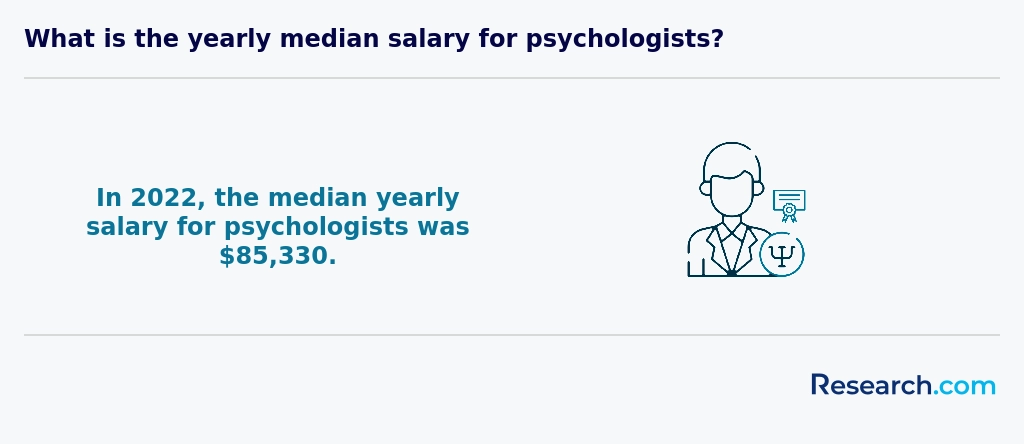
- Psychology degree graduates in California can pursue roles like Human Resources Specialist earning around $76,060 annually or Marketing Research Analyst with an average salary of $83,190, offering strong financial motivation.
- Career paths include clinical research, marketing analysis, and child services, reflecting the versatile opportunities for graduates from universities such as UCLA or UC Berkeley.
- Online psychology degree programs provide flexible scheduling and accessibility, enabling students like those from California State University, Fullerton, to balance work and study effectively.
- 2027 Most Affordable Online Bachelor's in Psychology Degree Programs Ranking in California
- What can I expect from online psychology degree in California?
- Where can I work with online psychology degree in California?
What can I expect from online psychology degree in California?
The average cost of an online psychology degree in California reflects a spectrum shaped by the type of institution and residency status. Graduates from public universities, such as those within the California State University system, often recount feeling relieved by the affordability of in-state tuition, which typically falls between $5,000 and $7,000 per year. This financial accessibility empowers many to pursue their studies without the relentless stress of debt, enabling them to focus on meaningful coursework and personal growth.
Conversely, students attending private colleges report a different experience. While costs can surge beyond $15,000 annually, these programs often offer tailored financial aid packages that lighten the burden. One graduate described balancing work and study with the aid of scholarships, emphasizing that the investment was justified by the program's flexibility and rich content.
Whether at public or private institutions, students in California's online psychology programs often highlight the blend of rigorous academics with practical application, all while managing real-life commitments-a balance that tuition cost directly influences. This financial dynamic not only shapes their educational journey but also their confidence in embarking on psychology careers.
Where can I work with online psychology degree in California?
Graduates from online psychology programs in California often find themselves stepping into roles that stretch far beyond stereotypes of traditional therapy offices. Imagine a recent graduate from a well-regarded school like California State University, Long Beach, who now works as a behavioral health technician in a bustling Los Angeles hospital-helping patients navigate complex emotions while supporting licensed clinicians. These real-world positions in hospitals, community agencies, and schools offer practical experience and a sense of genuine impact.
The diversity of opportunities doesn't stop there. Many graduates take on roles as psychiatric technicians or case managers in settings ranging from nonprofit organizations to mental health clinics across San Francisco and San Diego. While a bachelor's degree may not immediately lead to licensure, it opens doors to meaningful careers that positively affect individuals' lives every day.
Others leverage their understanding of human behavior in human resources or market research, applying psychological insights to improve workplace culture or consumer strategies. Such paths reflect not just career flexibility but an exciting invitation to influence society from various vantage points within California's expansive job market.
Graduates from online psychology programs at institutions like California State University, Long Beach or University of California, Davis often find themselves navigating a broad salary spectrum in California. For example, a Human Resources Specialist with a psychology background can expect a mean annual wage around $76,060, reflecting strong entry points in organizational and behavioral roles.
Others may step into positions such as Marketing Research Analyst, earning an average of $83,190 per year, where their understanding of human behavior fuels strategic decision-making. Clinical Research Associates and Survey Researchers share similar pay scales, around $62,370 annually, applying analytical skills within healthcare or social science sectors.
Imagine a recent graduate feeling energized by the practical application of their degree, landing a role at a Los Angeles hospital where demand and cost of living boost earnings. These figures challenge the notion that an online psychology degree limits income potential within California's competitive markets.
Success often depends on leveraging the degree with continued education or certifications, but the provided salary data showcases credible, motivating starting points for those eager to apply psychology knowledge locally.
- Online psychology bachelor's degrees in California typically cost between $7,000 and $10,000 per year for in-state students at public universities, while private schools often charge over $20,000 annually.
- Entry-level psychology jobs in California pay around $45,000 per year, with experienced professionals earning averages above $90,000 annually.
- The job market for psychology graduates in California is growing faster than the national average, driven by high demand for mental health services across various settings.
- Accreditation is essential for online programs, particularly regional accreditation and recognition by the California Board of Psychology for licensing purposes.
- Many online programs offer flexible scheduling, access to experienced faculty, virtual internships, and networking opportunities within California's mental health community.
Completing an online psychology degree in California typically takes around four years for full-time students, mirroring the standard timeline at institutions like California State University or University of California campuses. Many graduates recall the satisfaction of steadily progressing through their courses, balancing life events while moving toward their degree.
However, this duration is not set in stone. Some students, juggling jobs and family, opt for part-time study and extend their journey to five or six years, appreciating the flexibility to learn without sacrificing other priorities. Others embrace accelerated programs offered by select California universities, completing their bachelor's in as little as three years through intensive study and summer sessions, a path that often leaves them energized by their focused progress.
Graduate psychology students commonly add two to three years for a master's degree, with diligent pacing allowing many to study online while advancing careers. Yet doctoral aspirants, aware of the demanding five to seven year commitment, often find their dedication deepened by the blend of online coursework and essential on-campus research opportunities that California institutions require.
Online and on-campus psychology degrees in California offer distinctly different experiences that go beyond just where you sit during class. Graduates from UC Berkeley's traditional program often recall the energizing campus atmosphere-late-night study sessions in libraries, face-to-face debates with professors, and the easy access to labs and peer support groups. In contrast, those who completed their degrees online at California State University, Fullerton, frequently highlight the flexibility that allowed them to balance work, family, and study without sacrificing quality. They still accessed the same accredited curriculum covering cognitive processes and research methods, but tailored to their schedule.
However, the challenge for online students lies in securing local internships or supervised fieldwork, which remain essential for California licensure. These graduates describe a sense of empowerment once they navigate securing placements close to home, finding community in virtual student networks despite physical distance. Both paths demand dedication, but the choice reflects your lifestyle and how you wish to engage with your education and future career.
The average cost of an online psychology degree in California tends to hover around $63,300, reflecting a balance between affordability and quality education. Graduates from programs within the California State University system often share how the reasonable tuition fees, typically ranging from $6,000 to $7,000 annually for residents, eased their financial worries while still providing access to respected faculty and robust online resources. This affordability is crucial when comparing it to private institutions where costs can exceed $30,000 per year, making the median cost a useful benchmark for prospective students evaluating their options.
Many students find that even though tuition is a primary factor, incidental expenses like technology fees and course materials shape the overall financial commitment. For those pursuing affordable online psychology bachelor's programs California offers, strategic budgeting and leveraging scholarships become essential strategies. A graduate from a well-known university often recalls how these savings allowed them to focus more on engaging with the coursework rather than stressing about mounting debt.
Choosing an online psychology degree in California also means considering credit hour rates, which commonly range between $300 and $600 at public universities. The presence of financial aid and grants tailored specifically for psychology students makes a significant difference, turning the perceived hefty cost into a manageable investment. In this journey, consulting resources is key-investigating options like easiest associates degrees can provide valuable alternatives or supplements to more traditional paths.
Seeking an online psychology degree in California doesn't mean navigating tuition costs alone. Graduates from institutions like California State University and University of California campuses often highlight the relief provided by state-specific financial aid, such as Cal Grant A, which can cover up to $12,630 annually for tuition. Imagine the confidence of an online psychology student at CSU receiving this support, allowing focus on studies rather than financial strain.
Federal aid, accessed through FAFSA, opens doors to grants like the Pell Grant, offering up to $7,395 yearly without needing repayment. Many psychology students recall how these funds transformed uncertainty into achievable goals.
Institutional scholarships, tailored to psychology majors, often reward dedication and impact opportunities, while private scholarships from the American Psychological Association can be game changers for those juggling online study with life's demands.
Even work-study programs, albeit limited online, and military benefits through the GI Bill represent accessible aid, ensuring financial hurdles don't dim the passion for understanding the mind.
Meeting the prerequisites for enrolling in an online psychology degree in California often feels like the first meaningful step toward a rewarding future. Graduates from renowned institutions like California State University or University of California campuses recall that holding a high school diploma or GED was just the beginning of their journey. Many programs expect a minimum GPA around 2.5 to 3.0, challenging applicants to demonstrate consistent academic commitment before diving into complex psychological theories.
Beyond grades, some students found submitting optional SAT or ACT scores gave them a beneficial edge, reflecting their readiness in ways transcripts alone couldn't capture. Official transcripts and sometimes heartfelt letters of recommendation became windows through which admissions committees glimpsed their passion for psychology.
Transfer students often highlight the importance of completing 12 to 24 college credits beforehand, experiencing firsthand how that foundation empowered them to engage deeply with upper-division courses.
These requirements, while demanding, nurture a sense of accomplishment and confidence - essential qualities for anyone eager to explore the human mind through online learning in California.

Online psychology degree programs in California immerse students in a diverse range of courses that challenge the way they perceive human behavior. Graduates from popular institutions like UCLA or San Diego State often recall how foundational classes such as Introduction to Psychology sparked their curiosity by revealing the complex interplay of mind and environment. Far from dry lectures, statistics and research methods become tools students eagerly master to dissect real-world data, just as they would if designing a community well-being survey or analyzing social trends.
These programs don't stop at the basics. Courses in Developmental or Social Psychology invite students to step into the shoes of others-imagine understanding adolescents' struggles in a bustling Los Angeles school or uncovering the subtle social cues in workplace dynamics, as explored in classes at Cal State Fullerton. Meanwhile, Abnormal Psychology breaks down stigmas, helping learners emotionally connect with those facing mental health challenges.
Upper-level classes often feel like a doorway into professional life, blending ethics with counseling techniques and organizational psychology. Graduates frequently express a sense of empowerment, having practiced applying theory to remote internships in clinics or nonprofits throughout California, making every lesson resonate far beyond the screen.
Online psychology degree specializations in California reveal a dynamic spectrum tailored to distinctive career paths. Graduates from institutions like California State University or University of Southern California often reflect on how Clinical Psychology, Counseling Psychology, and Industrial-Organizational Psychology shaped their ability to address real-world problems from mental health crises to workplace dynamics.
Imagine a student tackling developmental milestones with hands-on virtual internships or exploring the legal system through forensic psychology courses, directly applicable to California's diverse communities. These specializations aren't just academic tracks; they're immersive experiences that spark genuine passion for helping others while advancing professional dreams.
Yet, beyond just choosing a focus, students also weigh how affordable options affect their journeys. California affordable psychology bachelor programs specializations provide pathways for those balancing cost and ambition, especially when aligned with practical training requirements.
For those curious about pursuing the easiest bachelor degree options within psychology, recognizing these specializations helps clarify which aligns most meaningfully with personal and professional goals.
Choosing the best online psychology degree in California requires more than scanning tuition costs or rankings. Graduates from institutions like California State University share how accreditation-specifically from bodies such as the Western Association of Schools and Colleges-ensured their degrees were respected by employers and graduate programs. They emphasize that attending a top accredited online psychology program California means your credits transfer smoothly and your path to licensure remains open.
Affordability often challenges students balancing budgets and ambitions. For example, graduates praise how California State University's affordable tuition allowed them to invest in internships and research rather than accumulating debt. Others who considered private universities highlight how online formats reduced housing costs without sacrificing quality.
Online psychology learners increasingly seek programs aligning with personal interests, like forensic or counseling psychology, to feel genuinely engaged. One graduate noted that choosing programs with flexible scheduling catered to their busy lifestyle while enabling them to dive deep into specialized electives. If you're curious about program options or wondering about the easiest masters degrees to complement your bachelor's, exploring these choices deeply enhances your degree's value.
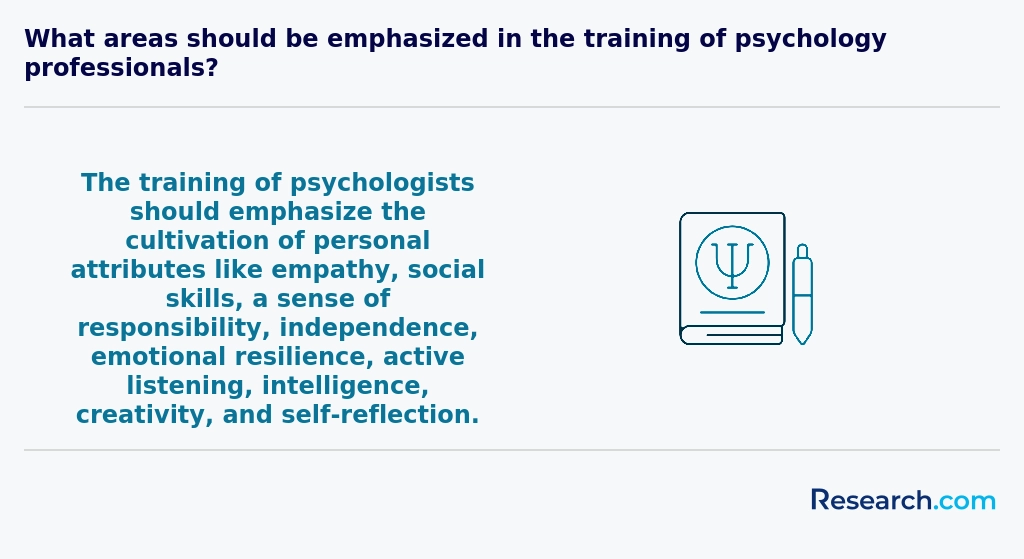
Graduates holding an online psychology degree in California find their career options remarkably diverse, bridging clinical, corporate, and technological worlds. For instance, those from well-known institutions like California State University or University of Southern California often begin as behavioral health technicians or case managers, gaining critical hands-on experience. These roles open pathways to becoming licensed counselors or therapists, which require a master's degree and clinical hours but start with the foundational bachelor's degree.
Psychology degree jobs in California are not confined to traditional therapy roles. Many graduates discover that organizational psychology or human resources careers at Silicon Valley companies offer exciting challenges, where understanding workplace dynamics can transform employee engagement. Others thrive in user experience research, harnessing cognitive psychology skills to enhance app and software usability, reflecting growing demand in tech-centric California.
Students pursuing an online degree often appreciate its flexibility, balancing study with work or family. Reflecting on their journeys, several acknowledge that California's affordability and varied programs make the easiest degree to get label misleading-success here comes from real dedication and strategic career moves.
The job market for graduates holding an online psychology degree in California is nuanced but promising, especially for those who understand the state's unique licensing landscape and expanding mental health needs. Graduates from institutions like California State University or University of Southern California often find entry-level roles in research assistance or case management while contemplating further studies for licensed positions. Many reflect on the strong sense of purpose felt when assisting underserved communities in rural California, where the shortage of mental health professionals opens more doors.
Those navigating the online psychology degree job outlook California encounter a state vibrant with job growth - the California Employment Development Department forecasts a 13% rise in psychology roles through 2030. However, the challenge lies in leveraging a bachelor's degree to gain footholds in fields such as social work or human resources, where salaries span $40,000 to $60,000, fueling the ambition for advanced degrees.
For ambitious students, the path often includes exploring graduate options, some opting for the easiest phd to get online, balancing flexibility with career-enhancing credentials. This pragmatic approach reflects a growing awareness: the online psychology degree job market in California rewards those who thoughtfully blend education with local demand.
2027 Most Affordable Online Bachelor's in Psychology Degree Programs Ranking in California
Investing in your education is a significant decision that can shape your future, and the Research.com team understands the importance of making informed choices. To assist prospective students in California, we have meticulously crafted the "2027 Most Affordable Online Bachelor's in Psychology Degree Programs Ranking in California." Our commitment to quality, credibility, and accuracy is reflected in the extensive research and analysis conducted to compile this ranking.
We utilized the following reputable data sources to ensure a comprehensive evaluation of psychology programs:
By exploring this ranking, readers will gain valuable insights into affordable and quality online psychology degree options in California, helping them make well-informed decisions about their educational investments. For more details on our methodology, please visit our Research.com methodology page.

# 2 position
University of Massachusetts Global
Bachelor of Psychology


# 4 position
California Coast University
Bachelor of Psychology
Frequently Asked Questions About psychology
Online psychology degree students in California can maximize their learning by actively engaging with course materials and participating in virtual discussions. California hosts numerous accredited institutions offering online psychology programs, ensuring access to quality education recognized by the American Psychological Association (APA). Students should take advantage of online resources such as digital libraries and research databases like PsycINFO through their university platforms.
Networking with peers and faculty through video conferencing helps build professional connections essential for future careers. Additionally, seeking internships or volunteer opportunities within California's mental health agencies can provide practical experience crucial for applying theoretical knowledge.
The California Department of Consumer Affairs notes that hands-on experience improves licensure eligibility and employment prospects for psychology graduates.
The psychology field is expanding rapidly, with several emerging niches gaining traction in California's academic and professional landscapes. One key area is neuropsychology, which focuses on understanding brain-behavior relationships. This specialty benefits from California's leading medical research institutions. Another growing niche is health psychology, examining how psychological factors impact physical health and chronic illness management. Behavioral economics, blending psychology with economic decision-making, is increasingly popular, especially in California's tech-driven industries.
Additionally, forensic psychology is rising due to the demand from California's legal system for psychological expertise in criminal cases. According to the California Psychological Association, interest in these areas is expected to increase by over 10% through 2030.
After completing an online psychology degree in California, preparing for the job market involves strategic steps to enhance employability. Gaining relevant work experience through internships or volunteer roles in mental health agencies or community programs is essential. California's strong focus on mental health services means practical experience is highly valued by employers.
Additionally, earning certifications such as a Certified Alcohol and Drug Counselor (CADC) can improve job prospects. Networking through professional organizations like the California Psychological Association also provides valuable connections.
The California Employment Development Department reports that demand for psychological assistants and counselors is growing at 10% annually, highlighting the importance of both education and practical skills in securing a position.
Employers in California highly value psychology graduates who demonstrate strong critical thinking and analytical skills. These abilities are essential for interpreting research data and understanding complex behaviors within diverse populations.
Communication skills are also crucial. Graduates must effectively articulate psychological concepts to clients and colleagues, both verbally and in writing. This competency supports roles in counseling, education, and human services.
Additionally, familiarity with ethical standards and laws in California's mental health field is important. Knowledge of state-specific regulations ensures graduates maintain professional integrity in practice.
Proficiency in statistical software and research methods is increasingly sought after, reflecting industry trends toward evidence-based approaches. According to the California Employment Development Department, demand for behavioral specialists with these skills is expected to grow by 13% through 2030.
Finding internships in California relevant to a psychology degree involves several strategic steps. Students should start by exploring university career centers, which often have partnerships with local healthcare providers, schools, and community organizations. The California Psychological Association offers resources and listings specific to internships and volunteer opportunities in the state. Additionally, platforms like the Association of Psychology Postdoctoral and Internship Centers (APPIC) provide databases that include California listings. Given that California has one of the largest populations of licensed psychologists in the U.S., there are diverse options ranging from clinical settings to research roles. Networking with faculty and joining local psychology groups also enhances access to internships.
Obtaining an online psychology degree in California can significantly enhance career mobility and advancement opportunities within the state's diverse job market. According to the California Employment Development Department, the demand for psychologists and related mental health professionals is projected to grow by 14% from 2020 to 2030, faster than average job growth.
Online programs accredited by the American Psychological Association or regional accrediting bodies ensure graduates meet industry standards, which is crucial for licensure and employment. Earning a degree online also allows flexibility, enabling professionals to gain experience while studying.
Many California employers value accredited online degrees equally to traditional ones, especially as remote work expands. Graduates often qualify for roles in counseling, social services, and human resources with competitive salaries averaging around $80,000 annually, per the U.S. Bureau of Labor Statistics data.
Studying for an online psychology degree in California equips students with skills applicable across multiple sectors, including healthcare, education, and business. California universities emphasize interdisciplinary learning by integrating psychology with fields like sociology, neuroscience, and public health. This prepares graduates to collaborate effectively in diverse professional environments.
California's workforce data shows growing demand for professionals who can navigate complex human behavior in various contexts. According to the California Labor Market Information, employment in psychology-related roles is projected to grow 10% through 2030, reflecting the importance of interdisciplinary expertise.
Online programs also often include practical case studies and research methods training, fostering analytical skills that translate to other disciplines.
When choosing between a thesis and a non-thesis psychology degree program in California, it is important to consider your career goals and learning preferences. Thesis programs require students to conduct original research and write a detailed paper, which can be time-consuming but valuable for those interested in research or graduate studies.
Non-thesis programs focus more on coursework and practical skills, often appealing to students aiming for immediate employment in psychology-related fields such as counseling or human services.
According to the California Bureau for Private Postsecondary Education, many online programs require about 40 to 60 credits, with thesis options extending timelines slightly due to research demands.
Prospective students should also check if their chosen program meets California Board of Psychology licensing requirements, especially if planning to become a licensed psychologist or therapist.
Students based in California seeking to study psychology abroad through online programs have several options, though most international programs may not be fully recognized by U.S. licensing boards. Many California residents consider enrolling in accredited U.S. institutions offering online psychology degrees with global learning opportunities or partnerships.
California's Board of Psychology requires accredited degrees for licensure, so students should verify if foreign degrees meet these standards. According to the American Psychological Association, degrees must hold regional accreditation, which can limit fully foreign online options.
Some U.S. universities with international campuses or collaborations provide hybrid programs, allowing California students to benefit from global perspectives while maintaining degree eligibility at home. Exploring such programs is practical for students wishing to study abroad without leaving California.
Part-time job opportunities in California that complement online psychology degree education include roles such as behavioral health aides, research assistants, and peer support specialists. Behavioral health aide positions, often found within community mental health organizations, provide hands-on experience working with clients under supervision. According to the California Employment Development Department, these roles are expected to grow by 12% through 2030, reflecting a strong demand for mental health support. Research assistant positions at universities or nonprofit organizations allow students to engage with psychological studies, strengthening their analytical skills. Peer support specialists offer valuable lived-experience assistance, reflecting the state's emphasis on integrated mental health care.
Online psychology students in California have access to diverse networking opportunities that enhance their educational experience. Many accredited institutions offer virtual career fairs, connecting students with local employers and mental health organizations. Professional groups like the California Psychological Association provide memberships and online events tailored to students, facilitating interactions with licensed psychologists and peers.
Some programs partner with California-based clinics and nonprofits, enabling remote internships or practicum experiences. This real-world engagement helps students build professional contacts while fulfilling degree requirements. Additionally, platforms such as LinkedIn and specialized psychology forums are popular for networking beyond campus.
According to the California Bureau of Labor Statistics, networking significantly aids in job placement, with 55% of psychology professionals reporting referrals from connections.
Alumni networks offer valuable benefits to online psychology degree students in California by creating strong professional communities. These networks often provide access to exclusive job listings, internships, and mentorship opportunities, which are crucial in a competitive psychology job market.
In California, where demand for psychology professionals is growing by 12% annually according to the Bureau of Labor Statistics, connections made through alumni can significantly aid in career advancement. They enable students to engage with experienced practitioners familiar with state licensure requirements and industry standards.
Moreover, alumni groups help foster ongoing education through workshops and conferences that keep graduates updated on the latest psychological research and practices.
Customizing an online psychology degree program in California begins with selecting courses that align with your career goals. Many California institutions offer electives in areas such as clinical psychology, forensic psychology, or counseling, allowing students to target specific fields.
Additionally, students can pursue internships or research projects remotely, gaining practical experience relevant to their desired career path. This flexibility is important, as California's diverse psychology job market-projected to grow by 12% through 2031 according to the Bureau of Labor Statistics-values specialized skills.
Some programs also provide certificate tracks or concentrations within the degree, helping students meet licensing requirements, such as those overseen by the California Board of Psychology.
Online psychology students in California commonly face challenges related to hands-on experience requirements. Many degree programs mandate supervised internships or practicums, which can be difficult to arrange remotely. According to the American Psychological Association, practical training is essential for licensure but may be limited for online students.
Another challenge is maintaining motivation and time management. A 2023 study by the California Community Colleges system found that online learners often struggle with balancing coursework alongside work and family commitments.
Technical difficulties and limited access to campus resources also impact the learning experience. Students sometimes report feeling isolated without face-to-face interaction with peers and instructors.
With an online psychology degree in California, you can pursue several professional certifications to enhance your career prospects. Entry-level certifications include becoming a Certified Alcohol and Drug Counselor (CADC), which requires specific coursework and supervised experience approved by the California Consortium of Addiction Programs and Professionals.
For those seeking to become licensed professionals, a Master's or Doctoral degree is generally required to pursue licensure as a Licensed Professional Clinical Counselor (LPCC) or Licensed Marriage and Family Therapist (LMFT) through the California Board of Behavioral Sciences.
Additionally, some graduates choose to earn certifications in specialized areas such as school psychology or behavioral analysis. The Behavior Analyst Certification Board (BACB) offers credentials for Board Certified Assistant Behavior Analysts (BCaBA) for those with a relevant bachelor's degree.
Writing a winning application for an online psychology program in California involves several key steps. Start by carefully reviewing the specific admission requirements of each California institution, as expectations can vary. Most programs will require official transcripts showing prior academic success, ideally with a strong foundation in social sciences or psychology.
Highlight your motivation for studying psychology online, emphasizing time management skills and self-discipline-qualities essential for distance learning. Including relevant work or volunteer experience in mental health can strengthen your application.
California is home to many accredited online psychology programs; referring to data from the California Bureau for Private Postsecondary Education ensures you target legitimate schools. Craft a compelling personal statement tailored to California's diverse communities, and clearly explain how the program fits your career goals.
Strong letters of recommendation and standardized test scores, if required, also improve your chances. According to the California Postsecondary Education Commission, students demonstrating clarity of purpose and academic readiness tend to have higher admission success rates.
Psychology careers hold significant global importance, reflecting growing awareness of mental health worldwide. In the United States, including California, the Bureau of Labor Statistics reports a steadily increasing demand for psychologists, projected to grow 8% from 2021 to 2031. This trend aligns with global recognition of mental health's role in overall well-being.
California, a leader in mental health innovation, offers numerous online psychology degree options, supporting a diverse workforce aimed at culturally competent care. Globally, psychologists engage in various specialties, from clinical to industrial-organizational psychology, reflecting broad career possibilities.
Understanding global perspectives helps California students appreciate psychology as a dynamic, internationally relevant field, with skills transferable beyond state or national borders.
Gaining practical experience while pursuing an online psychology degree in California is essential for career readiness. Many programs incorporate supervised internships or practicum placements that meet California Board of Psychology standards. These opportunities allow students to work in clinical, community, or research settings under professional supervision.
Students can also engage in volunteer work or part-time positions in mental health clinics and nonprofit organizations, which build relevant skills and professional networks. California offers widespread internship options due to its large healthcare and social services sector.
Additionally, online students should seek programs accredited by the American Psychological Association (APA) or regional accreditors, as such programs often facilitate access to practical training opportunities and ensure licensure eligibility.
Choosing the right concentration within an online psychology degree program in California involves evaluating your career goals and the demand in the state's job market. Popular concentrations include clinical, counseling, developmental, and industrial-organizational psychology. According to the California Employment Development Department, clinical and counseling psychologists are among the fastest-growing professions, with a projected growth rate of 14% through 2028.
Consider your interests and the skills you want to develop. For example, if you aim to work in mental health services, clinical psychology may be suitable. If you prefer workplace behavior, industrial-organizational psychology is relevant.
Review program accreditation and whether the concentration prepares you for California licensure if you plan to become a licensed psychologist.
- 2027 Most Affordable Online Bachelor's in Psychology Degree Programs Ranking in Oregon
- 2027 Most Affordable Online Bachelor's in Psychology Degree Programs Ranking in Arizona
- 2027 Most Affordable Online Bachelor's in Psychology Degree Programs Ranking in Washington
- 2027 Most Affordable Online Bachelor's in Psychology Degree Programs Ranking in Colorado
- 2027 Most Affordable Online Bachelor's in Psychology Degree Programs Ranking in Texas
- 2027 Most Affordable Online Bachelor's in Psychology Degree Programs Ranking in Kansas
- 2027 Most Affordable Online Bachelor's in Psychology Degree Programs Ranking in Minnesota
- 2027 Most Affordable Online Bachelor's in Psychology Degree Programs Ranking in Iowa
- 2027 Most Affordable Online Bachelor's in Psychology Degree Programs Ranking in Missouri
- 2027 Most Affordable Online Bachelor's in Psychology Degree Programs Ranking in Louisiana
See What Experts Have To Say About Studying Psychology
Read our interview with Psychology experts

Catherine Caldwell-Harris, Ph.D.
Psychology Expert
Associate Professor of Psychology
Boston University

Robin M. Kowalski. Ph.D.
Psychology Expert
Professor of Psychology
Clemson University

Joann Farrell Quinn, Ph.D., MBA
Psychology Expert
Director at the College of Medicine Department of Medical Education
Morsani College of Medicine

- Mental Health Challenges Faced by Psychology Students | The Healthcare Guys https://healthcareguys.com/2023/11/23/mental-health-challenges-faced-by-psychology-students/
- Psychology certificates | edX https://www.edx.org/certificates/psychology-certificates
- Bachelor of Arts (BA) in Psychology Degree Program https://www.calsouthern.edu/online-degree-programs/behavioral-sciences/bachelors-psychology-ba/
- Online B.S. in Psychology https://www.biola.edu/degrees/o/psychology-bs
- How To Find Psychology Internships https://www.psychology.org/resources/how-to-find-an-internship/
- Study Psychology Abroad | Go Overseas https://www.gooverseas.com/study-abroad/psychology
- Online Psychology Degree Program: BA | San Diego Christian College https://sdcc.edu/psychology-ba/
- How to Pay for Your Psychology Education in California - Psychology California https://psychologyca.org/how-to-pay/
- Online BS Bachelor of Science in Psychology Degree Program https://www.calcoast.edu/online-bs-bachelor-of-science-in-psychology-degree.html
- Study Psychology Abroad https://astarfuture.co.uk/study_psychology_abroad.html