2027 Most Popular Psychology Degree Programs Ranking in Union

Co-Founder and Chief Data Scientist
Choosing the right psychology degree program can feel overwhelming, especially with so many options available in Union. To help you navigate this important decision, the Research.com team of data scientists has created the 2027 Most Popular Psychology Degree Programs Ranking in Union.
This article offers a clear, data-driven look at which programs stand out, making it easier for you to find a path that fits your goals.
Exploring psychology opens doors to understanding people and making a meaningful impact, and this guide is here to support your exciting journey ahead.
Key benefits of getting psychology degree in Union
- Salary for psychology degree graduates: Graduates can expect competitive salaries with roles like Human Resources Specialist earning a mean annual wage of $76,060 and Marketing Research Analysts earning $83,190, offering strong financial stability.
- Potential career paths: A psychology graduate from a popular college in Union might pursue diverse careers, such as Clinical Research Associate or Survey Researcher, opening doors in healthcare, research, and social services.
- Benefits of an online psychology degree: Online graduates enjoy flexible schedules and the ability to balance work and study, which creates opportunities for personal growth and advancing a career without relocating from Union.
- 2027 Most Popular Psychology Degree Programs Ranking in Union
- What can I expect from psychology degree in Union?
- Where can I work with psychology degree in Union?
What can I expect from psychology degree in Union?
The average cost of pursuing a psychology degree in Union varies depending on the institution and level of study. For undergraduate programs at popular colleges, tuition typically ranges from $10,000 to $25,000 per year, excluding fees and living expenses. Graduates often describe managing these costs through a combination of scholarships, part-time work, and federal aid, making education more accessible. Master's programs in psychology tend to be higher, averaging between $15,000 and $35,000 annually, with some specialized concentrations influencing pricing.
Doctoral studies, such as PhD or PsyD tracks offered by well-known universities in Union, can cost upwards of $30,000 per year. However, many doctoral candidates benefit from assistantships or stipends that offset expenses while providing valuable teaching and research experience. Alumni frequently express satisfaction with this investment, noting it directly correlates with enhanced career prospects and higher earning potential, especially in clinical and research fields within the region.
Where can I work with psychology degree in Union?
Psychology graduates in Union find diverse employment opportunities across healthcare, education, social services, business, and research sectors. Many graduates from well-regarded institutions in Union begin their careers in mental health clinics and rehabilitation centers, where they provide therapy and support to individuals facing emotional and behavioral challenges. Working in these settings offers rewarding experiences, as graduates see firsthand the positive impact of their counseling efforts.
Educational roles are also prominent, with graduates often employed as school psychologists or counselors in local public and private schools. These positions allow them to assist students in overcoming academic and social difficulties, creating fulfilling day-to-day interactions. Social work agencies and nonprofits provide additional career paths, involving program implementation and community mental health initiatives that graduates from Union colleges passionately contribute to.
Business-oriented graduates frequently enter human resources or organizational development roles within Union's corporate sector, applying psychological principles to improve workplace dynamics. Research opportunities at Union's universities also attract graduates keen on advancing the understanding of human behavior through collaborative projects and assistantships, enriching their professional growth.
Graduates holding a psychology degree in Union often find diverse career opportunities with varying salary ranges dependent on their specialization and degree level. For example, human resources specialist roles, commonly sought by psychology graduates, offer a competitive mean annual wage of $76,060, reflecting strong local demand. Marketing research analyst positions, another popular path for these graduates, command a mean annual salary around $83,190, benefiting from the area's proximity to major metropolitan markets.
Entry-level roles such as clinical research associates or survey researchers typically offer mean wages near $62,370 annually, providing a solid foundation for recent graduates from institutions like Kean University or Union County College. These roles allow individuals to apply psychological principles in practical settings while gaining valuable professional experience.
Many Union-based psychology graduates express satisfaction upon securing jobs that blend research and human interaction, emphasizing the rewarding nature of careers like human resources and marketing research. These positions not only offer financial stability but also enable professionals to continuously develop skills relevant to psychological sciences in a vibrant job market.
- The average yearly cost for a bachelor's degree in psychology at public institutions in Union ranges from $10,000 to $15,000 for in-state students.
- Private colleges often charge over $30,000 annually, with total four-year costs exceeding $120,000.
- Starting salaries for psychology graduates typically range from $45,000 to $50,000 per year, varying by specialization and job setting.
- The job market for psychologists in Union is expected to grow about 10% over the next decade, faster than the average for all jobs.
- Many psychology careers require graduate degrees and licensure, which involves supervised hours and passing exams to improve job prospects and earnings.
Completing a psychology degree in Union typically requires four years of full-time study for a bachelor's degree, reflecting the standard duration observed throughout the United States. Students at prominent institutions like Union University or the local community colleges often balance general education courses with core psychology classes during this period, building a solid foundation in the field.
Graduates from these programs frequently share how the structured timeline allowed them to maintain motivation and engage meaningfully in internships or research projects, which enhanced their educational experience. For those advancing to a master's degree, an additional two to three years is common, often involving specialized coursework and research tailored to professional goals or doctoral preparation.
Doctoral candidates pursuing a PhD or PsyD in psychology in Union can expect a commitment of five to seven years beyond their bachelor's degree. This includes extensive clinical training and dissertation work, demanding both perseverance and dedication.
Many students in Union juggle academic pursuits with part-time jobs or family, which can extend completion times but also enrich their journey with practical experience and personal growth.
To practice as a psychologist or counselor in New Jersey, graduates must complete education and state board requirements:
- Earn a graduate degree in psychology (master’s for licensed associate counselors; doctorate for psychologist licensure).
- Accumulate supervised clinical hours (typically 4,000+ hours under a Board-approved supervisor).
- Pass the Examination for Professional Practice in Psychology (EPPP) and any New Jersey jurisprudence exam.
- Submit a licensure application to the New Jersey Board of Psychological Examiners and pay fees.
- Fulfill continuing education requirements (e.g., ethics, specialized workshops) to renew licensure.
For added flexibility during your graduate studies, explore the cheapest online psychology degree.
Online psychology degrees in Union provide students with the flexibility to balance study alongside work or family commitments. Graduates from local colleges appreciate being able to access lectures and coursework virtually, eliminating the need to commute or relocate. They often engage in dynamic online discussions and use virtual labs, which support independent learning while still maintaining connection with instructors and peers.
In contrast, those enrolled in on-campus programs at Union's well-known universities experience a more traditional academic environment. Many graduates reflect positively on the face-to-face interactions with faculty and classmates, which enhance communication skills and foster collaborative learning. The opportunity to participate in internships at local mental health agencies offers hands-on experience that online formats may lack.
Cost considerations also differ. On-campus students may incur additional expenses for housing and transportation, while online learners often benefit from lower overall costs despite some universities charging equal tuition. Both pathways in Union adhere to accreditation standards, ensuring graduates are well-prepared for licensure or advanced study.
Accreditation ensures that your psychology program meets rigorous academic and professional standards. In New Jersey, aspiring psychologists should look for programs accredited by the American Psychological Association (APA) for doctoral degrees and the Master’s in Psychology and Counseling Accreditation Council (MPCAC) for counseling tracks. Graduates of APA-accredited programs are eligible to sit for the Examination for Professional Practice in Psychology (EPPP), a mandatory step toward licensure. For counseling psychologists, CACREP accreditation similarly qualifies graduates for the National Counselor Examination (NCE). After completing an accredited degree, candidates must accumulate supervised experience. In New Jersey, this typically involves 2,000–4,000 hours of post-doctoral supervised practice under a licensed psychologist or LPCC (Licensed Professional Counselor of Counseling). You must then pass the state jurisprudence exam, covering New Jersey’s professional ethics and legal requirements. Once these milestones are achieved, you may apply to the New Jersey Board of Psychological Examiners for full licensure. Continuing education is another key component: licensed psychologists and counselors must complete at least 40 hours of approved courses every two years to renew their license. Topics often include ethics, multicultural competence, and emerging treatment modalities. To explore alternative pathways into the mental health field, many students ask about can i become therapist without degree, which outlines options like life coaching certifications and peer specialist roles. By choosing an accredited program and understanding New Jersey’s licensure timeline-from degree completion through supervised hours, exams, and ongoing education-you’ll be well equipped to launch a successful career as a licensed psychologist or counselor in Union, NJ.
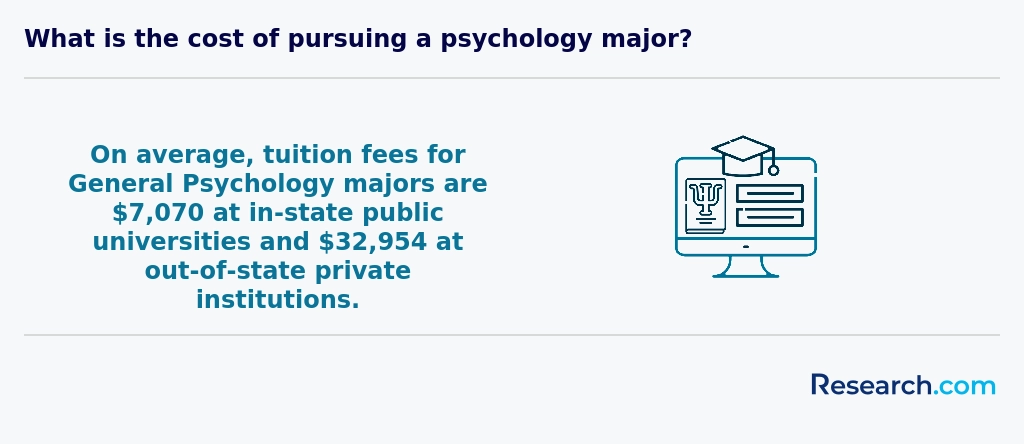
The average cost of a psychology degree in Union varies depending on residency status and the type of institution attended. For in-state students, the median total cost is approximately $14,299 for completing the program, reflecting a more affordable option compared to out-of-state students, whose median total cost can rise to $40,302. This substantial difference illustrates the impact of residency on overall expenses for psychology degree tuition and fees in Union.
Graduates from popular universities in Union often recount their budgeting strategies to manage tuition alongside living costs. For instance, many found that the investment in a psychology degree was worthwhile due to the comprehensive education and networking opportunities provided by well-regarded local institutions. The education's value is further enhanced by accessible financial aid options, which help students reduce the burden of fees and related expenses.
Additional expenses, including textbooks, specialized software, and fieldwork, commonly add to the overall cost but are often factored into students' planning. Prospective students should also explore state-specific scholarships and grants designed to support psychology majors. Those seeking alternatives might consider reputable online counselingdegree programs, which can help reduce cost while maintaining quality education.
Understanding the average cost of psychology degree in Union is crucial for effective financial planning. By carefully selecting a program and utilizing available resources, students can achieve their academic and career goals without unnecessary financial strain.

For students interested in broadening their educational horizons, there are numerous psychology programs available beyond Union, NJ. By considering these options, aspiring psychologists can gain access to a wider range of specializations, research opportunities, and networking experiences. To find the most suitable program, students can explore resources such as popular psychology programs, which provide comprehensive rankings and insights into the best psychology schools in the region. This can be a valuable step in making an informed decision about their educational path and future career in psychology.
Students pursuing psychology degrees in Union frequently rely on federal financial aid, which serves as the cornerstone for funding their education. Graduates from well-regarded institutions like Union State University often recount how the Free Application for Federal Student Aid (FAFSA) enabled them to access Pell Grants of up to $7,395 annually, alleviating the burden of tuition without repayment obligations.
Direct Subsidized and Unsubsidized Loans are common resources noted by many psychology graduates; these loans provide relatively low interest rates, making them preferable to private alternatives. Graduate students at Union College emphasize the value of Direct PLUS Loans, despite the credit check requirement, as these loans supplement their advanced study costs effectively.
State-specific scholarships also play a pivotal role. Local education agencies often administer merit-based and need-based awards geared toward psychology majors, which many students at Union City University have successfully utilized to reduce expenses.
Institutional aid, such as assistantships and fellowships, enriches both financial support and professional growth. Recipients at prominent Union universities recall how teaching and research assistant positions not only eased their financial strain but also enhanced their practical experience, strengthening future career prospects.
Private scholarships from psychological associations further expand the financial aid landscape, encouraging students to apply early and remain well-prepared for application deadlines and documentation requirements.
In today’s rapidly evolving educational landscape, staying ahead means keeping an eye on the emerging trends that are reshaping both classroom learning and career opportunities in psychology. As digital technologies and innovative teaching methods advance, institutions across Union, NJ, are increasingly integrating virtual learning platforms, data analytics, and even elements of artificial intelligence into their psychology programs. These developments not only enhance the learning experience but also prepare graduates for a future where interdisciplinary skills are essential. For instance, many schools are beginning to offer hybrid models that combine rigorous on-campus training with flexible online options. These programs are designed to meet the changing needs of today’s students and working professionals. A growing number of institutions now provide courses that focus on digital mental health solutions, telepsychology, and the ethical use of technology in psychological practice. Additionally, advanced learners interested in specialized doctoral work are exploring pathways such as online psyd programs apa accredited, which offer an agile approach to earning a doctoral degree while balancing career and personal commitments. Furthermore, research in fields like neuropsychology and behavioral neuroscience is increasingly being driven by cross-disciplinary collaboration. This fusion of traditional psychology with emerging tech and data science is opening new doors for innovations in treatment methodologies and mental health research. Graduates who are fluent in both psychological principles and digital competencies are poised to lead in environments ranging from clinical settings to corporate wellness programs. By examining these trends, prospective students and career changers can better prepare for a dynamic job market that values adaptability and continuous learning. Not only do these innovations contribute to a more engaging educational journey, but they also signal transformative shifts in the way psychological services are delivered and managed in the coming years.
Enrolling in a psychology degree in Union generally requires a solid academic background. Undergraduate applicants must have completed high school or an equivalent credential, often showing strength in subjects like biology and mathematics. Graduates from popular colleges in Union recall how a strong foundation in these areas helped them grasp complex psychological theories with confidence.
Many students find participating in introductory psychology courses or relevant extracurricular activities particularly rewarding, as these experiences ease the transition into rigorous university programs. For example, graduates share that early involvement in research clubs at their colleges empowered them to engage actively in class discussions and projects.
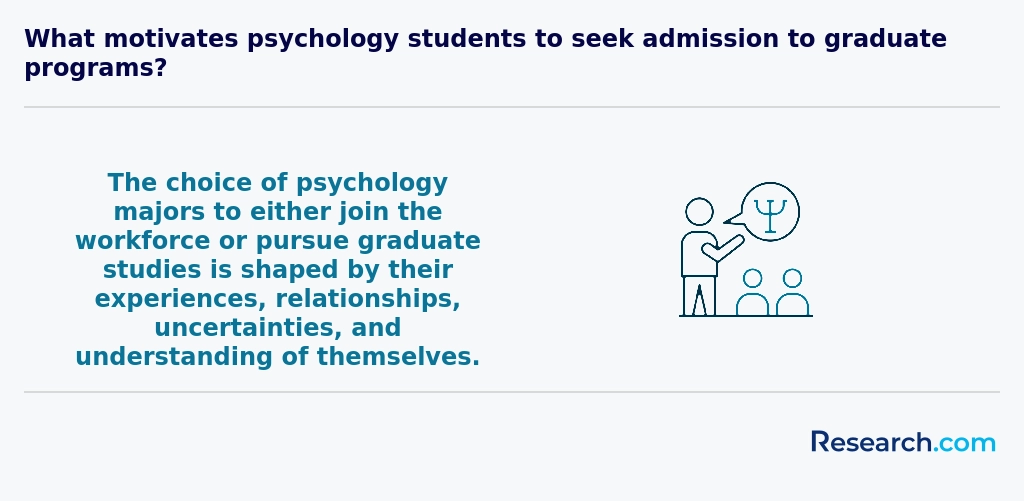
Graduate psychology programs in Union typically demand a bachelor's degree with a GPA of around 3.0 and prior coursework in statistics and research methods. Those aiming for competitive programs recall that submitting well-crafted statements of purpose and strong letters of recommendation proved pivotal, alongside GRE scores where required.
Non-native English speakers benefit from demonstrating proficiency through TOEFL or IELTS scores, enabling them to thrive in the collaborative academic environments typical of Union's well-regarded psychology departments.
After earning a psychology degree in Union, NJ, graduates who wish to practice clinically must meet state licensure standards:
- Degree Accreditation: Obtain a doctoral degree (Ph.D. or Psy.D.) from an APA-accredited program or complete a master’s in counseling psychology plus supervised hours. Consider reputable options like an online psychology degree that hold proper accreditation.
- Supervised Experience: Complete at least 4,000 hours of supervised professional practice under a licensed psychologist or approved supervisor.
- Examinations: Pass the Examination for Professional Practice in Psychology (EPPP) and New Jersey’s jurisprudence exam covering state laws and ethical standards.
- Application and Fees: Submit your application to the New Jersey Board of Psychological Examiners, including official transcripts, verification of supervision, and required fees.
- Continuing Education: Maintain licensure with 40 hours of Board-approved continuing education every two years.
Psychology degree programs in Union typically encompass foundational courses such as Introduction to Psychology, providing students with essential insights into cognition, emotion, and the biological bases of behavior. Graduates from institutions like Kean University often recall how this course laid the groundwork for understanding complex mental processes they encountered later.
Research Methods and Statistics are also central, equipping students with practical skills in experimental design, data collection, and analysis, which proved invaluable during internships at local clinics or hospitals. Developmental Psychology offers an in-depth view of human growth, enabling students to relate classroom theories to real-life observations of children and adults.
Abnormal Psychology focuses on mental health disorders, fostering empathy and clinical awareness among students. Biopsychology and Social Psychology courses further enrich understanding by connecting brain functions with behavior and exploring social influences on individuals, respectively.
Students appreciate the hands-on learning opportunities provided through practicums, often arranged by colleges in Union, where applying theory in community settings reinforces their passion and commitment to psychology careers.
Students pursuing a psychology degree in Union can specialize in several focused areas to tailor their education and career path. Popular specializations include clinical psychology, which centers on diagnosing and treating mental health conditions, and counseling psychology, aimed at supporting individuals through everyday life challenges. Many graduates from colleges in Union appreciate how these programs combine academic rigor with practical experience, helping them build confidence in real-world settings.
Developmental psychology offers insight into human growth from infancy to old age, which attracts those interested in research or education careers. Forensic psychology links psychological principles with legal systems, a specialization expanding in Union due to increasing demand for expert testimony. Industrial-organizational psychology is another option, teaching students to enhance workplace productivity and employee satisfaction, a field appealing to those aiming for careers in human resource management.
These psychology degree specializations in Union often involve hands-on internships, enriching student understanding and employability. Prospective students should also consider specific program requirements and financial factors, including understanding Tennessee psychology licensure requirements, to align their goals effectively.
Choosing the best psychology degree programs in Union involves evaluating accreditation, cost, and program focus. Graduates from popular universities in Union often emphasize the importance of attending institutions accredited by the American Psychological Association or regionally recognized bodies to ensure their degrees hold professional value. Affordability is another key consideration; many students seeking affordable psychology colleges in Union find that public institutions offer quality education with lower in-state tuition, often supplemented by scholarships and assistantships that alleviate financial stress.
Program format and length should match your lifestyle-working adults appreciate online or hybrid options for flexibility. Graduates frequently recall how programs with strong faculty expertise and research opportunities helped them secure internships and licensure preparation. Additionally, connections with local healthcare and education sectors have proven invaluable for job placement after graduation. Prospective students may explore PhD in psychology online programs accredited to further their education with credible, flexible options tailored to career goals.

Graduates holding a psychology degree in Union have access to diverse and rewarding career paths that leverage their understanding of human behavior. Many pursue licensure to become psychologists working in clinical, counseling, or school environments, providing vital mental health services. These roles require adherence to local licensure standards, often including a doctoral degree and successful completion of the Examination for Professional Practice in Psychology. Several graduates from well-regarded colleges in Union reflect positively on the depth of training they received, which prepared them to address real-life challenges in therapeutic settings.
Job opportunities for psychology graduates Union also include positions as school psychologists, human resources specialists, and market research analysts-each applying psychological principles to improve educational, organizational, or consumer outcomes. For those drawn to academia or research, Union's graduate programs offer a foundation for advanced study. Psychology students frequently express enthusiasm for the practical experiences gained on campus and the ability to engage with local communities.
Additionally, pursuing specialized certifications enhances employment prospects in counseling or social services. Students involved in programs at Union universities benefit from clear guidance on professional pathways, including resources like Texas psychologist professional development. This comprehensive support equips graduates to confidently enter multiple career avenues.
The psychology degree job opportunities in Union are diverse and growing, reflecting an expanding mental health sector. Graduates from popular universities in the area often find rewarding roles in healthcare facilities, educational institutions, and corporate environments. Many report gaining practical experience through internships at local hospitals or university counseling centers, which enhances their career prospects upon graduation.
Union psychology degree career prospects improve notably with advanced education. While bachelor's graduates typically start in support roles such as research assistants or HR specialists, those pursuing master's or doctoral degrees often qualify for licensed positions in clinical, counseling, or school psychology. Several graduates in Union have successfully leveraged their education to work in government agencies or community programs, contributing positively to local mental health services.
Students planning to become licensed counselors in Union also benefit from accessible resources and targeted training programs. Many follow pathways involving lpc continuing education iowa, which further enhances their employability and skills tailored to regional needs.
2027 Most Popular Psychology Degree Programs Ranking in Union
Investing in your education is a significant decision that can shape your future, and the Research.com team understands the importance of making informed choices. To assist prospective students in Union, we have meticulously crafted the "2027 Most Popular Psychology Degree Programs Ranking in Union." Our commitment to quality, credibility, and accuracy is reflected in the extensive research and analysis conducted to compile this ranking.
We utilized the following reputable data sources to ensure a comprehensive evaluation of psychology degree programs:
By exploring this ranking, readers will gain valuable insights into the most popular psychology degree programs available in Union, empowering them to make well-informed decisions about their educational futures. For more details on our methodology, please visit our Research.com methodology page.

Frequently Asked Questions About psychology
Psychology degree students in Union can maximize their learning experience by actively engaging in research opportunities and internships offered through their institutions. According to the American Psychological Association, hands-on experience significantly improves understanding and retention of psychological concepts. Many universities in Union collaborate with local clinics and organizations, providing practical exposure. Students should also join psychology clubs and attend relevant conferences to network and stay updated on industry trends. Utilizing campus resources such as tutoring centers and counseling groups can further enhance academic performance. Additionally, embracing interdisciplinary courses in biology or statistics helps build a strong foundation for advanced psychology studies.
The psychology field in the US, including Union, is expanding into several emerging niches that reflect evolving societal needs. One notable area is neuropsychology, focusing on brain-behavior relationships, which benefits from advances in brain imaging technologies. Another growing niche is health psychology, addressing mental and behavioral aspects of chronic disease management.
Industrial-organizational psychology is increasingly in demand as businesses seek experts to improve workplace well-being and productivity. Additionally, forensic psychology continues to grow, supporting law enforcement and legal processes.
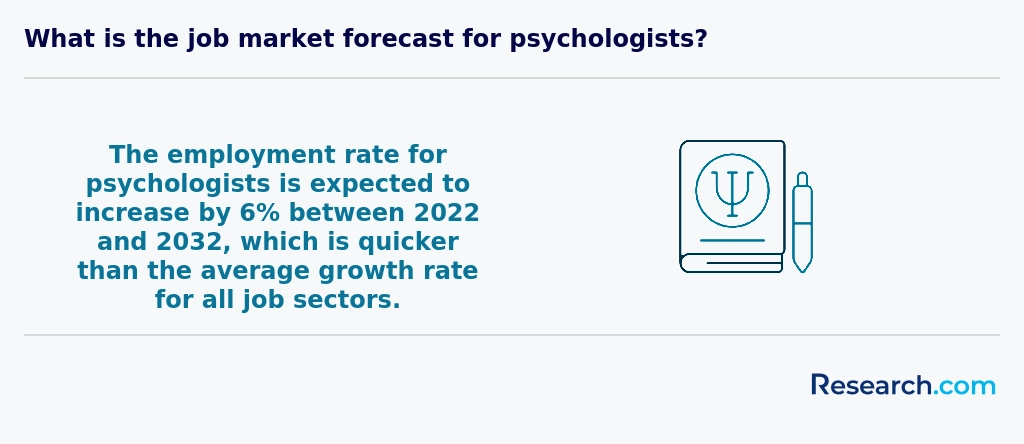
According to the Bureau of Labor Statistics, employment for psychologists is projected to grow 8% nationally through 2032, with these specialized areas contributing significantly.
Preparing for the job market after completing a psychology degree in Union involves developing both academic knowledge and practical skills. According to the U.S. Bureau of Labor Statistics, employment for psychologists is projected to grow 8% from 2022 to 2032, highlighting the importance of gaining relevant experience.
Students should seek internships or assistantships during their studies to build hands-on expertise. Networking with local professionals and joining psychology associations can open job opportunities. Additionally, obtaining certifications in specialized areas such as behavioral analysis or counseling may improve employability.
Understanding licensure requirements for practicing psychologists in Union is essential, often requiring graduate degrees and supervised experience. Staying informed about regional job market trends helps graduates target thriving sectors like healthcare or education.
Employers in Union seeking psychology graduates prioritize strong communication skills. Graduates must clearly explain complex concepts to clients and collaborate effectively in team settings. Critical thinking is another key skill, enabling professionals to analyze data and research findings carefully. Additionally, employers value graduates who demonstrate ethical judgment and cultural sensitivity, particularly important given Union's diverse population.
Research from the American Psychological Association highlights that about 78% of psychology employers in New Jersey emphasize problem-solving abilities. Data interpretation skills, especially proficiency in statistical software, also rank highly. These competencies prepare graduates to contribute effectively in clinical, educational, or organizational psychology roles across the state.
Finding internships in Union for psychology degree students involves multiple practical steps. Begin by consulting your university's career services and psychology department, as they often have established partnerships with local clinics, hospitals, and research institutions. According to the National Association of Colleges and Employers, about 60% of psychology internships come from such campus connections.
Additionally, explore online platforms focused on internships in psychology, such as the American Psychological Association's (APA) internship database, which lists opportunities nationwide including Union. Networking through local psychology associations and attending job fairs can also lead to valuable internships.
Remember to tailor your applications to emphasize relevant coursework and research experience.
A psychology degree in Union offers significant opportunities for career mobility and advancement. Graduates with a bachelor's or master's in psychology can pursue diverse paths, including clinical work, counseling, human resources, and research. According to the U.S. Bureau of Labor Statistics, employment of psychologists is projected to grow 8% nationally from 2022 to 2032, slightly above average growth for all occupations, which benefits professionals in Union as well.
In Union, earning an advanced degree such as a master's or doctorate greatly enhances job prospects and salary potential. Many higher-level roles in clinical psychology or organizational consulting require graduate credentials. Licensure, which varies by state, is essential for practicing psychologists and enables mobility across jobs and settings. Professional networking within local psychology associations in Union also supports career advancement.
Studying for a psychology degree in Union equips students with skills applicable across multiple fields. Programs often integrate courses in neuroscience, sociology, and health sciences, fostering an interdisciplinary approach. This is important as 59% of psychology graduates in the US pursue careers requiring collaboration with professionals in education, healthcare, or business, according to the Bureau of Labor Statistics (2023).
Students gain research methods training, critical thinking, and data analysis skills, which are valued in diverse sectors. Additionally, many Union institutions promote internships and projects that bridge psychology with technology and public health. This practical experience readies graduates for roles beyond traditional therapy or counseling jobs.
When choosing between a thesis and a non-thesis psychology degree program in Union, consider your academic and career goals. A thesis program requires conducting original research and writing a detailed paper, which is ideal if you plan to pursue graduate studies or a research-focused career. According to the American Psychological Association, thesis tracks often take longer but offer strong foundation in research skills.
Non-thesis programs typically emphasize coursework and practical experience, suitable for those entering applied fields like counseling or human resources. In Union, many institutions offer both options, with about 40% of psychology graduates choosing the thesis path for its research advantages, as per 2023 state education reports.
Think about your learning style and future plans. If you prefer hands-on research and possibly doctoral studies, a thesis is advisable. For a faster, practice-oriented route, the non-thesis program may be better.
Students based in Union who wish to study psychology abroad have various options within the US higher education system. Many institutions offer study-abroad programs that include partnerships with universities worldwide, enabling psychology majors to gain international experience. According to the Institute of International Education (IIE), around 15% of US undergraduates participate in study-abroad programs, with psychology being a popular field of study.
Union residents can also consider enrolling directly in foreign universities known for psychology, while maintaining US degree recognition through credit transfer agreements. Programs often focus on cross-cultural psychology and research methods, enhancing global career prospects.
Students pursuing psychology degrees in Union can benefit from a range of part-time job opportunities that enhance their education. Positions such as research assistants at local universities allow hands-on experience with data collection and analysis, essential skills in psychology. According to the American Psychological Association, research involvement can increase employability after graduation.
Other popular roles include mental health technician or behavioral health aide in clinics or hospitals, which help students observe clinical practices and patient interactions. Union's healthcare sector employs many psychology students part-time, with wages averaging $13 to $17 per hour, based on the U.S. Bureau of Labor Statistics.
Additionally, tutoring psychology or related subjects supports knowledge retention and communication skills. These jobs provide practical exposure while accommodating academic schedules.
Psychology students in Union have various networking opportunities that can enhance their academic and professional growth. Many universities and colleges host student organizations dedicated to psychology, such as Psi Chi chapters, which offer events, conferences, and workshops promoting connections with peers and faculty.
Additionally, local psychology associations, including state chapters of the American Psychological Association (APA), provide access to seminars, career fairs, and volunteer activities. These venues allow students to meet practicing psychologists and researchers, fostering mentorship and internship placements.
Union's proximity to metropolitan areas also offers psychology students chances to participate in community programs, further expanding their professional networks in real-world settings.
Alumni networks play a significant role in supporting psychology degree students in Union. These networks provide valuable connections to experienced professionals and recent graduates who understand the unique challenges of pursuing psychology careers. According to the National Association of Colleges and Employers, 85% of jobs are filled through networking, highlighting the importance of these connections.
In Union, active alumni groups offer mentorship programs, internships, and job placement assistance tailored to psychology students. They often host workshops and seminars, giving students insight into current research and clinical practices. Access to alumni can enhance career prospects and professional growth during and after graduation.
Customizing a psychology degree program in Union allows students to align their education with specific career goals. Many universities offer elective courses and specialized tracks such as clinical, counseling, or industrial-organizational psychology. This flexibility helps students gain targeted skills for roles like therapy, human resources, or research.
Students can also pursue internships supervised by licensed professionals, providing practical experience essential for certification. Union schools typically support research opportunities and capstone projects, which enhance critical thinking and expertise in chosen fields.
According to the American Psychological Association, tailoring your coursework and practical experiences improves job readiness and competitiveness in today's psychology job market.
Psychology students in Union often face several challenges throughout their academic journey. One of the primary difficulties is managing the heavy workload, as the curriculum typically involves extensive reading, research projects, and numerous exams. According to the National Center for Education Statistics, psychology is among the top five most popular majors, increasing competition and pressure on students.
Another challenge is gaining practical experience. Union students frequently struggle to find internships or research assistant positions due to limited availability in their local institutions. This hands-on experience is crucial for graduate school admission and career prospects.
Financial constraints also affect many students. Data from the College Board highlight rising tuition and associated costs, making it harder to balance studies with part-time jobs.
Lastly, maintaining mental health is a notable concern, as psychology programs can be emotionally demanding. Universities in Union are working to address these issues by expanding counseling services and academic support.
With a psychology degree in Union, graduates can pursue several professional certifications that enhance career opportunities. Popular certifications include becoming a Licensed Professional Counselor (LPC) or a Certified Addiction Counselor (CAC), both requiring additional supervised hours and passing state exams. The National Board for Certified Counselors (NBCC) offers the National Certified Counselor (NCC) credential, valued nationwide. For those interested in school psychology, certification as a School Psychologist through the National Association of School Psychologists (NASP) is common.
Union's licensing board statistics show a growing demand for LPCs, with over 1,200 licenses issued since 2020 (Union Department of Licensing, 2023). These certifications typically require a master's degree or higher, emphasizing advanced study beyond the bachelor's. Pursuing these credentials can greatly improve job placement and salary potential within Union's mental health services.
To write a winning application for a psychology program in the Union, start by clearly demonstrating your passion for psychology. Admissions committees look for applicants who understand the field and can convey why they want to study it. Highlight any relevant coursework, volunteer work, or research experience.
Strong letters of recommendation from professors or supervisors familiar with your academic abilities boost your chances. According to the American Psychological Association, programs in the Union often receive hundreds of applications, so stand out with a well-organized personal statement that aligns your goals with the program's strengths.
Additionally, maintain a competitive GPA-typically above 3.0-as many programs set this as a minimum requirement. Finally, prepare thoroughly for any required standardized tests like the GRE, which some Union psychology programs still consider.
The global perspective on a psychology career reflects an increasing demand for mental health professionals, especially in the United States. In Union, psychology graduates benefit from a growing job market, with the U.S. Bureau of Labor Statistics projecting a 8% growth in psychology-related occupations from 2022 to 2032.
International collaboration in research and mental health policies also shapes career opportunities. American psychology programs emphasize evidence-based practice, aligning with global standards. Union students often find that earning a degree here provides credentials recognized worldwide, enhancing mobility and career options abroad.
Moreover, Union institutions frequently participate in exchange programs and research initiatives, giving students exposure to diverse psychological approaches and cultural contexts important in global mental health.
Gaining practical experience is essential for psychology students in Union to build skills and improve employment prospects. Many universities in Union offer internships in local clinics, hospitals, and community agencies where students can apply theoretical knowledge. According to the American Psychological Association, approximately 70% of accredited psychology programs encourage or require field placements during undergraduate or graduate studies.
Students can also participate in research assistantships with faculty, offering hands-on experience in data collection and analysis. Joining psychology clubs and volunteering in mental health organizations provides additional opportunities to develop interpersonal skills.
Engaging early with these experiences helps students meet licensure prerequisites and industry demands.
Choosing the right concentration within a psychology degree program in Union begins with understanding your career goals and interests. Psychology offers diverse specializations, such as clinical, counseling, developmental, or forensic psychology. According to the American Psychological Association, clinical psychology remains the most common concentration, addressing mental health disorders through assessment and therapy.
Students should explore concentrations offered by local institutions in Union, as availability varies. Reviewing course descriptions and talking with academic advisors can clarify the skills and knowledge each path develops, aligning with job market demands.
Labor statistics reveal that clinical and counseling psychologists in New Jersey, including Union County, have median annual wages above $80,000, indicating strong demand. Additionally, practical training opportunities, like internships or research projects, differ among concentrations and impact readiness for licensure or further study.
Ultimately, balancing personal passion with regional employment trends and academic resources in Union is key to selecting a suitable psychology concentration.
- 2027 Most Popular Psychology Degree Programs Ranking in New York
- 2027 Most Popular Psychology Degree Programs Ranking in Bronx
- 2027 Most Popular Psychology Degree Programs Ranking in Queens
- 2027 Most Popular Psychology Degree Programs Ranking in Albany
- 2027 Most Popular Psychology Degree Programs Ranking in Amherst
- 2027 Most Popular Psychology Degree Programs Ranking in Worcester
- 2027 Most Popular Psychology Degree Programs Ranking in Boston
- 2027 Most Popular Psychology Degree Programs Ranking in Rochester
- 2027 Most Popular Psychology Degree Programs Ranking in Buffalo
- 2027 Most Popular Psychology Degree Programs Ranking in Cleveland
See What Experts Have To Say About Studying Psychology
Read our interview with Psychology experts

Joann Farrell Quinn, Ph.D., MBA
Psychology Expert
Director at the College of Medicine Department of Medical Education
Morsani College of Medicine

Robin M. Kowalski. Ph.D.
Psychology Expert
Professor of Psychology
Clemson University

Elizabeth L. Jeglic Ph.D.
Psychology Expert
Professor of Psychology
City University of New York

- Fastest Growing Careers In Psychology | Psychology.org https://www.psychology.org/resources/fastest-growing-careers-in-psychology/
- What can I do with a psychology degree? https://www.hull.ac.uk/study/undergraduate/courses/psychology-bsc-hons/what-can-i-do-with-a-psychology-degree
- Courses & Requirements | Union College https://www.union.edu/psychology/courses-requirements
- Why Get a Psychology Degree Online? | University of Bridgeport https://www.bridgeport.edu/news/reasons-to-get-your-psychology-degree-online/
- Careers in Psychology: What Can You Do With a Psychology Degree? https://www.griffith.ie/blog/careers-in-psychology-what-can-you-do-with-a-psychology-degree
- Application and tuition fees - SWPS University https://english.swps.pl/programs/apply/application-and-tuition-fees
- Study Psychology Abroad | Go Overseas https://www.gooverseas.com/study-abroad/psychology
- Mental Health Challenges Faced by Psychology Students | The Healthcare Guys https://healthcareguys.com/2023/11/23/mental-health-challenges-faced-by-psychology-students/
- How to help students cope with mental health challenges https://www.eaie.org/resource/help-students-cope-mental-health-challenges.html
- A Guide to Psychology Internships | Psychology Degree Guide https://psychologydegreeguide.org/resources/internships/