
2027 Most Affordable Online Psychology Degree Programs Ranking in Maryland

Co-Founder and Chief Data Scientist
Are you considering pursuing a psychology degree in Maryland without breaking the bank? This article introduces the 2027 Most Affordable Online Psychology Degree Programs Ranking in Maryland, carefully compiled by the Research.com team of data scientists. Their comprehensive analysis helps you discover cost-effective options that don't compromise quality.
By exploring this ranking, you'll gain valuable insights to make confident decisions about your education. Earning a psychology degree can open doors to meaningful careers and personal growth-take the first step toward a rewarding future with trustworthy guidance.
Key benefits of getting online psychology degree in Maryland
- Psychology graduates in Maryland can pursue careers such as Human Resources Specialists with a mean annual wage of $76,060 or Marketing Research Analysts earning around $83,190, offering strong financial prospects.
- Graduates from popular Maryland universities explore diverse career paths in research, clinical roles, or child services, giving you flexibility to find a job that fits your passion and skills.
- Online psychology degrees in Maryland provide the convenience to balance work and study, often allowing faster completion compared to traditional programs, making it easier to achieve your goals confidently.
- 2027 Most Affordable Online Psychology Degree Programs Ranking in Maryland
- What can I expect from online psychology degree in Maryland?
- Where can I work with online psychology degree in Maryland?
What can I expect from online psychology degree in Maryland?
When considering the average cost of an online psychology degree in Maryland, students often find tuition more accessible than expected. Graduates from institutions like Towson University or University of Maryland Global Campus frequently share how in-state tuition helps ease financial worries, allowing them to focus on mastering complex topics rather than stressing over bills. Many describe the balance between affordability and quality education as refreshing-online courses offer flexibility without sacrificing academic rigor.
Tuition rates tend to remain competitive, especially compared to traditional on-campus programs, with Maryland residents benefiting from specific state financial aid and scholarships aimed at social science and healthcare online learners. This financial support creates a community atmosphere where students feel supported, not burdened.
Envision a working adult completing assignments after hours while knowing the tuition investment is manageable, enabling them to pursue their passion for psychology to grow careers in counseling or human resources. Such experiences showcase how Maryland's pricing landscape transforms the daunting prospect of higher education into an achievable, rewarding journey.
Where can I work with online psychology degree in Maryland?
Graduates with an online psychology degree in Maryland often find themselves stepping into roles that make a real difference from day one. Imagine a graduate from Towson University working as a psychiatric technician in a Baltimore hospital, where every interaction helps shape patient recovery. Those with bachelor's degrees frequently begin as case managers or social service assistants within community health centers in Annapolis, gaining hands-on experience that lights the way to advanced careers.
For those pursuing master's or doctoral degrees-say from the University of Maryland, College Park-the pathway can lead to licensure as psychologists or licensed clinical professional counselors. These roles enable graduates to work independently and deeply impact schools, hospitals, and government agencies across Maryland. Picture a licensed counselor helping high school students navigate challenges within the state's public school systems, transforming lives every session.
Psychology graduates also increasingly enter Maryland's corporate environments. A graduate might use skills learned at Loyola University Maryland to develop employee well-being programs or analyze consumer behavior in the bustling Baltimore-Washington metropolitan area. These tangible career paths show that Maryland's online psychology degrees unlock diverse and emotionally rewarding professional journeys.
Graduates from online psychology programs in Maryland often find their earnings shaped by the particular roles they pursue and the region's economic landscape. For example, those entering human resources as specialists-common among psychology graduates-earn a mean annual wage around $76,060. This can be seen in the experiences of former students from institutions like the University of Maryland who transition into corporate HR roles, enjoying stable incomes bolstered by the state's competitive market.
Marketing research analyst positions, also popular for psychology grads intrigued by consumer behavior, offer even more promising pay, with mean wages near $83,190 annually. Graduates from Bowie State University, for instance, report leveraging their analytical skills to secure roles in government or business sectors across the Baltimore-Washington corridor.
However, some psychology students emphasize entry-level challenges, noting how roles such as clinical research associates or survey researchers yield more modest earnings near $62,370 yearly. In all, Maryland's diverse job market, combined with quality online degrees, opens multiple pathways where graduates witness rewarding growth both financially and personally.
- Public institutions in Maryland offer lower tuition for online bachelor's psychology programs, averaging between $8,000 and $15,000 annually for in-state students.
- Graduate online psychology degrees usually cost more, ranging from $12,000 to $25,000 per year depending on the program and school.
- Maryland employs about 15,000 psychologists, with entry-level salaries around $60,000 and experienced professionals earning over $90,000 annually.
- Online programs must meet Maryland licensing requirements, often including approved coursework and local practicum or internship experiences.
- Flexible scheduling, reduced commuting costs, and options for various specializations like forensic or developmental psychology are common features of Maryland's online offerings.
Finishing an online psychology degree in Maryland isn't a fixed timeline but more of a personal journey shaped by individual circumstances. Take graduates from the University of Maryland Global Campus, for example-many celebrate completing their bachelor's in about four years, the traditional pace tied to the 120-130 credit hour requirement mandated by Maryland Higher Education Commission standards. Yet others embrace flexibility, extending their studies over five or six years to balance work, family, and life's unpredictabilities.
Community college transfers often find associate degrees achievable in two years, setting the stage to continue toward a bachelor's later on. Graduate students pursuing master's degrees at colleges like Johns Hopkins or Towson University might wrap up in two to three years, though part-time professionals laud the option to stretch that span without sacrificing quality.
Doctoral candidates quickly learn that 4 to 7 years, immersed in research and clinical practica, reflects the true depth of psychological expertise. This timeline can feel daunting but brings profound reward, as graduates describe a sense of accomplishment that surpasses mere coursework, resonating with their commitment to the field and community.
Many students pursuing an online Psychology degree in Maryland are relieved to discover that they can receive financial aid to support their academic journey, including scholarships. Some of the scholarships available to students in Maryland include the Maryland Scholarship Program, the Guaranteed Access Grant, and the Educational Assistance Grant. These scholarships can provide financial assistance to eligible applicants enrolled at postsecondary institutions. For instance, some graduates of the University of Maryland's Online Psychology program have reported receiving the 2+2 Transfer Scholarship, which helped them transfer from a community college to a 4-year institution within the state. Additionally, students can also explore federal aid options, such as the Free Application for Federal Student Aid (FAFSA), which serves as a gateway to determine eligibility for federal grants, work-study programs, and loans. The FAFSA can be used to apply for scholarships, grants, and loans, such as the Federal Pell Grant, the Federal Supplemental Educational Opportunity Grant (FSEOG), and the Federal Direct Loan Program. Many organizations, such as the American Psychological Association (APA), also offer scholarships and grants to students pursuing a degree in Psychology. Some examples of these scholarships include the APA Scholarship Program, the National Institute of Mental Health (NIMH) Scholarship, and the American Psychological Foundation (APF) Scholarship. By exploring these scholarship and financial aid opportunities, students can reduce the financial burden of pursuing an online Psychology degree in Maryland and achieve their academic and career goals.
Choosing between an online and an on-campus psychology degree in Maryland often feels like weighing freedom against tradition. Graduates from the University of Maryland Global Campus cherish the asynchronous nature of online classes, which let them fit lectures around busy workdays or family time. They speak of the relief in shedding the daily commute and the ability to revisit recorded discussions at their own pace, making psychology feel personal and accessible.
Conversely, those who studied at Towson University describe the energizing buzz of in-person lectures and spontaneous conversations after class. They value hands-on lab work and forging connections during research projects-elements hard to replicate online. These graduates often felt their clinical skills sharpened by direct supervision and immediate feedback, components critical in psychology's practical fields.
While tuition costs in Maryland's programs hover similarly whether online or on campus, the real difference emerges in lifestyle and immersion. Online students celebrate flexibility; on-campus learners embrace community. Reflecting on these experiences challenges the assumption that one path fits all.
The average cost of an online psychology degree in Maryland delivers a nuanced picture that challenges simple assumptions about affordability. With a median total cost around $53,250, and in-state students typically paying closer to $37,440, tuition represents a significant investment but one that many graduates describe as a worthwhile pursuit. Those who complete their degrees at public institutions, such as the well-regarded University of Maryland Global Campus, often find that their educational expenses align reasonably with these figures, balancing cost with the flexibility of fully online learning.
Graduates recall stretching their budgets thoughtfully, noting how private universities may push annual tuition past $20,000 but often include specialized psychology tracks that resonate deeply with their personal goals. These experiences reveal the importance of considering not just sticker price but the value of tailored programs that enhance career prospects - some leading directly toward high-paying health psychology careers. Maryland's online options include a careful mix of affordability and quality, which means learners can find programs designed to fit different financial profiles.
For Maryland residents investigating affordable online psychology programs Maryland offers, it is crucial to factor in additional costs like technology fees and course materials. These add a few hundred dollars annually but are often overshadowed by the long-term earnings potential described by many psychology professionals who started their journey within the state's diverse degree offerings.
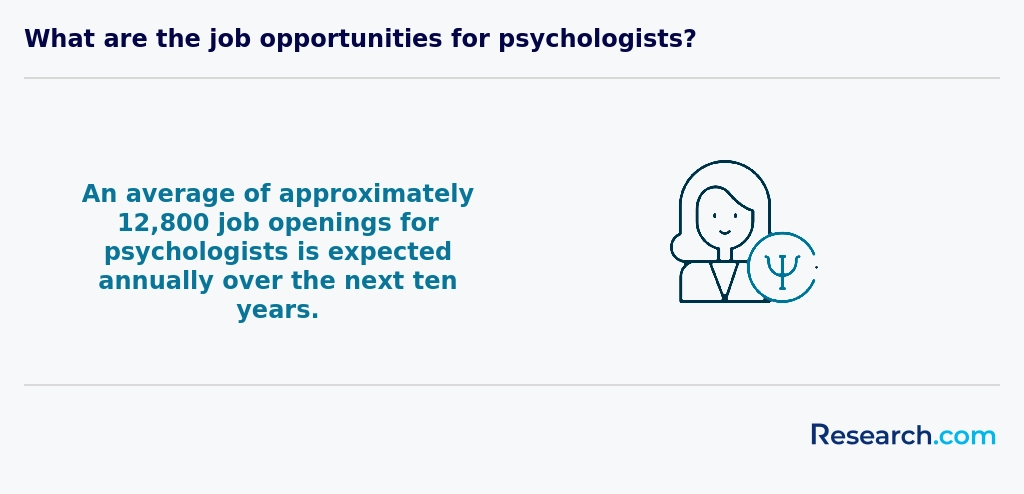
When evaluating an online psychology program in Maryland, accreditation serves as a critical marker of academic rigor and professional recognition. Regional accreditation-awarded by agencies such as the Middle States Commission on Higher Education (MSCHE)-ensures that an institution meets comprehensive standards in faculty qualifications, curriculum design, and student support services. Equally important is program-level accreditation from the American Psychological Association (APA), which signifies that doctoral and certain specialized master’s programs adhere to the field’s ethical and clinical training benchmarks. Maryland students should verify both institutional and programmatic accreditation before enrolling. Regional accreditation affects transferability of credits, eligibility for federal financial aid, and acceptance of your degree by licensure boards nationwide. Meanwhile, APA-accredited programs guarantee clinical practicum requirements align with state licensure prerequisites, making the path to becoming a licensed psychologist more seamless. Prospective learners can compare accreditation statuses side by side to select among the best online psychology degrees that balance affordability with high standards of quality. Beyond accreditation, quality assurance extends to faculty expertise, technological infrastructure, and student outcomes. Look for programs that publish graduation rates, job placement statistics, and licensure exam pass rates. Robust learning platforms should offer live lectures, virtual labs, and dedicated advisors to guide online learners through practicum placements in Maryland communities. By prioritizing accredited institutions with transparent performance metrics, you safeguard your investment and position yourself for success in competitive psychology careers.
For many Maryland students pursuing an online psychology degree, financial aid is more than just a checklist; it's a lifeline. Graduates from institutions like the University of Maryland Global Campus often share how the Pell Grant, offering up to $7,395 annually, transformed their ability to stay enrolled without overwhelming debt. This federal aid, combined with the Federal Supplemental Educational Opportunity Grant (FSEOG), creates a critical safety net for low-income learners. Beyond federal assistance, Maryland's own Tuition Waiver Programs and Educational Assistance Grant administered by the Maryland Higher Education Commission directly lower tuition costs, making education at schools like Towson University more accessible.
Many online psychology students find hope in scholarships such as the Jennings Randolph Scholarship, awarded for both academic excellence and financial need. Institutional scholarships and funding from professional groups like the Maryland Psychological Association are also common, often sparking gratitude in recipients who once feared giving up their dreams.
Loans, particularly subsidized federal ones, offer flexible repayment options, but the real relief often comes from payment plans or workplace tuition assistance-pragmatic choices that working adults deeply appreciate.
Choosing an online psychology program that meets Maryland’s accreditation and licensure requirements is critical for your career trajectory. First, verify that your institution holds regional accreditation from the Middle States Commission on Higher Education and, for clinical or counseling tracks, programmatic accreditation by the American Psychological Association (APA) or the Council for Accreditation of Counseling and Related Educational Programs (CACREP). Graduating from an APA- or CACREP-accredited program ensures eligibility to sit for licensure exams and facilitates reciprocity if you relocate. In Maryland, aspiring psychologists must complete: 1. A minimum of a doctoral degree (PhD or PsyD) in psychology from an APA-accredited institution. 2. At least 3,500 hours of supervised post-doctoral experience approved by the Maryland Board of Examiners of Psychologists. 3. Passage of the Examination for Professional Practice in Psychology (EPPP) and the Maryland jurisprudence exam. For counselors, a CACREP-accredited master’s degree, 3,000 supervised hours, and successful completion of the National Counselor Examination (NCE) are required. School psychologists must hold a state-approved specialist degree (e.g., Ed.S.), 1,200 internship hours, and pass the Praxis II School Psychologist test. Maintaining licensure involves ongoing professional development and biennial renewal with 40 continuing education units (CEUs). Many graduates also pursue certifications in specialized roles-such as child life specialists-where compensation and career prospects vary. For detailed information on pediatric psychosocial roles, consult our guide on child life and pediatric psychosocial care salary.
Envision enrolling in an online psychology degree in Maryland-your journey starts by meeting clear academic benchmarks, yet it's more than just numbers on paper. At institutions like Towson University or the University of Maryland Global Campus, undergraduates find that a high school diploma or GED alongside a 2.5 to 3.0 GPA is the minimum ticket to entry, though the rise of test-optional policies means standardized tests like the SAT no longer define your potential.
Graduates who pursued their master's online often recall the importance of having a solid bachelor's degree, preferably in psychology or related fields, with a GPA hovering around 3.0. Their applications flourished not solely because of grades, but through personal statements revealing genuine passion and letters of recommendation reflecting real-world experiences in counseling or psychology.
Maryland's online psychology students frequently share how these prerequisites, while rigorous, feel like stepping stones rather than walls-each requirement fostering confidence, motivation, and a readiness to dive deeply into the fascinating human mind.

When choosing an online psychology degree in Maryland, accreditation serves as the gold standard for ensuring program quality, transferability of credits, and eligibility for licensure or certification. Regional accreditation-granted by bodies such as the Middle States Commission on Higher Education-signals that an institution meets rigorous academic standards. In addition, programmatic accreditation from the American Psychological Association (APA) is especially critical for those pursuing careers in clinical or counseling psychology, as many states require graduation from an APA-accredited program for licensure. Key factors to verify accreditation and quality: 1. Regional vs. National Accreditation: - Regional accreditation (e.g., Middle States) generally holds higher recognition and facilitates credit transfer between institutions. - National accreditation may apply to vocational or specialized schools but can limit graduate school admission options. 2. Programmatic Accreditation: - APA accreditation applies primarily to doctoral programs; however, some master’s programs hold accreditation from the Council for Accreditation of Counseling and Related Educational Programs (CACREP), which benefits counseling psychology students. 3. State Authorization and Distance Education Approval: - Confirm that the Maryland Higher Education Commission (MHEC) authorizes the institution to deliver online courses to residents. - If you plan to relocate or take courses while traveling, ensure the program is approved in your destination state. 4. Outcomes and Transparency: - Look for published graduation rates, licensure pass rates, and job placement statistics. - Accredited programs often provide these data on their official websites or through the National Center for Education Statistics’ College Navigator. While Maryland’s accredited institutions set a strong benchmark, prospective students comparing affordability and quality in other regions may find value in our Inexpensive Psychology Degree Programs Ranking in Kansas City, MO to gauge how program costs and accreditation standards measure up elsewhere.
Online psychology degrees in Maryland typically include courses that go beyond textbook knowledge to shape how graduates understand human behavior in everyday contexts. For instance, at popular schools like the University of Maryland Global Campus, students find themselves engrossed in Introduction to Psychology, where theories suddenly become real through discussions about social media impacts on mental health. Graduates often recall how the course on Developmental Psychology resonated deeply when they observed family dynamics around them, making abstract stages of growth surprisingly tangible.
Courses such as Abnormal Psychology challenge students to rethink stereotypes about mental illness, often sparking a shift toward empathy. Maryland students appreciate Research Methods and Statistics not just as numbers, but as tools they use to analyze real community trends, preparing them for roles in social services. Integrating Biopsychology and Ethics gives learners a holistic outlook-understanding brain functions alongside moral responsibilities felt keenly in regional healthcare settings.
The excitement these courses generate helps Maryland students feel confident that their education is deeply relevant both locally and in broader psychological fields.

Online psychology degree specializations Maryland offer go beyond traditional routes, immersing students in areas that respond directly to local workforce demands and evolving societal needs. Graduates from popular colleges in Maryland often highlight how specializations like clinical psychology provide hands-on understanding in diagnosing and treating mental health disorders, which deeply resonates with their community-focused goals. Counseling psychology graduates talk about the rewarding challenge of guiding individuals through life's everyday struggles, a skill sharpened through dynamic virtual group counseling sessions.
Other students, drawn to forensic psychology, reflect on their unique contributions within legal settings, bridging psychological insights with criminal justice in ways that shape real cases. Industrial-organizational psychology, favored by those interested in workplace dynamics, empowers Maryland graduates to enhance employee performance and well-being in tangible, measurable ways. These specializations, foundational to Maryland online psychology programs specializations, often inspire students to find meaning in practical applications, such as improving mental health services or corporate cultures.
For prospective students seeking broader contexts or comparisons, resources like Michigan psychology degree programs provide ideas on diverse program structures and specialization focus areas across states.
Choosing the best online psychology degree in Maryland isn't just about finding the lowest tuition or the most prestigious school. Graduates from popular Maryland colleges often reflect on how accreditation shaped their career trajectories, especially since Maryland's licensure depends heavily on recognized program credentials. Imagine balancing your job with asynchronous classes from a local university-an approach that has helped many working students stay motivated without sacrificing personal time.
Another key insight from students who pursued affordable online psychology degrees Maryland-wide is the importance of specialized curriculum tracks. Whether focusing on clinical psychology or developmental psychology, picking a program that aligns with your career goals makes the journey more fulfilling. For example, some graduates found that programs offering practicum connections made real-world application and licensure achievable. Curious about career options? Exploring what can you do with a clinical psychology degree can transform your perspective on degree selection.
Ultimately, the best online psychology programs Maryland offers challenge you to reflect beyond cost-to the kind of professional and personal growth you want during and after your studies.
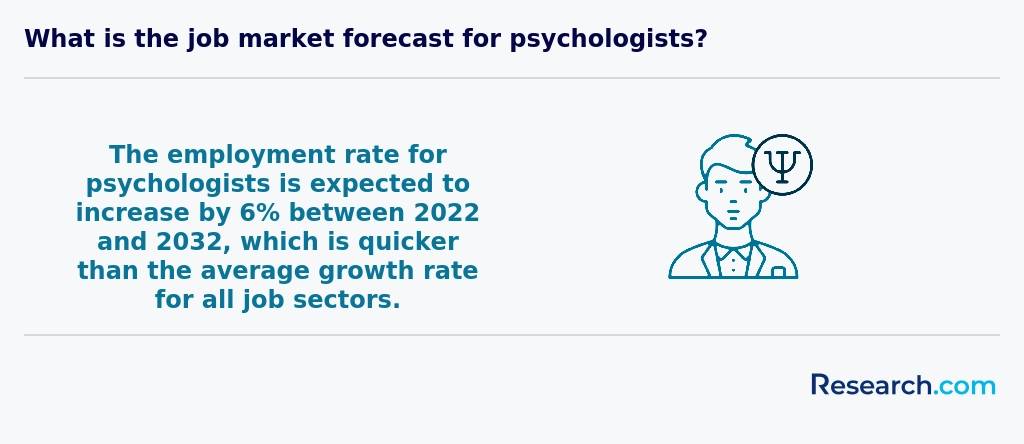
Graduates holding an online psychology degree in Maryland discover career opportunities beyond the usual expectations, embracing roles ranging from licensed psychologists to social service specialists. Those who studied at well-known institutions like the University of Maryland often share how the state's vibrant professional landscape allowed them to transition smoothly into clinical roles after meeting licensure requirements and passing the EPPP. The diversity of options means working in school systems as dedicated psychologists or stepping into complex roles such as industrial-organizational psychologists, where they translate theory into real-world workplace improvements.
Other graduates find meaningful paths as behavioral health therapists or case managers, directly impacting vulnerable communities across Maryland. The ability to work in cutting-edge research environments, bolstered by the state's strong academic and government research centers, feeds the ambitions of those passionate about advancing knowledge. Such practical experiences embody the growing appeal of psychology job opportunities Maryland graduates pursue, infusing their work with purpose and adaptability.
Many also explore careers in behavioral psychology, further highlighting the field's expanding scope and the advantages of an online degree's flexibility in this dynamic state.

The online psychology degree job outlook Maryland presents is both promising and nuanced. Graduates from institutions like the University of Maryland or Johns Hopkins often find themselves stepping into a job market energized by the state's emphasis on healthcare and education. Many graduates share stories of meaningful work placements in Baltimore's community clinics or nearby school districts, where the demand for mental health professionals is palpable and growing.
Those pursuing Maryland psychology career opportunities online must appreciate that while a degree opens doors, roles requiring licensure-often a doctoral degree with supervised hours-pose additional hurdles. Yet, graduates frequently secure roles as behavioral health technicians or research assistants, gaining valuable experience and fueling their passion for impact. For example, some have found satisfaction in geriatric social work jobs near me, a sector expanding due to the aging population.
This evolving market challenges applicants to balance the excitement of new opportunities with practical considerations about certification and salary growth. The interplay between online learning flexibility and Maryland's real-world psychology demands invites students to think deeply about their next steps in this vibrant field.
2027 Most Affordable Online Psychology Degree Programs Ranking in Maryland
Investing in your education is a significant decision that can shape your future, and the Research.com team understands the importance of making informed choices. To assist prospective students in Maryland, we have meticulously crafted the "2027 Most Affordable Online Psychology Degree Programs Ranking in Maryland." Our commitment to quality, credibility, and accuracy is reflected in the extensive research and analysis conducted to compile this ranking. We utilized the following reputable data sources to ensure a comprehensive evaluation of psychology programs:
By exploring this ranking, readers will gain valuable insights into affordable and credible psychology degree options in Maryland, helping them make well-informed decisions about their educational investments. For more details on our methodology, please visit our
Research.com methodology page
.
# 1 position
University of Maryland Global Campus
Bachelor of Psychology


Frequently Asked Questions About psychology
Students pursuing online psychology degrees in Maryland can enhance their learning by actively engaging with course materials and virtual discussions. Maryland hosts several regionally accredited institutions, ensuring quality education recognized nationwide. According to the Maryland Higher Education Commission, students benefit from leveraging campus resources like online libraries and tutoring services.
Participating in internships and fieldwork, even remotely, strengthens practical skills vital for psychology careers. Networking with Maryland's professional organizations, such as the Maryland Psychological Association, offers mentorship and conferences that enrich academic insights.
Furthermore, setting a consistent study schedule and utilizing virtual study groups helps maintain motivation and accountability throughout the program's duration.
The field of psychology is rapidly evolving, with emerging niches gaining traction across the United States, including Maryland. One such area is neuropsychology, which focuses on understanding brain-behavior relationships and is seeing increased demand due to advancements in neuroscience. Another growing niche is health psychology, emphasizing the psychological aspects of chronic illness management-important as Maryland experiences higher rates of conditions like diabetes and heart disease.
Additionally, forensic psychology is expanding, supporting Maryland's legal system by applying psychological principles to criminal investigations. Digital mental health and telepsychology also represent new frontiers, accelerated by the COVID-19 pandemic. According to the Bureau of Labor Statistics, Maryland's psychology job market is projected to grow 13% by 2030, reflecting these shifting specializations.
After completing an online psychology degree in Maryland, preparing for the job market involves several key steps. First, gaining relevant experience through internships or volunteer work, particularly in Maryland's healthcare or social service sectors, strengthens your resume. The Maryland Department of Labor highlights that practical experience is often required for entry-level psychology positions.
Next, consider obtaining certifications or licenses if your career path requires it. For example, becoming a Licensed Psychological Associate in Maryland demands supervised post-degree experience and passing the required exams, as detailed by the Maryland Board of Examiners of Psychologists.
Networking with local professionals and joining organizations like the Maryland Psychological Association can provide job leads and career resources. According to the U.S. Bureau of Labor Statistics, Maryland's psychology job market is expected to grow about 12% through 2031, which is faster than average, signaling promising opportunities for graduates.
Employers in Maryland seek psychology graduates with strong critical thinking and analytical skills. According to the Maryland Higher Education Commission, these skills help graduates interpret research data and understand human behavior effectively.
Communication abilities are also highly valued. Graduates must clearly explain psychological concepts to clients and collaborate with healthcare teams.
Ethical awareness is essential, given Maryland's strict regulations on confidentiality and professional conduct in psychology careers.
Additionally, proficiency in technology and familiarity with statistical software are increasingly important as many Maryland employers use data-driven approaches in clinical and research settings.
Finding internships in Maryland related to a psychology degree involves a combination of research and networking. Students should start by consulting their university's career services, which often maintain partnerships with local organizations and hospitals.
The Maryland Psychological Association and the Maryland Department of Health provide listings of approved internship sites, including clinics and research centers. Additionally, platforms like the Association of Psychology Postdoctoral and Internship Centers (APPIC) offer searchable databases for accredited programs across the state.
According to the Bureau of Labor Statistics, Maryland's healthcare sector is strong, creating numerous psychology internship opportunities, especially in Baltimore and suburban areas.
Students are advised to engage early with faculty mentors and attend relevant conferences to expand their professional network.
Obtaining an online psychology degree in Maryland can significantly enhance career mobility and advancement opportunities within the state. Maryland's growing demand for mental health professionals, driven by both urban and rural needs, creates a favorable job market for degree holders. According to the Maryland Department of Labor, employment for psychologists is projected to grow by approximately 11% from 2022 to 2032, faster than the average for all occupations.
Online programs accredited by regionally recognized bodies provide flexible pathways, allowing students to balance work and study while earning credentials that meet state licensure requirements. Graduates often qualify for roles such as licensed psychological associate or counselor, leading to higher salaries and leadership positions in clinical settings, schools, or government.
Furthermore, Maryland's specific licensing criteria emphasize education from accredited programs, making an online degree a practical option for qualifying. This accessibility encourages professionals to pursue advanced degrees, which are highly correlated with increased salary potential and professional growth.
Studying for a psychology degree online in Maryland equips students with skills applicable across multiple disciplines. Maryland's accredited programs emphasize both theory and practical application, fostering critical thinking and research abilities relevant in healthcare, education, and business sectors. According to the Maryland Higher Education Commission, programs integrate courses in biology, sociology, and statistics, promoting interdisciplinary understanding.
Students learn to analyze human behavior within broad social and scientific contexts, preparing them for collaborative roles in counseling, social work, and organizational leadership. Online formats also provide flexibility, enabling working professionals to engage with diverse fields. This blend of coursework and practical skills enhances readiness for the complex demands of interdisciplinary career paths in Maryland and beyond.
When choosing between a thesis and a non-thesis psychology degree program in Maryland, consider your career goals and learning preferences. Thesis programs focus on original research, preparing students for doctoral studies or research-based careers. Non-thesis options emphasize coursework and practical experience, which suits those aiming for applied psychology roles.
Maryland universities offering online psychology degrees typically require about 30-36 credits. According to the Maryland Higher Education Commission, research-related degrees can lead to higher academic positions, while non-thesis paths often allow faster completion.
Assess your interest in research depth and time availability before deciding. The American Psychological Association provides guidelines that help Maryland students evaluate program outcomes relevant to licensure and employment.
Students based in Maryland looking to study psychology abroad have several options, primarily through partnerships between Maryland institutions and foreign universities. Many Maryland universities offer online psychology programs with study-abroad components or international internships, allowing students to gain global experience without relocating.
Another route involves Maryland students enrolling directly in online psychology degrees offered by accredited foreign universities. However, they must confirm transfer credits and state licensure compatibility, as Maryland's Board of Professional Counselors and Therapists requires degrees from accredited programs for licensure.
According to the Maryland Higher Education Commission, about 15% of students in psychology-related fields participate in some form of international study or internship, enhancing cross-cultural competencies essential in this field.
Careful research on accreditation and licensure requirements is critical for Maryland students considering these options.
Maryland offers various part-time job options that align well with psychology degree studies. Roles such as behavioral health technicians or mental health aides are common and provide direct experience with clients. According to the Maryland Department of Labor, these positions often pay between $12 and $18 per hour, making them accessible for students.
Additionally, jobs like research assistant or data entry in psychology labs, especially at universities or medical centers in Baltimore and College Park, help students gain valuable research skills. These roles enhance understanding of psychological methods and data analysis.
Volunteering or part-time work in community mental health centers is another viable option, providing exposure to counseling settings. This practical experience supports academic learning and strengthens resumes for future careers.
Online psychology students in Maryland have several networking opportunities despite the virtual format. Many universities offer access to local chapters of national organizations like the American Psychological Association (APA) and Psi Chi, the International Honor Society in Psychology, which have Maryland branches. These groups host regular virtual and in-person events, providing students with professional connections.
Community-based internships and practicum placements in Maryland clinics and counseling centers are also accessible for remote learners, allowing them to build local networks. According to the Maryland Higher Education Commission, partnerships between online programs and regional mental health agencies support practical experience and professional growth.
Additionally, online students can participate in Maryland's psychology conferences and workshops, which frequently offer discounted or free virtual attendance options to enrolled students.
Alumni networks offer valuable support for online psychology degree students in Maryland by creating professional connections that can aid career development. Graduates often access job leads, internships, and mentorship opportunities through these networks, which is especially important in the competitive psychology field.
In Maryland, where psychology roles are expected to grow by 14% from 2021 to 2031 according to the U.S. Bureau of Labor Statistics, these connections can provide a competitive edge. Many alumni networks also host events and webinars, helping current students stay updated on industry trends and local licensing requirements.
Moreover, alumni networks foster a sense of community that encourages knowledge sharing and professional collaboration, essential for those studying remotely. This can improve student motivation and engagement, enhancing overall academic success.
Students pursuing an online psychology degree in Maryland can often tailor their programs through elective courses and specialization options that align with their career goals. Many Maryland institutions offer focuses such as clinical psychology, counseling, or industrial-organizational psychology, allowing learners to build relevant skills.
Advisors typically help students select courses that enhance career readiness, including research methods, assessment techniques, or behavioral interventions. Some programs also provide practicum or internship opportunities in Maryland, facilitating hands-on experience.
Accreditation by the American Psychological Association (APA) is important for licensure eligibility and can influence the program's curriculum rigor. According to the Maryland Higher Education Commission, customizing coursework to meet state licensing requirements can improve employment prospects in local mental health sectors.
Online psychology students in Maryland often face several common challenges. One major difficulty is balancing coursework with personal and professional responsibilities, as many students are working adults. According to the Maryland Higher Education Commission, time management remains a top concern for part-time learners. Additionally, online programs require strong self-motivation and discipline, which some students find hard to maintain without in-person interaction.
Access to local practicum and internship opportunities is another frequent issue. Since psychology degrees typically require supervised clinical experience, students must find placements approved by Maryland licensing boards, which can be limited geographically. Technical difficulties and adapting to virtual learning platforms also pose challenges for some.
With an online psychology degree in Maryland, graduates can pursue several professional certifications to enhance their careers. One common path is obtaining licensure as a Licensed Clinical Professional Counselor (LCPC), which requires a master's degree, supervised hours, and passing the National Counselor Examination. Maryland also offers certification as a Certified Substance Use Disorder Counselor (CSADC), valuable in addiction treatment fields.
For those interested in behavioral analysis, becoming a Board Certified Behavior Analyst (BCBA) requires a graduate degree in psychology or related fields and passing the BCBA exam. These certifications are regulated by Maryland's Board of Professional Counselors and Therapists.
According to the Maryland Department of Health, certificate programs improve job readiness in the state's mental health sector, emphasizing their growing importance.
To write a winning application for an online psychology program in Maryland, start by thoroughly researching programs accredited by the American Psychological Association (APA) or regional bodies like the Middle States Commission on Higher Education. Maryland hosts several respected online programs, including those at the University of Maryland Global Campus, which emphasizes applied skills and flexibility.
Highlight your academic achievements, relevant work or volunteer experience, and clear career goals in your personal statement. Use precise examples to demonstrate your commitment to psychology and explain why an online format suits your needs.
Maryland's Department of Labor notes psychology-related jobs are projected to grow 14% by 2030, so emphasize your awareness of industry trends and demand.
Finally, submit all requested transcripts, letters of recommendation, and test scores on time. Attention to detail reflects professionalism and readiness for graduate-level work.
Psychology careers are increasingly valued worldwide for addressing mental health challenges and improving well-being. In the United States, including Maryland, the demand for trained psychologists is projected to grow 6% from 2021 to 2031, according to the U.S. Bureau of Labor Statistics. This trend reflects a global awareness of mental health's importance in all societies.
Maryland's universities offer online psychology degrees that meet national accreditation standards, preparing students to work domestically and abroad. Understanding cultural diversity and ethical practices is essential for psychologists in a global context. Hence, programs often emphasize cross-cultural competence.
Worldwide, psychology professions vary in licensing and specialization, but core scientific principles apply universally, allowing Maryland graduates flexibility in international careers.
Students pursuing an online psychology degree in Maryland can gain practical experience through various methods despite the remote format. Many Maryland institutions require or encourage internships and supervised practicums, often coordinated at local healthcare facilities, schools, or community organizations. These placements allow students to apply theoretical knowledge in real-world settings.
Additionally, Maryland's rich network of mental health agencies and nonprofits offers volunteer opportunities relevant to psychology careers. According to the Maryland Psychological Association, hands-on experience is essential for licensure and employment readiness. Students can also participate in virtual simulations and research projects to further develop clinical skills during their studies.
Choosing the right concentration in an online psychology degree program in Maryland depends largely on your career goals and interests. Common concentrations include clinical psychology, counseling, developmental psychology, and industrial-organizational psychology. Each area prepares students for different roles in healthcare, education, human resources, or research.
Maryland's job market for psychologists is expected to grow by about 8% through 2030, according to the U.S. Bureau of Labor Statistics. Concentrations aligned with high-demand fields, such as clinical or counseling psychology, may offer better employment prospects locally.
Consider licensure requirements in Maryland as well. For example, clinical psychologists must complete specific supervised hours and pass state exams. Selecting a concentration that matches state licensing paths ensures smoother career advancement.
Additionally, review course offerings and faculty expertise at Maryland-based accredited universities, as specialized faculty can enhance learning and networking opportunities.
- 2027 Most Affordable Online Psychology Degree Programs Ranking in Virginia
- 2027 Most Affordable Online Psychology Degree Programs Ranking in Pennsylvania
- 2027 Most Affordable Online Psychology Degree Programs Ranking in New York
- 2027 Most Affordable Online Psychology Degree Programs Ranking in Florida
- 2027 Most Affordable Online Psychology Degree Programs Ranking in Alabama
- 2027 Most Affordable Online Psychology Degree Programs Ranking in Missouri
- 2027 Most Affordable Online Psychology Degree Programs Ranking in Kansas
- 2027 Most Affordable Online Psychology Degree Programs Ranking in Texas
- 2027 Most Affordable Psychology Degree Programs Ranking in Virginia
- 2027 Most Affordable Psychology Degree Programs Ranking in West Virginia
See What Experts Have To Say About Studying Psychology
Read our interview with Psychology experts

Catherine Caldwell-Harris, Ph.D.
Psychology Expert
Associate Professor of Psychology
Boston University

Joann Farrell Quinn, Ph.D., MBA
Psychology Expert
Director at the College of Medicine Department of Medical Education
Morsani College of Medicine

Elizabeth L. Jeglic Ph.D.
Psychology Expert
Professor of Psychology
City University of New York

- Know more about thesis vs non- thesis: what is the difference? https://studyfans.com/en/blogs/816
- Sample letters in psychology https://www.mystudies.com/en-in/human-and-social-sciences/psychology/letter-model/
- What Certifications Can I Get With A Bachelor's In Psychology? https://www.psychology.org/resources/certification-skills-for-psychology-major-resumes/
- Alumni Perspectives - Meet Our FPN Alumni https://www.aanmelder.nl/alumni-perspectives-june-2023
- Financial Aid for Psychology Students https://www.onlinepsychologydegrees.com/financial-aid/
- Have You Found a Niche? https://www.apaservices.org/practice/business/marketing/building/niche
- Best Maryland Psychology Degrees Updated for 2025, Online Included https://www.psychologydegrees.org/state/maryland
- 2025 Most Popular Online Psychology Degrees in Maryland https://www.onlineu.com/degrees/psychology/maryland
- Financing Graduate School https://www.towson.edu/cla/departments/psychology/grad/psychology/financing.html
- Call for papers https://www.hogrefe.com/us/journal/international-perspectives-in-psychology-research-practice-consultation


