2027 Fastest Online Master's in Psychology Degree Programs Ranking in Massachusetts

Co-Founder and Chief Data Scientist
For students in Massachusetts looking to advance their careers, pursuing a psychology degree online offers flexibility and valuable expertise. This article introduces the 2027 Fastest Online Master's in Psychology Degree Programs Ranking in Massachusetts, developed by the Research.com team of data scientists.
Designed to help you make an informed choice, the ranking highlights programs that combine speed with quality education. Exploring these options can open doors to rewarding opportunities in psychology and mental health fields.
Discover programs that fit your goals and lifestyle while taking confident steps toward a meaningful future.
Key benefits of getting online psychology degree in Massachusetts
- Graduates with a psychology degree in Massachusetts can earn attractive salaries, such as $91,990 annually for School Psychologists or $154,380 for Industrial-Organizational Psychologists, offering strong financial motivation.
- Career paths include roles like Mental Health Counselor or Marriage/Family Therapist, allowing graduates from local universities like Boston University to impact communities in meaningful, rewarding ways.
- Online psychology degrees provide flexible schedules and lower costs, helping students balance studies with life-graduates from programs like UMass Amherst Online appreciate this convenience without sacrificing quality.
- 2027 Fastest Online Master's in Psychology Degree Programs Ranking in Massachusetts
- What can I expect from online psychology degree in Massachusetts?
- Where can I work with online psychology degree in Massachusetts?
What can I expect from online psychology degree in Massachusetts?
The average cost of an online psychology master's degree in Massachusetts varies but generally ranges from more affordable tuition at public universities to higher rates at private institutions. Many students appreciate how public schools make these valuable programs accessible without sacrificing quality, often spending significantly less while still receiving accredited education that complies with Massachusetts licensing requirements.
Graduates from well-known Massachusetts colleges often share how the investment felt worthwhile as they gained practical skills through virtual labs and internships, preparing them for rewarding careers. The flexibility of studying online means students avoid relocation costs in the competitive Boston housing market, allowing them to focus resources on education rather than living expenses.
Financial aid and scholarships further ease the financial journey, inspiring many to pursue their dreams confidently. These programs embody Massachusetts's commitment to accessible, high-quality education, enabling students to advance professionally in a vibrant field with strong local job demand.
Where can I work with online psychology degree in Massachusetts?
With an online psychology degree in Massachusetts, graduates find rewarding career paths in diverse and impactful settings. Many secure positions in mental health services at hospitals, community health centers, and counseling organizations, where they make a real difference in people's lives every day. For example, graduates from popular institutions like Boston University and Northeastern University often share pride in supporting patients through clinical psychology or behavioral therapy roles, empowered by Massachusetts' growing demand for mental health professionals.
Others choose to work in educational environments, such as schools and colleges, helping students manage stress and build resilience. Massachusetts's emphasis on mental health programs in schools ensures graduates feel valued and motivated in these roles. Additionally, roles in corporate human resources or nonprofit organizations offer exciting opportunities to improve workplace wellness and community health initiatives.
Many graduates appreciate that the solid foundation their online degree provides opens doors to licensure and specialized careers, such as licensed counselors or therapists, fueling their passion to impact individual and community well-being across the state.
Graduates with an online psychology degree in Massachusetts can look forward to rewarding career opportunities with strong earning potential. For instance, those working as mental health counselors typically earn around $60,080 annually, a promising start reinforced by real-world success stories from graduates of universities like Boston University and University of Massachusetts Amherst. These alumni often share how their training helped them secure roles that make meaningful community impact while providing financial stability.
School psychologists in the state earn an average of $91,990 per year, a figure that reflects the vital role these professionals play in supporting student wellbeing across Massachusetts' diverse school districts. Other graduates pursuing specialized paths, such as industrial-organizational psychologists, can see their salaries rise significantly, reaching an impressive $154,380 annually. This variety showcases the breadth of opportunities available to psychology graduates.
Whether working as marriage and family therapists with salaries near $68,730 or rehabilitation counselors around $48,430, graduates consistently find fulfilling positions that blend passion with practical rewards. The Massachusetts focus on mental health services amplifies demand, encouraging graduates to thrive in careers that change lives every day.
- Tuition for an online master's degree in psychology in Massachusetts ranges from $20,000 to $40,000, with additional fees for technology and materials.
- Entry-level psychology graduates typically earn between $50,000 and $65,000 annually in Massachusetts.
- Licensed clinical psychologists can earn median salaries over $90,000, with some making more than $120,000 in specialized or private practice roles.
- The job market is growing steadily due to high demand for mental health services in healthcare, education, and research sectors.
- Licensure in Massachusetts requires a doctoral degree, supervised experience, and passing exams; a master's degree supports roles in counseling, HR, or research assistance.
Completing an online psychology degree in Massachusetts opens exciting opportunities that fit your unique lifestyle and ambitions. Graduates from popular institutions like Boston University or University of Massachusetts often share how balancing full-time work and family was possible thanks to flexible online programs. For a bachelor's degree, expect about four years of full-time study, although some motivated students accelerate this to three years by enrolling in year-round classes-a true game-changer for fast-tracking your career goals.
Master's degrees typically take between 1.5 and 3 years, depending on whether you study full-time or part-time. Many graduates celebrate the freedom to customize their pace, ensuring professional growth without compromising personal commitments.
Doctoral programs, requiring 4 to 7 years, are less common fully online in Massachusetts but remain an inspiring path for those passionate about psychology research and practice. Transfer credits and extra course loads often help reduce completion times, empowering students to move ahead confidently on their educational journey.
Choosing between online and on-campus psychology degrees in Massachusetts opens exciting paths tailored to your lifestyle and ambitions. On-campus students at universities like Boston University often describe the energizing experience of engaging face-to-face with passionate professors and classmates, fostering instant connections during lively discussions and hands-on labs.
Meanwhile, graduates from online programs offered by institutions such as UMass Amherst celebrate the flexibility to balance work, family, and study. They share how virtual classrooms empower them to dive into coursework anytime, transforming their homes into dynamic hubs of learning without sacrificing personal commitments.
Both paths ensure students build essential skills and access Massachusetts' rigorous accreditation standards, including crucial clinical experiences. Whether you thrive in interactive campus environments or prefer the freedom of self-paced study, psychology programs in Massachusetts adapt to support your dreams and professional growth.
- On-campus students enjoy rich campus resources and immediate networking opportunities.
- Online learners appreciate flexible pacing and the convenience of digital support.
- All students gain vital supervised clinical practice required for licensure.
The average cost of an online psychology degree in Massachusetts typically centers around $22,200, making it an achievable investment in your future. Many graduates from well-known institutions in the state have shared how this cost reflects not only a quality education but also the flexibility to balance their studies with personal and professional life. For example, students pursuing their psychology degree online at universities like the University of Massachusetts or Boston College often mention the satisfaction of gaining valuable skills while managing tuition within this accessible range.
When considering Massachusetts online master's in psychology tuition fees, it's encouraging to know that public universities offer competitive rates, especially for in-state residents. This makes earning your degree more manageable without compromising on academic rigor. Those who have completed their degrees often highlight how a reasonable financial commitment empowered them to focus fully on their passion for psychology instead of worrying about overwhelming debt.
Additional costs such as technology fees, course materials, and occasional travel for practicums are part of the journey but are often offset by scholarships, financial aid, and employer tuition reimbursement. Many students have found that these resources, combined with the benefits of online learning, enable them to advance without sacrificing financial stability. For those exploring easy masters degrees that pay well, psychology stands out as a fulfilling and cost-conscious choice, fueling both professional growth and personal inspiration.

Many psychology students in Massachusetts have found tremendous support through federal student aid by completing the FAFSA. For instance, graduates from well-known schools offering online psychology degrees, like those at the University of Massachusetts system, accessed Federal Direct Unsubsidized Loans to help cover tuition, borrowing up to $20,500 annually. This direct aid lifts the financial burden and enables focus on studies and growth.
State-specific grants, while often targeting undergraduates, still present opportunities for graduate students in Massachusetts. Some graduates share how they discovered scholarships through the Massachusetts Department of Higher Education that eased their costs and boosted confidence in pursuing advanced psychology training.
Many students at institutions such as Suffolk University or Boston College report receiving merit-based or need-based scholarships that make a real difference. These institutional aids recognize passion and potential, rewarding determination and hard work in psychology fields.
Creatively, numerous working professionals studying online have benefited from employer tuition reimbursement programs in healthcare or counseling roles, turning their ambitions into reality.
Professional psychology organizations also offer scholarships that students tapped into, inspiring them to continue their education with enthusiasm and financial peace of mind.
To step confidently into an online psychology degree program in Massachusetts, you'll first need a bachelor's degree from an accredited school, setting a strong foundation for success. Many graduates from institutions like Worcester State University share how a background in social sciences or biology helped them feel prepared and excited for advanced study. Even if your undergraduate degree isn't in psychology, familiar coursework in introductory psychology, statistics, and research methods often opens doors and boosts your confidence.
Applicants typically submit transcripts, letters of recommendation, and a personal statement that highlights their passion for psychology and clear career goals. Many find this process empowering, as it encourages them to reflect on their motivations and growth. Maintaining a minimum GPA of around 3.0 is common-graduates recall how this standard pushed them to excel early on.
Some programs may request GRE scores, but many focus more on your story and dedication. Hands-on experience through internships or research, commonly valued at schools like Bridgewater State University, also enhances your application by showcasing your real-world commitment. International students embrace credential evaluations, seeing them as a positive step toward joining vibrant academic communities in Massachusetts.
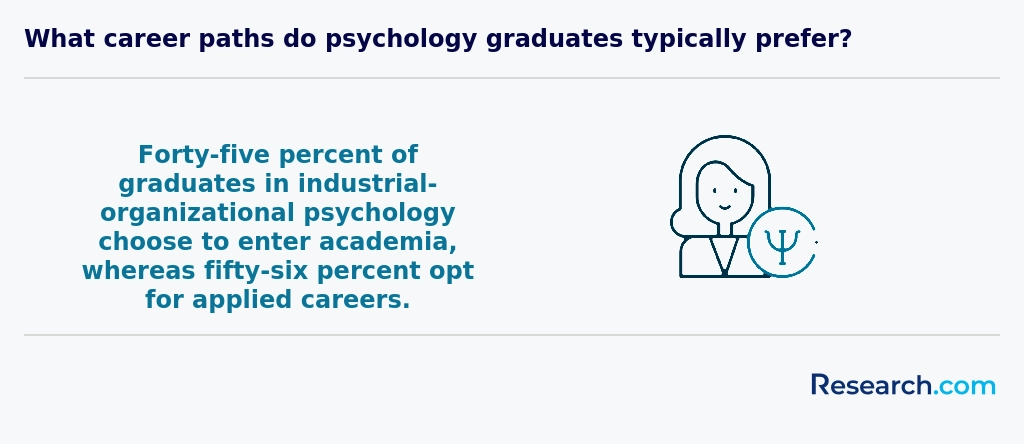
Online psychology degree programs in Massachusetts are designed to empower you with a rich blend of courses that open doors to meaningful careers. Graduates from leading institutions like Boston University and the University of Massachusetts share how foundational classes such as Introduction to Psychology spark their curiosity by unveiling the mystery behind everyday human behavior. They describe Research Methods and Statistics as essential tools that transform overwhelming data into clear, actionable insights-skills they proudly use in both clinical and research settings.
You'll dive deep into Developmental Psychology, envisioning life's pivotal moments from childhood to adulthood, and explore Abnormal Psychology, gaining compassion through the study of mental health disorders. Many find thrill in Biopsychology, connecting brain science to behavior, and Social Psychology, where they learn how our relationships shape who we are.
Specializations like Cognitive Psychology or Industrial-Organizational Psychology allow students to tailor their journey, reflecting their passions and career goals. These courses aren't just lessons-they are stepping stones that make the vibrant Massachusetts psychology community feel within reach no matter where you study online.
Students pursuing an online psychology degree in Massachusetts can explore a rich variety of specializations tailored to their passions and career goals. Graduates from popular universities in the state find inspiration in programs like Clinical Psychology, where they learn to diagnose and treat mental health disorders-a deeply rewarding path given Massachusetts's growing need for compassionate mental health professionals. Others thrive in Counseling Psychology, preparing to support diverse communities in schools or private practices.
Developmental Psychology draws students passionate about human growth across the lifespan, while Industrial-Organizational Psychology appeals to those aiming to enhance workplace well-being and productivity. Forensic Psychology merges the legal system with psychological insight, opening unique career opportunities. Health Psychology offers an empowering journey into how mind and body interact, increasingly vital in healthcare settings. This wide spectrum of online psychology degree specializations Massachusetts provides lets learners shape an education that fits their dreams and the state's dynamic employment landscape.
Many students sharing their experiences from Massachusetts colleges emphasize how these programs provide practical skills and a sense of purpose. By choosing the easiest degree to get within this exciting field, motivated learners can confidently pursue meaningful work that transforms lives.
Choosing the best online psychology degree Massachusetts offers means focusing on quality, flexibility, and relevance to your unique goals. Graduates from popular institutions like Boston University or the University of Massachusetts share how accreditation by agencies such as the American Psychological Association gave them confidence their degrees would unlock licensure and career doors.
Picture yourself balancing work, family, and studies with an online program that suits your lifestyle. Many local programs emphasize flexible schedules and strong student support, allowing you to thrive even with a busy life. Students often mention how curriculum choices-from clinical to industrial-organizational psychology-helped tailor their education to their dreams.
Cost can feel daunting, but exploring affordable online psychology programs Massachusetts offers, including scholarships and financial aid, opens pathways to success. Plus, with the Commonwealth's psychologist roles growing steadily, students feel excited about future job prospects after completing their degrees.
When diving into these options, consider programs that offer a mix of research and practical learning. To explore further, check out this easiest phd to get guide-it can inspire how accessible advanced psychology education can be.
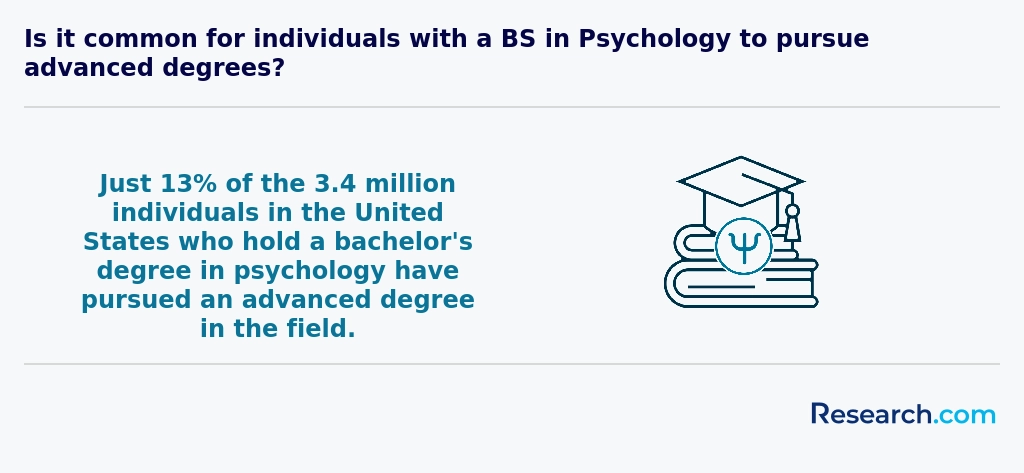
Graduates with an online psychology degree in Massachusetts find a wealth of career options that match their passion for helping others and understanding human behavior. From licensed clinical practice to counseling roles, many alumni from top institutions like Boston University and UMass Amherst share how their education enabled them to thrive as mental health counselors or school psychologists, making real differences in their communities. Exploring psychology job opportunities in Massachusetts for graduates reveals exciting paths beyond therapy-such as positions in human resources or organizational development where psychological insights guide leadership and employee well-being.
Many graduates discover fulfilling roles in behavioral research or public policy, contributing to innovative studies and programs shaping statewide mental health initiatives. These careers not only offer purpose but also a positive outlook on earning potential. For those eager to begin their journey, programs with affordable tuition encourage pursuing this inspiring field. Some students even found accelerated study options helpful, as showcased in this fastest associates degree resource, enabling them to enter the workforce confidently and quickly.
The job market for online psychology degree job outlook Massachusetts graduates is bright and filled with opportunities. Graduates from popular institutions like Boston University and University of Massachusetts Amherst often find rewarding careers in the state's thriving healthcare and education sectors. Many share stories of quickly securing roles in mental health services or school counseling, driven by the state's growing demand for skilled professionals.
Massachusetts' emphasis on mental health means graduates are welcomed into diverse settings, from community clinics to research hospitals, turning their passion into real-world impact. Licensure requirements may seem challenging at first, but many online program alumni celebrate how their hands-on internships and supervised experience in the state helped them exceed expectations. Salaries in Massachusetts outperform national averages, inspiring graduates to envision a future where they can both help others and enjoy financial stability.
Prospective students are encouraged to explore the quickest cheapest masters degree options online, which enable convenient study without sacrificing quality. These programs ease the journey toward licensure and career growth for Massachusetts psychology career opportunities online graduates.
2027 Fastest Online Master's in Psychology Degree Programs Ranking in Massachusetts
Investing in your education is a significant decision that can profoundly impact your career, and the Research.com team understands the importance of making well-informed choices. To assist prospective students seeking fast online master's in psychology programs in Massachusetts, we have carefully developed the "2027 Fastest Online Master's in Psychology Degree Programs Ranking in Massachusetts." Our dedication to quality, credibility, and accuracy is demonstrated through rigorous research and thorough analysis. We utilized the following reputable data sources to ensure a comprehensive evaluation of psychology degree programs:
By exploring this ranking, readers will obtain valuable insights to make confident and informed decisions about their educational journey. For more details on our methodology, please visit our Research.com methodology page.

# 2 position
UMassOnline
Master of Family Therapy

Frequently Asked Questions About psychology
Online psychology degree students in Massachusetts can maximize their learning by actively engaging with their coursework and faculty. Massachusetts is home to several accredited institutions offering quality online psychology programs recognized by the American Psychological Association (APA).
Students should utilize virtual office hours and discussion forums to build relationships with professors and peers, enhancing their understanding of complex topics. According to the Massachusetts Department of Higher Education, adult learners who participate in interactive online activities report higher satisfaction and retention rates.
Additionally, taking advantage of local psychology research centers, such as those affiliated with Harvard or Boston University, can provide valuable networking and internship opportunities, even when studying remotely.
Planning a schedule that balances study with practical experiences like remote practicums or volunteering within Massachusetts mental health organizations will deepen applied knowledge and improve career readiness.
Emerging niches within the psychology field reflect shifts in societal needs and technology. In Massachusetts, areas like health psychology and neuropsychology are expanding rapidly due to growing interest in mental and brain health. According to the Massachusetts Department of Labor, employment for clinical and counseling psychologists is projected to grow by 15% over the next decade, fueled by increasing demand in these specialties.
Another notable area is industrial-organizational psychology, which focuses on employee well-being and productivity-important for Boston's robust corporate sector. Additionally, forensic psychology is gaining traction, partly because of the state's emphasis on mental health in legal contexts. Online programs increasingly offer specialized tracks in these fields, enabling students to meet local workforce needs effectively.
After earning an online psychology degree in Massachusetts, preparing for the job market involves several key steps. First, graduates should pursue state licensure if they plan to become licensed psychologists or counselors. Massachusetts requires specific supervised hours and passing the Examination for Professional Practice in Psychology (EPPP), as detailed by the Massachusetts Board of Registration of Psychologists.
Networking is also crucial. Joining local organizations like the Massachusetts Psychological Association can connect job seekers to valuable resources and employment opportunities.
Additionally, gaining practical experience through internships or volunteer work enhances employability. According to the U.S. Bureau of Labor Statistics, employment of psychologists in Massachusetts is projected to grow 11% from 2020 to 2030, indicating a competitive yet expanding field.
Employers in Massachusetts highly value several key skills in graduates with psychology degrees. Strong analytical abilities are essential, as professionals must interpret complex data and apply research findings effectively. Communication skills, both written and verbal, are also critical, enabling graduates to convey psychological concepts clearly to clients and colleagues.
Additionally, proficiency in ethical decision-making and cultural competence is increasingly emphasized to meet the diverse needs of the state's population. According to the Massachusetts Board of Registration of Psychologists, adherence to professional ethics is mandatory for licensure and practice.
Familiarity with evidence-based interventions and proficiency in technology, including data analysis software, are similarly important to remain competitive.
Finding internships in Massachusetts related to a psychology degree involves several key steps. Start by exploring opportunities through university career centers, as many Massachusetts schools maintain partnerships with local mental health facilities and research institutions. According to the Massachusetts Department of Higher Education, internships are often facilitated by academic programs to meet licensing requirements for psychology professions.
Online students should also consult professional organizations like the Massachusetts Psychological Association, which lists internship openings and networking events. Additionally, hospitals and community health centers in Massachusetts frequently offer placements that provide practical experience. Researching specific agencies in Boston, Worcester, and Cambridge can increase chances of finding relevant internships.
Utilizing job platforms focusing on healthcare and psychology internships tailored to Massachusetts can also be beneficial. Early contact with supervisors and clear communication about program requirements often improve success rates in securing positions.
Obtaining an online psychology degree in Massachusetts can significantly enhance career mobility and advancement opportunities. The state's robust healthcare and educational sectors demand qualified psychology professionals, with growth projected at 10% from 2022 to 2032 according to the U.S. Bureau of Labor Statistics (BLS).
Online degrees accredited regionally and approved by the Massachusetts Board of Registration of Psychologists enable graduates to qualify for licensure and advanced roles. Completing a master's online allows working professionals to upskill without interrupting their careers, enhancing eligibility for supervisory or specialized positions.
Employers in Massachusetts increasingly recognize reputable online programs, especially those that meet APA standards. This acceptance widens job prospects in clinical, counseling, or industrial-organizational psychology settings.
Studying for a psychology degree in Massachusetts offers strong preparation for interdisciplinary roles by combining core psychological principles with knowledge from related fields such as healthcare, education, and social services. Many Massachusetts institutions emphasize collaboration across disciplines, reflecting the state's diverse professional environment.
Students frequently engage with curricula that include behavioral science, neuroscience, and counseling, enabling them to work effectively alongside medical professionals, educators, and policymakers. Massachusetts ranks among the top states with high employment for psychologists, according to the U.S. Bureau of Labor Statistics (May 2023), demonstrating broad demand for interdisciplinary expertise.
Additionally, online degree programs here often incorporate real-world case studies and internships, fostering practical skills for roles in integrated healthcare teams and community organizations. This multidisciplinary focus equips graduates to address complex social and mental health challenges in various professional settings.
Choosing between a thesis and a non-thesis psychology degree program in Massachusetts depends largely on your career goals and time commitments. A thesis program typically requires original research and is ideal for students considering doctoral studies or research careers. Non-thesis options focus more on coursework and practical skills, suiting those aiming for applied psychology roles or immediate workforce entry.
Massachusetts universities, like those featured in the U.S. News rankings, often report a 20% higher research publication output from thesis students, reflecting deeper research experience. The state's strong emphasis on clinical psychology means thesis students might access more faculty-led projects.
Consider your interest in research, available time, and professional aspirations when deciding the best format for your online psychology degree.
Students based in Massachusetts who wish to study psychology abroad while pursuing an online degree have several pathways to consider. Many US institutions offer online programs with international study options or partnerships with universities overseas. These programs allow students to benefit from a global perspective without relocating permanently.
Massachusetts students can also explore accredited universities in countries known for strong psychology education, such as the United Kingdom or Australia, which may offer fully online or hybrid formats. It is essential to verify that credits will transfer back to their US institution or count toward licensure requirements.
According to the Massachusetts Department of Higher Education, ensuring program accreditation and alignment with state licensure standards is critical for practical career advancement in psychology. The American Psychological Association also provides guidance on international education equivalency and accreditation standards relevant to US students.
Part-time job opportunities in Massachusetts that complement psychology degree education are diverse and accessible, particularly for students pursuing online programs. Common roles include mental health technician positions in hospitals or community health centers, where students assist licensed professionals and gain clinical experience.
Research assistant roles at universities or private psychology research firms offer valuable exposure to experimental methods and data analysis. According to the Massachusetts Executive Office of Labor and Workforce Development, healthcare and social assistance sectors employ a significant portion of psychology graduates in the state.
Other opportunities include behavioral health aides and rehabilitation assistants, which provide practical experience while supporting patient care. These roles allow students to develop communication and observational skills essential in psychology careers.
Online psychology students in Massachusetts have several valuable networking opportunities despite studying remotely. Many universities offer virtual events, webinars, and alumni groups where students can connect with peers and professionals. For example, institutions like the University of Massachusetts provide access to psychology clubs and mentorship programs available to online learners.
Massachusetts is home to a dense network of psychology professionals and organizations, such as the Massachusetts Psychological Association, which hosts conferences and workshops that online students can attend virtually or in person. These events often foster collaboration and career development.
Additionally, the state's strong healthcare and research sectors offer students chances to engage in internships and practicum placements, building local professional connections essential for psychologists. These connections are crucial in a state where the demand for licensed psychologists is projected to grow 14% through 2030, according to the U.S. Bureau of Labor Statistics.
Alumni networks provide valuable support for online psychology degree students in Massachusetts by connecting them with experienced professionals in the field. These networks often facilitate mentorship opportunities, enabling students to gain insights into local career paths and licensure requirements under Massachusetts regulations.
Research from the Massachusetts Department of Higher Education highlights that active alumni networks improve employment outcomes, with psychology graduates finding jobs 25% faster than peers without such connections. Additionally, alumni events and online forums foster collaboration and knowledge-sharing, which is crucial in a field that evolves rapidly.
For students balancing remote study, these networks offer local access to internships and job leads, enhancing practical experience crucial for Massachusetts psychology licensure.
Customizing an online psychology degree in Massachusetts allows students to tailor their education to specific career goals. Many programs offer elective courses in specialized fields such as clinical psychology, counseling, or organizational psychology. This flexibility lets students focus on areas that match their interests or professional aspirations.
Additionally, some schools provide opportunities for practicum or internship placements within Massachusetts' healthcare or educational settings-crucial for gaining real-world experience. According to the Massachusetts Department of Higher Education, selecting programs with such practical components improves employment prospects significantly.
Students can also choose between thesis and non-thesis tracks, accommodating those aiming for research careers or applied practice.
Online psychology students in Massachusetts often face challenges related to practical training requirements. Psychology programs typically mandate supervised clinical hours, which can be difficult to arrange remotely. Students must find local placements that meet accreditation standards, adding logistical complexity.
Another common obstacle is maintaining consistent engagement in virtual settings. Without face-to-face interaction, students may experience feelings of isolation and reduced motivation, which studies link to higher dropout rates nationwide.
Additionally, navigating state licensure requirements post-graduation poses concerns. Massachusetts mandates specific internship hours aligned with the Board of Registration of Psychologists, requiring careful planning during online studies.
With an online psychology degree in Massachusetts, graduates can pursue several professional certifications to enhance their career prospects. One of the most common certifications is becoming a Licensed Mental Health Counselor (LMHC), which requires completing a master's degree in psychology or counseling, acquiring supervised clinical hours, and passing a state exam. The Massachusetts Board of Registration of Allied Mental Health and Human Services Professionals oversees this process.
Another option is certification as a Certified Alcohol and Drug Counselor (CADC) through the Massachusetts Department of Public Health, which supports professionals working in addiction treatment. Additionally, graduates may consider becoming a Board Certified Behavior Analyst (BCBA), particularly those focused on applied behavior analysis, important for services in schools and healthcare.
According to the Massachusetts Department of Higher Education, there were over 2,000 licensed psychologists practicing in the state as of 2023, making these certifications valuable for entering a growing job market.
Writing a winning application for an online psychology program in Massachusetts requires careful preparation and attention to detail. Start by researching accredited institutions, as the region has several universities recognized by the New England Commission of Higher Education (NECHE). Highlight your academic achievements and relevant experience, such as internships or research projects in psychology-related fields.
Include a clear, concise personal statement explaining your career goals and why you chose online study in Massachusetts. Massachusetts' psychology job market grows steadily, so emphasizing your commitment to the profession can strengthen your application. Demonstrating familiarity with current psychological research or state licensure requirements also helps.
Finally, request strong recommendation letters from professionals who know your skills and work ethic well, and ensure you meet all application deadlines to increase your chances of acceptance.
Psychology careers hold significant value worldwide, with varying opportunities depending on regional education standards and licensing practices. In the United States, including Massachusetts, psychology is a rapidly evolving field supported by rigorous academic pathways and professional regulation.
Globally, psychology's acceptance and application differ, but the U.S. remains a leader in research and clinical practice, attracting many international students. According to the Massachusetts Department of Higher Education, over 2,500 psychology degrees were awarded statewide in 2022, reflecting strong local academic interest.
Online psychology programs in Massachusetts offer flexible access to these opportunities, aligning with global trends toward remote learning and teletherapy. This flexibility is essential for students balancing study with work or personal commitments.
Licensing requirements vary worldwide, but Massachusetts psychology licensure ensures graduates meet high standards, enabling diverse career pathways in clinical, counseling, and organizational psychology.
Gaining practical experience is essential when pursuing an online psychology degree in Massachusetts. Many programs require students to complete internships or practicums at approved local facilities. This hands-on training helps students apply theoretical knowledge in real-world settings, such as hospitals, mental health clinics, or community organizations.
Students can also seek volunteering opportunities or part-time positions in psychology-related fields to build their skills. The Massachusetts Psychological Association provides resources to help locate internships. According to the Bureau of Labor Statistics, practical experience improves employment prospects in the state's competitive psychology job market.
Online students should communicate early with their program advisors to identify suitable local placements that satisfy state licensure requirements.
Choosing the right concentration within an online psychology degree program in Massachusetts depends on your career goals and interests. Popular concentrations include clinical psychology, counseling, forensic psychology, and industrial-organizational psychology. Each area prepares students for different roles, such as therapist, counselor, or human resources specialist.
Consider local job market trends in Massachusetts, where healthcare and counseling roles are projected to grow by 19% through 2030, according to the U.S. Bureau of Labor Statistics. Research programs accredited by the American Psychological Association (APA) or regionally accredited institutions to ensure quality education recognized by employers.
Also, evaluate whether the program offers practicum or internship opportunities relevant to your concentration, as these experiences are critical for licensure and employment within Massachusetts.
- 2027 Fastest Online Master's in Psychology Degree Programs Ranking in New York
- 2027 Fastest Online Master's in Psychology Degree Programs Ranking in Pennsylvania
- 2027 Fastest Online Master's in Psychology Degree Programs Ranking in Virginia
- 2027 Fastest Online Master's in Psychology Degree Programs Ranking in Ohio
- 2027 Fastest Online Master's in Psychology Degree Programs Ranking in Indiana
- 2027 Fastest Online Master's in Psychology Degree Programs Ranking in Florida
- 2027 Fastest Online Master's in Psychology Degree Programs Ranking in Alabama
- 2027 Fastest Online Master's in Psychology Degree Programs Ranking in Missouri
- 2027 Fastest Online Master's in Psychology Degree Programs Ranking in Kansas
- 2027 Fastest Online Master's in Psychology Degree Programs Ranking in Texas
See What Experts Have To Say About Studying Psychology
Read our interview with Psychology experts

Robin M. Kowalski. Ph.D.
Psychology Expert
Professor of Psychology
Clemson University

Catherine Caldwell-Harris, Ph.D.
Psychology Expert
Associate Professor of Psychology
Boston University

Elizabeth L. Jeglic Ph.D.
Psychology Expert
Professor of Psychology
City University of New York

- Online Psychology Degrees | University of Phoenix https://www.phoenix.edu/online-psychology-degrees.html
- Financial Aid for Psychology Students https://www.onlinepsychologydegrees.com/financial-aid/
- Mental Health Challenges Faced by Psychology Students | The Healthcare Guys https://healthcareguys.com/2023/11/23/mental-health-challenges-faced-by-psychology-students/
- Alumni Perspectives - Meet Our FPN Alumni https://www.aanmelder.nl/alumni-perspectives-june-2023
- Best Massachusetts Psychology Degrees Updated for 2025, Online Included https://www.psychologydegrees.org/state/massachusetts
- Massachusetts Psychology Schools, Colleges & Universities https://www.psychologycareercenter.org/massachusetts-psychology-schools.html
- Community Psychology in Global Perspective http://siba-ese.unisalento.it/index.php/cpgp
- Sample letters in psychology https://www.mystudies.com/en-in/human-and-social-sciences/psychology/letter-model/
- BA in Psychology (General Psychology) https://www.umassglobal.edu/academic-programs/ba-in-psychology
- 2025 Most Popular Online Psychology Degrees in Massachusetts https://www.onlineu.com/degrees/psychology/massachusetts