
2027 Most Valuable Psychology Degree Programs Ranking in Vermont

Co-Founder and Chief Data Scientist
Choosing the right psychology degree program in Vermont can feel overwhelming. To help you navigate your options, this article presents the 2027 Most Valuable Psychology Degree Programs Ranking in Vermont, carefully compiled by the Research.com team of data scientists. It offers clear, data-backed insights to support your decision-making process.
Whether you aim to advance your career or deepen your understanding of human behavior, a psychology degree opens many doors. Reading this guide will empower you to find the programs that truly match your goals and aspirations, making your educational journey both fulfilling and rewarding.
Key benefits of getting psychology degree in Vermont
- Psychology degree graduates in Vermont can pursue rewarding careers such as Clinical Research Associate with a mean annual wage of $62,370 or Marketing Research Analyst earning about $83,190 per year, offering strong financial stability.
- Graduates from Vermont's popular universities often find diverse career paths ranging from Human Resources Specialist roles, paying around $76,060 annually, to Childcare Worker positions, making use of their psychology knowledge in various meaningful ways.
- Online psychology degrees from Vermont institutions provide flexible learning schedules and accessibility, helping graduates balance work and study while gaining credentials that open doors to careers like Survey Researcher, earning an average of $62,370 yearly.
- 2027 Most Valuable Psychology Degree Programs Ranking in Vermont
- What can I expect from psychology degree in Vermont?
- Where can I work with psychology degree in Vermont?
What can I expect from psychology degree in Vermont?
The average cost of earning a psychology degree in Vermont can vary quite a bit depending on where you study, but you'll generally find tuition rates around $15,000 to $25,000 per year at schools like the University of Vermont or Saint Michael's College. Many students talk about how scholarships and financial aid really help ease the load, especially those aimed specifically at psychology or human services fields.
One graduate from UVM shared how they took advantage of internships and practicum opportunities that not only boosted their experience but also connected them to financial support from local mental health organizations. It feels great knowing that those efforts can lower costs while preparing you for real-world challenges.
Community-focused programs in Vermont often make the money aspect less stressful by offering tailored scholarships and sometimes even sponsorships if you commit to working in local mental health settings after graduating. So, while psychology degrees aren't cheap, the support around you makes paying for school feel way more doable.
Where can I work with psychology degree in Vermont?
If you earn a psychology degree in Vermont, you'll find plenty of cool places to work. Many grads jump into healthcare spots like hospitals or mental health clinics, helping with counseling and treatment. It's kinda rewarding knowing you're making a real difference in people's lives around here. Plus, some head into school systems-especially if they studied school psychology at the University of Vermont or Champlain College. They work with kids, helping tackle learning or behavior struggles in local public schools, which feels pretty impactful.
Others find their groove with nonprofits focused on community health, elder care, or disabilities, often managing programs or supporting clients directly. If you're the type who likes business vibes, human resources or marketing research jobs in Vermont's growing companies might be right up your alley.
Lastly, if research or teaching sounds exciting, Vermont's colleges offer roles like lab assistant or teaching support, perfect for grads eager to stay close to campus life while diving into psychology studies. So, there's a lot of ways to put that degree to work!
If you're studying psychology in Vermont, you might be wondering how much cash you can actually bring home after graduating. For those fresh out of colleges like the University of Vermont, starting with an entry-level role such as a behavioral health technician or case manager, you're looking at median salaries between about $35,000 and $45,000. It's a modest start, but most grads see this as a stepping stone.
As you build experience or dive deeper into specialized areas, things can get more rewarding. For example, mental health counselors or family therapists typically earn somewhere between $45,000 and $60,000. That range ties well with what the Vermont Department of Labor reports, giving grads more reason to feel hopeful about their career path.
For those chasing roles like clinical research associate or survey researcher, the mean annual wage is around $62,370, while roles like human resources specialist pay about $76,060 yearly. Graduates often share how landing these jobs after Vermont's psychology programs feels like a real win, especially since these numbers let you live comfortably without stress.
And if you push further, maybe pursue a doctorate, licensed psychologists in Vermont regularly clear $90,000, sometimes even surpassing $100,000, especially working in hospitals or private practices. So, if you stick with it, the financial outlook looks pretty bright!
- Psychology programs in Vermont are available at public and private schools, including comprehensive options at the University of Vermont.
- Annual tuition for out-of-state undergraduates ranges from $20,000 to $30,000, while in-state costs are around $15,000 at public universities.
- Graduate psychology programs often exceed $30,000 per year, varying by institution and program format.
- Starting salaries for psychology bachelor's degree holders average $45,000 annually, with licensed clinical psychologists earning between $70,000 and $90,000.
- Licensure requires an accredited degree, supervised practice hours, and passing state exams to ensure professional competency.
If you're thinking about getting a psychology degree in Vermont, you can generally expect it to take about four years if you're going the bachelor's route. Graduates from places like the University of Vermont often mention how the full-time study of around 120 credit hours-which includes core psych classes and general education-really fits into that typical four-year plan. Many say balancing electives and required courses keeps things interesting and manageable.
For those diving into grad school, the timeline naturally stretches. Master's programs usually add about two more years, where students get to mix coursework with some hands-on research. It's a rewarding challenge that a lot of Vermont students find worth the extra effort.
If you're eyeing a PhD or PsyD, plan for five to seven years. That's because you're not just hitting the books-you're also doing clinical work, exams, and writing a serious dissertation. Vermont schools stick to these standards, making sure you're well-prepared and confident in your skills by the end.
Students aiming to deepen their expertise beyond a bachelor’s or master’s degree in psychology often pursue doctoral credentials-either a PhD or a PsyD. In Vermont, these pathways combine rigorous coursework, supervised clinical hours, and original research, preparing graduates for leadership roles in clinical practice, academia, or research. Doctoral Degree Types
- PhD in Psychology: Ideal for those interested in research, teaching at the university level, or clinical practice with a strong empirical foundation. Typical requirements include a master’s degree (or completion of an integrated BA/PhD program), a minimum of 1,500 supervised practicum hours, comprehensive exams, and a dissertation.
- PsyD (Doctor of Psychology): Focused on applied clinical skills and patient-centered care. Candidates complete intensive practicum placements, internships accredited by the American Psychological Association (APA), and a clinical project instead of a traditional dissertation. Key Admission Requirements
- Master’s in Psychology (for traditional entry routes)
- Minimum GPA of 3.0 in graduate coursework
- GRE scores (where required) or successful completion of prerequisite research methods courses
- Letters of recommendation from faculty or clinical supervisors
- Personal statement outlining clinical interests and professional goals Online PsyD Options For professionals balancing work and study, several accredited institutions offer hybrid or fully online PsyD tracks. These programs often blend asynchronous lectures with in-person intensives, lab practicums, and local clinical placements, ensuring compliance with state licensure requirements. For a curated list of top-ranked online PsyD offerings, explore our comprehensive guide to psyd programs usa. Career Outcomes & Licensure Graduates of PhD programs typically pursue faculty positions, research grants, or supervisory roles in clinical settings. PsyD holders often enter private practice, community mental health centers, or hospital-based psychology departments. Both pathways require passing the Examination for Professional Practice in Psychology (EPPP) and completing state-mandated postdoctoral supervision hours for full licensure.
If you're thinking about studying psychology in Vermont, the choice between online and on-campus really comes down to how you like to learn and what fits your life. On-campus programs, like the one at the University of Vermont, give you that classic college vibe-face-to-face classes, hands-on labs, and chances to team up on research projects. Many students love the energy of being on campus, hanging out with classmates, and having easy access to things like counseling centers and internships nearby.
Online programs, on the other hand, are perfect if you need flexibility. Lots of Vermont students juggling work or family appreciate being able to watch lectures anytime and finish homework on their own schedule. Though it's all virtual, online programs often offer virtual chats and group work, so you still connect with peers. Plus, if you're worried about costs, online tuition can sometimes be lighter on your wallet since you skip campus fees.
Graduates from both paths highlight how important hands-on experience is-whether that's in local internships arranged through your school or virtual projects. Just remember, if you pick online, having solid internet and getting comfy with the tech stuff is key.
Calculating the true value of a psychology degree in Vermont requires assessing both program expenses and the career trajectories they enable. While in-state tuition at public institutions averages $7,070 per year, private colleges can exceed $30,000 annually. When paired with additional costs-books, fees, and living expenses-students may invest between $30,000 and $120,000 over four years. To gauge return on investment (ROI), compare these figures against the median first-job salaries: entry-level Human Resources Specialists earn around $73,080, while Clinical Research Associates start near $57,760. Over a typical 20-year career span, graduates who secure roles in growing fields like mental health services or industrial-organizational psychology can recoup tuition costs within the first five to seven years of employment. Several factors influence this cost-benefit balance:
- Program Length and Format: Accelerated bachelor’s pathways, combined with summer courses or online options, can reduce overall tuition and living costs.
- Financial Aid Utilization: Leveraging federal grants, state scholarships, and work-study opportunities can slash net expenses by up to 60%.
- Specialization Premiums: Graduates with master’s or doctoral credentials in high-demand areas-such as school or forensic psychology-often command starting salaries 15–25% above bachelor’s-level peers. Prospective students should also benchmark Vermont’s investment against neighboring states’ affordability. For example, our Most Affordable Psychology Degree Programs Ranking in Minnesota reveals even lower average tuition rates, which may inform decisions about interstate enrollment or exchange programs. By systematically evaluating tuition, financial aid, program length, and anticipated earnings, students can select psychology degrees that deliver both academic excellence and long-term financial rewards.
When you think about getting a psychology degree in Vermont, one big question is usually: how much will it cost? On average, you're looking at a total cost of about $64,644 for the full degree. If you're an in-state student, that number drops somewhat to around $47,850, which makes attending local schools like the University of Vermont feel a bit more doable for many.
Graduates from places like UVM often share how affordable in-state tuition lets them focus more on their classes and hands-on research without stressing too much about financing every semester. On the flip side, private colleges such as Saint Michael's College can run higher, but students point out the tight-knit community and personalized attention as well worth the investment even if the price tag is steeper.
The thing to keep in mind is that the average cost of psychology degree in Vermont isn't just tuition-it also includes living expenses, books, and fees. Many students say budgeting early and knowing what to expect helps ease the journey. If you want to explore your options in detail, checking out the most affordable psychology schools in Vermont is a great first step.
Whether you're aiming for a bachelor's or thinking long-term with a master's or doctorate, planning based on real costs can make a big difference in enjoying your psychology studies without money worries weighing you down.
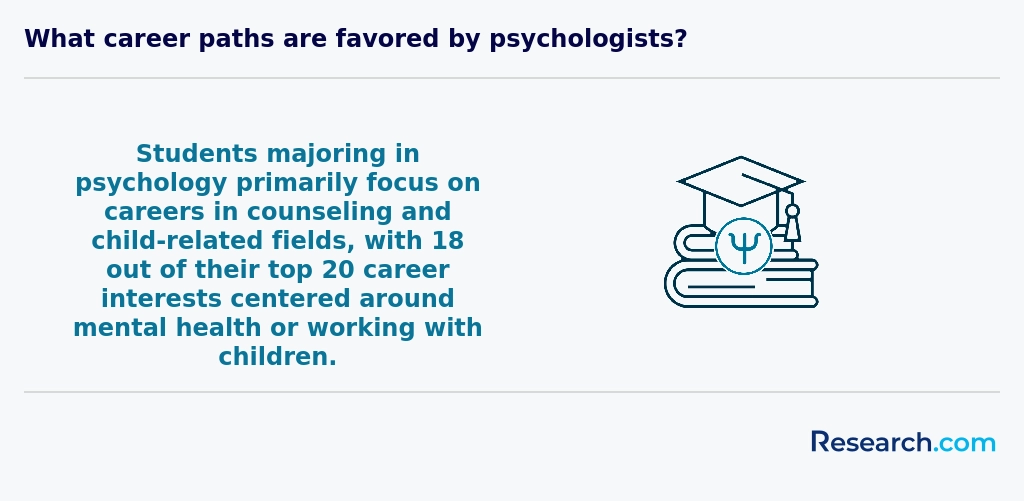
To cater to the diverse needs of prospective psychology students in Vermont, it's essential to consider the affordability of programs alongside their academic rigor and potential career outcomes. For students seeking cost-effective options without compromising on quality, exploring the most affordable psychology schools in Vermont can be a prudent step. This approach allows students to balance their financial commitments with their educational aspirations, ensuring that they can pursue a psychology degree without undue financial strain. By prioritizing affordability, students can focus on acquiring the knowledge and skills necessary for a successful career in psychology, ultimately contributing to the well-being of individuals and communities in Vermont.
If you're diving into a psychology degree in Vermont, you'll find plenty of financial aid options that really help ease the stress of tuition costs. Many students at places like the University of Vermont and Middlebury College mention how federal Pell Grants can cover a big chunk of their expenses-these don't need to be paid back, which feels like a breath of fresh air when tuition hits nearly $18,000 a year for public schools. Plus, there are Federal Supplemental Educational Opportunity Grants and low-interest federal loans that students often combine to cover the rest.
State grants are another lifesaver. Vermont's State Grant program kicks in for residents attending local colleges, and past psychology grads say it helped them afford more than just textbooks. And scholarships? Those definitely come up a lot. Departmental scholarships at universities or national awards from groups like the APA sometimes feel like they were tailor-made for psychology majors. Some students even find work-study jobs related to their research interests, which means getting paid while gaining solid experience.
Veterans studying psychology here share how the Post-9/11 GI Bill made a huge difference, covering tuition and giving housing stipends. So, whether you're aiming for merit-based scholarships or tapping into federal and state aid, Vermont's got solid support if you start early and get that FAFSA in on time.
A crucial aspect that enhances the overall value of a psychology degree in Vermont-yet often remains underexplored-is the comprehensive network of student support, mentoring programs, and career services offered by many institutions. Beyond academic rigor, robust career counseling, internship placement initiatives, and alumni mentoring programs play a pivotal role in shaping a student’s professional journey. For instance, many universities foster relationships with local mental health clinics and corporate partners, ensuring that students have practical workshops, resume-building sessions, and networking events that connect them directly with potential employers. Additionally, institutions are increasingly integrating digital platforms to offer virtual career fairs and mentorship, further bridging the gap between academia and industry. Students interested in advancing their education through specialized online opportunities can also explore offerings such as online psychology doctorate programs, which provide flexible and advanced learning paths while maintaining strong links with professional bodies and research communities. This integrated approach not only nurtures academic excellence but also builds a supportive ecosystem where students can gain the competitive edge needed in the evolving job market.
If you're thinking about starting a psychology degree in Vermont, there are a few things you'll want to have down before you jump in. Most students coming into programs like those at the University of Vermont have finished high school or an equivalent like a GED. You'll usually need to have taken some solid core classes-think English, math (algebra or higher), science like biology, and a bit of social studies or history. Some schools also want you to show you've tackled a foreign language, but that varies.
When it comes to tests like the SAT or ACT, many Vermont schools including UVM have gone test-optional recently, which really helped reduce stress for a lot of folks starting fresh in psychology.
Graduate programs, on the other hand, expect you to already have a bachelor's degree-preferably in psychology or something similar-from an accredited place. They'll want to see your transcripts looking pretty strong, along with recommendation letters and a statement about why you want to dive deeper into psychology. Real-world experience like internships or research can really boost your application too, especially if you're aiming for clinical psychology where courses in stats and research methods are key.
Lots of graduates say having these prerequisites nailed made their transition smooth and gave them confidence walking onto campus, ready to explore what Vermont's great programs have to offer.
Understanding state-level requirements ensures your degree leads to legal practice:
- Graduate from an APA-accredited doctoral program in psychology
- Complete a minimum of 2,000 hours of supervised professional experience
- Pass the national Examination for Professional Practice in Psychology (EPPP)
- Pass Vermont’s jurisprudence exam on state laws and ethics
- Apply to the Vermont Board of Psychological Examiners and submit required fees
- Maintain licensure by completing continuing education credits every renewal cycle
When comparing programs, consider cost alongside accreditation; explore our cheapest psychology degree online for budget-friendly options.
If you're diving into a psychology degree in Vermont, expect to tackle core classes that really break down how the mind and behavior work. At popular spots like the University of Vermont or Champlain College, grads often talk about getting hands-on with courses like Introduction to Psychology, which lays out all the basics-from famous theories to how psychology has evolved over time. Then there's Developmental Psychology, painting a clear picture of how people grow and change from babies to seniors, something many find super relatable when reflecting on their own families or communities.
Other courses like Cognitive Psychology bring you into the world of memory and decision-making-imagine understanding why you forget where you left your keys or how you solve everyday problems. Biological Psychology connects your brain and behavior, which can feel eye-opening. Social Psychology helps you see how groups and culture influence you, making you rethink your daily interactions. Plus, you'll get into Psychological Research Methods, gearing up to design studies and crunch numbers just like pros do.
Many grads from Vermont programs also mention electives focused on real-world fields like clinical or neuropsychology, helping them figure out what truly sparks their passion. Practicums or internships are key too, offering chances to apply what you learn in local hospitals or schools, making the whole experience feel personal and exciting.
When diving into a psychology degree in Vermont, you'll find a bunch of cool specialization options to tailor what you learn. Many students at places like the University of Vermont and Champlain College choose clinical psychology, which is all about understanding and helping people with mental health challenges-a path that feels rewarding and practical since there's always a need for good clinicians. Others find themselves drawn to counseling psychology, focusing on supporting people through life's ups and downs in schools or community centers.
Some grads love exploring the science side with cognitive and behavioral neuroscience, getting into brain research and how our minds really work. Educational psychology is another popular choice, especially for those excited about working with kids and teens in school settings.
Less common but still available is industrial-organizational psychology, which is perfect if you want to help improve workplaces. Vermont psychology program concentration options make it easy to pick what matches your passion and future career.
If you're considering further study, you might want to check out online psychology doctorate programs to keep advancing without leaving Vermont.
Picking the right psychology degree in Vermont means thinking about what fits you best. Many graduates from popular schools in the state mention how checking for proper accreditation, like that from NECHE or even APA for advanced studies, made them feel confident they were choosing quality programs. If you're after affordable psychology colleges Vermont has some great options-public universities around $15,000 a year versus pricier private ones. It's smart to look for programs with faculty who really know their stuff and offer research or clinical experience, which students say made their studies feel practical and exciting.
Location and vibe matter too. Smaller campuses often mean professors actually know your name, helping you dive into internships and community work. Vermont's demand for mental health pros is growing, which some grads found encouraging when thinking about their future. If you want to explore more, check out these psyd programs usa for additional options beyond Vermont.
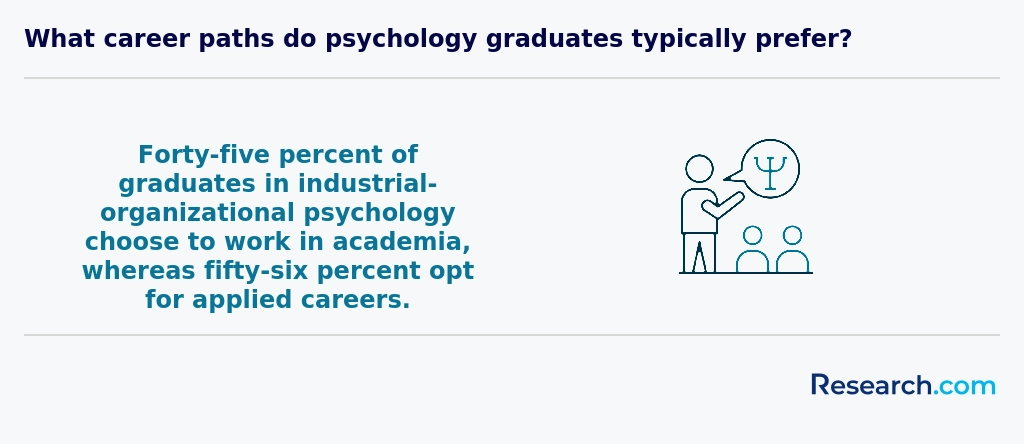
If you're studying psychology in Vermont, you'll find plenty of exciting career paths waiting for you. Graduates from popular schools in the state often step into roles like mental health counselors or therapists, working directly with people in community centers or private practices. Many find joy helping students as school psychologists in K-12 systems, tackling behavioral and learning challenges. Others get involved behind the scenes as research assistants or coordinators, digging into behavioral patterns that matter locally. Vermont's focus on rural healthcare means clinical psychologists are in demand, making this a great choice if you want a stable, rewarding job.
Some grads also dive into industrial-organizational psychology, helping Vermont businesses boost employee well-being and improve workplace vibes. Plus, the aging population here creates openings for those drawn to geropsychology, supporting older adults through life changes. If you want to check out more options and costs, there's the Most Affordable Psychology Degree Programs Ranking in Minnesota, which can be an eye-opener if affordability is part of your plan.
All in all, jobs with a psychology degree in Vermont can vary widely, offering a cool mix of direct care, education, research, and organizational work that graduates truly enjoy pursuing.
The job market for psychology degree holders in Vermont is looking pretty promising, especially if you're planning to stick around after graduation. For folks studying at popular schools like the University of Vermont or Champlain College, there's a good chance to find work in mental health clinics, schools, or community health centers. Graduates often talk about how their practicum experiences helped them land roles in outpatient centers or telehealth services, which have really taken off after the pandemic.
With Vermont emphasizing community health, there's a growing need for professionals beyond just clinical psychologists-think counselors and behavioral health specialists too. If you're wondering about salary, while the average pay is around $87,000, many graduates say the lower cost of living here balances things out nicely. Plus, Vermont's focus on integrated care means plenty of opportunities for those with advanced degrees to thrive. If you're looking to boost your credentials, checking out some of the highest paid certificate programs could be a smart move for your career.
Thinking about the future, Vermont's steady demand makes psychology jobs in Vermont 2027 feel like a realistic goal for many students. Whether you land in a school setting or a private practice, the demand for qualified professionals is on the rise.
2027 Most Valuable Psychology Degree Programs Ranking in Vermont
Investing in your education is a significant decision that can shape your future, and the Research.com team understands the importance of making informed choices. To assist prospective students in Vermont, we have meticulously crafted the "2027 Most Valuable Psychology Degree Programs Ranking in Vermont." Our commitment to quality, credibility, and accuracy is reflected in the extensive research and analysis conducted to compile this ranking.
We utilized the following reputable data sources to ensure a comprehensive evaluation of psychology programs:
By exploring this ranking, readers will gain valuable insights into the most valuable psychology degree programs in Vermont, empowering them to make well-informed educational decisions. For more details on how this ranking was created, please visit our Research.com methodology page.


Frequently Asked Questions About psychology
Psychology degree students in Vermont can maximize their learning experience by actively engaging in both academic and practical opportunities. Vermont is home to several institutions offering accredited psychology programs, where students should take advantage of small class sizes and personalized faculty attention.
Joining research projects or internships is crucial. For example, the University of Vermont emphasizes research in cognitive and clinical psychology, providing hands-on experience that enhances understanding and employment prospects.
Students can also benefit from Vermont's community mental health centers, where volunteering helps develop real-world skills.
Additionally, attending psychology-related workshops and conferences within the state broadens professional networks and stays abreast of recent developments, ultimately supporting a well-rounded education.
The psychology field is evolving rapidly, with several emerging niches gaining prominence. In Vermont and across the US, areas like neuropsychology, health psychology, and forensic psychology are expanding due to growing demand for specialized mental health services. Neuropsychology focuses on brain-behavior relationships, crucial as Vermont faces an aging population needing cognitive assessments.
Health psychology, which studies how mental factors affect physical health, is increasingly relevant amid rising chronic diseases. Forensic psychology, blending law and mental health, sees growth with an emphasis on criminal justice reform in the region.
These niches offer new career opportunities for students pursuing psychology degrees in Vermont, aligning with national trends reported by the American Psychological Association and Vermont Department of Labor projections.
Preparing for the job market after completing a psychology degree in Vermont involves strategic planning aligned with local employment trends. Graduates should gain hands-on experience through internships or volunteer work, often found in Vermont's mental health agencies or community organizations. According to the Vermont Department of Labor, the demand for psychologists and counselors is expected to grow by 10% through 2030, highlighting opportunities in healthcare and education sectors.
Networking with professionals via Vermont Psychological Association events can open doors. Additionally, obtaining relevant licenses, such as the Licensed Clinical Mental Health Counselor (LCMHC), enhances employability. Continuing education and certifications in evidence-based therapies further improve job prospects in the state's competitive market.
Employers in Vermont value several key skills when hiring psychology degree graduates. Critical thinking and analytical abilities rank highly, enabling graduates to assess data and research effectively. Communication skills, both written and verbal, are essential for working with clients and interdisciplinary teams. According to the U.S. Bureau of Labor Statistics, adaptability and problem-solving capabilities are also critical in Vermont's diverse mental health environments.
Familiarity with ethical standards and cultural competence is increasingly important, reflecting Vermont's commitment to inclusive healthcare. Additionally, proficiency in research methods and statistical software boosts job prospects, as many local employers seek evidence-based practice skills. These competencies together ensure graduates are prepared for Vermont's professional psychology landscape.
Finding internships relevant to a psychology degree in Vermont involves several practical steps. Start by contacting the psychology departments of local colleges such as the University of Vermont and Saint Michael's College, as they often have established internship partnerships.
Students should also explore opportunities within Vermont healthcare systems, like the Vermont State Hospital and community mental health centers, which regularly offer placements for psychology interns. The Vermont Psychological Association provides resources and networking events helpful for internship seekers.
Online platforms like Handshake and internships.com list statewide psychology internships as well. Early application is important, since many programs have limited spots.
According to the Vermont Department of Labor, healthcare support occupations, including psychology assistant roles, are expected to grow 15% from 2022 to 2032, expanding internship possibilities.
A psychology degree in Vermont can significantly enhance career mobility and advancement within the state's labor market. Graduates often find opportunities in healthcare, education, social services, and research sectors, which are growing fields in Vermont. According to the U.S. Bureau of Labor Statistics, employment for psychologists in Vermont is projected to grow about 3% from 2022 to 2032, reflecting steady demand for mental health professionals.
Possessing a degree in psychology also qualifies individuals for licensure as licensed clinical professional counselors or licensed psychologists, which can lead to higher salaries and supervisory roles. Vermont's focus on mental health care expansion enhances job prospects for those with advanced psychology degrees.
Moreover, psychology graduates often develop transferable skills such as critical thinking and data analysis, which support career advancement beyond traditional psychology roles in the state's nonprofit and government agencies.
Studying for a psychology degree in Vermont offers strong preparation for interdisciplinary roles by integrating coursework and practical experiences across multiple fields. Vermont's programs often emphasize collaboration with healthcare, education, and social services, reflecting the state's focus on community and public health.
Many universities incorporate training in research methods, counseling, and behavioral science alongside exposure to biology, sociology, and public policy. This approach equips students to work effectively in teams spanning diverse professions.
According to the Vermont Department of Labor, psychology graduates in the state frequently find roles in healthcare settings and social service agencies where interdisciplinary skills are essential. This reflects the growing demand for professionals who can bridge psychological knowledge with fields like medicine, education, and social work.
The experiential learning opportunities, including internships and community projects, reinforce these interdisciplinary competencies, preparing graduates for varied career paths.
Choosing between a thesis and a non-thesis psychology degree program in Vermont depends on your career goals and learning preferences. Thesis programs typically require conducting original research and writing a formal paper, which suits students aiming for doctoral studies or research careers. Non-thesis programs focus more on coursework and practical experience, ideal for those pursuing clinical work or applied psychology roles.
In Vermont, institutions like the University of Vermont offer both options. According to the American Psychological Association, about 40% of psychology graduate students nationwide choose thesis tracks, often to strengthen research skills.
Consider your interest in research, time commitment, and professional objectives when making this choice.
Students in Vermont interested in studying psychology abroad have several pathways to consider. Many U.S. colleges, including those in Vermont, offer study abroad programs or partnerships with universities in Europe, Canada, and Australia, allowing psychology majors to earn credits toward their degrees while gaining international experience.
According to the Institute of International Education, about 15% of U.S. psychology students participate in some form of study abroad. While Vermont's state universities, such as the University of Vermont, do not have specialized psychology abroad degrees, they facilitate exchanges with global institutions.
Students should verify credits transfer and seek programs emphasizing psychology coursework recognized by the American Psychological Association (APA) for accreditation purposes. This ensures their international studies contribute toward professional licensure or graduate school prerequisites back home.
In Vermont, part-time job opportunities that complement psychology degree education often include roles such as research assistants, behavioral health technicians, and mental health case workers. Research assistant positions at universities like the University of Vermont provide practical experience in psychological studies and data analysis, critical for students pursuing graduate programs. According to the Vermont Psychological Association, behavioral health roles are in growing demand due to increased mental health awareness across the state.
Working as a mental health case worker or counselor aide in community health centers allows students to apply psychological theories in real-world settings. These jobs help develop interpersonal and assessment skills useful in clinical psychology careers. Vermont's focus on community-based mental health supports these employment opportunities.
Psychology students in Vermont have access to several valuable networking opportunities that can enhance their academic and professional growth. Many universities, such as the University of Vermont, host psychology clubs, guest speaker events, and research symposiums where students can connect with faculty and peers. Additionally, Vermont's proximity to professional organizations like the Vermont Psychological Association (VPA) offers students chances to attend workshops, conferences, and mentoring programs.
Local internships and practicum placements also provide practical networking settings. Students often collaborate with regional clinics, hospitals, and community programs, helping them build relationships with licensed psychologists and other mental health professionals in the area.
According to the latest data from the American Psychological Association, strong networking during psychology training correlates with higher employment rates post-graduation, especially in smaller states like Vermont. These opportunities are essential for students seeking to establish a solid professional presence within the state's close-knit psychology community.
Alumni networks provide valuable support for psychology degree students in Vermont by offering access to professional connections and mentorship opportunities. Graduates can tap into these networks to find internships, research collaborations, and job openings within the state's growing mental health sector.
These networks often facilitate workshops and local events, helping students stay informed about industry trends and licensure requirements. According to the Vermont Department of Labor, the state expects a 12% growth in psychology-related jobs through 2028, making networking critical for career entry.
Furthermore, alumni connections can enhance students' understanding of Vermont's unique community needs by sharing real-world experiences, which supports academic learning with practical insight.
Customizing a psychology degree program in Vermont allows students to align their studies with specific career goals. Many Vermont colleges offer flexible curriculum options, such as electives in clinical, counseling, or industrial-organizational psychology. For instance, the University of Vermont provides opportunities to focus on research methods or applied psychology, helping students tailor their expertise.
Internships and practicum placements are valuable components that enhance real-world experience, with Vermont's community health centers and schools often serving as sites. Additionally, students can choose courses that prepare them for graduate certification or licensure, important for careers in counseling or therapy.
The Vermont Department of Labor reports growing demand for mental health professionals, making specialized knowledge increasingly valuable for employability in the state. Customizing your degree with Vermont-specific psychology standards and practical experiences can thus improve career prospects.
Psychology students in Vermont often face several common challenges during their studies. One significant difficulty is the limited number of accredited psychology programs in the state, which can restrict options and increase competition. According to the American Psychological Association, Vermont has fewer clinical internship placements compared to more populous states, making it harder for students to secure essential practical experience.
Financial constraints also impact many students, as the average in-state tuition for public universities in Vermont is around $17,000 per year, which can lead to student debt. Additionally, balancing rigorous coursework with fieldwork or research commitments can be demanding, especially since many programs emphasize hands-on training.
With a psychology degree in Vermont, graduates can pursue several professional certifications to enhance their career prospects. One common path is becoming a Licensed Clinical Mental Health Counselor (LCMHC), which requires a master's degree, supervised hours, and passing a licensing exam. The Vermont Office of Professional Regulation oversees this process.
Another key certification is Licensed Psychologist, requiring a doctoral degree, extensive supervised experience, and passing the Examination for Professional Practice in Psychology (EPPP). This credential is essential for independent clinical practice.
Other options include certifications in school psychology or behavior analysis, such as the Board Certified Behavior Analyst (BCBA), which has growing demand in Vermont's healthcare and education sectors according to state workforce reports.
To write a winning application for a psychology program in Vermont, start by carefully researching each school's requirements. Many Vermont institutions, such as the University of Vermont, emphasize strong academic records and relevant experience. Maintaining a GPA of 3.0 or higher increases your chances significantly.
Highlight any volunteer or work experience related to psychology, as this demonstrates commitment to the field. Vermont's psychology programs value practical engagement, reflecting the state's focus on community-based mental health.
A well-crafted personal statement is crucial; it should clearly explain your motivation and career goals. Include evidence of critical thinking and understanding of psychology principles.
Letters of recommendation from professors or employers familiar with your academic and interpersonal skills also strengthen your application. Finally, ensure all application deadlines are met strictly, as Vermont schools adhere to firm timelines.
The field of psychology offers diverse career opportunities that extend beyond Vermont and the United States. Globally, psychology professionals contribute to mental health, education, business, and research. In the U.S., including Vermont, psychology careers are growing steadily, with a projected 8% employment increase from 2021 to 2031, according to the U.S. Bureau of Labor Statistics.
Internationally, psychology practices vary widely due to cultural and regulatory differences. However, U.S. degrees often provide a strong foundation for specialized fields such as clinical, counseling, and industrial-organizational psychology, which are recognized worldwide. Vermont's universities prepare students with skills that meet professional standards across many countries.
Moreover, Vermont benefits from participation in global psychology organizations, which helps professionals stay current with research and ethics. This global connection enhances career prospects for graduates aiming to work in multinational settings or pursue advanced studies abroad.
Gaining practical experience while studying psychology in Vermont is essential for career development. Many Vermont colleges, such as the University of Vermont and Champlain College, offer internship programs in local hospitals, mental health clinics, and nonprofit organizations. These opportunities help students apply classroom knowledge in real-world settings.
Additionally, Vermont's Department of Mental Health frequently partners with universities to provide supervised fieldwork for psychology students. This hands-on experience is crucial for meeting licensure requirements after graduation. According to the Bureau of Labor Statistics, 65% of psychology graduates in Vermont secure internships before completing their degrees, enhancing their job prospects significantly.
Choosing the right concentration within a psychology degree program in Vermont involves considering your career goals and interests. Many Vermont institutions offer concentrations such as clinical psychology, counseling, or child psychology, reflecting local demand. For example, Vermont's Department of Labor reports steady growth in mental health counselor roles, emphasizing clinical and counseling psychology.
Researching each concentration's curriculum helps identify which align with your strengths. Clinical paths focus on therapy and diagnosis, while experimental psychology may appeal to those interested in research. Accreditation, faculty expertise, and internship opportunities in Vermont's healthcare facilities are also key factors.
Connecting with academic advisors and local practitioners can provide insight into how each concentration fits Vermont's job market and licensure requirements. Ensure the chosen path supports licensure standards set by the Vermont Board of Psychological Examiners.
- 2027 Most Valuable Psychology Degree Programs Ranking in New Hampshire
- 2027 Most Valuable Psychology Degree Programs Ranking in Massachusetts
- 2027 Most Valuable Psychology Degree Programs Ranking in New York
- 2027 Most Valuable Psychology Degree Programs Ranking in New Jersey
- 2027 Most Valuable Psychology Degree Programs Ranking in Pennsylvania
- 2027 Most Valuable Psychology Degree Programs Ranking in Maryland
- 2027 Most Valuable Psychology Degree Programs Ranking in Ohio
- 2027 Most Valuable Psychology Degree Programs Ranking in Kentucky
- 2027 Most Valuable Psychology Degree Programs Ranking in Illinois
- 2027 Most Valuable Psychology Degree Programs Ranking in Missouri
See What Experts Have To Say About Studying Psychology
Read our interview with Psychology experts

Robin M. Kowalski. Ph.D.
Psychology Expert
Professor of Psychology
Clemson University

Joann Farrell Quinn, Ph.D., MBA
Psychology Expert
Director at the College of Medicine Department of Medical Education
Morsani College of Medicine

Elizabeth L. Jeglic Ph.D.
Psychology Expert
Professor of Psychology
City University of New York

- How To Find Psychology Internships https://www.psychology.org/resources/how-to-find-an-internship/
- Psychology Jobs - Vermont Psychological Association https://careers.vermontpsych.org/
- What can I do with a psychology degree? https://www.hull.ac.uk/study/undergraduate/courses/psychology-bsc-hons/what-can-i-do-with-a-psychology-degree
- How Psychology Students Can Get Clinical Experience Before Graduating | The Playful Psychologist https://www.theplayfulpsychologist.com/post/students-experience-how-to-get-the-experience-you-need-before-you-graduate
- Study Psychology Abroad https://astarfuture.co.uk/study_psychology_abroad.html
- Funding for Job Training https://www.vsac.org/workforce-development-funding
- Mental Health Challenges Faced by Psychology Students | The Healthcare Guys https://healthcareguys.com/2023/11/23/mental-health-challenges-faced-by-psychology-students/
- Know more about thesis vs non- thesis: what is the difference? https://studyfans.com/en/blogs/816
- How to help students cope with mental health challenges https://www.eaie.org/resource/help-students-cope-mental-health-challenges.html
- Applied Psychology & Human Services, B.S. https://vermontstate.edu/academic-programs/applied-psychology-human-services-bs/


