
2027 Most Popular Psychology Degree Programs Ranking in Milwaukee

Co-Founder and Chief Data Scientist
Choosing the right psychology degree program in Milwaukee can feel overwhelming. To help, this article presents the 2027 Most Popular Psychology Degree Programs Ranking in Milwaukee, developed by the Research.com team of data scientists.
By exploring this ranking, you'll gain clear insights into the top programs worth your consideration and plan your educational journey with confidence.
Studying psychology opens doors to understanding human behavior and building a meaningful career. This article aims to guide you toward options that inspire and support your goals.
Key benefits of getting psychology degree in Milwaukee
- Salary for psychology degree graduates: Graduates in Milwaukee can expect diverse salary opportunities, such as $83,190 annually for Marketing Research Analysts and $62,370 for Clinical Research Associates, reflecting strong earnings potential in the field.
- Career paths: Psychology graduates from local universities often explore roles in human resources, research, or clinical settings, gaining valuable skills that open doors to dynamic and rewarding careers.
- Online degree benefits: Earning a psychology degree online in Milwaukee allows flexible scheduling and learning at your own pace, making education more accessible without sacrificing quality or career prospects.
- 2027 Most Popular Psychology Degree Programs Ranking in Milwaukee
- What can I expect from psychology degree in Milwaukee?
- Where can I work with psychology degree in Milwaukee?
What can I expect from psychology degree in Milwaukee?
When it comes to the cost of earning a psychology degree in Milwaukee, students usually find public universities more budget-friendly, with in-state tuition hovering around $10,000 a year for undergrad psychology programs. This makes it pretty doable for locals who want quality education without drowning in debt. Meanwhile, private colleges can be a bit pricier, often charging over $20,000 a year, but many grads say the smaller class sizes and extra support made it feel worth every penny.
For example, graduates from the University of Wisconsin-Milwaukee often share how they managed to keep expenses in check thanks to scholarships and research assistantships. These gigs don't just help with tuition-they also provide real-world experience working alongside professors in research labs or local counseling centers.
And for those diving into graduate programs, financial aid and assistantships are pretty common, which eases the sticker shock and helps students focus on what really matters: building skills and preparing for careers in places like health care, schools, or social services around Milwaukee.
Where can I work with psychology degree in Milwaukee?
If you're studying psychology in Milwaukee, you'll find tons of cool job options after you graduate. Many grads land roles in hospitals or clinics like those connected to the Froedtert & the Medical College of Wisconsin. Imagine working as a counselor or mental health specialist, helping people feel better every day-that's a common path here.
Others jump into schools, like Milwaukee Public Schools or the University of Wisconsin-Milwaukee, where they support students through counseling or research. It's rewarding to see how school psychologists make a real difference in kids' lives around the city.
Some graduates head into businesses, using what they learned about human behavior to improve workplace vibes or customer experiences. Milwaukee's strong manufacturing and service sectors often hire folks with these skills.
And don't forget about nonprofits and government jobs! Many grads work in community outreach or addiction support programs through agencies like the Milwaukee County Behavioral Health Division. It's all about helping the community here, which feels pretty awesome.
Graduates with a psychology degree in Milwaukee can expect a solid range of earning opportunities depending on their chosen career path and level of education. For example, entry-level roles like research assistants or behavioral health techs often pull in salaries around $32,000 to $62,000. This matches roles such as childcare workers making roughly $32,070 per year or clinical research associates earning about $62,370 annually, according to recent data.
Many Milwaukee grads from popular schools find themselves moving into positions like human resources specialists, where the average salary hits about $76,060. Marketing research analyst roles can pay even better, around $83,190 a year, which is a sweet spot for those interested in combining psychology with data and business insights.
What's exciting is that plenty of Milwaukee grads share how these jobs are not only rewarding paycheck-wise but also fulfilling-they get to help people or shape strategies that really make a difference. So, if you're aiming for a local job that feels meaningful and pays decently, these fields offer a welcoming starting point right here in Milwaukee.
- Tuition for psychology degrees in Milwaukee ranges from $9,000 to $12,000 per year at public universities and can exceed $20,000 annually at private colleges.
- Entry-level psychology jobs in Milwaukee typically pay between $35,000 and $45,000 per year.
- Advanced psychology professionals, such as licensed psychologists, earn between $60,000 and $90,000 annually depending on experience and specialization.
- Bachelor's programs usually take four years, master's require two to three additional years, and doctoral degrees can take up to seven years including research and internships.
- Licensure for clinical practice in Wisconsin requires graduation from accredited graduate programs and supervised professional experience.
If you're thinking about a psychology degree in Milwaukee, expect your bachelor's to take around four years if you're studying full-time. Many grads from local schools like the University of Wisconsin-Milwaukee or Marquette University say the support services and advising really help keep things on track, making that four-year timeline feel totally doable.
Want to keep going? A master's degree usually needs another two years. Lots of folks juggling work and school find part-time options here, which might stretch it a bit but still fit their busy lives. Courses dive into cool areas like clinical or organizational psychology, so it's pretty engaging.
For those chasing a doctorate, it's more of a marathon-five to seven years after the bachelor's. Milwaukee's APA-accredited programs expect you to work through coursework, practical experience, exams, and your big dissertation. Graduates often look back and say it's challenging but super rewarding.
Overall, time can flex based on whether you study full or part-time, your specialty, and any credits you bring in. But Milwaukee's local vibe makes it an encouraging place to reach your goals.
Milwaukee’s psychology programs distinguish themselves through structured internships and hands-on practica designed to bridge theory and practice. Students engage with local partners-including community mental health clinics, school counseling centers, and organizational consultancies-to fulfill degree requirements and build professional networks. These placements typically span 100–300 hours, allowing learners to apply classroom knowledge under licensed supervision and receive regular feedback that hones both clinical and research skills. At the University of Wisconsin-Milwaukee, for example, psychology majors collaborate with faculty on community-based projects, such as behavioral assessments in outpatient settings or workplace well-being initiatives. Marquette University students often complete internships at partner hospitals, gaining exposure to neuropsychological testing and intervention strategies. Throughout each placement, structured reflection sessions ensure that students internalize best practices in ethical decision-making, cultural competence, and evidence-based treatment. For students seeking cost-effective options with robust practicum components, institutions nationwide offer comparable experiential pathways; as an illustrative resource, you can explore the Cheapest Online Psychology Degree Programs Ranking in Virginia to assess alternative models of supervised fieldwork. By integrating supervised internships into the curriculum, Milwaukee’s psychology degrees not only prepare graduates for certification exams but also foster the critical thinking and professional confidence essential for successful careers in mental health and organizational settings.
If you're thinking about studying psychology in Milwaukee, you'll notice a big difference between online and on-campus programs. Graduates from the University of Wisconsin-Milwaukee often talk about how the on-campus vibe really helps them connect with professors and classmates face-to-face. It's easier to join hands-on activities like lab work or local internships at community mental health centers, which makes the learning feel real and immediate.
On the flip side, online programs offer amazing flexibility. Picture juggling work, family, and school all at once-that's where online psychology courses shine. You can watch lectures or join discussions anytime without commuting to campus. Many Milwaukee-based online students say this setup fits better with their busy lives, letting them keep up without missing a beat.
Cost-wise, some online options might save you a few bucks per credit hour, but watch out for extra tech fees. Whether it's the buzz of campus life or the freedom to study from your favorite spot, Milwaukee offers great choices based on what fits you best.
Before enrolling in a psychology degree program in Milwaukee, WI, ensure the institution holds regional accreditation from the Higher Learning Commission (HLC) and, for graduate-level training, programmatic accreditation from the American Psychological Association (APA). Regional accreditation validates that coursework meets rigorous academic standards, while APA accreditation confirms that doctoral curricula align with the ethical and clinical competencies required for professional practice. Prospective students should verify accreditation status on the HLC and APA websites to avoid costly pitfalls later in their careers. In Wisconsin, aspiring psychologists must complete a doctoral degree, accumulate at least 3,200 hours of supervised experience (split between pre- and post-doctorate), and pass the Examination for Professional Practice in Psychology (EPPP) along with a state jurisprudence exam. Those pursuing non-doctoral roles-such as licensed professional counselors (LPCs) or marriage and family therapists (MFTs)-typically need a master’s degree, 3,000 hours of supervised clinical practice, and must pass the National Counselor Examination (NCE) or equivalent state exam. Understanding these requirements early enables students to select programs with embedded practicum placements and licensure-prep workshops. For students seeking flexibility in fulfilling academic prerequisites and speeding time to licensure, consider exploring accelerated options. Programs offering an accelerated track combine foundational psychology coursework with early exposure to clinical methodology, reducing time to degree completion without compromising quality. To learn more about streamlined pathways that still meet accreditation and licensure criteria, check out our guide to the best psychology degree online programs.
The average cost of a psychology degree in Milwaukee usually hovers around $46,744, though it varies depending on whether you're an in-state or out-of-state student. For locals, the median in-state total cost is closer to $35,420, which feels a bit more manageable. A typical experience shared by graduates from popular schools like the University of Wisconsin-Milwaukee or Marquette University highlights how planning ahead really pays off. Many find that while tuition is the biggest part of the bill, extra costs like books and living expenses add up too, but Milwaukee's cost of living keeps it within reach compared to other big cities.
Working through your psychology degree here means juggling tuition, fees, supplies, and daily life. Students often talk about striking a balance between their studies and part-time jobs to ease the financial pressure. Choosing the right program matters, and Milwaukee offers plenty of options. Public universities tend to be easier on your wallet, but private colleges, while more expensive, come with perks that some students really appreciate.
Looking at psychology degree expenses in Milwaukee more broadly, it's helpful to consider that these costs reflect what many students experience nationally-giving you a realistic idea of the investment you're making. If you want to compare schools or see what's trending, don't miss checking out the most popular psychology degree programs here.

When considering a career in psychology, one of the most critical decisions is choosing the right location for your education and professional development. Milwaukee, WI, offers a unique blend of academic rigor, practical experience, and community engagement that makes it an attractive destination for psychology students. By pursuing a psychology degree in Milwaukee, individuals can tap into a rich network of educational institutions, research opportunities, and professional resources. For instance, exploring the most popular psychology degree programs can provide valuable insights into the types of specializations and career paths available. The city's vibrant cultural scene, diverse population, and growing demand for mental health services create a dynamic environment where students can apply theoretical knowledge in real-world settings, fostering a deeper understanding of psychological principles and their practical applications. This combination of academic and professional opportunities makes Milwaukee an ideal place for those interested in psychology to launch their careers and make meaningful contributions to the field.
If you're studying psychology in Milwaukee, there are some pretty helpful financial aid options to lighten the load. For starters, federal aid like Pell Grants can cover up to $7,395 a year without needing to be paid back-super helpful for budgeting. Plus, federal student loans come with low-interest rates and flexible payback plans, making those tuition bills less scary.
Local students often benefit directly from the Wisconsin Higher Educational Aids Board (HEAB), especially through the Wisconsin Grant. It offers several thousand dollars annually to students who qualify, letting you focus more on your studies at schools like the University of Wisconsin-Milwaukee or Marquette University.
Some psychology graduates share how merit scholarships from these universities helped them keep expenses down while rewarding their hard work. Others landed work-study gigs or assistantships, which not only brought in cash but also hands-on experience in their field.
Beyond campus, national groups like the American Psychological Association provide scholarships that can boost your funding, especially if you're eyeing grad school. Don't forget local charities too-the Milwaukee Foundation lists private scholarships that a lot of students find surprisingly supportive.
Milwaukee’s psychology programs provide more than rigorous academics-they offer a vibrant campus life that can significantly enrich your educational journey. Students benefit from a diverse array of extracurricular activities, student clubs, and peer support networks that foster personal growth alongside academic achievement. Engaging in community events, mentorship programs, and campus organizations not only helps build crucial soft skills like leadership and communication but also cultivates a sense of belonging and purpose. For those pursuing a non-traditional route, the flexibility of programs such as online masters in psychology also offers virtual campus communities and digital networking opportunities that mirror the collegiate campus experience. By actively participating in campus life, students gain practical experience through volunteer work, internship fairs, and research collaborations that often translate into rewarding career opportunities after graduation. This holistic approach to education prepares graduates to navigate both professional environments and diverse social landscapes with confidence.
If you're thinking about diving into a psychology degree in Milwaukee, you'll want to have your basics covered first. Most undergrad programs welcome you with a high school diploma or GED, but it really helps to have done well in classes like biology, math, and social sciences. For example, students at popular Milwaukee-area schools often share how nailing foundational courses in English and math gave them a smooth start once college kicked in.
When it comes to grad programs, things get a bit more specific. Graduates from Milwaukee's top psychology programs often mention needing a bachelor's degree first - ideally in psychology or something similar. Plus, schools usually look for a decent GPA around 3.0, strong letters of recommendation, and a statement of purpose that shows your passion and goals. Some even want you to bring relevant research or work experience to the table, which really helps stand out.
And while the GRE test has been a common checkpoint, many Milwaukee programs are moving away from that hassle, which makes the application feel less stressful. It's always a good idea to double-check each school's specific requirements, but overall, students find that meeting these prerequisites here sets you up for an exciting psychology journey.

Choosing an accredited program ensures your psychology degree leads to valid certification and career mobility. Key considerations include:
- APA accreditation for master’s and doctoral programs, signaling adherence to national training standards
- Regional accreditation for undergraduate degrees, required for graduate school admission and licensure eligibility
- Coursework that covers ethics, assessment, intervention and research methods aligned with Wisconsin licensing criteria
- Built-in practicum or externship hours to satisfy Wisconsin’s supervised experience requirement
After graduation, you must:
- Pass the Examination for Professional Practice in Psychology (EPPP)
- Complete at least 3,000 supervised practicum and internship hours under a licensed psychologist
Selecting an accredited program protects your investment and paves the way to licensure. For a flexible, rigorous option, consider a fast track psychology degree online.
If you're diving into a psychology degree in Milwaukee, you'll find yourself taking a mix of courses that really get to the heart of understanding how people think and behave. Graduates from universities like UW-Milwaukee often mention how eye-opening their Research Methods class was-learning to design experiments and crunch data made everything feel super real and practical. You'll also explore Biological Psychology, where you get to see how the brain impacts everything you do, from your emotions to everyday decisions.
Other common classes include Cognitive Psychology, focusing on things like memory and problem-solving, and Developmental Psychology, which walks you through changes from childhood to old age. Social Psychology is another favorite-many students share stories about how it changed their perspective on the way people interact in groups or relate to each other.
Abnormal Psychology rounds out the core courses, offering insights into mental health challenges you might encounter in real-world settings, like counseling or healthcare. Milwaukee colleges often mix in electives such as counseling or health psychology, giving you the chance to shape your own path.
If you're exploring psychology degree specializations in Milwaukee, you'll find plenty of cool options to dive into. For example, clinical psychology is a favorite for many grads who want to help people manage mental health challenges-it's a big deal given the growing awareness around mental health. Then there's counseling psychology, which gears you up for real talk and support roles in schools or community centers around town.
Milwaukee psychology programs with specialization options also include industrial-organizational psychology, perfect if you're curious about workplace vibes and improving employee performance-something that really clicks with the city's strong manufacturing scene. Other popular paths include developmental psychology, which focuses on how people grow and change, and forensic psychology-a rising field that blends psychology with the justice system, which some local colleges offer.
Graduates from these schools often share how hands-on experiences and community connections made their learning exciting and relevant. If you want flexibility, some also choose an online masters in psychology that lets them balance real life with studies.
Picking the best psychology degree in Milwaukee means thinking about what fits your life and goals. Some grads from Marquette University rave about the strong clinical programs and close-knit campus vibe, which really helped them land internships at local mental health centers. Meanwhile, those who chose the University of Milwaukee appreciated the research opportunities tied to their urban community, which made their studies feel super relevant and exciting.
Cost definitely matters - Milwaukee offers options from public schools with more affordable tuition to private ones that can be pricier but might have scholarships to ease the load. If you need flexibility, lots of programs now offer evening or part-time classes. Plus, if you can't commit to campus right away, check out options for a psychology degree online which some Milwaukee students have found really convenient.
Bottom line: consider your passion, budget, and schedule, and look at schools known for their strong support and real-world ties-you'll find a great fit among Milwaukee's psychology degree programs.
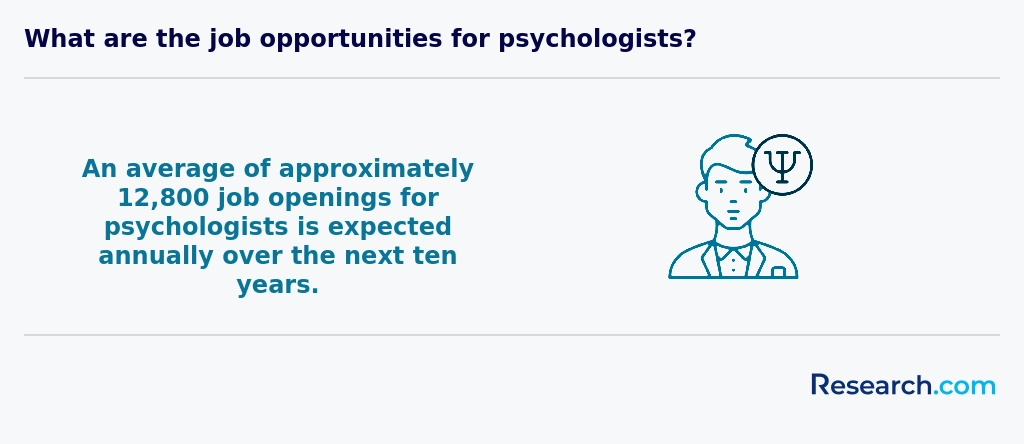
Graduates with a psychology degree in Milwaukee find plenty of doors opening in different fields. Many jump into mental health counseling or therapy since there's a growing demand for these services in the city. It's encouraging to hear how local universities prepare students well for these roles, making them feel ready and confident stepping into steady jobs with real impact.
Others head into school psychology, supporting kids in Milwaukee's public schools. Graduates often share how rewarding it is to make a difference in student lives while earning a solid salary around $75,000 a year. For those interested in research or academia, Milwaukee's universities provide great chances to work as research assistants or professors, tapping into a supportive network that boosts social science projects.
If you're wondering about jobs with psychology degree Milwaukee offers beyond the usual, consider corporate roles like human resources or organizational behavior. Many grads say using psychology in business settings feels exciting and meaningful. Plus, if you're budgeting your studies, check out the Cheapest Online Psychology Degree Programs Ranking in Virginia for affordable options elsewhere, balancing your Milwaukee experience.
If you're aiming for a psychology degree job outlook Milwaukee offers a realistic yet promising scene. Many local graduates from the University of Wisconsin-Milwaukee find internships and entry-level roles in hospitals and school systems around town, thanks to the city's steady demand in mental health services. While starting out might mean assistant roles, those who push on to master's or doctoral programs open up a whole new range of opportunities, especially in counseling or clinical psychology.
Employment opportunities for psychology graduates Milwaukee-wide often come from nonprofit organizations and private counseling centers. Graduates often mention how their hands-on training at local universities gave them a leg up in these community-focused roles. Plus, with Milwaukee's licensure rules requiring supervised hours, many find themselves well-prepared when stepping into full-time positions.
For students juggling finances, public universities keep costs manageable, but if you're interested in certification programs, check out certificate jobs that pay well to boost your options and earning potential.
2027 Most Popular Psychology Degree Programs Ranking in Milwaukee
Investing in your education is a significant decision that can greatly influence your future, and the Research.com team fully recognizes the importance of making well-informed choices. To support prospective students in Milwaukee, we have carefully developed the "2027 Most Popular Psychology Degree Programs Ranking in Milwaukee." Our dedication to quality, credibility, and accuracy is demonstrated through thorough research and detailed analysis. We used the following reputable data sources to create a comprehensive evaluation of psychology programs:
By consulting this ranking, readers will gain valuable insights into the most popular psychology degree programs in Milwaukee, enabling them to make confident and informed decisions about their academic pursuits. For further information on how this ranking was compiled, please visit our Research.com methodology page.


Frequently Asked Questions About psychology
Psychology degree students in Milwaukee can maximize their learning by engaging deeply with both academic coursework and practical experiences. Milwaukee hosts several institutions like the University of Wisconsin-Milwaukee and Marquette University, which offer opportunities for research and internships. Participating in local mental health clinics or community organizations strengthens real-world skills. Connecting with faculty and attending campus psychology events enhances understanding of current trends in psychology. Additionally, collaborating with peers on study groups helps retain complex theories. According to the UW-Milwaukee Psychology Department, students involved in research activities graduate with higher employment rates in psychology-related fields.
Emerging niches within psychology reflect the evolving needs of society and advances in research. In Milwaukee, areas such as neuropsychology and health psychology are gaining momentum due to increased local healthcare initiatives. Neuropsychology focuses on brain-behavior relationships, important for addressing conditions like stroke and dementia, which are prevalent in aging populations around Milwaukee. Health psychology explores how behavior impacts wellness, aligning with regional efforts to combat chronic diseases.
Another growing field is forensic psychology, supported by Milwaukee's expanding criminal justice system. Forensic psychologists assist in legal cases and rehabilitation programs. Additionally, industrial-organizational psychology is rising as Milwaukee's businesses seek to improve workplace dynamics and productivity. These niches offer promising career paths for psychology students seeking specialized expertise.
Preparing for the job market after completing a psychology degree in Milwaukee involves several key steps. Graduates should seek internships or practicum experiences during their studies to gain practical skills, as employers in Milwaukee value hands-on training. Networking with local professionals through organizations like the Wisconsin Psychological Association can open doors to job opportunities.
The Milwaukee area offers diverse psychology-related roles, including positions in healthcare, education, and social services. According to the U.S. Bureau of Labor Statistics, employment for psychologists in Wisconsin is projected to grow around 5% through 2031, signaling steady demand.
Completing state licensure requirements and pursuing specialized certifications can also improve job prospects. Milwaukee-based alumni services and career centers are valuable resources for résumé building and interview preparation.
Employers in Milwaukee value several key skills in psychology degree graduates. Strong analytical abilities rank high, as graduates must interpret complex behavioral data and research findings. Communication skills are critical, enabling professionals to effectively convey psychological concepts to clients and colleagues. Additionally, cultural competence is increasingly important given Milwaukee's diverse population, ensuring sensitivity to varied backgrounds.
Problem-solving skills help graduates develop appropriate interventions, while proficiency in ethics and confidentiality remains essential in clinical and research settings. According to the Bureau of Labor Statistics, Milwaukee's psychology-related jobs emphasize these competencies for successful employment.
Finding internships in Milwaukee relevant to a psychology degree involves a combination of research, networking, and utilizing local resources. Many Milwaukee students start by exploring opportunities through university career centers, which often maintain partnerships with local hospitals, mental health clinics, and social service agencies.
Organizations such as the Milwaukee County Behavioral Health Division and local nonprofits offer psychology-related internships. According to the Wisconsin Department of Workforce Development, healthcare and social assistance sectors in Milwaukee have grown steadily, indicating increasing internship availability in these areas.
Students should also check listings on platforms like Handshake or local job boards targeting Milwaukee's healthcare industry. Attending psychology conferences or local professional meetings can open doors through personal connections, which are often crucial in securing internships.
A psychology degree in Milwaukee offers significant opportunities for career mobility and advancement. The city's growing healthcare and social services sectors value professionals with psychology training, which can open doors to roles in counseling, human resources, and community services. According to the U.S. Bureau of Labor Statistics (2023), psychology-related occupations in Wisconsin are projected to grow by 8% over the next decade, outpacing many other fields.
Graduates with advanced degrees, such as a master's or doctorate, typically qualify for higher-paying jobs and leadership positions. Local employers often seek candidates with clinical experience, which many Milwaukee programs incorporate through internships and practicums. This practical training enhances employability and career progress.
Milwaukee's job market rewards credentials combined with skills in research, assessment, and evidence-based interventions, making a psychology degree a strong foundation for professional growth.
Studying for a psychology degree in Milwaukee equips students with skills that extend beyond traditional psychology, preparing them for interdisciplinary roles. Milwaukee's universities integrate coursework involving collaboration with fields like sociology, education, and health sciences, reflecting the city's diverse community needs.
Students benefit from internships and research projects in local hospitals, schools, and social service agencies, which allow practical experience in multidisciplinary teams. According to data from the Wisconsin Educational Communications Board, nearly 40% of psychology graduates in Milwaukee engage in roles combining mental health, education, and community outreach.
This approach helps graduates understand complex human behavior within broader social and biological contexts, making them valuable contributors in settings such as healthcare, education policy, or community development.
Choosing between a thesis and a non-thesis psychology degree program in Milwaukee depends largely on your career goals and academic interests. A thesis option involves conducting original research, which can be beneficial if you plan to pursue a doctoral degree or a career in research. In Milwaukee, universities like the University of Wisconsin-Milwaukee highlight thesis programs as preparation for advanced academic work.
Non-thesis programs typically focus on coursework and practical skills, ideal for students aiming for clinical or applied psychology roles. According to the Wisconsin Educational Attainment Dashboard, about 40% of psychology graduate students in the state prefer non-thesis programs for quicker entry into local healthcare settings.
Consider your time, research interest, and professional ambitions carefully when making this decision.
Students based in Milwaukee who wish to study psychology abroad have several pathways available through US higher education programs. Many universities in Milwaukee, such as the University of Wisconsin-Milwaukee, offer study abroad options in collaboration with partner institutions worldwide. These programs allow students to spend a semester or year abroad while earning credits toward their psychology degree.
Popular destinations include European universities known for psychology research, such as those in the United Kingdom and Germany. Additionally, some institutions provide summer or short-term psychology-focused overseas courses designed for undergraduates.
According to the Institute of International Education, around 10% of US psychology students participate in study abroad, reflecting growing interest in global perspectives.
Milwaukee offers diverse part-time job opportunities that align well with psychology degree studies. Positions such as research assistants at local universities provide hands-on experience in psychological research methods, beneficial for students planning graduate studies. The University of Wisconsin-Milwaukee and Marquette University often hire undergraduates for such roles.
Additionally, part-time work as behavioral health technicians or aides in nearby hospitals and clinics allows students to observe clinical practices and patient interaction, reinforcing classroom learning. According to the Wisconsin Department of Workforce Development, these roles have a steady demand in Milwaukee's healthcare sector.
Other options include tutoring psychology courses or working in community outreach programs focused on mental health awareness, which develops communication and organizational skills vital to psychology careers.
Psychology students in Milwaukee benefit from a variety of networking opportunities that support their academic and professional growth. Universities like the University of Wisconsin-Milwaukee and Marquette University host regular events, including guest lectures and career fairs, that connect students with local psychologists and mental health professionals. The Milwaukee Psychological Association, a prominent local organization, offers student memberships, networking events, and mentoring programs specifically designed for emerging psychologists.
Additionally, students can participate in internships and practicums at nearby hospitals, clinics, and community organizations. These placements often lead to valuable professional contacts. According to the Bureau of Labor Statistics, Wisconsin employs over 3,000 psychologists, highlighting a robust professional network within the state.
Alumni networks provide valuable support for psychology degree students in Milwaukee by offering access to experienced professionals in the field. Graduates from local universities such as the University of Wisconsin-Milwaukee and Marquette University often participate in these networks, creating connections that can lead to internships, job opportunities, and mentorship.
According to the Milwaukee Psychological Association, alumni involvement increases students' chances of employment by up to 30% compared to those without network support. These connections also provide insights into local mental health organizations and research facilities.
Furthermore, alumni networks frequently host events and workshops, enhancing students' professional development and knowledge of current psychology practices in Wisconsin.
Customizing a psychology degree program in Milwaukee allows students to align their studies with specific career goals, such as clinical practice, counseling, or research. Many local universities offer elective courses, internships, and specializations within psychology, enabling students to focus on areas like child psychology, neuropsychology, or industrial-organizational psychology. For instance, the University of Wisconsin-Milwaukee has tailored tracks and practicum opportunities that support diverse career paths.
Milwaukee's growing demand for mental health professionals offers practical experience through partnerships with community agencies. Additionally, choosing accredited programs ensures eligibility for licensure in Wisconsin. According to the Wisconsin Educational Aids Board, specialized training often enhances employability and earning potential in the region.
Psychology students in Milwaukee often encounter challenges related to balancing rigorous academic requirements with practical experience. Many programs emphasize internships and fieldwork, which can be difficult to coordinate alongside coursework and part-time jobs. Financial strain is another issue; tuition and living costs in Milwaukee, averaging around $12,000 annually for public institutions, may create barriers for some students (NCES, 2023).
Additionally, students face competition for research opportunities and clinical placements, essential components for graduate school preparation. Limited local resources can sometimes restrict access to advanced specializations, requiring students to seek internships further afield.
Mental health demands also affect psychology students, as the intense study of human behavior and trauma may impact their well-being, underscoring the need for supportive campus services in Milwaukee's universities.
With a psychology degree in Milwaukee, graduates can pursue several professional certifications to enhance their careers. One popular option is the Licensed Professional Counselor (LPC) credential, which requires a master's degree, supervised experience, and passing a state exam. This license allows practice across various counseling settings in Wisconsin.
The Certified Alcohol and Drug Counselor (CADC) certification is another route, especially relevant given Milwaukee's community focus on substance abuse treatment. This credential demands specific coursework and supervised hours in addiction counseling.
Additionally, some graduates seek certification as a Board Certified Behavior Analyst (BCBA), which involves graduate training and passing a national exam, useful in clinical and educational environments.
To write a winning application for a psychology program in Milwaukee, start by highlighting your relevant academic achievements, such as strong grades in psychology and science courses. Milwaukee institutions often value research experience, so mention any related internships or projects. Adhere strictly to application guidelines and deadlines set by universities like the University of Wisconsin-Milwaukee or Marquette University.
Include a clear, concise personal statement that explains why you want to study psychology and how it aligns with your career goals. Emphasize your understanding of local mental health issues, reflecting awareness of Milwaukee's community needs.
Strong letters of recommendation from professors or professionals familiar with psychology are essential. Finally, demonstrate good communication skills, as they are critical in psychology careers.
Psychology careers in Milwaukee align closely with broader trends in the United States but also connect to global perspectives emphasizing mental health awareness and cultural competence. The American Psychological Association reports that psychology is among the fastest-growing professions nationwide, with an expected 8% job growth from 2021 to 2031.
Globally, psychology professionals address diverse populations and growing mental health challenges, requiring adaptable skills and an understanding of various cultural contexts. Milwaukee's universities often incorporate such global outlooks into their programs to prepare students for both local and international opportunities.
According to the Bureau of Labor Statistics, Milwaukee's metropolitan area has a competitive median salary for psychologists, reflecting the region's investment in mental health services and research. These trends highlight how a psychology degree obtained here can serve as a foundation for careers that are increasingly interconnected worldwide.
Gaining practical experience while studying psychology in Milwaukee is essential for developing professional skills. Many programs encourage internships at local clinics, hospitals, or community centers. For example, the Milwaukee County Behavioral Health Division offers internship opportunities where students can work alongside licensed professionals.
The University of Wisconsin-Milwaukee, a leading institution in the area, emphasizes hands-on learning through research assistant positions and lab work. According to data from the Wisconsin Department of Workforce Development, psychology-related internships in Milwaukee have grown by 12% over recent years, reflecting increasing opportunities.
Volunteering for mental health organizations such as Mental Health America of Wisconsin also provides relevant experience and networking benefits.
Choosing the right concentration within a psychology degree program in Milwaukee starts with understanding your career goals. Many local universities offer specializations such as clinical, counseling, industrial-organizational, or developmental psychology. According to the Bureau of Labor Statistics, Milwaukee's healthcare and social assistance sectors are growing, increasing demand for clinical and counseling psychologists. Researching programs at institutions like the University of Wisconsin-Milwaukee can provide insight into faculty expertise and available resources. Additionally, consider internship opportunities, as hands-on experience is vital for licensure and employment. Milwaukee's diverse population also supports studies in multicultural or community psychology, which may align with your interests.
- 2027 Most Popular Psychology Degree Programs Ranking in Detroit
- 2027 Most Popular Psychology Degree Programs Ranking in Saint Paul
- 2027 Most Popular Psychology Degree Programs Ranking in Minneapolis
- 2027 Most Popular Psychology Degree Programs Ranking in Cincinnati
- 2027 Most Popular Psychology Degree Programs Ranking in Saint Louis
- 2027 Most Popular Psychology Degree Programs Ranking in Columbus
- 2027 Most Popular Psychology Degree Programs Ranking in Cleveland
- 2027 Most Popular Psychology Degree Programs Ranking in Buffalo
- 2027 Most Popular Psychology Degree Programs Ranking in Lincoln
- 2027 Most Popular Psychology Degree Programs Ranking in Springfield
See What Experts Have To Say About Studying Psychology
Read our interview with Psychology experts

Robin M. Kowalski. Ph.D.
Psychology Expert
Professor of Psychology
Clemson University

Joann Farrell Quinn, Ph.D., MBA
Psychology Expert
Director at the College of Medicine Department of Medical Education
Morsani College of Medicine

Catherine Caldwell-Harris, Ph.D.
Psychology Expert
Associate Professor of Psychology
Boston University

- Best Types Of Online Psychology Degrees 2025 https://www.psychology.org/degrees/
- Study Psychology Abroad https://astarfuture.co.uk/study_psychology_abroad.html
- How to Change Your Career from Psychology to UX Design https://ixdf.org/literature/article/how-to-change-your-career-from-psychology-to-ux-design
- Society for the Teaching of Psychology https://teachpsych.org/page-1784686/8675326
- Sample letters in psychology https://www.mystudies.com/en-in/human-and-social-sciences/psychology/letter-model/
- Psychology Degree Requirements | University of Bridgeport https://www.bridgeport.edu/news/psychology-education-requirements/
- Associate of Science: Psychology https://www.matc.edu/course-catalog/general-education/associate-in-science-psychology-premajor.html
- Degrees Offered - WSPP | Doctoral and Certificate Psychology Programs | Wisconsin School of Professional Psychology https://www.wspp.edu/academics/degrees-offered
- University of Wisconsin-Milwaukee https://mastersinpsychologyguide.com/schools/university-wisconsin-milwaukee/
- A Guide to Psychology Internships | Psychology Degree Guide https://psychologydegreeguide.org/resources/internships/


