2027 Most Affordable Psychology Degree Programs Ranking in Honolulu

Co-Founder and Chief Data Scientist
Thinking about pursuing a psychology degree in Honolulu? Choosing the right program can feel overwhelming, but this article is designed to help you make a confident decision. It features the 2027 Most Affordable Psychology Degree Programs Ranking in Honolulu, carefully created by the Research.com team of data scientists.
By exploring this ranking, you'll discover quality programs that fit your budget and aspirations. A psychology degree opens doors to meaningful careers helping others and understanding human behavior. Let this guide inspire you toward an exciting educational journey that aligns with your goals.
Key benefits of getting psychology degree in Honolulu
- A psychology degree in Honolulu opens doors to careers like Human Resources Specialist with a mean annual wage of $76,060 or Marketing Research Analyst earning about $83,190, offering strong salary potential.
- Graduates from local universities often find diverse roles in clinical research or survey analysis, creating exciting opportunities to impact communities while building a meaningful career.
- Choosing an online psychology degree provides flexibility and convenience, letting students balance life while earning recognized qualifications, just like many successful Honolulu-based online graduates enjoy.
- 2027 Most Affordable Psychology Degree Programs Ranking in Honolulu
- What can I expect from psychology degree in Honolulu?
- Where can I work with psychology degree in Honolulu?
What can I expect from psychology degree in Honolulu?
The average cost of pursuing a psychology degree in Honolulu is primarily influenced by tuition rates at institutions like the University of Hawaii at Manoa. In-state undergraduates typically pay between $11,500 and $12,000 annually, while out-of-state students face higher fees. Graduates often recall budgeting carefully around these figures while considering Hawaii's higher living expenses, such as housing and transportation. Some found that applying for scholarships specific to psychology students made a significant difference in managing costs.
Financial aid options can ease the burden, and many students balance part-time work or internships partnered with local hospitals and schools. These hands-on experiences not only enrich learning but also help defray expenses while building valuable skills for future licensure and employment. Graduates frequently highlight how these opportunities paired with affordable tuition made their education practical and achievable despite Honolulu's unique cost of living.
Understanding these figures early helps students plan realistically for their academic journey while enjoying the diverse cultural environment that shapes their psychology studies.
Where can I work with psychology degree in Honolulu?
Graduates with a psychology degree in Honolulu typically find work in healthcare settings such as hospitals and community mental health centers, taking roles like mental health technicians or behavioral health specialists. Many students from local institutions, including the University of Hawaii at Manoa, gain hands-on experience through internships at these facilities, which leads to steady job offers.
Education is another practical option. Schools and universities often hire psychology graduates as counselors or academic advisors, roles that allow graduates to support student well-being directly. Several graduates report rewarding experiences working with the Hawaii State Department of Education, helping to address mental health needs in diverse classroom environments.
Social services agencies in Honolulu also provide solid career paths. Nonprofits and government programs employ psychology-trained individuals for casework and crisis intervention, which graduates find fulfilling as they make tangible impacts on vulnerable populations.
Business settings, including companies in the tourism and hospitality sectors, increasingly value psychology graduates for roles in organizational development and employee relations, opening doors to emerging career paths for those interested in industrial-organizational psychology.
Finally, research roles at university-affiliated or independent institutes allow graduates to contribute to studies on behavioral health and local public health policies, offering meaningful work closely tied to Honolulu's unique community needs.
Graduates holding a psychology degree from Honolulu's well-regarded institutions often find varied salary outcomes depending on the specific job they pursue. For example, entry-level roles related to human services, such as a Human Resources Specialist, offer a mean annual wage of about $76,060, providing a solid start for those transitioning directly after college.
Those interested in research within the psychology field can explore roles like Marketing Research Analyst, which offers an average salary near $83,190 annually, reflecting demand in business and behavioral data analysis sectors around Honolulu.
Alternatively, Clinical Research Associate and Survey Researcher positions, both averaging approximately $62,370 per year, show potential for graduates aiming to engage in research projects connected to healthcare or social science fields.
Psychology students at popular Honolulu universities often highlight how combining internships with local healthcare or nonprofit agencies enhances their practical skills and income potential. For example, a graduate working part-time as a Clinical Research Associate can leverage their degree into higher-paying roles in mental health or social services over time.
Starting with these realistic figures, psychology graduates in Honolulu can map out a career plan that balances their interests with clear economic prospects in the local job market.
- The University of Hawai'i at Mānoa offers bachelor's, master's, and doctoral psychology degree programs.
- In-state undergraduate tuition is around $11,800 per year; out-of-state tuition is significantly higher.
- Average starting salaries for psychology graduates in Honolulu range from $45,000 to $55,000 annually.
- Experienced psychologists can earn median salaries near $80,000, especially in clinical, counseling, or industrial-organizational roles.
- Licensure requires graduation from an accredited program, supervised experience, and passing national and state exams.
- Honolulu's high cost of living impacts overall affordability, but financial aid and scholarships may help reduce expenses.
Completing a psychology degree in Honolulu generally takes about four years for a bachelor's degree, especially at the University of Hawai'i at Mānoa, the main hub for psychology studies locally. Graduates often share how maintaining full-time status helps keep them on track, balancing general education and major requirements within this timeframe.
If you're aiming for a master's degree in Honolulu, plan for about two years of full-time study. Many programs focus on clinical or counseling psychology, blending coursework with practicum hours. Students find this timeline manageable when they carefully schedule internships and research around their classes.
For a doctoral degree, expect 4 to 7 years beyond your bachelor's. Local doctoral candidates often describe the process as challenging but rewarding, especially when completing their dissertation or internships. This reflects national standards, and pacing yourself is key to avoid burnout.
Part-time enrollment or combined BA/MA programs can speed up or slow down this schedule, so consider your personal commitments. Practical experiences and research significantly influence program length but also build confidence and professional skills valuable after graduation.
Earning a psychology degree is just the first step-becoming a licensed practitioner in Honolulu, HI, requires meeting specific state standards. The Hawaii Board of Psychology oversees licensure, ensuring that candidates possess the education, exam scores, and supervised experience necessary to practice safely and effectively. To qualify for the Licensed Psychologist designation, applicants must hold a doctoral degree in psychology from an accredited institution and complete at least 2,000 hours of supervised professional experience. Candidates then sit for the Examination for Professional Practice in Psychology (EPPP), administered by the Association of State and Provincial Psychology Boards (ASPPB). A passing score on the EPPP and successful completion of a jurisprudence exam on Hawaii law are mandatory before official licensure. For those pursuing roles such as Licensed Mental Health Counselor (LMHC) or Marriage and Family Therapist (MFT), requirements differ slightly. LMHC applicants need a master’s degree in counseling or a related field, 1,000 hours of supervised client contact, and passage of the National Clinical Mental Health Counseling Exam (NCMHCE). MFT candidates follow parallel steps, taking the Examination in Marital and Family Therapy. School psychologists, on the other hand, must obtain certification through the Hawaii Department of Education, which includes state-approved coursework and a school-based practicum. Maintaining licensure also involves ongoing professional development. The Hawaii Board of Psychology requires licensed psychologists to complete 40 hours of continuing education (CE) every two years, covering ethics, clinical practice, and emerging research. Approved CE providers include university seminars, professional conferences, and online workshops-making it easier for working professionals to stay current. Aspiring clinicians considering a PsyD to meet academic prerequisites can explore flexible options without exceeding their budget. For example, you might compare program costs by reviewing our guide to the cheapest online psyd programs, which streamlines your path to licensure while maximizing affordability.
Choosing between online and on-campus psychology degrees in Honolulu boils down to your lifestyle and learning preferences. Graduates from University of Hawaii at Manoa often highlight how on-campus programs provided valuable face-to-face interactions with professors and peers, enriching their understanding through lively class discussions and group projects. Being on campus also enabled hands-on experiences, including internships at local mental health organizations-an essential step for applied psychology careers.
Conversely, students opting for online programs appreciate the flexibility to study around work or family commitments. One graduate shared how accessing lectures and assignments remotely allowed them to maintain a full-time job while earning their degree. However, they recommend checking whether local practicum options exist, since virtual programs can limit in-person training and networking opportunities.
In Honolulu specifically, the University of Hawaii at Manoa's public tuition averages about $11,000 annually for residents, making it more affordable compared to national private rates. While online courses might save money on commuting and housing, tuition fees can be similar, so weigh costs alongside your need for direct engagement and hands-on activities.
Honolulu’s academic environment extends well beyond the classroom, offering vibrant student life and robust support networks that are critical for personal and professional growth. Universities in Honolulu not only provide top-tier psychology programs but also invest in comprehensive student support services-including mentorship programs, peer-led organizations, wellness centers, and dedicated career counseling-to ensure that learners excel both academically and personally. Many institutions offer accessible mental health services and tutoring support designed to help students navigate academic challenges while maintaining a balanced lifestyle. For example, students might explore flexible learning alternatives, such as pursuing careers with online masters degree in psychology, which can accommodate their diverse needs and future career goals. By integrating academic rigor with a nurturing campus culture and extensive support resources, psychology programs in Honolulu create an environment where students are empowered to thrive throughout their educational journey and beyond.
The average cost of a psychology degree in Honolulu typically revolves around $21,530 for in-state students pursuing their education at institutions like the University of Hawai'i at Mānoa. Graduates often share that balancing tuition with living expenses, which tend to be higher in Honolulu, requires careful financial planning. For out-of-state students, the total cost can reach approximately $53,169, reflecting higher tuition rates and additional fees. This distinction in pricing highlights the importance of residency status when estimating the final cost of earning a psychology degree locally.
Many students experience firsthand how expenses beyond tuition, such as books, supplies, and campus fees, can add up each academic year. Living in Honolulu means budgeting for housing and transportation, which frequently become the largest non-tuition expenses. Those looking for affordable psychology degree programs Honolulu 2027 should actively seek scholarships or financial aid options offered by universities here. For example, graduates often recommend exploring specific scholarships targeted at psychology majors, which can meaningfully reduce the financial burden.
When planning your education budget, consider realistic projections including the median total cost for completing a psychology degree. Graduates report that pairing this knowledge with careful use of federal student loans and institutional grants makes the investment manageable and ultimately rewarding. To explore more on budget-friendly options, check out the affordable psychology programs in Hawaii, which highlight local opportunities delivering value without compromising quality.
Graduates who wish to practice professionally in Hawaii must meet specific licensure requirements set by the Hawaii Board of Psychology. After completing an accredited psychology program, candidates must:
- Complete 3,000 supervised clinical hours under a licensed psychologist
- Pass the Examination for Professional Practice in Psychology (EPPP)
- Submit official transcripts, supervised practice verification, and fingerprint clearance Once licensed, practitioners must fulfill 30 hours of continuing education every two years, including ethics and culturally responsive practice. Maintaining licensure also involves timely renewal and adherence to state regulations governing telehealth and in-person services. For those comparing affordable program options across states, explore our Cheapest Psychology Degree Programs Ranking in Birmingham, AL to see how Hawaii’s pathways align with other regions.
To manage the cost of a psychology degree in Honolulu, start by completing the FAFSA form to access federal aid like Pell Grants, which can provide up to $7,395 annually. Many psychology students at the University of Hawaii at Manoa find this essential for covering tuition.
Next, explore scholarships offered by the University of Hawaii system. Graduates often share how merit-based scholarships significantly lowered their out-of-pocket expenses, while need-based grants helped those facing financial challenges.
Look into scholarships from local organizations such as the Hawaii Psychological Association. Applying with evidence of academic success and financial need has helped many undergraduates secure extra funding.
Work-study is another practical option-students land part-time roles related to psychology on campus or in community projects, gaining experience while easing living costs.
Finally, don't overlook employer tuition assistance or GI Bill benefits if you have military ties. Students with connections to the military in Honolulu have found these invaluable in making education more affordable.
Before launching your practice, psychology graduates in Honolulu must meet state licensing standards-this ensures quality care and professional recognition. Follow these key steps:
- Earn a doctoral degree in psychology from an APA-accredited or regionally accredited institution.
- Complete required supervised experience: typically 1,500–2,000 predoctoral hours and 1,500–2,000 postdoctoral hours under a licensed supervisor.
- Pass the Examination for Professional Practice in Psychology (EPPP) and Hawaii’s jurisprudence exam.
- Apply to the Hawaii Board of Psychology, submitting official transcripts, exam scores, and licensing fees.
- Maintain licensure with continuing education: at least 30 clock hours every two years, including ethics and cultural competence.
Consider a fast track psychology degree online to streamline coursework and supervised practicum while balancing work and study.
To enroll in a psychology degree program in Honolulu, start by securing a high school diploma or GED with a solid GPA-graduates often mention that aiming for around 3.0 on a 4.0 scale opens many doors. Popular universities like the University of Hawaii at Manoa emphasize a strong foundation in English, math, and science, which you'll use daily in psychology classes. Some campuses may require SAT or ACT scores, but test-optional policies have made applications easier for many local students.
For graduate programs, things get more targeted. Typically, you'll need a bachelor's degree, preferably with psychology coursework, and a GPA of 3.0 or higher. Many graduates recall submitting GRE scores, though some schools now waive this. Hands-on research or internships in Hawaii's mental health clinics can make your application stand out, along with well-crafted statements of purpose and recommendation letters from professors or supervisors who know your skills firsthand.
Completing a psychology degree in Honolulu, HI, is a significant investment in your future, and understanding the financial aspects of your education is crucial. To support your journey, it's essential to explore the various financial aid options available, including scholarships, grants, and loan programs. For instance, prospective students interested in affordable psychology programs in Hawaii can benefit from researching institutions that offer competitive tuition rates and dedicated financial assistance. By planning ahead and taking advantage of these resources, you can minimize your financial burden and focus on achieving your academic and professional goals. Many local institutions, such as the University of Hawaii at Manoa, offer specialized scholarships for psychology majors, which can significantly alleviate tuition costs. Graduates often emphasize the importance of seeking these financial resources early in their academic journey, as they can make a substantial difference in the overall cost of pursuing a psychology degree in Honolulu, HI.
Psychology degree programs in Honolulu, such as those at the University of Hawaii at Mānoa, focus on core courses that build a strong foundation in human behavior. Graduates often recall starting with Introduction to Psychology, which clearly explained how psychological theories apply to everyday life, helping them make sense of their own experiences and relationships.
Research Methods and Statistics classes provide practical skills to critically analyze studies, a crucial step for students eager to interpret data during internships at local mental health agencies. Biological Psychology courses dive into how brain function affects behavior, making complex science feel relevant through hands-on lab experiments.
Cognitive Psychology is another essential course, helping students understand memory and decision-making, which many local graduates found directly useful in counseling roles. Developmental Psychology offers insights into human growth stages, often framed around real community scenarios in Honolulu's diverse population.
Social Psychology and Abnormal Psychology round out the curriculum, teaching students how to navigate social influences and mental health challenges, with Hawaiian cultural perspectives integrated to make learning relatable and relatable to local realities.
Students pursuing a psychology degree in Honolulu can choose from specializations that align with diverse career goals and practical interests. Common tracks include clinical psychology, focusing on mental health treatment, and counseling psychology, which emphasizes support for coping skills and life transitions. Graduates often share positive experiences about how these specializations prepare them for roles in hospitals or private practice settings in the local community.
Other popular concentrations include industrial-organizational psychology, ideal for those interested in enhancing workplace productivity and culture, and developmental psychology, which helps students understand human growth from childhood to adulthood. Educational psychology is also valued in Honolulu programs, where graduates design effective learning interventions in schools. Health psychology offers insights connecting mental and physical health critical for work in healthcare facilities.
Honolulu students benefit from studying at institutions like the University of Hawaii at Manoa, where faculty expertise supports research in areas such as cognitive neuroscience and social psychology. For those considering continued education, exploring possible careers with online masters degree in psychology can be a practical next step after specializing. These options highlight the best psychology concentrations Honolulu programs offer for a well-rounded education.
Start by verifying program accreditation-graduates recall that attending a school recognized by regional bodies or the APA for doctoral programs ensured their degrees were respected locally and nationally. In Honolulu, the University of Hawaii at Manoa is a popular choice, known for solid faculty support and hands-on research opportunities that many find crucial for clinical or academic careers.
Evaluate total costs carefully. Recent graduates highlight balancing tuition, fees, and Honolulu's higher living expenses when choosing from affordable psychology degree programs in Honolulu. Scholarships, financial aid, and assistantships greatly ease the financial burden for students attending local institutions.
Consider your career goals: if practical experience matters, look for programs offering strong practicum and internships in Honolulu's diverse community settings. Graduates appreciate the value of small class sizes and flexible course options, including online formats; some even explored cheapest online psyd programs to fit study around work or family.
Lastly, examine program outcomes-look into completion, licensure pass rates, and job placement, indicators graduates say give confidence in a program's real-world value and your future success.
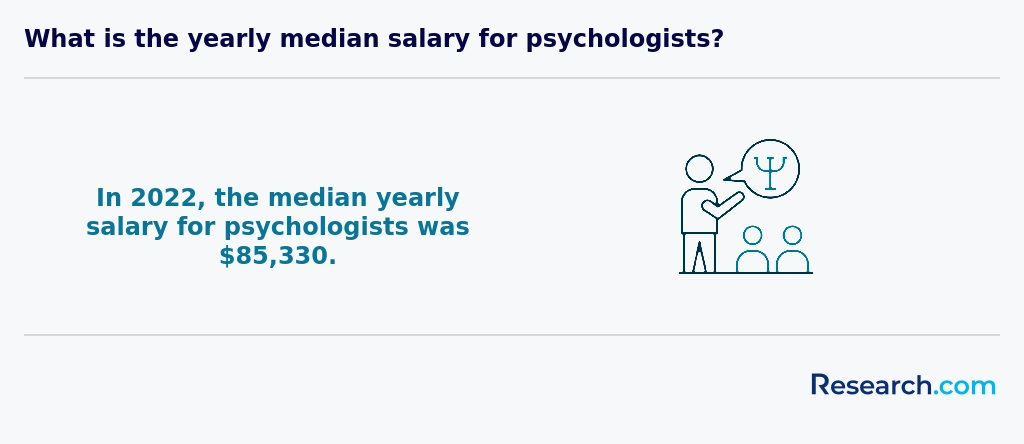
Graduates with a psychology degree in Honolulu find diverse career paths aligned with local demand and opportunities. Many choose to become licensed clinical psychologists or counselors, working in hospitals or private practices where they provide therapy and mental health services. Average wages here reflect the state's cost of living, with reported earnings around $86,000 annually, making these roles financially viable. Others pursue school psychology positions within Honolulu's public schools, offering vital support for students' mental health and behavioral development, where a master's or specialist degree is often required.
Those interested in research can join institutions like the University of Hawaii at Manoa, engaging in studies that deepen understanding of cognitive and cultural psychology. Several graduates find employment in human resources or behavioral health technician roles in local companies or healthcare settings. Additionally, substance abuse counseling and social services remain crucial and growing fields in Honolulu.
For practical advice on navigating costs while pursuing a psychology degree, consider reviewing the Cheapest Psychology Degree Programs Ranking in Birmingham, AL as a resource that helps compare affordable pathways. These options illustrate the many jobs with psychology degree in Honolulu, providing a roadmap for turning education into meaningful work.
The job market for psychology degree graduates in Honolulu is steady, with local hospitals, schools, and social service organizations actively seeking qualified professionals. Graduates from well-known Honolulu colleges often find roles in clinical psychology, counseling, or educational assessment, benefiting from the city's growing emphasis on mental health. For example, a graduate working at a community clinic shared how their degree directly led to a fulfilling role supporting patients with culturally sensitive therapy.
Those pursuing a psychology degree in Honolulu should plan for licensure, which requires state-specific exams and supervised hours, a crucial step for clinical positions. Salary levels in Honolulu average around $88,000 annually, slightly above the national average, reflecting the area's higher living costs. Graduates appreciate this balance, enabling them to build meaningful careers locally.
Potential students should also consider tuition costs at Honolulu universities versus expected job opportunities; financial planning is essential. Exploring the best local programs and identifying college majors for the future can help align education with the evolving Honolulu psychology career outlook 2027 and beyond.
2027 Most Affordable Psychology Degree Programs Ranking in Honolulu
Investing in your education is a significant decision that can shape your future, and the Research.com team understands the importance of making informed choices. To assist prospective students in Honolulu, we have meticulously crafted the "2027 Most Affordable Psychology Degree Programs Ranking in Honolulu." Our commitment to quality, credibility, and accuracy is demonstrated through the thorough research and analysis performed during the ranking's development.
We utilized the following reputable data sources to ensure a comprehensive evaluation of psychology degree programs:
By exploring this ranking, readers will gain valuable insights into the most affordable psychology degree options in Honolulu, enabling well-informed educational decisions. For more details on our methodology, please visit our Research.com methodology page.


Frequently Asked Questions About psychology
Psychology degree students in Honolulu can maximize their learning experience by actively engaging in both classroom and community opportunities. Local institutions like the University of Hawai'i at Mānoa offer research projects and internships focused on mental health issues relevant to the diverse Hawaiian population. Participating in internships with healthcare providers or social service agencies allows students to apply theory to real-world scenarios.
Joining psychology-related clubs and attending seminars can enhance networking and professional growth. Utilizing campus resources such as tutoring centers and counseling services also supports academic success. According to the Hawaii State Department of Health, experiential learning significantly improves students' understanding of psychological principles within local cultural contexts.
The field of psychology is evolving rapidly, with several emerging niches gaining importance, especially for students pursuing degrees in Honolulu. One notable area is health psychology, focusing on how behavior impacts physical health. Given Hawaii's diverse population and unique health challenges, this specialization offers meaningful opportunities for graduates.
Another fast-growing niche is telepsychology, which uses digital platforms to provide mental health services. The rise of remote care during the COVID-19 pandemic has accelerated this trend nationwide, including Honolulu, where access to specialists may be limited.
Neuropsychology also continues to grow, blending psychology with brain science to better understand cognitive functions. The University of Hawaii reports increasing interest in these areas among psychology students.
Preparing for the job market after completing a psychology degree in Honolulu involves strategic planning and skill development. Graduates should focus on gaining practical experience through internships or volunteer opportunities, especially within Honolulu's healthcare and social service sectors, which employ many entry-level psychology professionals. According to the U.S. Bureau of Labor Statistics, the demand for mental health counselors in Hawaii is projected to grow by 22% through 2030, signaling good job prospects.
Networking within professional organizations like the Hawaii Psychological Association can provide valuable connections and job leads. Additionally, obtaining relevant certifications, such as Certified Alcohol and Drug Counselor (CADC), can increase employability. Many employers also value strong research, communication, and data analysis skills.
Graduates should consider continuing education or graduate programs to qualify for advanced positions, as Hawaii's licensing requirements for psychologists include earning a doctoral degree and supervised experience. Understanding local licensure and legal requirements is crucial for career planning in Honolulu's psychology job market.
Employers in Honolulu seeking psychology degree graduates emphasize a blend of analytical, interpersonal, and practical skills. Strong critical thinking abilities are essential, enabling graduates to interpret research data and apply psychological theories effectively. Communication skills are also highly valued, as professionals must clearly convey complex concepts to clients or colleagues.
Additionally, cultural competence is increasingly important in Honolulu's diverse community. According to the Hawaii Workforce Development Council, sensitivity to multicultural backgrounds improves client outcomes significantly. Familiarity with ethical standards in psychology and proficiency in research methodologies further distinguish candidates in the local job market.
Technical skills, including proficiency with statistical software like SPSS or R, are often required for research and clinical positions. Finally, adaptability and teamwork complete the profile of highly sought-after skills in Honolulu's psychology job market.
Finding internships in Honolulu related to a psychology degree involves utilizing both university resources and local community connections. Many Honolulu colleges, like the University of Hawaii at Manoa, offer internship placement support through their psychology departments. These programs often partner with healthcare providers, mental health clinics, and social service agencies in the area.
Students should also explore Honolulu-based organizations such as the Mental Health Kokua or the Hawaii Psychological Association, which provide networking events and internship listings. According to recent data from the National Association of Colleges and Employers, about 40% of psychology students nationwide secure internships through direct faculty recommendations or university job boards.
Volunteering at local nonprofits or hospitals can increase practical experience and pave the way for internships. Early application and reaching out to supervisors in Honolulu's clinical or research settings improve chances of placement. Overall, combining academic guidance with community involvement is key.
Obtaining a psychology degree in Honolulu can significantly enhance career mobility and advancement opportunities in the local job market. The demand for mental health professionals in Hawaii is growing, with the Hawaii State Department of Labor projecting a 15% increase in psychology-related jobs between 2020 and 2030.
Graduates with a psychology degree often find roles in counseling, social services, and education, where advanced degrees can lead to supervisory or specialized positions. Licensure requirements in Hawaii include earning a relevant degree and completing supervised experience, which contribute to career progression.
Universities in Honolulu provide access to internships and networking opportunities that are essential in Hawaii's relatively small labor market. According to the U.S. Bureau of Labor Statistics, psychologists in Honolulu earn median wages comparable to the national average, supporting financial advancement with higher qualifications.
Studying for a psychology degree in Honolulu provides unique preparation for interdisciplinary roles due to its diverse academic environment and community. Many programs emphasize collaboration across fields such as healthcare, education, and social services, reflecting Hawaii's integrated approach to wellbeing. Students often engage in internships and research projects connected to local hospitals, schools, and nonprofits, gaining practical experience beyond traditional psychology.
Additionally, Honolulu's universities offer courses that blend psychology with cultural studies, public health, and counseling. This broad curriculum helps graduates develop versatile skills suitable for roles involving teamwork with professionals from various disciplines. According to the University of Hawaii system data, over 60% of psychology graduates enter interdisciplinary careers within five years of graduation.
When choosing between a thesis and a non-thesis psychology degree program in Honolulu, students should consider their career goals and learning preferences. Thesis programs demand research, culminating in a formal paper, which prepares students for doctoral studies or research roles. Non-thesis options focus more on coursework and practical skills, fitting those aiming for applied psychology careers or immediate employment.
According to the University of Hawaii system data, about 30% of psychology graduates in Honolulu pursue thesis tracks, often leading to higher acceptance rates in competitive PhD programs.
Additionally, thesis programs may extend your study by six months to a year compared to non-thesis paths.
Consider also your interest in conducting original research and willingness to commit time to this intensive process.
Students based in Honolulu interested in studying psychology abroad have several options within the United States higher education system. Many universities offer study abroad programs that partner with international institutions, enabling psychology students to gain global perspectives while earning credit toward their degree. For example, the University of Hawaii at Manoa provides opportunities for exchange programs and summer internships in countries with diverse psychological research environments.
Additionally, students may pursue online psychology degrees offered by accredited universities outside Honolulu, maintaining flexibility while accessing broader curricular options. According to the American Psychological Association, international experience can enhance graduate school applications and career prospects.
Students pursuing psychology degrees in Honolulu can benefit from various part-time job opportunities that complement their education. Positions such as research assistants at the University of Hawaii at Manoa offer hands-on experience in psychological studies and data analysis. Local mental health clinics and community centers often seek interns or support staff to assist with client intake and administrative duties.
Additionally, working as a behavioral technician or peer counselor allows students to apply psychological principles in real-world settings. According to the Hawaii State Department of Labor, these roles provide valuable exposure to clinical environments while allowing flexible schedules ideal for students.
These part-time jobs not only build practical skills but also enhance resumes for future psychology careers.
Psychology students in Honolulu benefit from a variety of networking opportunities that can enhance their academic and professional growth. Local universities often host events where students can connect with faculty, visiting scholars, and mental health professionals. For example, the University of Hawaii at Manoa offers psychology-related workshops and guest lectures that foster interaction with experts in the field.
Professional organizations, such as the Hawaii Psychological Association, frequently organize conferences and seminars. These events provide students a platform to meet licensed psychologists and potential employers in the state. Participation in local research projects and internships at Honolulu hospitals or community centers also broadens professional contacts.
Moreover, Honolulu's size encourages a close-knit psychology community, facilitating mentorship and collaboration. Students can engage with online forums affiliated with Hawaii's psychology networks to keep updated on job postings and academic opportunities. According to the Bureau of Labor Statistics, Hawaii's demand for psychologists is expected to grow by 8% by 2030, making these connections valuable for career advancement.
Alumni networks play a significant role in supporting psychology degree students in Honolulu. These networks provide valuable connections to professionals working in local mental health clinics, schools, and community organizations. According to a report from the Hawaii State Department of Labor, networking is a key factor in securing internships and job placements in Honolulu's competitive psychology job market.
Through alumni events and mentorship programs, students gain insights into applied psychology careers and local job opportunities. Alumni also offer guidance on graduate school applications and licensure requirements specific to Hawaii. Furthermore, strong alumni relationships can improve access to research collaborations and continuing education resources within the region.
Customizing a psychology degree program in Honolulu allows students to align their education with specific career goals. Many local institutions offer elective courses and specializations such as clinical psychology, counseling, or behavioral neuroscience. Students can choose internships or practicum placements within Honolulu's diverse healthcare settings, gaining practical experience relevant to the state's demographic needs.
The University of Hawaii at Manoa offers flexible undergraduate programs where students can tailor research projects or thesis topics to match personal interests. Additionally, local certification opportunities in areas like substance abuse counseling help enhance career readiness.
Advising services are essential; academic counselors assist students in mapping coursework to licensure or graduate school requirements, ensuring a focused educational path.
Psychology students in Honolulu often face unique challenges related to both academic and local factors. Limited access to research facilities can restrict opportunities for hands-on experience, which is crucial in psychology education. According to the National Center for Education Statistics, internships and practicums are essential but sometimes scarce in smaller urban areas like Honolulu.
Another significant challenge is the high cost of living in Honolulu, which can strain students financially. Many psychology programs require extended study periods, and students may struggle to balance work, school, and living expenses.
Additionally, students encounter competition for limited graduate and clinical training spots locally, essential for licensure and career advancement. Professional networking opportunities, while growing, remain limited compared to mainland locations.
With a psychology degree in Honolulu, graduates can pursue several professional certifications to advance their careers. One popular option is becoming a Licensed Mental Health Counselor (LMHC), which requires completing a master's degree, supervised experience, and passing a state exam administered by the Hawaii Department of Commerce and Consumer Affairs.
Other certifications include Certified Alcohol and Drug Counselor (CADC) and Board Certified Behavior Analyst (BCBA), each requiring specific training hours and exams. According to the Hawaii State Department of Health, demand for such professionals has increased by over 10% in recent years, reflecting growing community mental health needs.
These certifications can greatly improve job prospects and earning potential for psychology graduates in Honolulu.
To write a winning application for a psychology program in Honolulu, start by thoroughly researching the specific schools and their program requirements. Emphasize your academic achievements, particularly in psychology and related sciences. Admissions committees in Honolulu often value strong GPAs, typically above 3.0, and relevant coursework.
Highlight any practical experience, such as internships or volunteer work in mental health settings, which strengthens your application. Honolulu programs may also look for commitment to community mental health, reflecting local cultural values, as noted by the University of Hawaii's psychology department.
Write a clear, concise personal statement explaining your goals and why you want to study psychology in Honolulu. Also, request strong letters of recommendation from professors or professionals familiar with your abilities.
Finally, meet all deadlines and submit standardized test scores if required. According to recent data from Peterson's, competitive programs in Honolulu have acceptance rates near 50%, so attention to detail is crucial.
Psychology careers are increasingly valued worldwide, with the United States leading in research, clinical practice, and education standards. In Honolulu, students benefit from access to diverse populations and cultural perspectives that enrich their training. The U.S. Bureau of Labor Statistics projects a 10% growth in psychology jobs through 2032, reflecting a strong demand nationally and in Hawaii.
Globally, psychology professionals focus on mental health, education, and organizational behavior. American degrees, including those offered in Honolulu, are often recognized internationally due to accreditation by bodies like the American Psychological Association (APA). This facilitates career mobility for graduates who may work in countries requiring stringent qualification standards.
Studying psychology in Honolulu provides exposure to unique Pacific Islander communities, which is valuable in global health and cross-cultural psychology fields. Graduates can pursue roles in counseling, research, or education, supported by Honolulu's growing network of healthcare and social services institutions.
Students pursuing a psychology degree in Honolulu can gain practical experience through various avenues. Many local universities, such as the University of Hawai'i at Mānoa, offer internship opportunities in community mental health centers and clinics. These internships allow students to apply theoretical knowledge in real-world settings while earning academic credit.
Volunteering at organizations like Queen's Health Systems or the Hawai'i Psychology Association also provides valuable exposure. According to the Hawai'i Department of Health, internships in clinical settings help students develop essential skills and increase employability post-graduation.
Additionally, research assistant positions are often available within university psychology departments, enabling hands-on experience in ongoing studies related to Pacific Islander mental health.
Choosing the right concentration within a psychology degree program in Honolulu involves understanding your career goals and interests. Psychology offers various specializations, such as clinical, counseling, educational, or industrial-organizational psychology. Each pathway prepares students for different roles and licensing requirements.
In Honolulu, considering local demand can guide your choice. For example, clinical and counseling psychology are prominent due to Hawaii's growing focus on mental health services, as reported by the Hawaii Behavioral Health Report 2023. Industrial-organizational psychology is less common but emerging in Honolulu's business sector.
Review program curricula at Honolulu institutions to compare courses and practicum opportunities. Accreditation by the American Psychological Association (APA) is important, especially for clinical paths.
Finally, consult academic advisors and local professionals to align your choice with both personal passion and practical opportunities in Honolulu's job market.
- 2027 Most Affordable Psychology Degree Programs Ranking in San Francisco
- 2027 Most Affordable Psychology Degree Programs Ranking in Santa Barbara
- 2027 Most Affordable Psychology Degree Programs Ranking in Los Angeles
- 2027 Most Affordable Psychology Degree Programs Ranking in Pasadena
- 2027 Most Affordable Psychology Degree Programs Ranking in Irvine
- 2027 Most Affordable Psychology Degree Programs Ranking in Claremont
- 2027 Most Affordable Psychology Degree Programs Ranking in La Jolla
- 2027 Most Affordable Psychology Degree Programs Ranking in San Diego
- 2027 Most Affordable Psychology Degree Programs Ranking in Riverside
- 2027 Most Affordable Psychology Degree Programs Ranking in Phoenix
See What Experts Have To Say About Studying Psychology
Read our interview with Psychology experts

Robin M. Kowalski. Ph.D.
Psychology Expert
Professor of Psychology
Clemson University

Elizabeth L. Jeglic Ph.D.
Psychology Expert
Professor of Psychology
City University of New York

Joann Farrell Quinn, Ph.D., MBA
Psychology Expert
Director at the College of Medicine Department of Medical Education
Morsani College of Medicine

- A Guide to Psychology Internships | Psychology Degree Guide https://psychologydegreeguide.org/resources/internships/
- Scholarships - The Office of Hawaiian Affairs (OHA) https://www.oha.org/educational-pathways/scholarships/
- Call for papers https://www.hogrefe.com/us/journal/international-perspectives-in-psychology-research-practice-consultation
- Best Types Of Online Psychology Degrees 2025 https://www.psychology.org/degrees/
- Have You Found a Niche? https://www.apaservices.org/practice/business/marketing/building/niche
- Best Hawaii Psychology Degrees Updated for 2025, Online Included https://www.psychologydegrees.org/state/hawaii
- Alumni Perspectives - Meet Our FPN Alumni https://www.aanmelder.nl/alumni-perspectives-june-2023
- The Role of Psychology in Career Development and Planning https://psyvanta.com/the-role-of-psychology-in-career-development-and-planning/
- Psychology Online Degree Pathway https://www.learndirect.com/course/psychology-online-degree
- Why Get a Psychology Degree Online? | University of Bridgeport https://www.bridgeport.edu/news/reasons-to-get-your-psychology-degree-online/