2027 Online MS in Psychology - Forensic Psychology Admissions with Professional References from More Than Five Years Ago: What to Ask Before Applying
Audited and Verified:
Our Editorial and Data Verification Process
Research.com uses government datasets, official education statistics and primary institutional information to support its career and degree guides. Our review process checks factual accuracy, occupational definitions, source dates and the requirements associated with the credentials discussed.
How This Article Was Fact-Checked
Our editorial team verifies salary estimates, employment projections, education requirements and program information against original data providers and official organizations. Salary figures are checked against the relevant occupational definitions and reporting periods. Information about licensure, accreditation and required in-person training is reviewed separately.
Fact-checked and verified on:

Co-Founder and Chief Data Scientist
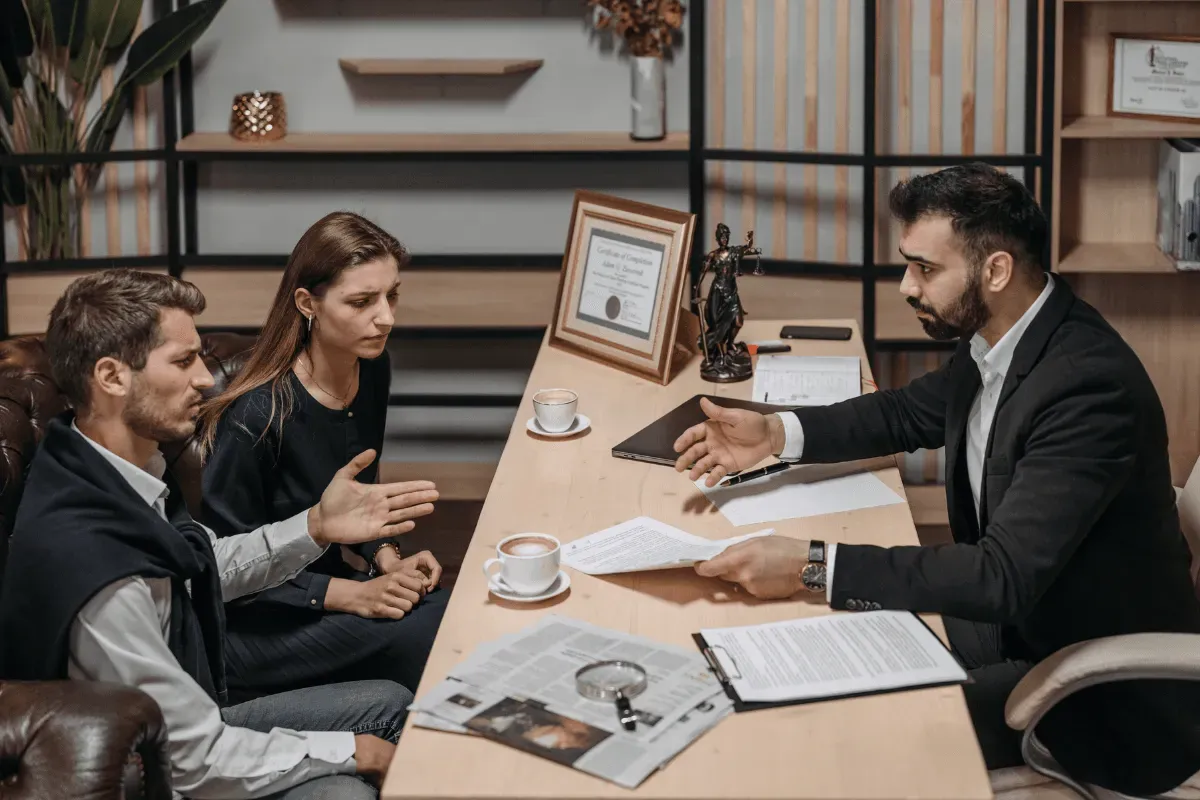
Your strongest supervisor may know your work well but have last managed you more than five years ago. That does not necessarily rule out an online MS in forensic psychology, but it makes the program's reference policy - and the strength of your other application materials - especially important.
This guide is for returning professionals and career changers deciding whether to apply now, seek a newer recommender, or choose another route. You'll learn which questions to send admissions staff, how to present older references honestly, and how to judge whether the degree fits your goals.
Key Things You Should Know
- A reference more than five years old may be acceptable, but only the program can confirm whether it has a recency rule, requires a current supervisor, or permits an exception.
- Ask whether the recommender can describe your specific work and whether recent evidence elsewhere in your application can show your readiness for graduate study.
- Before paying to apply, verify that the online program's coursework, total cost, and credential pathway match your target role; a forensic psychology MS alone does not qualify you as a licensed forensic psychologist.
What does an online master's in forensic psychology prepare you to do?
An MS in forensic psychology generally studies psychological science in legal and justice settings. Depending on its design, it may develop skills in research, behavioral analysis, ethical reasoning, program evaluation, and communication with justice-system or community-service partners. The exact preparation depends on the curriculum and any approved applied experience.
That preparation may complement existing work in victim services, corrections support, court-related administration, or research. It does not confer investigative authority, permission to conduct independent forensic evaluations, or a license to practice psychology. Start with the duties of the job you want: a current public-sector employee seeking stronger research skills may benefit from an MS, while someone seeking an entry-level support role may need relevant experience more urgently.
If you do not yet have a bachelor's degree, selecting an online psychology bachelor's program is a separate decision to make before considering graduate admission.
Can older professional references support a forensic psychology master's application?
Yes, potentially. "More than five years old" is not a universal disqualification. Schools may specify who can recommend you, how recently that person must have supervised you, or whether an academic letter is required. Others leave more room for an admissions committee to assess relevance. An older letter is most useful when its author directly observed substantial work, remembers specific examples, and can write a fresh recommendation rather than simply resubmit an old document.
Distinguish eligibility from persuasiveness. A former supervisor might satisfy the published rule yet be unable to speak to your current writing, analytical ability, or reliability. A recent collaborator who has seen those abilities may add more value, even without a senior title. Ask admissions whether letters from former supervisors, current colleagues, volunteer coordinators, or recent instructors are accepted, and whether any recommender must be current.
Do not enroll in extra coursework solely to obtain a newer letter until a program tells you it is necessary or your academic preparation needs updating. For returning adults weighing that expense against applying with existing evidence, psychology degree affordability for returning adults offers a broader cost perspective.
What admission requirements do online forensic psychology master's programs have?
Requirements vary by institution and entry term. A bachelor's degree and transcripts are common starting points, but programs differ on acceptable majors, minimum GPA, psychology or statistics prerequisites, essays, interviews, tests, and recommendations. Professional experience can strengthen an application without replacing a formally required course or document.
The following distinctions help you interpret a program's admissions page before asking about your older references.
| Admissions item | What to distinguish |
| Degree and coursework | A required bachelor's degree versus recommended psychology, research-methods, or statistics preparation |
| Recommendations | Number and type of letters required versus a preference for recent or academic writers |
| Experience | Documented work required for admission versus experience that merely makes an applicant more competitive |
| Exceptions | A published alternative or waiver versus a discretionary decision that needs written confirmation |
Send the admissions office your intended entry term and a concise description of each proposed recommender's relationship to you. Ask it to identify the applicable policy, whether the older relationship qualifies, and who can approve an exception. If you need undergraduate preparation first, an official evaluation - not an assumption that past credits will apply - should guide that plan; see college credit evaluation for psychology majors.
Briefly explain why these people can evaluate you, not why you lack newer contacts. In an application's optional statement, if one is available, you might identify the supervised work, the period in which you worked together, and the abilities the recommender observed. Then point to current evidence - recent coursework, reports, training, or work responsibilities - without implying that the older supervisor witnessed it.
Use this sequence before requesting letters; it helps avoid an ineligible or vague recommendation.
- Confirm the program's recommender categories and any recency rule in writing.
- Ask each former supervisor whether they can write a new, specific letter about work they personally observed.
- Give the writer your résumé, target program, deadline, and a reminder of relevant projects, while leaving the assessment in their own words.
- Where permitted, pair an older supervisor's letter with a recent source who can address present-day academic or professional readiness.
If no suitable current source exists, ask admissions whether a recent instructor, project lead, or volunteer supervisor would qualify rather than paying for unrelated education to create a reference. You can compare inexpensive psychology master's degree pathways if a particular school's letter policy ultimately makes that application impractical; lower tuition does not imply more flexible admissions.
Check the institution's recognized institutional accreditation and whether it covers the institution offering the online degree. Then evaluate licensure separately. Institutional accreditation establishes neither that this particular MS meets a state's licensing curriculum nor that its graduates can practice forensic psychology independently. APA accreditation should not be assumed to apply to a general or nonclinical psychology master's program.
Ask the program whether it is explicitly designed for any named license, in which jurisdictions, and what it says graduates must do next. Confirm any licensing claim with the relevant state board before enrolling. If your actual goal is psychotherapy with justice-involved clients, a qualifying counseling or social-work program may be more direct than a nonclinical forensic MS. Compare the credential pathway and affordability checks for online counseling study, rather than selecting either degree by concentration name alone.
Course titles and requirements differ, but relevant offerings may address psychology and law, research methods, statistics, ethics, psychopathology as an academic subject, and behavior in courts or correctional settings. Look beyond course names: a program with a substantive methods project may fit an applicant seeking research or evaluation work better than one emphasizing case discussion alone.
Ask whether a thesis, capstone, internship, or other applied component is required; who supervises it; and whether a local site must approve your participation. Existing employment in a justice agency does not automatically satisfy an academic placement. Coursework about assessment does not authorize a student to administer restricted tests or provide clinical opinions. If your intended work instead centers on substance-use treatment, comparing degrees in addiction counseling can clarify why subject overlap is not the same as a qualifying counseling pathway.
Time and cost depend on required credits, course availability, enrollment pace, tuition rules, fees, and any capstone or placement. An accelerated schedule can reduce calendar time without reducing the work required each week. Request a term-by-term plan for your intended pace and an itemized estimate covering tuition, mandatory fees, materials, travel, and any continuation charges.
For an applicant considering several schools because one will not accept older references, compare total cost to completion, not just the advertised price per credit. FAFSA and grants for substance abuse counseling students concerns a different degree pathway; it is relevant only if you are also considering that alternative, and its aid information should not be treated as funding promised for a forensic psychology MS.
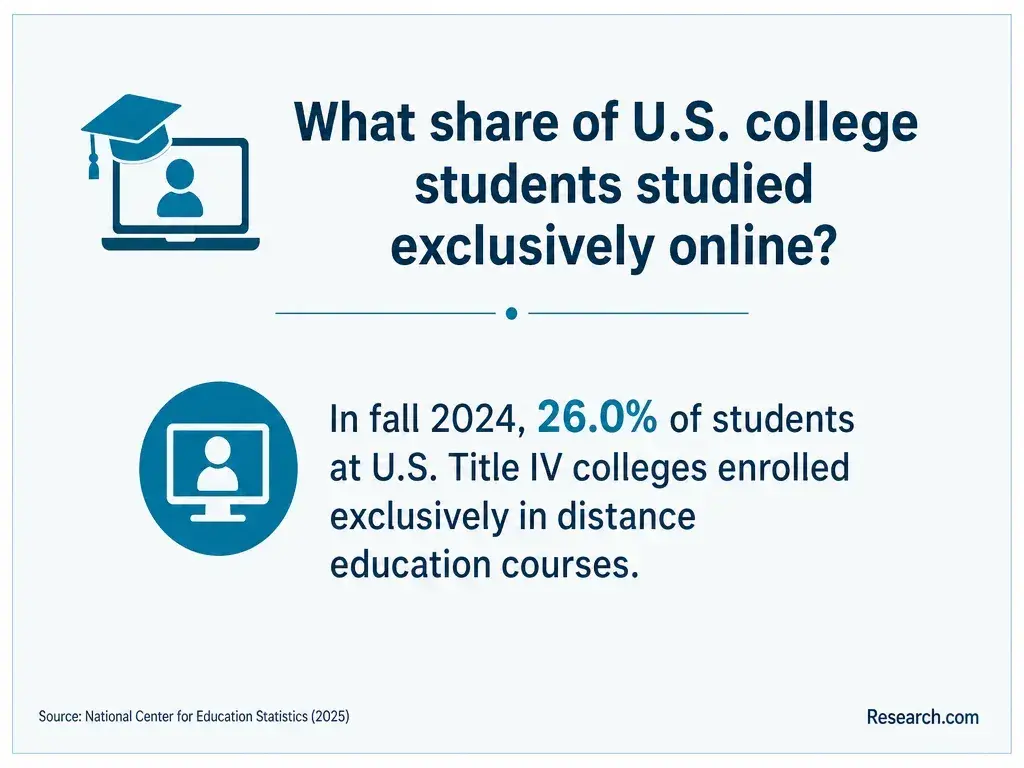
Online delivery can remove a routine commute, but it does not guarantee asynchronous classes, flexible deadlines, remote research supervision, or a placement near home. Campus study may provide easier access to particular faculty activities or local partners, while adding travel and scheduling constraints. Neither format determines whether an older reference will be accepted; that is an admissions policy to verify for each program.
Ask both types of program about live-session times, campus visits, project supervision, and where students secure approved experiences. A shorter online schedule is attractive only if you can meet its actual workload and academic requirements. Use forensic psychology one-year program value considerations when weighing speed against those obligations.
Possible nonclinical targets include justice-program coordinator, victim-services staff member, corrections-program support worker, or research and evaluation assistant. Employers may value relevant agency experience, writing, data handling, and knowledge of service boundaries as much as the specialization. Job titles alone are unreliable guides: read the duties and required credentials in actual postings.
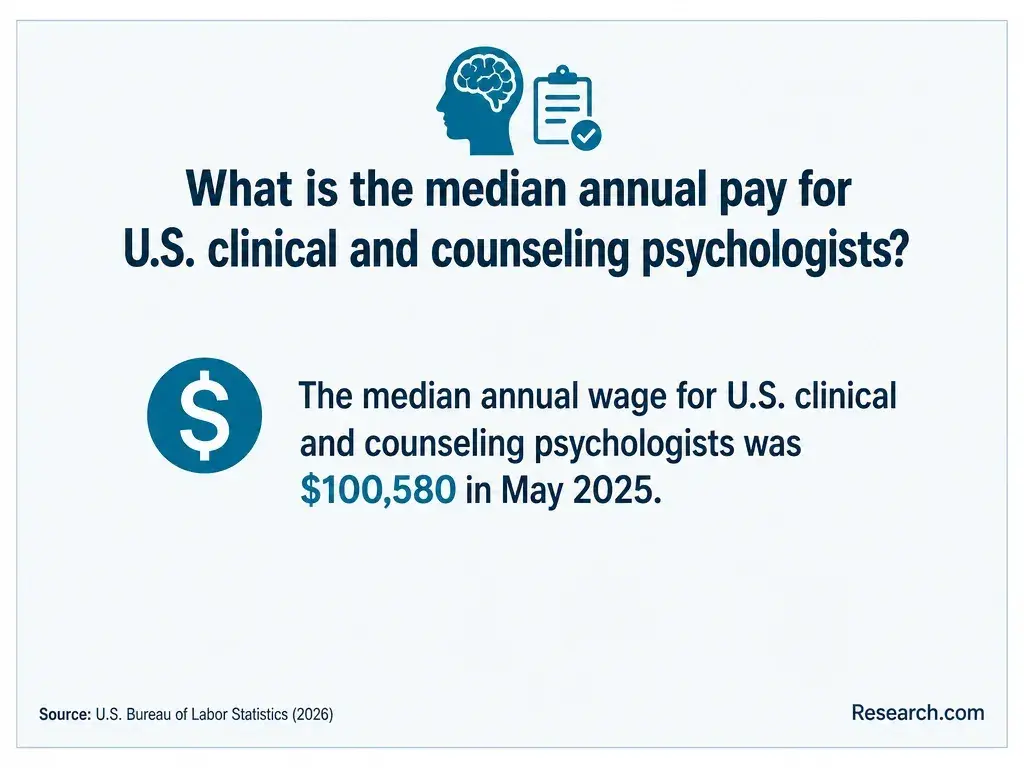
There is no single salary for graduates of a forensic psychology MS. Published wages describe occupations, not degree outcomes, and can include workers with different credentials and experience. Compare a target job's duties, local postings, and the corresponding Bureau of Labor Statistics occupation before using a wage figure in a return-on-investment calculation. The forensic psychology master's employment and pay guide offers additional role comparisons, but no pay figure should be read as a guaranteed result of enrollment.
What job outlook and qualifications apply to forensic psychology careers?
"Forensic psychology careers" is not one occupation with one growth rate or entry standard. A victim-services posting, a research position, and a licensed psychologist role have different employers, duties, and qualification rules. Check the occupation-specific Bureau of Labor Statistics outlook alongside current job postings in the location where you intend to work; a national projection cannot establish demand for your chosen specialty or agency.
For nonclinical justice or community roles, build evidence of the tasks employers request: careful documentation, research or program-evaluation skills, interagency communication, and appropriate handling of confidential information. Licensed assessment or therapy requires the applicable professional education, supervised experience, and state authorization. If treatment is your intended career, compare that longer credential route - including the clinical counseling master's completion time and employment outlook - before treating a forensic MS as a stepping-stone.
Other Things You Should Know About Psychology
Not necessarily. Ask the program how it verifies a former supervisor who has retired or changed employers, and have the writer follow its submission instructions.
Only if the application permits it. Many systems require the recommender to submit directly; a letter forwarded by an applicant may not count.
Follow the application's instructions and make an informed choice. Waiving access does not repair a weak letter or override a recency policy.
Choose someone who can give a specific, truthful assessment. A recognizable title is less useful than firsthand examples of your work.
- Updating Application Information | 2024-2025 Federal Student Aid Handbook https://fsapartners.ed.gov/knowledge-center/fsa-handbook/2024-2025/vol2/ch5-updating-application-information
- Reference Letters | Grants & Funding https://grants.nih.gov/grants-process/write-application/advice-on-application-sections/reference-letters
- Ten simple rules for writing compelling recommendation letters | nih.gov https://pmc.ncbi.nlm.nih.gov/articles/PMC7906297/
- Can Your Letters of Recommendation Come From Outside of Academia? - Graduate Programs https://blogs.umflint.edu/graduateprograms/2026/04/13/can-your-letters-of-recommendation-come-from-outside-of-academia/
- Guidelines for Conducting Reference Checks - CIRES Connect https://ciresconnect.colorado.edu/en_US/checking-professional-references/guideline-for-conduction-reference-checks
- Recommendation letters | Helpful resources | The Ohio State University https://gpadmissions.osu.edu/resources/recommendation-letters.html
- Master's in Forensic Psychology | du.edu https://psychology.du.edu/forensicpsychology
- Admission Policy Procedures | College of Liberal Arts and Social Sciences | Texas A&M University-Victoria https://www.tamuv.edu/liberal-arts-social-sciences/graduate-degrees/forensic-psychology/admission-policy-procedures/
- Admission Requirements | Stony Brook University https://www.stonybrook.edu/psychology//graduate/admission-requirements.html
- Master's Degree - Forensic Psychology - On Campus | Monroe University https://www.monroeu.edu/academics/king-graduate-school/masters-forensic-psychology