
2027 Easiest Online Psychology Degree Programs Ranking in Minnesota

Co-Founder and Chief Data Scientist
Exploring psychology degree programs in Minnesota just got easier. This article presents the 2027 Easiest Online Psychology Degree Programs Ranking in Minnesota, developed by the Research.com team of data scientists to guide you toward the best choices.
Whether you're starting fresh or continuing your education, understanding which programs offer the right balance of accessibility and quality is key. A psychology degree opens doors to meaningful careers and personal growth.
Reading this ranking will give you clear insights to make an informed and confident decision for your future.
Key benefits of getting online psychology degree in Minnesota
- Salary for psychology degree graduates in Minnesota can be promising, with roles like Marketing Research Analysts earning a mean annual wage of $83,190 and Clinical Research Associates making around $62,370. These figures show strong earning potential in diverse psychology-related careers.
- Potential career paths for psychology graduates include human resources, market research, and clinical research, offering varied options for personal and professional growth based on examples from Minnesota colleges.
- Online psychology degrees provide flexibility and accessibility, allowing students to balance life and studies effectively while earning a recognized degree from respected Minnesota universities, improving job readiness without sacrificing comfort.
- 2027 Easiest Online Psychology Degree Programs Ranking in Minnesota
- What can I expect from online psychology degree in Minnesota?
- Where can I work with online psychology degree in Minnesota?
What can I expect from online psychology degree in Minnesota?
Dreaming of an online psychology degree in Minnesota? Many students embarking on this journey at well-known schools like the University of Minnesota or Augsburg University find the cost ranges widely, typically between $10,000 and $30,000 per year. This variation lets students tailor choices based on both budget and program features.
Graduates often recall balancing their passions with practical concerns-as one might imagine, the thrill of diving into developmental psychology or research methods is paired with mindful budgeting of tuition and fees. Financial aid and scholarships frequently lighten the load, transforming the experience into an exciting, affordable adventure rather than a daunting expense.
Imagine studying cognitive processes from the comfort of your home, knowing your investment matches a respected Minnesota program accredited by the Higher Learning Commission. The financial commitment feels worthwhile when graduates share how their education opened doors to meaningful careers in clinical or research settings across the state.
Where can I work with online psychology degree in Minnesota?
With an online psychology degree in Minnesota, your career path opens like a map full of intriguing destinations. Graduates often dive into roles such as mental health technicians or case managers, working hands-on in community centers or social service agencies that support individuals facing real-life challenges. Imagine starting out in a bustling rehabilitation center in the Twin Cities, applying your skills learned through online courses at the University of Minnesota or St. Cloud State.
Many graduates share how earning their degrees online fueled their confidence to pursue advanced roles like licensed counselors or school psychologists. These roles require supervised hours and licensing, but they offer rewarding positions in hospitals, private clinics, or schools-each day bringing new stories and meaningful connections.
Others find excitement in research roles tied to institutions like Mayo Clinic, where psychology meets innovation. Picture contributing to groundbreaking studies that can transform mental health care while benefiting from the flexibility of online learning in Minnesota's dynamic education landscape.
Graduates with an online psychology degree in Minnesota often find themselves stepping into roles with promising salaries, offering a rewarding start to their careers. For example, alumni from well-regarded schools like the University of Minnesota and St. Cloud State University have shared exciting stories about landing jobs such as human resources specialists, where the mean annual wage reaches approximately $76,060. This salary allows for a comfortable lifestyle while gaining valuable experience in organizational psychology fields.
Others have ventured into marketing research analyst positions, earning around $83,190 annually, tapping into skills developed through psychological research and data analysis courses. Imagine applying your knowledge to real-world consumer behavior insights in vibrant Twin Cities marketing firms!
Clinical research associate roles, with a mean salary near $62,370, offer graduates hands-on experience in healthcare settings, fueling a sense of purpose and opportunity to impact patient outcomes. Even childcare workers, an accessible avenue for psychology graduates passionate about early development, earn about $32,070 a year in Minnesota, opening doors to meaningful daily interactions and career growth.
These figures highlight the rich variety of paths and earnings that an online psychology degree from Minnesota institutions can unlock, encouraging you to embrace the adventure ahead.
- Online psychology degrees in Minnesota are available at bachelor's and master's levels with fully online or hybrid formats that follow regional accreditation standards.
- Undergraduate tuition for online psychology programs ranges from $10,000 to $25,000 per year for in-state students, while graduate programs typically cost between $12,000 and $30,000 annually.
- The median annual salary for psychologists in Minnesota is about $83,000, with entry-level salaries ranging from $45,000 to $55,000 and experienced practitioners earning over $90,000.
- Job growth in psychology fields in Minnesota is expected to increase by roughly 8% over the next decade, especially in clinical, counseling, and school psychology roles.
- State licensure requires completion of accredited coursework, practicum hours, and licensing exam preparation, so students should ensure their online program aligns with Minnesota Board of Psychology requirements.
Step up to a Master's degree, and the adventure shifts: 30 to 60 credits stretch across 1.5 to 3 years for full-time learners, with part-time options extending the path to four years or more. Many graduates cherish the hands-on practicum experiences that bring psychology to life beyond books.
Those exploring doctoral studies at institutions offering hybrid PhD or PsyD programs embark on a 4 to 7-year expedition combining deep research and clinical work, embracing the challenge with excitement.
Along the way, completing supervised clinical hours and passing national exams add new milestones, making each achievement in Minnesota's online psychology landscape feel like a well-earned triumph.
Ensure your online psychology degree is regionally accredited by the Higher Learning Commission (HLC) and programmatically accredited by the American Psychological Association (APA) if you aim for professional licensure. Meeting these standards helps guarantee credit transferability, employer recognition, and eligibility for licensure exams.
- Regional accreditation validates overall academic quality and access to federal financial aid.
- APA accreditation confirms curriculum aligns with ethical and clinical best practices in psychology.
- The Minnesota Board of Psychology requires a doctoral degree plus supervised practice hours for licensed psychologists.
Verify that practicum and internship options meet your state’s supervised hour requirements. For specialized family therapy credentials, explore best online mft programs counseling.
Choosing between online and on-campus psychology degrees in Minnesota sparks a sense of adventure in how you experience your education. Imagine sitting in a lively University of Minnesota lecture hall, engaging directly with professors and classmates, diving into hands-on labs and spirited group discussions. This on-campus environment fuels connections that many graduates cherish as part of their growth.
Now picture completing your coursework from home, perhaps while juggling a job or family. Online programs from institutions like Saint Cloud State University offer that freedom, letting you shape your schedule without losing your momentum. Graduates often describe the flexibility as empowering, opening doors they hadn't imagined possible.
Practicum experiences vary too-on-campus students may find easy access to counseling centers for real-world learning, while online learners rely on community-based supervised fieldwork, crafting professional skills close to home.
- At on-campus programs, expect vibrant in-person engagement and campus life.
- Online degrees provide adaptable pacing tailored to your lifestyle.
- Costs differ, with online options sometimes easing financial burdens.
- Hands-on practicum setups depend on your chosen format's structure.
Accreditation serves as the cornerstone for assessing the academic rigor and industry recognition of any online psychology program. In Minnesota, reputable institutions hold regional accreditation through bodies like the Higher Learning Commission (HLC), while specialized psychology tracks often carry American Psychological Association (APA) approval for advanced practice. Prospective students should verify both regional and programmatic accreditation to ensure seamless credit transfers, eligibility for licensure, and employer confidence in their credentials. Beyond traditional cost and convenience factors, accreditation impacts financial aid opportunities and graduate school admissions. For those balancing budget constraints with quality standards, it’s wise to compare accredited programs against our list of the cheapest online psychology degree options to secure both affordability and academic excellence. Continuous accreditation reviews also drive curriculum updates, ensuring that coursework reflects evolving psychological science, ethical guidelines, and technological innovations in virtual learning environments.
The average cost of an online psychology degree in Minnesota can be quite the adventure to navigate, especially when considering the range of institutions and programs available. Graduates from the University of Minnesota, for example, often speak positively about the balance between affordable tuition and quality education. Most public universities in Minnesota offer in-state online bachelor's degrees in psychology that range between $10,000 and $12,000 per year, making them appealing for those seeking affordable online psychology programs Minnesota 2027. For some students, the possibility of completing their degree while managing a job or family adds an exciting layer of flexibility to their educational journey.
On the flip side, private colleges tend to ask for a higher tuition fee, between $20,000 and $35,000 annually. Graduates from these schools often reflect on the smaller class sizes and additional resources that helped them feel supported throughout their studies, making the extra cost feel worthwhile. Online master's degrees in psychology in Minnesota typically range from $15,000 to over $40,000 total. Doctoral programs often climb beyond $50,000 but attract those eager to dive deeper into research and practice at a higher level.
When considering your options, it's helpful to explore scholarships and financial aid designed for Minnesota residents. Many students find that these opportunities make pursuing an online psychology degree more accessible than expected. If you want to explore some pathways, be sure to check out the cheapest online psychology degree, which can provide smart, budget-friendly directions for your studies.
Ensuring your online psychology program in Minnesota holds proper accreditation is essential for meeting state licensure standards and maximizing career prospects. The Higher Learning Commission (HLC) regional accreditation confirms institutional quality, while the American Psychological Association (APA) accreditation for master’s and doctoral programs signals rigorous training in clinical and counseling psychology. Graduates from non-APA-accredited programs may face hurdles when applying for licensure or out-of-state reciprocity. In Minnesota, aspiring psychologists must complete: • A doctoral degree (Ph.D. or Psy.D.) from an APA-accredited institution or a regionally accredited program meeting equivalent criteria. • At least 2,000 hours of supervised postdoctoral experience approved by the Minnesota Board of Psychology. • Successful passage of the Examination for Professional Practice in Psychology (EPPP) and the Minnesota Jurisprudence Examination. For those pursuing bachelor’s and master’s pathways aimed at licensure as Licensed School Psychologists or Licensed Psychological Practitioners, the Minnesota Department of Education and the Board of Behavioral Health and Therapy outline specific coursework, practicum hours, and supervised internship requirements. Verify that your online curriculum aligns with these mandates to avoid delays in credentialing. When evaluating programs, consider cost alongside accreditation status. Prospective students can compare tuition and accreditation across the state using our Inexpensive Psychology Degree Programs Ranking in Minnesota, which highlights accredited options that balance quality education with affordability. Investing in an accredited, licensure-aligned program ensures your degree is recognized by employers and licensure boards alike.
Diving into an online psychology degree in Minnesota opens up a treasure trove of financial aid options that many students don't initially expect. Imagine a graduate from the University of Minnesota discovering the power of the FAFSA, unlocking federal Pell Grants that don't have to be repaid-an absolute relief when juggling tuition and life's expenses. These grants can feel like a friendly nudge from the government, encouraging you forward.
At schools like Hamline University, students rave about the Minnesota State Grant program, which can shave thousands off tuition each year-over $4,000 for full-time learners! This state-sponsored aid lifts much of the financial weight, helping students focus on their studies rather than dollars.
Many who pursue psychology degrees online also find joy in institutional scholarships that blend merit and need, or even professional group awards, like those from the Minnesota Psychological Association, encouraging ambition and easing financial burdens.
Working students often smile at employer tuition assistance plans that turn jobs into education partners, making continuing studies a shared adventure rather than a solo struggle.
To practice as a licensed psychologist or counselor in Minnesota, graduates must complete a sequence of steps designed to ensure professional competence and consumer protection. First, candidates should confirm their program’s regional accreditation-ideally from the Higher Learning Commission-and, for doctoral-level training, accreditation by the American Psychological Association (APA). For those pursuing a Psy.D., our selection of apa accredited hybrid psyd programs offers flexible online pathways that meet national standards. Next, aspiring practitioners must accumulate supervised experience and pass the Examination for Professional Practice in Psychology (EPPP). In Minnesota, the requirements include: • A doctoral degree in psychology from an APA-accredited institution (minimum 1,500 hours of supervised practicum) • At least 1,500 postdoctoral supervised hours under a licensed psychologist • Successful completion of the EPPP with a score meeting the Minnesota Board’s threshold • Submission of official transcripts, supervised experience verification, and background check After licensure, psychologists must engage in continuing education-24 hours every two years-to maintain their credential. By understanding these accreditation and licensure benchmarks, students can select online programs that align with state regulations and professional standards, ultimately facilitating a smooth transition from education to practice.
Diving into an online psychology degree in Minnesota means readying yourself with some key academic stepping stones. Imagine a recent graduate from the University of Minnesota online program recalling how the requirement of a solid high school diploma or GED set the stage for her success. Many institutions here, like St. Cloud State University, expect a GPA around 2.5 to 3.0-enough to prove you're ready for the mental workout ahead.
Transferring credits? Picture a student navigating course equivalencies, ensuring their biology or statistics classes from another school fit the psychology prerequisites seamlessly. For those aiming higher, say a Master's degree from Hamline University, the bar rises-a bachelor's degree with a 3.0 GPA or more becomes the ticket, plus prerequisite psychology courses to build a sturdy foundation.
Some programs ask for GRE scores or personal statements, like adventurous explorers sharing their journey into the human mind through compelling recommendation letters. These elements transform your application into a story of curiosity and dedication, perfectly suited for Minnesota's vibrant online psychology community.
Growth and professional development opportunities are essential for Psychology graduates in Minnesota to stay competitive in the job market and advance in their careers. Many organizations in Minnesota offer training and development programs, workshops, and conferences that cater to the needs of Psychology professionals. For instance, the Minnesota Psychological Association provides its members with access to continuing education opportunities, networking events, and advocacy initiatives. Some key growth and professional development opportunities available to Psychology graduates in Minnesota include licensure and certification programs, such as the Licensed Professional Counselor (LPC) or the Licensed Psychologist (LP) credentials, which demonstrate expertise and commitment to the field. Additionally, many employers in Minnesota offer tuition reimbursement or professional development funding to support employees' pursuit of advanced degrees or certifications. Online resources, such as webinars, podcasts, and online courses, are also available to help Psychology professionals stay updated on best practices, research, and industry trends. By leveraging these growth and professional development opportunities, Psychology graduates in Minnesota can enhance their skills, knowledge, and career prospects, ultimately leading to greater job satisfaction and fulfillment.
Diving into an online psychology degree in Minnesota means exploring courses that spark curiosity and prepare you for real-world impact. Graduates from schools like the University of Minnesota-Twin Cities often describe their journey beginning with foundational classes such as Introduction to Psychology, which paints a vibrant picture of how the mind works and why we behave the way we do.
Imagine studying Developmental Psychology and watching how people grow and change over their entire lifespan - it's like tracing the story of human life itself. At institutions like Saint Cloud State University, students embrace Cognitive Psychology, investigating the mysteries of memory and problem-solving, which they find both challenging and thrilling.
And then there's Abnormal Psychology, where learners unravel the complexities behind mental health disorders, preparing them to support others with empathy. Biopsychology dives into the brain's biological secrets, while Research Methods equips students with the tools to become evidence-based thinkers, a skill prized by employers across Minnesota's expanding mental health field.
In Minnesota, online psychology degree specializations open up exciting pathways for curious learners eager to dive into diverse fields. Imagine studying clinical psychology online through a prominent Minnesota university, gaining skills to support mental health clients-graduates often share how rewarding it feels to make real change in people's lives. Counseling psychology offers another heartfelt journey, preparing students to guide others through life's challenges with empathy, perfect for those envisioning a counselor role in the state.
For adventurers fascinated by the law, forensic psychology specializations uniquely blend psychology with the criminal justice system, sparking the curiosity of many students nationwide. Industrial-organizational psychology appeals to those intrigued by workplace dynamics, inspiring graduates who transform office cultures and boost team productivity. Meanwhile, developmental psychology captivates individuals passionate about human growth, helping graduates shape educational or child development programs that make a difference.
Many learners at Minnesota's top colleges find that exploring Minnesota psychology degree concentration options enhances their career outlooks. Those wanting to go further might explore apa accredited hybrid psyd programs to build expertise and meet local licensure requirements.
Choosing the best online psychology degree in Minnesota feels like embarking on a personal journey through a rich landscape of options. Imagine graduates from popular schools like the University of Minnesota Duluth sharing how accreditation by the Higher Learning Commission gave them confidence their degree truly mattered. One remembers balancing work and study with flexible, asynchronous courses designed for busy lives. Another highlights how curricula tailored toward licensure, especially for Licensed Professional Counselors (LPC), prepared them for real-world challenges in Minnesota's unique regulatory environment.
Cost often sparks curiosity too-many find that public universities offer affordable accredited psychology degrees Minnesota residents appreciate, especially when considering additional expenses like textbooks or tech fees. It's no wonder some turn to resources like the Inexpensive Psychology Degree Programs Ranking in Minnesota to guide their decisions. Envision yourself walking a path where every choice aligns with your career goals and personal rhythm, unlocking opportunities in Minnesota's growing psychology job market.
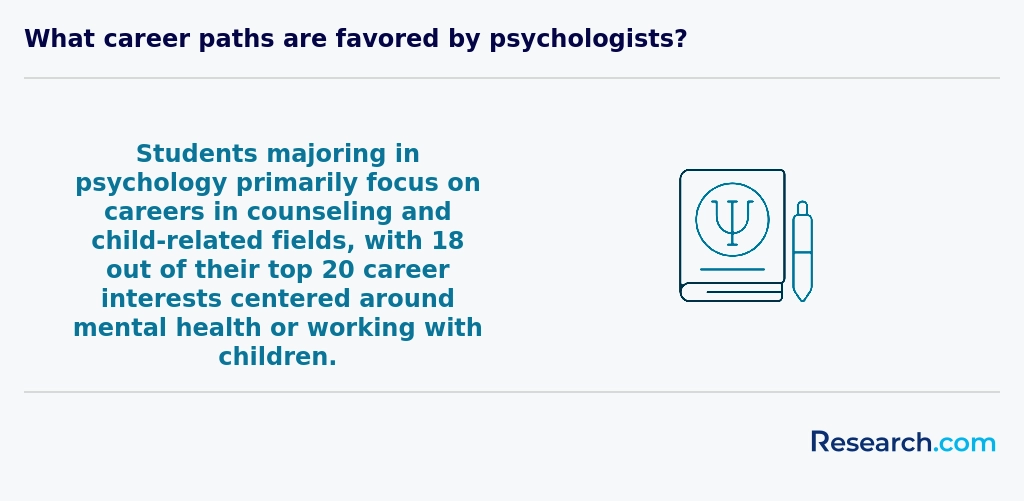
Graduates pursuing an online psychology degree career options Minnesota discover a world full of dynamic possibilities. Picture yourself earning your degree from institutions like the University of Minnesota or St. Cloud State University, then stepping into roles such as licensed psychologists, therapists, behavioral health counselors, or rehabilitation specialists. Many graduates from these programs share how their clinical internships and online coursework helped them confidently support patients in hospitals or community centers across the state.
Beyond traditional therapy roles, online psychology degree holders often become human resources specialists focused on employee wellbeing or substance abuse counselors, addressing real challenges faced by Minnesota's diverse populations. The vibrant research scene in Minnesota offers opportunities too, with alumni frequently working as research assistants or coordinators for innovative psychological studies. This versatility means every graduate can adventure down a path that fits their passion, whether it's clinical, educational, or organizational.
With the growing demand highlighted in psychology job outlook Minnesota online graduates can embrace a future full of meaningful impact. Curious students can also explore what bachelor's degree pays the most to align their passion and economic goals.
The online psychology degree job outlook Minnesota graduates face is shaped by a landscape rich with opportunity and growth, fueled by the state's strong focus on mental health and community support. Graduates from universities like the University of Minnesota or St. Catherine University often find themselves thriving in diverse roles-from counseling in hospitals to supporting educational institutions or nonprofit agencies. Many report feeling fulfilled as they contribute directly to programs that expand mental health access across the state.
Career opportunities Minnesota online degree holders pursue often include positions as behavioral specialists, research assistants, or school psychologists, reflecting a vibrant job market that values diverse skill sets and advanced credentials. One graduate shared how their clinical internship near a Minneapolis hospital became a gateway to meaningful work in mental health advocacy, emphasizing the importance of exposure through local settings.
Salary prospects are encouraging, with median wages around $85,000, slightly higher than the national average, motivating students to explore advanced degrees. For those curious about how to maximize earnings, exploring which masters degree makes the most money can open new doors in psychological careers within Minnesota's evolving job scene.
2027 Easiest Online Psychology Degree Programs Ranking in Minnesota
Investing in your education is a significant decision that can shape your future, and the Research.com team understands the importance of making informed choices. To assist prospective students, we have meticulously created the "2027 Easiest Online Psychology Degree Programs Ranking in Minnesota." Our commitment to quality, credibility, and accuracy is reflected in the thorough research and analysis conducted to compile this ranking.
We utilized the following reputable data sources to ensure a comprehensive evaluation of psychology programs:
By exploring this ranking, readers will gain valuable insights into the most accessible online psychology degree programs in Minnesota, enabling them to make confident and well-informed educational decisions. For more details on our methodology, please visit our Research.com methodology page.

# 2 position
Bethel University, Minnesota
Bachelor of Psychology
# 3 position
Walden University
Master of Psychology

# 4 position
Walden University
Bachelor of Psychology
# 5 position
Walden University
Doctor of Psychology
Frequently Asked Questions About psychology
Online psychology degree students in Minnesota can enhance their learning by actively engaging with their coursework and forming virtual study groups. Consistent communication with professors and peers helps clarify complex concepts and deepens understanding. Minnesota hosts several accredited institutions offering online programs, ensuring quality education aligned with American Psychological Association guidelines.
Utilizing local resources, such as the Minnesota Psychological Association, can provide networking and internship opportunities. Students should also consider Minnesota's licensure requirements early, since practical experience and supervised hours are essential for careers in psychology here. Combining online learning with hands-on experiences maximizes skill development and career readiness in this evolving field.
The field of psychology is continuously evolving, with several emerging niches gaining prominence, particularly relevant for students pursuing online psychology degrees in Minnesota. One rapidly growing area is neuropsychology, focusing on the relationship between brain function and behavior. This niche is crucial in Minnesota, where healthcare and research institutions emphasize brain health.
Another emerging specialty is health psychology, which explores how psychological factors affect physical health and wellness. According to the Minnesota Psychological Association, demand for health psychologists is expected to grow alongside the rising emphasis on holistic healthcare.
Industrial-organizational psychology also presents opportunities, especially as Minnesota hosts many corporate headquarters requiring expertise in workplace behavior and employee well-being. The U.S. Bureau of Labor Statistics projects a steady 10% growth rate in this field through 2030.
After completing an online psychology degree in Minnesota, graduates should focus on developing practical skills and gaining relevant experience to improve job prospects. Participating in internships or volunteer work at local mental health organizations or clinics offers valuable hands-on experience. Networking through professional associations such as the Minnesota Psychological Association can also open doors to job opportunities.
Obtaining state licensure is essential for many psychology careers in Minnesota, which usually requires passing the Examination for Professional Practice in Psychology (EPPP) and completing supervised hours. According to the Bureau of Labor Statistics, the demand for psychologists in Minnesota is expected to grow by 8% through 2031, highlighting a promising job market for prepared candidates.
Employers in Minnesota highly value psychology graduates who demonstrate strong communication skills. The ability to clearly explain complex psychological concepts to clients or colleagues is essential in many roles. Additionally, critical thinking and problem-solving skills are crucial for analyzing behavioral data and developing effective treatment plans.
Interpersonal skills also rank high, as psychology professionals often work closely with diverse populations. According to the Minnesota Department of Employment and Economic Development (DEED), employers seek graduates with cultural competence and empathy.
Finally, familiarity with research methods and statistical analysis is important, given the data-driven nature of modern psychology jobs in Minnesota.
Finding internships in Minnesota relevant to a psychology degree begins with leveraging university career services and online job platforms tailored to the state. Many Minnesota institutions, including those offering online psychology degrees, maintain partnerships with local clinics, hospitals, and nonprofit organizations that provide practical internship opportunities.
The Minnesota Psychological Association and the Minnesota Department of Health list approved internship sites, which helps maintain a standard for quality experience. Additionally, exploring internships through the National Alliance on Mental Illness (NAMI) Minnesota can provide hands-on mental health work.
According to the U.S. Bureau of Labor Statistics, Minnesota employs around 5,000 psychologists, with many internships focusing on clinical, educational, or counseling psychology.
Networking at local psychology conferences and joining Minnesota-based psychology groups on professional platforms like LinkedIn can also uncover hidden internship openings.
An online psychology degree in Minnesota can significantly enhance career mobility and advancement. With Minnesota's growing need for mental health professionals-projected to increase by 16% between 2020 and 2030 according to the Minnesota Department of Employment and Economic Development-earning such a degree remotely offers flexibility for working adults. Online programs accredited by recognized bodies meet state licensing requirements, which is crucial for roles like licensed professional counselor or school psychologist.
Graduates can access a wider range of job opportunities in healthcare, education, and social services across Minnesota. The convenience of an online degree also allows individuals to upskill while maintaining employment, thereby accelerating promotion prospects in competitive fields.
Studying for a psychology degree in Minnesota offers strong preparation for interdisciplinary roles by integrating coursework that connects psychology with fields such as healthcare, education, and business. Many online programs emphasize applied skills in research methods, communication, and data analysis, which are valuable across multiple professions. The state's focus on collaborative healthcare, especially in mental health services, encourages students to understand how psychology interacts with social work, nursing, and counseling.
According to the Minnesota Office of Higher Education, psychology graduates commonly work in diverse settings, highlighting the need for broad knowledge. Programs often include practicum experiences that foster teamwork and problem-solving across disciplines. This equips students to contribute effectively in varied professional environments.
Choosing between a thesis and a non-thesis psychology degree program in Minnesota depends on your career goals and learning preferences. Thesis programs typically require independent research, ideal for students aiming for doctoral studies or research roles. These programs allow deeper exploration of specific psychology topics and enhance critical thinking skills.
Non-thesis programs focus more on coursework and practical experience, which suits those seeking immediate employment in clinical, counseling, or organizational psychology fields. According to the Minnesota Office of Higher Education, many accredited schools offer both options online, with flexibility in course loads.
Consider your long-term plans and consult academic advisors to decide which path aligns best with your ambitions.
Students in Minnesota interested in studying psychology abroad through online programs have a variety of choices. Many US universities with established online psychology degrees offer international study components or partnerships with foreign institutions. This allows students to gain global perspectives without leaving the US. Minnesota residents can also consider universities accredited by the American Psychological Association (APA), which maintain high standards recognized globally.
While Minnesota itself does not regulate online international study, students should verify the legitimacy and accreditation of programs before enrollment. The National Center for Education Statistics reports that psychology is among the top five most popular majors nationally, indicating broad availability of online options. Exploring joint degree or exchange programs with foreign universities may also be beneficial for gaining international experience.
Part-time jobs in Minnesota that complement psychology degree studies often involve roles in mental health support, research, and education. Many students find assistant positions in clinics or community health centers valuable, as they provide direct exposure to therapeutic practices and patient care.
Research assistant roles at universities or hospitals can help students gain practical skills in data collection and analysis, which are essential for careers in psychology. For example, the University of Minnesota offers various research projects that often seek part-time support staff.
Additionally, part-time teaching aides or tutors in psychology-related subjects are popular and help reinforce academic knowledge. These jobs build communication skills and experience working with diverse populations.
According to the Minnesota Department of Employment and Economic Development, jobs in social and human service assisting are projected to grow by 12% through 2028, indicating increasing opportunities for psychology students to gain relevant experience locally.
Online psychology students in Minnesota have access to a variety of networking opportunities, despite not being on campus. Many universities offer virtual events, seminars, and guest lectures that connect students with professionals and peers in the field. For example, students enrolled in programs accredited by the American Psychological Association benefit from specialized forums and mentoring networks.
The Minnesota Psychological Association provides membership options for students, offering access to conferences, workshops, and a statewide professional directory. This allows students to connect with licensed psychologists and researchers in Minnesota. According to the Minnesota Office of Higher Education, over 60% of psychology graduates find internships or job placements through networking events affiliated with their programs.
Additionally, platforms such as LinkedIn host regional groups focused on psychology careers in Minnesota, fostering connections with both recent graduates and experienced practitioners. Engaging in these groups can lead to job referrals and collaborative research opportunities.
Alumni networks provide essential support for online psychology degree students in Minnesota by connecting them with professionals who have navigated similar academic and career paths. These networks offer mentoring, job leads, and opportunities for collaboration in research or clinical practice. According to the Minnesota Psychological Association, networking significantly improves employment chances in local psychology fields.
For online students who may lack face-to-face interactions, alumni groups create a virtual community that fosters professional development and continuous education. They often share specialized knowledge about Minnesota's licensure requirements, crucial for psychology careers in the state.
Access to alumni resources can also enhance internships and practicum placements, vital for gaining practical experience while studying online in Minnesota.
Customizing an online psychology degree in Minnesota allows students to align their education with specific career goals. Many accredited programs offer elective courses in areas like clinical psychology, counseling, or industrial-organizational psychology. By selecting these electives, students develop specialized skills relevant to their desired field.
Additionally, some programs provide options for internships or practicum experiences remotely or locally in Minnesota, which help build practical expertise. Research shows Minnesota has a growing demand for mental health professionals, with the Bureau of Labor Statistics projecting a 12% increase in psychologist jobs statewide through 2030.
Advisors at Minnesota institutions often guide students in tailoring their curriculum and gaining relevant certifications, enhancing employability within the state's health systems and schools.
Online psychology students in Minnesota often face challenges balancing rigorous coursework with personal and professional responsibilities. According to the Minnesota Office of Higher Education, time management is a significant obstacle, especially for working adults pursuing degrees remotely.
Another common challenge is limited access to in-person clinical experience. While theoretical knowledge can be gained online, practicum and internships in psychology require hands-on work, which can be difficult to arrange virtually or beyond local facilities.
Additionally, some students encounter technology barriers such as unreliable internet connectivity or outdated devices, affecting their participation in synchronous sessions and access to digital resources.
Finally, the need for accreditation awareness is critical; students must ensure their online programs meet the state's licensing requirements for psychology careers in Minnesota.
With an online psychology degree in Minnesota, graduates can pursue several professional certifications that enhance their career opportunities. For instance, becoming a Licensed Psychologist requires a doctorate and completion of the Examination for Professional Practice in Psychology (EPPP), overseen by the Minnesota Board of Psychology.
Graduates with a master's degree may pursue certification as a Licensed Professional Clinical Counselor (LPCC) or Licensed Marriage and Family Therapist (LMFT). These require supervised clinical hours and passing specific licensure exams governed by Minnesota's Board of Behavioral Health and Therapy.
Additional certifications include Certified Alcohol and Drug Counselor (CADC), which is valuable due to Minnesota's focus on addiction treatment. This requires specialized training and passing the Minnesota Addiction Counselor Certification Board exam.
These certifications require meeting educational prerequisites and state-specific requirements, offering diverse professional pathways after completing an online psychology degree.
To write a winning application for an online psychology program in Minnesota, start by thoroughly researching the specific program's requirements and deadlines. Highlight your academic achievements, especially courses related to psychology, and provide a clear statement of purpose explaining your interest in psychology and career goals. Minnesota values applicants who demonstrate community involvement or relevant work experience in mental health fields.
Strong letters of recommendation, preferably from professors or professionals in psychology or related fields, can boost your application. According to the Minnesota Office of Higher Education, many online programs look for a GPA of 3.0 or higher. Finally, make sure your application is complete, well-organized, and error-free to stand out in a competitive applicant pool.
The demand for psychology professionals continues to grow both in Minnesota and worldwide. Globally, psychology careers emphasize cultural competence and adaptable skills due to increasing diversity. In the US, the Bureau of Labor Statistics projects a 8% job growth for psychologists from 2022 to 2032, which is faster than average.
For Minnesota specifically, the 2023 Minnesota Department of Employment and Economic Development reports steady employment opportunities in clinical, counseling, and school psychology fields. Online psychology degrees help students access licensed programs that meet regional and national standards.
Internationally, psychology practices vary, but core competencies like research skills, ethical standards, and evidence-based methods remain consistent, aligning with Minnesota's accreditation requirements. This alignment supports graduates seeking careers or further education globally.
Gaining practical experience while pursuing an online psychology degree in Minnesota is achievable through several avenues. Many programs encourage internships or practicum opportunities at local clinics, hospitals, or community organizations. These partnerships provide hands-on experience crucial for licensure and employment.
Students may also engage in virtual research projects under faculty supervision, which helps develop critical skills in data analysis and psychological assessment. According to the Minnesota Psychological Association, internships completed within state-approved settings are often required for licensure as a psychologist.
Additionally, volunteer roles in mental health services and crisis centers offer valuable exposure. Online students should proactively seek connections with nearby agencies to fulfill practical requirements while studying remotely.
Choosing the right concentration within an online psychology degree program in Minnesota involves considering your career goals and interests. Psychology offers diverse fields such as clinical, counseling, educational, and industrial-organizational psychology. In Minnesota, demand for clinical and counseling psychologists is expected to grow by 8% from 2022 to 2032, according to the Bureau of Labor Statistics (BLS).
Examine how each concentration aligns with local job opportunities and licensing requirements. For example, clinical psychology often requires a license to practice independently in Minnesota, while industrial-organizational psychology focuses on workplace behavior and may not require licensure.
Research programs accredited by the American Psychological Association (APA) or regionally accredited institutions to ensure quality education. Additionally, consider the flexibility of course delivery and internship opportunities within Minnesota's healthcare or organizational sectors.
- 2027 Easiest Online Psychology Degree Programs Ranking in Wisconsin
- 2027 Easiest Online Psychology Degree Programs Ranking in Iowa
- 2027 Easiest Online Psychology Degree Programs Ranking in South Dakota
- 2027 Easiest Online Psychology Degree Programs Ranking in Illinois
- 2027 Easiest Online Psychology Degree Programs Ranking in Missouri
- 2027 Easiest Online Psychology Degree Programs Ranking in Michigan
- 2027 Easiest Online Psychology Degree Programs Ranking in Kansas
- 2027 Easiest Online Psychology Degree Programs Ranking in Indiana
- 2027 Easiest Online Psychology Degree Programs Ranking in Ohio
- 2027 Easiest Online Psychology Degree Programs Ranking in Colorado
See What Experts Have To Say About Studying Psychology
Read our interview with Psychology experts

Catherine Caldwell-Harris, Ph.D.
Psychology Expert
Associate Professor of Psychology
Boston University

Robin M. Kowalski. Ph.D.
Psychology Expert
Professor of Psychology
Clemson University

Elizabeth L. Jeglic Ph.D.
Psychology Expert
Professor of Psychology
City University of New York

- What Certifications Can I Get With A Bachelor's In Psychology? https://www.psychology.org/resources/certification-skills-for-psychology-major-resumes/
- Alumni Perspectives - Meet Our FPN Alumni https://www.aanmelder.nl/alumni-perspectives-june-2023
- Know more about thesis vs non- thesis: what is the difference? https://studyfans.com/en/blogs/816
- Community Psychology in Global Perspective http://siba-ese.unisalento.it/index.php/cpgp
- How to become a Psychologist in Minnesota | Steps to take in MN | Psychologist-License.com https://www.psychologist-license.com/psychologist-requirements/minnesota-psychologist/
- Have You Found a Niche? https://www.apaservices.org/practice/business/marketing/building/niche
- Ontario Psychological Association - Networking and Community Resources https://www.psych.on.ca/become-a-member-(1)/member-services/networking-and-community-resources
- Sample letters in psychology https://www.mystudies.com/en-in/human-and-social-sciences/psychology/letter-model/
- Mental Health Challenges Faced by Psychology Students | The Healthcare Guys https://healthcareguys.com/2023/11/23/mental-health-challenges-faced-by-psychology-students/
- Online Psychology Major https://www.hamline.edu/academics/online-bachelors-psychology-major


