
2027 Most Popular Psychology Degree Programs Ranking in Berkeley

Co-Founder and Chief Data Scientist
Choosing the right psychology degree program in Berkeley can feel overwhelming, but you don't have to navigate this journey alone.
This article introduces the 2027 Most Popular Psychology Degree Programs Ranking in Berkeley, crafted by the Research.com team of data scientists to guide you toward well-informed decisions.
By exploring the ranking, you'll discover programs that align with your goals, helping you build a meaningful career in psychology.
Embarking on this path offers exciting opportunities to make a difference while growing personally and professionally.
Key benefits of getting psychology degree in Berkeley
- Graduates with a psychology degree can earn competitive salaries, such as Human Resources Specialists with a mean annual wage of $76,060 and Marketing Research Analysts earning around $83,190 yearly.
- At Berkeley, psychology graduates have diverse career paths, including roles like Clinical Research Associates and Survey Researchers, offering opportunities in healthcare, academia, and business sectors.
- Obtaining a psychology degree online from Berkeley provides flexibility and convenience, helping students balance work and study while accessing quality education and valuable networking opportunities.
- 2027 Most Popular Psychology Degree Programs Ranking in Berkeley
- What can I expect from psychology degree in Berkeley?
- Where can I work with psychology degree in Berkeley?
What can I expect from psychology degree in Berkeley?
The average cost of a psychology degree at UC Berkeley typically hovers around $14,000 per year for in-state undergraduates. This figure makes pursuing psychology there more affordable than many private institutions, easing financial concerns for local students. Graduates often recall budgeting carefully for tuition while balancing expenses like textbooks and lab materials, which are integral to hands-on research experiences they valued deeply.
Many students benefit from scholarships and research assistantships offered by the psychology department, helping offset costs while gaining practical skills. Imagine engaging in a memory lab project where your assistantship not only covers part of your tuition but also boosts your resume and confidence navigating complex research.
Out-of-state students should prepare for higher tuition fees, but the strong reputation and research opportunities at Berkeley often justify this investment. Graduates frequently note how early involvement in faculty-led studies provided real-world experience that launched careers in therapy, healthcare, or technology, making every dollar spent feel worthwhile.
Where can I work with psychology degree in Berkeley?
With a psychology degree from Berkeley's top institutions like the University of California, graduates often find strong career prospects in clinical, counseling, or school psychology. Many step into roles at local mental health clinics, private practices, or community health centers, benefiting from Berkeley's vibrant healthcare network. For example, recent grads have shared how working in Bay Area clinics provides both professional growth and meaningful impact, supporting patient mental health daily.
Others pursue research roles at UC Berkeley or nearby colleges, becoming research assistants or coordinators. These jobs tap into Berkeley's leadership in behavioral sciences, offering hands-on experience with advanced studies in cognition and social behavior. Graduates value how this environment fuels their passion for discovery and innovation.
Additionally, psychology grads frequently join Silicon Valley companies focusing on human factors or organizational psychology, helping improve user experiences and workplace culture. Many appreciate feeling directly involved in shaping cutting-edge technology. Educational roles within Berkeley school districts also attract graduates eager to support student development in real classrooms.
Graduates with a psychology degree in Berkeley can expect a variety of salary outcomes depending on their chosen career path. For instance, those entering roles like Human Resources Specialist typically earn around $76,060 annually, while Marketing Research Analysts tend to make about $83,190 per year, according to recent U.S. Bureau of Labor Statistics data. Graduates working as Clinical Research Associates or Survey Researchers can anticipate approximately $62,370 annually. These roles commonly attract alumni from institutions like the University of California, Berkeley, who appreciate the balance between solid income and engaging work.
Consider a psychology graduate focusing on clinical research at a local health facility or tech company: earning over $60,000 while gaining valuable experience. Those pursuing marketing research can leverage soft skills developed during their studies at Berkeley City College or UC Berkeley, stepping into analyst roles that reward them with salaries exceeding $80,000. These figures showcase promising outcomes, especially when combined with Berkeley's dynamic job market and connections.
With the right specialization and work setting, psychology graduates in Berkeley can build rewarding careers that blend passion with practical earnings, making their education investment worthwhile.
- UC Berkeley offers a top-ranked psychology program with strong research opportunities and expert faculty.
- Annual tuition for undergraduate psychology ranges from $14,000 to $16,000 for in-state students and about $44,000 for out-of-state students.
- Graduate psychology programs cost between $14,000 and $30,000 yearly depending on residency and funding.
- Starting salaries for psychology graduates typically range from $45,000 to $55,000, with mid-career earnings between $70,000 and $90,000.
- Job demand is strong in healthcare, education, social services, and research, especially for clinical, counseling, industrial-organizational, and neuroscience specializations.
- Research experience is emphasized in the program, aiding students aiming for graduate study or specialized careers.
If you enroll full-time in a psychology bachelor's program at the University of California, Berkeley, expect to finish in about four years. Graduates often describe how completing around 120-130 credit hours-covering psychology theory, research methods, and electives-felt manageable once they settled into a consistent study rhythm. This steady pace helps balance coursework with campus life, internships, or part-time jobs.
For those continuing to a master's degree in psychology, typically at a local graduate school, plan on an additional two years. Students share how this phase requires deeper focus on research and practical experience, often involving a thesis or practicum that shapes their specialization.
Doctoral students at Berkeley mention that completing a PhD or PsyD generally takes five to seven years. The extended timeline includes rigorous research, clinical internships, and dissertation work. Many reflect on the rewarding challenge of contributing original research, which can take longer depending on the availability of faculty mentors and project scope.
While an undergraduate degree in psychology builds a strong foundation in understanding human behavior, many graduates go on to pursue advanced degrees that can significantly broaden their career opportunities. Advanced degrees such as a PsyD (Doctor of Psychology) or a PhD open avenues not only in clinical practice and research but also in leadership roles within mental health organizations and academic settings. These programs focus on honing specialized skills through extensive training, practical experience, and rigorous research. For graduates contemplating their next educational step, the choice between a PsyD and other graduate options hinges on career goals and personal interests. A PsyD, for example, emphasizes direct clinical practice and therapeutic application over research, making it ideal for those who wish to work closely with patients and implement evidence-based treatment strategies. Many prospective students benefit from exploring flexible options that allow them to manage professional and personal commitments while advancing their education. In fact, check out our comprehensive review of online psyd programs for pathways that combine convenience with rigorous clinical training. Additionally, pursuing an advanced degree often means engaging in specialized coursework, mentorship from experienced practitioners, and hands-on clinical placements that bridge academic theory with real-world practice. This immersive experience not only refines technical competencies but also cultivates leadership skills and professional networks that prove invaluable throughout one’s career. Furthermore, advanced psychology programs typically offer various concentrations-ranging from child psychology and neuropsychology to forensic psychology-allowing students to tailor their education to specific interests and market demands. Ultimately, acquiring an advanced degree in psychology is not just about deepening academic knowledge; it is a strategic investment in one’s future career. Graduates equipped with advanced expertise are better positioned to address complex mental health issues, innovate within their fields, and contribute to community well-being in impactful ways. This additional layer of specialization can make a significant difference in long-term career satisfaction and professional success.
Choosing between online and on-campus psychology degrees in Berkeley means balancing flexibility against hands-on experience. Graduates from UC Berkeley often praise the on-campus format for its direct interaction with professors and easy access to research labs, which are crucial for mastering clinical skills and completing required internships. Imagine attending lively discussions in a campus classroom or quickly dropping by the university library to deepen your understanding.
On the other hand, students enrolled in online programs highlight the freedom to study at their own pace, fitting coursework around full-time jobs or family commitments. Many report the convenience of completing seminars or assignments from home, though they note that securing local practicum sites for hands-on experience requires extra effort and planning. This works well for those who want to stay embedded in their Berkeley community while earning their degree.
Cost differences can also influence your choice. While on-campus students might pay more due to facility fees, online learners often save some money but still invest in quality instruction. Graduates from both formats emphasize the importance of planning early for clinical placements to meet licensure requirements smoothly.
Becoming a licensed psychologist or counselor in California involves more than earning a degree. Follow these key steps to meet state requirements and practice legally:
- Complete an APA-accredited doctoral degree (PhD or PsyD) or a master’s for licenses like LPCC or MFT.
- Accumulate required supervised hours (typically 3,000–3,500 for psychologists; 3,000 for MFT/LPCC).
- Pass the national Examination for Professional Practice in Psychology (EPPP) and any California state exams.
- Submit an application to the California Board of Psychology (or Board of Behavioral Sciences) with official transcripts and verification of supervision.
- Maintain licensure through ongoing continuing education (36 hours every two years).
Prospective students can accelerate their journey by exploring flexible options such as fast track psychology degree online.
The average cost of a psychology degree in Berkeley varies significantly based on residency status and program level. For in-state students attending UC Berkeley, median total expenses hover around $16,347, covering tuition, fees, and some associated costs. Non-resident students face a steeper climb, with median total costs reaching approximately $70,399. This wide gap highlights the importance of considering residency status early when planning finances for a psychology degree in Berkeley.
Graduates from Berkeley-based programs often share that balancing tuition with living expenses in the area is a practical challenge but also a worthwhile investment in their future. Many have found that budgeting carefully and seeking financial aid-scholarships, grants, or assistantships-can ease the burden while pursuing this rewarding field. While the tuition rates are clear indicators, the real-life total expenses affect day-to-day decisions. Students attending UC Berkeley mention that campus fees, books, and living costs significantly influence their budgets beyond tuition alone.
For those interested in accelerating their studies or complementing their education, exploring online MSW accelerated degree programs can provide alternative pathways that help reduce time and overall costs. Navigating the average cost of a psychology degree in Berkeley means embracing both strategic financial planning and the strong support networks that schools in the area offer to psychology students.
Understanding Berkeley psychology degree total expenses allows prospective students to map out practical steps to fund their education without unnecessary stress, ensuring they focus on the enriching experience their psychology programs deliver.

When considering a psychology degree program in Berkeley, CA, it is essential to weigh various factors to ensure the chosen program aligns with your career objectives and personal interests. One crucial step in this process is researching the program's accreditation status, faculty expertise, and curriculum structure. Prospective students can find valuable insights by exploring the most popular psychology school rankings, which offer a comprehensive overview of reputable programs in the area. By examining these rankings and considering factors such as program specializations, research opportunities, and advising support, students can make informed decisions about their educational paths. Additionally, understanding the job market for psychology graduates in Berkeley, CA, and the growing demand for mental health professionals can help individuals plan their career trajectories effectively. Ultimately, selecting the right psychology program is a critical decision that can significantly impact one's future career prospects and personal fulfillment.
Psychology students at UC Berkeley benefit from a range of financial aid designed to make their education affordable. Many begin by completing the FAFSA to unlock federal grants, loans, and work-study programs. For instance, the Pell Grant offers up to $7,395 annually to those who qualify, meaning one graduate's tuition was partially covered without adding debt.
California residents should apply for the Blue and Gold Opportunity Plan, which can cover systemwide tuition if family income is below $80,000. This plan transformed the financial experience for several students in Berkeley's College of Letters & Science, where psychology is housed, easing worries about in-state fees.
Graduate students often secure teaching or research assistantships that include stipends and tuition remission. Doctoral candidates, for example, have reported funding packages providing between $22,000 and $35,000 annually, helping them focus on research without the stress of financial strain.
Additionally, many tap into scholarships from professional organizations and campus jobs to patch any remaining gaps. Early application and detailed research through UC Berkeley's Financial Aid Office are key steps for success.
To practice as a licensed psychologist in California, graduates must complete several key steps:
- Education: Earn a doctoral degree (PhD or PsyD) from an APA-accredited psychology program.
- Supervised Experience: Accumulate at least 3,000 hours of supervised professional practice under a licensed psychologist.
- Examinations: Pass the Examination for Professional Practice in Psychology (EPPP) and the California Law and Ethics Exam.
- Application: Submit official transcripts, exam scores, and supervision documentation to the California Board of Psychology.
- Renewal & Continuing Education: Maintain your license with periodic renewals and required continuing education units (CEUs).
Students seeking an affordable route to begin this journey can compare cheap psychology masters programs to fulfill prerequisite coursework or pursue roles that support their clinical training.
To enroll in a psychology degree at UC Berkeley, you'll need to start by meeting the University of California's "a-g" course requirements in high school-this means strong foundations in English, math, lab sciences, social sciences, and a foreign language. Many Berkeley psychology undergraduates recall how completing these courses gave them the confidence to tackle introductory psychology and neuroscience classes without feeling overwhelmed.
If you're transferring from another college, make sure you've completed key lower-division courses like introductory psychology, human biology, and statistics. Graduates often say mastering these prerequisites made upper-division research methods and experimental psychology much more approachable and rewarding.
For those aiming for a master's or doctoral program, holding a bachelor's in psychology or related fields is critical. Don't forget GRE scores, recommendation letters, and a clear statement of purpose. Many successful applicants highlight their hands-on research experience, which proved essential when competing for spots in Berkeley's rigorous graduate programs.

After earning a psychology degree in Berkeley, CA, many graduates aim to become licensed practitioners-whether as psychologists, marriage and family therapists (MFTs), professional clinical counselors (LPCCs), or clinical social workers (LCSWs). Each pathway has distinct educational and supervised‐experience mandates. In California, aspiring psychologists must complete a doctoral program (PhD or PsyD), accrue at least 3,000 hours of supervised clinical work, and pass the Examination for Professional Practice in Psychology (EPPP) alongside state law and ethics exams. Those pursuing therapy roles at the master’s level typically enroll in MFT, LPCC, or LCSW programs, finish roughly 2,000–3,000 hours of supervised post-degree practice, and clear the California Law and Ethics Exam plus a clinical licensure exam. For students wondering about how many years of college to be a therapist, a bachelor’s degree (4 years) followed by a master’s (2–3 years) is the standard timeline. Additionally, maintaining active continuing education credits (36 hours every two years for MFTs and LPCCs) ensures compliance and supports career advancement. Understanding these licensure requirements early can inform your choice of specialization, practicum placements, and long-term career planning-key considerations when comparing the best psychology degree programs in Berkeley.
When pursuing a psychology degree in Berkeley, expect a well-rounded suite of courses designed to build a strong foundation and practical skills. Core classes typically include Introduction to Psychology, which gives a clear overview of key concepts and history, and Biological Psychology, where students explore brain functions through engaging lab work.
Graduates from Berkeley colleges often highlight Cognitive Psychology classes as eye-opening, as they dive into memory and decision-making in ways that connect directly to everyday thinking and choices. Developmental Psychology courses offer insight into how people grow and change, making it easier to understand family or workplace dynamics.
Social Psychology is another crucial course, helping students learn how people influence each other - a favorite for those interested in marketing or counseling careers. Importantly, Research Methods in Psychology teaches the scientific tools to collect and analyze data, a skill that Berkeley students find invaluable when conducting their own studies or preparing for graduate research.
Students also appreciate electives like Abnormal Psychology, which deepens understanding of mental health issues, aligning with the growing need for clinical and counseling expertise in the community.
In the psychology degree specializations in Berkeley, students can focus on areas that match their career goals and interests. Many graduates from UC Berkeley highlight clinical psychology for those drawn to counseling and therapy, where hands-on research builds confidence and practical skills. For those fascinated by brain function, cognitive neuroscience offers immersive experiences in cutting-edge labs, fostering a deep understanding of neural processes.
Berkeley psychology program concentration options also include developmental psychology, which prepares students to apply knowledge of human growth in education or healthcare settings. Social psychology is preferred by those interested in group behavior, marketing, or policy research, offering real-world applications in diverse communities. Behavioral neuroscience is ideal for aspiring medical researchers, connecting biology with psychology for roles in neuropsychology. Students exploring specialized career paths often consult resources like the health psychologist career outlook to align their studies with job market realities.
Start by identifying your specific interests within psychology-whether clinical, developmental, or social-and check which Berkeley programs offer strengths in those areas. Graduates from local universities often highlight how choosing a program with strong faculty involvement in research made their studies more engaging and practical. For instance, many students at UC Berkeley appreciate the opportunity to assist in cutting-edge projects, which prepares them well for careers or further study.
Next, consider affordability. Berkeley's in-state tuition of around $14,000 is a major advantage for residents, but out-of-state fees can near $44,000, so be sure to budget for additional costs like lab fees or materials. Exploring affordable psychology colleges Berkeley-wide, including community colleges with transfer options, can ease financial pressure without sacrificing quality.
Look beyond the classroom by evaluating internship availability, smaller class sizes, and student support services. Many former students mention how internships connected them to local clinics, enhancing their practical skills. Reviewing the latest top psychology programs in Mississippi can also provide comparative insights when deciding on your path.
Finally, factor in your long-term goals and program flexibility. This pragmatic step-by-step approach ensures you select a psychology degree that fits your life and career plans perfectly.
Graduates with a psychology degree in Berkeley often find clinical and counseling psychology as a primary career path, where they diagnose and treat mental health disorders. This route typically requires further graduate study and licensing, but Berkeley students benefit from nearby healthcare institutions offering valuable internships. For example, many graduates from the University of California, Berkeley describe gaining hands-on experience working alongside licensed psychologists, which bolsters their confidence and employability.
Another popular option is business and organizational psychology, suited for those interested in improving workplace productivity and employee well-being. Jobs with a psychology degree in Berkeley include human resources specialists and organizational consultants, roles often filled within the city's growing tech and corporate sectors.
For students passionate about research, Berkeley's renowned universities provide avenues in cognitive, social, and developmental psychology studies. Graduates can join academic or private research institutions, supported by strong local networks. Some also explore school psychology, forensic psychology, or health psychology, all fields with meaningful community impact.
To explore where Berkeley ranks among options, check the most popular psychology school listings for guidance that matches your career ambitions.

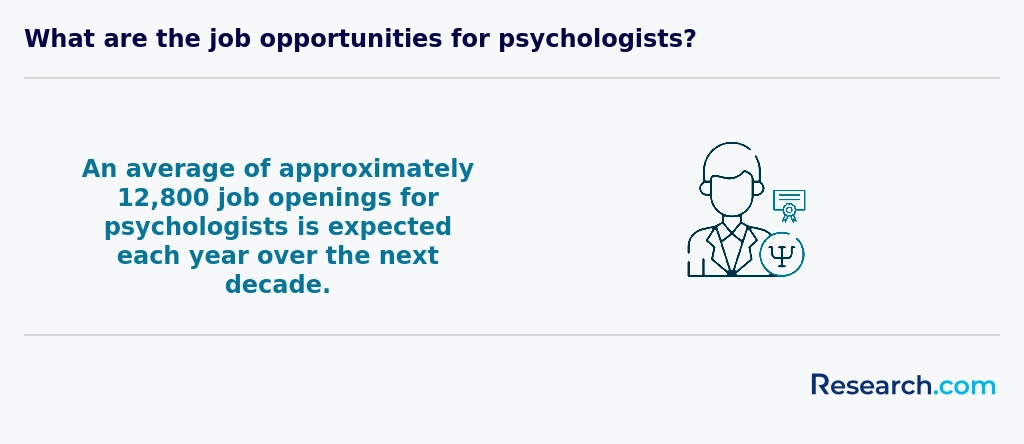
Psychology graduates in Berkeley enter a job market that leverages the city's strong healthcare, academic, and corporate sectors. Graduates from prominent Berkeley universities often find entry-level roles such as behavioral specialists or research assistants in local hospitals and clinics. For many, these positions offer starting salaries between $40,000 and $55,000 annually, providing a practical foundation while pursuing specialized training.
Those focused on industrial-organizational psychology benefit from growing demand as Bay Area companies increasingly prioritize employee well-being. Graduates report positive experiences applying skills learned on campus to boost workplace productivity. To maximize prospects, many pursue advanced degrees or certifications, frequently researching options like online psyd programs to balance work and study. This practical approach aligns with the steady growth in psychology degree job opportunities in Berkeley. By targeting sectors aligned with their skills, graduates tap into a Bay Area market where employment outlook remains favorable, supported by specialized knowledge and local professional networks.
2027 Most Popular Psychology Degree Programs Ranking in Berkeley
Investing in your education is a significant decision that can shape your future, and the Research.com team understands the importance of making informed choices. To assist prospective students in Berkeley, we have meticulously crafted the "2027 Most Popular Psychology Degree Programs Ranking in Berkeley." Our commitment to quality, credibility, and accuracy is reflected in the extensive research and analysis conducted to compile this ranking.
We utilized the following reputable data sources to ensure a comprehensive evaluation of psychology programs:
By exploring this ranking, readers will gain valuable insights into the best psychology degree programs available in Berkeley, helping them make confident and well-informed decisions about their educational paths. For more details on our methodology, please visit our Research.com methodology page.

# 3 position
The Wright Institute
Master of Arts in Counseling Psychology

Frequently Asked Questions About psychology
Psychology degree students in Berkeley can maximize their learning experience by actively engaging with the University of California, Berkeley's robust resources. UC Berkeley ranks among the top psychology programs nationally, offering access to cutting-edge research facilities and faculty expertise. Participating in undergraduate research through labs such as the Institute of Personality and Social Research can enhance practical understanding.
Students should also take advantage of internships and community-based programs in the vibrant Bay Area, which provides diverse opportunities for applied psychology experience. Joining student organizations related to psychology can foster networking and professional growth.
Regularly attending seminars and workshops hosted by the Psychology Department keeps students informed of the latest developments. According to the National Center for Education Statistics, students involved in research and internships have higher post-graduation employment rates, highlighting the importance of experiential learning.
Emerging niches within the psychology field reflect growing societal needs and technological advances. In Berkeley, there is rising interest in neuropsychology, which explores brain-behavior relationships using cutting-edge imaging techniques. The American Psychological Association notes a 15% growth rate in this specialty nationwide through 2030.
Another fast-growing area is health psychology, focusing on how psychological factors affect physical well-being. Berkeley students benefit from proximity to top medical centers, fueling research and internships in this niche.
Additionally, cyberpsychology, which examines human interaction with technology and digital environments, is gaining traction. UC Berkeley's integration of psychology and computer science creates opportunities in this innovative field.
These niches offer promising careers as mental health needs and technological influences expand in the 21st century.
Preparing for the job market after earning a psychology degree in Berkeley involves strategic planning and skill development. Graduates should focus on gaining practical experience through internships or research assistant positions, which are often facilitated by the University of California, Berkeley's psychology department. According to the Bureau of Labor Statistics, sectors like clinical psychology and counseling are projected to grow by 14% from 2022 to 2032, highlighting the importance of relevant experience. Networking through local professional organizations such as the California Psychological Association can also open doors to job opportunities within the Bay Area.
Additionally, acquiring certifications in data analysis or specialized fields like neuropsychology can help graduates stand out. Familiarity with statistical software such as SPSS or R is highly valued. Many Berkeley psychology alumni recommend engaging with career services early to tailor resumes and practicing interviews. Resources like the National Association of Colleges and Employers report that students who utilize campus career centers experience a 20% higher employment rate within six months of graduation. These steps collectively prepare Berkeley graduates to compete effectively in the psychology job market.
Employers in Berkeley seek psychology graduates with strong analytical and research skills. These skills enable graduates to design studies, interpret data, and apply findings effectively, which is critical in clinical, counseling, and organizational roles. According to the Bureau of Labor Statistics, psychologists with practical research experience have a higher employment rate within the Bay Area.
Communication is equally vital. Graduates must articulate psychological concepts clearly to clients and colleagues. Employers also value empathy and cultural competence due to Berkeley's diverse population, enhancing client relationships and treatment outcomes.
Problem-solving and critical thinking remain top priorities, allowing graduates to develop innovative approaches in behavioral health settings. Proficiency in statistical software like SPSS or R is often requested, as local employers emphasize data-driven decision-making.
Finding internships in Berkeley relevant to a psychology degree involves a few strategic steps. First, students should utilize resources at the University of California, Berkeley's Psychology Department, which offers internship listings and faculty connections. The UC Berkeley Career Center also supports psychology majors by organizing career fairs and workshops focused on psychology fields.
Local institutions, such as the Berkeley Psychology Clinic and nearby hospitals, often provide internship opportunities. Networking through campus organizations, including Psi Chi, the International Honor Society in Psychology, can help access hidden internship spots.
According to the Bureau of Labor Statistics, internships significantly improve employability in psychology-related careers, making early engagement critical.
A psychology degree in Berkeley significantly enhances career mobility and advancement opportunities. Graduates benefit from the city's robust job market and proximity to major research institutions and healthcare providers. According to the U.S. Bureau of Labor Statistics, employment in psychology-related roles in California is projected to grow 14% from 2022 to 2032, faster than the national average.
Berkeley's diverse economy allows psychology graduates to work in various sectors including mental health services, education, and corporate settings. The University of California, Berkeley, offers strong alumni networks that assist with professional connections and internships.
Higher-level degrees such as master's or doctorates from Berkeley institutions tend to open doors to leadership roles and specialized careers, increasing earning potential and job stability. Local employers often prefer candidates with accredited degrees and hands-on research experience.
Studying for a psychology degree in Berkeley equips students with versatile skills suited for interdisciplinary roles by blending rigorous coursework with research opportunities. Berkeley's psychology programs emphasize collaboration across fields such as neuroscience, sociology, and public health. This approach aligns with data from the American Psychological Association showing that 65% of psychology graduates engage in interdisciplinary careers.
The University of California, Berkeley offers access to cutting-edge labs and faculty whose work spans cognitive science, bioengineering, and education. Students gain hands-on experience that builds expertise in analyzing complex human behavior from multiple perspectives.
Moreover, Berkeley's location in a major innovation hub fosters networking with professionals across tech, healthcare, and social services, further preparing graduates for diverse roles.
When choosing between a thesis and a non-thesis psychology degree program in Berkeley, it is important to consider career goals and learning preferences. A thesis option typically requires original research and a written dissertation, which suits students aiming for research careers or further graduate study.
Non-thesis programs often focus on coursework and practical applications, appealing to those seeking professional roles outside academia. Berkeley's psychology departments emphasize both formats, reflecting national trends where around 40% of master's students pursue thesis tracks according to data from the American Psychological Association.
Cost, time commitment, and faculty availability should also be factored in. Thesis programs may take longer but offer deep research experience. Non-thesis paths often complete faster, with more flexibility for working students.
Students based in Berkeley interested in studying psychology abroad have several opportunities through their home institutions and external programs. The University of California, Berkeley, for example, supports exchange programs with top universities in Europe, Australia, and Asia, allowing psychology majors to earn credits overseas while gaining international experience. According to the UC Berkeley Study Abroad Office, about 15% of undergraduates participate in such programs annually.
Additionally, programs like the Education Abroad Program (EAP) offer specialized psychology tracks in countries like the United Kingdom and the Netherlands, known for strong psychology research. These options enable students to explore diverse psychological frameworks and cultural contexts.
Financial aid and scholarships specifically for study abroad are often available to psychology students, helping offset costs. Prospective students should consult Berkeley's Office of Undergraduate Research and Fellowships to find suitable funding. This global exposure can enhance academic credentials and better prepare students for careers in psychology.
Berkeley offers a variety of part-time job opportunities that can enhance the education of psychology students. Many students find roles as research assistants in university labs, helping with data collection and analysis, which develops practical skills crucial for psychology careers.
Local mental health clinics and community centers often seek interns or aides, providing exposure to counseling and therapy practices. This hands-on experience is valuable for understanding client interactions and clinical settings.
Additionally, library assistant positions at the University of California, Berkeley allow students to engage with academic resources, supporting their research capabilities.
According to the U.S. Bureau of Labor Statistics, psychology-related part-time jobs in Berkeley typically pay between $15 and $22 per hour, reflecting demand in this educational hub.
Psychology students in Berkeley have access to a wide range of networking opportunities that can enhance their academic and professional growth. The University of California, Berkeley, hosts numerous psychology-related student organizations where peers and faculty connect regularly. These groups often invite guest speakers from top research institutions and industry professionals, providing valuable contacts in the field.
Additionally, UC Berkeley's proximity to Silicon Valley and local hospitals offers internships and research assistant roles that help students build professional networks. Career fairs and workshops organized by the university's career center specifically target psychology fields, providing over 70% of attendees with direct job leads or research opportunities.
Alumni networks in Berkeley provide psychology degree students with valuable connections that can enhance their academic and professional experiences. Many graduates from Berkeley's psychology programs remain engaged with the university, offering mentorship and career advice to current students. According to a 2023 survey by the University Career Center, 68% of psychology students benefited from alumni mentorship in securing internships or research positions.
These networks also facilitate access to job opportunities in California's competitive psychology and mental health sectors. Alumni often host events, workshops, and panels that expose students to the latest developments and career paths in psychology.
Engagement with alumni networks helps students build a professional identity and fosters collaboration, crucial for success in the evolving field of psychology.
Customizing a psychology degree program in Berkeley allows students to align their education with specific career goals. Many universities offer flexible curricula where students can choose electives in areas like clinical, cognitive, or social psychology.
Students can also engage in research projects or internships, gaining practical experience tailored to their interests. For example, UC Berkeley's psychology department supports research in neuroscience and developmental psychology, providing opportunities to work alongside leading experts.
Additionally, students often have access to interdisciplinary courses, combining psychology with fields such as education or public health. This broadens career options in various sectors.
Advisors and faculty guidance are vital in this process to ensure chosen courses meet professional requirements and personal aspirations.
Psychology students in Berkeley face several common challenges during their studies. One significant difficulty is managing the rigorous academic workload. Courses often demand in-depth understanding of complex theories and extensive research, which can be overwhelming. According to the University of California, Berkeley's reported student surveys, nearly 40% of psychology undergraduates cite time management as a major struggle.
Another challenge involves securing research opportunities. Given the competitive environment and the high demand for lab positions, many students find it hard to gain hands-on experience early in their programs.
Additionally, the pressure to maintain a strong GPA for graduate school applications creates stress. Mental health concerns are prevalent among students, with the American Psychological Association noting increased rates of anxiety and depression in this group nationwide.
With a psychology degree in Berkeley, graduates have several options for professional certifications to enhance their careers. Common certifications include Licensed Professional Clinical Counselor (LPCC) and Licensed Marriage and Family Therapist (LMFT), both requiring graduate education and supervised experience.
The California Board of Psychology oversees licensure for psychologists, and obtaining a Licensed Psychologist status requires a doctoral degree, passing the Examination for Professional Practice in Psychology (EPPP), and supervised hours. Additionally, certifications like Certified Alcohol and Drug Counselor (CADC) are available for those interested in substance abuse counseling.
Local statistics show a growing demand in Berkeley for licensed mental health professionals, reflecting state trends reported by the California Department of Consumer Affairs.
Applying to psychology programs in Berkeley demands a clear focus on your academic achievements and passion for the field. Applicants should highlight relevant coursework, particularly in psychology and statistics, to demonstrate preparedness. The University of California, Berkeley's psychology department values research experience, so including participation in labs or internships strengthens your application.
Strong letters of recommendation from professors or supervisors who can attest to your dedication and abilities are crucial. In 2023, UC Berkeley psychology programs admitted less than 20% of applicants, emphasizing the need for a well-rounded profile. Personal statements should clearly explain your motivation for studying psychology and how Berkeley's resources align with your career goals.
Standardized test scores are generally optional but may enhance applications when submitted. Lastly, showing awareness of current psychological research trends and faculty interests at Berkeley can distinguish your application in this competitive process.
Psychology careers in Berkeley align with global trends emphasizing the importance of mental health across cultures. Professionals with psychology degrees often find diverse opportunities, from clinical practice to research, both in the US and internationally. According to the U.S. Bureau of Labor Statistics, employment of clinical, counseling, and school psychologists is projected to grow 8% from 2022 to 2032, reflecting steady demand.
Berkeley's academic community benefits from its proximity to major research institutions, promoting global collaborations and multicultural perspectives in psychology. Graduates equipped with cross-cultural competencies are highly valued worldwide.
Understanding psychological issues within different cultural contexts remains a priority, making international experience and language skills key assets for Berkeley-trained psychologists.
Students pursuing a psychology degree in Berkeley can gain practical experience through various opportunities integrated within the curriculum. The University of California, Berkeley, offers research assistant positions where undergraduates collaborate with faculty on current psychological studies, providing hands-on learning and data analysis skills. Additionally, internships at local clinics, hospitals, or community organizations are common, allowing students to apply theoretical knowledge in real-world settings.
Volunteer programs with mental health services in Berkeley also offer practical exposure. According to UC Berkeley's undergraduate advising office, approximately 40% of psychology majors participate in research or internships before graduation, enhancing their professional readiness and graduate school applications.
Choosing the right concentration within a psychology degree program in Berkeley starts with assessing your career goals and personal interests. Berkeley offers various specializations such as cognitive psychology, clinical psychology, and social psychology. Each focuses on different research methods and career paths.
It's important to review the curriculum and faculty expertise. Berkeley's psychology department is known for research in areas like brain plasticity and behavioral neuroscience, supported by the Helen Wills Neuroscience Institute.
Consider practical experience opportunities too, such as internships or lab work, which are crucial for graduate or professional advancement.
Consult academic advisors and attend information sessions to align your choice with both your aspirations and Berkeley's offerings.
- 2027 Most Popular Psychology Degree Programs Ranking in San Francisco
- 2027 Most Popular Psychology Degree Programs Ranking in Santa Barbara
- 2027 Most Popular Psychology Degree Programs Ranking in Pasadena
- 2027 Most Popular Psychology Degree Programs Ranking in Los Angeles
- 2027 Most Popular Psychology Degree Programs Ranking in Claremont
- 2027 Most Popular Psychology Degree Programs Ranking in Irvine
- 2027 Most Popular Psychology Degree Programs Ranking in Eugene
- 2027 Most Popular Psychology Degree Programs Ranking in La Jolla
- 2027 Most Popular Psychology Degree Programs Ranking in Riverside
- 2027 Most Popular Psychology Degree Programs Ranking in San Diego
See What Experts Have To Say About Studying Psychology
Read our interview with Psychology experts

Catherine Caldwell-Harris, Ph.D.
Psychology Expert
Associate Professor of Psychology
Boston University

Joann Farrell Quinn, Ph.D., MBA
Psychology Expert
Director at the College of Medicine Department of Medical Education
Morsani College of Medicine

Elizabeth L. Jeglic Ph.D.
Psychology Expert
Professor of Psychology
City University of New York

- Professional Networking For Psychologists | Psychology.org https://www.psychology.org/resources/professional-networking/
- Ontario Psychological Association - Networking and Community Resources https://www.psych.on.ca/become-a-member-(1)/member-services/networking-and-community-resources
- Psychology… at University of California-Berkeley | Vaia https://www.vaia.com/s/degree/university-of-california-berkeley/psychology-general-bachelors-award-unknown/
- Italian Breeze: UC Berkeley Psychology: Is It Right For You? https://my.sancarlo.co.uk/sancarlo-news/uc-berkeley-psychology-is-it-right-for-you-1767648409
- Sample letters in psychology https://www.mystudies.com/en-in/human-and-social-sciences/psychology/letter-model/
- Know more about thesis vs non- thesis: what is the difference? https://studyfans.com/en/blogs/816
- Alumni Perspectives - Meet Our FPN Alumni https://www.aanmelder.nl/alumni-perspectives-june-2023
- Psychology of Wellbeing https://lawrencehallofscience.org/programs/psychology-of-wellbeing/
- Psychology - SWPS University https://english.swps.pl/academics/warsaw/ba-programs/psychology
- Student psychological helpline – challenges and (non) ... https://www.archivespp.pl/pdf-205962-131609


