University of California-Santa Barbara
- Type:
- Public
- Programs:
- 4 years or more

Cost
- Cost / year
- $44,833
- Tuition & fees
- $16,035
- Avg. aid
- $20,405
- Receiving aid
- 61%
Admissions
- Acceptance rate
- 33%
Outcomes
- Graduation rate
- 83%
- Median salary
- $45,501
- 1 yr after graduation


Courtesy of University of California-Santa Barbara
What is the history of University of California-Santa Barbara?
University of California, Santa Barbara (UCSB) began in 1891 as the Anna Blake Manual Training School, established to teach practical skills. It later became a state normal school and teachers college, then Santa Barbara State College. The institution joined the University of California in 1944 and developed into a research university with undergraduate and graduate programs.
A defining change was its move to the present coastal campus, on land previously used as a Marine Corps air station, in the 1950s. That move created room for the academic departments, laboratories, and residential facilities associated with UCSB today. Its history explains why a university now known for research and a broad liberal-arts curriculum began with a much narrower educational purpose.
What are the faculties and departments at University of California-Santa Barbara?
UCSB organizes its academic programs primarily through the College of Letters and Science, the College of Engineering, and the College of Creative Studies. Students can pursue bachelor's degrees across the humanities, arts, social sciences, sciences, and engineering; the university also offers master's and doctoral degrees.
Letters and Science includes fields such as biology, economics, history, mathematics, psychology, and sociology. Engineering houses programs including chemical, computer, electrical, and mechanical engineering. The College of Creative Studies has a distinct, smaller-scale academic structure for students pursuing intensive work in selected arts, humanities, mathematics, and sciences; applicants should review its separate application requirements rather than assume admission to UCSB automatically grants entry.
UCSB's academic catalog is the appropriate source for current major requirements. This matters especially for applicants considering engineering or other majors with prerequisite sequences: being admitted to the university and being able to change into a particular major are different questions.
What is the location of University of California-Santa Barbara?
UCSB is on California's coast near Goleta, immediately west of Santa Barbara. Its main campus borders the student community of Isla Vista, so daily life can involve both university facilities and nearby privately operated businesses and housing.
Students can use local buses and bicycles for many trips, while travel beyond the immediate area may require more planning. Santa Barbara Airport is nearby; regional rail service is another option for some journeys. Prospective commuters should account for their actual route, transit schedule, and parking rules rather than assume that a coastal campus is easy to reach from every part of the region.
What is the mission and vision of University of California-Santa Barbara?
UCSB describes its purpose in terms of the University of California's public mission: education, research, and public service. Its stated priorities include creating knowledge, educating students across disciplines, and making scholarly work useful beyond campus.
That mission takes practical form through undergraduate instruction, graduate education, faculty research, and community-facing programs. UCSB is a public university, not a religiously affiliated institution. A prospective student can evaluate how well its stated priorities fit their goals by looking at the curriculum, research access, advising, and opportunities for public engagement in the particular program they would enter.
University of California-Santa Barbara Rankings
Research.com Awards






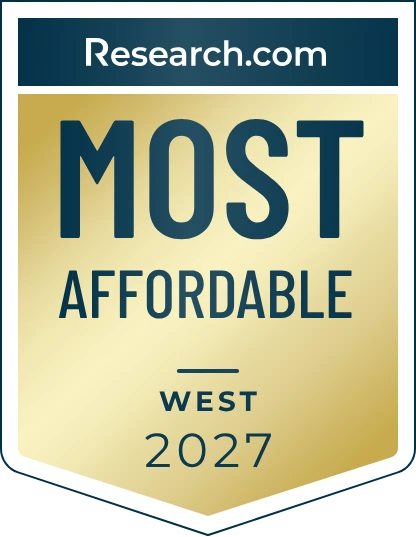
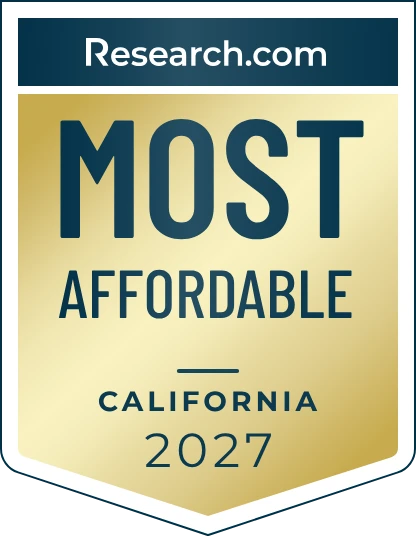
University of California-Santa Barbara Profile - Basic Information
Name of the institution
University of California-Santa BarbaraLevel of institution
Four or more yearsControl of institution
PublicSetting type
Suburb: MidsizeInstitutional Category
Degree - granting, primarily baccalaureate or aboveInstitution size category
20,000 and aboveSchool type
Comprehensive higher education institutionMain student body
CoeducationalCalendar system
QuartersFoundation year
1909University of California-Santa Barbara Accreditation
University of California-Santa Barbara is institutionally accredited by the Western Association of Schools and Colleges Senior Colleges and University Commission, an accrediting agency recognized by the U.S. Department of Education. Accreditation confirms that the school meets quality standards and is required for students to receive federal financial aid.
University of California-Santa Barbara Programs and Degrees
 Bachelor's degreePostbaccalaureate certificateMaster's degreeDoctor's degree - research/scholarship
Data last updated on November 5, 2026
Data sources: IPEDS 2024-25, Peterson 2026, College Scorecard 10/2026, Clery 2024 (2023-24), OpenAlex 2026
Figures on this profile come from federal and third-party datasets in the editions listed above and are refreshed periodically, so they may differ from what the institution currently reports. Confirm costs, deadlines and requirements with the school before making decisions.