
2027 Fastest Online Master's in Psychology Degree Programs Ranking in the West

Co-Founder and Chief Data Scientist
Choosing the right online master's program in psychology can shape your future career and personal growth. This article presents the 2027 fastest online master's in psychology degree programs ranking in the West, carefully compiled by the Research.com team of data scientists.
Designed to help you make an informed decision, the ranking highlights programs that combine quality and efficiency. Earning a psychology degree opens doors to meaningful opportunities and allows you to make a positive impact on others' lives.
Explore these top programs and take confident steps toward your goals.
Key benefits of getting online psychology degree in the West
- Graduates with a psychology degree can earn well, with roles like Industrial-Organizational Psychologist averaging $154,380 annually and School Psychologists making around $91,990 per year.
- Career paths include counseling, therapy, rehabilitation, and organizational psychology, offering a variety of engaging opportunities to make a positive impact on people's lives.
- Online psychology degrees provide flexibility and access to quality education, helping students balance life and study while gaining the same credentials as on-campus programs from respected universities.
- 2027 Fastest Online Master's in Psychology Degree Programs Ranking in the West
- What can I expect from online psychology degree in the West?
- Where can I work with online psychology degree in the West?
What can I expect from online psychology degree in the West?
The average cost of an online psychology degree in the Western United States typically ranges between $15,000 and $40,000, depending on whether you choose a public or private institution. Many students who have embarked on this journey through universities like the University of Washington or California State University share how they balanced affordability with quality. One graduate recalls discovering scholarships and employer tuition assistance, making the dream of earning a degree while working a reality.
Studying in the West often means accessing programs accredited by recognized bodies such as the APA or WSCUC, ensuring both value and credibility. Students appreciate how courses blend research with real-world applications-imagine tackling developmental psychology theories one day, then engaging in virtual group projects reflecting actual clinical scenarios the next.
Costs can feel daunting at first, but many find that the flexibility of asynchronous learning paired with local internship opportunities creates a rewarding, immersive experience. Graduates often describe a sense of accomplishment not just in what they learn, but in how they manage finances and time, making the investment feel genuinely worthwhile.
Where can I work with online psychology degree in the West?
Graduates from online psychology programs at well-known Western schools often find themselves stepping into vibrant roles across mental health, research, and corporate environments. Imagine starting as a behavioral health technician or case manager in bustling cities like Seattle or San Francisco, where the demand for mental health support is high and your work directly impacts real communities.
Many graduates from institutions near Los Angeles recall their journey through internships that led to exciting chances in rehabilitation centers or human resources departments, blending psychology with business. Those aiming higher might pursue licensure as clinical counselors in California, benefiting from state rules that allow master's degree holders to achieve LPCC status after supervised clinical hours.
Others venture into school psychology or organizational psychology, supporting employees' wellness in innovative tech companies scattered across the West Coast. Psychology grads also contribute to research hubs at universities or private firms, where curiosity drives them to discover new ways to improve patient care and product design.
Living and working in urban centers like Portland provides a dynamic playground for psychology careers, with state-specific licenses adding unique twists to each path. The landscape is rich with opportunities, offering plenty of room to explore and grow.
If you earn an online psychology degree in the West, such as from universities like the University of Washington or California State University, the earning potential can be quite promising. Graduates often find themselves stepping into roles like mental health counselors, where the mean annual wage is around $60,080, or marriage and family therapists making close to $68,730. Imagine starting your career helping families heal or counseling individuals, all while earning a salary that supports your adventurous lifestyle in cities like Seattle or San Diego.
Some graduates explore school psychology, earning an average of $91,990 yearly, working directly with students to foster their growth and well-being-a rewarding path that balances heart and income. For those daring to specialize further, industrial-organizational psychology shines with mean salaries exceeding $154,000, perfect for those who want to revolutionize workplaces while enjoying financial freedom.
Even roles like rehabilitation counseling offer meaningful work with a $48,430 average wage, positioning graduates to make a genuine impact. These salaries reflect the vibrant and evolving mental health landscape in the West, rewarding online learners who dive deep into their passions.
- Online psychology master's degrees in the Western US typically cost between $20,000 and $50,000, with public universities generally offering lower tuition for residents.
- Employment for psychologists in the West is expected to grow by about 8% from 2022 to 2032, matching the national average growth rate.
- Early-career salaries for psychology graduates with a master's degree range from $50,000 to $60,000 annually, increasing to around $80,000 or more in major cities like Los Angeles and Seattle.
- Accreditation from bodies like the American Psychological Association or regional agencies is important for program credibility and licensure eligibility.
- Licensure for many psychology careers often requires supervised clinical hours and passing exams after graduation.
- Online programs offer various specializations, including clinical, counseling, industrial-organizational, and human factors psychology.
Embarking on an online psychology degree adventure in the West often means embracing a timeline that matches your unique journey. Many bachelor's graduates from West Coast universities, like those near San Francisco or Los Angeles, proudly recall their four-year trek through a vibrant mix of courses and online collaborations, mirroring the traditional campus rhythm but with the flexibility of remote learning.
Master's grads often share tales of juggling intense coursework alongside life's demands. Some accelerated programs let eager students finish in as little as 12 to 18 months, a thrilling sprint for those eager to dive into the field quickly. Others, balancing jobs and family, appreciate a more leisurely 2- to 3-year path, stretching to four if needed, crafting a personalized pace that feels just right in schools scattered across the Western states.
Doctoral candidates, meanwhile, embark on longer expeditions-four to seven years-often weaving in in-person clinical experiences. This careful blend of flexibility and rigor, found in leading Western institutions, inspires students to persist, fueling their passion for psychology with every milestone reached.
Navigating the challenges of an online psychology program requires not only academic prowess but also effective strategies for time management, self-discipline, and resource utilization. Here are vital tips to empower you along your educational path: 1. Prioritize a structured routine: Establish a dedicated study schedule that aligns with your personal and professional life. Use digital calendars or task management apps to keep deadlines and course milestones in check. 2. Engage actively with online communities: Whether through discussion boards, study groups, or virtual office hours, interacting with peers and faculty can enhance understanding and foster a sense of belonging. 3. Leverage digital resources: Numerous online libraries, webinars, and recorded lectures can further supplement your learning. For instance, exploring masters of psychology programs can provide additional insights into the latest trends and affordable options in the field. 4. Develop self-care habits: Balance is essential when studying online. Integrate short breaks, exercise, or mindfulness practices into your routine to maintain mental well-being and reduce burnout. 5. Utilize academic support services: Many institutions offer tutoring, writing centers, and career counseling services. Taking full advantage of these resources can help clarify complex topics and align your academic efforts with your career goals. By implementing these expert tips, you not only build a strong foundation for academic success but also cultivate the life-long skills needed to thrive in today’s evolving professional landscape.
Imagine attending the University of Washington, surrounded by peers in a bustling campus setting-lectures, coffee chats with professors face-to-face, and spontaneous study group sessions in the library. That's the classic on-campus psychology experience, offering rich personal connection and immediate access to campus resources. Graduates often recall the energy of campus life boosting their motivation and fostering lifelong friendships.
Now picture a student enrolled at Arizona State University's online psychology program, juggling work, family, and studies from home. The flexibility to watch recorded lectures at midnight or join lively video discussions from anywhere in the West opens doors that traditional settings can't. Online graduates celebrate how this digital freedom lets them craft a personalized learning rhythm without compromising quality or accreditation.
Both paths in the West demand hands-on internships-whether on bustling Seattle streets or near Phoenix's quiet suburbs-connecting theory with practice. The difference? It's the adventure of either vibrant campus immersion or the pioneering independence of remote learning, each offering distinct yet equally valuable journeys into psychology.
Common challenges faced by online psychology students in the West include managing the balance between academic responsibilities and personal or professional obligations, navigating the complexities of online learning platforms, and ensuring access to necessary resources and support services. Many students also face the hurdle of staying motivated and engaged in a virtual learning environment, which can lack the interpersonal interactions and immediate feedback of traditional classroom settings. Furthermore, the self-discipline required to maintain a study schedule and meet deadlines without the structure of in-person classes can be daunting for some. Technical issues, such as connectivity problems or difficulties with course materials, can also hinder the learning experience. Despite these challenges, many online psychology programs in the West offer robust support systems, including academic advising, technical assistance, and online communities, to help students overcome these obstacles and achieve their academic goals. For instance, institutions like the University of California, Berkeley, and the University of Washington provide dedicated resources for online students, such as virtual office hours, peer support groups, and accessible faculty, to foster a sense of community and ensure academic success. By understanding these challenges and leveraging the support available, students can thrive in online psychology programs and set themselves up for success in their future careers.
The average cost of an online psychology degree in the West varies, with median total expenses around $40,505. For many students pursuing their passion in this region, the total expenses for online psychology master's degrees Western US reflect a dynamic mix of tuition rates and additional fees. In particular, in-state students often find more affordable paths, with median costs near $28,649, while out-of-state learners might see figures around $30,365.
Imagine a graduate from a California State University program, relieved by in-state tuition rates that made earning their degree manageable without overwhelming debt. Others from Oregon State University share stories of balancing online coursework with work and family, appreciating that the university's total costs hovered around $23,000. These relatable experiences highlight how public universities in the West are championing accessible education by keeping expenses reasonable and offering reduced tuition for online students.
Of course, tuition isn't the whole story-technology fees, textbooks, and practicum-related expenses add layers to the financial adventure. Many graduates speak warmly of using scholarships and financial aid to smooth this journey. If you're exploring your options, diving into masters of psychology programs available in the West will reveal pathways filled with opportunity and achievable goals.
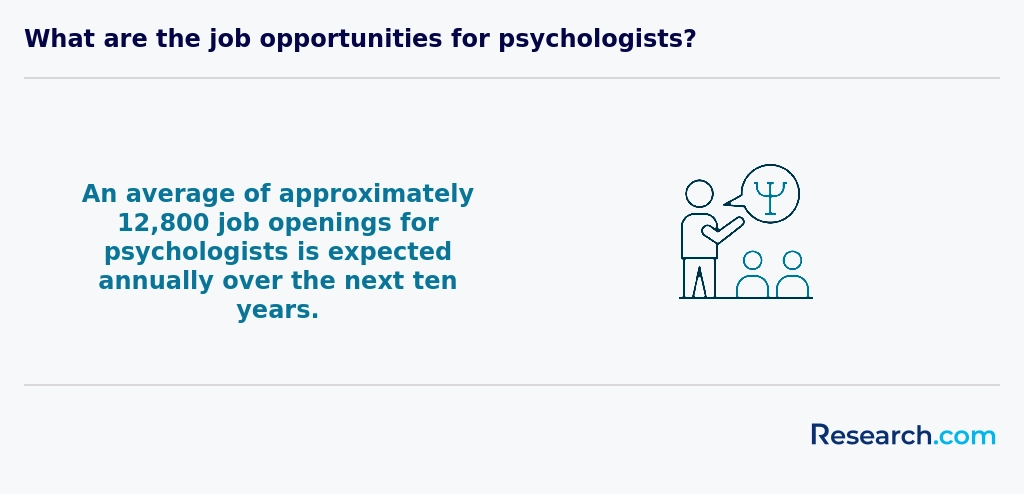
Earning an online master’s in psychology is only the first step toward professional practice; understanding state licensure requirements and certification pathways is crucial to ensure your degree translates into a valid credential. Most states require candidates to: • Complete an APA-accredited master’s program or an equivalent institution recognized by the state licensing board. • Accumulate a specified number of supervised clinical hours-often between 1,500 and 3,000-through practicum placements or internships. • Pass the Examination for Professional Practice in Psychology (EPPP) and, in some states, a jurisprudence or ethics exam specific to local laws. • Submit official documentation of education and supervised experience to the state board, along with application fees that can range from $100 to $400. Online programs increasingly partner with approved practicum sites to help students meet supervised‐experience quotas. Before enrolling, verify that your chosen institution holds regional accreditation and state authorization for internship placements; this information is typically available on program websites or through academic advisors. For cost-conscious students who need an accredited curriculum aligned with licensure prerequisites, consider our Inexpensive Psychology Degree Programs Ranking in North Carolina, which lists budget-friendly options meeting both academic rigor and clinical training standards. Planning ahead for licensure means mapping out timelines for practicum, board applications, and exam preparation-often requiring six to twelve months of post-graduation effort. By proactively aligning your online coursework, practicum experiences, and state board requirements, you’ll streamline the path from graduation to licensed practice, ensuring that your investment in an online psychology master’s yields the professional outcomes you expect.
State aid adds another layer of support: California's Cal Grant, for instance, embraces some graduate psychology seekers, lighting a path for those studying from home. Many graduates share how institutional scholarships or assistantships at Western colleges like Washington State University offered both financial relief and invaluable work experience, turning education into adventure. Organizations like the American Psychological Association spark hope with scholarships and fellowships, rewarding passion and perseverance. Even employers in healthcare and education pitch in, reimbursing tuition for employees chasing advanced degrees, transforming ambition into possibility every day.
Obtaining state licensure and national certifications is a critical step for online psychology master’s graduates who wish to practice professionally in the West. Each state board of psychology sets specific requirements-typically including supervised clinical hours (ranging from 1,500 to 3,000), successful completion of the Examination for Professional Practice in Psychology (EPPP), and a jurisprudence or ethics exam. Graduates should verify their target state’s criteria early, as some regions (e.g., California and Oregon) require an accredited practicum with in-state supervision, while others accept supervised hours completed out of state. For those seeking specialized credentials, certifications such as the National Certified Counselor (NCC) and the Certified School Psychologist (CSP) offer distinct advantages in career advancement. Additionally, professionals aiming to work with individuals on the autism spectrum can pursue Board Certified Behavior Analyst (BCBA) certification by integrating a specialized master’s curriculum with 1,500 hours of ABA experience. Many students find value in exploring affordable online aba master's programs to meet both academic and practicum requirements efficiently. Maintaining licensure and certification demands ongoing professional development. States generally mandate 20–40 continuing education units (CEUs) every two years, covering topics such as ethics, multicultural competence, and evidence-based interventions. Online psychology master’s programs often include alumni resources or institutional partnerships that streamline access to webinars, workshops, and peer-reviewed journals. By proactively planning for supervised hours, exam preparation, and CEUs, graduates can transition seamlessly from their online programs into licensed practice and long-term career growth.
Stepping into an online psychology degree program in the Western US often begins with securing a bachelor's degree from an accredited college or university. Imagine a graduate from a well-known Western university recalling the thrill of submitting transcripts showing a 3.0 GPA or higher-the gateway to their next big adventure. Many programs, like those at top institutions in California or Washington, expect you to have a solid foundation in psychology basics, such as statistics and research methods, making your academic journey feel like a thrilling puzzle coming together.
Some students share how optional GRE scores became a relief, as the waiver options allowed them to focus more on the subjects they love. Alongside grades, glowing letters of recommendation from professors or supervisors paint a compelling picture of your passion and potential. Real-world experience, like internships or volunteering in mental health clinics, often sparks a sense of purpose and excitement for the path ahead.
For international dreamers eyeing these programs, proving English proficiency is a final key step, unlocking a world of knowledge and vibrant community. This blend of requirements crafts an inviting, supportive launchpad for your online psychology journey in the West.
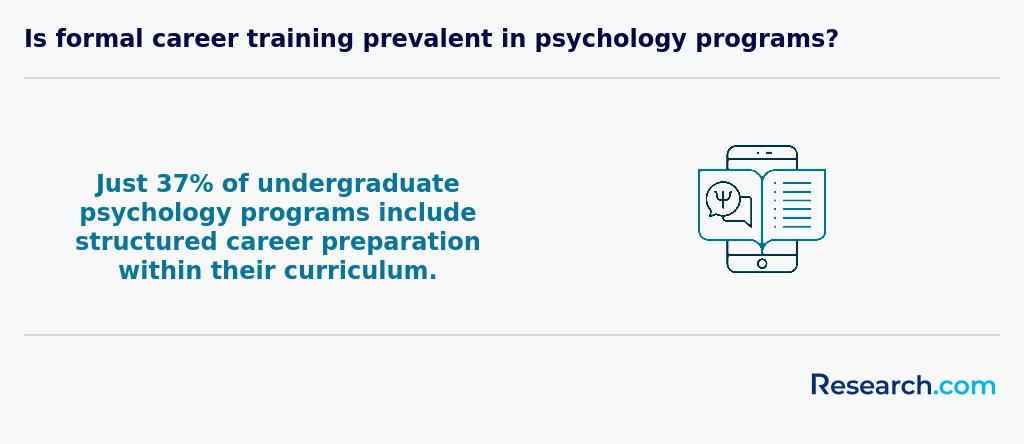
The future of online psychology education is poised for significant growth and evolution, driven by advancements in technology, shifting learner preferences, and the increasing demand for mental health services. As institutions continue to invest in online infrastructure and educational resources, students can expect more personalized learning experiences, enhanced accessibility, and a broader range of specializations. The integration of artificial intelligence, virtual reality, and other digital tools will likely play a crucial role in shaping the curriculum, allowing for more immersive and interactive learning environments. Furthermore, the rise of micro-credentials and continuing education programs will provide psychology professionals with opportunities for ongoing development and specialization, enabling them to stay abreast of the latest research and best practices in the field. Ultimately, the future of online psychology education holds tremendous promise for expanding access to quality educational programs, fostering a more diverse and skilled workforce, and addressing the complex mental health challenges of the 21st century.
Diving into an online psychology degree in the West, students quickly find themselves exploring core courses that lay a fascinating foundation. Graduates from well-known colleges like those in California or Washington recall how introductory classes on cognitive processes and behavioral theories sparked their curiosity about why we think and act the way we do. These classes are essentials that prepare you for the rich variety ahead.
Research methods and statistics, while challenging, become thrilling tools to decode human behavior. Picture yourself designing experiments or analyzing data with virtual labs, much like students at major Western universities do, gaining vital skills for real-world counseling or research careers.
Courses like abnormal psychology bring stories of resilience to life, helping you understand mental health disorders through case studies shared by classmates who pursued clinical routes. Meanwhile, electives such as social psychology or cognitive neuroscience invite you to tailor your journey, blending science with personal passion.
Practical experiences, including remote internships, often connect Western students with local communities, making learning feel immediate and impactful-bridging theory and heartfelt application.
Diving into online psychology degree specializations West students find a rich tapestry of options tailored to unique passions and professional paths. Many graduates from prominent Western institutions share how specializing in Clinical Psychology unlocked doors to licensure and hands-on work diagnosing mental health disorders, especially valued in states like California and Washington.
Others, captivated by human behavior in organizational settings, explore Industrial-Organizational Psychology, thriving in corporate roles or HR departments. Counseling Psychology draws those eager to offer support through therapy in schools or community centers, while a forensic focus appeals to the adventurous spirit, blending law and psychology to aid the justice system.
Health Psychology fascinates students interested in the mind-body connection, reflecting the region's growing emphasis on holistic care. Educational Psychology offers dynamic opportunities influencing learning environments. For those curious about cost-effective routes, several graduates recommend looking into affordable online aba master's programs for complementary career skills or alternative paths within behavioral sciences.
Psychology master's specializations in Western US programs truly embrace a spirit of exploration and career versatility.
Choosing the best online psychology degree in the West is an exciting journey that starts with exploring programs that are regionally accredited, such as those endorsed by the Western Association of Schools and Colleges. Graduates from popular universities like those in California or Washington often share how this assurance of quality feels like a solid foundation under their feet, boosting confidence as they dive into complex subjects. Imagine engaging in clinical psychology courses tailored to your interests while balancing work and life, much like many students appreciate in affordable online psychology master's Western states.
The allure of flexible, asynchronous classes helps working adults embrace learning on their own terms, yet some programs encourage hands-on experiences via nearby internships, adding a vivid layer of real-world connection. Comparing tuition rates is also part of the adventure. Many learners celebrate finding transparent costs and financial aid options that transform the dream into a reality while consulting resources like the Inexpensive Psychology Degree Programs Ranking in North Carolina.
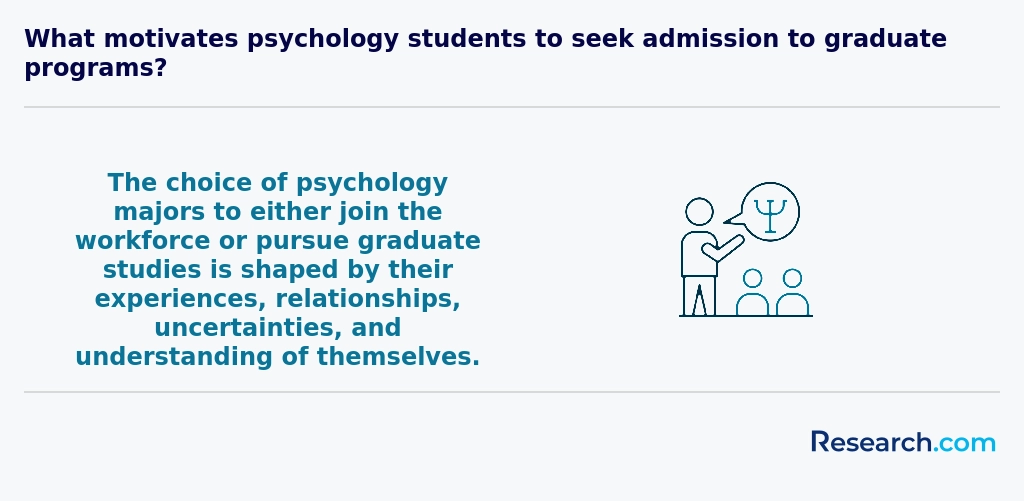
Graduates who earn an online psychology degree in the West discover a world of exciting career paths waiting for them. Many find fulfillment working as licensed counselors or clinical therapists, supporting mental health in bustling communities around universities in California and Washington. These roles often require a master's degree plus state licensure, offering salaries that truly reward dedication. Others gravitate toward industrial-organizational psychology, collaborating with tech giants or startups to boost workplace happiness and productivity, a unique career path flourishing in Western states.
Some adventurous graduates step into research roles at top West Coast institutions, exploring fascinating areas like neuropsychology or social behavior. These positions build a strong foundation for doctoral studies and professional growth. For those drawn to healthcare administration or case management, the West provides vibrant opportunities that combine psychology with service coordination.
With pathways leading to school counseling or educational psychology, many find joy in supporting students' mental well-being in diverse school districts across the region. Studying locally while pursuing quick schooling for good paying jobs encourages students to embrace the dynamic psychology job opportunities in Western states.
Online psychology degree jobs in the West offer a vibrant and promising landscape, especially for graduates from popular institutions like the University of Washington or UCLA. These graduates often share stories of landing roles in private clinics or school districts where their flexible online training gave them a competitive edge. The growing demand in California's bustling mental health sector highlights how these degrees unlock pathways into rewarding careers with meaningful impact.
Imagine working within community health clinics in Oregon or thriving in corporate environments in Seattle, applying industrial-organizational psychology to boost employee well-being. The psychology career outlook West region reveals diverse opportunities fueled by the region's wellness culture and mental health awareness. Graduates frequently mention how licensure hurdles feel more manageable when paired with guided online programs that prepare them well for state requirements.
For those curious about balancing cost and career potential, online programs typically range from $10,000 to $30,000, making them an appealing choice over traditional options. To explore more options among popular college majors tailored for flexible delivery, consider this popular college majors guide.
2027 Fastest Online Master's in Psychology Degree Programs Ranking in the West
Investing in your education is a significant decision that can shape your future, and the Research.com team understands the importance of making informed choices. To assist prospective students in the western United States, we have meticulously crafted the "2027 Fastest Online Master's in Psychology Degree Programs Ranking in the West." Our commitment to quality, credibility, and accuracy is reflected in the extensive research and analysis conducted to compile this ranking.
We utilized the following reputable data sources to ensure a comprehensive evaluation of online psychology programs:
By exploring this ranking, readers will gain valuable insights into the fastest online master's in psychology degree programs available in the West, empowering them to make informed decisions about their educational journeys. For more information on how we created this ranking, please visit our Research.com methodology page.


# 4 position
Aspen University
Master of Psychology and Addiction Studies


Frequently Asked Questions About psychology
Online psychology degree students in the West can maximize their learning by actively engaging with course materials and participating in virtual discussions. According to the American Psychological Association (APA), interaction with professors and peers significantly enhances comprehension and retention of psychological concepts. Students should utilize available resources such as online libraries, research databases, and practice simulations to deepen their understanding.
Time management is crucial; setting a consistent study schedule helps meet deadlines and reduces stress. Additionally, seeking internships or research opportunities in local psychology settings can provide valuable hands-on experience, complementing online coursework.
Finally, joining psychology-focused student organizations and attending webinars offered by Western universities can expand professional networks and keep students updated on regional trends in psychology.
Emerging niches in psychology are shaping career paths for students pursuing online psychology degrees in the Western US. One fast-growing area is telepsychology, driven by the increased demand for remote mental health services. According to the American Psychological Association, telepsychology usage rose by over 50% since 2020. Another niche is health psychology, focusing on how mental states affect physical health, a field expanding due to chronic disease management needs.
Additionally, forensic psychology is gaining traction, involving work with legal systems and criminal behavior analysis. Neuropsychology, studying brain-behavior relationships, also shows growth as neuroscience advances. These areas offer specialized career options for students considering online programs.
After earning an online psychology degree in the West, preparing for the job market requires strategic steps. Many graduates benefit from obtaining relevant internships or supervised clinical hours, which are often necessary for licensure, especially for roles like Licensed Professional Counselor or Clinical Psychologist. According to the U.S. Bureau of Labor Statistics, employment in psychology-related fields is projected to grow 8% from 2022 to 2032, highlighting competitive opportunities.
Networking is crucial; joining professional organizations such as the American Psychological Association can provide access to job boards and mentorship. Additionally, tailoring resumes to emphasize both online learning skills and practical experiences improves employability. State-specific licensure requirements vary, so early research is essential for timely certification.
Employers in the Western United States highly value psychology graduates who demonstrate strong critical thinking and analytical skills. According to the American Psychological Association, these abilities enable professionals to assess complex human behaviors effectively. Communication skills, both written and verbal, are essential, as psychologists must convey findings clearly to clients and colleagues.
Data from the Bureau of Labor Statistics highlights that teamwork and ethical judgment are also key, especially in healthcare settings. Familiarity with research methods and statistical software is increasingly important, reflecting the trend toward data-driven decision-making in clinical and organizational psychology roles.
Finding internships in the Western US relevant to a psychology degree involves strategic planning and leveraging available resources. Start by exploring local university-affiliated programs, as many online psychology degrees maintain partnerships with clinics and organizations in the region. The American Psychological Association (APA) recommends contacting regional psychology associations, which often list internship opportunities tailored to students in the West.
Online students should also use platforms like Handshake and LinkedIn to search for internships in hospitals, community centers, and research labs. According to the Bureau of Labor Statistics, psychology internships in Western states are growing by 6% annually, reflecting increasing demand for hands-on experience.
Additionally, obtaining faculty support and engaging in university career services can boost internship prospects. Many Western states require specific supervised hours for licensure, making internships essential to meet these criteria.
An online psychology degree in the Western United States can significantly enhance career mobility and advancement. Employers increasingly recognize accredited online programs, especially those regionally accredited and aligned with APA standards. According to the Bureau of Labor Statistics, psychology-related jobs in the West are projected to grow by 14% from 2022 to 2032, indicating robust demand.
Graduates benefit from flexible learning schedules that allow simultaneous work experience, crucial for career progression. Additionally, many online programs offer specialized tracks, such as clinical or organizational psychology, aligning education with targeted career goals. This alignment often results in higher earning potential and faster promotions.
Networking opportunities through online platforms and internships further support career development, especially in states like California and Washington where psychology licensure requirements are stringent. Following guidelines from the American Psychological Association ensures graduates meet necessary credentials for advanced roles in counseling, research, or academia.
Studying for a psychology degree in the Western United States offers a strong foundation for interdisciplinary roles by combining psychological theory with practical applications in diverse fields. Many online programs emphasize collaboration with areas such as healthcare, education, business, and criminal justice. According to the American Psychological Association, nearly 70% of psychology graduates in the West engage in interdisciplinary teams at work.
Courses often include research methods, data analysis, and communication skills, which are essential for roles requiring cooperation between specialists. This approach equips students to address complex problems by integrating psychological insights with other disciplines.
When choosing between a thesis and a non-thesis psychology degree program in the West, consider your career goals. Thesis programs emphasize research skills and can be ideal for students aiming for doctoral studies or research-related careers. According to the American Psychological Association, about 40% of psychology graduate students in the U.S. opt for thesis tracks to prepare for PhD programs.
Non-thesis programs often focus on practical applications and coursework, suited for those targeting clinical or counseling careers or immediate workforce entry. These programs usually require a capstone project or comprehensive exams instead.
Cost and time also matter: thesis degrees might take longer due to research requirements. Evaluate your interest in independent research, future education plans, and professional needs when making this choice.
Students based in the Western United States looking to study psychology abroad online have various options primarily through accredited universities offering remote degrees. Many institutions in the West partner with global programs, allowing learners to earn a U.S.-recognized psychology degree without relocating. According to the National Center for Education Statistics, over 30% of psychology graduate students in the West enroll in at least one online course, signaling growing acceptance.
Programs typically cover core psychology topics, including developmental, clinical, and counseling psychology, with flexible pacing suitable for working professionals. The American Psychological Association (APA) accredits a number of online master's programs, ensuring quality and relevance in the field.
Additionally, some Western universities offer hybrid models, blending online coursework with occasional in-person residencies. This approach helps students fulfill practicum requirements essential for licensure in many states.
Part-time roles such as behavioral technician, research assistant, and mental health aide are common opportunities that complement psychology degree studies in the West. These jobs offer practical experience that aligns with theoretical learning. For example, research assistants help conduct studies, a foundational skill for future psychologists. Behavioral technicians assist in implementing treatment plans, particularly in developmental disorder settings.
According to the Bureau of Labor Statistics, healthcare support jobs-many relevant to psychology students-are projected to grow 11% from 2022 to 2032 in Western states. This growth indicates increasing chances to gain relevant experience while studying online. Gaining hands-on exposure through these roles enhances understanding of psychological theories and prepares students for advanced education or certification.
Online psychology students in the Western US can access several valuable networking opportunities despite studying remotely. Many accredited programs offer virtual events, webinars, and discussion forums where students connect with peers and faculty. Professional organizations like the California Psychological Association and the Western Psychological Association provide regional conferences and online resources tailored to students and early-career professionals.
Internships and practicum placements, often required in these degrees, allow students to network locally in clinical or research settings. According to the American Psychological Association, nearly 75% of psychology master's students in the West engage in such hands-on experiences to build professional contacts.
Social media groups and LinkedIn communities focused on psychology careers also facilitate connections in the region. These platforms provide informal but important networking avenues that complement formal opportunities.
Alumni networks offer significant advantages for online psychology degree students in the Western United States. These networks provide access to professional connections, which are vital in a field where internships, job placements, and mentorship often depend on relationships.
In psychology, around 70% of job openings are filled through networking and referrals, according to a 2023 report by the American Psychological Association. Online students can leverage alumni networks to connect with graduates working in diverse sectors, from clinical practice to research and education.
Additionally, these networks often host workshops, career panels, and exclusive job boards. They help students stay updated on regional licensure requirements and evolving industry trends specific to the West.
Engaging with alumni fosters a sense of community and professional support that can enhance career development long after graduation.
Customizing an online psychology degree in the West allows students to align their studies with specific career goals. Many programs offer concentrations such as clinical, counseling, industrial-organizational, or forensic psychology. Selecting a specialization helps tailor coursework and practical experiences to relevant fields.
Students can often choose electives focusing on topics like child development or neuropsychology, enhancing expertise in desired areas. Internships or practicum placements, frequently part of these programs, provide hands-on experience and networking opportunities. According to the American Psychological Association, online programs accredited by the Western Association of Schools and Colleges ensure quality education suited to regional employment trends.
Flexibility in course scheduling and part-time options further support career-oriented customization.
Online psychology students in the Western United States often face challenges related to limited hands-on experience. Psychology programs typically require practicum or internship hours, which can be difficult to arrange remotely. According to the American Psychological Association, nearly 70% of students report concerns about securing quality field placements while studying online.
Another common issue is maintaining motivation and time management. Online learning demands high self-discipline, and more than 40% of distance learners in psychology programs cite balancing coursework with personal and professional responsibilities as a major struggle (NCES, 2023).
Technical difficulties and the need for reliable internet access can also impede progress. Rural areas in the West often have connectivity issues, affecting student participation in live lectures or discussions.
With an online psychology degree in the Western United States, graduates can pursue various professional certifications to enhance their careers. Common options include becoming a Licensed Professional Counselor (LPC), Licensed Marriage and Family Therapist (LMFT), or a Licensed Clinical Social Worker (LCSW), depending on additional qualifications and state requirements.
The American Psychological Association (APA) highlights that many states require a doctoral degree for full psychologist licensing, but a master's degree can lead to certifications in counseling or therapy fields. Certifications such as the National Certified Counselor (NCC) are also popular among master's graduates.
These credentials often involve supervised clinical hours and passing relevant exams, with requirements differing by state. According to the Bureau of Labor Statistics, demand for licensed mental health counselors in California, Oregon, and Washington is projected to grow over 20% by 2030, reflecting growing opportunities in the West.
Writing a winning application for an online psychology program in the West begins with a clear presentation of your academic and professional background. Admissions committees emphasize a strong foundation in psychology or related fields, so highlight relevant coursework and experience.
Personal statements should effectively communicate your motivation and career goals. According to the American Psychological Association (APA), demonstrating awareness of current trends in psychology can distinguish your application.
Letters of recommendation from faculty or supervisors knowledgeable about your skills add credibility. Also, ensure your resume is concise and aligns with program expectations.
Meeting all application deadlines and providing accurate transcripts from accredited institutions are crucial steps.
Psychology careers in the West, particularly in the United States, are viewed with increasing global significance. The U.S. Bureau of Labor Statistics projects a 10% growth in psychologist jobs between 2022 and 2032, faster than average for all occupations. This reflects rising demand for mental health services worldwide. Psychology as a profession often requires advanced degrees, with many opting for online master's programs due to flexibility and accessibility.
Globally, psychology practices vary, but Western standards heavily influence licensing and ethical guidelines internationally. Earning a degree in the West enables graduates to access broader research opportunities and collaboration with global institutions.
The American Psychological Association highlights that Western psychology education emphasizes evidence-based practices, which are increasingly adopted worldwide. This makes Western-trained psychologists competitive in diverse markets, benefiting from comprehensive training in clinical, counseling, and research methods.
Gaining practical experience while pursuing an online psychology degree in the West is essential for career readiness and meeting licensure requirements. Many accredited programs collaborate with local clinics and mental health facilities to offer supervised internships or practicum placements near the student's location. According to the American Psychological Association, supervised experience of at least 1,500 to 2,000 hours is often required for licensure in most Western states.
Students can also volunteer in community mental health organizations or participate in research assistant positions remotely or locally. Some universities provide virtual labs and simulation tools designed to enhance clinical skills effectively online.
Choosing the right concentration within an online psychology degree program in the West involves understanding your career goals and interests. Common concentrations include clinical psychology, counseling, industrial-organizational psychology, and forensic psychology. According to the American Psychological Association, clinical psychology remains one of the most popular areas, reflecting demand for mental health professionals across the Western states.
Consider the specific licensing requirements in your state, as they vary and may influence your choice. For example, California and Washington require certain supervised hours or curriculum components for licensed practice.
Research program curricula carefully to ensure they offer specialized courses aligned with your desired field. Also, evaluate faculty expertise and availability of internships or practicum placements, which are crucial for hands-on experience.
Finally, examine job market trends in the West. The U.S. Bureau of Labor Statistics expects a 14% growth rate for clinical, counseling, and school psychologists through 2030, especially in California, Oregon, and Washington, indicating strong regional opportunities.
See What Experts Have To Say About Studying Psychology
Read our interview with Psychology experts

Elizabeth L. Jeglic Ph.D.
Psychology Expert
Professor of Psychology
City University of New York

Joann Farrell Quinn, Ph.D., MBA
Psychology Expert
Director at the College of Medicine Department of Medical Education
Morsani College of Medicine

Catherine Caldwell-Harris, Ph.D.
Psychology Expert
Associate Professor of Psychology
Boston University

- Study Psychology Abroad https://astarfuture.co.uk/study_psychology_abroad.html
- Financial Aid for Psychology Students https://www.onlinepsychologydegrees.com/financial-aid/
- Scholarships For Psychology Majors (2025) https://www.psychology.org/scholarships/
- Why Get a Psychology Degree Online? | University of Bridgeport https://www.bridgeport.edu/news/reasons-to-get-your-psychology-degree-online/
- Most Affordable Online Psychology Degree Programs: School Reviews https://www.degreesforgood.org/online-degrees/psychology-programs/most-affordable/
- Sample letters in psychology https://www.mystudies.com/en-in/human-and-social-sciences/psychology/letter-model/
- Ontario Psychological Association - Networking and Community Resources https://www.psych.on.ca/become-a-member-(1)/member-services/networking-and-community-resources
- Online Psychology Degrees | University of Phoenix https://www.phoenix.edu/online-psychology-degrees.html
- 2025 Most Affordable Online Colleges for Psychology Degrees https://www.onlineu.com/most-affordable-colleges/psychology-degrees
- Have You Found a Niche? https://www.apaservices.org/practice/business/marketing/building/niche





