
2027 Most Affordable Psychology Degree Programs Ranking in Union

Co-Founder and Chief Data Scientist
Choosing the right psychology degree program can be overwhelming, especially when balancing quality and affordability. This article introduces the 2027 Most Affordable Psychology Degree Programs Ranking in Union, created by the Research.com team of data scientists. It aims to guide students in making well-informed decisions about which programs offer the best value.
Getting a psychology degree opens doors to meaningful careers that make a positive impact. By exploring this ranking, you'll discover accessible options that fit your goals and budget, helping you take confident steps toward a rewarding future.
Key benefits of getting psychology degree in Union
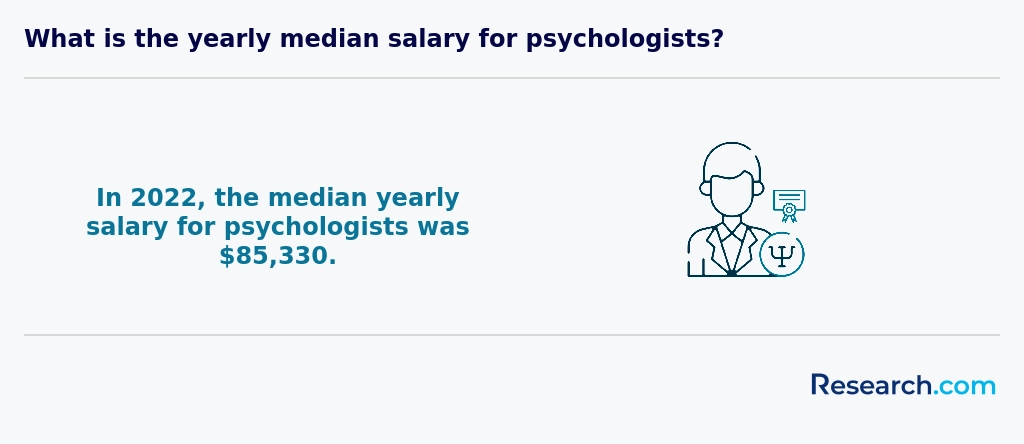
- Salary for psychology degree graduates: Graduates can expect competitive salaries in fields like Human Resources Specialists, earning a mean annual wage of $76,060, or Marketing Research Analysts, with an average of $83,190 per year, offering solid financial prospects.
- Career paths: A psychology graduate from a popular Union college may find opportunities in research, clinical roles, or market analysis, reflecting the diverse paths psychology opens up across industries.
- Online degree benefits: Earning a psychology degree online from a well-regarded Union university provides flexibility and accessibility, often allowing students to balance work and studies effectively while gaining credentials respected by employers.
- 2027 Most Affordable Psychology Degree Programs Ranking in Union
- What can I expect from psychology degree in Union?
- Where can I work with psychology degree in Union?
What can I expect from psychology degree in Union?
In Union, the cost of pursuing a psychology degree can vary widely, sparking excitement among students eager to invest wisely in their futures. Those attending public universities often find annual tuition ranging from about $8,000 to $12,000, making it a more approachable path for many local students. Imagine a graduate fondly recalling their time balancing studies with internships, grateful that tuition costs didn't overshadow their journey.
On the other hand, private colleges in Union may charge upward of $25,000 per year, reflecting resources that some students feel are worth the premium due to smaller class sizes and enhanced research opportunities. Many students embrace scholarships and financial aid options that lighten the load, offering relief and renewed enthusiasm as they navigate their academic adventure.
These pricing realities blend with hands-on learning and vibrant campus communities, where students weave classroom theory with real-world psychology experiences, all while managing the costs of their exciting educational paths.
Where can I work with psychology degree in Union?
Graduates from psychology programs at popular Union colleges often find themselves stepping confidently into diverse career paths. One might begin as a mental health counselor in a local hospital, guided by hands-on training from Union's well-regarded universities. Imagine supporting individuals navigating life challenges, using skills honed through community internships and university labs.
Others venture into education, working as school counselors in Union's public school districts. Here, psychology graduates transform classrooms into supportive environments, drawing on courses and certifications earned nearby. The rewarding feeling of helping students thrive is a common reflection among recent alumni.
Some graduates dive into social services, joining nonprofit organizations focused on addiction recovery or family support, inspired by projects they participated in during college. The excitement of making tangible differences in Union communities fuels their passion.
Business sectors in Union also welcome psychology graduates into roles where they decode consumer behavior or boost employee morale, building on analysis and communication skills sharpened through university research. These career journeys not only promise steady opportunities but also personal fulfillment every step of the way.
Graduates with a psychology degree from well-regarded colleges in Union often discover intriguing paths that lead to rewarding salaries. For instance, a human resources specialist in the area can expect a mean annual wage around $76,060, bringing a sense of accomplishment as they help organizations thrive through their understanding of human behavior.
Another thrilling option is diving into marketing research analysis, where graduates find themselves decoding consumer minds, earning around $83,190 per year. This role combines psychology with business insight, offering a dynamic and engaging career.
Clinical research associates, earning about $62,370 annually, take part in cutting-edge studies that shape the future of healthcare. Their work is both meaningful and financially satisfying, especially in vibrant Union health sectors.
Many psychology graduates explore roles like survey researchers, also earning approximately $62,370, where their skills in analyzing human responses create real-world impacts on community programs and policies.
These figures reflect exciting opportunities for psychology students at local universities, painting a picture of growth and exploration within Union's diverse professional landscape.
- Public universities in Union typically charge about $9,000 per year for in-state tuition, while private schools can cost over $25,000 annually.
- The employment rate for psychology graduates with a bachelor's degree in Union is approximately 68% within the first year after graduation.
- Starting salaries for entry-level psychologists with a bachelor's degree are around $45,000 per year.
- Licensed psychologists with doctoral degrees often earn between $75,000 and $95,000 annually, with mid-career professionals making over $100,000.
- Psychology jobs in Union are projected to grow by about 8% over the next decade, matching the national average.
- Programs emphasize research methods, statistical analysis, and internships to help students meet licensing requirements and career demands.
If you're diving into a psychology degree in Union, expect around four years of full-time study to earn your bachelor's, much like students at well-known local universities. Many graduates recall how those 120 to 130 credit hours blended insightful general education with fascinating psychology courses that kept their curiosity alive. Imagine tackling thought-provoking classes while connecting with peers equally passionate about understanding human behavior.
For adventurous learners aiming higher, master's degrees often take two to three years beyond that initial hustle, while doctoral paths stretch from five up to seven years. Graduates often recall juggling intensive research, clinical internships, and those "aha" moments that made the hard work worthwhile.
Many psychology students in Union cherish the practical experience embedded in their programs, like internships that open doors to real-world application-sometimes extending completion time, but always enriching their journey. Some even find accelerated or online options in Union, offering a thrilling chance to fast-track their studies with dedication and discipline.
Understanding state requirements ensures you can legally practice after earning your degree. In New Jersey, licensure involves both educational credentials and board-approved exams:
- Graduate from a regionally accredited psychology or counseling program.
- Complete the required supervised clinical hours (requirements vary by license).
- Pass the Examination for Professional Practice in Psychology (EPPP) or the National Clinical Mental Health Counseling Examination (NCMHCE).
- Submit your application, official transcripts and exam scores to the appropriate New Jersey licensing board.
- Fulfill continuing education requirements to maintain your license.
Selecting programs that include practicum placements and exam prep can simplify this process. For flexible, accredited options, explore online counseling programs.
Choosing between an online and an on-campus psychology degree in Union invites an exciting dive into two very different learning worlds. Imagine a graduate from a well-known Union college who thrived on the buzz of campus life-attending lively discussions, joining hands-on research projects, and accessing vibrant counseling centers just steps away. This immersive experience shapes a unique connection with peers and professors that feels tangible and immediate.
On the flip side, picture an online learner balancing coursework with a busy job and family commitments, logging in to study at their own pace without the stress of commuting. Many found this flexibility a game-changer, especially at institutions offering fully accredited programs recognized by the APA, ensuring their degree's value matches that of traditional paths.
While tuition ranges between $10,000 and $15,000 annually in Union, the online route may lower extra costs like campus fees. However, arranging local clinical hours often requires creative coordination.
Both paths open doors, but whether you crave hands-on interaction or the freedom to explore studies remotely, Union's options make the journey uniquely yours.
Understanding the steps to become a licensed psychologist or counselor helps you plan your career path.
- Choose an accredited program, such as accredited online counseling programs, to meet state education requirements
- Complete supervised clinical hours (typically 3,400 for psychological associates; 2,000 for professional counselors)
- Pass the appropriate exam: EPPP for psychologists; NCE or NCMHCE for counselors
- Submit your application, transcripts and supervision verification to the NJ Board of Psychological Examiners or the Board of Marriage and Family Therapy Examiners
- Fulfill continuing education requirements (e.g., 40 hours every two years) to maintain your license
The average cost of a psychology degree in Union reveals an intriguing mix of affordability and investment in your future. On average, the median total cost sits at about $40,302, which includes both in-state and out-of-state students. However, for those lucky enough to qualify as in-state residents, the figure drops significantly to around $14,299. Imagine a graduate from a well-regarded Union college, who took advantage of these lower tuition rates while immersing themselves in vibrant psychology courses and hands-on research projects on campus.
Many students chasing an affordable psychology degree programs Union 2027 find themselves balancing tuition with living expenses and textbooks, yet the transformative experiences they gain make the journey rewarding. One typical story echoes across popular institutions-students navigating financial aid options and scholarships, making their education manageable while expanding their understanding of human behavior.
Graduate psychology programs can add a new layer of excitement but also cost. Graduates often remark on their time at prominent universities where fees reflect the advanced resources and faculty expertise available. The investment pays off when stepping into careers empowered by robust knowledge, especially when preparing for the counselor license exam rhode island, a vital step for many psychology majors in the region.
Accreditation ensures that a psychology program meets rigorous academic and professional standards, and in New Jersey, most reputable institutions hold regional accreditation from the Middle States Commission on Higher Education (MSCHE) as well as programmatic accreditation by the American Psychological Association (APA). Students should verify that their chosen bachelor’s or master’s program is APA-accredited to qualify for advanced licensure tracks and competitive internships. Additionally, programs regionally recognized by MSCHE often facilitate smoother credit transfers and greater eligibility for federal financial aid. To practice professionally in New Jersey, graduates must satisfy state licensure requirements through the New Jersey State Board of Psychological Examiners. For licensed psychologists (PsyD or PhD holders), this includes completing a doctorate in an APA-accredited program, accruing at least 3,500 hours of supervised post-doctoral experience, and passing the Examination for Professional Practice in Psychology (EPPP). Those pursuing counselor or therapist roles-such as Licensed Professional Counselors (LPCs)-need a master’s degree in counseling or psychology, 4,000 hours of supervised clinical work, and successful completion of the National Counselor Examination (NCE) and the New Jersey jurisprudence exam. Understanding accreditation and licensure pathways is crucial when comparing program affordability and quality. For broader context on cost-effective options beyond Union, NJ, explore our Low Cost Psychology Degree Programs Ranking in Oklahoma to see how accreditation and licensure support align with tuition savings in different regions.
Imagine starting your psychology journey at a well-known college in Union, where discovering financial aid feels like unlocking a treasure chest. Many graduates recall how federal Pell Grants, offering up to $7,395 annually, made a huge dent in tuition expenses, especially when combined with Direct Subsidized and Unsubsidized loans that feature fixed interest and flexible repayment.
State-focused support also sparks excitement. The Union State Grant Program, a favorite among local students, rewards dedication with need-based funds-much like the hardworking learners who keep their GPA strong in accredited psychology programs. It feels like the state itself is rooting for you!
Beyond public funding, scholarships are powerful allies. Several psychology students vividly remember the boost from awards ranging between $1,000 and $5,000 from the American Psychological Association. Plus, local foundations in Union often recognize passion and community involvement in psychology, opening doors they hadn't initially imagined.
Work-study is another dynamic path: juggling on-campus roles in psychology labs or counseling centers not only supports tuition but also enriches practical skills, making the college experience both rewarding and real.
In today’s rapidly evolving educational landscape, online learning is reshaping how students prepare for careers in psychology. Keeping pace with technological advancements, institutions are not only offering flexible degree options but are also integrating emerging trends into their curricula to better prepare graduates for competitive job markets. An important aspect of this evolution is the growth in specialized online programs, which allow students to hone in on niche areas of psychology without sacrificing the quality of their education. For example, exploring an online masters in aba can provide students with targeted skills in applied behavior analysis, a field increasingly valued across healthcare, education, and corporate environments. Online programs today emphasize practical, real-world applications through virtual labs, interactive simulations, and collaborative projects that connect students with experienced professionals. Additionally, career services and mentorship programs offered by many online institutions are designed to bridge the gap between academic studies and professional practice. As digital learning continues to mature, students benefit from both flexibility and enhanced access to expert instruction, ensuring they remain competitive in a job market that values adaptability, technical proficiency, and continuous learning. To stay ahead, prospective psychology graduates should consider not only traditional degree options but also the burgeoning field of online education. These innovative programs can serve as a springboard for further specialization, professional certifications, and lifelong career advancement in an ever-changing industry.
Beyond academics, letters of recommendation and personal statements bring a human touch-stories shared by alumni describe how these elements showed their passion and potential, especially when admitted into competitive programs. For those aiming higher, graduate psychology study requires a bachelor's in hand, sharper GPAs, and foundational courses that continue the adventure of understanding the mind.
When selecting a psychology program in Union, NJ, it's crucial to consider several factors that can significantly impact your educational experience and future career prospects. One of the key considerations should be the affordability of the program, as this can affect your financial stability and career choices. For instance, exploring options for an affordable psychology school in New Jersey can provide valuable insights into programs that balance quality education with manageable costs. Additionally, the program's accreditation, curriculum, and faculty expertise are essential in ensuring that you receive a comprehensive education that prepares you for your desired career path. By carefully evaluating these aspects and considering your personal preferences and career aspirations, you can make an informed decision that sets you up for success in the field of psychology.
Diving into a psychology degree in Union means embarking on a journey through a rich variety of courses that shape your understanding of the human mind. Graduates from popular colleges here often recall their first encounters with Introduction to Psychology, where they explore foundational ideas and fascinating behavioral quirks.
Students quickly find themselves immersed in Research Methods in Psychology, mastering experimental design and data analysis-skills that feel empowering when applied during hands-on projects or internships. Imagine analyzing real data on social interactions or developmental milestones as part of your coursework at a well-known Union university, bringing theory vividly to life.
Key courses like Biopsychology unlock the mystery of how brain processes influence emotions, while Abnormal Psychology offers a compassionate lens into mental health challenges. Many also cherish learning about Social Psychology and how group dynamics play out in everyday life, making these lessons strikingly relevant beyond the classroom walls.
Graduates note the diverse electives-like forensic or industrial-organizational psychology-open doors to new passions and career paths unique to Union's academic landscape.

Exploring psychology degree specializations in Union reveals a fascinating variety of paths for curious minds. Graduates from popular colleges in the area often share how clinical psychology deeply connects them with real people's struggles, preparing them to become compassionate therapists. Others find joy in developmental psychology, where understanding human growth from infancy to adulthood opens doors to rewarding education or social services careers. Cognitive psychology, with its thrilling dive into memory and decision-making, sparks curiosity and innovation among students eager to unravel the mysteries of the mind.
Industrial-organizational psychology appeals to those who want to improve workplace culture and employee happiness, a fitting choice in business-savvy Union settings. Health psychology introduces learners to the exciting overlap of mind and body wellness, while forensic psychology thrills those passionate about applying psychology in legal contexts. Many students discover that affordable psychology programs with specializations Union offer let them tailor their education uniquely. Plus, practical options like psychology internships oklahoma help them gain vital hands-on experience and confidence before graduating.
Choosing the best psychology degree in Union is like setting out on an exciting journey where your future self is waiting to be discovered. Imagine diving into affordable psychology degree programs in Union that not only fit your budget but also open doors to unique local experiences. Graduates from popular colleges here often share how access to hands-on internships in nearby mental health clinics made their studies come alive, turning abstract theories into real-world impact.
It's also about finding a program tailored to your dream specialty-whether clinical, counseling, or industrial-organizational psychology. A graduate once described how the student-to-faculty ratio at a well-known Union university gave them personalized mentorship that fueled their passion. Plus, exploring programs with flexible schedules or online options helps balance study and life adventures.
Remember to check for licensure outcomes and career support-discover more about becoming a licensed counselor here. All of these elements make searching for the best psychology colleges near Union feel less like a chore and more like an exciting quest to find your perfect fit.

Graduates exploring psychology careers in Union often discover a world of possibilities that spark both passion and purpose. Many who studied at well-known local colleges pursue paths as licensed clinical, counseling, or school psychologists-roles that require further education but offer rewarding chances to make a real difference in people's lives. Imagine working alongside committed professionals in Union's thriving mental health community, where demand is set to grow by 8% through 2032.
Others take a detour toward versatile roles in human resources or marketing, where understanding human behavior unlocks innovative strategies and improves workplace harmony. Graduates often reflect on internship experiences in Union's dynamic companies that helped them land roles with starting salaries from $45,000 to $60,000 annually.
Social work beckons many who attended Union's respected universities, especially those passionate about social justice. Here, a psychology degree provides a strong foundation, often paired with a Master of Social Work to seize opportunities in local nonprofits.
For those curious about academic paths, research and teaching positions at Union's institutions allow deep dives into cognitive or developmental psychology, backed by stable state research funding. Students interested in specialized fields might explore behavioral psychology degree programs online to expand their horizons further.
The job market for psychology graduates in Union offers a vibrant mix of opportunities, especially vibrant for those eager to explore roles in healthcare, education, and social services. Many graduates have found themselves stepping into positions as licensed counselors or behavioral health technicians, gaining essential experience and enjoying the excitement of making real impacts on people's lives. The job outlook for psychology graduates in Union is bright, with local healthcare facilities and schools showing growing demand fueled by the state's expanding population and increased attention to mental wellness.
Graduates from popular colleges in Union often share how balancing their education cost-typically between $7,000 to $15,000 annually at public universities-with career ambitions feels like an adventurous pursuit. For those aiming higher, pursuing advanced licensure opens doors to clinical psychology, although it means a bigger commitment. Others dive into research or corporate roles, marrying psychology insights with organizational growth. Those curious about finding an affordable psychology school in New Jersey can explore options to kickstart their journey effectively.
2027 Most Affordable Psychology Degree Programs Ranking in Union
Investing in your education is a significant decision that can shape your future, and the Research.com team understands the importance of making informed choices. To assist prospective students in Union, we have meticulously crafted the "2027 Most Affordable Psychology Degree Programs Ranking in Union." Our commitment to quality, credibility, and accuracy is reflected in the extensive research and analysis conducted to compile this ranking.
We utilized the following reputable data sources to ensure a comprehensive evaluation of psychology degree programs:
By exploring this ranking, readers will gain valuable insights into the most affordable psychology degree programs available in Union, empowering them to make well-informed decisions about their educational investments. For more details on our methodology, please visit our Research.com methodology page.

Frequently Asked Questions About psychology
Psychology degree students in Union can enhance their learning by actively engaging in both coursework and practical experiences. According to the National Center for Education Statistics, students who participate in internships or research projects gain skills that improve job prospects by 20% upon graduation. Joining psychology clubs or attending local seminars helps build professional networks essential for career development.
Utilizing campus resources like tutoring centers and counseling services supports academic success. Additionally, students should consider volunteering in mental health facilities, which provides hands-on experience and deepens understanding of theoretical concepts.
Regular consultation with academic advisors ensures alignment with career goals and efficient course completion.
The psychology field is rapidly evolving with new niches emerging in response to societal needs and technological advances. In Union, students and professionals are noticing growth in areas like neuropsychology, which focuses on brain-behavior relationships and is supported by local research institutions. Another rising specialty is health psychology, addressing mental well-being in medical settings, important as chronic illnesses rise.
Environmental psychology is gaining attention, examining how surroundings affect mental health. Additionally, forensic psychology blends legal and psychological expertise, a field expanding with increased demand in the criminal justice system. According to the American Psychological Association, such niche areas offer diverse career paths for Union graduates.
Preparing for the job market after earning a psychology degree in Union requires strategic planning. Start by gaining practical experience through internships or volunteer work in local mental health clinics or social service agencies. According to the Bureau of Labor Statistics, employment of psychologists in the U.S. is projected to grow 8% from 2022 to 2032, highlighting the demand for qualified professionals.
Networking is essential; join psychology associations and attend regional career fairs. Consider certifications or graduate degrees to increase competitiveness, as many roles in counseling or clinical psychology require advanced credentials. Developing strong communication and research skills also enhances job prospects in this evolving field.
Employers in Union seeking psychology degree graduates prioritize several key skills essential for success in the field. Critical thinking and analytical abilities top the list, enabling graduates to assess complex behavioral data effectively. Strong communication skills, both written and verbal, are crucial, as professionals must interact with clients and multidisciplinary teams clearly.
Research proficiency is another vital skill, with many jobs requiring data collection, statistical analysis, and report writing. According to the American Psychological Association, employers value graduates experienced in applying evidence-based practices. Additionally, emotional intelligence and ethical judgment hold significant importance, reflecting the trusted nature of psychology work. These competencies enhance graduates' employability across various sectors in Union's psychology job market.
Finding internships in Union relevant to a psychology degree involves combining local resources with academic support. Many universities in Union have partnerships with hospitals, counseling centers, and social services agencies, providing students direct access to internship opportunities. According to the U.S. Bureau of Labor Statistics, psychology-related internships often require completion of at least two years of undergraduate coursework.
Start by consulting your college's career services, which usually maintain lists of approved internships that align with psychology curricula. Additionally, explore state-run health departments and nonprofit organizations offering mental health programs in Union. Networking with faculty, attending job fairs, and using platforms like Handshake can increase your chances of securing valuable internships.
In Union, earning a psychology degree significantly enhances career mobility and advancement opportunities. According to the U.S. Bureau of Labor Statistics (BLS), employment in psychology-related fields is expected to grow by 8% nationally from 2022 to 2032, signaling steady demand. Graduates with a bachelor's degree often start in support roles but find that pursuing a master's or doctoral degree rapidly improves prospects for leadership and specialized positions.
Local employers in Union value candidates with advanced psychology credentials, especially in clinical, counseling, and organizational roles. Higher education also equips students with critical skills like research, communication, and data analysis that are essential for career progression.
As reported by the American Psychological Association (APA), professionals with a graduate degree earn, on average, 20-30% more than those with only a bachelor's, further illustrating the benefits of continued education within this field.
Studying for a psychology degree in Union equips students with a strong foundation in human behavior, research methods, and critical thinking skills that are highly valued in many fields. Many programs emphasize interdisciplinary connections, integrating coursework in biology, sociology, and statistics. According to the American Psychological Association, nearly 60% of psychology graduates in the U.S. move into diverse roles such as healthcare, education, and business, demonstrating the field's versatility.
Union's institutions often provide practical experiences through internships and collaboration with other departments, preparing students for teamwork in varied environments. These experiences enhance problem-solving skills relevant to interdisciplinary careers, such as counseling combined with public health or human resources.
Choosing between a thesis and a non-thesis psychology degree program in Union depends largely on your career goals and academic interests. A thesis program requires original research culminating in a written dissertation, ideal for students planning to pursue doctoral studies or research careers. According to the American Psychological Association, about 65% of psychology graduate students opt for thesis tracks when aiming for academia or specialized research roles.
In contrast, non-thesis programs emphasize coursework and practical application. These are suited for students focused on clinical practice or entering the workforce more quickly. Union universities often offer flexible non-thesis options geared towards professional development. Understanding each format's demands and outcomes is essential before deciding.
Students based in Union who wish to study psychology abroad have several pathways under the U.S. higher education framework. Most American institutions encourage participation in study abroad programs or international internships, especially through partnerships with universities in Europe, Canada, and Australia. These programs typically last a semester or summer and provide hands-on experience combined with academic credit.
Many U.S. colleges offer joint degree options or articulation agreements, allowing students to complete part of their psychology degree overseas and transfer credits back. According to the Institute of International Education, approximately 15% of psychology majors in the U.S. engage in study abroad annually. This trend helps develop cross-cultural competence-a vital skill in psychology practice globally.
Financial aid and scholarships specifically for psychology students studying abroad can also offset costs, making these opportunities more accessible. Students must consult academic advisors early to ensure their coursework abroad aligns with their degree requirements, maintaining progress toward licensure or graduate studies in psychology.
Students pursuing psychology degrees in Union have multiple part-time job opportunities that enhance their academic learning while gaining practical experience. Common roles include research assistant positions in university psychology departments, offering exposure to experimental design and data analysis. According to the Bureau of Labor Statistics, research assistants in psychology-related fields earn median hourly wages around $20, making these positions both educational and financially beneficial.
Additionally, many mental health clinics and community centers in Union hire part-time behavioral health technicians or case management aides. These roles involve supporting licensed psychologists or counselors and help students develop client interaction skills.
Volunteer opportunities at nonprofit organizations focused on mental health also provide practical insights and networking possibilities. Engaging in these roles complements coursework, builds resumes, and deepens understanding of psychological practice within the local Union community.
Psychology students in Union have access to various networking opportunities that enhance their academic and professional development. Many universities and colleges in Union offer psychology clubs and student organizations that provide regular meetings, guest speakers, and workshops. These events allow students to connect with peers and faculty members who share similar research interests.
Additionally, Union's proximity to numerous healthcare facilities and research institutions creates internship and volunteer opportunities. These experiences help students build practical skills and professional connections.
State and regional psychology associations, such as the New Jersey Psychological Association, host conferences and seminars where students can network with professionals and researchers.
Alumni networks provide valuable support to psychology degree students in Union by offering connections to professionals and mentors in the field. These networks increase access to internships and job opportunities, which are crucial for gaining real-world experience. According to the National Association of Colleges and Employers (NACE), 70% of job seekers find employment through networking, emphasizing the importance of alumni contacts.
Many Union universities maintain active psychology alumni groups that host events, workshops, and panel discussions to share insights about current industry trends. This helps students stay informed about career paths and licensure requirements specific to psychology in the US.
Additionally, alumni can offer guidance on graduate programs and certifications, making the transition from undergraduate studies smoother for students focused on psychology careers.
Customizing your psychology degree program in Union to fit your career goals involves selecting electives and specializations aligned with your interests. Many Union colleges offer tracks such as clinical, counseling, or industrial-organizational psychology, allowing you to focus on areas that match your desired profession. According to the Union Board of Higher Education, students can also engage in research projects or internships to gain practical experience tailored to their career path.
Additionally, some programs provide flexible course scheduling and opportunities for part-time study, which helps working professionals balance education and employment. Consulting academic advisors early can ensure your chosen courses meet licensing or certification requirements in Union.
Psychology students in Union often face several common challenges throughout their academic journey. One frequent difficulty is managing the heavy course load, as psychology programs typically require a strong understanding of both theoretical concepts and research methods. According to the National Center for Education Statistics, around 40% of psychology undergraduates nationwide report struggling with maintaining a balance between coursework and personal commitments.
Additionally, many students encounter challenges with rigorous research requirements, including designing experiments and analyzing data using statistical software. This can be daunting for those new to scientific methods. Furthermore, financial constraints are a significant concern; Union's average tuition for public psychology programs can exceed $10,000 annually, which affects student retention rates. Time management and securing quality internships also rank high among the hurdles psychology students must overcome in Union.
Graduates with a psychology degree in Union can pursue several professional certifications that enhance their career opportunities. One common certification is the Licensed Professional Counselor (LPC), which requires a master's degree, supervised experience, and passing a state exam. This credential allows individuals to provide therapy and counseling services.
Another option is becoming a Certified Alcohol and Drug Counselor (CADC), important in Union's growing behavioral health sector. Additionally, the Board Certified Behavior Analyst (BCBA) certification is valuable for those working with autism and applied behavior analysis programs.
These certifications often require ongoing education and adherence to ethical standards, supporting career growth in psychology-related fields.
To write a winning application for a psychology program in Union, start by clearly demonstrating your passion for psychology and commitment to the field. Highlight relevant coursework, volunteer work, or research experience that showcases your preparedness. According to the American Psychological Association, strong applications often include evidence of critical thinking and analytical skills.
Craft a compelling personal statement that explains your motivation and career goals. Include how the program's strengths align with your interests. Be concise, clear, and avoid clichés.
Maintain a competitive GPA; many psychology programs prefer a minimum of 3.0. Also, obtain strong letters of recommendation from professors or professionals familiar with your academic potential and work ethic.
The career outlook for psychology graduates across the globe is diverse, but the United States offers particularly strong opportunities, including in Union. According to the U.S. Bureau of Labor Statistics, employment of psychologists is projected to grow 8% from 2021 to 2031, faster than the average for all occupations.
In Union, students benefit from access to reputable institutions and an expanding mental health workforce. Professional roles range from clinical psychologists to industrial-organizational psychologists, each with unique requirements. Licensing varies by state, but a doctoral degree is typically necessary for independent practice.
Globally, the demand for mental health services continues to rise, driven by increased awareness and destigmatization efforts. For U.S.-based students, this trend means potential for a versatile and impactful career.
Gaining practical experience while studying for a psychology degree in Union is essential for career readiness. Many colleges encourage participation in internships, which provide hands-on exposure to clinical, counseling, or research settings. According to the American Psychological Association, students completing internships improve their job prospects significantly.
Additionally, Union universities often offer research assistant positions allowing students to collaborate on faculty-led projects. This experience deepens understanding of scientific methods and data analysis, important skills in psychology careers.
Volunteer opportunities in community mental health centers or schools also contribute valuable real-world experience. Engaging in campus psychology clubs or workshops helps build professional networks in the field.
Choosing the right concentration within a psychology degree program in Union involves understanding your career goals and interests. Popular concentrations include clinical, counseling, developmental, and industrial-organizational psychology. Union colleges often align these areas with local industry demands and state licensure requirements.
Research from the New Jersey Psychological Association highlights clinical psychology as a growing field due to increased mental health services demand. It's important to consider which concentration offers practical experience and internship opportunities. Accreditation by the American Psychological Association (APA) for graduate programs can also influence your choice.
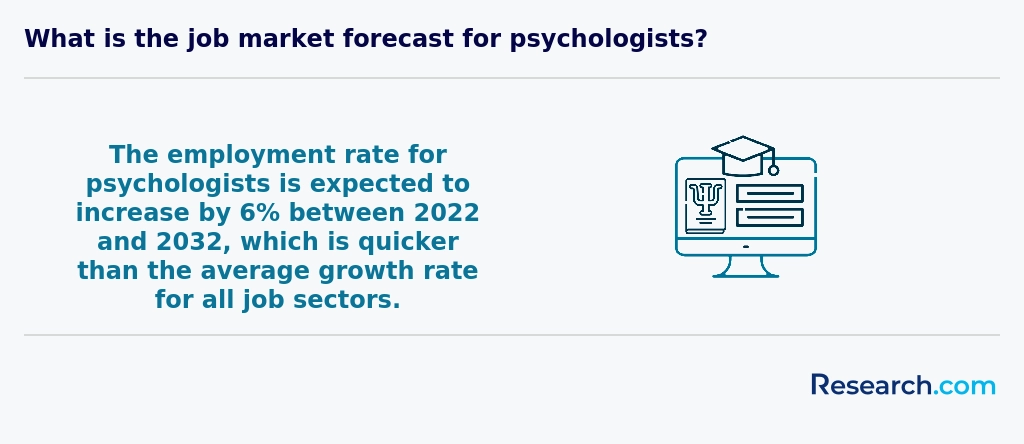
Finally, consider job outlooks: the Bureau of Labor Statistics projects a 6% growth in psychology jobs nationally through 2032, with specific growth variations depending on specialty and location.
- 2027 Most Affordable Psychology Degree Programs Ranking in New York
- 2027 Most Affordable Psychology Degree Programs Ranking in New Haven
- 2027 Most Affordable Psychology Degree Programs Ranking in Springfield
- 2027 Most Affordable Psychology Degree Programs Ranking in Albany
- 2027 Most Affordable Psychology Degree Programs Ranking in Amherst
- 2027 Most Affordable Psychology Degree Programs Ranking in Baltimore
- 2027 Most Affordable Psychology Degree Programs Ranking in Worcester
- 2027 Most Affordable Psychology Degree Programs Ranking in Washington
- 2027 Most Affordable Psychology Degree Programs Ranking in Cambridge
- 2027 Most Affordable Psychology Degree Programs Ranking in Boston
See What Experts Have To Say About Studying Psychology
Read our interview with Psychology experts

Joann Farrell Quinn, Ph.D., MBA
Psychology Expert
Director at the College of Medicine Department of Medical Education
Morsani College of Medicine

Robin M. Kowalski. Ph.D.
Psychology Expert
Professor of Psychology
Clemson University

Elizabeth L. Jeglic Ph.D.
Psychology Expert
Professor of Psychology
City University of New York

- Sample letters in psychology https://www.mystudies.com/en-in/human-and-social-sciences/psychology/letter-model/
- What Certifications Can I Get With A Bachelor's In Psychology? https://www.psychology.org/resources/certification-skills-for-psychology-major-resumes/
- Society for the Teaching of Psychology https://teachpsych.org/page-1784686/8675326
- How to help students cope with mental health challenges https://www.eaie.org/resource/help-students-cope-mental-health-challenges.html
- Study Psychology Abroad https://astarfuture.co.uk/study_psychology_abroad.html
- Psychology https://www.mountunion.edu/academics/undergraduate-degrees/psychology
- Financial Aid for Psychology Students https://www.onlinepsychologydegrees.com/financial-aid/
- Psychology Online Degree Pathway https://www.learndirect.com/course/psychology-online-degree
- Call for papers https://www.hogrefe.com/us/journal/international-perspectives-in-psychology-research-practice-consultation
- Psychology at the University Level: What to Expect and How to Prepare https://www.enrichedmindset.com/post/psychology-at-the-university-level-what-to-expect-and-how-to-prepare


