2027 Best Psychology Degree Programs Ranking in Mankato

Co-Founder and Chief Data Scientist
Choosing the right psychology degree program in Mankato can shape your future in meaningful ways. This article introduces the 2027 Best Psychology Degree Programs Ranking in Mankato, created by the Research.com team of data scientists to help you discover the most reputable options available.
By exploring this ranking, you'll gain clear insights that make your decision easier and more confident. Pursuing psychology opens doors to understanding human behavior and making a positive impact. Trust this guide to support your educational journey with reliable, data-backed information.
Key benefits of getting psychology degree in Mankato
- Psychology degree graduates in Mankato can expect competitive salaries, such as $62,370 annually for Clinical Research Associates and Survey Researchers, and up to $83,190 as Marketing Research Analysts, reflecting strong earning potential in diverse fields.
- A psychology graduate from Minnesota State University, Mankato, often pursues varied career paths like human resources, research analysis, or clinical roles, providing exciting opportunities to impact community well-being and business growth.
- Completing a psychology degree online offers flexibility and convenience, allowing students in Mankato to balance work and study effectively while gaining the same valuable skills and career prospects as traditional graduates.
- 2027 Best Psychology Degree Programs Ranking in Mankato
- What can I expect from psychology degree in Mankato?
- Where can I work with psychology degree in Mankato?
What can I expect from psychology degree in Mankato?
The average cost of pursuing a psychology degree in Mankato, particularly at Minnesota State University, Mankato, typically reflects the institution's status as a public university. Tuition and fees for in-state students generally range around $8,000 to $12,000 per academic year, making it an accessible option for many locals. Graduates often recall the value of this investment, emphasizing how the cost aligned well with the quality of education and extensive hands-on opportunities available.
Students highlight that beyond classroom learning, practical experiences such as internships and research projects add significant professional value without excessive extra cost. This balance fosters a positive educational environment that feels both affordable and rewarding. For many, the manageable tuition fees combined with strong job prospects in southern Minnesota's mental health sector help make studying psychology in Mankato a pragmatic and hopeful choice.
Out-of-state tuition can be higher, but graduates consistently note scholarship options and financial aid that help offset expenses. This practical financial planning aspect is frequently praised by psychology majors navigating their educational journey in Mankato's supportive academic community.
Where can I work with psychology degree in Mankato?
Graduates with a psychology degree in Mankato find diverse employment opportunities across clinical, educational, research, and corporate sectors. Many begin their careers as mental health counselors or therapists at respected local institutions like the Mankato Clinic or Mayo Clinic Health System, where supporting behavioral health fosters rewarding professional growth. These roles typically require licensure and advanced degrees, underscoring the importance of continued education.
Others pursue educational positions within Mankato Area Public Schools, working as school psychologists or counselors. These roles allow graduates to make a tangible impact on student well-being and learning outcomes, often following certification via the Minnesota Department of Education. Psychology students from Minnesota State University, Mankato, often share how hands-on internships and research opportunities prepare them for these impactful careers.
Beyond clinical settings, graduates contribute to research projects or human resources teams in local organizations, enhancing employee development and workplace culture. Earning a median wage near $55,000 in the Mankato-New Ulm area, many feel a deep sense of fulfillment knowing their skills directly benefit community health and business environments alike.
Graduates holding a psychology degree from institutions in Mankato, such as Minnesota State University, typically find entry-level roles like case managers or psychiatric technicians with salaries aligned around $32,070 to $45,000 annually, reflecting local and national trends. Those beginning careers as Human Resources Specialists, a common pathway for psychology graduates, can expect a mean annual wage of approximately $76,060, offering a solid foundation for financial growth in the region.
More specialized roles such as Marketing Research Analysts, which psychology graduates pursue using their analytical skills, report even higher mean annual wages near $83,190 nationwide. Similarly, positions like Clinical Research Associates and Survey Researchers, often filled by those with advanced training in psychology, average $62,370 annually, demonstrating consistent demand for research-related expertise in Mankato's employment market.
Many graduates find satisfaction in applying their education locally, enjoying competitive salaries when compared to Minnesota's broader healthcare and social services sectors. This financial outlook encourages optimism among students studying psychology in Mankato, inspiring them to pursue advanced roles that offer both personal fulfillment and economic stability.
- Tuition for in-state undergraduate psychology students at Minnesota State University, Mankato is about $8,000 to $9,000 annually, while out-of-state students pay roughly twice that amount.
- Graduate psychology programs cost between $10,000 and $16,000 per year, excluding additional expenses like textbooks and fees.
- Starting salaries for entry-level psychology-related jobs range from $35,000 to $45,000 annually in Mankato.
- Mid-career psychologists and counselors with licenses can earn between $60,000 and $80,000 per year.
- Key employers for psychology graduates include healthcare providers, educational institutions, social service agencies, and private practices.
Completing a psychology degree in Mankato typically requires four years for full-time undergraduate students at Minnesota State University, aligning with the national standard for a Bachelor of Arts or Bachelor of Science in Psychology. Many graduates recall managing a balanced course load while benefiting from the university's supportive faculty, which helped them stay on track without feeling overwhelmed.
For those pursuing advanced degrees locally, a master's program usually spans 1.5 to 3 years depending on whether it's thesis-based or focused on coursework. Doctoral candidates often spend between 5 and 7 years completing rigorous research, internships, and dissertation requirements. Part-time students, who may juggle work or family commitments, can expect longer completion times but often appreciate the flexibility to maintain other life priorities.
Mankato students frequently highlight how affordable tuition at Minnesota State University reduces financial stress, enabling them to focus on academic growth and practical experience. Real-world practicum opportunities enrich learning but may subtly extend program duration, reflecting the genuine rhythm of professional preparation in psychology.
One crucial aspect not yet covered is how hands-on experiences and career preparation opportunities can shape your success. Psychology programs in Mankato, MN, not only provide robust academic training but also emphasize internships, practical workshops, and mentorship programs that bridge the gap between classroom theories and the professional world. Students are encouraged to participate in local research projects, community outreach, and internship placements that foster real-world skills. These practical opportunities enable you to build a competitive resume and develop soft skills such as communication, teamwork, and problem-solving. In specialized fields like sports psychology, aligning your academic pursuits with practical training is equally important. For instance, many programs highlight the specific sports psychology job requirements during internship programs, ensuring you are well-prepared for the industry's challenges. By actively seeking these hands-on experiences, you not only enhance your learning but also improve your chances of securing fulfilling roles upon graduation.
Students pursuing a psychology degree in Mankato often experience notable differences between online and on-campus formats. At Minnesota State University, Mankato, on-campus learners benefit from in-person interactions with faculty and peers, fostering a supportive environment that enhances communication and collaboration-key skills for future psychologists. Graduates frequently recall hands-on access to labs and local counseling centers, which enrich their practical understanding and professional networking.
Conversely, online psychology students appreciate the flexibility to balance their studies with work or family commitments. This mode demands strong self-discipline and comfort with technology, but it opens doors for those who cannot regularly attend campus. Many online learners value the ability to review lectures on their own schedule, though they sometimes note fewer chances for direct internships or research experiences compared to their campus counterparts.
Both formats deliver accredited curricula; however, the choice hinges on individual learning preferences and life circumstances. Whether attending Minnesota State's vibrant campus or engaging remotely, students find routes that suit their goals and inspire their passion for psychology.
When considering a Psychology degree in Mankato, MN, it's essential to weigh the costs and benefits, especially for those on a budget. One crucial step is exploring affordable psychology schools in Minnesota, which can offer high-quality education at a lower cost. By doing so, students can make informed decisions that balance their financial situation with their academic and career aspirations. This proactive approach enables individuals to navigate the landscape of psychology programs effectively, identifying institutions that provide the best value for their investment. Ultimately, prioritizing affordability without compromising on the quality of education is key to setting oneself up for success in the field of psychology.
The average cost of a psychology degree in Mankato varies primarily based on residency status and the level of the program pursued. For in-state students attending Minnesota State University, Mankato, a leading local institution for psychology, the median total cost, including tuition and fees, is approximately $9,572. Out-of-state students face significantly higher expenses, with a median total cost around $32,162, reflecting the broader trend of differential tuition rates at public universities.
Many psychology graduates from Minnesota State University recall balancing the financial commitment with the rewarding educational experience, benefiting from smaller class sizes and specialized coursework that enhance their readiness for careers in mental health fields. These aspects often justify the investment, with many students appreciating the supportive learning environment despite tuition challenges.
When considering psychology degree tuition and fees in Mankato, it is essential to also factor in other typical expenses such as textbooks, technology fees, and living costs, which collectively contribute to the overall financial picture. The cost-effectiveness of studying in Mankato is often highlighted by students, who find local living expenses more affordable compared to metropolitan areas. Many succeed in leveraging available scholarships and financial aid programs to manage costs effectively.
Prospective students seeking guidance on affordable psychology schools in Minnesota can find valuable information through resources like the affordable psychology schools in Minnesota listing, which offers tailored insights for making informed decisions about investment in education.

Minnesota State University, Mankato’s psychology programs are regionally accredited by the Higher Learning Commission and aligned with APA guidelines, ensuring coursework meets national standards for future licensure.
To qualify for state licensure in Minnesota, graduates must:
- Earn a degree from a regionally accredited institution
- Complete 1,500–2,000 supervised practicum or internship hours
- Pass the Examination for Professional Practice in Psychology (EPPP) plus any state-mandated jurisprudence exam
- Fulfill ongoing continuing education requirements
Students seeking a faster route can explore an accelerated online psychology degree for flexible course delivery while staying on track with accreditation benchmarks.
Students pursuing a psychology degree in Mankato frequently rely on a combination of federal, state, and institutional financial aid to manage tuition costs effectively. At Minnesota State University, Mankato, where in-state tuition averages around $8,000 annually, many students utilize Federal Pell Grants, which can provide up to $7,395 per year based on financial need. This grant often makes the difference between stressing over finances and focusing fully on academic success.
In addition, the Minnesota State Grant offers essential need-based support specifically for residents attending MSU Mankato, reflecting a tailored approach that benefits local students seeking psychology degrees. Graduates often recall how such grants alleviated their financial concerns, allowing them to immerse themselves in both coursework and applied psychology research.
Psychology students also benefit from scholarships through the MSU Foundation, awarded for academic achievement and leadership, as well as from national organizations like the American Psychological Association. Many find work-study opportunities on campus, gaining hands-on experience in psychology labs while easing their financial burdens.
Lastly, those balancing jobs and education frequently access employer tuition reimbursement programs, especially for graduate psychology studies. This mix of aid options serves to empower Mankato students on their educational journey.
After earning your psychology degree in Mankato, MN, you must obtain state licensure to practice as a professional psychologist or counselor. In Minnesota, the Board of Behavioral Health and Therapy (BBHT) sets these requirements: 1. APA-Accredited Degree • Hold a doctoral degree (PhD or PsyD) in psychology from an APA-accredited program. • Master’s-level graduates pursue licensure as Licensed Professional Counselors (LPCs) through a CACREP-accredited master’s program. 2. Supervised Experience • Complete 3,000 hours of supervised post-degree work over at least two years under a licensed psychologist or LPC supervisor. • Document hours in assessment, therapy, ethics and multicultural practice to meet BBHT standards. 3. Examinations • Pass the Examination for Professional Practice in Psychology (EPPP) with a scaled score of 500 or higher. • Successfully complete the Minnesota Jurisprudence Exam on state laws and ethical codes. 4. Application and Background Check • Submit official transcripts, verification of supervised hours, and exam scores to the BBHT. • Undergo a criminal background check and provide professional references. 5. Maintenance and Renewal • Complete 40 hours of continuing education every two years, including ethics and cultural competency. • Stay informed on changes to Minnesota statutes, BBHT rules and APA guidelines. For those exploring non-traditional counseling roles or seeking alternative pathways, learn more about how to become a therapist without college and other support positions that complement your psychology training.
Enrolling in a psychology degree program in Mankato generally requires a solid academic foundation paired with specific prerequisites tailored to ensure readiness for the field. Graduates from prominent Mankato institutions often recall needing a high school diploma or, for advanced studies, a relevant undergraduate degree. Many found that their successful admission hinged on completing foundational coursework in English composition, mathematics such as algebra or statistics, and natural sciences like biology or chemistry.
Strong academic standing is commonly emphasized, with a minimum cumulative GPA of around 2.5 to 3.0 often required. Some programs maintain more competitive standards, particularly at well-regarded universities in Mankato, where candidates must demonstrate excellence in related subjects like developmental psychology and research methods.
Applicants frequently shared that beyond grades, submitting personal statements and letters of recommendation helped convey their passion for psychology. These requirements reflect the comprehensive preparation essential to thriving in this dynamic field at Mankato's respected colleges and universities.

Accreditation confirms a program meets rigorous academic standards essential for licensure and career advancement.
- Regionally accredited by the Higher Learning Commission (HLC), ensuring credit transfer and federal aid eligibility.
- APA-accredited doctoral tracks meet requirements for supervised internships and clinical licensure.
- Minnesota licensure requires an accredited degree, 2,000 supervised hours, and passing the EPPP exam.
Consider accredited online psychology programs for flexible pathways that satisfy these standards.
Psychology degree programs in Mankato commonly include foundational courses that build a strong academic base essential for understanding human behavior and mental processes. Students at popular institutions like Minnesota State University, Mankato often begin with classes such as Introduction to Psychology, which covers the history and major perspectives of the field, and Research Methods in Psychology, focusing on experimental design and statistical analysis.
Graduates frequently recall how courses like Biological Psychology helped them connect brain functions to behavior through engaging lab activities and case studies. Developmental Psychology classes enable students to explore human growth across the lifespan, often encouraging lively discussions reflecting real-life observations. Social Psychology offers practical insight into how social environments shape individual behavior, which many find immediately relevant to everyday experiences.
Beyond these core subjects, students appreciate electives in abnormal psychology and counseling techniques that prepare them for diverse career paths or graduate school. The hands-on opportunities encountered during internships or research assistantships at Mankato campuses further enrich learning, fostering confidence and a genuine passion for psychology careers.
Students pursuing a psychology degree in Mankato typically encounter a range of specializations that reflect the diverse applications of this field. Clinical psychology remains a prominent track at institutions like Minnesota State University, Mankato, where graduates often describe rewarding experiences working directly with mental health patients through practicum placements. Those who prefer organizational dynamics frequently opt for industrial-organizational psychology, focusing on employee motivation and workplace efficiency, which aligns well with Mankato's local business environments. Developmental psychology is another popular choice, spotlighting cognitive and emotional growth across the lifespan, offering pathways into education or healthcare sectors. For students fascinated by brain-behavior links, neuropsychology and biopsychology courses delve into biological underpinnings of mental processes, enriching their understanding of complex neurological functions.
Graduates from these programs value the flexibility to tailor their education via electives, helping them craft a unique professional profile. Prospective learners should also explore related areas such as sports psychology, where detailed sports psychology job requirements can enhance career readiness. Overall, psychology degree specializations in Mankato offer robust options that equip students for varied and fulfilling careers.
When choosing the best psychology degree in Mankato, accreditation is paramount. Programs affiliated with well-regarded institutions such as Minnesota State University, Mankato offer graduates confidence in the rigor and recognition of their education. Many students appreciate the balance of theory and practical opportunities provided, including internships that prepare them for real-world clinical or research settings. Considering affordable psychology degrees in Mankato MN, residents often benefit from in-state tuition rates, which decrease financial stress while maintaining quality.
Graduates frequently highlight the positive impact of small class sizes and faculty who are both experienced researchers and practitioners. These factors create an engaging learning atmosphere and personalized mentorship. Prospective students should also assess program outcomes like job placement and licensure success to ensure career readiness. For those exploring alternative pathways, resources such as how to become a therapist without college offer valuable guidance aligned with their goals.
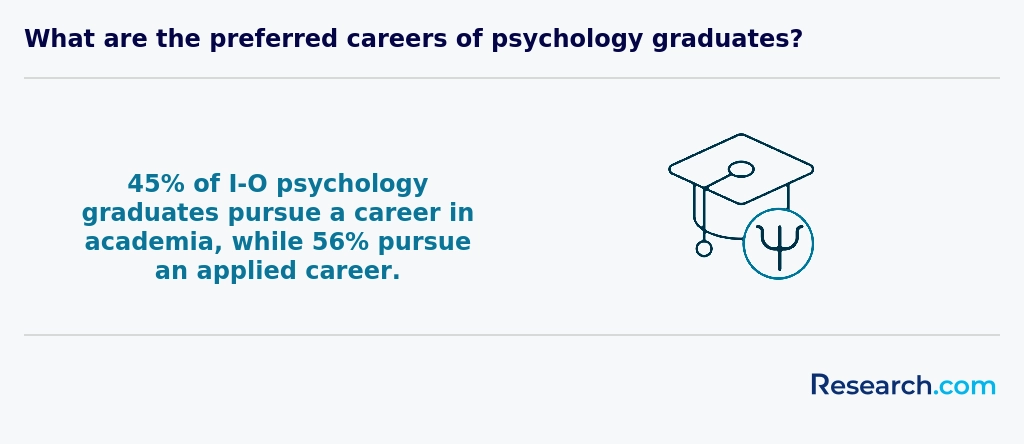
Graduates with a psychology degree in Mankato have access to a diverse range of career paths. Many find rewarding roles as mental health counselors or therapists, supported by local facilities such as the Mankato Clinic Behavioral Health unit. These positions allow graduates to make a tangible difference in community mental health. Others utilize their psychology degree career options in Mankato by pursuing social work, often requiring additional qualifications, where they collaborate on child welfare and healthcare integration initiatives.
Some psychology graduates in Mankato leverage their knowledge by entering human resources or organizational development roles, helping local businesses enhance workplace culture and training programs. Those committed to advanced study often pursue licensure as school psychologists or licensed psychologists, benefiting from Minnesota's clear pathways to practice after earning graduate degrees. Graduates from universities in Mankato frequently share positive experiences regarding career preparation and support networks, which foster professional growth.
For students seeking flexible education alternatives, programs like the best online associate degree in 6 months provide additional avenues to enter psychology-related fields quickly. Jobs for psychology graduates in Mankato continue to grow, reflecting both local and national demand.
The psychology degree job market Mankato offers promising employment opportunities driven by the city's strong healthcare and educational sectors. Graduates from local universities often secure roles in clinical psychology, counseling, and behavioral health at institutions like the Mayo Clinic Health System or within Mankato's school districts. Many graduates describe a rewarding experience applying their knowledge in real-world settings, helping patients and students with mental health challenges.
Career opportunities for psychology graduates in Mankato expand further with licensure, typically requiring graduate education. Those holding only a bachelor's degree might start in entry-level roles such as psychiatric technicians or case managers, but master's or doctoral degrees open doors to higher-paying clinical and counseling positions. The affordable tuition at Minnesota public universities encourages students to pursue advanced degrees locally, enhancing their job prospects.
For students exploring pathways after a psychology degree, considering easy masters degrees online in related fields here provides flexibility that fits demanding schedules while supporting career advancement in Mankato's growing market.
2027 Best Psychology Degree Programs Ranking in Mankato
Investing in your education is a significant decision that can shape your future, and the Research.com team understands the importance of making informed choices. To assist prospective students in Mankato, we have meticulously crafted the "2027 Best Psychology Degree Programs Ranking in Mankato." Our commitment to quality, credibility, and accuracy is reflected in the extensive research and analysis conducted to compile this ranking.
We utilized the following reputable data sources to ensure a comprehensive evaluation of psychology programs:
By exploring this ranking, readers will gain valuable insights into the best psychology degree programs available in Mankato, helping them make well-informed decisions about their educational journeys. For more details on our methodology, please visit our Research.com methodology page.


Frequently Asked Questions About psychology
Students pursuing psychology degrees in Mankato can enhance their learning by actively engaging in both academic and practical opportunities available locally. Minnesota State University, Mankato offers various research projects and internships linked to community mental health organizations, which provide hands-on experience that complements classroom learning.
Joining psychology clubs and attending seminars hosted by university departments helps build professional networks and deepens understanding of contemporary psychological issues. Utilizing the university's counseling centers and participating in peer-led study groups can further reinforce theoretical knowledge.
According to the National Center for Education Statistics, experiential learning can improve retention by up to 75%, making these activities critical for success in Mankato's psychology programs.
The psychology field is rapidly evolving, with several emerging niches gaining traction in recent years. In Mankato, students pursuing psychology degrees are increasingly exploring areas such as neuropsychology, which focuses on brain-behavior relationships, and health psychology, emphasizing behavioral factors in physical health. Another growing niche is forensic psychology, where professionals assist in legal matters by applying psychological principles.
Industrial-organizational psychology also sees rising interest due to its role in improving workplace environments. According to the Bureau of Labor Statistics, neuropsychology jobs are expected to grow by 10% through 2030, signaling promising opportunities for graduates in Mankato and beyond.
Graduates with a psychology degree in Mankato can improve their job prospects by gaining practical experience while still in school. Internships at local clinics, schools, or social service agencies provide valuable hands-on skills recognized by employers. Networking through organizations like the Minnesota Psychological Association and attending job fairs hosted by Minnesota State University, Mankato, also helps build professional connections.
Many psychology roles require certification or further education. Students should consider pursuing licensure paths such as Licensed Professional Clinical Counselor (LPCC) or Licensed Psychologist as these credentials boost employability in Minnesota's competitive job market.
According to the U.S. Bureau of Labor Statistics, employment for psychologists in Minnesota is projected to grow by 14% through 2030, signaling strong demand for qualified graduates.
Employers in Mankato seek several key skills in psychology degree graduates to meet local job market demands. Critical thinking and analytical abilities are essential, enabling graduates to assess client needs and interpret behavioral data effectively. Strong communication skills, both written and verbal, are highly valued for clear interaction with clients and colleagues.
Additionally, proficiency in research methods and statistical analysis is important. According to the Bureau of Labor Statistics, psychology-related roles typically require familiarity with data interpretation. In Mankato, where applied psychology in schools and healthcare is prominent, empathy and cultural competence are increasingly prioritized.
Practical experience gained through internships or fieldwork can significantly improve job prospects in the region.
Finding psychology internships in Mankato involves exploring local resources such as Minnesota State University, Mankato, which often partners with community organizations. Students can access career services that list internship opportunities with mental health clinics, hospitals, and social service agencies in the area.
Another effective strategy is to connect with local healthcare providers and private practices specializing in psychology or counseling, as they frequently offer internship placements for students seeking hands-on experience.
The Minnesota Psychological Association and regional job boards can also be valuable in identifying internships relevant to psychology majors. Early communication with academic advisors greatly increases the chances of securing a position.
A psychology degree in Mankato can significantly enhance career mobility and advancement opportunities. Graduates often find roles in healthcare, education, social services, and business sectors, where understanding human behavior is valuable. According to the U.S. Bureau of Labor Statistics, psychologists and related professions are expected to grow 8% nationally through 2030, reflecting steady demand.
Mankato's growing community health services and schools seek qualified psychology graduates, offering roles that require at least a bachelor's degree, with better advancement prospects for those holding a master's or higher.
Local employers value internships and practical experience obtained through Mankato's college programs, often leading to career advancement. Networking within Mankato's professional organizations also supports job growth.
Studying for a psychology degree in Mankato offers strong preparation for interdisciplinary roles by combining core psychology principles with practical applications. Local programs often emphasize collaboration with fields like social work, education, and healthcare, reflecting workforce needs in southern Minnesota.
Students engage in coursework and internships that promote skills in communication, critical thinking, and data analysis. For example, Minnesota State University, Mankato, includes applied projects that intersect with community services and human resources. This hands-on approach builds versatile professionals ready to work in diverse settings.
The region's growing mental health and social service sectors provide ample opportunities for psychology graduates to contribute beyond traditional clinical roles, supporting integration across disciplines.
When choosing between a thesis and a non-thesis psychology degree program in Mankato, it is important to consider your career goals and learning preferences. A thesis option typically involves conducting original research and writing a detailed paper, which is ideal for students aiming for doctoral studies or research-focused careers. The University of Minnesota Mankato, for instance, offers such options that require strong research skills.
In contrast, a non-thesis program usually emphasizes practical knowledge over research and may include more coursework or internships. This path suits students targeting professional practice or immediate employment in psychology-related fields. According to U.S. Department of Education data, non-thesis degrees often allow faster completion times.
Consider your long-term plans, time commitment, and interest in research before making a decision.
Students based in Mankato seeking to study psychology abroad have several structured pathways through local universities. Minnesota State University, Mankato, for example, offers study abroad partnerships with institutions in Europe and Asia, allowing psychology majors to earn credits overseas while maintaining progress toward their degree. These programs typically last a semester and integrate cultural immersion with academic coursework.
Additionally, students can explore exchange programs facilitated by Minnesota State University, which cover many destinations with curricula aligning closely to U.S. psychology standards. Participation rates in study abroad programs for psychology students nationwide remain around 10%, indicating a growing interest in international experience, as reported by the Institute of International Education (IIE).
Financial aid and scholarships specific to study abroad are often available to psychology students attending Mankato-based institutions. Thus, while no psychology degrees are offered fully abroad for Mankato residents through local schools, structured study abroad options supplement their education with international perspectives.
Students pursuing psychology degrees in Mankato can benefit from various part-time job opportunities that enhance academic learning with practical experience. Local hospitals and community mental health centers often hire part-time behavioral health aides or support staff, providing exposure to clinical environments. The Minnesota Department of Health reports that such roles support understanding of patient care and psychological assessment.
Additionally, Mankato's educational institutions sometimes offer positions as research assistants or tutors in psychology courses. These jobs strengthen research skills and deepen subject knowledge. Retail and customer service roles also help develop interpersonal skills relevant to psychology careers.
Engagement with social service organizations in Mankato allows students to observe case management and counseling functions, fostering applied learning in social psychology.
Psychology students in Mankato benefit from several strong networking opportunities, primarily through Minnesota State University, Mankato, which is the region's leading institution for this field. The university frequently hosts events, workshops, and guest lectures that connect students with local psychologists and mental health professionals. Participation in the Psychology Student Association provides additional chances to meet peers and faculty actively engaged in research and clinical practice.
Local internships and practicum placements in Mankato's healthcare facilities and community organizations also help students build professional networks. According to the university's recent data, over 70% of psychology undergraduates secure internships during their studies, facilitating direct industry connections.
Furthermore, students have access to regional conferences and psychology-related events in the broader Minneapolis-St. Paul area, expanding networking beyond Mankato itself.
Alumni networks play a crucial role in supporting psychology degree students in Mankato. Graduates from local universities, such as Minnesota State University, Mankato, often stay connected through these networks, fostering a community of professionals.
These connections offer mentorship opportunities, guiding current students through academic and career decisions. According to data from the National Association of Colleges and Employers, students with strong alumni ties are 20% more likely to secure internships.
Moreover, alumni networks facilitate access to job openings in the regional mental health and counseling sectors, which are significant employers in southern Minnesota. Networking events and workshops also help students develop skills beyond the classroom.
In Mankato, students pursuing a psychology degree often have various options to tailor their studies according to career objectives. Many programs offer elective courses that focus on areas like clinical, counseling, or industrial-organizational psychology, allowing students to deepen expertise in their chosen field. Internships and research opportunities are also common, providing practical experience and networking benefits.
The Minnesota State University, Mankato psychology department emphasizes hands-on learning and flexibility. Students can often choose from minors or certificates in related fields, such as human services or social work, to broaden their career readiness.
Customization through these academic choices supports alignment with career goals, whether in mental health services, human resources, or research. According to the Bureau of Labor Statistics, psychology-related roles in Minnesota are projected to grow by 8% through 2030, highlighting the value of a tailored education.
Psychology students in Mankato often face challenges related to balancing rigorous coursework with practical experience. Many programs emphasize fieldwork or internships, which can be time-consuming alongside classes. According to the Minnesota State University, Mankato, psychology majors dedicate significant hours weekly to research projects and clinical practice.
Another common challenge is understanding complex theories while developing strong analytical skills. Students must also navigate the competitive nature of graduate school admissions or jobs in psychology-related fields. Limited local opportunities for specialized internships can make gaining diverse experience more difficult.
Financial constraints and managing stress are additional hurdles frequently reported by students pursuing psychology degrees in the Mankato area.
With a psychology degree in Mankato, graduates can pursue several professional certifications to enhance their career prospects. Common certifications include becoming a Licensed Professional Clinical Counselor (LPCC) or a Licensed Psychologist, both requiring graduate education and supervised experience. The Minnesota Board of Psychology oversees licensure within the state, ensuring requirements are met.
Additionally, certifications like Certified Alcohol and Drug Counselor (CADC) are popular, addressing substance abuse issues prevalent in the region. Opportunities also exist for school psychology certification, aligning with local educational needs. According to the Minnesota Department of Employment and Economic Development, mental health professions are expected to grow steadily in southern Minnesota through 2030.
To write a winning application for a psychology program in Mankato, begin by clearly demonstrating your passion for psychology and your understanding of its practical applications. Highlight relevant coursework, volunteer work, or internships that showcase your commitment. Minnesota State University, Mankato, offers competitive psychology programs, so emphasize your academic achievements, such as a strong GPA and standardized test scores if required.
Include a well-crafted personal statement that explains your career goals and why studying psychology in Mankato suits your objectives. Research local psychology faculty interests to align your application with the program's strengths. Additionally, secure strong letters of recommendation from professors or professionals familiar with your academic or work ethic.
Psychology careers in Mankato reflect broader global trends emphasizing mental health and behavioral research. The U.S. Bureau of Labor Statistics reports a steady 8% growth in psychology jobs nationally through 2031, driven by increased awareness of mental health issues worldwide. Professionals trained in Mankato can expect to join a global network addressing diverse psychological challenges.
Globally, psychology integrates cultural competence, social factors, and neuroscience. U.S. degrees, including those offered near Mankato, emphasize evidence-based practices aligned with international standards, facilitating work opportunities abroad or with international populations.
According to the American Psychological Association, about 67% of psychology graduates pursue careers in clinical, counseling, or research roles, which are in growing demand internationally. Understanding global perspectives helps local students see the wider impact of their future profession.
Students pursuing a psychology degree in Mankato can gain practical experience through internships and volunteer opportunities at local clinics, hospitals, and community centers. Minnesota State University, Mankato, often partners with nearby mental health organizations to provide supervised clinical placements.
Additionally, many programs encourage joining research projects, which helps develop critical skills in data collection and analysis. According to the U.S. Bureau of Labor Statistics, hands-on experience significantly improves employment prospects in psychology-related fields.
Networking with professors and attending local psychology association meetings can also open doors to practical work. Engaging in campus counseling centers or outreach programs offers valuable real-world experience while studying.
Choosing the right concentration within a psychology degree program in Mankato involves assessing your career goals and interests. Many local programs, like those offered at Minnesota State University, provide tracks such as clinical, counseling, developmental, or industrial-organizational psychology. Each has distinct career outcomes and skill sets, so consider which aligns with your aspirations.
Review course offerings and faculty expertise carefully. For example, clinical concentrations often include practicum experiences at nearby health facilities, while industrial-organizational tracks may focus on workplace behaviors and management theories. Local job market trends show growing demand in mental health services and human resources sectors, relevant for certain concentrations (U.S. Bureau of Labor Statistics, 2023).
Additionally, consult academic advisors and seek internships for practical insight. Tailoring your concentration to both personal interests and employment opportunities in Mankato enhances your educational value and future career prospects.
- 2027 Best Psychology Degree Programs Ranking in Minneapolis
- 2027 Best Psychology Degree Programs Ranking in Saint Paul
- 2027 Best Psychology Degree Programs Ranking in Lincoln
- 2027 Best Psychology Degree Programs Ranking in Kansas City
- 2027 Best Psychology Degree Programs Ranking in Chicago
- 2027 Best Psychology Degree Programs Ranking in Notre Dame
- 2027 Best Psychology Degree Programs Ranking in Saint Louis
- 2027 Best Psychology Degree Programs Ranking in Wichita
- 2027 Best Psychology Degree Programs Ranking in Springfield
- 2027 Best Psychology Degree Programs Ranking in Fort Wayne
See What Experts Have To Say About Studying Psychology
Read our interview with Psychology experts

Elizabeth L. Jeglic Ph.D.
Psychology Expert
Professor of Psychology
City University of New York

Robin M. Kowalski. Ph.D.
Psychology Expert
Professor of Psychology
Clemson University

Catherine Caldwell-Harris, Ph.D.
Psychology Expert
Associate Professor of Psychology
Boston University

- Psychology https://www.mnsu.edu/programs/psychology/
- Psychology Career Opportunities https://hss.mnsu.edu/academic-programs/psychology/careers/
- Mental Health Challenges Faced by Psychology Students | The Healthcare Guys https://healthcareguys.com/2023/11/23/mental-health-challenges-faced-by-psychology-students/
- Psychology Online Degree Pathway https://www.learndirect.com/course/psychology-online-degree
- Minnesota State University-Mankato https://mastersinpsychologyguide.com/schools/minnesota-state-university-mankato/
- Jobs With A Bachelor's Degree In Psychology https://www.psychology.org/resources/jobs-with-a-bachelor-of-arts-in-psychology/
- Bachelor of Science in Psychology https://www.alfabetaglobal.com/schools/minnesota-state-university-mankato/programs/bachelor-of-science-in-psychology-4eba82c7-6c9a-46e0-a3db-83b96942591a
- Alumni Perspectives - Meet Our FPN Alumni https://www.aanmelder.nl/alumni-perspectives-june-2023
- Psychology at Minnesota State University-Mankato https://www.vaia.com/en-us/degrees/universities/minnesota-state-university-mankato/psychology-at-minnesota-state-university-mankato/
- Psychology - SWPS University https://english.swps.pl/academics/warsaw/ba-programs/psychology