2027 Most Affordable Psychology Degree Programs Ranking in Philadelphia

Co-Founder and Chief Data Scientist
Choosing the right psychology degree program in Philadelphia can feel overwhelming. That's why this article offers the 2027 Most Affordable Psychology Degree Programs Ranking in Philadelphia, developed by the Research.com team of data scientists.
This ranking helps you identify quality programs that won't break the bank, making your educational journey more manageable.
Exploring psychology brings rewarding personal growth and opens doors to meaningful careers. This guide supports your decision-making with clear, trustworthy information tailored for local students like you.
Key benefits of getting psychology degree in Philadelphia
- Psychology graduates in Philadelphia can pursue rewarding careers such as Human Resources Specialists earning an average of $76,060 annually or Marketing Research Analysts with a mean salary of $83,190, offering strong financial stability.
- A psychology degree opens diverse career paths, from clinical roles like Clinical Research Associate earning about $62,370 to research-focused positions, ensuring graduates find fulfilling work that matches their passion.
- Completing a psychology degree online from a local university allows flexibility for busy students and professionals, making education more accessible while maintaining quality and opening doors to various career opportunities.
- 2027 Most Affordable Psychology Degree Programs Ranking in Philadelphia
- What can I expect from psychology degree in Philadelphia?
- Where can I work with psychology degree in Philadelphia?
What can I expect from psychology degree in Philadelphia?
The average cost of a psychology degree in Philadelphia varies significantly based on whether students attend public or private institutions. Graduates from public universities such as Temple University often report more affordable tuition rates, typically ranging between $10,000 and $15,000 per year for in-state students. This accessibility allows many to pursue their degrees without overwhelming financial burdens.
Conversely, students attending private schools like Drexel University may face higher tuition costs, often exceeding $30,000 annually. Despite the higher price, graduates emphasize the value of access to specialized doctoral programs and extensive practicum opportunities, which enhance their clinical skills and career readiness.
Many psychology students also highlight the benefit of financial aid packages, scholarships targeted for psychology majors, and federal grants that effectively reduce overall expenses. This support plays a crucial role in enabling students to focus on rigorous coursework and hands-on internships at institutions affiliated with medical centers such as the Children's Hospital of Philadelphia, enriching their training without excessive financial stress.
Where can I work with psychology degree in Philadelphia?
Psychology graduates in Philadelphia find diverse career opportunities across multiple sectors. Many secure roles in healthcare settings like the University of Pennsylvania Health System or Thomas Jefferson University Hospitals, where they apply clinical skills as psychologists or mental health counselors supporting patients. Graduates often share positive experiences working in these dynamic environments, reinforcing their passion for patient care and evidence-based practice.
Community mental health agencies, such as the Philadelphia Department of Behavioral Health and Intellectual disAbility Services (DBHIDS), also employ graduates in therapy and case management roles. With over 4,500 mental health professionals currently employed in the region per May 2023 BLS data, job growth prospects appear promising.
Educational institutions provide additional pathways, with school psychologists in the School District of Philadelphia supporting student development. Graduates from Temple University and Drexel University frequently highlight rewarding research opportunities in academic settings, contributing to behavioral health and program evaluation projects.
Moreover, the local business sector values psychology expertise for human resources and market research positions, reflecting about 2,000 social science workers in Philadelphia. Graduates express satisfaction in applying psychological insights to improve workplace culture and consumer understanding, showing the degree's versatile value.
Psychology graduates in Philadelphia can expect varying salaries based on their chosen career path and degree level. For example, those working as Human Resources Specialists, a common role for psychology graduates, earn a mean annual wage of about $76,060 in this region. Graduates aiming for roles in market analysis, such as Marketing Research Analysts, see even higher average salaries near $83,190 per year, reflecting strong demand in business sectors.
Entry-level positions related to research, like Clinical Research Associates or Survey Researchers, typically earn around $62,370 annually. Psychology graduates from institutions like the University of Pennsylvania or Temple University have leveraged these roles to gain valuable experience that enhances their career growth and salary potential in Philadelphia's competitive job market.
Childcare Worker roles, often a first step for psychology graduates interested in child development, have lower mean wages, approximately $32,070 per year. Overall, Philadelphia's diverse employment opportunities allow psychology graduates to match their salary expectations with their personal interests and advanced skills acquired during their academic journey.
- The cost for a bachelor's degree in psychology in Philadelphia ranges from about $14,000 to over $40,000 per year, depending on whether the school is public or private.
- Entry-level psychology graduates with a bachelor's degree earn around $40,000 to $50,000 annually in Philadelphia.
- Licensed clinical psychologists in the area earn between $75,000 and $100,000 per year, with specialists potentially earning more.
- The job market is stable, with demand growing in clinical, counseling, school, and industrial-organizational psychology fields.
- Licensing requires completing supervised clinical hours and passing the Examination for Professional Practice in Psychology (EPPP) in Pennsylvania.
Completing a psychology degree in Philadelphia typically aligns with national patterns but offers unique local nuances. For a bachelor's degree, students at institutions like Temple University often finish in about four years, engaging deeply with foundational theories and research methods across roughly 120 credits. Graduates describe balancing coursework with internship opportunities in the city's rich mental health landscape, which enhances their practical understanding while maintaining a steady pace.
Master's programs, such as those at the University of Pennsylvania, usually require 1.5 to 3 years. Depending on full-time or part-time enrollment, students pursuing specialties like counseling psychology appreciate the flexibility and rigorous curriculum that prepares them for diverse careers. Many grads value the supportive academic community alongside Philadelphia's professional networks.
Doctoral degrees (PhD or PsyD) demand 5 to 7 years and involve advanced research, clinical internships, and dissertation work. Students often highlight the rewarding challenge of integrating extensive research with practical application, gaining state licensure eligibility. The city's accredited programs balance theory with hands-on experience, helping candidates thrive professionally.
To make an informed decision about pursuing a psychology degree, it's essential to consider the parameters that define an affordable psychology school. Choosing a psychology program that fits your financial situation is vital, and understanding what constitutes affordability can significantly influence your academic and professional trajectory. When evaluating psychology schools, particularly in states like Pennsylvania, the cost of tuition, availability of financial aid, and potential return on investment are critical factors. For instance, an affordable psychology school in Pennsylvania can offer competitive tuition rates, scholarships, and internship opportunities that not only reduce the financial burden but also provide hands-on experience. This balance between affordability and quality education is what aspiring psychologists should look for. By prioritizing affordability without compromising on the quality of education, students can set themselves up for success in their future careers, whether in clinical psychology, research, or other related fields.
Choosing between online and on-campus psychology degrees in Philadelphia mainly involves differences in class delivery, cost, and experiential learning opportunities. For instance, on-campus students at Temple University or Drexel University attend in-person classes, gaining direct access to faculty and local resources like counseling labs. Graduates often describe these face-to-face interactions as enriching, helping them network within Philadelphia's mental health community.
Conversely, online psychology programs offer flexibility that appeals to working adults or those managing families, allowing students to study on their own schedule. While tuition for on-campus programs ranges from about $12,000 at public schools to $35,000 at private institutions annually, online degrees typically reduce costs by eliminating commuting and housing fees, though some may add technology charges.
Internships remain crucial; campus-based students benefit from easier placement in local clinics and hospitals, whereas online students must actively secure experiences independently. Both formats maintain accreditation standards, ensuring educational quality regardless of delivery method within Philadelphia's psychology education landscape.
Philadelphia’s psychology programs are distinguished by faculty members whose pioneering research and clinical expertise elevate the learning experience. At Temple University, professors like Dr. Sarah Mitchell-an authority on developmental psychopathology-lead labs investigating adolescent resilience. Meanwhile, the University of Pennsylvania’s faculty includes Dr. Kevin Brown, whose work in cognitive neuroscience has garnered NIH grants and international recognition. These instructors not only publish in top-tier journals but also mentor students in grant‐supported projects, ensuring undergraduates and graduates alike contribute to meaningful scholarship. Hands‐on research is embedded in Philadelphia’s curricula, from psychophysiology studies in Penn’s Neuroscience Center to Temple’s Community Mental Health Lab, where students collaborate on interventions for at‐risk populations. Regular faculty‐student seminars foster dialogue on emerging trends-such as digital therapy platforms-while paired‐mentor programs guarantee personalized feedback on research proposals and conference presentations. This emphasis on mentorship cultivates critical thinking and enhances graduate school and job market competitiveness. For prospective students seeking cost‐effective options beyond Pennsylvania, consider exploring our Inexpensive Psychology Degree Programs Ranking in Iowa, which highlights institutions with strong faculty engagement and research opportunities at lower tuition rates. By combining Philadelphia’s renowned expert mentors with clear pathways to publication and clinical practice, these programs deliver both academic rigor and practical skills critical for a thriving career in psychology.
The average cost of a psychology degree in Philadelphia varies depending on the institution and residency status. Median total costs for completing a psychology program in the city stand at around $67,543 for out-of-state students, while in-state students typically pay closer to $47,505. Graduates from public universities, such as Temple University and Drexel University, often experience more affordable tuition rates compared to students attending private institutions like the University of Pennsylvania.
For example, many psychology graduates recall balancing the challenging coursework with the financial commitment, feeling a mix of pride and relief upon completing their degrees at a manageable cost through available financial aid. Drexel University's Clinical Psychology PhD, with tuition near $1,200 per credit hour and programs often requiring 60+ credits, illustrates the higher end of graduate costs. However, these programs frequently offer assistantships, easing the financial burden and providing valuable practical experience.
Considering the average cost of psychology degree in Philadelphia means factoring in not only tuition but also living expenses, which can reach approximately $12,000 per year. Students who carefully budget and explore scholarships can find ways to make their education feasible. For those seeking options, it's worth reviewing a wide range of affordable psychology degree programs Philadelphia offerings, including the affordable psychology school in Pennsylvania, to reduce overall costs while pursuing a rewarding psychology career.

Philadelphia’s psychology programs not only offer robust academic curricula but also emphasize comprehensive student support services that empower learners to excel both academically and professionally. Many institutions provide tailored academic advising, mental health services, tutoring, and career counseling designed to address each student's unique needs. These support systems create a nurturing environment that fosters personal growth, resilience, and effective learning strategies. Equally important, schools offer career centers that connect students with internships, research opportunities, and networking events, ensuring a smooth transition from classroom theory to real-world practice. Additionally, aspiring professionals can explore further educational opportunities, such as pursuing psychology masters degrees online, to enhance their qualifications and career prospects. This combination of academic support and practical career guidance is essential for cultivating the next generation of psychological experts in Philadelphia.
Students pursuing psychology degrees in Philadelphia commonly access federal aid such as Pell Grants, which provide up to $7,395 per year for eligible undergraduates. Federal Direct Subsidized and Unsubsidized Loans are also available, offering manageable interest rates and flexible repayment, essential for managing costs amid tuition that can reach $15,000 annually at public institutions.
State grants like the Pennsylvania State Grant, averaging $4,100, benefit many Philadelphia residents enrolled at schools such as Temple University and Drexel University. Graduates from these programs often recall how these awards, combined with merit-based scholarships, eased tuition burdens while enhancing their academic focus.
Merit scholarships from local universities also play a critical role, sometimes covering partial tuition or subsidizing psychology-related internship costs. For example, graduates have credited scholarships for enabling valuable research experiences and paid clinical internships within Philadelphia's vibrant academic ecosystem.
External scholarships from organizations like the American Psychological Association provide additional funding ranging between $1,000 and $5,000. Combined with paid work-study jobs, these resources empower Philadelphia psychology students to afford their education while gaining relevant professional experience.
Accreditation is the benchmark of quality for psychology degree programs, signaling that an institution meets rigorous academic and ethical standards. In Philadelphia, prospective students should verify both institutional accreditation-typically from regional bodies like the Middle States Commission on Higher Education-and programmatic accreditation from the American Psychological Association (APA) for doctoral-level training. APA-accredited programs ensure that the curriculum, faculty credentials, and practicum experiences align with national licensure requirements, smoothing the path toward becoming a licensed psychologist. Key Accreditation Considerations:
- Regional vs. National Accreditation: Regional accreditation is universally recognized by employers and graduate schools. National accreditation may cover specialized or career-focused institutions but often has limited transferability.
- Programmatic (APA) Accreditation: Only APA-accredited doctoral programs qualify graduates to sit for the Examination for Professional Practice in Psychology (EPPP) in most states.
- State Licensure Requirements: Pennsylvania mandates specific coursework, supervised clinical hours, and successful completion of the EPPP. Always consult the Pennsylvania State Board of Psychology for up-to-date regulations and required postdoctoral supervision periods. For students balancing work and study, hybrid formats can offer flexibility without compromising accreditation standards. Explore apa accredited hybrid psyd programs to find options that blend online coursework with in-person practicum placements, ensuring you meet both academic and clinical training benchmarks for licensure.
To enroll in a psychology degree program in Philadelphia, applicants generally must meet standard academic prerequisites alongside local institutional requirements. For undergraduate admissions, a high school diploma with strong grades in biology, mathematics, and English is essential, reflecting the foundational knowledge needed for psychology coursework. Popular universities like the University of Pennsylvania and Temple University often expect SAT or ACT scores, although some have adopted test-optional policies to ease access.
Graduate psychology programs in Philadelphia typically require a completed bachelor's degree, often preferring one in psychology but accepting related fields such as sociology or biology. A minimum GPA around 3.0 is common, illustrating academic competence. Many graduates from local colleges recall that letters of recommendation and a clear, well-crafted statement of purpose highlighting their research interests were crucial to their acceptance.
Relevant experience, especially in mental health settings, enhances candidates' applications significantly. Some programs still require GRE scores, but several Philadelphia institutions waive this to focus more on holistic candidate evaluation, increasing accessibility for diverse applicants.

Choosing the right program goes beyond cost-it must meet Pennsylvania’s strict standards for professional practice.
- Accreditation: Enroll in programs accredited by the American Psychological Association (APA) or regional accreditors to qualify for licensure.
- Degree Requirements: A doctoral degree (PhD or PsyD) is required for independent practice; certain counseling positions accept a master’s degree.
- Supervised Experience: Complete 1,500–2,000 hours of supervised clinical work under a licensed psychologist, as mandated by the Pennsylvania State Board of Psychology.
- Examinations: Pass the national Examination for Professional Practice in Psychology (EPPP) plus any state-specific jurisprudence exams.
- Continuing Education: Renew your license every two years with at least 30 hours of approved continuing education, including ethics and specialty training.
For students exploring expedited programs, an accelerated psychology degree can fast-track your path-just ensure it aligns with APA and state board requirements.
Psychology degree programs in Philadelphia commonly include core courses such as introduction to psychology, covering fundamental principles, history, and major contributors to the field. Students at popular institutions like Temple University often reflect on how this course provided a clear framework for understanding human behavior in daily interactions.
Research methods and statistics are essential, teaching students to design studies and analyze data accurately. Graduates frequently describe these skills as empowering, supporting their ability to critically evaluate information in internships or lab work.
Biological psychology, linking brain functions to behavior, is another key area. At Drexel University, students appreciate learning how neuroscience concepts illuminate conditions like anxiety and memory disorders, making theoretical knowledge highly relatable.
Developmental psychology offers insights into human growth across life stages, resonating with students passionate about lifespan changes seen in families or communities. Courses in social and cognitive psychology further sharpen understanding of interactions and mental processes, directly applicable to real-world problem-solving in clinical or organizational settings.
Applied psychology classes-clinical, counseling, or industrial-organizational-offer hands-on learning through practicum experiences. Philadelphia students value these opportunities, feeling confident in their career preparation within the city's diverse professional landscape.
Psychology degrees in Philadelphia commonly include specializations tailored to local workforce needs and academic strengths. Popular tracks include Clinical Psychology, which prepares graduates for licensure to diagnose and treat mental health disorders-a critical focus given the strong demand in Philadelphia's healthcare sector. Counseling Psychology also attracts many students, emphasizing therapeutic support in schools and community centers. Industrial-Organizational Psychology is notable for its relevance to Philadelphia's corporate and healthcare industries, offering graduates opportunities to influence workforce productivity and satisfaction.
Graduates often reflect positively on specialized experiences gained through university partnerships with local hospitals and legal institutions. Forensic Psychology students, for example, benefit from Philadelphia's courts, gaining hands-on understanding of psychology's role in justice. Developmental Psychology, popular at several Philadelphia colleges, engages students interested in human growth across the lifespan, while Neuropsychology provides advanced study linked to prominent research hospitals.
Those exploring the best psychology concentrations in Philadelphia may also consider flexible options like psychology masters degrees online, which accommodate career-focused learners seeking quality education aligned with the city's strong clinical and research environments.
Choosing the best psychology degree in Philadelphia involves evaluating factors like degree level, cost, and program focus. Graduates from local institutions such as Temple University often appreciate the affordable psychology degree programs Philadelphia offers, with public in-state tuition averaging around $10,000 annually compared to private universities nearing $35,000. This cost difference plays a major role in decision-making for many students.
Program reputation and accreditation are also critical. Doctoral programs need American Psychological Association accreditation for licensure, a requirement met by many highly rated schools in the city. Graduates highlight the value of strong faculty involvement and research experiences, especially in clinical or cognitive psychology tracks.
Flexibility and hands-on opportunities enhance student satisfaction; for example, evening classes allow working professionals to study effectively. Philadelphia students often benefit from rich local internship options in healthcare and social services. For those seeking hybrid formats, consider exploring apa accredited hybrid psyd programs, which blend online and in-person learning while maintaining rigorous standards.
Ultimately, identifying the best psychology colleges in Philadelphia means balancing academic rigor, practical experience, and affordability based on your career goals.
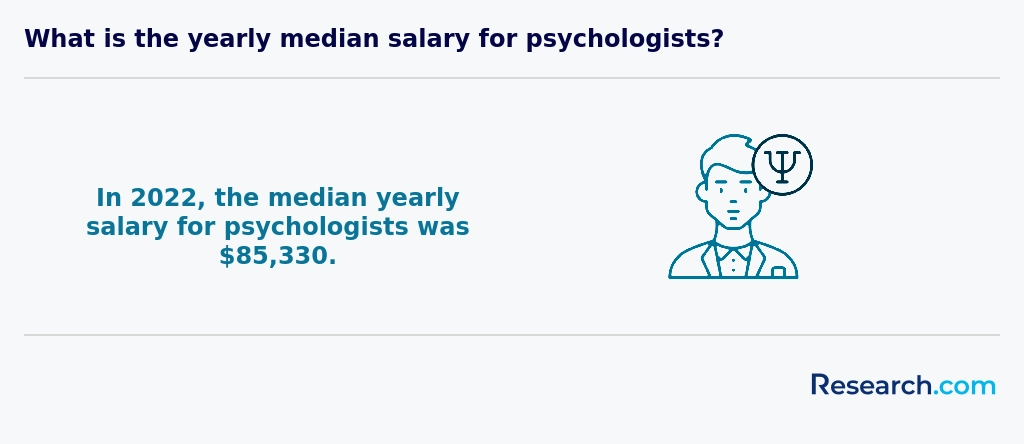
Graduates of psychology programs in Philadelphia enjoy a range of career paths reflective of the city's robust healthcare, educational, and research sectors. Clinical and counseling psychology roles are prominent, with many licensed professionals employed in local medical centers, community clinics, and private practices. These positions require advanced degrees and licensure, with a median annual salary near $80,000, underscoring the demand for highly skilled practitioners.
Beyond clinical roles, there are many jobs for psychology graduates Philadelphia offers, such as school psychologists supporting student well-being in public and private schools, and industrial-organizational psychologists who enhance workplace environments in local businesses. Additionally, research assistants at universities like Drexel University and Temple University contribute to advancing psychological science through behavioral studies. Social service providers also play a vital role working with nonprofits to assist vulnerable populations.
Students at these universities report that the practical training and networking opportunities available locally significantly enhance their career prospects. Considering the financial investment in psychology education, many consult rankings such as the Inexpensive Psychology Degree Programs Ranking in Iowa to wisely plan their educational expenses.
The psychology degree job outlook Philadelphia offers shows promising opportunities fueled by the city's expansive healthcare and educational sectors. Graduates from well-known institutions in Philadelphia often find roles in clinical psychology, school-based services, and research within hospitals or universities. Salaries are competitive, with the median annual wage around $82,000, slightly below the national average but reflecting local cost of living. Many graduates pursue advanced degrees to increase their earning potential and access specialized fields like neuropsychology or organizational psychology.
Career opportunities for psychology graduates Philadelphia are diverse, supported by a growing awareness of mental health needs and expanded insurance coverage. Recent graduates from prominent Philadelphia colleges express optimism about securing positions in counseling services or social agencies. The city's strong demand aligns well with the skillsets acquired during rigorous psychology programs. Those mindful of education costs often seek affordable options through public universities or consider 6 month certificate programs for high paying jobs to complement their qualifications.
2027 Most Affordable Psychology Degree Programs Ranking in Philadelphia
Investing in your education is a significant decision that can shape your future, and the Research.com team understands the importance of making informed choices. To assist prospective students in Philadelphia, we have meticulously created the "2027 Most Affordable Psychology Degree Programs Ranking in Philadelphia." Our commitment to quality, credibility, and accuracy is demonstrated by the thorough research and analysis we conducted to compile this ranking.
We utilized the following reputable data sources to ensure a comprehensive evaluation of psychology degree programs:
By exploring this ranking, readers will gain valuable insights into the most affordable psychology degree programs in Philadelphia, helping them make confident and well-informed decisions about their educational investments. For more details on our methodology, please visit our Research.com methodology page.


Frequently Asked Questions About psychology
Psychology degree students in Philadelphia can enhance their learning by actively engaging in local research opportunities. Institutions like the University of Pennsylvania offer access to cutting-edge labs where students can participate in studies on cognitive and clinical psychology. Gaining hands-on experience helps solidify theoretical knowledge.
Networking through Philadelphia's vibrant psychological associations, such as the Delaware Valley Psychological Association, allows students to connect with professionals and attend seminars. These interactions provide insights into current industry practices and career paths.
Additionally, pursuing internships at nearby hospitals or community centers familiarizes students with diverse populations, a critical aspect of psychological training in urban settings.
The psychology field is evolving rapidly, with emerging niches that reflect changing societal needs and technological advancements. In Philadelphia, rising interest is seen in neuropsychology, which explores brain-behavior relationships and benefits from collaborations with local medical centers like the University of Pennsylvania Health System. Another growing area is health psychology, focusing on how mental and physical health interact, particularly important in urban settings.
Additionally, forensic psychology is expanding, supported by Philadelphia's legal institutions, providing expertise in criminal behavior analysis. Industrial-organizational psychology also gains traction as businesses seek to improve workforce efficiency and satisfaction.
According to the U.S. Bureau of Labor Statistics, employment in specialized psychology roles is expected to grow by 14% nationally through 2031, signaling strong opportunities in these niches for Philadelphia students.
Preparing for the job market after completing a psychology degree in Philadelphia involves a combination of practical experience, networking, and continued education. Many graduates find internships or volunteer positions in local hospitals, schools, and counseling centers essential for gaining hands-on experience. According to the Pennsylvania Department of Labor, the Philadelphia metropolitan area expects a 12% growth in psychology-related jobs through 2030, highlighting expanding opportunities.
Networking through organizations such as the Philadelphia Psychological Association can connect graduates with local professionals and job openings. Additionally, pursuing certifications or graduate degrees often improves employability, given that many psychology positions require advanced credentials. Utilizing university career centers and attending local job fairs also supports a smoother transition into the workforce.
Employers in Philadelphia seek psychology graduates with strong critical thinking and analytical skills. These abilities help professionals assess complex behaviors and contribute to effective treatment plans. According to the Bureau of Labor Statistics, psychology roles in the Philadelphia area emphasize proficiency in research methods and statistical analysis.
Communication skills are also essential, as graduates often work with diverse populations in medical, educational, and social service settings. Philadelphia's growing focus on mental health highlights the need for cultural competence and empathy in workplace interactions.
Technical skills, including familiarity with data software and psychological assessment tools, enhance job readiness. The Philadelphia Psychology Association notes these skills improve employment prospects in clinical and counseling roles.
Finding psychology internships in Philadelphia involves several strategic steps. First, students should explore connections through their university's career services, which often maintain listings for local internships and collaborate with Philadelphia-area organizations.
Healthcare facilities like Jefferson Health and the Children's Hospital of Philadelphia regularly offer psychology-related internships, providing hands-on clinical experience. Additionally, community mental health centers and nonprofits in Philadelphia advocate for mental health and can be valuable internship sites.
Networking through professional groups such as the Philadelphia Psychological Association may also help students learn about emerging opportunities. According to the U.S. Bureau of Labor Statistics, internships substantially increase job placement success for psychology graduates in metropolitan areas like Philadelphia.
A psychology degree can significantly impact career mobility and advancement in Philadelphia, a city with a growing demand for mental health professionals. According to the U.S. Bureau of Labor Statistics, employment for psychologists in the Philadelphia metropolitan area is expected to grow by 10% through 2030, faster than the national average.
Graduates with psychology degrees can access diverse sectors, including healthcare, education, and social services. Advanced degrees, such as a master's or doctorate, often lead to higher earning potential and supervisory roles.
Local institutions and hospitals frequently seek professionals with such qualifications, supporting career progression within Philadelphia's competitive job market.
Studying for a psychology degree in Philadelphia offers strong preparation for interdisciplinary roles by integrating diverse academic fields. Many local universities emphasize collaboration across departments such as neuroscience, sociology, and public health, reflecting the city's robust healthcare and research sectors. According to the National Center for Education Statistics, psychology programs in Philadelphia often include coursework or internships that involve data analysis, counseling, and behavioral science.
These programs cultivate skills applicable in interdisciplinary settings such as hospitals, educational institutions, and social services. Philadelphia's rich network of research hospitals like the Children's Hospital of Philadelphia provides students with real-world experience working alongside medical professionals and scientists. This exposure equips graduates with comprehensive knowledge to address complex psychological and social challenges in varied environments.
When choosing between a thesis and a non-thesis psychology degree program in Philadelphia, consider your career goals. Thesis programs are research-intensive, ideal for students aiming for doctoral studies or research careers. Non-thesis options focus more on coursework and practical skills, often suited for those seeking professional roles in counseling or human services.
Philadelphia hosts universities like Temple University and Drexel University that offer both paths. According to the American Psychological Association, students in thesis programs spend 30-40% more time on research activities, which can enhance graduate school applications.
Non-thesis programs usually require internships or capstone projects, giving hands-on experience relevant to local Philadelphia communities.
Students based in Philadelphia who wish to study psychology abroad have several organized opportunities through their local universities. Many Philadelphia institutions, such as the University of Pennsylvania and Temple University, partner with international universities to offer exchange programs and study abroad options specifically within psychology departments. These programs often last one semester or a full academic year, allowing students to earn credit toward their degree while gaining global perspectives on psychological theories and practices.
According to NAFSA, approximately 10% of U.S. psychology undergraduates participate in study abroad experiences, with Philadelphia universities supporting this trend.
Additionally, students can pursue accredited online psychology degrees from foreign universities, benefiting from flexible schedules without leaving their city. For those seeking in-person immersion, programs in the UK, Europe, and Australia remain popular due to English-language instruction and strong psychology research traditions.
Part-time job opportunities in Philadelphia that complement psychology degree education include roles such as research assistants, behavioral health technicians, and peer support specialists. Philadelphia is home to several universities and research institutions, including the University of Pennsylvania and Temple University, where students can find paid research assistant positions that provide hands-on experience with psychological studies.
Behavioral health technician roles in local hospitals and clinics offer direct patient interaction, enhancing applied skills in mental health care. According to the Pennsylvania Department of Labor, these jobs typically pay between $13 and $18 per hour.
Peer support specialist positions, often available through community mental health organizations, allow students to apply counseling skills in real-world settings.
Psychology students in Philadelphia benefit from a diverse and active professional community that supports networking. The city hosts several chapters of national organizations such as the American Psychological Association (APA), where students can attend meetings, workshops, and conferences to connect with practicing psychologists and researchers.
Local universities, including the University of Pennsylvania and Drexel University, often organize career fairs and guest lectures that foster student-professional interaction. Additionally, Philadelphia's many hospitals and clinics provide internship opportunities that serve as valuable networking platforms.
The Greater Philadelphia Psychology Society, an independent regional group, offers networking events specifically designed for students and early-career professionals.
Alumni networks provide significant benefits to psychology degree students in Philadelphia by offering valuable professional connections and mentorship opportunities. Graduates from local universities often engage in these networks, which can help current students access internships, research positions, and job openings in the city's diverse psychological services sector.
According to the Philadelphia Psychological Association, alumni networks facilitate collaboration among professionals, increasing chances for career advancement in clinical, counseling, and research roles.
Additionally, alumni can provide guidance on licensure processes in Pennsylvania, a key step after earning a psychology degree. Networking events and workshops hosted by universities and alumni groups enhance students' knowledge and confidence.
In Philadelphia, customizing your psychology degree to meet career goals is feasible through elective courses and specialized tracks offered by many universities. For instance, students can focus on clinical, counseling, or industrial-organizational psychology depending on their professional interests. Internships and research opportunities at local hospitals and institutions like the University of Pennsylvania allow hands-on experience crucial for specialization.
Many programs also provide flexible scheduling and part-time options, accommodating working professionals. Philadelphia's rich healthcare and research environment supports practical training, enhancing employability. According to the Bureau of Labor Statistics, psychology-related jobs in Pennsylvania are projected to grow 6% from 2022 to 2032, highlighting the importance of tailored education.
Psychology students in Philadelphia often face several challenges during their studies. One major difficulty is balancing rigorous coursework with clinical internships, which are essential for hands-on experience. According to the Philadelphia Higher Education Network for Neighborhood Development (PHENND), this balance is a common stressor among local students.
Another issue is the financial burden. Although Philadelphia offers a variety of psychology programs, many come with high tuition costs and associated fees. In 2023, the average annual tuition for psychology degrees in the area ranged from $15,000 to $40,000, depending on the institution.
Finally, navigating licensing requirements in Pennsylvania presents complexity, as students must complete specific supervised hours and pass standardized exams before practicing professionally.
With a psychology degree in Philadelphia, several professional certifications can enhance your career prospects. Common certifications include the Licensed Professional Counselor (LPC) and Certified Alcohol and Drug Counselor (CADC), both regulated by Pennsylvania's Department of State. These certifications require graduate education plus supervised clinical hours.
Other options include certification as a Behavior Analyst (BCBA), which is in demand regionally due to expanding behavioral health services. The BCBA requires a master's degree, passing an exam, and supervised experience.
Philadelphia employers increasingly value credentials like National Certified Counselor (NCC), which signifies national standards of competency.
According to Pennsylvania Licensing Board data (2023), over 4,000 professionals hold LPC certifications statewide, including a sizable concentration in Philadelphia, highlighting strong local demand.
When applying for a psychology program in Philadelphia, start by researching schools to understand their specific admission requirements and program strengths. Many Philadelphia institutions value a strong academic record, especially in psychology and related sciences. Highlight relevant coursework and maintain a competitive GPA, typically above 3.0, as reported by the National Center for Education Statistics.
Craft a clear, focused personal statement that explains your motivation for studying psychology and connects your experiences to your future goals. Admission committees in Philadelphia often look for candidates demonstrating both academic commitment and community involvement.
Include letters of recommendation from professors or professionals familiar with your work ethic and character. Philadelphia schools emphasize research and clinical experience, so mentioning internships or volunteer work can strengthen your application.
Psychology careers in the United States, including Philadelphia, are influenced by global trends emphasizing multicultural competence and diverse research methodologies. According to the American Psychological Association (APA), there is a growing demand for psychologists trained to work with varied populations, reflecting global migration and cultural exchange.
Philadelphia hosts a diverse community, offering psychology students unique opportunities to engage with different cultural perspectives. The U.S. Bureau of Labor Statistics projects a 10% growth in psychology jobs nationally from 2021 to 2031, aligning with increased mental health awareness worldwide.
Globalization encourages collaboration in researching mental health issues that transcend borders, such as trauma and addiction. Philadelphia's strong academic and healthcare institutions connect well with this international research network, providing local students with a global perspective in their education and careers.
Gaining practical experience while studying psychology in Philadelphia is crucial for career readiness. Many local universities, such as Temple University and Drexel University, offer internship programs with partnerships across the city's healthcare and social service sectors.
Students can participate in clinical internships, research assistant positions, or community-based projects. The Philadelphia Department of Behavioral Health and Intellectual disAbility Services (DBHIDS) often collaborates with educational institutions to provide hands-on training opportunities.
Additionally, psychology students can join research labs to assist faculty with ongoing studies, enhancing both practical and analytical skills. Such experiences help build a strong resume and often count toward degree requirements.
Choosing the right concentration within a psychology degree program in Philadelphia depends on your career goals and interests. Psychology programs often offer tracks such as clinical, counseling, forensic, or industrial-organizational psychology. Consider which population or setting you want to work with, such as hospitals, legal systems, or businesses.
Philadelphia universities typically align their concentrations with industry demand. For instance, clinical psychology remains the most popular due to Philadelphia's extensive healthcare network. According to the Bureau of Labor Statistics, the Philadelphia metropolitan area employs over 3,300 psychologists, with strong growth expected.
Research the curriculum and practicum opportunities available locally. Programs connected to Philadelphia's hospitals and agencies provide practical experience. In addition, verify licensure requirements for your chosen concentration in Pennsylvania to ensure your degree supports your professional goals.
- 2027 Most Affordable Psychology Degree Programs Ranking in New York
- 2027 Most Affordable Psychology Degree Programs Ranking in Baltimore
- 2027 Most Affordable Psychology Degree Programs Ranking in Washington
- 2027 Most Affordable Psychology Degree Programs Ranking in New Haven
- 2027 Most Affordable Psychology Degree Programs Ranking in Springfield
- 2027 Most Affordable Psychology Degree Programs Ranking in Albany
- 2027 Most Affordable Psychology Degree Programs Ranking in Amherst
- 2027 Most Affordable Psychology Degree Programs Ranking in Worcester
- 2027 Most Affordable Psychology Degree Programs Ranking in Rochester
- 2027 Most Affordable Psychology Degree Programs Ranking in Cambridge
See What Experts Have To Say About Studying Psychology
Read our interview with Psychology experts

Elizabeth L. Jeglic Ph.D.
Psychology Expert
Professor of Psychology
City University of New York

Robin M. Kowalski. Ph.D.
Psychology Expert
Professor of Psychology
Clemson University

Joann Farrell Quinn, Ph.D., MBA
Psychology Expert
Director at the College of Medicine Department of Medical Education
Morsani College of Medicine

- PCOM Cost of Attendance: Tuition, Fees and Other Expenses https://www.pcom.edu/about/departments/financial-aid/costs-of-attendance/
- Study Psychology Abroad | Go Overseas https://www.gooverseas.com/study-abroad/psychology
- Tuition & Fees | Community College of Philadelphia https://www.ccp.edu/admission-aid/paying-college/tuition-fees
- Psychology Programs and Careers in Pennsylvania | Online Degrees https://www.onlinepsychologydegrees.com/states/pennsylvania/
- What Certifications Can I Get With A Bachelor's In Psychology? https://www.psychology.org/resources/certification-skills-for-psychology-major-resumes/
- Psychology - SWPS University https://english.swps.pl/academics/warsaw/ba-programs/psychology
- Know more about thesis vs non- thesis: what is the difference? https://studyfans.com/en/blogs/816
- Ontario Psychological Association - Networking and Community Resources https://www.psych.on.ca/become-a-member-(1)/member-services/networking-and-community-resources
- Call for papers https://www.hogrefe.com/us/journal/international-perspectives-in-psychology-research-practice-consultation
- A Guide to Psychology Internships | Psychology Degree Guide https://psychologydegreeguide.org/resources/internships/