
2027 Fastest Online Healthcare Degree Programs Ranking in New York, NY

Co-Founder and Chief Data Scientist
Choosing the right healthcare degree program can be challenging, especially with so many options available in New York. This article introduces the 2027 Fastest Online Healthcare Degree Programs Ranking in New York, NY, created by the Research.com team of data scientists. The ranking highlights programs that offer both speed and quality to help you make an informed decision.
Whether you want to start a rewarding career or advance in healthcare, this guide offers valuable insights. Exploring these programs can open doors to a fulfilling future in a growing field.
Key benefits of getting online healthcare degree in New York
- Graduates with healthcare degrees in New York can earn competitive salaries, such as Medical Assistants making around $43,350 annually and Patient Care Technicians earning approximately $60,790 yearly.
- Career paths are diverse, with options like Clinical Research Coordinator or Quality Improvement Coordinator, offering rewarding work in hospitals, clinics, and research centers.
- Online healthcare degrees from institutions like Excelsior College allow flexible study schedules, enabling students to balance work and life while gaining valued qualifications without commuting stress.
- Key benefits of getting online healthcare degree in New York
- What can I expect from online healthcare degree in New York?
- Where can I work with online healthcare degree in New York?
- How much can I make with online healthcare degree in New York?
- 2027 Fastest Online Healthcare Degree Programs Ranking in New York, NY
- Key Findings
- How long does it take to complete online healthcare degree in New York?
- Advanced Online Doctorate in Pharmacy Programs: Elevating Healthcare Leadership
- What's the difference between online and on-campus healthcare degree?
- Licensing and Certification Requirements in New York
- What is the average cost of online healthcare degree in New York?
- Accreditation and Licensure Requirements in New York, NY
- What financial aid is available to online healthcare degree students in New York?
- Accreditation and Licensure Considerations
- What are the prerequisites for enrolling in online healthcare degree program in New York?
- Tips for Succeeding in Your Online Healthcare Program
- What courses are typically in online healthcare degree programs in New York?
- What types of specializations are available in online healthcare degree programs in New York?
- How do you choose the best online healthcare degree in New York?
- What career paths are available for online healthcare degree students in New York?
- What is the job market for online healthcare degree in New York?
- Top Trending Healthcare Rankings
- See What Experts Have To Say About Studying Healthcare
What can I expect from online healthcare degree in New York?
The average cost of an online healthcare degree in New York typically falls below traditional campus tuition, often ranging between $15,000 and $30,000 for a bachelor's program. Graduates from institutions like Hunter College or Pace University recall balancing work and study, appreciating how the affordability allowed them to focus on learning without the overwhelming burden of debt.
Unlike the common assumption that quality healthcare education demands exorbitant fees, New York's online programs deliver rigorous training at a more accessible price point. Imagine a working nurse pursuing a master's online through the City University of New York system-able to enhance skills in healthcare management without quitting their job or relocating. This financial flexibility is transformative, enabling students to invest in their future without sacrificing present stability.
Students consistently report feeling empowered by programs that combine affordability with accredited excellence, where tuition investments translate directly into practical skills recognized by employers statewide. New York's commitment to supporting students through scholarships and financial aid specific to healthcare fields further challenges the myth that such degrees are out of reach for many.
Where can I work with online healthcare degree in New York?
Graduates with an online healthcare degree in New York discover their career paths are far from limited to traditional hospitals, despite what many expect. For example, alumni from institutions like Excelsior College often find themselves thriving in renowned healthcare systems such as NewYork-Presbyterian or Mount Sinai, stepping confidently into diverse roles from nursing to health informatics. The flexibility of online programs allows students to balance studies while gaining local clinical experience-crucial for licensure and real-world readiness.
Others embrace rewarding opportunities in public health spheres, working with the New York City Department of Health to tackle pressing challenges like pandemic response and chronic disease management. These roles offer a deep sense of purpose and community impact that many graduates cherish.
Still, the career landscape expands further into health insurance, managed care organizations, and even tech-driven healthcare companies in New York's growing digital economy. Graduates from SUNY's healthcare programs often share the excitement of helping innovate telemedicine platforms or managing electronic health records-work that blends healthcare insight with cutting-edge technology in meaningful ways.
Long-term care and rehabilitation facilities provide especially fulfilling environments, where graduates support New York's aging population with compassion and expertise. Through these varied paths, online healthcare students in New York find not only jobs but vocations that resonate deeply with their ambitions and values.
How much can I make with online healthcare degree in New York?
Graduates from online healthcare programs in New York often discover that their efforts translate into solid earnings. For instance, Medical Assistants and Clinical Research Coordinators typically earn mean annual wages around $43,350, reflecting entry-level roles that still provide an essential foothold in healthcare careers. Those who trained at well-regarded institutions like SUNY Downstate or Pace University often cite satisfaction not just from the paycheck but the meaningful nature of their work.
Moving beyond entry-level, Health Information Technicians can expect salaries near $43,380 annually. These positions allow graduates to leverage skills in managing medical records, a growing field in New York's bustling healthcare hubs.
More advanced roles, such as Patient Care Technicians, report higher mean wages near $60,790, revealing the financial benefits of additional certifications and hands-on experience gained through programs affiliated with colleges like Hunter College.
Notably, specialized careers like Quality Improvement Coordinators command salaries averaging $103,150, showcasing how higher education and specialized skills open doors to leadership roles in New York's competitive healthcare market.
For graduates weighing their options, these figures demonstrate well that an online healthcare degree from a recognized New York institution can be both financially and professionally rewarding.
2027 Fastest Online Healthcare Degree Programs Ranking in New York, NY
How do we rank schools?
Investing in your education is a significant decision that can shape your future, and the Research.com team understands the importance of making informed choices. To assist prospective students in New York, NY, we have meticulously crafted the "2027 Fastest Online Healthcare Degree Programs Ranking." Our commitment to quality, credibility, and accuracy is reflected in the extensive research and analysis conducted to compile this ranking.
We utilized the following reputable data sources to ensure a comprehensive evaluation of healthcare degree programs:
By exploring this ranking, readers will gain valuable insights into the fastest online healthcare degree programs available in New York, NY, enabling them to make well-informed decisions about their educational journeys. For more details on our rigorous methodology, please visit our Research.com methodology page.

# 2 position
John Jay College of Criminal Justice of the City University of New York
Master of Inspection and Oversight: Health Care Specialization

# 3 position
Berkeley College-New York
Bachelor of Health Services Management

Key Findings
- Online healthcare programs in New York meet state standards and often include nursing, healthcare administration, and public health.
- Tuition for public universities ranges from $7,000 to $15,000 per year, while private schools charge $15,000 to $30,000 annually.
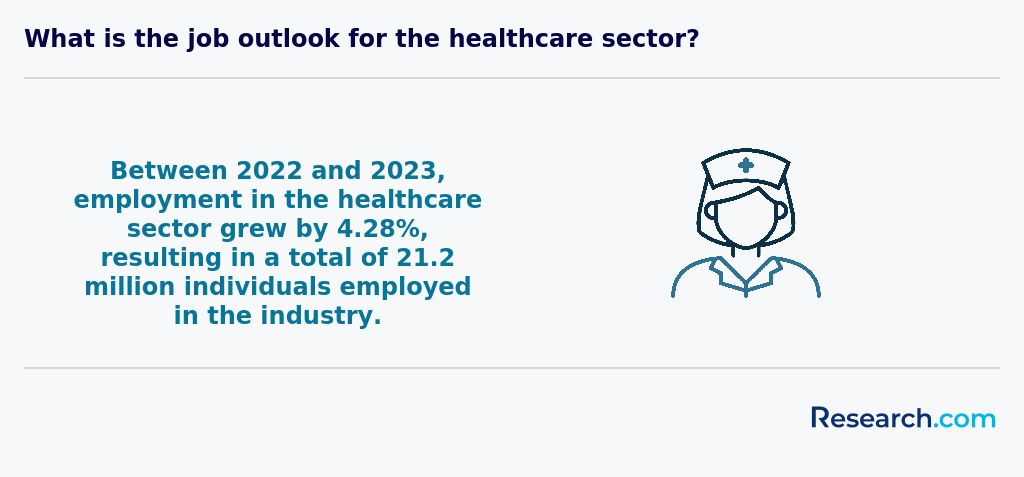
- Healthcare jobs in New York are expected to grow 14% from 2022 to 2032, faster than the national average.
- Entry-level registered nurses make about $75,000 per year, with healthcare administrators starting near $60,000.
- Clinical placements are required, so students must be near approved healthcare facilities for practical training.
How long does it take to complete online healthcare degree in New York?
Completing an online healthcare degree in New York is not a one-size-fits-all timeline. Graduates from programs at institutions like Hunter College or Stony Brook University often share how their journeys ranged from the traditional four years for a Bachelor of Science in Nursing to accelerated paths finishing in just two or three years. These variations depend heavily on whether students transferred credits or took advantage of year-round scheduling.
Associate degrees typically take around two years, appealing to those eager to start working sooner. Meanwhile, master's degree holders from places like Columbia University recall the flexibility of part-time or accelerated tracks, allowing completion anywhere between one and four years.
This flexibility creates an emotional balance of hope and challenge. Students juggling family, work, and clinical hours find their pace influenced by clinical placement schedules required within New York's strict licensing rules. For many, completing a degree faster isn't just about saving time-it's about embracing a deeply personal, transformative process that fits their unique lives.
Advanced Online Doctorate in Pharmacy Programs: Elevating Healthcare Leadership
For many healthcare professionals looking to transition into senior roles, advancing their education with an online Doctorate in Pharmacy offers a unique pathway to leadership and innovation. This advanced degree not only deepens clinical expertise but also expands career opportunities into research, academia, and executive management within pharmaceutical settings. Doctoral candidates engage in comprehensive coursework covering pharmacotherapy, healthcare policy, and advanced research methodologies while maintaining the flexibility of online learning. Through rigorous training and mentorship, graduates are well-prepared to contribute to critical healthcare decisions and drive advancements in medication safety and efficacy. For a deeper exploration of this specialized field, consider learning more about what are the most popular doctorate in pharmacy online programs to determine if this innovative path aligns with your career goals. This section underscores the importance of advanced education in elevating both personal expertise and the broader standards of healthcare delivery.
What's the difference between online and on-campus healthcare degree?
The core difference between online and on-campus healthcare degrees in New York boils down to experience and flexibility. Graduates from schools like Hunter College often share how the on-campus setting offered invaluable face-to-face labs and clinical rotations that feel irreplaceable when learning to handle real patients. Yet, those who pursued online programs at institutions like Pace University highlight a unique sense of empowerment: managing study hours around demanding jobs and family life, turning commute time into productive learning moments.
Consider the challenge of clinical placements. On-campus students commonly benefit from established partnerships with local hospitals in New York City, walking directly into their next practical rotation. Online peers, meanwhile, creatively coordinate their own placements, a process that demands self-drive but fosters independence and networking skills rarely stressed in traditional settings.
Cost-wise, while on-campus programs at places like CUNY may appear pricier upfront, online learners often face hidden technology and support fees. Still, the elimination of NYC's daunting commute and housing costs offers an emotional relief many celebrate. Ultimately, the decision is a question of lifestyle more than education quality-an intricate balance that only you can weigh.
Licensing and Certification Requirements in New York
Graduates of online healthcare degree programs in New York must satisfy state-specific licensure and certification standards before entering professional practice. Understanding these requirements early ensures a smooth transition from education to career:
- Registered Nurse (RN): Must pass the NCLEX-RN exam administered by the National Council of State Boards of Nursing and secure licensure through the New York State Education Department (NYSED). Clinical hours completed in accredited online programs are automatically documented for NYSED review.
- Licensed Practical Nurse (LPN): Required to complete approved clinical training, pass the NCLEX-PN exam, and apply for licensure via NYSED’s Office of the Professions.
- Pharmacist and Pharmacy Technician: Pharmacists must earn a Pharm.D., fulfill 1,500 internship hours, and pass the North American Pharmacist Licensure Examination (NAPLEX). Pharmacy technicians register with NYSED and often demonstrate competency by passing the PTCB Exam. Prospective pharmacy students can also explore low cost pharm d programs that integrate NAPLEX preparation and supervised practice hours.
- Health Information Manager: Graduates should pursue the Registered Health Information Administrator (RHIA) credential from the American Health Information Management Association (AHIMA), which requires passing the RHIA exam and maintaining continuing education credits.
- Public Health Specialist: To earn the Certified in Public Health (CPH) credential, candidates must meet eligibility criteria through the National Board of Public Health Examiners and pass the CPH exam, demonstrating mastery of public health competencies.
- Physical Therapist: Requires graduation from a CAPTE-accredited Doctor of Physical Therapy (DPT) program and successful passage of the National Physical Therapy Examination (NPTE), followed by New York state licensure. By aligning your online coursework and clinical experiences with these licensure pathways, you’ll maximize your employability, comply with regulatory standards, and ensure your qualifications are recognized across New York’s healthcare system.
What is the average cost of online healthcare degree in New York?
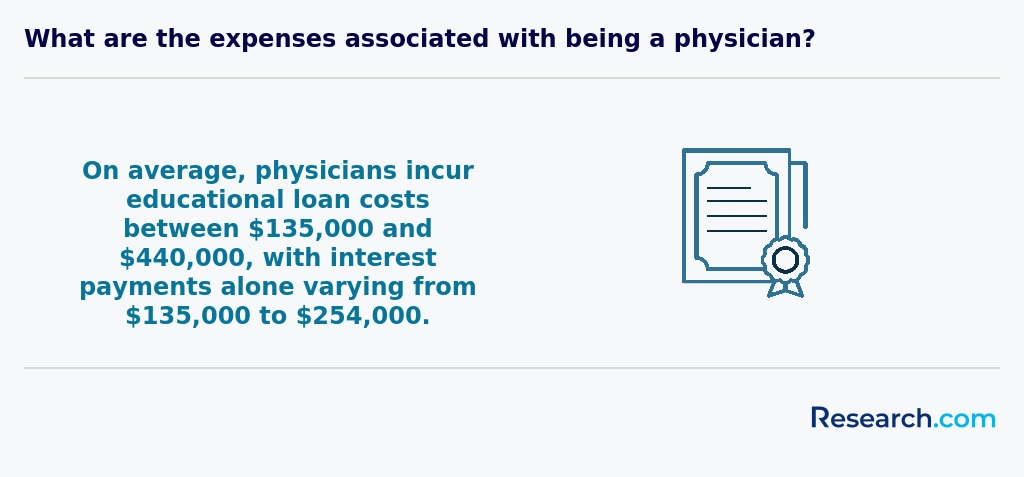
The average cost of an online healthcare degree in New York typically centers around $30,912, reflecting a balance between public and private institution pricing. Graduates from SUNY's online programs often recount how the in-state tuition, generally estimated between $15,000 and $20,000, made their degree feel attainable without sacrificing quality. These public universities offer affordable online healthcare programs New York 2027 candidates often seek, pairing cost-effectiveness with respected credentials.
Meanwhile, students attending private colleges in New York describe a different experience, where tuition rates per credit hour can soar between $600 and $1,200. Consequently, total costs may easily exceed $30,000. Nevertheless, many find the investment worthwhile due to specialized curriculum and enhanced resources, which contribute positively to their professional readiness. Such financial commitments challenge conventional expectations that private education is prohibitively costly.
For prospective healthcare students weighing options, considering additional fees tied to technology, materials, and clinical placements is vital. These extra expenses can affect the overall budget, emphasizing the importance of thorough research. Many find encouragement through scholarships, employer tuition assistance, and financial aid, which help ease the path-a sentiment echoed often by successful graduates.
When comparing nationally, New York's pricing aligns closely with the average $21,000 cost for online healthcare bachelor's degrees but can trend higher in private settings. For adaptable study pathways, some students investigate alternatives like Fast-track nursing programs Alabama to broaden perspectives on healthcare education affordability and pacing.
Accreditation and Licensure Requirements in New York, NY
Ensuring your online healthcare degree program is properly accredited is crucial for eligibility to sit for state licensure exams and for maximizing career mobility. In New York, the State Education Department (NYSED) recognizes regional accreditation from bodies such as the Middle States Commission on Higher Education (MSCHE). Additionally, specialized programs-like nursing and healthcare administration-must hold programmatic accreditation from agencies such as the Commission on Collegiate Nursing Education (CCNE) or the Commission on Accreditation of Healthcare Management Education (CAHME). Before applying, confirm that your online program meets these standards:
- Regional Accreditation: Verify that the institution is accredited by an agency recognized by the U.S. Department of Education.
- Programmatic Accreditation: Look for CCNE, CAHME, or the Accreditation Council for Business Schools and Programs (ACBSP) seals on healthcare administration tracks.
- State Approval: Check NYSED’s database to ensure the program qualifies graduates to take New York state licensing exams (e.g., NCLEX-RN for nurses, RHIA exam for health information administrators). Completing an accredited degree not only prepares you for licensure but also enhances eligibility for federal financial aid and employer tuition reimbursement. For those exploring cost-effective yet accredited options beyond New York, consider the Most Affordable Online Healthcare Degree Programs Ranking in North Carolina, which highlights programs that balance quality with affordability.
What financial aid is available to online healthcare degree students in New York?
Many students pursuing online healthcare degrees in New York find federal financial aid pivotal to their journey. Completing the FAFSA opens doors to Pell Grants, federal loans, and work-study programs, easing the weight of tuition that can exceed typical in-state rates at schools like SUNY Downstate or Columbia University's online offerings. One graduate recalled how a Pell Grant covered a crucial portion of her tuition, allowing her to focus more on clinical practice than financial stress.
State support, especially through New York's Tuition Assistance Program (TAP), further shifts the balance. TAP's grants, sometimes reaching up to $5,665 annually, have transformed the experience for students attending institutions like Hunter College. This aid feels less like charity and more like an investment in the future healthcare workforce.
Scholarships from organizations such as the New York State Nurses Association often reward dedication with both monetary support and encouragement, making students feel recognized and valued. Meanwhile, working professionals leverage employer tuition reimbursement, and veterans tap into GI Bill benefits-both bringing education within realistic reach.
These layers of aid not only reduce debt but foster confidence, illustrating that financial barriers can be challenged and overcome in the pursuit of meaningful healthcare careers.
Accreditation and Licensure Considerations
Choosing an accredited program is essential for qualifying for certification exams and ensuring your degree is recognized by employers and regulatory bodies.
- Regional accreditation (e.g., Middle States Commission on Higher Education) confirms institutional quality.
- Program-specific accreditation (e.g., CCNE for nursing, CAHIIM for health informatics) validates curriculum standards.
- Verify New York State Education Department requirements to ensure online coursework and clinical hours meet state board guidelines.
For advanced practice roles, compare the cheapest online nurse practitioner programs to confirm accreditation aligns with licensure prerequisites.
What are the prerequisites for enrolling in online healthcare degree program in New York?
Meeting prerequisites for enrolling in an online healthcare degree in New York often challenges students to reflect not just on their academic readiness but on their commitment to a demanding field. Graduates from respected New York institutions recall starting with the basics-a high school diploma or GED paired with a GPA that meets the 2.5 to 3.0 threshold can open doors. However, the journey often deepens when prerequisite courses in biology, chemistry, and math become more than just checkboxes; they transform into foundational skills that students rely on during clinical simulations and complex coursework.
For those aiming higher, like pursuing a master's degree at prominent universities in New York, the criteria intensify. Applicants must demonstrate academic excellence with a bachelor's degree and typically a 3.0 GPA, but also bring relevant healthcare experience. Many graduates emphasize how procuring meaningful work experience and crafting thoughtful personal statements helped them connect the dots between theory and practice, fueling their motivation.
English proficiency and reliable internet access are less visible yet equally critical prerequisites, especially from the perspective of international students adjusting to virtual learning. Reflecting on these realities, many students appreciate how these requirements prepare them not only academically but practically for thriving in New York's dynamic healthcare landscape.
Tips for Succeeding in Your Online Healthcare Program
Navigating an online healthcare degree can be both rewarding and challenging, so adopting effective strategies early on is essential to get the most from your educational journey. Start by creating a dedicated study schedule that accommodates both coursework and hands-on practice, as time management is key in balancing academic and personal responsibilities. Engage in online discussion forums and virtual study groups to build a network with peers and faculty-these connections can offer support, foster professional relationships, and even lead to career opportunities. To further enhance your learning experience, take advantage of the comprehensive student support services provided by many online programs, such as tutoring, career advising, and technical assistance. Many of these resources are designed to help you overcome the unique challenges of remote learning while ensuring that you stay on track with your studies. Additionally, considering program rankings can be a great way to identify institutions that prioritize student success. For example, institutions recognized among the fastest online healthcare schools in new york often offer tailored support services and robust career development platforms. Regularly check in with your academic advisor and utilize university career centers to connect with industry professionals and secure internships or mentorships that complement your coursework. Remember, practical application is as important as theoretical knowledge, so seek out volunteer opportunities or part-time positions in healthcare settings, which not only build your resume but also reinforce what you learn online. By integrating these tips into your study routine, you can build a solid foundation for both academic success and long-term career growth in the dynamic field of healthcare.
What courses are typically in online healthcare degree programs in New York?
Online healthcare degrees in New York commonly include courses that challenge students to think beyond textbooks and engage with real-world healthcare issues. Graduates from prominent institutions like SUNY and Columbia often recall how core classes such as human anatomy and physiology made them truly appreciate the complexity of the human body, essential for any clinical or administrative role.
Courses in medical terminology bridge the gap between theory and practice by equipping students with language skills crucial for seamless communication in high-pressure environments. Health informatics classes stand out, especially as students learn to harness digital tools-reflecting New York's ambitious move toward telemedicine and electronic health records. This often sparks excitement about being part of the future of healthcare.
Ethics and law modules provoke deep reflection on legal responsibilities, patient privacy, and the unique regulatory landscape of New York. Graduates say grappling with HIPAA guidelines and state-specific policies helped them feel confident entering diverse healthcare settings across the state, from bustling city hospitals to community clinics.
Additionally, classes in health administration, public health, pharmacology, and research sharpen leadership and critical thinking. These are not just academic exercises; they prepare students to actively influence policies and patient outcomes in fast-paced, varied healthcare environments.
What types of specializations are available in online healthcare degree programs in New York?
When exploring online healthcare degree specializations in New York, the spectrum goes far beyond traditional nursing roles. Graduates from prominent New York colleges often recount how choosing specializations like Health Informatics transformed their understanding of patient care, merging technology with medicine to meet the state's advancing healthcare demands. Others pursuing Healthcare Administration found themselves empowered to take leadership positions in bustling New York health systems, managing resources with a strategic edge that only specialized education could afford.
Some students discover fulfillment in Public Health, tackling community health and policymaking that directly impact urban and rural New York populations. Nursing remains a backbone specialization, with options such as RN to BSN or advanced paths like Nurse Practitioner degrees, which many working nurses appreciate for balancing career growth with busy schedules. These nurses frequently consult nurse practitioner programs rankings Ohio for comparative insights to enhance their credentials.
Ultimately, the best healthcare majors for online programs New York embrace this diversity, offering students practical skills aligned with real-world challenges. Graduates often describe their education not just as academic, but a path to meaningful, dynamic careers that reflect New York's complex health landscape.
How do you choose the best online healthcare degree in New York?
Choosing the best online healthcare degree in New York demands more than just scanning tuition costs or flashy program descriptions. Graduates from well-known New York colleges often highlight the difference accreditation makes-knowing their degree holds weight with employers and state regulators gave them true confidence. Imagine juggling work and study; programs that offer asynchronous coursework from institutions such as CUNY or SUNY let you control your pace without sacrificing quality. But don't overlook how the program ties you into local healthcare networks. Many students recall their internships at New York hospitals as pivotal, connecting classroom theory with real-world impact and boosting their job prospects.
Affordability is critical, yet it's a balance between cost and value. Some affordable healthcare degrees online New York options cost under $20,000, but those who invested wisely found strong academic advising and career counseling invaluable. Plus, understanding New York's licensure requirements-say for an RN-can be the difference between a degree and a career. If you're exploring paths or want to find diverse roles, consider how programs align with trends in healthcare fields or even enhance your chances in specialized areas like medical assistant job opportunities.
What career paths are available for online healthcare degree students in New York?
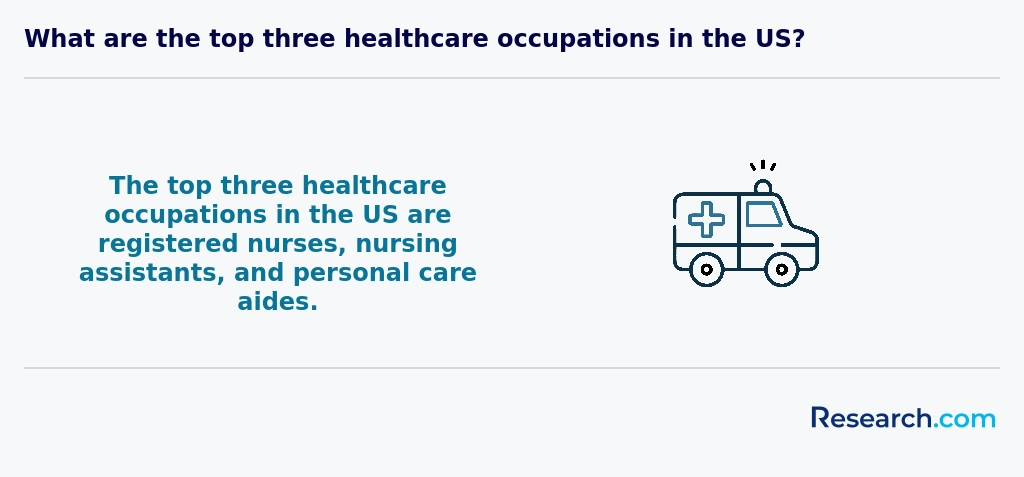
Graduates holding an online healthcare degree in New York often find themselves at a crossroads packed with diverse and rewarding career possibilities. Many who completed rigorous programs at popular colleges in New York discover roles as registered nurses (RNs), responding to the state's growing demand. These graduates describe their journey as both challenging and deeply fulfilling, energized by the direct impact they have on patient care. Others who enrolled at institutions known for their health services management degrees embrace leadership roles, becoming healthcare managers or compliance officers, steering complex organizations through evolving regulations.
In exploring online healthcare jobs in New York NY, graduates also delve into telehealth, a field expanded by the pandemic. They describe working in telemedicine coordination and health informatics as invigorating positions where technology and health merge to create new patient experiences. The choice to pursue such careers often stems from witnessing New York's investment in digital health firsthand and feeling empowered by their skills to shape its future. For students seeking a clinical route with flexibility, many turn to nursing degrees fort worth programs that parallel New York's standards and offer comparable practical training.
Healthcare career paths in New York also include roles like medical technicians, health educators, and pharmacy assistants, each invoking strong personal satisfaction through daily contributions to community wellness. Graduates highlight how their programs embedded real-world adaptability, preparing them for the dynamic healthcare landscape where every role matters deeply.

What is the job market for online healthcare degree in New York?
The job market for online healthcare degree jobs New York offers is not just promising-it's transformative for graduates navigating a rapidly evolving sector. Many graduates from institutions like CUNY and NYU find opportunities in diverse settings, from cutting-edge hospitals to community health organizations, where the demand for skilled professionals is tangible and growing. The flexibility of online programs allows students to remain employed while advancing their qualifications, fueling a sense of accomplishment and financial stability post-graduation.
Graduates consistently report feeling empowered by their degree, with access to roles in nursing, health administration, and health informatics where New York's expanding healthcare system offers abundant positions. The New York healthcare degree employment outlook reflects a 13% growth rate from 2022 to 2032, encouraging job seekers that opportunities will continue to increase with the state's growing and aging population.
Cost concerns are balanced by available financial support, and many students leverage employer tuition assistance while studying online. Those interested in specialized training often explore pathways similar to nursing schools fort worth admission requirements for inspiration, available through some New York colleges, to enhance their career trajectory.
Frequently Asked Questions About healthcare
Online healthcare degree students in New York can maximize their learning experience by actively engaging with their coursework and utilizing local healthcare resources. New York State hosts numerous reputable hospitals and clinics offering opportunities for practical experience, which are crucial alongside online studies. Participating in virtual study groups and networking with peers and professionals can enhance understanding and motivation.
Additionally, students should leverage New York's extensive online library systems and healthcare databases to access the latest research and guidelines. According to the New York State Department of Labor, the demand for healthcare professionals is projected to grow by 15% through 2030, making internships and clinical experience essential for employability.
Setting a consistent study schedule and seeking academic support services available through the school also improve success rates. Finally, staying informed about New York's healthcare policies helps contextualize their education within real-world practice.
The healthcare field in New York is rapidly evolving, creating new opportunities for students pursuing online healthcare degrees. Emerging niches include telehealth, which saw a 154% increase in usage nationwide during the COVID-19 pandemic, with New York leading in adoption due to urban density and healthcare infrastructure.
Another growing area is health informatics. The New York State Department of Labor projects a 13% growth in health information technicians by 2028. This niche focuses on managing and analyzing patient data to improve care quality.
Additionally, gerontology is expanding as New York's aging population grows; by 2030, residents aged 65+ will make up over 17% of the state population, increasing demand for specialized care.
After completing an online healthcare degree in New York, it is crucial to build a strong professional network. Joining local healthcare associations such as the New York State Nurses Association or the Healthcare Association of New York State can connect graduates with employers and mentors.
Gaining relevant certifications like CPR or medical coding further boosts employability. According to the New York State Department of Labor, healthcare employment is projected to grow 15% by 2030, emphasizing the demand for skilled professionals.
Internships or clinical placements-even virtual ones-offer practical experience that employers highly value. Utilizing New York's workforce development programs can also provide career counseling and job placement assistance.
Employers in New York value healthcare graduates who demonstrate strong clinical knowledge and practical skills, essential for effective patient care. Communication abilities are also crucial, enabling professionals to interact clearly with patients and multidisciplinary teams. According to the New York State Department of Health, critical thinking and problem-solving skills help graduates adapt to fast-changing healthcare environments.
Technological proficiency is increasingly important as healthcare integrates electronic health records and telemedicine. Familiarity with ethical standards and patient confidentiality laws specific to New York is key for compliance and trust-building. Lastly, cultural competence is vital in New York's diverse population, ensuring tailored, respectful patient care.
Finding internships in New York relevant to an online healthcare degree involves a strategic approach. Start by exploring partnerships your school may have with New York City hospitals, clinics, and public health organizations. Many institutions, such as the New York State Department of Health, offer internship programs focused on healthcare administration and clinical services.
Use online platforms like Handshake or LinkedIn to search for internships specific to healthcare fields in New York. Networking with alumni from your program is also valuable in discovering unadvertised opportunities. According to the New York State Education Department, healthcare internships often require clearances such as TB tests and immunization records, so prepare these in advance.
Additionally, consider contacting major healthcare providers including NYU Langone Health and Mount Sinai Health System, which regularly offer internships tailored to students. Securing an internship in New York's diverse healthcare market can significantly boost practical experience and employability.
Online healthcare degrees in New York improve career mobility by offering flexible access to accredited programs, enabling students to balance work and study. According to the New York State Department of Labor, healthcare employment in the state is projected to grow by 15% from 2020 to 2030, faster than the average for all occupations. This growth creates numerous advancement opportunities for degree holders.
Graduates with online healthcare degrees often qualify for higher-level positions such as healthcare management, nursing leadership, or specialized clinical roles. This aligns with data from the Bureau of Labor Statistics showing median healthcare wages in New York above the national average.
Furthermore, online degrees from regionally accredited institutions meet licensure requirements in New York, essential for professional advancement. Employers increasingly recognize the rigor of online education, enhancing job prospects for graduates.
Studying for a healthcare degree in New York offers strong preparation for interdisciplinary roles due to the state's diverse healthcare system and policies emphasizing collaboration. Many New York online programs integrate coursework in health informatics, public health, and management, helping students develop skills across multiple fields. According to the New York State Department of Health, interdisciplinary teams are central to improving patient outcomes, especially in urban centers like New York City where healthcare needs are complex.
Programs often involve case studies and simulations that mimic real-world collaboration among nurses, doctors, and administrators. This approach builds communication and problem-solving skills crucial for leadership roles. Graduates typically emerge ready to work effectively in integrated care settings that are common in New York's healthcare landscape.
When choosing between a thesis and a non-thesis healthcare degree program in New York, consider your career goals and time commitment. A thesis program requires conducting original research and writing a substantial paper, suitable for those interested in academic or research careers. Non-thesis programs focus more on coursework and practical skills, ideal for professionals aiming at clinical or administrative roles.
In New York, healthcare jobs are expected to grow by 13% through 2030, according to the New York State Department of Labor. This growth impacts program choice, as research skills might be more valuable in some fields and hands-on experience in others. Costs and program length also vary, so evaluating these factors is key.
Students in New York seeking online healthcare degrees with an international perspective have several study abroad options. Many U.S. institutions partner with foreign universities, offering joint online programs or electives focused on global health. These programs often emphasize cross-cultural healthcare practices and international health policy. According to the New York State Education Department, students must ensure credits from foreign institutions are transferable and meet New York licensure requirements.
Some New York-based universities also facilitate virtual exchanges with healthcare schools abroad, providing exposure without physical travel. This approach maintains compliance with New York's strict healthcare education standards while enriching students' global knowledge. Additionally, students can explore certifications in global health through accredited online providers recognized by U.S. authorities.
Part-time job opportunities in New York that complement online healthcare degree education are diverse and practical. Healthcare support roles like medical scribe, pharmacy assistant, and patient care technician offer direct exposure to clinical environments, strengthening job-ready skills. According to the New York State Department of Labor, healthcare support occupations are projected to grow 19% through 2030, signaling increasing demand in these fields.
Additionally, positions in healthcare administration, such as medical billing clerk or health information assistant, provide valuable experience in managing patient data and healthcare systems. These roles help students understand the operational side of healthcare, which is integral to many degree programs.
Working part-time in telehealth support services is another growing option, especially with New York's expanding telemedicine sector. This role helps students adapt to digital healthcare technologies, aligning well with modern online degree curricula.
Online healthcare students in New York have access to a variety of networking opportunities through virtual events hosted by local universities and professional associations. Organizations like the New York State Nurses Association and the Healthcare Financial Management Association offer online conferences and webinars that connect students with industry professionals. Many New York colleges also provide virtual career fairs and alumni networking platforms to support student engagement.
Additionally, New York's large healthcare industry, encompassing over 600,000 healthcare workers according to the New York State Department of Labor, offers ample informal networking opportunities through internships and remote clinical placements. These connections can be vital for job placement after graduation.
Alumni networks play a crucial role for students pursuing online healthcare degrees in New York by offering valuable professional connections. These networks connect current students with graduates working in the state's diverse healthcare sector, which includes over 650 hospitals and numerous medical facilities. Through alumni events and online platforms, students gain insights into job openings and career pathways.
Participation in alumni networks enhances mentorship opportunities, where experienced professionals guide students on licensing, certifications, and workplace expectations specific to New York. According to the New York State Department of Labor, networking significantly improves employment chances in healthcare fields.
Moreover, alumni often provide access to exclusive internships and continuing education workshops.
Customizing an online healthcare degree program in New York allows students to align their education with specific career goals. Many New York schools offer flexible curricula with electives in areas such as public health, healthcare administration, or clinical specialties. According to the New York State Department of Labor, healthcare occupations in the state are expected to grow by 10% from 2022 to 2032, emphasizing the value of specialized skills.
Students can also select programs that incorporate internships or practicum experiences in New York's diverse healthcare settings, providing practical skills. Additionally, some programs allow part-time study or accelerated tracks to suit working professionals' schedules.
Online healthcare students in New York often face challenges related to the state's clinical placement requirements. Since healthcare programs require hands-on experience, finding local internships or practicums can be difficult, especially in underserved or rural areas. According to the New York State Education Department, many students spend significant time coordinating these placements, which may delay graduation.
Additionally, technological barriers impact some students. Despite New York's high internet penetration rate-nearly 90% as reported by the U.S. Census Bureau in 2023-not all areas have reliable broadband. This can hinder real-time participation in virtual labs or synchronous classes.
Time management is another issue. Many students balance full-time employment or family care with studies. The Healthcare Association of New York State notes that flexible scheduling is vital but sometimes limited by required live sessions or exams.
With an online healthcare degree from New York, you can pursue several professional certifications that enhance your career prospects. Common certifications include Certified Nursing Assistant (CNA), Registered Nurse (RN), and Licensed Practical Nurse (LPN), which are essential in New York's growing healthcare sector.
Other popular certifications include Medical Assistant (MA), Certified Health Education Specialist (CHES), and Health Information Technician credentials. Online programs often prepare students for national exams like the NCLEX for nurses or the Certified Medical Assistant exam.
According to the New York State Department of Labor, healthcare employment is expected to grow 13% from 2022 to 2032, highlighting strong demand for certified professionals.
Writing a winning application for an online healthcare program in New York begins with thorough research of the programs offered. Focus on highlighting relevant experience, such as volunteer work or employment in healthcare settings, as New York's healthcare sector employs over 600,000 professionals (NYSDOH, 2023).
Clearly state your motivation and career goals, aligning them with the program's objectives. Emphasize strong communication and time management skills, essential for succeeding in an online learning environment. Letters of recommendation from healthcare professionals or educators are highly valued.
Ensure all academic transcripts demonstrate a solid foundation in sciences. Finally, tailor your personal statement to reflect New York's unique healthcare challenges, such as addressing urban health disparities. These steps will help your application stand out.
The global perspective on a healthcare career emphasizes its essential role in addressing worldwide health challenges. In the US, including New York, healthcare jobs are among the fastest-growing, predicted to grow 13% from 2021 to 2031 according to the Bureau of Labor Statistics. This growth reflects a global trend driven by aging populations and increased chronic diseases.
Online healthcare degrees offer flexible access to education, enabling students in New York to join a global workforce. Organizations like the World Health Organization highlight the importance of well-trained healthcare professionals in improving global health outcomes. New York's diverse population requires healthcare workers skilled in cultural competence and telehealth, aligning with global healthcare priorities.
Gaining practical experience while pursuing an online healthcare degree in New York is essential to prepare for a competitive job market. Many accredited programs incorporate clinical placements or internships required by New York State licensure boards. These in-person experiences often take place at local hospitals, clinics, or health centers, allowing students to apply theoretical knowledge.
Students can also seek volunteer opportunities within New York's extensive healthcare network, which includes over 200 hospital facilities, according to the New York State Department of Health. This exposure helps build hands-on skills and professional connections.
Additionally, some programs connect students with simulation labs or offer virtual practicums, blending convenience with essential experiential learning components.
Choosing the right concentration within an online healthcare degree program in New York requires careful consideration of your career goals and the state's healthcare demands. New York's healthcare sector is one of the largest in the U.S., employing over 2 million people, according to the New York State Department of Labor. Concentrations such as nursing, healthcare administration, public health, and informatics are popular due to strong job growth projected through 2029.
Assess programs accredited by bodies like the Commission on Collegiate Nursing Education (CCNE) or the Council on Education for Public Health (CEPH) to ensure quality education. Also, consider concentrations aligned with New York's focus on aging populations and urban health challenges. Research local healthcare trends to pick a specialization that offers both passion and strong employment prospects.
Related Healthcare Rankings for Nearby Cities
- 2027 Fastest Online Healthcare Degree Programs Ranking in South Orange, NJ
- 2027 Fastest Online Bachelor's in Healthcare Degree Programs Ranking in Philadelphia, PA
- 2027 Fastest Online Master's in Healthcare Degree Programs Ranking in Baltimore, MD
- 2027 Fastest Online Master's in Healthcare Degree Programs Ranking in Utica, NY
- 2027 Fastest Online Healthcare Degree Programs Ranking in Boston, MA
- 2027 Fastest Online Healthcare Degree Programs Ranking in Adelphi, MD
- 2027 Fastest Online Healthcare Degree Programs Ranking in Washington, DC
- 2027 Fastest Online Healthcare Degree Programs Ranking in Loretto, PA
- 2027 Fastest Online Healthcare Degree Programs Ranking in Rochester, NY
- 2027 Fastest Online Healthcare Degree Programs Ranking in Hampton, VA
Top Trending Healthcare Rankings
See What Experts Have To Say About Studying Healthcare
Read our interview with Healthcare experts

References
- 6 Tips On Networking For Medical Professionals https://aaams.net/blog/how-to-network-in-the-medical-field-nurses/
- Networking and Mentorship During Clinical Rotations https://rotatingroom.com/blog/medical-students-the-importance-of-networking-mentorship-during-your-clinical-rotations
- 20 healthcare investment niches and 3 things to know: The evolution of ... https://blackbookmarketresearch.com/20-healthcare-investment-niches-and-3-things-to-know-the-evolution-of
- Online Bachelor's Degree in Health Services Administration https://www.monroeu.edu/student-life/online-experience/online-bachelors-degree-health-services-administration
- Complete Guide to Mastering New York Nursing Prerequisites https://www.prereqcourses.com/mastering-new-york-nursing-prerequisites/
- Trends and opportunities in healthcare across emerging markets - Inizio https://inizio.com/insights/trends-and-opportunities-in-healthcare-across-emerging-markets/
- Overcoming Common Challenges in Nursing School: Tips for Success - American Healthcare Institute https://amhealthinstitute.com/blog/overcoming-common-challenges-in-nursing-school-tips-for-success/
- Job-Ready Healthcare Skills for 2026 https://cliniwave.in/blogs/latest-article/job-ready-healthcare-skills
- Explore Healthcare Admin Degree Concentrations https://www.baypath.edu/news/bay-path-university-blogs/post/explore-healthcare-admin-degree-concentrations/
- Students and Alumni associations - Europubhealth https://www.europubhealth.org/students-alumni-associations/


