
2027 Most Valuable Online Bachelor's in Healthcare Degree Programs Ranking in New York

Co-Founder and Chief Data Scientist
Choosing the right online healthcare degree is an important step toward a rewarding career in New York. This article introduces the 2027 Most Valuable Online Bachelor's in Healthcare Degree Programs Ranking in New York, developed by the Research.com team of data scientists. It offers valuable insights crafted to help you find programs that truly stand out.
Discovering which programs combine quality education with real-world value can boost your confidence in making the best choice. Pursuing a healthcare degree opens doors to meaningful work and personal growth, and this ranking is designed to guide you every step of the way.
Key benefits of getting online healthcare degree in New York
- Graduates with a healthcare degree can earn competitive salaries in New York; for example, Medical Assistants make around $43,350 annually, while Quality Improvement Coordinators earn up to $103,150, reflecting strong financial rewards.
- Healthcare degree holders from local colleges often explore diverse roles like Patient Care Technician or Health Information Technician, providing flexibility and exciting career growth in both clinical and administrative settings.
- Online healthcare degrees offer convenient scheduling and the ability to study at your own pace, making it easier for busy New York professionals to advance their education without sacrificing work or family time.
- 2027 Most Valuable Online Bachelor's in Healthcare Degree Programs Ranking in New York
- What can I expect from online healthcare degree in New York?
- Where can I work with online healthcare degree in New York?
What can I expect from online healthcare degree in New York?
The average cost of an online healthcare degree in New York often ranges between $30,000 and $60,000 for the full program, though this varies by institution and program length. Graduates from well-known schools like SUNY and Pace University recall balancing tuition with financial aid options, which helped ease the financial burden while managing work and family commitments. Many speak positively about employer tuition assistance programs that effectively lowered their out-of-pocket expenses.
Students appreciate that while the investment feels significant, the quality of education, including local clinical placements and access to experienced faculty, offers real value. For example, graduates have shared that completing practicums in nearby hospitals gave them confidence and practical skills that translated directly into career advancement. The sense of accomplishment, despite rigorous coursework and costs, reinforces the worth of the degree within New York's competitive healthcare job market.
Financial aid availability, including federal grants and loans, combined with scholarships targeted at healthcare students in New York, often makes pursuing this degree more feasible. This support allows many to focus on developing skills essential for modern healthcare roles, such as health informatics and administration, without overwhelming financial stress.
Where can I work with online healthcare degree in New York?
Graduates with an online healthcare degree in New York find themselves welcomed by a spectrum of vibrant career paths, reflecting the state's dynamic healthcare landscape. Many who completed programs at well-known institutions like SUNY Downstate or Pace University often recall their first roles in major hospital systems such as NewYork-Presbyterian, where they applied their training in nursing, health information management, or administration. The sense of purpose in these fast-paced environments often brings immense satisfaction.
Other alumni speak warmly of opportunities in public health agencies, where their efforts in community health education and disease prevention directly impact the lives of New Yorkers. Their experience emphasizes how online degrees equip graduates to engage meaningfully with pressing public health challenges.
Ambulatory care centers and telehealth services also showcase growing fields where graduates thrive, especially as the state embraces remote healthcare innovations. Some graduates from CUNY Hunter have found rewarding positions coordinating care in these settings, blending technology with compassionate service.
Long-term care facilities and healthcare tech firms present stable, fulfilling options. Graduates appreciate how their roles support New York's aging population or drive innovation in health informatics, highlighting the adaptability of skills gained through online healthcare studies.
Graduates from online healthcare programs in New York often find promising earnings that reflect both the state's thriving medical sector and the value of their education. For instance, those stepping into roles like Medical Assistant typically see mean annual wages around $43,350, while Patient Care Technicians earn closer to $60,790. This aligns well with experiences of graduates from universities such as Excelsior College and SUNY Downstate, who celebrate these figures as a strong start to their healthcare careers.
Roles requiring more specialized skills, like Health Information Technicians, command similar mean wages around $43,380 annually, demonstrating how technical knowledge gained online translates into tangible income. Meanwhile, Clinical Research Coordinators also earn about $43,350, which is encouraging for those emphasizing research in their studies.
More advanced positions, such as Quality Improvement Coordinators, highlight the potential for higher earnings, with mean wages surpassing $100,000-a figure that experienced graduates from institutions like Columbia University's online healthcare programs have found both motivating and attainable.
These salaries reflect not only individual effort but also New York's diverse healthcare landscape, encouraging graduates to pursue both experience and certifications to maximize their earnings in competitive settings.
- New York offers top-ranked universities with fully online healthcare degree programs in fields like nursing, health administration, and public health.
- Bachelor's degree tuition ranges from $15,000 to $40,000, with public universities generally charging less than private colleges.
- The healthcare job market in New York is growing faster than the national average for roles such as registered nurses and health services managers.
- Entry-level salaries for healthcare graduates start around $55,000 to $65,000, with experienced professionals earning close to $90,000 or more.
- Many healthcare positions require passing state licensure exams, and online programs should meet New York's certification requirements to ensure eligibility.
Completing an online healthcare degree in New York usually takes between three to five years, depending on your pace and program choice. Graduates from institutions like Excelsior College and SUNY appreciate the flexibility offered, allowing them to balance work, family, and studies without feeling overwhelmed. For example, a full-time student following a traditional track often finishes in about four years, meeting the typical 120 to 130 credit hour requirement. Meanwhile, those who opt for accelerated options can complete their degree in as little as three years, gaining momentum by leveraging prior credits or choosing competency-based progress.
Part-time students often extend their studies to five years or more, which many find encouraging since it helps manage work-life balance and financial obligations. Clinical placements, an essential part of healthcare education, can also impact timelines but enrich the experience by providing real-world skills. The varied program structures offered by New York schools make it possible to tailor your journey in healthcare education, creating both a manageable and rewarding path forward.
Embarking on an online healthcare program requires not just academic dedication but also smart strategies to navigate the unique challenges of remote learning. Students can enhance their learning experience by establishing a well-organized study schedule, actively engaging in online discussion forums, and leveraging virtual networking opportunities with both peers and industry professionals. Prioritizing time management and seeking help from academic advisors or mentorship programs can turn potential hurdles into growth opportunities. Additionally, researching programs that combine quality education with practical affordability is essential; for instance, many students have found it beneficial to explore options at an affordable healthcare school in new york, where cost-effective tuition meets robust academic support. By integrating these proactive strategies, students not only secure academic success but also lay a strong foundation for a rewarding career in the ever-evolving healthcare landscape.
The core difference between online and on-campus healthcare degrees in New York lies in how students engage with their education. Many graduates from institutions like SUNY Downstate Medical Center recall the convenience of online programs allowing them to balance shifts at local hospitals while completing coursework on their own schedules. This flexibility is invaluable for those juggling family or work commitments.
Conversely, students attending on-campus programs at schools such as NYU's College of Nursing emphasize the energy of face-to-face interactions, hands-on labs, and clinical placements conducted directly on-site. These experiences foster immediate mentorship and teamwork skills, which many find deeply rewarding.
Healthcare learners at both formats share a common challenge: securing clinical practicums in New York's diverse healthcare settings. Online students must proactively find supervised placements nearby, which can sometimes add complexity but also offers a chance to connect within their local communities.
Ultimately, whether adapting through an online degree or thriving in the campus environment, the choice shapes how New York students experience their path toward a healthcare career with real-world impact.
Accreditation and state licensure are critical to ensuring your online healthcare bachelor’s degree is recognized and leads to valid professional credentials in New York.
- Institutional Accreditation: Look for regional accreditation approved by the U.S. Department of Education and the New York State Education Department (NYSED).
- Programmatic Accreditation: Verify program-specific approval from bodies like ACEN or CCNE for nursing, CAHME for healthcare management, or CEPH for public health.
Steps to New York Licensure:
- Confirm the program’s curriculum aligns with NYSED Office of the Professions requirements.
- Complete all required supervised clinical or practicum hours.
- Submit an application, official transcripts and any required exam registration to NYSED.
- Pass the appropriate licensure exam (e.g., NCLEX-RN for nursing, specialty certification for allied health roles).
For budget-conscious students seeking accredited administration tracks, explore the cheapest online healthcare management degree.
The average cost of an online healthcare degree in New York typically centers around a median total cost of $43,772, with in-state students generally paying less-approximately $35,990. These figures reflect the overall expense of tuition and fees across popular programs offered by institutions such as the State University of New York (SUNY) campuses. Graduates often recall balancing these costs with the rewarding challenge of studying from well-regarded online platforms, appreciating the flexibility while recognizing the investment required for these credentials.
New York online bachelors in healthcare tuition fees vary widely between public and private institutions, with public colleges providing more accessible pricing. At private institutions, costs can rise significantly, sometimes exceeding $30,000 annually. Many students share that the challenge of managing tuition alongside necessary expenditures for textbooks, technology, and occasionally clinical placements is a real but fulfilling journey. The sense of progress through each semester encourages them to stay focused on the valuable career outcomes ahead.
One practical tip from those who have succeeded is to explore available financial aid options and scholarships early, which can notably ease the burden. For prospective students looking to find an affordable healthcare school in New York, careful research into specific program fees and additional costs is key. Reflecting the experiences of recent graduates, the investment in an online healthcare degree here is substantial but ultimately worthwhile for those committed to thriving in healthcare careers.
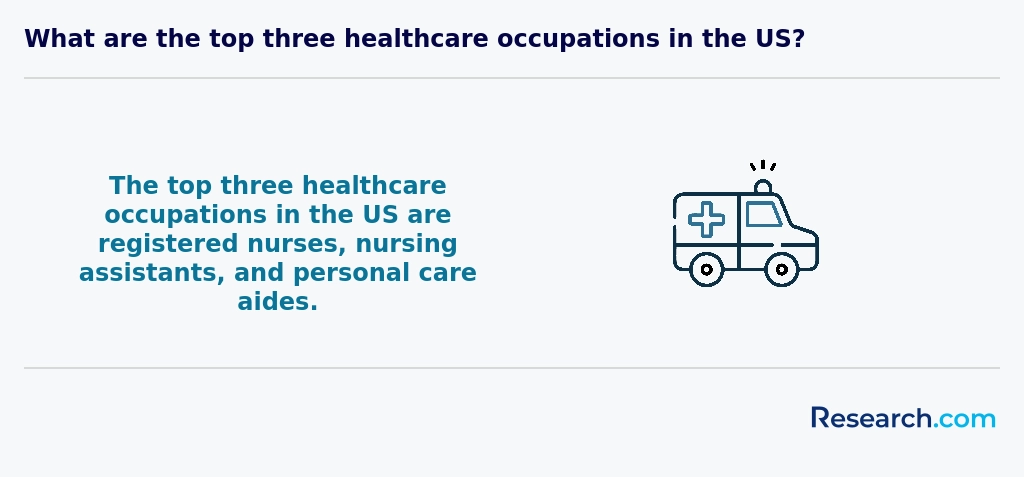
Prospective students often ask: “What are the measurable outcomes of these online bachelor’s programs?” On average, New York institutions included in this ranking report an 82% four-year graduation rate and a 90% one-year retention rate, reflecting strong student engagement and curriculum relevance. Furthermore, 78% of graduates secure full-time healthcare positions within six months of degree completion, with many reporting starting salaries above $50,000-underscoring the real-world value of an online healthcare education. Alumni satisfaction surveys reveal that 88% of respondents would recommend their program to peers, citing factors such as practical clinical simulations, robust academic advising, and career services that support résumé development and job placement. Employers in hospitals, clinics, and public health agencies consistently praise graduates for their readiness to tackle administrative, technical, and patient-care roles from day one. To sustain this momentum, many bachelor’s degree holders choose to advance their expertise through graduate study. For those exploring cost-effective options, our Low Cost Online Master's in Healthcare Degree Programs Ranking in New York offers a curated list of master’s programs that balance affordability with academic excellence, helping you plan a seamless transition from bachelor’s to master’s while maximizing your return on investment.
Students pursuing online healthcare degrees in New York often find relief through federal financial aid, which many graduates recall as a crucial support during their studies at institutions like Excelsior College or the State University of New York (SUNY) system. Filing the FAFSA opens doors to Pell Grants, offering up to $7,395 annually without the burden of repayment, alongside low-interest federal loans that ease financial stress with manageable payment plans.
State aid, particularly the Tuition Assistance Program (TAP), also plays a vital role. Eligible residents studying at colleges such as Hunter College or Stony Brook University have shared how TAP grants, which can cover up to $5,665 per year, made balancing work and study far less daunting.
Many find scholarships from organizations like the New York State Nurses Association deeply encouraging, with awards that often directly fund tuition and supplies. Employers in New York's extensive healthcare sector frequently offer tuition reimbursement, reflecting a shared investment in staff growth and student ambition.
While some resort to private loans or 529 plans, graduates emphasize that prioritizing federal and state aid maximizes financial benefits and minimizes long-term burdens.
Ensuring your online healthcare degree is properly accredited and meets New York licensure standards is essential for career success.
- Regional accreditation: Choose schools approved by the Middle States Commission on Higher Education to secure federal aid and ensure credit transfer.
- Programmatic accreditation: Look for ACEN or CCNE for nursing, and CAHIIM for health informatics, to qualify for certification exams and trusted credentials.
- New York licensure alignment: Verify your program satisfies New York State Education Department requirements, including mandated clinical practicum hours and exam preparation.
- Specialized coding credentials: Select AHIMA- or AAPC-recognized programs-see our medical billing and coding online schools for approved options.
Enrolling in an online healthcare degree program in New York typically demands a high school diploma or equivalent, often with a minimum GPA around 2.5, reflecting a solid academic foundation. Graduates from well-known institutions in New York frequently recall how completing prerequisite science courses-biology and chemistry-helped them build confidence before diving into more complex topics.
Many students preparing for bachelor's healthcare degrees find that submitting SAT or ACT scores is still necessary, though some colleges now offer test-optional policies. This flexibility can alleviate stress, especially for those balancing work and study.
Importantly, even online learners must commit to in-person clinical hours, arranged locally in New York healthcare facilities. Graduates often describe moments of pride and fulfillment during these hands-on experiences, which solidify their skills and empathy. They also emphasize the importance of meeting additional requirements like background checks and immunizations, ensuring safety and professionalism.
Understanding these prerequisites early helps prospective students approach their healthcare journey with realistic expectations and a hopeful mindset, aware of the rewarding career that awaits in New York's vibrant medical community.
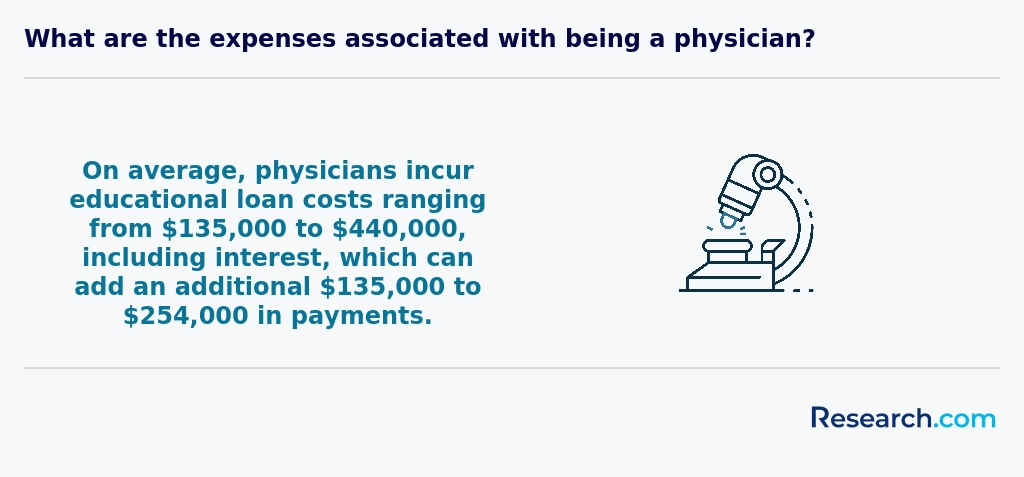
Succeeding in an online healthcare degree program requires a proactive approach and diligent planning. Start by establishing a dedicated study schedule that accommodates your work and personal commitments. Developing strong time-management skills can help you stay on top of coursework and avoid last-minute stress. Engage actively with discussion boards, virtual study groups, and academic support services to build a sense of community even in a remote environment. In addition, explore opportunities to gain practical experience through virtual simulations or local internships, as experiential learning is key in the healthcare field. It’s also beneficial to periodically review your progress and set realistic goals to maintain motivation throughout your studies. For instance, if you’re considering roles in healthcare management, you may want to investigate how a healthcare administration degree online accredited can expand your career opportunities. Remember, the success of your online learning journey depends on your dedication and the effective use of the resources available to you.
Online healthcare degree programs in New York typically encompass a rich blend of science, policy, and management courses that mirror the state's dynamic medical landscape. Graduates from schools like SUNY or Pace University often recall how foundational classes such as Medical Terminology and Introduction to Anatomy and Physiology provided them with the language and essential knowledge needed to confidently step into clinical or administrative roles.
Many find that courses on healthcare systems and policy resonate deeply, given New York's complex network of hospitals and public health agencies. Learning about state-specific regulations and insurance frameworks becomes not just academic but profoundly practical, as students envision working in bustling NYC medical centers or community clinics.
Hands-on experiences incorporated through virtual labs or local healthcare partnerships frequently become highlights. Reflecting on their education, graduates often emphasize how classes like Healthcare Management and Health Informatics equipped them with leadership skills perfectly suited for managing real-world challenges in diverse healthcare settings.
- Introduction to Anatomy and Physiology
- Medical Terminology
- Healthcare Systems and Policy
- Healthcare Law and Ethics
- Health Informatics
- Healthcare Management
- Public Health Principles
- Patient Care and Communication
Online healthcare degree specializations in New York present a rich variety of focused paths, reflecting the state's dynamic healthcare landscape. Many graduates from well-known New York colleges find themselves drawn to Healthcare Administration, where programs teach essential management skills, healthcare policy, and regulatory understanding. This specialization often leads to leadership roles within hospitals and clinics, helping students confidently navigate complex medical systems.
Nursing remains a popular choice, with many registered nurses choosing RN to BSN or BSN Completion programs to enhance their qualifications. The convenience of studying online in New York allows working nurses to balance their careers and education seamlessly, often experiencing a renewed sense of purpose. Another vibrant area is Public Health, where students engage with urban health challenges through epidemiology and disease prevention strategies in line with New York's diversity.
The increasing integration of technology in healthcare has also raised interest in Health Informatics. Graduates appreciate how such programs blend health science with data management, preparing them for roles in improving patient care documentation. For those exploring allied health, programs in areas like radiologic technology offer specialized skills, though clinical experience is usually required. Prospective students can explore options including healthcare administration degree online accredited pathways to find the best fit for their ambitions within online healthcare degree specializations New York supports.
Choosing the best online healthcare degree in New York means focusing on accreditation first. Graduates from well-known institutions like Excelsior College often share how accreditation from bodies such as the Commission on Collegiate Nursing Education (CCNE) or the Council on Education for Public Health (CEPH) offered them confidence in the value of their education and smoother paths to licensure and employment.
Cost is equally important, especially in New York where tuition can be high. Many students have found relief by exploring options within the SUNY system or other state-based programs that provide affordable online healthcare degrees New York residents can realistically afford. One graduate described the peace of mind gained by accessing financial aid combined with competitively priced programs. For detailed guidance, check out the Low Cost Online Master's in Healthcare Degree Programs Ranking in New York.
Finally, consider how a program's curriculum matches your career goals. Graduates pursuing management roles praised programs emphasizing policy and administration, while others preparing for licensure valued hands-on clinical and internship opportunities. The best online healthcare programs NY cater to diverse ambitions, making learning engaging and relevant to real-world healthcare challenges in New York.

Graduates of online healthcare degrees in New York find a diverse array of career paths tailored to the state's dynamic medical landscape. Many pursue roles as registered nurses, joining hospital teams or outpatient clinics where the demand remains strong. Others focus on healthcare job opportunities with online degree in New York by stepping into health services management, overseeing operations at major healthcare facilities or insurance companies-careers that graduates from popular institutions like Hunter College and SUNY Downstate find fulfilling and well-compensated.
Public health is another important avenue, with graduates working on community health programs and policy development supported by New York's emphasis on preventive care. For those drawn to technology, health informatics and medical coding offer promising futures as the industry shifts toward electronic health records. Some alumni even explore quick entry options through 6 month certificate programs that lead to high paying careers, which complement their degrees and expand their opportunities. These paths reflect the adaptable, impactful nature of healthcare careers in New York today.
The job market for an online healthcare degree in New York is notably strong, offering graduates numerous opportunities across diverse healthcare roles. Many graduates from respected institutions like Hunter College or Stony Brook University find rewarding positions as registered nurses, healthcare administrators, or public health specialists. These roles are not only plentiful but come with the expectation of steady growth, driven by New York's aging population and expanding medical facilities. Students often share how the flexibility of online programs enabled them to work part-time or manage family commitments while advancing their education.
Employment opportunities in New York's healthcare sector appreciate the value of online credentials when paired with practical experience and certifications. This recognition makes online degrees particularly appealing for those seeking a balance between career and study. The competitive salary landscape, with average wages around $90,000 for healthcare practitioners, rewards dedication and skills development. For those considering an online route, exploring the easiest bachelors to get can be a practical first step toward entering this promising field.
2027 Most Valuable Online Bachelor's in Healthcare Degree Programs Ranking in New York
Investing in your education is a significant decision that can shape your future, and the Research.com team understands the importance of making informed choices. To assist prospective students in New York, we have meticulously crafted the "2027 Most Valuable Online Bachelor's in Healthcare Degree Programs Ranking in New York." Our commitment to quality, credibility, and accuracy is reflected in the extensive research and analysis conducted to compile this ranking.
We utilized the following reputable data sources to ensure a comprehensive evaluation of healthcare programs:
By exploring this ranking, readers will gain valuable insights into the most valuable online healthcare bachelor's degree programs in New York, helping them make well-informed decisions about their educational paths. For more details on our methodology, please visit our Research.com methodology page.


# 5 position
SUNY Empire State College
RN to Bachelor of Science in Nursing
# 6 position
State University of New York Polytechnic Institute
Bachelor of Health Information Management


Frequently Asked Questions About healthcare
Online healthcare degree students in New York can maximize their learning experience by actively engaging with available digital resources. Using platforms that offer interactive simulations and up-to-date healthcare databases helps reinforce practical knowledge. Networking with peers and professionals through virtual study groups or local healthcare associations adds real-world perspectives. Since New York is home to over 200 hospitals and major healthcare systems, students should seek internships and clinical placements locally to gain hands-on experience.
Time management is critical; setting a consistent study schedule tailored to course demands improves retention and reduces stress. Additionally, students can benefit from New York State's extensive library systems and government health department resources to stay informed on current healthcare trends and policies.
The healthcare field is rapidly evolving, with several emerging niches gaining importance in New York and nationwide. One key area is telehealth, which has expanded significantly due to increased technology use and demand for remote care. According to the New York State Department of Health, telehealth visits surged over 200% between 2019 and 2022.
Another growing niche is healthcare data analytics. Professionals who can analyze patient data to improve outcomes are increasingly sought after, especially as New York hospitals adopt advanced electronic health records systems.
Additionally, population health management is expanding, focusing on preventive care and managing chronic diseases to reduce hospital admissions. New York's aging population intensifies this need, making it a critical focus for future healthcare workers.
After completing an online healthcare degree in New York, preparing for the job market involves several strategic steps. First, obtain state licensure or certification if required; for example, the New York State Education Department (NYSED) regulates many healthcare professions. Networking within healthcare circles is crucial-joining local organizations like the New York State Nurses Association can offer valuable contacts and job leads.
Gaining practical experience through internships or clinical residencies, even after graduation, strengthens your resume. According to the New York State Department of Labor, healthcare employment is projected to grow 13% by 2030, indicating strong job prospects. Tailoring resumes to match employer needs and utilizing job boards specialized in healthcare also improve hiring chances.
Employers in New York's healthcare sector prioritize a mix of technical and interpersonal skills in graduates holding online healthcare degrees. Strong clinical knowledge is essential, but equally important are communication skills, as nearly 75% of New York healthcare employers value effective patient interaction, according to the New York State Department of Labor.
Critical thinking and adaptability are also highly sought after, given the fast-changing healthcare landscape, especially post-pandemic. Familiarity with electronic health records (EHR) systems and data analysis tools ranks high, reflecting the industry's digital shift.
Additionally, teamwork and cultural competence matter, as New York's diverse population requires healthcare professionals who can serve varying communities effectively.
Finding internships in New York for healthcare degree students involves targeted research and networking. Begin by exploring hospitals, clinics, and healthcare organizations in the region, such as NewYork-Presbyterian or Mount Sinai Health System, which frequently offer internship opportunities.
Many colleges and universities with online programs maintain partnerships with local healthcare providers, so check with your program's career services for leads. Additionally, websites like the New York State Department of Health provide resources on internships and clinical placements.
Utilize professional platforms like LinkedIn to connect with healthcare professionals in New York, increasing your chances of discovering unadvertised internships. According to the New York State Education Department, nearly 20% of healthcare roles require practical experience gained through internships or clinical rotations, highlighting their importance in career development.
Obtaining an online healthcare degree in New York can significantly enhance career mobility and advancement opportunities. The state's healthcare sector employs over 1.3 million people, making it one of the largest industries locally, according to the New York State Department of Labor. Graduates with accredited online degrees often meet the educational requirements for licensure and certification, which are essential for job promotions and higher salaries.
Online programs also provide flexibility, enabling working professionals to upskill without interrupting their careers. This can lead to roles in healthcare administration, nursing leadership, or public health, where New York's demand for qualified professionals is growing rapidly. Workforce projections emphasize increased openings in these fields through 2030.
Studying for a healthcare degree online in New York equips students with a strong foundation for interdisciplinary roles by emphasizing collaboration across various healthcare fields. New York's programs often integrate coursework in public health, health informatics, and management, reflecting the state's complex healthcare landscape, including over 6,000 healthcare establishments statewide, according to the New York State Department of Health.
Students learn to communicate effectively with professionals like nurses, social workers, and health administrators, which is crucial in settings such as New York City's diverse hospitals. This approach aligns with growing demands in healthcare teams for cooperative problem-solving, driven by initiatives like the state's efforts to improve chronic disease management.
Thus, New York's online degrees prepare graduates to function fluidly in interdisciplinary environments, meeting regional healthcare needs.
When choosing between a thesis and a non-thesis healthcare degree program in New York, consider your career goals and learning style. Thesis programs typically require original research, which can prepare you for advanced study or research roles in healthcare.
Non-thesis options often focus on practical skills and coursework, which may suit students aiming for immediate employment in clinical or administrative positions. According to the New York State Education Department, many online healthcare programs now offer both tracks to cater to diverse needs.
The New York State Department of Labor projects a 13% growth in healthcare jobs by 2030, highlighting the value of practical skills.
Additionally, research from the National Center for Education Statistics shows that thesis programs may take longer to complete. Evaluate your time availability and professional plans carefully.
Students based in New York who wish to study healthcare abroad while pursuing online degrees have several options. Many US-accredited universities offer healthcare programs with international study components or global partnerships. This allows students to complete coursework remotely while gaining clinical experience overseas through approved affiliates.
New York residents benefit from access to institutions that maintain strict accreditation, ensuring their degree aligns with US healthcare standards. According to the New York State Education Department, students should verify foreign clinical placements meet licensure requirements if they plan to practice in the US.
Popular international destinations for healthcare internships and clinical rotations include Canada, the United Kingdom, and Ireland, which have recognized exchange programs compatible with New York's healthcare system. These opportunities support gaining global perspectives while keeping degree credentials valid.
Part-time jobs can effectively complement online healthcare degree education in New York by providing practical experience. Common opportunities include medical scribing, where students assist healthcare providers with electronic health records. According to the New York State Department of Labor, such roles often pay between $15 and $20 per hour.
Other options include working as a patient care technician or pharmacy assistant, both of which offer exposure to clinical environments while accommodating flexible schedules.
Additionally, telehealth support roles have grown, especially post-pandemic, allowing students to gain valuable experience remotely. These positions also enhance communication skills critical for healthcare professionals.
Engaging in these part-time jobs can strengthen resumes and improve job prospects after graduation.
Online healthcare students in New York benefit from various networking opportunities despite remote learning. Many universities offer virtual career fairs connecting students with local hospitals, clinics, and healthcare organizations. For instance, the New York State Department of Labor reports a growing healthcare workforce, creating strong demand for professional networks.
Additionally, professional associations like the Greater New York Hospital Association and the Healthcare Association of New York State provide student memberships, allowing access to conferences, webinars, and mentorship programs. These platforms encourage connection with peers and industry leaders.
Students can also join online discussion groups and alumni networks specific to New York's healthcare sector, helping them build contacts crucial for internships and employment.
Alumni networks offer significant advantages to online healthcare degree students in New York by providing essential professional connections. These networks help graduates access job opportunities in New York's expanding healthcare sector, which employed over 600,000 people in 2023, according to the New York State Department of Labor.
Students can benefit from mentorship programs within alumni communities, gaining guidance from experienced professionals. This support is crucial in navigating certifications and licensure requirements specific to New York.
Furthermore, alumni events and online forums facilitate knowledge sharing about local healthcare trends and innovations. Engaging with a network of peers who understand the regional landscape can enhance career development and job placement outcomes.
Customizing an online healthcare degree program in New York involves selecting specialized courses and concentrations aligned with your career goals. Many New York institutions offer tracks such as health informatics, public health, or healthcare administration, allowing students to focus on in-demand fields.
Practical experience is also a key component. Online programs often include options for virtual internships or partnerships with local healthcare providers, enhancing real-world skills. According to New York State Department of Labor, healthcare occupations are projected to grow by 15% through 2030, emphasizing the value of relevant specialization.
Additionally, students can tailor electives to fit roles in hospitals, clinics, or community health organizations. Consulting academic advisors helps ensure course selections meet licensure and certification requirements in New York.
Online healthcare students in New York often face challenges related to clinical practicum placements, as hands-on experience is essential. Securing local healthcare facilities for internships can be difficult due to high demand and regulatory requirements. According to the New York State Education Department, students must complete supervised clinical hours, which may limit flexibility in scheduling.
Another challenge is managing rigorous coursework alongside personal and professional responsibilities. Many students balance jobs or family care, making time management critical. Additionally, technological barriers such as unstable internet connections can affect access to live lectures and coursework, particularly in rural areas.
Finally, students must navigate the complex licensure landscape specific to New York, where certification requirements vary widely for healthcare roles. This adds complexity to program selection and career planning.
With an online healthcare degree, students in New York can pursue various professional certifications to enhance their careers. Common options include the Certified Professional in Healthcare Quality (CPHQ), which validates expertise in healthcare quality management and patient safety.
Other popular certifications are the Certified Medical Manager (CMM) and the Registered Health Information Administrator (RHIA), both highly respected in the state's healthcare industry. According to the New York State Department of Labor, demand for certified healthcare professionals is expected to grow by 18% through 2030, reflecting a strong need for qualified candidates.
These certifications improve job prospects in hospitals, insurance firms, and health administration roles across New York.
Writing a winning application for an online healthcare degree in New York requires clear focus and preparation. First, emphasize your commitment to healthcare by detailing relevant experiences and academic achievements. Highlight any volunteer work or jobs in local healthcare settings, as New York offers diverse opportunities in hospitals and community clinics.
Include a strong personal statement that explains your motivation and career goals, reflecting the state's growing need for healthcare professionals; New York's Department of Labor projects a 16% increase in healthcare jobs by 2030. Tailor your application to each program's requirements and demonstrate familiarity with online learning tools.
Strong recommendations from professionals in healthcare or education also strengthen your application. Additionally, meet deadlines and ensure all transcripts and test scores are accurate and submitted on time, as New York universities maintain rigorous enrollment standards.
Globally, a healthcare career is recognized as both essential and rapidly evolving. The demand for skilled professionals is increasing due to aging populations and growing chronic diseases. In the United States, including New York, healthcare jobs are projected to grow 13% from 2021 to 2031, much faster than the average for all occupations, according to the U.S. Bureau of Labor Statistics.
New York, as a major healthcare hub, offers diverse opportunities in hospitals, research institutions, and public health agencies. Worldwide, many countries emphasize continuous education and technological proficiency in healthcare, which reflects the trend in U.S. online healthcare degree programs focusing on telehealth and data analysis skills.
These global trends influence how New York institutions design their curricula, reflecting international standards while addressing local needs. For students, this means that an online healthcare degree from New York can provide skills respected globally, enhancing career mobility and impact.
Gaining practical experience while pursuing an online healthcare degree in New York is essential. Many programs require clinical internships or practicum hours to meet state licensure and certification standards. Students can arrange these experiences locally by partnering with hospitals, clinics, or community health centers. New York's diverse healthcare industry offers opportunities in urban and rural settings, supporting hands-on learning.
The New York State Department of Education mandates supervised clinical practice for various healthcare roles, ensuring students obtain real-world skills. Additionally, volunteer roles in health organizations or public health initiatives can enhance practical knowledge. According to the New York State Health Foundation, experiential learning significantly improves employment prospects in this competitive field.
Choosing the right concentration within an online healthcare degree in New York depends on your career goals and the state's healthcare demands. New York has a growing need for professionals in public health, nursing, and healthcare administration, as reported by the New York State Department of Labor. Researching job growth statistics can help you identify in-demand fields, such as health informatics and mental health counseling.
Consider how each concentration aligns with your interests and skills. Look for programs offering state-approved curricula and clinical practicum options, ensuring eligibility for licensure in New York. Also, explore connections between schools and local healthcare providers for better internship opportunities.
- 2027 Most Valuable Online Bachelor's in Healthcare Degree Programs Ranking in Pennsylvania
- 2027 Most Valuable Online Bachelor's in Healthcare Degree Programs Ranking in Connecticut
- 2027 Most Valuable Online Bachelor's in Healthcare Degree Programs Ranking in Ohio
- 2027 Most Valuable Online Bachelor's in Healthcare Degree Programs Ranking in Virginia
- 2027 Most Valuable Online Bachelor's in Healthcare Degree Programs Ranking in Kentucky
- 2027 Most Valuable Online Bachelor's in Healthcare Degree Programs Ranking in North Carolina
- 2027 Most Valuable Online Bachelor's in Healthcare Degree Programs Ranking in South Carolina
- 2027 Most Valuable Online Bachelor's in Healthcare Degree Programs Ranking in Michigan
- 2027 Most Valuable Online Bachelor's in Healthcare Degree Programs Ranking in Georgia
- 2027 Most Valuable Online Bachelor's in Healthcare Degree Programs Ranking in Illinois
See What Experts Have To Say About Studying Healthcare
Read our interview with Healthcare experts

- Course Benefits https://www.premedprojects.co.uk/hospital-work-experience-benefits
- Networking and Mentorship During Clinical Rotations https://rotatingroom.com/blog/medical-students-the-importance-of-networking-mentorship-during-your-clinical-rotations
- How to Succeed in a Difficult Job Market After Graduation https://www.hospitalrecruiting.com/blog/6542/how-to-succeed-in-a-difficult-job-market-after-graduation/
- Online Medical Programs at CHCP - Start Now! https://www.chcp.edu/degrees-certificates/online/
- Healthcare Students Learning - UNLV Health https://www.unlvhealth.org/article/healthcare-students-learning
- Science Prerequisites for Health Professions https://online.une.edu/science-prerequisites/
- How to choose a bachelor's in healthcare administration | edX https://www.edx.org/resources/how-to-choose-a-bachelors-in-healthcare-administration
- 5 Healthcare Jobs You Can Do from Home - Healthcare Management Degree Guide https://www.healthcare-management-degree.net/list-articles/5-healthcare-jobs-you-can-do-from-home/
- Challenges for Medical Students - Health Action Research Group https://www.healthactionresearch.org.uk/mental-health/challenges-for-medical-student/
- Thesis vs. Non-Thesis Master's Programs: Which is Right for You? https://potomac.edu/thesis-vs-non-thesis-masters/


