
2027 Most Affordable Healthcare Degree Programs Ranking in New York

Co-Founder and Chief Data Scientist
Exploring healthcare degree options in New York? This article presents the 2027 Most Affordable Healthcare Degree Programs Ranking in New York, created by the Research.com team of data scientists. Designed to help you make an informed choice, this ranking highlights programs that combine quality education with affordability.
Getting a healthcare degree opens doors to a rewarding career that makes a real difference. By reading this guide, you'll discover programs that fit your budget and goals, making your path clearer and more achievable.
Key benefits of getting healthcare degree in New York
- Salary benefits: Graduates with healthcare degrees in New York can earn competitive wages, such as Medical Assistants averaging $43,350 annually and Quality Improvement Coordinators earning over $103,000. These figures reflect strong financial potential across various healthcare roles.
- Career paths: A healthcare graduate from a popular New York college can explore diverse jobs like Patient Care Technician or Health Information Technician, offering rewarding and stable career opportunities. This variety allows graduates to find a role that fits their skills and passion.
- Online degree advantages: Earning a healthcare degree online from a recognized New York university provides flexibility for busy learners while maintaining quality education. Online graduates can enter the workforce sooner without sacrificing the value of their credential.
- Key benefits of getting healthcare degree in New York
- What can I expect from healthcare degree in New York?
- Where can I work with healthcare degree in New York?
- How much can I make with healthcare degree in New York?
- 2027 Most Affordable Healthcare Degree Programs Ranking in New York
- Key Findings
- How long does it take to complete healthcare degree in New York?
- Admissions and Enrollment Process
- What's the difference between online and on-campus healthcare degree?
- Prerequisites and Admission Requirements
- What is the average cost of healthcare degree in New York?
- Enrolling Prerequisites and Admission Requirements
- What financial aid is available to healthcare degree students in New York?
- Admission Requirements and Application Process
- What are the prerequisites for enrolling in healthcare degree program in New York?
- Application and Enrollment Tips
- What courses are typically in healthcare degree programs in New York?
- What types of specializations are available in healthcare degree programs in New York?
- How do you choose the best healthcare degree in New York?
- What career paths are available for healthcare degree students in New York?
- What is the job market for healthcare degree in New York?
- Related Healthcare Rankings for Nearby States
- Top Trending Healthcare Rankings
- See What Experts Have To Say About Studying Healthcare
What can I expect from healthcare degree in New York?
The average cost of pursuing a healthcare degree in New York varies widely depending on the institution and program level but generally ranges between $10,000 and $35,000 per year for tuition. Graduates from well-known schools such as SUNY Downstate or Columbia University report that while tuition can be significant, many found the investment worthwhile given the high caliber of clinical training and extensive networking opportunities within New York's healthcare industry.
Students often share that financial aid, including state scholarships and grants specifically aimed at nursing and allied health fields, alleviates much of the financial pressure. Internships secured through college partnerships with New York hospitals provide hands-on experience, which many graduates describe as invaluable, making the cost feel more like an investment in a rewarding career.
Beyond tuition, costs for books, supplies, and clinical uniforms add to expenses but are often offset by support programs. Many healthcare students appreciate how New York's commitment to addressing regional health issues enhances their education's relevance and impact, bolstering long-term career satisfaction.
Where can I work with healthcare degree in New York?
Graduates with healthcare degrees from institutions like Columbia University and Hunter College frequently secure positions in New York's renowned hospitals, such as NewYork-Presbyterian and NYU Langone Health. These well-established medical centers offer roles in nursing, medical technology, and health administration, where graduates often find fulfillment in delivering high-quality patient care and advancing clinical expertise.
Others pursue careers in outpatient care centers and specialized medical offices, reflecting New York's expanding demand for professionals skilled in clinical and technical functions. Students commonly report rewarding experiences working in these settings, where they engage closely with patients and multidisciplinary teams.
Long-term care facilities also attract healthcare degree holders, responding to the aging population in the state. Graduates working as nurse aides or rehabilitation therapists describe a strong sense of purpose supporting elderly residents, which resonates deeply with many alumni.
Furthermore, public health roles within state and local agencies provide career paths focused on health education and disease prevention, appealing to those eager to impact community well-being on a broader scale.
Finally, New York City's dynamic healthcare innovation sector offers opportunities in insurance, medical equipment, and pharmaceuticals, where graduates can leverage their skills in fast-paced, evolving environments.
How much can I make with healthcare degree in New York?
Graduates with healthcare degrees from institutions such as Hunter College or New York University can expect competitive pay aligned with regional demand. Medical assistants typically earn around $43,350 annually, offering a solid entry point into the healthcare field while gaining valuable hands-on experience. Patient care technicians, building on this foundation, receive higher mean wages near $60,790, reflecting increased responsibilities and technical skills.
Health information technicians, often positioned in hospitals or clinics across New York, make an average of $43,380 per year. These roles appeal to graduates interested in healthcare data management and administrative expertise. Clinical research coordinators, possessing similar academic backgrounds, earn approximately $43,350 yearly, frequently contributing to meaningful advancements in patient care through ongoing studies.
More experienced professionals in quality improvement positions command significantly higher salaries, with a mean wage of about $103,150. Graduates advancing to these roles from programs at institutions like Columbia University experience both financial rewards and professional fulfillment, as they actively enhance healthcare outcomes. These salary figures demonstrate a promising return on investment for healthcare degree graduates pursuing fulfilling careers throughout New York.
2027 Most Affordable Healthcare Degree Programs Ranking in New York
How do we rank schools?
Investing in your education is a significant decision that can shape your future, and the Research.com team understands the importance of making informed choices. To assist prospective students in New York, we have meticulously crafted the "2027 Most Affordable Healthcare Degree Programs Ranking in New York." Our commitment to quality, credibility, and accuracy is reflected in the extensive research and analysis conducted to compile this ranking.
We utilized the following reputable data sources to ensure a comprehensive evaluation of healthcare degree programs:
By exploring this ranking, readers will gain valuable insights into the most affordable healthcare degree options in New York, enabling them to make well-informed decisions about their educational investments. For more information on how this ranking was created, please visit our Research.com methodology page.

# 3 position
Touro University
Bachelor of Science in Health Science

# 4 position
Bryant & Stratton College-Online
Bachelor of Science in Health Sciences


# 12 position
Bryant & Stratton College-Syracuse North
Bachelor of Science in Nursing

# 13 position
Bryant & Stratton College-Buffalo
Bachelor of Science in Health Sciences


# 16 position
SUNY at Fredonia
Bachelor of Science in Health Sciences

# 17 position
SUNY at Fredonia
Master of Science in Health Sciences

Key Findings
- Annual tuition for healthcare bachelor's degrees in New York averages $10,000 at public universities and $30,000 to $50,000 at private institutions.
- Associate degrees at community colleges cost about $5,000 per year on average.
- Entry-level healthcare graduates can expect starting salaries near $60,000, with experienced workers earning $80,000 to $100,000 in metropolitan areas.
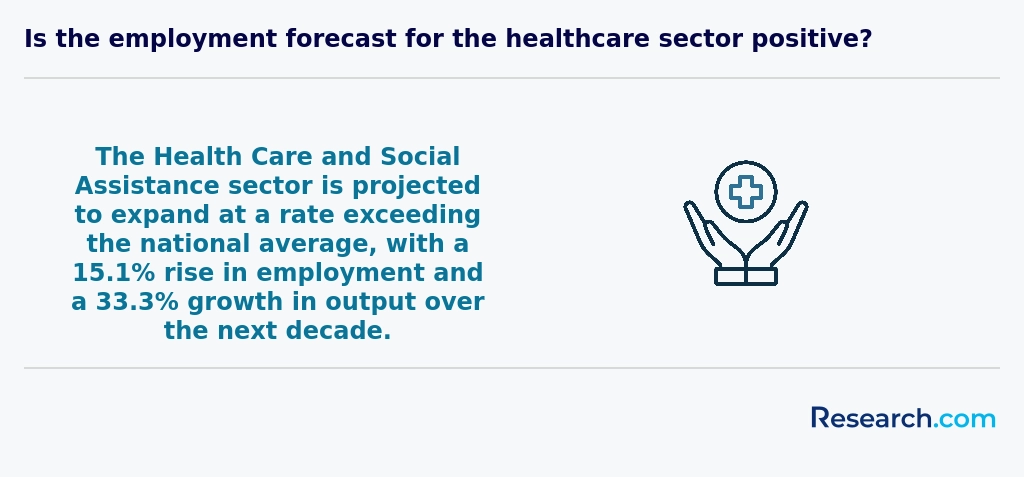
- Healthcare jobs in New York are projected to grow by 15% over the next decade, driven by demand in nursing, medical technology, and healthcare administration.
- State-specific licenses or certifications are required for many healthcare careers, affecting the time and investment to enter the workforce.
- Financial aid options include federal Pell Grants, state grants, and scholarships, with some programs offering accelerated degree paths.
How long does it take to complete healthcare degree in New York?
Completing a healthcare degree in New York varies widely depending on the program level and specialization. Certificate and diploma courses, common among those entering quickly into roles like medical assisting at institutions such as LaGuardia Community College, usually take a few months to one year. Many recent graduates appreciate this efficient pathway, enabling them to start working in healthcare swiftly.
Associate degrees, including the Associate Degree in Nursing (ADN) offered at Bronx Community College, typically require about two years of full-time study. Graduates often share that balancing coursework with clinical practice was demanding yet deeply rewarding, preparing them well for registered nursing roles.
Bachelor's degrees, such as the Bachelor of Science in Nursing (BSN) at Hunter College, generally span four years and incorporate extensive clinical hours. Graduates frequently express pride in their comprehensive education, which significantly enhances job prospects across New York's healthcare system.
Advanced degrees differ: master's programs usually take around two years, while doctoral degrees like the Doctor of Nursing Practice (DNP) demand three to four years beyond a bachelor's. Flexibility through part-time or online options is increasingly embraced by students balancing work and study in New York's dynamic environment.
Admissions and Enrollment Process
Navigating the admission landscape for healthcare degree programs in New York is an essential step toward achieving your career goals. Prospective students should start by reviewing the specific prerequisites for each program, which may include a high school diploma, standardized test scores, previous coursework in science or math, and sometimes relevant healthcare experience. Understanding these requirements early on can help you prepare a compelling application that highlights your readiness for rigorous healthcare training. It is also important to be aware of application deadlines and required documentation, such as letters of recommendation, personal statements, and proof of financial aid eligibility. Universities and colleges often provide detailed guidelines on their websites, so taking the time to research and reach out to admissions counselors can clarify any uncertainties. Being proactive in this process not only strengthens your application, but also gives you a clearer picture of what the institution expects from its incoming students. For those comparing different programs, reading success stories and reviews from alumni can offer additional insights into the institution’s support systems, campus facilities, and career placement services. Many educational advisors also recommend reviewing rankings and thorough comparisons to evaluate which institution aligns best with your personal and professional aspirations. For a deeper dive into top-rated institutions, you might consider exploring the best healthcare schools in new york, which provide comprehensive overviews and valuable metrics to guide your decision-making process. Ultimately, a well-crafted application that addresses both academic and personal qualifications will set the stage for a rewarding educational journey in New York's vibrant healthcare sector. Preparing your documents carefully and seeking advice when needed are key steps to ensuring that your enrollment process is as smooth and successful as possible.
What's the difference between online and on-campus healthcare degree?
Online healthcare degree programs in New York provide flexibility that suits working professionals or those balancing family commitments. Graduates from online programs at institutions like Excelsior College often appreciate being able to study outside traditional hours and anywhere in the state, enabling them to continue earning while learning. This setup contrasts sharply with on-campus programs at universities such as the State University of New York (SUNY) campuses, where students benefit from face-to-face interaction with faculty and peers, fostering a community atmosphere and immediate access to campus resources like simulation labs and libraries.
Costs also differ; on-campus students frequently encounter additional expenses such as housing and commuting, with SUNY tuition averaging $7,000 to $10,000 annually for in-state learners, excluding living costs. Online students might find tuition comparable but save on these ancillary expenses. Clinical training is essential for both paths, yet on-campus students usually secure practicums through university partnerships, easing placement concerns, while online students must often arrange local clinical experiences independently, requiring strong organizational skills.
Both formats maintain rigorous accreditation standards to ensure graduates meet New York's licensure requirements, providing confidence in the quality of education regardless of delivery method.
Prerequisites and Admission Requirements
Before enrolling in a healthcare degree program in New York, applicants must meet specific academic and experiential criteria to ensure success in rigorous coursework and clinical training. Most institutions require: • High School Diploma or Equivalent: A minimum GPA of 2.5–3.0 in core academic subjects, including English, mathematics, and sciences, demonstrates preparedness for college-level study. • Prerequisite Coursework: Foundational classes such as Biology I and II, General Chemistry, Anatomy and Physiology, and Microbiology are commonly required. Some programs may also expect coursework in statistics or medical terminology. • Standardized Tests: While many schools have moved to test-optional policies for SAT or ACT scores, competitive programs-especially nursing tracks-may require the TEAS (Test of Essential Academic Skills) or HESI exams to evaluate readiness for health science curricula. • Healthcare Experience: Volunteer work, internships, or paid positions in clinical settings strengthen applications by showcasing commitment to patient care and teamwork. For example, shadowing a nurse in a hospital or assisting in a community health clinic provides valuable insights into the field. • Supporting Documents: A personal statement reflecting career goals, two to three letters of recommendation (preferably from academic instructors or healthcare supervisors), and official transcripts must be submitted by published deadlines. • Interviews and Background Checks: Selective programs may conduct interviews to assess communication skills and professionalism. Additionally, a clear record from background and immunization checks is mandatory prior to clinical placements. Applicants interested in enhancing their foundational knowledge-and seeking flexible learning options-can explore complementary pathways such as a bachelors kinesiology online to deepen their understanding of human movement and anatomy before transitioning into specialized healthcare roles. Properly meeting these prerequisites paves the way for a seamless progression through a rewarding healthcare education in New York.
What is the average cost of healthcare degree in New York?
The average cost of a healthcare degree in New York reflects a significant investment, with median total expenses typically around $49,347 for both in-state and out-of-state students. Graduates from prominent institutions such as New York University often recall the considerable tuition bills, which can exceed $50,000 annually, but also highlight the value of intensive clinical training and access to advanced healthcare facilities. Conversely, many students who choose universities within the CUNY system appreciate the affordability, with healthcare-related degrees costing approximately $7,200 per year for in-state enrollment. This balance of cost and quality makes CUNY a standout option for those seeking affordable healthcare degree programs New York.
Healthcare students often speak to the importance of budgeting beyond just tuition. Additional expenses such as specialized lab fees, clinical placement costs, and essential equipment can rapidly increase the financial commitment. Furthermore, living expenses in New York City, where several top healthcare programs are located, are notably higher than the national average, adding another layer to the financial planning process.
Many prospective students turn to financial aid and scholarships to offset these costs, making the pursuit of a healthcare degree more accessible. Understanding the full financial picture is critical, especially when comparing options across public and private institutions. Those researching the best healthcare schools in New york will find that investment in education is often matched by excellent career prospects and professional satisfaction.
Students aiming for a healthcare degree here must carefully weigh these factors to ensure a realistic and successful academic journey.
Enrolling Prerequisites and Admission Requirements
Prospective students should first ensure they meet the specific prerequisites required for their desired healthcare degree program in New York. Most institutions request a high school diploma or GED, completed coursework in science and math, and sometimes even placement tests or entrance exams. It is essential for applicants to review each program’s admission criteria carefully, as requirements may differ between community colleges and universities. In some cases, programs may also require a personal statement, letters of recommendation, or an interview to assess candidates' commitment to a career in healthcare. Additionally, those looking to bolster their practical skills before enrolling might consider exploring short-term certification courses-such as kaiser permanente free medical billing and coding classes-which not only enhance a resume but also provide foundational knowledge. By understanding and preparing for these prerequisites, students can navigate the application process with confidence and increase their chances of enrolling in a program that aligns with their career aspirations.
What financial aid is available to healthcare degree students in New York?
Healthcare students in New York benefit from a comprehensive range of financial aid designed to alleviate tuition burdens. Graduates from institutions like SUNY Downstate or Stony Brook University often report relying on Federal Pell Grants, which can provide up to $7,395 annually, significantly easing their educational expenses. Additionally, Federal Direct Loans offer manageable, low-interest repayment plans, allowing students to focus on clinical training without immediate financial pressure.
State-specific support is also substantial. The New York State Tuition Assistance Program (TAP) offers awards up to $6,585 annually to eligible residents, often prioritized for healthcare fields given their critical demand. Many students pursuing nursing or public health degrees find this aid essential in funding their studies while gaining practical experience.
Scholarships from professional organizations, such as the New York State Nurses Association, add meaningful relief. Recipients frequently share how these awards not only lessen financial stress but also encourage their commitment to serving underserved communities. Loan forgiveness programs, including the Public Service Loan Forgiveness and New York's Forgivable Loan for Health Professionals, further motivate graduates to work in high-need areas, transforming financial aid into a pathway for rewarding careers.
Admission Requirements and Application Process
Most healthcare degree programs in New York require a combination of academic credentials, prerequisite coursework, and supporting materials to evaluate applicants’ readiness. While specifics vary by institution, you can generally expect: • Academic Prerequisites: – Minimum GPA of 2.5–3.0 on a 4.0 scale. – Completion of foundational courses such as Biology, Chemistry, and Statistics, often with lab components. – For bachelor’s programs, high school transcripts; for transfer or graduate programs, official college transcripts. • Standardized Tests and Evaluations: – Some schools may require SAT/ACT scores for undergraduates, although many have moved to test-optional policies. – Graduate programs typically ask for GRE scores or equivalent, but waivers are increasingly common for candidates with relevant professional experience. • Supporting Documents: – Personal statement or statement of purpose outlining career goals and motivations for entering healthcare. – Letters of recommendation (usually two to three), ideally from academic advisors or healthcare professionals. – Resume or CV highlighting volunteer work, internships, and any clinical experience. • Application Timeline and Tips: – Most Fall admissions deadlines fall between December and February; Spring deadlines range from August to October. – Early decision or rolling admissions options can improve your chances of acceptance-apply as soon as you meet minimum requirements. – Verify prerequisite completion and upload all documents in PDF format to avoid technical issues. For students seeking flexible, cost-effective online alternatives, explore our Affordable Online Master's in Healthcare Degree Programs Ranking in Orlando, FL. Completing these steps thoroughly ensures you position yourself as a competitive candidate and streamlines the transition from application to enrollment.
What are the prerequisites for enrolling in healthcare degree program in New York?
Enrolling in a healthcare degree program in New York typically requires a high school diploma or equivalent, such as a GED, with strong performance in science courses like biology and chemistry. Many students who succeed at institutions like SUNY Downstate or Stony Brook University recall how prior coursework in anatomy helped them grasp complex material early on, easing their transition into rigorous healthcare studies.
Some programs, particularly nursing or advanced health professions, also mandate completion of college-level prerequisites before admission. Graduates often emphasize the importance of certifications like CPR and immunization records, which are required for clinical placements and state compliance at colleges such as Hunter College.
Applicants must often undergo background checks, ensuring patient safety. Practical experience-whether through internships or volunteer roles in New York hospitals-frequently differentiates competitive candidates and builds confidence for demanding clinical environments.
While some schools still consider SAT or ACT scores, many have adopted test-optional policies, focusing instead on academic transcripts and relevant experience to evaluate readiness for healthcare education.
Application and Enrollment Tips
Navigating the application process is a critical step for prospective students eager to pursue a healthcare degree in New York. When preparing to enroll, it’s essential to review the prerequisites required by each institution. Most programs ask for a high school diploma or GED, along with satisfactory scores from standardized tests and a strong academic record in science and math courses. In addition, some schools recommend prior volunteer or work experience in a healthcare setting to provide practical context for your studies. Before submitting your application, be sure to compile all necessary documents such as transcripts, letters of recommendation, a well-crafted personal statement, and any certifications that highlight your commitment to the field. It can also be advantageous to prepare for interviews by practicing responses that reflect your passion for healthcare. Networking through career fairs and pre-enrollment counseling sessions, often facilitated by the institution’s admissions office, will further clarify program expectations and increase your chances of acceptance. For a broader understanding of the competitive landscape and how leading institutions are preparing students for success, consider exploring insights from the best healthcare schools in new york. These insights can help you identify programs that not only meet admissions criteria but also align with your career aspirations and financial considerations. By following these tips and carefully reviewing each program’s unique requirements, you can ensure a smoother application process and take an informed step toward a rewarding career in healthcare.
What courses are typically in healthcare degree programs in New York?
Healthcare degree programs in New York commonly include foundational courses such as human anatomy and physiology, microbiology, and chemistry, which provide students with a deep understanding of biological systems essential for patient care. Graduates from institutions like Hunter College and SUNY Downstate describe these courses as impactful, offering a solid scientific base that builds confidence in clinical settings.
Clinical training is enhanced through courses in medical terminology, pharmacology, and health assessment, designed to develop practical skills needed for real-world healthcare environments. Students often recall simulated lab experiences at Pace University, where hands-on practice helped them feel prepared and competent for patient interactions.
Complementing the sciences, courses on healthcare ethics, policy, and administration are integral to New York programs. Graduates highlight how studying healthcare law and communication improves their ability to navigate complex healthcare systems, fostering empathy and leadership-qualities crucial for success in New York's diverse medical landscape.
What types of specializations are available in healthcare degree programs in New York?
Healthcare degree specializations in New York encompass a broad spectrum tailored to the state's dynamic medical environment. Graduates from prominent institutions often highlight Nursing as a cornerstone specialization, including pathways like registered nurse (RN) programs and advanced tracks such as nurse practitioner roles. These programs frequently involve clinical rotations within New York's renowned hospitals, enhancing both practical skills and employment opportunities.
Another critical focus is Healthcare Administration, where students develop expertise in hospital leadership, health policy, and health information management. This specialization is especially relevant in New York, where healthcare systems demand adept administrators to streamline patient care across complex urban networks. Public health degrees emphasize community wellness, epidemiology, and education-fields essential for addressing health disparities common to the state's diverse population.
Physical Therapy and Occupational Therapy attract students passionate about rehabilitation sciences, often motivated by New York's sizeable aging demographic, while Medical Technology and Laboratory Sciences prepare graduates for rapidly evolving diagnostic roles. Those interested in coding and billing may also find value in programs like kaiser permanente free medical billing and coding classes, which serve as practical supplements to clinical training.
How do you choose the best healthcare degree in New York?
To choose the best healthcare degree in New York, begin by identifying which healthcare field aligns with your passion and career goals, such as nursing, public health, or medical technology. Graduates from prominent institutions like Columbia University or SUNY Downstate often highlight the importance of enrolling in accredited programs to ensure eligibility for New York licensure exams and professional recognition. Evaluating cost is crucial; many students wisely seek affordable healthcare degree programs in New York while considering financial aid options such as the Excelsior Scholarship.
Consider the value of practical experience through clinical placements offered by schools with strong local healthcare partnerships, whether in New York City's major hospitals or upstate rural clinics. Flexibility also matters, especially for working professionals who benefit from part-time or online formats. For those interested in specialized paths, exploring bachelors kinesiology online options allows balancing work and study efficiently. Such firsthand experiences and thoughtful program choices make selecting the best healthcare degree a confident, informed process.
What career paths are available for healthcare degree students in New York?
Graduates holding a healthcare degree in New York encounter a wide range of career opportunities reflecting the state's expansive medical landscape. Many choose to become registered nurses, benefiting from programs at prominent institutions such as Hunter College or Stony Brook University, which prepare them for roles in hospitals and community health settings. These graduates often express satisfaction with the practical training and networking opportunities that propel them into high-demand nursing positions.
Additional career paths include medical technologists or laboratory technicians, where alumni from institutions like the University at Buffalo thrive by conducting critical diagnostic testing. Healthcare career opportunities in New York also extend to administration and public health, with many graduates finding rewarding roles managing healthcare facilities or spearheading disease prevention initiatives. Others advance to physical therapy or pharmaceutical roles, gaining certifications post-degree and earning competitive salaries.
Students considering a healthcare degree job prospects New York should also explore financial support options. For example, by researching programs such as those listed in the Affordable Online Master's in Healthcare Degree Programs Ranking in Orlando, FL, applicants can identify cost-effective pathways to launch their careers.
What is the job market for healthcare degree in New York?
The job market for healthcare degree holders in New York is notably dynamic, offering abundant opportunities that attract many graduates from well-known institutions such as Columbia University and New York University. These graduates often express satisfaction with their ability to secure positions quickly due to the high demand in various healthcare roles. For example, registered nurses in New York City earn an average annual wage of about $86,000, which is significantly above the national average, reflecting the region's premium on skilled healthcare workers.
Healthcare students deeply appreciate the exposure they receive through clinical rotations in distinguished teaching hospitals, which enhances their practical skills and employability. The strong New York healthcare career opportunities 2027 outlook is supported by a projected 14% employment growth in healthcare roles through 2030. Physical therapists, medical assistants, and health services managers all benefit from this expanding market, with many graduates thriving in these diverse fields.
For those evaluating educational investments, programs in New York often range from $15,000 to $35,000 per year, with significant financial aid available. Prospective students may also consider 1 year online masters programs as a flexible, cost-effective pathway to advance their credentials while entering this robust job market.
Frequently Asked Questions About healthcare
Students pursuing healthcare degrees in New York can enhance their learning by engaging actively in clinical internships, which offer over 200 accredited hospitals statewide for practical experience. The New York State Department of Health highlights that hands-on training in diverse settings prepares students for complex patient care. Additionally, leveraging partnerships between colleges and healthcare organizations-such as those in the New York State Center for Health Workforce Studies-can provide valuable networking opportunities and mentorship. Staying updated with state licensure requirements through the New York State Education Department ensures smooth professional progression. Combining classroom study with real-world exposure is crucial for maximizing educational outcomes in healthcare fields.
Emerging niches in the healthcare field in New York reflect significant changes in technology and patient needs. One key area is telehealth, which expanded rapidly during the COVID-19 pandemic, with New York reporting a 154% increase in telemedicine visits between 2019 and 2021, according to the New York State Department of Health.
Another growing niche is healthcare data analytics. Professionals skilled in interpreting large health datasets help improve patient outcomes and system efficiency. According to the Bureau of Labor Statistics, jobs in healthcare data analysis are expected to grow by 15% nationwide through 2030.
Additionally, geriatric care is critical in New York, with the state's elderly population projected to increase by 25% over the next decade. Specialized programs in aging and chronic disease management are increasingly important to address this demand.
To prepare for the job market after completing a healthcare degree in New York, graduates should focus on gaining practical experience through internships or clinical placements, which are often required in accredited programs. Networking is essential; consider joining professional organizations like the New York State Nurses Association or the Healthcare Association of New York State. According to the New York State Department of Labor, healthcare jobs in the region are expected to grow by 12% from 2020 to 2030, highlighting the importance of relevant skills and certifications. Additionally, obtaining licensure or certification in your specialty will significantly improve employment prospects.
Building strong resume and interview skills tailored to the healthcare sector is also recommended. Many New York hospitals and clinics prefer candidates familiar with electronic health records (EHR) systems and telemedicine technologies, as these are becoming industry standards. Staying informed about health policy changes and continuing education opportunities in New York can further enhance competitiveness in the local job market.
Employers in New York's healthcare sector prioritize graduates who demonstrate strong clinical skills combined with effective communication. According to the New York State Department of Health, teamwork and interpersonal abilities are crucial for delivering patient-centered care.
Analytical skills and proficiency in electronic health records (EHR) systems rank highly, reflecting the digitization trends in local hospitals and clinics. Additionally, adaptability is vital as healthcare roles evolve rapidly due to technological advances and regulatory changes.
Knowledge of public health principles and cultural competence also stand out. Given New York's diverse population, employers value graduates who can deliver inclusive care across different communities.
Finally, ethical reasoning and problem-solving capabilities rank among the top skills cited by healthcare administrators in New York, supporting safe and effective care delivery.
Finding internships in New York related to healthcare degrees involves multiple practical steps. Start by consulting your college's career services, which often partner with local hospitals and clinics. New York State has over 300 hospitals, including major networks like NYU Langone and Mount Sinai, providing numerous internship opportunities. According to the New York State Department of Labor, healthcare occupations in the region are projected to grow by 16% through 2030, increasing demand for student interns.
Searching online job portals such as Indeed or Handshake with filters for healthcare internships in New York can yield many positions. Additionally, professional organizations like the New York State Nurses Association offer internship listings and networking events. Remember to prepare a strong resume emphasizing healthcare coursework and volunteer experience to improve chances.
Obtaining a healthcare degree in New York significantly enhances career mobility and advancement opportunities. The state's robust healthcare sector employs over 1.4 million workers, making it one of the largest job markets in the nation according to the New York State Department of Labor.
Graduates with degrees in nursing, public health, or health administration can access diverse roles ranging from clinical care to management. Advanced qualifications often lead to higher salaries; for example, registered nurses in New York earn a median annual wage of approximately $87,000, well above the national average as reported by the Bureau of Labor Statistics in 2023.
Moreover, New York's emphasis on continuing education and professional licensing ensures that healthcare degree holders can pivot between specialties and ascend to leadership positions. Employers frequently prefer candidates with formal education credentials, reflecting a competitive advantage in job promotions and transfers within this evolving field.
Studying for a healthcare degree in New York equips students with skills essential for interdisciplinary roles by emphasizing collaboration across medical, administrative, and social disciplines. Many New York institutions integrate team-based projects and clinical experiences that mirror real-world healthcare settings. This fosters communication between nurses, doctors, social workers, and health administrators.
New York's diverse patient population and complex health systems provide hands-on opportunities to understand various perspectives in healthcare delivery. Additionally, programs often include training in health informatics, policy, and ethics, supporting well-rounded expertise.
According to the New York State Department of Health, over 700,000 healthcare jobs require professionals capable of interdisciplinary coordination, underscoring the region's demand for versatile graduates.
Choosing between a thesis and a non-thesis healthcare degree program in New York depends largely on your career goals and learning preferences. Thesis programs focus on original research and require writing a detailed paper, which is ideal if you aim for roles in research, academia, or advanced clinical practice. Non-thesis options typically emphasize practical skills through coursework and internships, better suited for direct healthcare delivery roles.
New York hosts many accredited institutions offering both paths, with state health employment expected to grow by 13% through 2030, according to the New York State Department of Labor. Consider if you prefer research-oriented work or immediate field experience when deciding.
Students based in New York seeking healthcare degrees have growing opportunities to study abroad through partnerships between New York institutions and international universities. Many programs offer exchange or dual-degree options, allowing students to gain global healthcare perspectives while earning US-accredited degrees. For example, some nursing and public health schools in New York collaborate with European and Asian universities to provide clinical rotations overseas.
According to the New York State Education Department, healthcare fields like nursing and public health are among the fastest-growing sectors, prompting institutions to enhance international study options. These experiences often improve cultural competency and career prospects in the diverse New York healthcare market.
Financial aid and scholarships specifically for study abroad in healthcare are increasingly available through New York-based universities, making such programs more affordable.
In New York, part-time jobs that complement healthcare degree education include positions such as medical assistants, nursing aides, and pharmacy technicians. These roles offer hands-on experience directly related to healthcare fields. For instance, medical assistants support clinical tasks and patient care, reinforcing knowledge gained in class. According to the New York State Department of Labor, healthcare support occupations are expected to grow by over 15% through 2028, indicating ample opportunities for students.
Working as a certified nursing aide (CNA) allows students to develop patient care skills within hospitals or long-term care facilities. Pharmacy technician roles provide exposure to medication management in retail or hospital pharmacies.
Healthcare students in New York have access to numerous networking opportunities crucial for career growth. Many universities host professional events and career fairs connecting students with local hospitals and healthcare providers. For example, the New York State Department of Health often collaborates with academic institutions to facilitate internships, giving students practical experience and valuable contacts.
The New York Healthcare Association offers membership and networking events, which help students meet industry leaders and peers. Additionally, organizations like the American Public Health Association's New York City chapter host conferences and workshops tailored for emerging professionals.
Furthermore, New York's large healthcare market means a high demand for skilled workers, encouraging networking through community health programs and alumni groups based at major universities like Columbia and NYU.
Alumni networks play a crucial role in supporting healthcare degree students in New York by providing access to professional connections and career opportunities. Graduates often share job openings and internship information through these networks, which is vital in New York's large and competitive healthcare market. According to the New York State Department of Labor, healthcare occupations are expected to grow by 10% from 2022 to 2032, increasing the demand for well-connected professionals. Alumni can offer mentorship, guidance on certification processes, and advice tailored to New York's healthcare system regulations. This support enhances students' readiness for licensure and employment in the state.
Additionally, alumni often collaborate on continuing education, helping current students stay updated with the latest medical practices and technologies. Many New York institutions host alumni events and webinars, strengthening students' professional identity and expanding their network locally and statewide. These connections foster career advancement and improve job placement rates, making alumni networks a valuable resource for aspiring healthcare students in New York.
Customizing a healthcare degree program in New York allows students to align their education with specific career goals within this diverse field. Many universities offer flexible curricula that include elective courses, specializations, and practical experiences tailored to areas like nursing, public health, or healthcare administration.
Students can often choose between different pathways such as clinical practice, research, or healthcare technology. Internships and partnerships with New York hospitals and health organizations provide hands-on learning and networking opportunities.
According to the New York State Education Department, programs frequently support part-time and online options, enhancing accessibility for working professionals.
Additionally, some degree programs offer dual degrees or certifications, enabling learners to expand their qualifications efficiently.
Healthcare students in New York encounter several challenges that impact their educational experience. One significant issue is the high cost of tuition and living expenses. According to the College Board, average annual tuition and fees for in-state public universities in New York exceed $7,000, while private institutions often charge over $30,000, creating financial pressure.
Additionally, the demanding clinical hours required can lead to stress and burnout. New York's diverse population also requires students to develop strong cultural competency skills, adding complexity to their training. Lastly, competition for internships and residency spots is intense due to the state's large number of healthcare programs and applicants, as noted by the New York State Education Department.
With a healthcare degree in New York, graduates can pursue a variety of professional certifications to enhance their career prospects. Common certifications include the Certified Nursing Assistant (CNA), Registered Nurse (RN) licensure, and Medical Assistant Certification (CMA). For those interested in specialized roles, certifications such as the Certified Clinical Medical Assistant or Emergency Medical Technician (EMT) are also available.
Additionally, becoming a Licensed Practical Nurse (LPN) is a popular pathway. According to the New York State Education Department, many healthcare employers prioritize candidates with these credentials. Pursuing certifications administered by nationally recognized organizations like the National Healthcareer Association or the American Nurses Credentialing Center further improves job prospects in the state's competitive healthcare market.
Applying to healthcare programs in New York requires careful preparation and attention to detail. Start by researching accredited institutions recognized by the New York State Education Department to ensure your degree will be valid for licensure and employment.
Highlight your academic achievements and relevant experience clearly, as competitive healthcare programs often have acceptance rates below 30%. For instance, nursing programs in New York City report an average acceptance rate near 25%, according to the National Center for Education Statistics.
Be sure to write a compelling personal statement that emphasizes your commitment to healthcare and knowledge of challenges in New York's diverse communities. Including volunteer work or internships within local hospitals or public health agencies strengthens your application.
Lastly, obtain strong letters of recommendation from professionals who can attest to your skills and dedication in the healthcare field. Meeting all deadlines and submitting complete materials improves your chances significantly.
The healthcare sector in New York is part of a global network where knowledge exchange and collaboration are vital. According to the New York State Department of Health, healthcare professionals trained in New York often engage in international efforts to combat public health challenges, such as infectious diseases and chronic conditions.
Globally, healthcare careers are seen as essential to improving population health and economic stability. Graduates with degrees from New York institutions enter a workforce that values interdisciplinary skills and cultural competence, reflecting worldwide trends in patient-centered care.
New York's diverse population offers students unique exposure to various health issues, aligning with global perspectives on health equity and access. As reported by the U.S. Bureau of Labor Statistics, healthcare occupations in New York are projected to grow by over 13% through 2030, emphasizing the demand for professionals equipped with a broad, international approach.
Gaining practical experience while studying for a healthcare degree in New York is essential for career readiness. Many colleges and universities in the state offer clinical rotations or internships as part of their healthcare programs, allowing students to work directly in hospitals, clinics, and healthcare facilities.
In New York, institutions often collaborate with prominent medical centers like NewYork-Presbyterian and Mount Sinai Health System, where students can observe and participate in patient care under supervision. According to the New York State Department of Education, these clinical experiences are required for most healthcare licensure paths.
Additionally, volunteering opportunities in local healthcare organizations provide valuable hands-on experience. Students can also join research projects or simulation labs offered by their schools to build practical skills in a controlled environment.
Choosing the right concentration within a healthcare degree program in New York involves understanding both your career goals and the local job market. New York offers diverse options, including nursing, public health, healthcare administration, and medical technology. According to the New York State Department of Labor, healthcare occupations are among the fastest-growing in the state, projected to grow by 18% from 2020 to 2030.
Students should consider their interests, strengths, and the specific skills each concentration develops. For example, nursing focuses on patient care, while healthcare administration emphasizes management and policy. Researching program curriculum and internship opportunities in New York hospitals or clinics can also guide decision-making.
Finally, explore licensing requirements and job placement rates for each concentration to ensure alignment with your goals and workforce demand.
Related Healthcare Rankings for Nearby States
- 2027 Most Affordable Online Healthcare Degree Programs Ranking in New Jersey
- 2027 Most Affordable Online Healthcare Degree Programs Ranking in Pennsylvania
- 2027 Most Affordable Online Healthcare Degree Programs Ranking in Maryland
- 2027 Most Affordable Online Healthcare Degree Programs Ranking in Ohio
- 2027 Most Affordable Online Healthcare Degree Programs Ranking in Virginia
- 2027 Most Affordable Online Healthcare Degree Programs Ranking in Maine
- 2027 Most Affordable Online Healthcare Degree Programs Ranking in West Virginia
- 2027 Most Affordable Online Healthcare Degree Programs Ranking in Kentucky
- 2027 Most Affordable Online Healthcare Degree Programs Ranking in North Carolina
- 2027 Most Affordable Online Healthcare Degree Programs Ranking in South Carolina
Top Trending Healthcare Rankings
See What Experts Have To Say About Studying Healthcare
Read our interview with Healthcare experts

References
- Pre-Med Study Abroad Programs | Go Overseas https://www.gooverseas.com/study-abroad/pre-med
- Top 5 Part-Time Healthcare Jobs For Students https://www.sumnercollege.edu/blog/top-5-part-time-healthcare-jobs-for-students/
- Global Health Perspectives https://globalhealthperspectives.com/
- Interdisciplinary Education and Practice https://www.aacnnursing.org/news-data/position-statements-white-papers/interdisciplinary-education-and-practice
- Average Cost of Medical School [2025]: Yearly + Total Costs https://educationdata.org/average-cost-of-medical-school
- The Healthcare Student’s Guide to Internships | EduMed.org https://www.edumed.org/resources/student-online-guide-to-internships/
- 6 Tips On Networking For Medical Professionals https://aaams.net/blog/how-to-network-in-the-medical-field-nurses/
- Financial Aid | New York Medical College https://www.nymc.edu/admissions--aid/financial-aid/
- The Value of Healthcare Organization Alumni Associations https://consultqd.clevelandclinic.org/the-value-of-healthcare-organization-alumni-associations
- Course Benefits https://www.premedprojects.co.uk/hospital-work-experience-benefits


