2027 Most Affordable Online Healthcare Degree Programs Ranking in Maryland

Co-Founder and Chief Data Scientist
If you're considering advancing your career in healthcare, finding an affordable program that fits your lifestyle is key. This article presents the 2027 Most Affordable Online Healthcare Degree Programs Ranking in Maryland, carefully crafted by the Research.com team of data scientists. It's designed to help you navigate your options and choose a program that offers true value.
By exploring this ranking, you'll gain insights into quality online degrees that won't break the bank. Earning a healthcare degree can open doors to meaningful work and personal growth. Let's make your educational journey a confident and rewarding one.
Key benefits of getting online healthcare degree in Maryland
- Graduates with healthcare degrees can expect strong earning potential in Maryland, with roles like Patient Care Technician earning around $60,790 annually and Quality Improvement Coordinators reaching $103,150 per year.
- Career paths for healthcare grads in Maryland include Medical Assistant, Health Information Technician, or Clinical Research Coordinator, offering diverse opportunities to suit your interests and goals.
- Online healthcare degrees from Maryland schools provide flexibility and access, allowing students to balance work and study while gaining the same respected credentials as traditional programs.
- 2027 Most Affordable Online Healthcare Degree Programs Ranking in Maryland
- What can I expect from online healthcare degree in Maryland?
- Where can I work with online healthcare degree in Maryland?
What can I expect from online healthcare degree in Maryland?
Online healthcare degrees in Maryland typically cost between $10,000 and $25,000 in tuition, depending on the program length and institution. For example, graduates from the University of Maryland's online nursing program often share how managing tuition within this range helped them maintain financial stability while balancing work and family commitments.
Many students appreciate that Maryland schools, including those with strong healthcare programs like Towson University, offer in-state tuition rates for residents, which significantly lowers the cost compared to out-of-state options. Additionally, scholarships and financial aid specifically targeting healthcare students make the programs even more affordable.
Graduates commonly highlight the value of transparent tuition pricing combined with flexible payment plans. This practical approach allows students to budget realistically and focus on gaining hands-on experience through arranged clinicals at local hospitals without worrying about unexpected expenses.
Choosing a program accredited locally or nationally also ensures your degree holds value in Maryland's competitive healthcare job market, making the investment worthwhile and boosting confidence throughout your educational journey.
Where can I work with online healthcare degree in Maryland?
Graduates with online healthcare degrees from institutions like the University of Maryland Global Campus often find rewarding roles in major hospital systems such as Johns Hopkins Medicine or MedStar Health. These environments hire for positions including healthcare administration, nursing support, and clinical coordination, making the transition from study to employment smoother for many.
Others take advantage of Maryland's growing outpatient clinics and urgent care centers, where demand is high due to the state's aging population. Graduates frequently share how rewarding it feels to support rehabilitation and mental health services that directly impact local communities.
Public health agencies, including the Maryland Department of Health, provide pathways for those focused on healthcare policy, epidemiology, and health informatics. Graduates often highlight how their degree prepared them for tech-driven roles improving community health outcomes.
With institutions like NIH nearby, healthcare analysts and lab managers find exciting opportunities within Maryland's biotech scene. Many graduates appreciate the blend of scientific work and healthcare expertise, fueling career growth without the need for additional licensing.
Graduates of online healthcare programs in Maryland can expect solid earning potential across several in-demand roles. For example, medical assistants earn an average of about $43,350 annually, while patient care technicians typically make close to $60,790 per year. These figures reflect real opportunities found by alumni of universities such as the University of Maryland Global Campus, who have leveraged their degrees to quickly enter the workforce.
Those specializing in health information technology often start in roles like health information technicians, earning around $43,380 annually. Graduates who focus on leadership or coordination roles, such as quality improvement coordinators, can see salaries jump significantly-with average wages reaching $103,150 per year. This aligns with experiences from recent graduates of community colleges and state universities across Maryland, who have cited how practical skills learned in their online courses translated well into these higher-paying positions.
Choosing an online degree program in Maryland allows flexibility while pursuing competitive salaries, especially in growing roles tied to healthcare data management and quality control. This tangible financial outlook, combined with Maryland's projections of strong healthcare job growth, reassures many students that their investment will pay off.
- Tuition for online healthcare degrees in Maryland ranges from $7,000 to $12,000 per year for associate degrees and $10,000 to $20,000 for bachelor's programs.
- Graduate healthcare degrees, such as master's in nursing or healthcare administration, typically cost between $15,000 and $30,000 annually.
- Healthcare jobs in Maryland are expected to grow by about 15% over the next ten years due to an aging population and expanded healthcare access.
- Entry-level salaries for bachelor's degree holders in healthcare average between $55,000 and $65,000 per year, rising to over $85,000 with experience.
- Program accreditation recognized by the U.S. Department of Education or specialty accreditors is important for licensure eligibility and job prospects in Maryland.
Completing an online healthcare degree in Maryland typically ranges from two to four years, depending on the program level. For example, graduates from community colleges offering associate degrees in health information technology often finish in about two years, making it an efficient path for those eager to enter Maryland's health workforce quickly.
At popular institutions like the University of Maryland Global Campus, students pursuing a bachelor's degree in healthcare administration or nursing usually spend around four years studying full-time. Many appreciate the flexible pacing and transfer credit options that help shorten their time, especially when balancing jobs and family.
Graduate degrees, such as a Master of Science in Nursing, commonly take between 18 months and three years. Part-time study options are popular among working professionals around Baltimore and College Park, as they allow steady progress without sacrificing income.
Graduates often highlight how Maryland's state curriculum standards ensure programs meet rigorous credit requirements, providing confidence in the degree's value while enjoying the convenience of online learning.
Completing an online healthcare degree in Maryland often leads to state licensure or national certification, ensuring you meet professional standards and expand career opportunities.
- Registered Nurse (RN): Maryland Board of Nursing licensure; requires NCLEX-RN exam after degree.
- Licensed Practical Nurse (LPN): NCLEX-PN exam and state application through MBON.
- Allied Health Certifications: Certified Medical Assistant (CMA), Registered Health Information Technician (RHIT), or Certified Professional Coder (CPC) via AAPC-consider medical coding and billing classes online with financial aid.
To obtain and maintain credentials:
- Submit application and fees to the Maryland Board of Nursing or relevant certifying body.
- Complete background check and fingerprinting.
- Pass required licensure or certification exams.
- Fulfill continuing education credits as mandated for renewal.
Ensuring you understand these steps before enrolling helps align your online degree with Maryland’s professional requirements and accelerates your entry into the workforce.
Online healthcare degrees in Maryland, such as those from University of Maryland Global Campus, offer flexibility that many graduates value. One graduate shared how managing coursework alongside family responsibilities was manageable since lectures and assignments were accessible anytime, without commuting. This format requires self-discipline but allows balancing work and study more smoothly.
On-campus programs, like those at Johns Hopkins University, provide hands-on clinical training that students find invaluable. Graduates emphasize the benefit of immediate support from faculty and peers during labs and patient simulations, which is crucial for fields like nursing and radiologic technology.
Cost is another practical difference. Online programs often save approximately 10-20% on tuition and eliminate housing or transport costs, easing financial strain. However, some clinical placements require in-person attendance, which can add travel expenses even for online students.
Both online and on-campus degrees in Maryland must meet strict licensing standards and clinical hour requirements set by state boards and accrediting bodies like CCNE, ensuring graduates are prepared to enter the healthcare workforce confidently.
Navigating an online healthcare degree requires more than academic aptitude-it calls for effective study habits, time management, and continuous self-improvement. Students can significantly boost their success by creating a structured study schedule that aligns with course deadlines while allowing ample time for hands-on practice. Setting up a dedicated workspace free from distractions is also critical for staying focused during online lectures and group projects. Another crucial strategy is leveraging digital tools. Using calendars, reminders, and learning management systems can help track progress and meet critical deadlines. Equally important is building a support network. Engaging with peers, participating in online forums, and attending virtual office hours with professors can enhance your learning experience. For further insights on quality programs and rankings, check out affordable healthcare schools in maryland. To thrive in an online environment, proactively seek academic resources offered by your institution. Tutorials, workshops, and counseling services can provide personalized guidance if you face challenges with complex course materials. Finally, staying updated with healthcare industry trends through webinars, online conferences, and relevant coursework will not only enrich your education but also prepare you for evolving career demands. Adopting these proven strategies can transform your online education journey into a pathway toward long-term professional success.
The average cost of an online healthcare degree in Maryland varies notably depending on whether you are an in-state or out-of-state student. For those residing in Maryland, the median total cost is around $18,504, making pursuing such a degree at public institutions a financially practical choice. Graduates from popular schools like the University of Maryland Global Campus often share how managing tuition costs within this range allowed them to focus fully on their studies without overwhelming debt.
Out-of-state students typically face higher expenses, with median costs rising to about $25,345. This is an important consideration for those weighing options beyond Maryland's borders. For students eyeing private institutions, the costs tend to be significantly higher, with median totals around $35,982, reflecting the premium pricing of specialized programs. However, these programs sometimes offer scholarships and financial aid that can ease the burden, providing flexible pathways to completion.
Pragmatically, when mapping out your educational finances, considering the average cost of online healthcare degree Maryland residents pay can guide you towards the most affordable online healthcare degree programs Maryland offers. To make an informed decision, explore the affordable healthcare schools in maryland that many students find beneficial for balancing quality and cost.
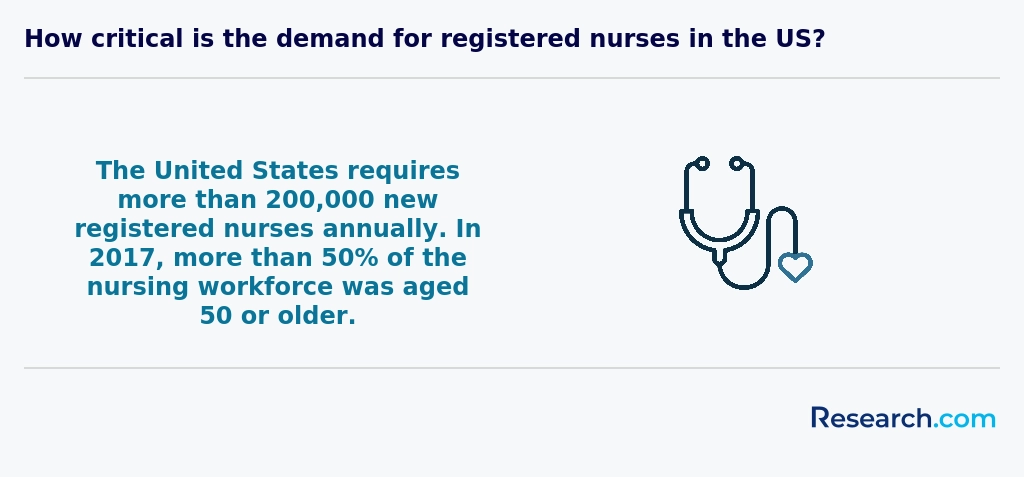
When evaluating online healthcare degree programs in Maryland, accreditation is paramount for ensuring your education meets industry standards and qualifies you for state licensure. First, confirm that your institution holds regional accreditation from agencies such as the Middle States Commission on Higher Education (MSCHE). For clinical and specialized programs, look for programmatic accreditation-CCNE for nursing, CAAHEP for allied health, or CAHME for healthcare management-to guarantee eligibility for national certification exams. State authorization is equally critical: Maryland’s Office of Higher Education maintains a list of approved out-of-state providers authorized to offer online education within Maryland’s borders. Enrolling in an unauthorized program can jeopardize your ability to sit for licensure exams or secure employment in Maryland healthcare settings. Always verify that clinical practicum and internship sites are recognized by both your program and Maryland’s Board of Nursing or relevant licensing board. For a broader comparison of cost and accreditation across regions, prospective students may also explore the Inexpensive Online Healthcare Degree Programs Ranking in Mequon, WI, which highlights similarly accredited, budget-friendly online offerings. Ensuring both regional and programmatic accreditation alongside proper state authorization will safeguard your investment and streamline your path to certification and licensure in Maryland’s thriving healthcare industry.
To finance an online healthcare degree in Maryland, start by completing the FAFSA to access federal aid like Pell Grants, which can cover up to $7,395 annually without repayment. Many graduates from institutions such as the University of Maryland Global Campus have found this essential for reducing upfront costs.
Next, explore state-level grants through the Maryland Higher Education Commission, especially the Educational Assistance Grant. These need-based awards, sometimes reaching $3,600 yearly, make a tangible difference for part-time or full-time Maryland residents attending local colleges.
Don't overlook scholarships offered by organizations like the Maryland Nurses Association, which specifically support healthcare students. Recipients often describe how these scholarships eased their financial burdens and allowed more focus on studies.
Finally, if you work within Maryland's healthcare system, check employer tuition assistance programs common in hospitals and clinics. Many students at institutions like Towson University have successfully combined this with other aids to afford their education without overwhelming debt.
For many online healthcare degree graduates, the transition from the virtual classroom to a thriving career can be both exciting and challenging. This section outlines actionable strategies to maximize your educational investment and build a robust professional network. First, take advantage of career services and alumni networks provided by your institution. Attending virtual career fairs, joining professional associations, and participating in mentorship programs can bridge the gap between academic learning and real-world practice. Additionally, consider engaging in internships or volunteer opportunities that allow you to apply your theoretical knowledge in dynamic, clinical environments. Staying updated on industry trends-such as advancements in telemedicine, electronic health records, and patient data security-will also equip you with the competitive edge needed in today's evolving healthcare landscape. Moreover, for those aiming to advance into leadership roles, pursuing further studies can be beneficial; for instance, you might eventually explore a degree in healthcare management to enhance your expertise in strategy and administration. Ultimately, continuous learning, professional networking, and strategic career planning are key to turning your online education into a successful, long-term career in healthcare.
To enroll in an online healthcare degree in Maryland, you'll first need a solid academic foundation. For undergraduates aiming for programs like a BSN or Health Sciences, a high school diploma or GED is essential. Graduates from popular state schools often recall how completing biology, chemistry, and math courses in high school made complex online classes manageable and less stressful.
Testing requirements vary, but some Maryland colleges have embraced test-optional policies, easing the pressure on applicants. This practical change has delighted many students balancing work and family.
Graduate programs ask for more than just a degree. Most require an accredited bachelor's degree with at least a 3.0 GPA, plus relevant coursework such as anatomy or physiology. For aspiring nurses or healthcare administrators, professional experience and licensure are often mandatory-something many online learners appreciate as it helps blend real-world skills with academic knowledge.
Many Maryland healthcare students find writing personal statements and securing recommendation letters a meaningful step, as it encourages reflection on their healthcare goals and commitments. These requirements align with state workforce needs, supporting a competitive yet accessible admission process.
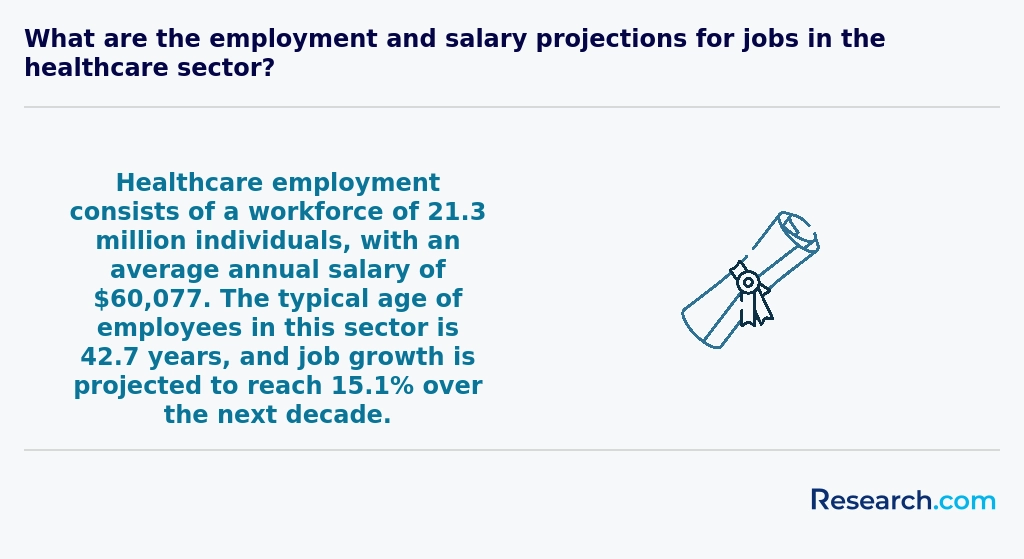
Success in an online healthcare program starts before you even enroll. To make the most of your education, establishing clear academic goals and time-management strategies is crucial. Begin by mapping out your semester, scheduling study sessions, and setting realistic milestones to track your progress. Maintaining a structured routine not only keeps you on track with assignments and exams but also helps balance work, family, and personal life. Engage actively with your professors and peers in online forums and virtual study groups. Regular interaction can enhance your understanding of complex healthcare concepts and provide support when you face challenges. Don’t hesitate to seek extra help or clarification on course materials from your faculty-they are valuable resources committed to your success. Additionally, immerse yourself in the available digital resources such as webinars, online libraries, and career counseling sessions. These tools not only enrich your learning experience but also build industry-relevant skills that can boost your career prospects once you graduate. For example, exploring additional insights on affordable healthcare schools in maryland can provide you with ideas for internships and networking opportunities that can pave your professional path. Finally, invest time in developing technical skills that are critical for online learning, such as mastering virtual collaboration tools. Familiarize yourself with the learning management system (LMS) used by your institution to ensure you can navigate course resources efficiently. By combining a disciplined study schedule, active engagement, and continuous professional development, you will be well-prepared to thrive in your online healthcare program and in the rapidly evolving healthcare industry.
Online healthcare degree programs in Maryland typically include core courses such as anatomy, physiology, and microbiology, which are essential for understanding the human body. Graduates from popular schools like the University of Maryland have shared how these foundational courses helped them confidently support patient care in hospital settings.
Students also take healthcare-specific classes covering medical terminology, healthcare ethics, and health information systems. One graduate from Towson University described how mastering electronic health records gave them an edge in administrative roles, especially with Maryland's strict HIPAA-related privacy laws.
Population health and public health courses are common, focusing on community health challenges and prevention strategies. Students often find these especially meaningful, knowing Maryland prioritizes reducing chronic diseases through state programs supported by the Maryland Department of Health.
Many programs include healthcare law and policy modules, crucial for navigating Maryland's unique all-payer hospital payment system. Leadership and quality improvement courses prepare students for supervisory roles at local medical centers, a practical skill graduates appreciate as they transition into management positions.
Online healthcare degree specializations Maryland students can pursue are practical and diverse, designed to fit various career paths. Nursing programs, such as RN to BSN or MSN with tracks like Nurse Practitioner, are popular choices, especially at universities known for their clinical strength. Graduates often share how these degrees made balancing work and study achievable while advancing their nursing careers.
Healthcare Administration is another common focus, with many students attracted to management roles in hospitals and clinics. Offering leadership skills through online courses, Maryland schools equip students for real-world healthcare challenges. Those aiming for executive roles often choose a degree in healthcare management to gain relevant expertise.
Other specializations include Public Health, Health Informatics, and Healthcare Quality and Patient Safety-fields growing rapidly due to Maryland's strong healthcare system. Graduates of these programs often highlight the blend of theoretical knowledge and practical applications, which prepares them well for evolving industry demands. Students appreciate how online programs provide flexibility without sacrificing essential hands-on learning experiences.
Start by verifying accreditation from bodies like the Commission on Collegiate Nursing Education or ACEND, as many Maryland graduates emphasize how crucial this was for licensure and employer trust. Then, consider tuition costs-students at the University of Maryland or Towson University often share how online formats helped reduce living expenses despite Maryland's generally higher fees. Look closely at program flexibility; asynchronous courses let working professionals balance shifts at local hospitals while studying, mimicking the success reported by many online learners in Baltimore.
Check if clinical practicums can be completed near your home, a common benefit noted by students enrolled in local programs who found practical experience easier to arrange with nearby healthcare partners. Specialize wisely by aligning your choice with Maryland's healthcare job market, such as nursing or health administration, boosting long-term career prospects. For added insight into affordable healthcare degrees Maryland online, review programs compared in Inexpensive Online Healthcare Degree Programs Ranking in Mequon, WI.

Graduates with an online healthcare degree in Maryland find diverse career paths that align well with the state's robust medical landscape. For instance, many take the registered nurse route, with programs at renowned institutions like the University of Maryland Global Campus preparing students efficiently for RN roles paying around $75,000 annually. These degrees are practical stepping stones into nursing, especially through BSN or RN-to-BSN tracks.
Others move into healthcare administration, driven by Maryland's expanding health services sector. Graduates from colleges such as Towson University highlight how online health administration programs equip them to manage clinics or insurance offices effectively, making this a promising path within Maryland healthcare career opportunities online. Public health roles are gaining traction too, offering opportunities with local health departments and nonprofits focused on disease prevention and health equity.
Technical positions also attract online degree holders. Careers like medical and health services technicians, health informatics specialists, and therapy assistants are in demand. Some graduates share that programs at community colleges helped bridge coursework, making occupations accessible. For those unsure of which path aligns best, exploring what is the easiest associate's degree to get can simplify initial decisions when aiming for online healthcare degree jobs in Maryland.
The job market for online healthcare degree holders in Maryland is strong and expanding, driven by the state's growing healthcare needs and aging population. Graduates from well-known institutions such as the University of Maryland or Towson University commonly find roles in nursing, health administration, and allied health fields soon after completing their programs. Many report feeling confident entering the market due to Maryland's extensive healthcare infrastructure, which includes top hospitals and federal health agencies.
Online healthcare jobs Maryland offer flexible options, especially with the rise of telehealth roles that allow graduates to work remotely or in various parts of the state. One graduate recently shared how their online degree helped them quickly pass licensure exams and secure a position in a major hospital system near Baltimore.
Cost-conscious students often seek affordable pathways, and exploring cheap associate programs online provides a practical entry point for many, balancing price with quality education and strong job prospects.
2027 Most Affordable Online Healthcare Degree Programs Ranking in Maryland
Investing in your education is a significant decision that can shape your future, and the Research.com team recognizes the importance of making well-informed choices. To support prospective students in Maryland, we have carefully developed the "2027 Most Affordable Online Healthcare Degree Programs Ranking in Maryland." Our dedication to quality, credibility, and accuracy is demonstrated through rigorous research and analysis.
We utilized the following reputable data sources to create this ranking:
By reviewing this ranking, readers will gain valuable insights into affordable and credible online healthcare degree programs in Maryland, helping them make confident and informed educational decisions. For more information about our methodology, please visit our Research.com methodology page.
# 1 position
University of Maryland-College Park
Master of Public Health Practice and Policy, Online


# 4 position
University of Maryland Global Campus
Master of Health Information Management and Technology

# 7 position
University of Maryland Global Campus
Bachelor of Health Services Management
# 8 position
University of Maryland, Baltimore
Registered Nurse to Master of Science in Nursing


Frequently Asked Questions About healthcare
Online healthcare degree students in Maryland can enhance their learning by actively engaging with virtual simulations and interactive coursework, which many accredited programs now offer. Maryland's robust healthcare sector, including institutions like Johns Hopkins Medicine, provides valuable networking opportunities through virtual events and internships.
Students should also leverage Maryland's state resources, such as the Maryland Higher Education Commission, to access scholarships and support services tailored for online learners. Time management and consistent communication with faculty are essential for success in a remote learning environment.
According to the Maryland Department of Health, demand for healthcare professionals is rising by 15% through 2030, emphasizing the importance of practical experience alongside online study.
The healthcare field is rapidly evolving, creating several emerging niches attractive to Maryland students pursuing online degrees. Precision medicine, which uses genetic data to tailor treatments, is gaining traction as Maryland hosts leading research centers like Johns Hopkins.
Another growing area is telehealth, boosted by a 45% increase in Maryland-based providers offering remote care since 2020, according to the Maryland Department of Health.
Healthcare data analytics is also expanding, with demand for professionals skilled in interpreting electronic health records to improve patient outcomes.
Mental health services are increasingly prioritized, reflecting a statewide emphasis on expanding access to behavioral healthcare.
Preparing for the job market after completing an online healthcare degree in Maryland involves several key steps. First, obtain any necessary state licensure or certification, as Maryland requires healthcare professionals to meet specific regulatory standards set by agencies such as the Maryland Board of Nursing or the Maryland Department of Health.
Next, gaining practical experience through internships, clinical placements, or volunteer work is critical, even if the degree is online. Maryland frequently reports a demand for healthcare workers, with the Maryland Hospital Association noting a 12% projected increase in nursing roles by 2028.
Networking is also essential; joining local professional organizations like the Maryland Nurses Association can open doors to job opportunities.
Finally, create a strong resume highlighting relevant skills, certifications, and any hands-on experience. Tailoring applications to Maryland healthcare employers improves chances of success, given the state's growing healthcare sector.
Employers in Maryland highly value healthcare graduates who demonstrate strong clinical skills and patient care abilities. Given Maryland's diverse healthcare landscape, proficiency in communication and cultural competence is essential for effective interaction with patients from various backgrounds. According to the Maryland Department of Labor, teamwork and critical thinking are among the top soft skills sought after in healthcare professionals statewide.
Technical skills related to healthcare technology and electronic health records (EHR) systems are also increasingly important. Maryland's hospitals have widely adopted EHR, so graduates familiar with systems like Epic or Cerner are at an advantage. Additionally, knowledge of local healthcare regulations and policies can enhance job prospects.
Finding internships in Maryland relevant to a healthcare degree involves several strategic steps. First, explore partnerships between your online program and local hospitals, clinics, or public health organizations. Many Maryland institutions like Johns Hopkins Health System and the University of Maryland Medical Center offer internship opportunities. According to the Maryland Department of Labor, the healthcare sector is among the state's largest employers, highlighting ample practical training options.
Additionally, use Maryland's workforce development resources, such as the Maryland Workforce Exchange website, to search for healthcare internships. Networking through professional associations like the Maryland Nurses Association can also increase internship prospects. Early planning and proactive communication with program advisors improve success in securing relevant placements.
Obtaining an online healthcare degree in Maryland can significantly enhance career mobility and advancement opportunities. The state's growing healthcare sector, which employs over 300,000 professionals according to the Maryland Department of Labor (2023), offers expanding roles requiring formal credentials.
Online degrees provide flexibility, allowing students to balance work and study while gaining recognized qualifications. Many Maryland employers, including major hospital systems and public health organizations, value accredited online degrees when considering promotions or transfers.
Moreover, advanced degrees like a Bachelor's or Master's in healthcare administration or nursing often lead to higher salaries and leadership positions. For instance, Maryland's healthcare management jobs are projected to grow 12% by 2030 (BLS, 2022).
Studying for an online healthcare degree in Maryland equips students with skills essential for interdisciplinary roles by emphasizing collaboration across various medical and administrative fields. Maryland's healthcare education integrates courses in health policy, informatics, and ethics, preparing graduates to work effectively with doctors, nurses, social workers, and policymakers.
The state's strong healthcare sector, including institutions like Johns Hopkins University and University of Maryland Medical Center, supports robust clinical partnerships that enhance practical learning. According to the Maryland Department of Health, the demand for healthcare professionals skilled in teamwork and communication is rising, especially in complex care settings.
Online programs also focus on the latest healthcare technologies and data management, ensuring students can contribute to multidisciplinary teams efficiently. This holistic approach aligns with national healthcare trends prioritizing patient-centered care delivered by integrated teams.
Choosing between a thesis and a non-thesis healthcare degree in Maryland depends on your career goals and learning preferences. Thesis programs emphasize original research, ideal for students aiming for doctoral studies or research roles. Non-thesis tracks focus more on practical skills and applied knowledge, suitable for those targeting immediate professional advancement.
Maryland's online healthcare degrees, offered by institutions like the University of Maryland Global Campus, reflect this distinction clearly. According to the Maryland Higher Education Commission, healthcare jobs in the state are expected to grow by 14% through 2030, favoring skilled practitioners over pure researchers.
Consider your schedule and resources as thesis work requires substantial time for research and writing. Non-thesis programs often have more flexible completion paths, which may suit working professionals in Maryland's expanding healthcare sector.
Students based in Maryland who want to study healthcare abroad while earning an online degree have several pathways. Many U.S. institutions partner with foreign universities to offer joint online healthcare programs, allowing students to gain international exposure without leaving Maryland. These programs often include virtual clinical experiences or study-abroad options that fit into the online curriculum.
Maryland students can access programs accredited by bodies like the Commission on Collegiate Nursing Education (CCNE) or the Accreditation Council for Occupational Therapy Education (ACOTE), ensuring quality education recognized both in the U.S. and abroad.
According to the Maryland Higher Education Commission, about 25% of healthcare students seek global-oriented experiences, reflecting growing interest in international healthcare perspectives.
Online degrees combined with foreign collaborations provide a flexible and affordable option, often less costly than traditional study abroad.
Maryland offers several part-time job opportunities that can effectively complement online healthcare degree education. Common roles include medical scribe, pharmacy technician, and patient care assistant positions. These jobs provide valuable hands-on experience while allowing flexible schedules suitable for students.
According to the Maryland Department of Labor, the healthcare sector is experiencing steady growth, with a 12% projected increase in allied health jobs through 2028. This growth creates ample part-time openings, especially in hospitals and outpatient facilities in Baltimore and surrounding areas.
Part-time work in healthcare settings not only enhances practical skills but also strengthens resumes and professional networks. Many employers in Maryland value candidates who balance education with relevant experience, increasing chances for post-graduation employment.
Online healthcare students in Maryland benefit from a variety of networking opportunities designed to connect them with professionals and peers. Many universities offer virtual career fairs, webinars, and discussion forums focused on Maryland's healthcare industry. These events often feature local employers, alumni, and healthcare organizations, providing direct access to job leads and mentorship.
Maryland is home to a large healthcare sector, including institutions like Johns Hopkins Medicine, creating numerous local professional groups and associations that welcome online students. These groups host virtual meetings and conferences, encouraging collaboration and knowledge sharing.
Additionally, some online programs incorporate clinical placements or internships within Maryland healthcare systems, enabling students to build in-person professional networks.
Alumni networks offer significant benefits to students pursuing online healthcare degrees in Maryland. They provide access to professional connections within the state's robust healthcare sector, which employed over 380,000 workers as of 2023, according to the Maryland Department of Labor. These networks can help students find internships, job opportunities, and mentorship, crucial in a competitive market.
Additionally, alumni often share valuable insights on licensing requirements specific to Maryland healthcare professions. Engaging with graduates who understand local healthcare policies enhances a student's practical knowledge.
Overall, alumni networks serve as a vital resource for career development and local industry integration.
Customizing an online healthcare degree program in Maryland begins with selecting a specialization that aligns with your career goals, such as nursing, health informatics, or public health. Many Maryland institutions offer flexible electives and certificate options that let you focus on areas like gerontology or healthcare management.
Students can often tailor clinical hours or practicum placements by partnering with Maryland healthcare facilities, gaining experience relevant to local job markets. According to the Maryland Department of Health, healthcare jobs in the state are projected to grow by 16% between 2020 and 2030, emphasizing demand in community health and elder care.
Additionally, some schools provide accelerated or part-time tracks, allowing you to balance education with work. Advisors can help plan your curriculum to meet Maryland licensure requirements, ensuring your degree supports professional certification.
Online healthcare students in Maryland often face challenges related to practical experience. Many programs require clinical hours, which can be difficult to schedule due to limited local placement opportunities. According to the Maryland Department of Health, the demand for clinical sites has increased, straining availability for online learners.
Another common difficulty is balancing coursework with work and family obligations. Maryland's healthcare workforce largely consists of adults returning to school, making time management critical. Technical issues can also arise since some students lack reliable internet access, a concern highlighted by the Pew Research Center.
Finally, staying motivated without in-person interaction can impact student success. Support services vary across institutions, affecting students' ability to connect with faculty and peers.
With an online healthcare degree in Maryland, graduates can pursue numerous professional certifications that enhance career prospects. Common certifications include Certified Nursing Assistant (CNA), Registered Health Information Technician (RHIT), and Certified Professional Coder (CPC). These credentials validate skills and knowledge essential for various healthcare roles.
Maryland offers specific licensure and certification programs aligned with its healthcare workforce needs, as detailed by the Maryland Department of Health. For example, becoming a Licensed Practical Nurse (LPN) or Registered Nurse (RN) often requires passing state-recognized exams after degree completion.
Certifications such as Certified Medical Assistant (CMA) and Certified Health Education Specialist (CHES) are also popular among online healthcare graduates, supporting roles in both clinical and community health settings.
According to recent Maryland workforce data, demand for certified healthcare professionals is expected to grow by over 10% through 2028, reinforcing the value of these certifications for career advancement.
Crafting a compelling application for an online healthcare program in Maryland begins with meeting all admission requirements, including submitting official transcripts and standardized test scores if required. Highlight relevant healthcare experience or volunteer work to demonstrate commitment to the field, which is especially important as Maryland's healthcare sector grows rapidly, with employment projected to rise 16% by 2030 according to the Maryland Department of Labor.
Strong personal statements that clearly outline your career goals and reasons for choosing online study in Maryland help admissions committees understand your motivation. Including measurable achievements and a clear plan for balancing online coursework with other responsibilities strengthens your application.
Letters of recommendation from healthcare professionals or academic mentors who can vouch for your skills and dedication add credibility. Finally, paying close attention to deadlines and instructions on each program's website ensures completeness and professionalism throughout your application.
The global demand for healthcare professionals continues to grow, driven by aging populations and increased focus on public health. In the United States, including Maryland, this trend is reinforced by a projected 16% job growth for healthcare occupations from 2021 to 2031, according to the U.S. Bureau of Labor Statistics.
Online healthcare degrees offer flexibility to meet this demand, allowing students in Maryland to pursue careers that can impact both local communities and global health initiatives. Maryland's strategic location near major research institutions supports opportunities in healthcare innovation and international health policy.
Globally, healthcare careers are valued for their critical role in improving life expectancy and managing diseases. Students trained in Maryland's programs join a workforce that collaborates across borders to address challenges like pandemics and chronic illnesses.
Gaining practical experience while studying for an online healthcare degree in Maryland is essential for career readiness. Many Maryland universities partner with local hospitals, clinics, and healthcare organizations to offer clinical rotations and internships. These hands-on opportunities allow students to apply theoretical knowledge in real-world settings.
Maryland's strong healthcare sector, including institutions like Johns Hopkins and MedStar Health, provides numerous placements. Students should actively seek programs with established affiliations for clinical practicums.
Additionally, Maryland regulations often require supervised clinical hours for healthcare licensure, making practical experience a mandatory part of most programs.
Choosing the right concentration within an online healthcare degree program in Maryland requires understanding your career goals and the state's healthcare needs. Maryland has a growing demand for healthcare professionals in areas like nursing, public health, and health informatics, supported by the Maryland Department of Health. According to recent data, the state expects a 15% growth in healthcare jobs by 2030, notably in specialized nursing and health information management.
Consider concentrations that align with high-demand fields to improve employment prospects. Review Maryland-specific resources like the Maryland Higher Education Commission for program accreditation and industry connections. Reflect on whether you prefer clinical roles, administrative positions, or technology-focused careers when selecting a concentration.
- 2027 Most Affordable Online Healthcare Degree Programs Ranking in Virginia
- 2027 Most Affordable Online Healthcare Degree Programs Ranking in West Virginia
- 2027 Most Affordable Online Healthcare Degree Programs Ranking in Pennsylvania
- 2027 Most Affordable Online Healthcare Degree Programs Ranking in New Jersey
- 2027 Most Affordable Online Healthcare Degree Programs Ranking in New York
- 2027 Most Affordable Online Healthcare Degree Programs Ranking in Ohio
- 2027 Most Affordable Online Healthcare Degree Programs Ranking in North Carolina
- 2027 Most Affordable Online Healthcare Degree Programs Ranking in Kentucky
- 2027 Most Affordable Online Healthcare Degree Programs Ranking in Tennessee
- 2027 Most Affordable Online Healthcare Degree Programs Ranking in South Carolina
See What Experts Have To Say About Studying Healthcare
Read our interview with Healthcare experts

- How to Afford Health Care Education? Maryland Hospitals ... https://joinmdhealth.org/blog/how-to-afford-health-care-education/
- Healthcare & Science https://www.umgc.edu/healthcare-science
- Online Health Science Degrees with Financial Aid https://www.edumed.org/online-schools/health-science-degrees/financial-aid/
- Online Healthcare Degrees https://teach.com/online-ed/healthcare-degrees/
- Invest in Education to Meet Future Care Delivery Needs https://www.umms.org/ummc/about/shared-strategic-plan/our-shared-goals-and-strategies/invest-in-education-to-meet-future-care-delivery-needs
- Online Degrees in Maryland (MD) https://www.onlinedegrees.com/maryland/
- Best Online Colleges In Maryland Ranked https://www.affordablecollegesonline.org/online-colleges/maryland/
- Online Healthcare Degree Programs | ABHES Accredited https://www.ultimatemedical.edu/campuses/online/
- What is the Salary Level That Corresponds With Each ... https://www.healthcare-management-degree.net/faq/what-is-the-salary-level-that-corresponds-with-each-educational-level-of-healthcare-management/
- Healthcare and Social Services https://southernmarylandjobsource.org/job-seekers/high-growth-industry/healthcare-and-social-services/