
2027 Most Popular Healthcare Degree Programs Ranking in Pueblo

Co-Founder and Chief Data Scientist
If you're considering a career in healthcare and live in Pueblo, this article is for you. We present the 2027 Most Popular Healthcare Degree Programs Ranking in Pueblo, created by the Research.com team of data scientists to guide your decision.
Choosing the right program can shape your future and open doors to rewarding opportunities. Our ranking helps you discover which degrees are valued and in demand locally.
Exploring healthcare education is an exciting step toward making a positive impact while building a stable career. Let this guide support your journey with clear, trustworthy insights.
Key benefits of getting healthcare degree in Pueblo
- Healthcare degree graduates in Pueblo can expect strong earning potential, with roles like Patient Care Technicians earning a mean annual wage of $60,790 and Quality Improvement Coordinators earning $103,150.
- Graduates from local colleges often find rewarding career paths ranging from Medical Assistants to Health Information Technicians, allowing flexibility and growth in various healthcare settings.
- Completing a healthcare degree online offers convenience and accessibility, enabling students in Pueblo to balance studies with work or family, similar to successful online graduates from nearby universities.
- Key benefits of getting healthcare degree in Pueblo
- What can I expect from healthcare degree in Pueblo?
- Where can I work with healthcare degree in Pueblo?
- How much can I make with healthcare degree in Pueblo?
- 2027 Most Popular Healthcare Degree Programs Ranking in Pueblo
- Key Findings
- How long does it take to complete healthcare degree in Pueblo?
- Insider Tips for Aspiring Healthcare Students
- What's the difference between online and on-campus healthcare degree?
- Nutrition and Wellness: A Key Component in Modern Healthcare
- What is the average cost of healthcare degree in Pueblo?
- Licensing and Certification Requirements in Pueblo, CO
- What financial aid is available to healthcare degree students in Pueblo?
- Campus Life and Facilities
- What are the prerequisites for enrolling in healthcare degree program in Pueblo?
- Return on Investment: Evaluating Cost Versus Career Earnings
- What courses are typically in healthcare degree programs in Pueblo?
- What types of specializations are available in healthcare degree programs in Pueblo?
- How do you choose the best healthcare degree in Pueblo?
- What career paths are available for healthcare degree students in Pueblo?
- What is the job market for healthcare degree in Pueblo?
- Top Trending Healthcare Rankings
- See What Experts Have To Say About Studying Healthcare
What can I expect from healthcare degree in Pueblo?
When exploring the average cost of a healthcare degree in Pueblo, you'll quickly notice how community colleges like Pueblo Community College offer a welcoming gateway with affordable tuition. Many students share how this accessibility lets them focus on learning without the heavy burden of steep expenses. Compared to pricier four-year universities, these community colleges provide budgets that feel manageable, encouraging more adventurous learners to dive into their healthcare careers confidently.
Graduates often recall balancing rigorous coursework with hands-on clinical rotations in local hospitals, all while knowing their financial investment was sensible. Financial aid and scholarships targeted specifically at healthcare students here further sweeten the experience, opening doors that might otherwise feel closed.
Imagine starting your nursing ADN or medical assisting journey at Pueblo Community College, gaining skills on bustling hospital floors, all without worrying endlessly about tuition bills. This harmony of quality education and fiscal feasibility makes Pueblo a uniquely inviting place to pursue healthcare degrees.
Where can I work with healthcare degree in Pueblo?
Graduates with healthcare degrees in Pueblo find themselves stepping into vibrant roles across diverse settings. Imagine starting your career at St. Mary-Corwin Medical Center or Parkview Medical Center, where nurses, therapists, and healthcare administrators work side-by-side in fast-paced hospital environments that challenge and reward daily dedication.
Others discover their niche in community-centered clinics, dental offices, or urgent care centers scattered throughout Pueblo. These spaces often offer a closer connection to patients, letting graduates build meaningful, ongoing relationships as they provide specialized care.
Many healthcare students from Pueblo Community College share how clinical placements in local public health agencies sparked their passion for community wellness and health education, pushing them toward jobs focused on disease prevention and policy.
For those intrigued by cutting-edge tech, roles in health informatics or electronic medical records open doors in Pueblo's hospitals, blending healthcare expertise with digital innovation.
Senior living centers and rehab facilities also beckon, inviting graduates to make a real impact with aging populations. The possibilities truly feel endless and inspiring right here in Pueblo.
How much can I make with healthcare degree in Pueblo?
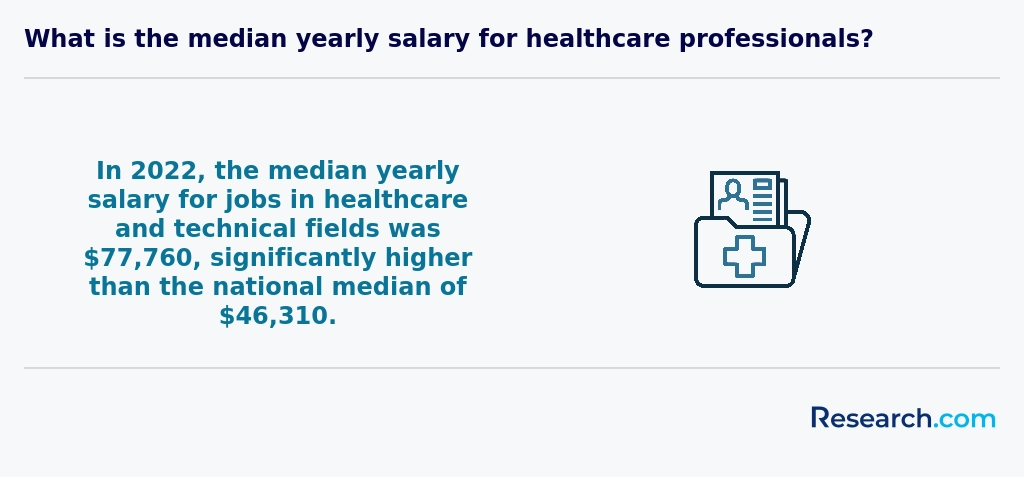
Graduates from healthcare programs in Pueblo often step into roles with promising salaries that reflect both local market conditions and the value of their degrees. For instance, Medical Assistants can expect to earn around $43,350 annually, a figure backed by Bureau of Labor Statistics data and experienced firsthand by alumni from Pueblo Community College. These graduates recall starting their careers excited to apply hands-on skills while enjoying competitive pay in entry-level healthcare jobs.
For those with specialized training, such as Patient Care Technicians, the annual earnings jump to an average of $60,790. This positive bump encourages many students to further their education at local universities, motivated by the tangible benefits seen in salary increments. Meanwhile, Health Information Technicians also enjoy salaries near $43,380, combining technical know-how with a steady income stream in Pueblo's growing healthcare sector.
Ambitious graduates who pursue roles like Quality Improvement Coordinators find themselves at the higher end of the scale, with annual wages reaching approximately $103,150. The excitement of contributing to elevated healthcare standards at hospitals and clinics around Pueblo often matches these robust salary prospects, giving new professionals a rewarding career path right in their hometown.
2027 Most Popular Healthcare Degree Programs Ranking in Pueblo
How do we rank schools?
Investing in your education is a significant decision that can profoundly impact your future, and the Research.com team is committed to supporting you in making well-informed choices. To assist prospective students in Pueblo, we have carefully developed the "2027 Most Popular Healthcare Degree Programs Ranking in Pueblo." Our dedication to quality, credibility, and accuracy is evident in the thorough research and analysis that underpin this ranking.
We utilized the following reputable data sources to ensure a comprehensive evaluation of healthcare degree programs:
By exploring this ranking, readers will gain valuable insights into the most popular healthcare degree programs in Pueblo, enabling them to make informed decisions about their educational pathways. For a detailed explanation of our research process, please visit our Research.com methodology page.

# 3 position
Pueblo Community College
Bachelor of Science in Nursing

Key Findings
- Annual tuition for healthcare programs in Pueblo ranges from $8,000 to $15,000 for in-state students.
- Entry-level healthcare jobs in Pueblo offer starting salaries between $45,000 and $55,000 per year.
- Experienced healthcare professionals in Pueblo typically earn between $70,000 and $80,000 annually.
- Healthcare employment in Pueblo is expected to grow by about 10% over the next decade.
- Common healthcare fields with strong job growth include registered nursing, medical assisting, and health information technology.
- Local programs include internships and clinical placements to provide practical experience and job connections.
How long does it take to complete healthcare degree in Pueblo?
Diving into healthcare studies in Pueblo, many find the journey both exciting and manageable. Completing an Associate Degree in Nursing (ADN) at Pueblo Community College, for example, usually takes about two years-perfect for eager students wanting to become registered nurses swiftly while gaining hands-on experience through clinical rotations at local hospitals.
Others chase a Bachelor of Science in Nursing (BSN) or similar bachelor's degrees, typically spending four years immersed in foundational sciences and real-world practice. Graduates often reflect on this time as a thrilling blend of classroom discovery and impactful patient care in Pueblo's healthcare settings.
For those aiming higher, a Master's degree adds roughly two more years, opening doors to advanced roles like nurse practitioner or healthcare administration. Some adventurous graduates choose accelerated BSN paths if they already hold a degree, finishing in just 12 to 18 months and jumping into the field with momentum.
Certifications or diplomas focused on specialties like phlebotomy can take mere months, making quick yet meaningful steps into healthcare possible. These paths reflect the vibrant, hands-on learning environment Pueblo offers at every stage.
Insider Tips for Aspiring Healthcare Students
Navigating the transition from high school to a rewarding healthcare career can be both exciting and challenging. Today's prospective students are encouraged to go beyond traditional classroom learning by actively engaging in mentorship programs, industry networking events, and internships that provide real-world experience. Leveraging available resources like career counseling and alumni networks can also offer personalized advice and valuable insights on overcoming obstacles such as financial management and academic scheduling. For instance, many successful graduates attribute their smooth transition into the industry to acquiring practical skills from programs recognized among the most popular healthcare schools. In addition, staying informed about emerging trends in medical technology and evolving patient care practices can further solidify your foundation for long-term career success. This proactive approach not only enhances your academic experience but also paves the way for becoming a competitive candidate in the flourishing healthcare job market of Pueblo, CO.
What's the difference between online and on-campus healthcare degree?
Choosing between an online or on-campus healthcare degree in Pueblo feels like stepping into two unique adventures. On-campus programs, like those at Pueblo Community College, immerse you in hands-on experiences-imagine working directly in simulation labs and joining clinical placements that bring real healthcare challenges to life. Graduates often remember the buzz of campus life, instant feedback from professors, and the energy of study groups that helped them thrive.
Online degrees offer a different rhythm: flexibility and freedom. For busy adults or parents, logging in from home or anywhere in Pueblo means juggling work and family while advancing a healthcare career. Some graduates appreciate the virtual simulations and digital resources that substitute traditional labs, though they recall the exciting challenge of arranging in-person clinical hours to gain practical skills.
Both paths have their costs and benefits, yet each shapes a distinct journey that's perfectly suited to different lifestyles in Pueblo's vibrant healthcare community.
Nutrition and Wellness: A Key Component in Modern Healthcare
As the healthcare landscape continues to evolve, an increasing number of students are exploring nutrition and wellness studies as a pathway to supporting preventative care and holistic health. Nutrition programs not only equip graduates with a deep understanding of dietary science and its impact on overall wellbeing but also offer versatile career opportunities in medical facilities, community health settings, and private practice. Many of these programs are available online for greater flexibility. For instance, prospective students can easily explore opportunities through the list of the top online nutrition programs, which provide a comprehensive curriculum that balances theoretical knowledge with practical application. By integrating nutrition studies into a broader healthcare plan, individuals can further enhance their expertise and cater to an ever-growing demand for health-conscious lifestyles. This additional dimension to healthcare education not only meets current industry trends but also positions graduates to become valuable contributors in the field of wellness and preventive medicine.
What is the average cost of healthcare degree in Pueblo?
Exploring the average healthcare degree cost Pueblo students face reveals a range of expenses shaped by their chosen schools and programs. Many graduates recall attending Pueblo Community College, where associate degrees offer a wallet-friendlier route, typically landing around $9,000 for tuition. This path is perfect for those eager to quickly enter medical assisting or nursing fields. On the other hand, those embarking on bachelor's degrees at institutions like Colorado State University Pueblo encounter a more substantial investment-often nearing $33,000 just for tuition, based on approximately 120 credit hours. These figures reflect hands-on learning adventures filled with clinical experiences and real-world impact.
Beyond tuition, grads remember budgeting for lab fees, certification exams, and textbooks, making the financial puzzle more intricate but entirely manageable. The total cost of healthcare degrees in Pueblo often balances out thanks to abundant financial aid, scholarships, and grants available locally and federally. Such support sparks excitement and relief, transforming daunting numbers into achievable milestones.
Healthcare students also appreciate the vibrant community feel and personalized guidance found in Pueblo schools, which nurture growth and confidence amid the challenges of rigorous coursework. For those curious about practical steps into this field, discover how to start your journey here, a popular pathway for many healthcare students seeking rewarding careers.
Licensing and Certification Requirements in Pueblo, CO
Understanding licensure and certification is critical for healthcare graduates in Pueblo, CO, as these credentials validate your expertise and are often required for employment. In Colorado, the Department of Regulatory Agencies (DORA) oversees many allied health certifications, while the Colorado State Board of Nursing regulates RN and LPN licenses. Key steps include: 1. Identify Your Credential - Registered Nurse (RN): Pass the NCLEX-RN exam and meet DORA’s background check and education verification requirements. - Licensed Practical Nurse (LPN): Complete an accredited LPN program and the NCLEX-PN exam, then apply through the State Board of Nursing. - Health Information Technician (RHIT/RHIA): Obtain an associate or bachelor’s in Health Information Management and pass the AHIMA certification exam. - Medical Assistant (CCMA/RMA): Complete a CAAHEP- or ABHES-accredited program and the CMA (AAMA) or CCMA (NCCT) exam. 2. Application Process - Submit transcripts and official exam scores to the relevant board. - Complete a state-mandated criminal background check and fingerprinting. - Pay licensing and exam fees, typically ranging from $100 to $300 depending on the credential. 3. Continuing Education and Renewal - Most licenses require renewal every one to two years, with 10–30 hours of approved continuing education units (CEUs). - Colorado offers online CE modules in ethics, patient safety, and opioid prescribing, which can be completed through state-approved providers. 4. Advanced Certifications and Career Growth - After initial licensure, consider specialty certifications (e.g., Certified Public Health Administrator, Oncology Nursing Certification) to enhance job prospects. - For leadership roles or master’s-level credentials, explore flexible online programs-many turn to options like the Cheapest Online Master’s in Healthcare Degree Programs Ranking in Pennsylvania to meet advanced certification prerequisites while minimizing debt. By planning for licensure early-selecting accredited programs, budgeting for exam fees, and tracking CEU requirements-Pueblo students can streamline their transition from graduation to a licensed healthcare professional.
What financial aid is available to healthcare degree students in Pueblo?
Imagine starting your healthcare journey at Colorado State University Pueblo, where eager students discover the power of federal financial aid unlocking doors to less stressful schooling. Graduates often recall how completing the FAFSA opened up Federal Pell Grants-free money that doesn't need paying back, sometimes up to $7,395 a year! This assistance made their studies feel achievable rather than overwhelming.
Many also vibrantly share stories about federal student loans with manageable interest rates and flexible repayment plans, easing the worry of tuition while focusing on patient care skills. Work-Study programs add a lively twist, enabling students to engage in part-time roles closely tied to healthcare, gaining experience and income simultaneously.
Locally, students cheer on Colorado's supportive state funding, which keeps in-state tuition friendly at institutions like CSU Pueblo. Plus, whispers of scholarships from nearby hospitals and clinics inspire those ready to serve Pueblo's medical community after graduation-turning dreams into purposeful careers.
Exploring these combined aids creates an exciting pathway, where each funding piece transforms learning ambitions into reality amid Pueblo's welcoming healthcare education scene.
Campus Life and Facilities
A crucial aspect often overlooked in choosing a healthcare degree program in Pueblo, CO, is the quality of campus life and the available student support services. Beyond rigorous coursework and practical training, a vibrant campus environment can enrich your educational experience and significantly influence your overall success. Many institutions offer state-of-the-art simulation labs, modern libraries, wellness centers, and diverse extracurricular activities that create a supportive, engaging setting for both academic and personal growth. Prospective students should consider visiting campuses, connecting with current students, and exploring virtual tours to get a firsthand look at the community atmosphere and resources on offer. Additionally, institutions recognized among the most popular healthcare schools often boast extensive career services, mentorship programs, and networking opportunities that can bridge the gap between academic life and real-world healthcare challenges. By thoroughly evaluating campus facilities and student life, you ensure your chosen program not only prepares you academically but also fosters a well-rounded, fulfilling college experience.
What are the prerequisites for enrolling in healthcare degree program in Pueblo?
Diving into a healthcare degree in Pueblo means embracing a well-rounded academic challenge right from the start. Graduates from popular local colleges often recall beginning their journey with solid high school foundations-courses in biology, chemistry, and algebra that sparked their curiosity and built essential skills. Many found that submitting SAT or ACT scores helped open doors, though some schools recognize test-optional policies, giving applicants flexibility.
Picture yourself preparing for nursing or physician assistant programs at Pueblo institutions: you'll need to master college-level classes like anatomy and physiology, just as past students have done to confidently navigate their demanding coursework. Beyond textbooks, sharing your story through personal statements or recommendation letters captures your passion for patient care-an experience graduates cherish as it reflects their true commitment.
On top of academics, proof of volunteer work or healthcare experience often sets you apart, showing dedication that resonates deeply in Pueblo's supportive healthcare community. Preparing vaccinations and CPR certification beforehand ensures you're ready to step into hands-on clinical practice with enthusiasm and confidence.
Return on Investment: Evaluating Cost Versus Career Earnings
Investing in a healthcare degree in Pueblo, CO requires balancing upfront costs against long-term earnings potential. On average, a bachelor’s program can cost between $40,000 and $120,000, while graduates in roles like Patient Care Technician earn $55,860 annually and Health Information Technicians earn $41,260. By comparing tuition outlay to median salaries, students can estimate a typical payback period of 2–3 years for certificate programs and 4–6 years for bachelor’s degrees. Key factors influencing ROI include: • Net Tuition Cost: Subtract average annual grant and scholarship awards (e.g., 86% of undergraduates receive aid) from sticker price. • Starting Salary: Use role-specific data-e.g., a BSN graduate earning $69,000/year recoups $66,690 in roughly one year before taxes. • Debt Load and Interest: Factor in average federal student loan rates (around 4.99% for undergraduates) to estimate total repayment. • Career Growth: Positions like Nurse Manager or Health Information Director can exceed $80,000 within five years, shortening payback time. To further reduce net cost and improve ROI, many programs offer robust support, including federal grants and institutional scholarships. For specialized certificate tracks like medical assisting, students should explore financial aid for online medical assistant programs to lower upfront expenses. By applying this cost-benefit framework, prospective students in Pueblo can make data-driven decisions that align educational investments with realistic career outcomes.
What courses are typically in healthcare degree programs in Pueblo?
Diving into a healthcare degree in Pueblo means immersing yourself in a dynamic blend of courses that truly prepare you for the fast-paced medical world. Imagine exploring human anatomy and physiology, where graduates describe the thrill of discovering how muscles and organs work together like a living puzzle. Microbiology classes bring to life the invisible microbes affecting our health, sparking curiosity essential to nursing and lab tech careers at institutions like Pueblo Community College.
Ethics and healthcare law courses challenge students to grapple with real-life dilemmas they'll soon face in clinics, making their education feel immediately relevant. Many recall feeling empowered mastering medical terminology, a crucial skill when communicating in busy hospital environments.
Pharmacology opens doors to understanding medication effects, especially resonating with those aiming for nursing roles. Practical courses on patient care, vital signs, and emergency procedures connect theory to hands-on action, often enhanced by local Pueblo health issues like diabetes management.
Graduates highlight how public health focuses tailored to Pueblo's unique community needs make their learning adventure both personal and impactful, equipping them to serve their neighbors effectively.
What types of specializations are available in healthcare degree programs in Pueblo?
In Pueblo, healthcare degree specializations invite you to dive into exciting, hands-on learning experiences across fields that truly impact lives. Whether you're drawn to Registered Nursing, where graduates often share inspiring stories of stepping confidently into busy hospital wings, or captivated by Public Health programs focused on tackling local rural health challenges, the options reflect vibrant and vital career paths. Students at well-known Pueblo colleges often rave about the blend of classroom knowledge and real-world clinical practice, making each day feel like a meaningful adventure.
Popular medical programs Pueblo Colorado also include dynamic choices like Health Information Technology, a perfect fit if you're fascinated by managing critical patient data behind the scenes. Many graduates describe how this tech-savvy specialization unlocks doors to innovative roles. Meanwhile, training as a Physical Therapy Assistant lets students witness firsthand the rewarding process of helping patients regain mobility, a story told enthusiastically by those at Pueblo's top healthcare schools. The close community ties of local hospitals brighten these journeys, and if you're exploring expanding career paths in healthcare, check out expanding career paths in healthcare for fresh insights.
How do you choose the best healthcare degree in Pueblo?
Choosing the best healthcare degree in Pueblo sparks a journey of aligning your passion with practical opportunities. Imagine stepping into Pueblo Community College, where graduates share stories of how accreditation opened doors to licensure exams and rewarding jobs. This firsthand success paints a vivid picture of what's possible when your program resonates with regional healthcare needs. Affordability plays a starring role too; with associate degrees averaging around $5,000 annually, many find this path ideal for balancing cost and quality-truly valuable for those seeking affordable healthcare degrees Pueblo Colorado offers.
Think about the excitement of joining a program connected to Pueblo's thriving healthcare sector, where internships and job placements bloom, especially in nursing and medical technician roles. Flexibility also matters-students balancing work and study appreciate options like accelerated courses or evening classes. For those interested in hands-on careers, exploring online physical therapy assistant programs can add a new dimension to your education adventure.

What career paths are available for healthcare degree students in Pueblo?
Healthcare degree jobs in Pueblo open up a vibrant landscape of career paths where graduates from community colleges and local universities sail confidently into roles like registered nurses, medical technologists, and physical therapists. Imagine stepping into bustling Pueblo hospitals or clinics, bringing hands-on care and healing, fueled by the practical, affordable education offered here. Many graduates recall the thrill of their first shifts, where theory met real life and purpose illuminated every task.
Others find themselves energized by behind-the-scenes opportunities in healthcare administration, mastering patient data and facility operations at institutions such as St. Mary-Corwin Medical Center. Here, understanding the healthcare policy advocacy impact can be part of daily challenges, opening doors to impactful leadership roles that shape patient care environments.
Career opportunities for healthcare graduates Pueblo-wide also include roles as pharmacy technicians advising patients or public health educators crafting community wellness programs, turning passion for health into dynamic, rewarding professions filled with growth and connection.

What is the job market for healthcare degree in Pueblo?
The growing healthcare sector in Pueblo offers exciting healthcare job opportunities in Pueblo for graduates ready to dive into diverse roles. Many find rewarding careers in facilities like Parkview Medical Center and St. Mary-Corwin Medical Center, where nurses, medical assistants, and health IT specialists are highly sought after. Graduates from local colleges often share stories of how hands-on experiences at these centers boosted their confidence and opened doors to fulfilling positions.
For those exploring the Pueblo healthcare degree employment outlook, the numbers are promising. Registered Nurses enjoy median salaries around $75,000, while healthcare managers easily surpass $100,000 annually. Such figures, combined with a supportive community and an aging population, create an expanding demand for skilled professionals eager to make a difference every day.
Many students appreciate the affordable tuition at Pueblo Community College, making their education accessible without heavy debt. If you want to explore educational options directly, check out the most popular healthcare schools in the state to see where your journey might begin.
Frequently Asked Questions About healthcare
Healthcare degree students in Pueblo can maximize their learning experience by engaging actively in clinical placements offered through local hospitals like Parkview Medical Center, which serves as a key training site. Practical experience is essential, as 75% of healthcare employers in Pueblo prioritize candidates with hands-on skills, according to the Pueblo Workforce Center.
Students should also utilize resources at institutions such as Colorado State University Pueblo, which offers tailored tutoring and skills workshops. Additionally, joining healthcare-related student organizations can enhance networking and professional development opportunities.
Staying current with Pueblo's specific public health challenges, like addressing rural health disparities, allows students to apply classroom knowledge to real-world problems effectively.
The healthcare sector in Pueblo is evolving rapidly, with several emerging niches gaining attention among students and professionals. One key area is telehealth, which expanded greatly during the COVID-19 pandemic and continues to transform how care is delivered, especially in rural parts of Colorado. According to the Colorado Department of Public Health, telehealth services increased by over 50% statewide between 2019 and 2023.
Another growing field involves health informatics, focusing on managing healthcare data and improving patient outcomes through technology. The demand for specialists in this area is projected to grow by 15% over the next decade nationally, according to the U.S. Bureau of Labor Statistics.
Additionally, specialized rehabilitation roles, such as occupational therapy assistants and respiratory therapists, are experiencing higher demand in Pueblo due to an aging population. These niches offer robust career opportunities for healthcare degree holders.
Preparing for the job market after completing a healthcare degree in Pueblo requires strategic planning and local awareness. Graduates should begin by obtaining relevant certifications dictated by their field, such as CPR or CNA, which are often prerequisites for employment. Networking with Pueblo healthcare providers is crucial; the city has over 1,000 healthcare establishments, including St. Mary-Corwin Medical Center, a major regional employer, increasing opportunities for clinical experience and job placements (Colorado Department of Labor & Employment, 2023).
Additionally, gaining hands-on experience through internships or volunteer work enhances employability. Familiarity with electronic health record (EHR) systems is highly valued. Career services at Pueblo colleges can connect students with local job fairs and resources tailored to healthcare jobs. Staying informed about healthcare trends and workforce demands in Pueblo, where healthcare jobs grew 7.5% over the past five years, positions graduates to enter the workforce competitively.
Employers in Pueblo highly value healthcare graduates who combine strong clinical skills with effective communication. According to the Colorado Department of Labor, teamwork and patient interaction abilities rank among the top qualities sought by local healthcare providers. Graduates are expected to demonstrate critical thinking and adaptability, as the healthcare environment in Pueblo evolves rapidly with new technologies and protocols.
Technical proficiency in electronic health records (EHR) systems is also crucial. The Pueblo Memorial Health Center reports that 85% of hires have strong EHR skills, reflecting the digitization trend in healthcare.
Lastly, cultural competence and empathy are emphasized to meet the diverse needs of Pueblo's patient population, including growing Hispanic communities, ensuring care is respectful and effective.
Finding healthcare internships in Pueblo involves a few key steps centered on local resources and institutions. Begin by contacting healthcare facilities such as Parkview Medical Center or St. Mary-Corwin Medical Center, which often offer internships or clinical rotations for students.
Many Pueblo colleges with healthcare programs maintain partnerships with hospitals and clinics to facilitate internships. Check with your school's career services or healthcare department for specific opportunities.
Additionally, Pueblo has growing healthcare job markets; the Colorado Department of Labor reports a 12% growth in local healthcare jobs from 2020 to 2023, increasing internship availability.
Professional associations and job boards like the Colorado Healthcare Association can also provide listings tailored to Pueblo-area internships.
Obtaining a healthcare degree in Pueblo significantly enhances career mobility and advancement opportunities within the local job market. Pueblo's healthcare sector is expanding, supported by organizations like Parkview Medical Center and Pueblo Community Health Center, which often seek professionals with formal education in health-related fields. According to the Colorado Department of Labor and Employment, healthcare occupations in Pueblo are projected to grow by nearly 15% over the next decade.
A degree provides both essential knowledge and recognized credentials, increasing competitiveness for higher-paying roles such as nurse practitioners, medical technologists, and healthcare administrators. Employers in Pueblo value graduates from accredited programs for their clinical skills and ability to adapt to evolving medical technologies. This combination facilitates upward mobility and supports career changes within the healthcare industry locally.
Studying for a healthcare degree in Pueblo equips students with essential skills for interdisciplinary roles by emphasizing collaboration across multiple healthcare fields. Programs often integrate coursework in nursing, public health, and medical technology, fostering a broad understanding of diverse care environments.
Local institutions collaborate with Pueblo's healthcare facilities, such as Parkview Medical Center, where over 1,000 healthcare professionals work, offering students hands-on interdisciplinary experiences during clinical placements. This real-world exposure helps build communication and team-based problem-solving skills crucial for modern healthcare settings.
According to Colorado Department of Higher Education data, Pueblo's healthcare graduates have increasingly found roles in interdisciplinary teams, reflecting growing regional demand for integrated care approaches.
When choosing between a thesis and a non-thesis healthcare degree program in Pueblo, consider your career goals and learning preferences. Thesis programs emphasize original research, which can be valuable for students planning to pursue doctoral studies or research roles. Non-thesis options focus more on practical skills and coursework, often appealing to those seeking immediate employment in healthcare settings.
In Pueblo, healthcare professions grew by 7.5% over five years according to the Colorado Department of Labor and Employment, highlighting strong job prospects. For students targeting clinical practice or administration, a non-thesis program may offer quicker degree completion and skill application.
Conversely, if you aim to contribute to healthcare innovation or consider academic careers, a thesis program provides hands-on experience in scientific inquiry. Both options are generally respected by Pueblo employers, but thesis degrees may open doors to research-intensive roles or further education.
Students in Pueblo interested in studying healthcare abroad have several pathways through U.S. institutions that offer international study opportunities. Many colleges and universities with healthcare programs participate in exchange programs, allowing students to complete part of their clinical training or coursework overseas. These experiences can enhance cultural competency and practical skills.
While Pueblo itself has limited direct partnerships for studying healthcare abroad, students can leverage connections through larger Colorado universities, such as the University of Colorado system. According to the Colorado Department of Higher Education, nearly 12% of healthcare students statewide take advantage of study abroad options.
Popular destinations include Europe and Canada, known for advanced healthcare systems suitable for applied learning. It is essential for students to verify accreditation and clinical recognition before enrolling.
Students pursuing healthcare degrees in Pueblo can benefit from several part-time job opportunities that enhance their education. Positions such as Certified Nursing Assistants (CNAs), medical scribes, or pharmacy technicians provide hands-on experience in clinical settings. Employers like St. Mary-Corwin Medical Center and Parkview Medical Center offer such roles, which help students develop practical skills while balancing studies.
According to the Colorado Department of Labor and Employment, the healthcare sector in Pueblo continues to grow, with demand for supportive roles rising by 8% over the past five years. Part-time work in these fields can improve students' resumes and deepen their understanding of patient care and medical protocols.
Other opportunities include volunteering in community health programs or working in outpatient clinics, enabling students to apply theoretical knowledge in real-world environments. Such experience is valuable for career advancement post-graduation.
Healthcare students in Pueblo have several networking opportunities that help build professional connections essential for career growth. Local institutions like Pueblo Community College often host healthcare-focused career fairs and workshops, connecting students with employers from regional hospitals and clinics. The Pueblo Medical Society provides student memberships, offering access to events where future healthcare professionals can meet established practitioners and learn about the latest industry trends.
Additionally, Pueblo's proximity to major healthcare providers like St. Mary-Corwin Medical Center allows students to engage in internships and volunteer programs, enhancing practical experience while expanding professional networks. According to the Colorado Department of Labor, healthcare in Pueblo is a growing sector, making networking vital for job placement and advancement.
Alumni networks provide invaluable support for healthcare degree students in Pueblo by connecting them with experienced professionals who understand the local healthcare landscape. These networks often offer mentorship opportunities, helping students navigate their education and career paths more effectively. According to the Colorado Department of Public Health & Environment, Pueblo's healthcare sector has grown steadily, increasing demand for qualified professionals.
Through alumni events and contacts, students gain access to internships and job openings, which is vital in a competitive market. Networking in Pueblo's healthcare community can enhance employment prospects, as many facilities prefer hiring locally known candidates. Alumni also share practical advice on licensed professions, continuing education, and industry trends.
Customizing a healthcare degree program in Pueblo involves selecting courses and specializations that align closely with your career goals. Many local colleges and universities offer flexible curriculum options, such as electives in public health, nursing, or health administration. You can also pursue internships or clinical placements within Pueblo's growing healthcare network, which includes prominent facilities like Parkview Medical Center.
Advisors play a key role in helping students tailor their programs by recommending classes and certifications suited for regional job markets. Pueblo's healthcare sector is projected to grow by over 15% through 2030 according to the Colorado Department of Labor, making specialized skills highly valuable.
Additionally, some programs allow part-time or online study options to accommodate working professionals.
Healthcare students in Pueblo face several significant challenges during their education. One key difficulty is balancing rigorous coursework with clinical hours, which are essential but time-consuming. According to the Colorado Department of Higher Education, many students report stress related to managing these demands alongside part-time jobs or family obligations.
Additionally, limited local clinical placement opportunities can delay hands-on experience. Pueblo's smaller healthcare market compared to urban centers contributes to competition among students for internships and practicums.
Financial concerns are also common, with healthcare programs often incurring high tuition and material costs. Students may struggle to find scholarships targeted specifically for Pueblo residents pursuing healthcare degrees.
With a healthcare degree in Pueblo, graduates can pursue various professional certifications to enhance their careers. Common certifications include Certified Nursing Assistant (CNA), Registered Nurse (RN) licenses, and Medical Assistant credentials. These certifications are widely recognized across Colorado and can improve job prospects in local hospitals and clinics.
The Pueblo region, with its growing healthcare demand, particularly values certifications such as Licensed Practical Nurse (LPN) and Emergency Medical Technician (EMT) due to regional workforce needs reported by the Colorado Department of Labor. Additionally, certifications in health information management or medical coding are gaining popularity for those interested in administrative roles.
National certification bodies like the National Healthcareer Association (NHA) or the American Nurses Credentialing Center (ANCC) provide targeted exams required for these credentials. Employers in Pueblo often prefer candidates with such certifications to meet state licensure standards and ensure quality patient care.
To write a winning application for a healthcare program in Pueblo, start by carefully researching each school's specific requirements. Most programs require a minimum GPA of around 3.0, but higher academic performance increases your chances. Include a well-crafted personal statement explaining your passion for healthcare and how you plan to contribute to Pueblo's medical community.
Highlight relevant volunteer or work experience, especially within local clinics or hospitals, as Pueblo has growing healthcare needs according to the Pueblo City-County Health Department.
Strong letters of recommendation from healthcare professionals or educators can significantly boost your application.
Finally, ensure all documents are error-free and submitted by deadlines set by Pueblo institutions.
Healthcare careers are recognized globally for their crucial role in improving public well-being. In the United States, including Pueblo, the demand for healthcare professionals is growing rapidly. According to the U.S. Bureau of Labor Statistics, healthcare occupations are projected to grow 13% from 2021 to 2031, much faster than the average for all jobs. This trend reflects increasing medical needs and an aging population.
Globally, healthcare careers offer diverse opportunities, but U.S. education systems emphasize evidence-based training and clinical experience. Pueblo's local healthcare sector benefits from several accredited programs preparing students in nursing, public health, and allied health fields, aligning with national standards. These programs equip graduates with skills that are internationally respected, facilitating potential work abroad or collaboration on global health initiatives.
Gaining practical experience while studying for a healthcare degree in Pueblo is essential for building skills and increasing employability. Many local institutions, such as Pueblo Community College, offer clinical internships and externships as part of their healthcare programs. These placements allow students to work directly with patients in hospitals, clinics, or long-term care facilities.
Additionally, Pueblo's medical centers, including Parkview Medical Center, provide volunteer and part-time job opportunities tailored for healthcare students. According to the Colorado Department of Labor, internships in healthcare in Pueblo have grown by 15% over recent years, reflecting the area's investment in hands-on training.
Networking with local professionals through campus events also enhances practical learning. Students should discuss options with academic advisors to find suitable experiential learning aligned with their degree requirements.
Choosing the right concentration within a healthcare degree program in Pueblo involves evaluating your career goals, interests, and the local job market. Pueblo's healthcare sector is growing, with a 5.2% increase in demand for nursing and allied health professionals over the past five years, according to the Colorado Department of Labor and Employment.
Consider concentrations such as nursing, radiologic technology, or healthcare administration, which align with Pueblo's prominent healthcare providers like Parkview Medical Center. Research licensure requirements, as they vary by specialization and often dictate program choice.
Additionally, explore programs that offer clinical experiences locally, since hands-on training in Pueblo-area facilities improves job placement chances. Data from Pueblo Workforce Center highlights higher employment rates for graduates trained in the community's healthcare settings.
Related Healthcare Rankings for Nearby Cities
- 2027 Most Popular Healthcare Degree Programs Ranking in Lubbock
- 2027 Most Popular Healthcare Degree Programs Ranking in Wichita
- 2027 Most Popular Healthcare Degree Programs Ranking in Provo
- 2027 Most Popular Healthcare Degree Programs Ranking in Oklahoma City
- 2027 Most Popular Healthcare Degree Programs Ranking in Lincoln
- 2027 Most Popular Healthcare Degree Programs Ranking in El Paso
- 2027 Most Popular Healthcare Degree Programs Ranking in Abilene
- 2027 Most Popular Healthcare Degree Programs Ranking in Omaha
- 2027 Most Popular Healthcare Degree Programs Ranking in Sioux City
- 2027 Most Popular Healthcare Degree Programs Ranking in Kansas City
Top Trending Healthcare Rankings
See What Experts Have To Say About Studying Healthcare
Read our interview with Healthcare experts

References
- The Healthcare Student’s Guide to Internships | EduMed.org https://www.edumed.org/resources/student-online-guide-to-internships/
- What Are the Differences in Salary Level for Different Degrees in Healthcare Management? | MHA Salary https://www.healthcare-management-degree.net/faq/what-are-the-differences-in-salary-level-for-different-degrees-in-healthcare-management/
- Experiential Learning to Enhance Global Health Collaboration and Student Opportunity https://annalsofglobalhealth.org/articles/10.5334/aogh.4537
- Medical Assistant Program Tuition & Cost | Pueblo Medical Assistant School https://pueblomedicalassistant.com/tuition/
- Advancing Your Career in Healthcare: Tips and Strategies https://www.sunshinecarenetwork.com/blog/advancing-your-career-in-healthcare-tips-and-strategies
- Students and Alumni associations - Europubhealth https://www.europubhealth.org/students-alumni-associations/
- Job-Ready Healthcare Skills for 2026 https://cliniwave.in/blogs/latest-article/job-ready-healthcare-skills
- Home https://pueblocc.edu/
- How to Succeed in a Difficult Job Market After Graduation https://www.hospitalrecruiting.com/blog/6542/how-to-succeed-in-a-difficult-job-market-after-graduation/
- Top 3 Reasons to Consider a Career in Healthcare - Roseman University https://www.roseman.edu/student-experience/news/top-3-reasons-to-consider-a-career-in-healthcare/


