
2027 Most Popular Healthcare Degree Programs Ranking in Wichita

Co-Founder and Chief Data Scientist
Choosing the right healthcare degree program can feel overwhelming, especially with so many options in Wichita. This article introduces the 2027 Most Popular Healthcare Degree Programs Ranking in Wichita, created by the Research.com team of data scientists.
Designed to help you make an informed choice, this ranking highlights programs worth considering based on reliable data. Whether you're starting your journey or looking to advance your career, a healthcare degree opens doors to meaningful, rewarding work.
Explore the best programs and take confident steps toward your future in healthcare.
Key benefits of getting healthcare degree in Wichita
- Healthcare degree graduates in Wichita can earn competitive salaries, such as Medical Assistants making around $43,350 annually and Quality Improvement Coordinators earning up to $103,150 annually, offering strong financial motivation.
- Graduates from local colleges in Wichita often find diverse career paths in healthcare, including roles as Patient Care Technicians or Health Information Technicians, allowing for flexible and rewarding work opportunities.
- Online healthcare degrees from Wichita institutions provide convenience and flexibility, enabling students to balance studies with personal commitments while achieving careers similar to those of traditional graduates.
- Key benefits of getting healthcare degree in Wichita
- What can I expect from healthcare degree in Wichita?
- Where can I work with healthcare degree in Wichita?
- How much can I make with healthcare degree in Wichita?
- 2027 Most Popular Healthcare Degree Programs Ranking in Wichita
- Key Findings
- How long does it take to complete healthcare degree in Wichita?
- Expert Insights & Success Strategies
- What's the difference between online and on-campus healthcare degree?
- What is the average cost of healthcare degree in Wichita?
- Career Enhancement and Skills Development Resources
- What financial aid is available to healthcare degree students in Wichita?
- Return on Investment and Alumni Outcomes
- What are the prerequisites for enrolling in healthcare degree program in Wichita?
- Licensing and Certification Requirements
- What courses are typically in healthcare degree programs in Wichita?
- What types of specializations are available in healthcare degree programs in Wichita?
- How do you choose the best healthcare degree in Wichita?
- What career paths are available for healthcare degree students in Wichita?
- What is the job market for healthcare degree in Wichita?
- Top Trending Healthcare Rankings
- See What Experts Have To Say About Studying Healthcare
What can I expect from healthcare degree in Wichita?
The average cost of pursuing a healthcare degree in Wichita typically ranges between $15,000 and $35,000 per year, depending on the program and institution. At the University of Kansas School of Medicine Wichita, for example, students often find the value in paying for a well-rounded education that blends rigorous academics with hands-on clinical training, which many graduates describe as "immensely rewarding."
Wichita State University's healthcare programs offer affordable tuition along with opportunities to engage in dynamic internships at local healthcare centers like Ascension Via Christi Health. Former students often recall how real-world experiences during their internships truly brought lessons to life, making the cost feel like a worthy investment.
Some students also explore scholarships and financial aid options to ease expenses while studying subjects like nursing or health sciences. The combination of affordable education, practical learning, and steady job prospects in Wichita keeps excitement high among those aspiring to make a difference in healthcare.
Where can I work with healthcare degree in Wichita?
Graduates with healthcare degrees from Wichita's top institutions, like WSU and Newman University, find themselves stepping into vibrant career landscapes right after graduation. Imagine starting your week at Via Christi Health, where registered nurses and medical technologists actively improve patient outcomes, or joining Ascension St. Francis as a healthcare administrator coordinating smooth hospital operations.
Some graduates dive into outpatient clinics offering quick-paced challenges, such as aiding patients during physical therapy sessions or diagnostic imaging appointments-experiences that sharpen skills while keeping the environment dynamic and rewarding. Others discover fulfilling careers in long-term care facilities, supporting the city's growing elder population by providing compassionate nursing and therapy services.
Community health roles also excite those passionate about prevention and education. Graduates have shared how working with the Sedgwick County Health Department or nonprofit clinics feels like making a tangible difference, addressing chronic diseases and boosting wellness locally.
Every path in Wichita's healthcare field offers a blend of challenge, growth, and the joy of impacting lives, truly reflecting the city's expanding healthcare scene and the adventurous spirit of its students.
How much can I make with healthcare degree in Wichita?
Imagine finishing your healthcare degree at a respected Wichita college and stepping into the workforce with a clear sense of what you can earn. Graduates working as Medical Assistants can anticipate a mean annual wage of around $43,350, while those stepping up as Patient Care Technicians might enjoy salaries closer to $60,790. This range offers a solid foundation for new professionals eager to grow.
Think about Health Information Technicians, who also bring in about $43,380 yearly, combining technical skills with healthcare knowledge-perfect for graduates loving a balance between patient care and data management.
Those curious about advancing to roles like Clinical Research Coordinators can expect similar annual earnings near $43,350, contributing to pioneering medical studies based right in Wichita's vibrant healthcare scene.
For graduates daring to aim higher, Quality Improvement Coordinators command an impressive mean annual wage of approximately $103,150, reflecting the value of expertise in enhancing patient care quality across Wichita's hospitals and clinics.
Wichita's healthcare graduates from local colleges often share how these salary possibilities fuel their ambitions, making every classroom lesson feel like a step closer to exciting, well-paid careers in a community ready to welcome their skills.
2027 Most Popular Healthcare Degree Programs Ranking in Wichita
How do we rank schools?
Investing in your education is a significant decision that can profoundly impact your future, and the Research.com team recognizes the importance of making well-informed choices. To support prospective students in Wichita, we have carefully developed the "2027 Most Popular Healthcare Degree Programs Ranking in Wichita." Our dedication to quality, credibility, and accuracy is demonstrated through rigorous research and analysis conducted throughout the creation of this ranking. We utilized the following reputable data sources to ensure a thorough evaluation of healthcare programs:
By reviewing this ranking, readers will gain valuable insights into the most popular healthcare degree options available in Wichita, empowering them to make confident decisions about their educational and professional futures. For further information on how this ranking was compiled, please visit our Research.com methodology page.


Key Findings
- Tuition for healthcare degrees in Wichita ranges from $4,000 to $7,000 per year at community colleges and technical schools for in-district students.
- Bachelor's degree programs at Wichita universities cost between $8,000 and $12,000 annually for residents.
- The local healthcare sector is expected to grow by about 15% over the next decade, increasing demand for nurses, medical technicians, and healthcare administrators.
- Entry-level salaries for healthcare graduates in Wichita average between $45,000 and $55,000 per year, with registered nurses earning around $52,000.
- Financial aid, scholarships, and state grants are available to help reduce tuition costs for students pursuing healthcare degrees.
How long does it take to complete healthcare degree in Wichita?
Imagine diving into the energetic world of healthcare in Wichita-where pursuing your degree feels like an exciting journey through well-structured paths. Many graduates from local community colleges share how their associate degrees, completed in about two years, provided them with hands-on clinical experiences that truly brought textbooks to life. This quick yet intense immersion sets the stage for real-world healthcare roles.
Meanwhile, those embarking on bachelor's degrees at Wichita State University or similar institutions find themselves engaged in a rewarding four-year adventure. These programs expand their horizons, equipping them for diverse careers and opening doors to further education with confidence and enthusiasm.
For the truly daring, pursuing advanced degrees like a Master of Science in Nursing takes about two more years beyond the bachelor's, allowing graduates to specialize and elevate their impact. The challenging yet fulfilling road to medical, pharmacy, or physical therapy doctorates demands dedication-sometimes up to seven additional years-but Wichita's supportive educational environment inspires many to embrace this path passionately.
Expert Insights & Success Strategies
Prospective healthcare students can benefit greatly from learning directly from industry experts and successful alumni. In this section, we offer actionable tips and strategies to excel both academically and professionally, tailored specifically for Wichita, KS. Gaining insight from professionals who have navigated the challenges of healthcare education can provide clarity on selecting the right program and succeeding after graduation. For example, establishing early relationships with mentors, utilizing career counseling services, and engaging in community projects are crucial steps that can dramatically enhance your educational journey. Additionally, staying updated with emerging technologies and practice trends is key to remaining competitive in an ever-evolving industry. For a comprehensive comparison of top institutions, explore the best popular healthcare colleges, which can further guide your decision-making process. By incorporating these expert insights and success strategies, you can build a robust foundation for a rewarding career in healthcare.
What's the difference between online and on-campus healthcare degree?
Choosing between online and on-campus healthcare degrees in Wichita sparks a fascinating journey of discovery. Imagine walking the halls of Wichita State University, hands busy in state-of-the-art labs and feeling the heartbeat of real clinical settings nearby. Graduates from these on-campus programs often describe the thrill of direct interaction with instructors and peers, plus internships at places like Wesley Medical Center that bring theory vividly to life.
Now picture an online student balancing family and work while logging into classes from home. The flexibility here is invaluable, especially in healthcare fields that demand both study and real-world practice. Many online learners in Wichita appreciate how their programs arrange local clinical hours, ensuring valuable on-site experiences without the daily campus commute.
Both paths share rigorous accreditation and similar tuition, but their rhythms differ-on-campus buzzes with immediate connections, while online invites innovation in how you weave education into a busy lifestyle.
What is the average cost of healthcare degree in Wichita?
The average cost of a healthcare degree in Wichita typically centers around $34,192 for in-state students, offering a balanced investment for those pursuing their passion in healthcare fields. Graduates from Wichita State University and WSU Tech often share stories about the affordability paired with quality education, highlighting how the cost allowed them to focus on their studies rather than financial strain. Many who choose healthcare programs here find that the tuition aligns well with their budget, especially at local institutions known for practical training and hands-on experience.
When exploring Wichita healthcare degree tuition and fees, students discover that out-of-state tuition can nearly double, reaching close to $45,483, which nudges adventurous learners to seek scholarships or financial aid. Community colleges and technical schools in Wichita provide vibrant learning environments, often with associate degrees costing around $7,200 total, a favorite starting point for those eager to enter the workforce quickly. These real-life examples of manageable expenses make the journey through healthcare education feel less daunting and more accessible.
Besides tuition, graduates recall budgeting for additional expenses like lab fees, uniforms, and clinical placement costs-essential aspects that enhance their hands-on skills and confidence. For students captivated by healthcare degrees, Wichita presents a promising landscape with diverse options that carefully balance cost and quality. To explore options further, one can check out the best popular healthcare colleges in the area, enriching their educational adventure.
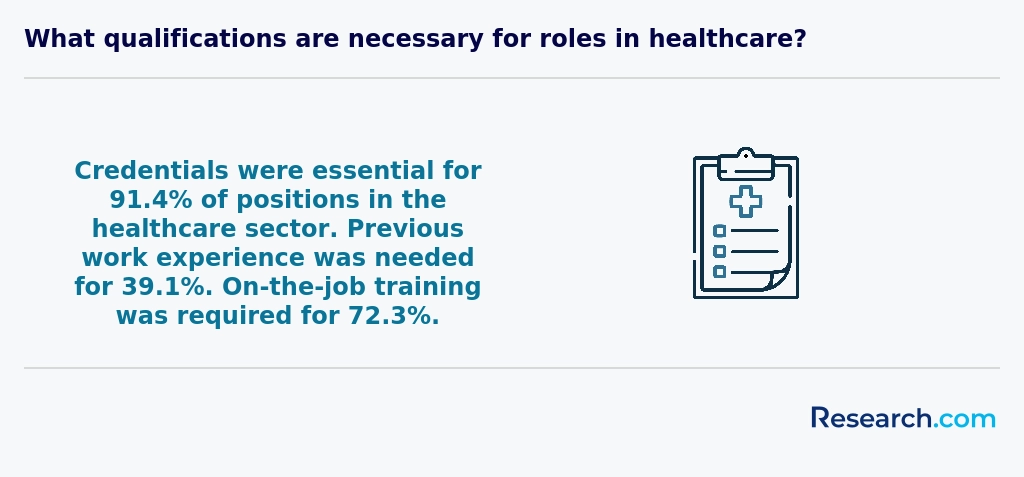
Career Enhancement and Skills Development Resources
To further empower aspiring healthcare professionals in Wichita, KS, it is essential to provide insights on continuous learning opportunities and practical skill enhancement-elements that are often overlooked. This section offers guidance on supplementing your degree with additional certifications, advanced workshops, and short-term training courses that can significantly boost your employability. For instance, exploring targeted courses such as the 4 week online course for medical coding and billing free can not only expand your technical knowledge but also provide you with a competitive edge in administrative and data management roles. Furthermore, aligning your education with emerging industry trends and specialized skills can enhance your career prospects. We recommend candidates regularly explore professional development webinars, local healthcare conferences, and mentorship programs that contribute to both practical expertise and networking opportunities. By integrating these additional learning resources into your career strategy, you can stay informed about the latest technological advancements and regulatory changes, positioning yourself for long-term success in the evolving healthcare landscape.
What financial aid is available to healthcare degree students in Wichita?
Imagine starting your healthcare journey in Wichita, where financial aid options feel like friendly guides rather than obstacles. Graduates from Wichita State University and Butler Community College often mention how Pell Grants lifted a huge weight off their shoulders, offering up to $7,395 yearly to help with tuition - no repayment needed. Filling out the FAFSA was their first step toward this financial boost, opening doors they hadn't dared to dream of before.
Many also tap into Kansas-specific grants like the Kansas Comprehensive Grant and the Career Technical Workforce Grant, which specifically ease costs at local public institutions. Picture walking the halls of Cowley College, knowing state support cushions your expenses while you focus on nursing or medical imaging.
Beyond grants, work-study programs connect students to hands-on jobs nearby, blending earning with valuable experience. Plus, Wichita's healthcare employers often extend tuition reimbursement, a real game-changer for working students eager to climb the career ladder without sinking into debt.
Scholarships from local foundations and healthcare associations add extra sparkle to the financial toolkit, rewarding passion and perseverance. For many, these opportunities turn daunting costs into achievable dreams right in the heart of Wichita.
Return on Investment and Alumni Outcomes
Understanding the return on investment (ROI) of a Healthcare degree in Wichita, KS, is essential for prospective students weighing tuition costs against long-term career gains. On average, graduates from local institutions report completing their programs with a median student debt of $28,000 while securing entry-level salaries ranging from $42,000 to $56,000. When contrasted with the regional cost of living, this translates to a payback period of just 2–3 years, making a Healthcare degree a financially savvy choice in today’s job market. Data from recent alumni surveys indicate an 88% job placement rate within six months of graduation, with many securing positions that offer annual salary increases of 10% or more after two years. Graduates often cite the strong relationships they built during clinical rotations and internships-particularly at leading Wichita hospitals-as key drivers of their career success. These hands-on experiences not only enhance clinical competence but also expand professional networks, boosting both employability and long-term earning potential. For students interested in advancing their qualifications beyond the bachelor’s level, exploring doctoral options can further elevate ROI. In fact, our analysis of advanced programs highlights cost-effective pathways that deliver significant salary premiums. Prospective doctoral candidates may find additional value in our Affordable Online Doctorate in Healthcare Degree Programs Ranking in St. Louis, MO, which profiles programs with low tuition and high post-graduation employment rates. Alumni outcomes underscore the transformative impact of a Healthcare degree from Wichita institutions. Many graduates report promotions into leadership roles-such as Clinical Manager or Healthcare Administrator-within five years of entering the workforce, often achieving salary growth of 35%–50% over that period. These figures, combined with robust support services and strong accreditation standards, affirm that investing in a Healthcare degree in Wichita offers both immediate and sustained financial rewards.
What are the prerequisites for enrolling in healthcare degree program in Wichita?
Jumping into a healthcare degree in Wichita means stepping up to a blend of academic and real-world challenges that prepare you for a rewarding career. Graduates from Wichita State University often recall how their solid foundation in biology and chemistry, built during high school, made diving into complex subjects like anatomy feel both exciting and achievable. Most Wichita programs expect this kind of preparation, starting with a high school diploma and strong performance in science and math courses.
Many students find that taking prerequisite courses like microbiology and medical terminology before officially enrolling gives them confidence and a clearer sense of the healthcare world they're about to enter. Imagine volunteering at a local clinic and seeing how classroom lessons actually come alive-this hands-on experience is a game changer and highly valued by admissions staff across Wichita's technical schools and community colleges.
Standardized tests like the SAT or ACT might be on your list too, especially if you're aiming for a bachelor's degree track. Yet, thanks to flexible policies at some Wichita institutions, prior college credits or relevant work experience sometimes open doors without these exam scores. Meanwhile, background checks, immunizations, and drug screenings ensure you're ready to safely enter clinical environments, reinforcing the strong commitment Wichita healthcare programs expect from their students.

Licensing and Certification Requirements
Completing a healthcare degree is only the first step toward a successful career in Wichita, KS; securing the appropriate licensure and certifications ensures both legal compliance and competitive advantage in the job market. In Kansas, each profession demands specific credentials:
- Registered Nurses (RNs): Must graduate from a CCNE- or ACEN-accredited program and pass the NCLEX-RN. The Kansas State Board of Nursing requires fingerprinting and a criminal background check, followed by license renewal every two years with at least 30 continuing education units (CEUs).
- Medical Assistants (MAs): While not always mandatory, many Wichita employers prefer certification such as CMA (AAMA) or RMA (AMT). Candidates complete a CAAHEP-accredited MA program and pass the respective exam to validate clinical and administrative competencies.
- Health Information Technicians: To earn the RHIT credential, graduates of CAHIIM-accredited programs must pass the AHIMA certification exam. Maintaining RHIT status involves completing 20 CEUs every two years, reflecting evolving health IT standards.
- Physical Therapy Assistants (PTAs): Aspiring PTAs in Kansas must graduate from a CAPTE-accredited program and pass the NPTE-PTA. Those researching this career path can explore options through the degree in physical therapy assisting, which aligns curriculum with state licensure requirements. To prepare efficiently, students should leverage campus testing centers, NCLEX prep workshops, and AHIMA or AAMA study resources. Staying organized with renewal deadlines, tracking CEU requirements, and engaging with professional associations like the Kansas Physical Therapy Association will ensure a smooth transition from graduate to fully licensed healthcare professional.
What courses are typically in healthcare degree programs in Wichita?
Diving into a healthcare degree in Wichita means immersing yourself in a rich blend of courses that bring science and compassion together. Imagine stepping into a Wichita State University classroom, where graduates recall their fascination with anatomy and physiology, learning the intricate dance of the human body and how it fights illness.
Medical terminology classes add another layer, transforming confusing jargon into clear communication-a skill graduates treasure when navigating busy local clinics. Ethics courses challenge you with real dilemmas, preparing you to uphold patient privacy and trust during your hands-on clinical rotations.
Pharmacology thrills many students as they explore how medicines work, while clinical procedures offer the thrill of mastering vital signs and patient care under expert supervision. Some programs even introduce healthcare management and informatics, reflecting Wichita's growing focus on technology in medicine-graduates often share how these courses unlocked new career pathways beyond direct patient care.
Taking these courses in Wichita feels like stepping into the front lines of healthcare, ready to make a difference with every lesson learned.
What types of specializations are available in healthcare degree programs in Wichita?
Diving into healthcare degree specializations in Wichita unlocks a world of dynamic career paths. Nursing is a standout favorite among students, with options ranging from Registered Nurse (RN) to specialized roles in pediatric and psychiatric nursing. Graduates from Wichita State University often share how hands-on clinical experiences there deeply shaped their confidence and skills. Beyond nursing, allied health fields like Medical Laboratory Technology and Radiologic Technology invite students to become essential diagnostic heroes, mastering everything from blood analysis to advanced imaging techniques.
Wichita healthcare programs and specializations also embrace emerging areas such as Health Information Management, where students learn to expertly handle electronic medical records and healthcare IT systems. Butler Community College graduates frequently praise their comprehensive training in Physical Therapy Assistant and Healthcare Administration, preparing them to support rehabilitation efforts and lead medical teams. For those curious about public health, specializations in epidemiology and community health connect classroom lessons with real-world efforts to improve Wichita's diverse communities.
Students eager for flexible options might explore a 4 week online course for medical coding and billing free, an excellent gateway into the administrative side of healthcare. With so many pathways available locally, the adventure of finding your perfect niche in healthcare here feels both exciting and achievable.
How do you choose the best healthcare degree in Wichita?
Choosing the best healthcare degree in Wichita feels like embarking on a personal quest. Graduates often recall how defining their healthcare career goal first gave them clarity-whether aiming to be a nurse or a healthcare administrator, it shaped every decision. Wichita State University and Wichita Area Technical College offer diverse paths, each with unique advantages for those seeking the best healthcare degree programs in Wichita.
Accreditation plays a starring role here; graduates describe the reassurance of attending programs accredited by bodies like ACEN or CCNE, knowing it opens doors to licensing exams and financial aid. Many share stories of juggling costs, appreciating the affordable healthcare degrees Wichita KS can offer, especially with scholarships and employer assistance smoothing the way.
Real-life experience springs to life through internships at Wichita's leading hospitals like Via Christi Health. Hands-on training helped recent grads build confidence and solid networks. For those curious about less common routes, a degree in physical therapy assisting offers exciting alternatives blending clinical practice and flexibility.
What career paths are available for healthcare degree students in Wichita?
Graduates with a healthcare degree in Wichita step into a world brimming with exciting possibilities. Whether pursuing a dynamic clinical role as a registered nurse (RN) in bustling local hospitals or diving into the precise, behind-the-scenes work of medical and clinical laboratory technicians, the choices are diverse. Many healthcare students from Wichita's well-known colleges discover rewarding paths as radiologic technologists or respiratory therapists, roles that combine hands-on patient care with advanced technology, fueling daily excitement and growth. Exploring healthcare career opportunities in Wichita also opens doors to allied health professions such as dental hygiene or physical therapy assisting, where graduates experience the joy of directly improving others' lives in vibrant community settings.
Beyond direct care, the city's educational institutions have prepared students for essential administrative positions like health information management and health services management, where they navigate the business side of healthcare with confidence. For those drawn to public health, being part of regional initiatives that improve community wellness captures a deeper sense of purpose. With affordable options at local universities complemented by the region's expanding job market, it's no surprise that many embrace this adventurous journey, blending passion and practicality along the way. For insights on affordable healthcare degrees, consider this Affordable Online Doctorate in Healthcare Degree Programs Ranking in St. Louis, MO.
Students graduating from Wichita institutions often highlight how the city's hands-on learning opportunities and strong industry connections really prepare them for robust job prospects. Those focusing on healthcare degree job prospects relish knowing their skills match a high-demand market fueled by steady local growth and excellent salary potential. This sense of optimism fuels a fulfilling career journey for many who choose Wichita's healthcare education pathways.
What is the job market for healthcare degree in Wichita?
The healthcare job opportunities in Wichita are bright and steadily expanding, fueled by major employers and a growing network of hospitals and clinics. Graduates with healthcare degrees from popular local colleges often share stories of landing rewarding positions in nursing or healthcare administration shortly after finishing their studies. The city's demand for Registered Nurses, medical managers, and therapists is palpable, creating a vibrant job market where skills learned in classrooms translate directly to fulfilling careers.
Wichita's healthcare degree employment outlook is especially encouraging for students who appreciate hands-on experience and a collaborative learning environment. Many graduates find themselves stepping confidently into workplaces with competitive salaries and opportunities to advance. Exploring affordable options, some choose programs that align with their goals while keeping tuition manageable-sometimes benefiting from best 6 month certificate programs that pay well online to accelerate entry into the field.
Frequently Asked Questions About healthcare
Healthcare degree students in Wichita can maximize their learning experience by engaging actively in both classroom and clinical settings. Wichita is home to several accredited institutions offering healthcare programs, such as Wichita State University and Butler Community College, providing diverse practical opportunities. Gaining hands-on experience through local hospitals like Via Christi and Wesley Medical Center enhances skill development and networking.
Students should also seek out internships and volunteer work to apply theoretical knowledge in real-world environments. Utilizing resources like academic advising and tutoring can improve understanding of complex medical topics. According to the Kansas Board of Regents, Wichita consistently supports healthcare education growth, reflecting a positive job market in the region.
Emerging niches in the healthcare field are rapidly growing, especially in regions like Wichita, where healthcare demand continues to evolve. One prominent area is telehealth, which expanded dramatically during the COVID-19 pandemic and remains vital for rural and underserved communities in Kansas. According to the Kansas Health Institute, telemedicine visits increased by over 40% in recent years.
Another niche gaining attention is health informatics, combining healthcare and information technology to improve patient care. Wichita's healthcare facilities increasingly seek professionals skilled in data analysis and electronic health records management. Additionally, gerontology is growing, reflecting the aging population in Kansas, with more careers focusing on elder care and chronic disease management.
Preparing for the job market after completing a healthcare degree in Wichita involves several strategic steps. First, gaining hands-on experience through internships or clinical placements is crucial, as many employers in Kansas prioritize practical skills alongside academic credentials.
Wichita's health sector, anchored by facilities such as Via Christi Health and Wesley Medical Center, offers diverse employment opportunities, especially for nurses, medical assistants, and health administrators. According to the Kansas Department of Labor, healthcare occupations in Wichita are projected to grow 15% by 2030, higher than the national average.
Networking through local healthcare associations and job fairs can enhance your visibility. Additionally, obtaining relevant state licenses, such as those required by the Kansas Board of Nursing, significantly improves employability.
Employers in Wichita highly value healthcare degree graduates who demonstrate strong clinical skills and critical thinking. Proficiency in patient care techniques and familiarity with regional healthcare protocols is essential. Communication skills, both with patients and interdisciplinary teams, rank among the top requirements, reflecting the collaborative nature of healthcare settings.
According to the Kansas Department of Labor, employers emphasize adaptability and problem-solving abilities due to the fast-paced environment in Wichita's healthcare facilities. Technical skills, such as electronic health record (EHR) management, are increasingly important given the local push toward digital healthcare solutions.
Additionally, cultural competence is crucial, as Wichita's diverse population requires sensitivity and effective interaction across different backgrounds.
Finding internships in Wichita relevant to healthcare degrees involves several strategic steps. Start by exploring Wichita State University's College of Health Professions, which offers connections to local clinics and hospitals. Nearly 15,000 healthcare jobs in Wichita create numerous internship opportunities, especially in nursing, medical technology, and health administration sectors, according to the Kansas Department of Labor.
Another key resource includes local hospitals like Via Christi and Wesley Medical Center. These institutions often provide structured internship programs for students pursuing healthcare careers. Additionally, students should register with Wichita's Workforce Centers to access listings for paid internships and apprenticeships in healthcare fields.
Networking at professional associations like the Kansas Hospital Association can also help uncover internship openings. Finally, contacting academic advisors for guidance on clinical placements remains essential for securing quality internships tailored to one's healthcare program. Adequate preparation and early application increase chances of acceptance into competitive internship positions.
Obtaining a healthcare degree in Wichita significantly enhances career mobility and advancement opportunities within the local healthcare industry. The city's expanding healthcare sector, with institutions like Wesley Medical Center and Via Christi Health, demands skilled professionals across various roles. According to the Kansas Department of Labor, healthcare occupations in Wichita are projected to grow by 15% from 2022 to 2030, which is faster than many other sectors.
A degree provides foundational knowledge and practical skills that employers prioritize, increasing the chances of promotion and higher salaries. Additionally, Wichita's healthcare employers often prefer candidates with formal credentials for leadership roles, making advanced degrees valuable for career progression.
Furthermore, many healthcare roles require licensure or certification, which often necessitates completion of an accredited degree program. This requirement directly links education to job eligibility and advancement possibilities locally.
Studying for a healthcare degree in Wichita equips students with skills suited for interdisciplinary roles by emphasizing collaboration across multiple health professions. Local programs often incorporate team-based learning, preparing graduates to work closely with nurses, physicians, therapists, and social workers.
Wichita's healthcare employers, including Wesley Medical Center and Via Christi Health, highlight the importance of interdisciplinary communication. Educational institutions reflect this demand by integrating clinical rotations and simulations with diverse healthcare teams.
According to the Kansas Department of Labor, Wichita's healthcare sector is growing rapidly, creating opportunities that require graduates to navigate complex patient needs alongside professionals from different fields.
This environment fosters adaptability and broad clinical knowledge, which are essential for effective interdisciplinary practice. Programs often include coursework in healthcare systems, ethics, and informatics to enhance cooperative decision-making.
When choosing between a thesis and a non-thesis healthcare degree program in Wichita, consider your career goals first. Thesis programs are research-focused and ideal for those interested in pursuing doctoral studies or careers in medical research. Non-thesis options emphasize practical skills and often require additional coursework or internships.
Wichita's healthcare sector, including major employers like Via Christi Health, offers many applied opportunities, which non-thesis programs tend to emphasize. According to the Kansas Department of Labor, healthcare jobs in Wichita are expected to grow by 15% through 2030, increasing demand for hands-on experience.
Additionally, thesis programs may take longer to complete, so time and financial commitments should be evaluated. Speak with academic advisors to understand which choice aligns best with your long-term plans.
Students in Wichita interested in studying healthcare abroad have several options through partnerships and exchange programs offered by local institutions. Wichita State University (WSU) facilitates study abroad opportunities, including healthcare-related courses in countries like Spain and Ireland, allowing students to gain international clinical exposure while earning credits applicable to their degree.
Additionally, Kansas universities participate in programs like the Gilman Scholarship, which supports U.S. undergraduates studying overseas. These opportunities enable Wichita students to access diverse healthcare systems, enhancing their cultural competence-an important skill in the healthcare industry.
While Wichita itself has limited direct programs abroad, students commonly combine local degree programs with global study segments. This approach aligns with a growing trend: approximately 30% of healthcare students in the U.S. pursue some form of international experience during their education (Institute of International Education, 2023).
Students pursuing healthcare degrees in Wichita can benefit from various part-time job opportunities that supplement their academic experience. Local hospitals like Ascension Via Christi and Wesley Medical Center offer positions such as medical assistants or patient care technicians. These roles provide hands-on experience with patient interaction and clinical procedures.
Additionally, pharmacies and outpatient clinics often look for pharmacy technicians and administrative aides. According to the Kansas Department of Labor, healthcare support roles in Wichita are projected to grow by 12% from 2022 to 2032, reflecting strong demand for trained professionals.
Part-time work in health research or community health organizations can also enhance understanding of public health initiatives in the region.
Healthcare students in Wichita benefit from numerous networking opportunities that enhance their educational experience and career prospects. Local institutions, such as Wichita State University and Butler Community College, often host career fairs and healthcare symposiums where students can connect with potential employers and industry professionals. The city's strong healthcare sector includes major providers like Wesley Medical Center and Via Christi Health, which offer internships and clinical placements fostering real-world connections.
Professional organizations like the Wichita Area Healthcare Executives Group also provide forums for students to meet with healthcare leaders. According to the Kansas Department of Labor, healthcare employment in Wichita is projected to grow by 12% through 2030, increasing networking importance.
Alumni networks play a significant role in supporting healthcare degree students in Wichita. These networks connect current students with graduates who work in regional hospitals, clinics, and public health organizations. Access to such connections increases opportunities for internships and job placements in the local healthcare sector, which employs over 60,000 professionals in Wichita alone, according to the Wichita State University Economic Impact Report (2023).
Moreover, alumni often provide mentorship and career advice tailored to Wichita's healthcare industry. This guidance helps students navigate licensure requirements and professional development specific to Kansas. Regular alumni events also foster collaboration and knowledge sharing, expanding students' professional horizons early in their careers.
Customizing a healthcare degree program in Wichita begins with choosing a school that offers flexible course options. Many local institutions, such as Wichita State University, provide healthcare programs with elective courses allowing students to specialize in areas like nursing, healthcare administration, or medical technology. This flexibility helps align studies with individual career goals.
Students can also seek programs featuring clinical rotations or internships within Wichita's healthcare system, including facilities like Wesley Medical Center. Hands-on experience is crucial for career readiness and networking.
Advisors at these schools often assist with tailoring course choices to emerging job market trends in Wichita, where healthcare employment is expected to grow 15% by 2030, according to the Kansas Department of Labor.
Additionally, some schools offer part-time or online options, supporting working professionals aiming to enhance specific skills while maintaining employment.
Healthcare students in Wichita face several challenges common to many U.S. healthcare education programs, along with unique local factors. One major issue is balancing rigorous coursework with clinical rotations, which demand significant time and commitment. According to the Kansas Board of Regents, students often report stress related to managing practical training in busy Wichita healthcare facilities while maintaining academic performance.
Financial burden also remains a significant concern. Healthcare degrees can be costly, and although Wichita offers some scholarships, many students struggle with tuition and living expenses. Limited local internship placements further intensify competition among students for hands-on experience, vital for licensure and employment.
With a healthcare degree in Wichita, students can pursue various professional certifications that enhance job prospects and specialization. Common certifications include Certified Nursing Assistant (CNA), Licensed Practical Nurse (LPN), and Registered Nurse (RN) credentials. These licenses are essential for clinical practice and regulated by the Kansas Board of Nursing.
For those interested in allied health fields, certifications like Medical Assistant (CMA), Phlebotomy Technician, and Certified Pharmacy Technician are accessible through local accredited programs. According to the Kansas Department of Labor, demand for these roles is growing by 7% annually in the Wichita metro area.
Advanced certifications such as Certified Health Education Specialist (CHES) or certifications in Health Information Technology also present opportunities for healthcare graduates focusing on administration or education. These credentials often require passing nationally recognized exams.
To write a winning application for a healthcare program in Wichita, start by researching the specific requirements of local institutions, such as Wichita State University or Butler Community College. Most programs emphasize strong academic performance, particularly in biology, chemistry, and math.
Highlight relevant healthcare experience, including volunteering or jobs in clinics or hospitals within Wichita, which boasts a growing healthcare sector with over 20,000 healthcare workers, according to the Kansas Department of Labor.
Craft a clear personal statement explaining your motivation for a healthcare career and referencing Wichita's healthcare community. Strong letters of recommendation from professionals in healthcare or academia also boost your application.
Healthcare careers are increasingly valued worldwide for their essential role in society. In the United States, including Wichita, the demand for healthcare professionals is growing rapidly due to an aging population and advances in medical technology. According to the U.S. Bureau of Labor Statistics, healthcare occupations are projected to grow 15% from 2021 to 2031, much faster than the average for all jobs.
Globally, many countries prioritize healthcare education to address health disparities and improve patient outcomes. For students in Wichita, understanding this global demand highlights the transferability and strong future prospects of healthcare degrees.
Locally, Wichita's healthcare sector is supported by several hospitals and clinics offering practical training opportunities, which can aid students in gaining global competitive skills. The Kansas State Department of Education and Wichita State University provide up-to-date programs aligning with evolving healthcare needs.
Students pursuing healthcare degrees in Wichita can gain practical experience through clinical placements, internships, and volunteer opportunities offered by local hospitals and healthcare centers. Institutions such as Wesley Medical Center and Via Christi Health partner with educational programs to provide hands-on training. These experiences allow students to work directly with patients under professional supervision, which is crucial for skill development and meeting licensure requirements.
Wichita's healthcare programs often include simulation labs that mimic real-world medical scenarios, enhancing practical skills in a controlled environment. Additionally, the city's growing healthcare sector offers summer internships and entry-level positions that complement academic learning.
Choosing the right concentration within a healthcare degree program in Wichita starts with understanding local healthcare demands. Wichita's healthcare sector is growing, fueled by major employers like Wesley Medical Center and Via Christi Health. According to the Kansas Department of Labor, jobs in healthcare occupations are expected to increase by 15% through 2030 in the region.
Students should explore concentrations aligned with regional growth areas, such as nursing, medical technology, or healthcare administration. Reviewing job placement rates of Wichita colleges can help, as well as considering certification or licensure requirements specific to Kansas.
Personal interests and career goals matter. Internships and partnerships offered by Wichita institutions provide valuable insight into daily work environments.
Related Healthcare Rankings for Nearby Cities
- 2027 Most Popular Healthcare Degree Programs Ranking in Oklahoma City
- 2027 Most Popular Healthcare Degree Programs Ranking in Kansas City
- 2027 Most Popular Healthcare Degree Programs Ranking in Lincoln
- 2027 Most Popular Healthcare Degree Programs Ranking in Springfield
- 2027 Most Popular Healthcare Degree Programs Ranking in Omaha
- 2027 Most Popular Healthcare Degree Programs Ranking in Columbia
- 2027 Most Popular Healthcare Degree Programs Ranking in Sioux City
- 2027 Most Popular Healthcare Degree Programs Ranking in Lubbock
- 2027 Most Popular Healthcare Degree Programs Ranking in Abilene
- 2027 Most Popular Healthcare Degree Programs Ranking in Saint Louis
Top Trending Healthcare Rankings
See What Experts Have To Say About Studying Healthcare
Read our interview with Healthcare experts

References
- How to Succeed in a Difficult Job Market After Graduation https://www.hospitalrecruiting.com/blog/6542/how-to-succeed-in-a-difficult-job-market-after-graduation/
- Best Practices for Career Development and Advancement in the Healthcare Sector | Generation https://www.generation.org/news/best-practices-for-career-development-and-advancement-in-the-healthcare-sector/
- Healthcare Assistant Cover Letter Templates | myPerfectCV https://www.myperfectcv.co.uk/cover-letter/examples/healthcare-assistant-cover-letter
- The Healthcare Student’s Guide to Internships | EduMed.org https://www.edumed.org/resources/student-online-guide-to-internships/
- 6 Tips On Networking For Medical Professionals https://aaams.net/blog/how-to-network-in-the-medical-field-nurses/
- Pre-Med Study Abroad Programs | Go Overseas https://www.gooverseas.com/study-abroad/pre-med
- How to Create a Healthcare Career Roadmap https://www.ihire.com/resourcecenter/jobseeker/pages/how-to-create-a-healthcare-career-roadmap
- Employability Skills Matrix for the Health Sector https://www.skillsforhealth.org.uk/resources/employability-skills-matrix/
- What are the top 10 skills that'll get you a job when you graduate? https://targetjobs.co.uk/careers-advice/skills-for-getting-a-job/what-are-top-10-skills-thatll-get-you-job-when-you-graduate
- 5 Reasons Students Fall in Love With Wichita - Kansas Health Science University https://www.kansashsu.org/blog/living-in-wichita-kansas-medical-student-life/





