2027 Most Popular Healthcare Degree Programs Ranking in Columbia

Co-Founder and Chief Data Scientist
Choosing the right healthcare degree program is an important step for students in Columbia who want to build a rewarding career helping others. This article presents the 2027 Most Popular Healthcare Degree Programs Ranking in Columbia, created by the Research.com team of data scientists.
By exploring this ranking, you'll gain valuable insights into which programs stand out based on real data. Whether you're passionate about patient care or healthcare management, this guide can help you make an informed decision.
Discover options that match your goals and take confident steps toward a meaningful future in healthcare.
Key benefits of getting healthcare degree in Columbia
- Salary for healthcare degree graduates: Graduates in Columbia can expect competitive pay, such as Medical Assistants earning a mean annual wage of $43,350 and Quality Improvement Coordinators making around $103,150, offering financial stability and growth opportunities.
- Career paths: Healthcare degree holders have diverse options, from direct patient care roles like Patient Care Technicians earning $60,790 annually to technical positions such as Health Information Technicians, enabling you to find a fulfilling job that matches your passion.
- Online degree advantages: Earning a healthcare degree online in Columbia provides flexibility to balance work and study while gaining the same credentials and skills as on-campus programs, perfect for busy learners seeking career advancement without compromising their lifestyle.
- Key benefits of getting healthcare degree in Columbia
- What can I expect from healthcare degree in Columbia?
- Where can I work with healthcare degree in Columbia?
- How much can I make with healthcare degree in Columbia?
- 2027 Most Popular Healthcare Degree Programs Ranking in Columbia
- Key Findings
- How long does it take to complete healthcare degree in Columbia?
- Where Can I Work with a Healthcare Degree in Columbia, MO?
- What's the difference between online and on-campus healthcare degree?
- Where Can You Work with a Healthcare Degree in Columbia, MO?
- What is the average cost of healthcare degree in Columbia?
- Where Can I Work After Earning Your Healthcare Degree in Columbia, MO?
- What financial aid is available to healthcare degree students in Columbia?
- Where Can I Work with a Healthcare Degree in Columbia, MO?
- What are the prerequisites for enrolling in healthcare degree program in Columbia?
- Where Can I Work and Build a Successful Healthcare Career?
- What courses are typically in healthcare degree programs in Columbia?
- What types of specializations are available in healthcare degree programs in Columbia?
- How do you choose the best healthcare degree in Columbia?
- What career paths are available for healthcare degree students in Columbia?
- What is the job market for healthcare degree in Columbia?
- Top Trending Healthcare Rankings
- See What Experts Have To Say About Studying Healthcare
What can I expect from healthcare degree in Columbia?
The average cost of a healthcare degree in Columbia typically ranges from $8,000 to $12,000 per year at public universities, a figure that surprises many prospective students who often overestimate expenses. Graduates from well-known institutions in Columbia recall balancing tuition fees with financial aid, scholarships, and part-time work, making their education accessible without overwhelming debt. One graduate shared how attending clinical rotations at a local hospital not only enriched their learning but also helped build connections that eased entry into the job market, proving that the investment extends beyond tuition.
Many students find that these costs are manageable within broader budget plans, especially given the tangible outcomes of hands-on experience paired with strong academic support. Columbia's healthcare programs blend rigorous coursework with real-life patient interaction, ensuring students gain practical skills while navigating financial realities. Far from being merely a financial burden, investing in these degrees is a strategic step supported by numerous resources designed to help students thrive both academically and economically.
Where can I work with healthcare degree in Columbia?
Graduates from healthcare programs at Columbia's well-known institutions often find themselves stepping confidently into vibrant workplaces like Providence St. Mary Medical Center or Kadlec Regional Medical Center, where roles range from nursing to respiratory therapy. Many recall the exhilarating challenge of their first days managing patient care amidst the fast pace of such hospitals, affirming the practical value of their training. Others have embraced the predictability found in outpatient clinics or physician offices, balancing professional fulfillment with personal life, especially those holding degrees in Nursing or Health Information Management.
Community-minded graduates frequently pursue public health careers within agencies such as the Columbia Department of Health, engaging in impactful work from epidemiology to health education. There is also a growing sense of purpose among those providing home healthcare services, meeting the essential needs of Columbia's aging population in intimate, meaningful settings. Skilled nursing facilities and assisted living centers similarly offer rewarding paths that emphasize compassionate, long-term care. These diverse opportunities underscore a shared reality for healthcare degree holders here: meaningful work tailored to personal strengths and community needs.
How much can I make with healthcare degree in Columbia?
Graduates from healthcare programs in Columbia, such as those at the University of South Carolina or Midlands Technical College, often face encouraging salary prospects that reflect both their hard work and the region's growing healthcare needs. For instance, a recent medical assistant graduate reported starting around $43,350 annually, which aligns closely with state data and provides a stable foundation to build a career. Patient care technicians from local colleges can expect even higher earnings, with an average annual wage near $60,790, energizing many students who balance work and studies.
Health information technicians, who play a critical role in managing patient data, also see competitive wages around $43,380, proving that healthcare degrees unlock varied opportunities beyond bedside care. Meanwhile, those aiming for specialized coordination roles, like quality improvement coordinators, experience a leap to an impressive $103,150, showcasing the tangible value of advanced skills learned through Columbia's programs.
These figures echo the success stories of Columbia graduates who find that their degrees translate directly into rewarding paychecks and meaningful work in hospitals and clinics across the city.
2027 Most Popular Healthcare Degree Programs Ranking in Columbia
How do we rank schools?
Investing in your education is a significant decision that can shape your future, and the Research.com team understands the importance of making informed choices. To assist prospective students in Columbia, we have meticulously crafted the "2027 Most Popular Healthcare Degree Programs Ranking in Columbia." Our commitment to quality, credibility, and accuracy is reflected in the extensive research and analysis conducted to compile this ranking.
We utilized the following reputable data sources to ensure a comprehensive evaluation of healthcare degree programs:
By exploring this ranking, readers will gain valuable insights into the most popular healthcare degree programs available in Columbia, helping them make well-informed decisions about their educational pathways. For more details on our methodology, please visit our Research.com methodology page.


Key Findings
- Tuition at public institutions in Columbia ranges from $7,000 to $12,000 per year for in-state students, while private schools charge between $20,000 and $35,000 annually.
- Average starting salaries for healthcare graduates in Columbia are between $50,000 and $60,000 per year.
- Experienced healthcare professionals in Columbia can earn more than $90,000 annually, especially in nursing, physical therapy, and health administration.
- The healthcare job market in Columbia is expected to grow by about 15% over the next decade.
- Accreditation of healthcare programs is critical for licensure and certification eligibility in many professions.
- Clinical experience is typically included in healthcare programs, offering hands-on training in local healthcare facilities.
How long does it take to complete healthcare degree in Columbia?
Completing a healthcare degree in Columbia is a journey marked by clear milestones yet shaped by individual choices and campus cultures. Graduates from popular institutions like Columbia State Community College often emphasize that associate degrees take about two years, providing a swift path into roles like Licensed Practical Nurses or Medical Assistants. This timeline appeals to those eager to enter the workforce quickly and begin making an impact.
Meanwhile, those pursuing a Bachelor of Science in Nursing (BSN) or similar degrees at universities such as Columbia University regularly follow a four-year plan. Many reflect positively on how this period not only prepares them academically but also builds strong professional networks, setting a solid foundation for their careers.
Advanced degrees require a deeper commitment-two to three additional years for master's programs are common at places like Columbia Graduate School of Health, where students appreciate the intensive focus despite the longer timeframe. Doctoral paths, including MD or DNP programs, stretch from seven to eleven years, demanding resilience but promising substantial professional fulfillment.
These varied durations highlight that time in school is as much about personal growth as credentialing, inviting prospective students to align their ambitions with realistic planning.
Where Can I Work with a Healthcare Degree in Columbia, MO?
Graduates with a healthcare degree in Columbia, MO can find employment across a wide range of clinical and non-clinical settings. Major employers include University of Missouri Health Care and Boone Hospital Center, where roles such as Patient Care Technician, Health Information Technician, and Medical Records Specialist are in high demand. Outpatient clinics and physician’s offices also hire healthcare graduates to support administrative operations, manage electronic health records, and assist with patient intake and triage. Long-term care facilities and assisted living communities provide opportunities for those passionate about geriatric care, offering positions like Activity Coordinator or Resident Care Technician. Home health agencies recruit graduates to deliver in-home nursing support, chronic disease management, and rehabilitation services. Public health departments and community health centers employ healthcare degree holders as Community Health Workers or Health Educators, focusing on preventive care initiatives and local outreach programs. For students interested in rehabilitation services, roles as Physical Therapist Assistants are available in outpatient rehab clinics and hospital therapy departments. Many aspiring PTAs compare programs and advance their credentials through online options such as physical therapist assistant associate in science programs online, blending flexible learning with hands-on clinical practicums. Beyond patient-facing roles, healthcare graduates can explore careers in medical and health services management, working in hospital administration, insurance companies, and health IT firms. Laboratory settings, including diagnostic imaging centers and clinical research labs, hire graduates as Lab Technicians or Research Assistants. Educational institutions and vocational schools also recruit qualified professionals to teach healthcare fundamentals, mentor new cohorts, and develop curriculum. Whether you aspire to direct patient care, administrative leadership, or community outreach, a healthcare degree in Columbia, MO equips you with versatile skills and opens doors to a thriving local job market.
What's the difference between online and on-campus healthcare degree?
Choosing between online and on-campus healthcare degrees in Columbia challenges many students' assumptions about education quality and flexibility. Graduates from the University of Missouri's traditional programs often recall the energizing vibe of hands-on labs and immediate feedback during clinical rotations-experiences they credit for building confidence in real healthcare settings.
Conversely, students pursuing online degrees value the freedom to juggle family, work, and study without relocating. Yet, even online learners find themselves navigating local hospitals for in-person clinical hours, blending virtual coursework with tangible, community-based practice.
This interplay shapes very different daily realities. On-campus learners immerse in state-of-the-art facilities and physical interaction, while online students adapt through self-discipline and digital engagement, often feeling empowered by mastering healthcare theory alongside life's demands.
Ultimately, studying healthcare in Columbia means weighing more than cost or convenience; it's about envisioning where you thrive-whether in lively campus halls or your personalized virtual classroom, each path forging essential skills for a meaningful healthcare career.
Where Can You Work with a Healthcare Degree in Columbia, MO?
Graduates with a healthcare degree in Columbia, MO, enjoy a broad spectrum of career opportunities across various settings. Many find rewarding roles in local hospitals, outpatient clinics, and rehabilitation centers where clinical and administrative skills are highly valued. Others leverage their expertise by joining public health agencies or community organizations that focus on disease prevention and health promotion. In addition, healthcare graduates can explore niche opportunities such as health informatics, laboratory management, and medical billing and coding services-sectors that continue to expand as technology reshapes the industry. For instance, some professionals enter the world of medical coding through specialized programs, and if you’re looking to enhance your skills further, you might explore opportunities like kaiser permanente free coding classes online. These diverse career paths not only reflect the dynamic nature of the healthcare sector but also provide multiple avenues for personal and professional growth.
What is the average cost of healthcare degree in Columbia?
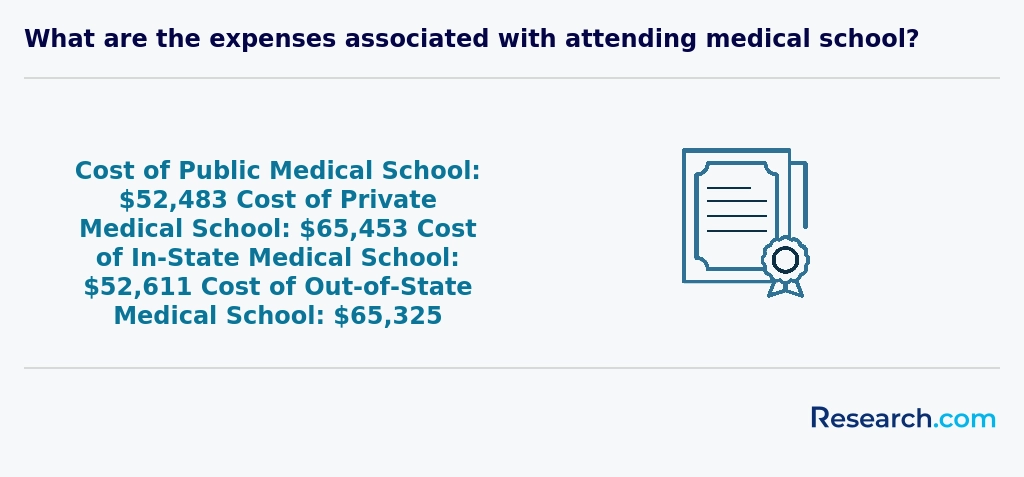
The average healthcare degree cost in Columbia is around $20,331 for in-state students, reflecting a median total expense that balances tuition, fees, and additional program-related costs. Graduates from well-known state universities often speak about managing these costs through a mix of scholarships and part-time work, which makes their investment feel manageable despite the initial sticker shock. Community colleges provide an accessible pathway, with annual costs typically ranging from $3,500 to $6,000, offering a budget-friendly alternative without compromising practical skills development.
Unlike some expectations, the total expenses for healthcare degrees Columbia students face don't just end with tuition. Nursing and clinical programs add layers of cost from lab fees and essential supplies to uniforms, which quickly add up over the 2 to 4 years it takes to graduate. Still, many who pursue such degrees express pride and optimism, knowing these experiences ease the path to a rewarding and rapidly growing field.
Private universities, charging between $30,000 and $45,000 annually, are often seen as gateways to specialized opportunities, though these come with a heftier price. Those exploring their options would benefit from reviewing the best popular healthcare colleges in Columbia, ensuring a well-informed choice that balances aspirations with financial realities.
Where Can I Work After Earning Your Healthcare Degree in Columbia, MO?
Healthcare graduates in Columbia, MO, enjoy a wealth of opportunities across various settings that not only leverage their academic accomplishments but also satisfy a growing community need for quality care. Many professionals find rewarding roles in hospitals, community clinics, and specialty care centers, while others venture into research, public health departments, and health technology firms. For example, local medical centers often seek skilled graduates to support patient care, manage operational logistics, or lead innovative projects that improve overall service quality. In addition to traditional healthcare facilities, graduates may also consider employment positions in rehabilitation centers, long-term care facilities, and private practices, which are increasingly focused on a holistic patient experience. Networking with the best popular healthcare colleges in the region can provide further insights into industry-specific opportunities and help you identify the ideal workplace. Furthermore, emerging fields like telemedicine and health informatics continue to expand, offering diverse career paths for those looking to blend technology with patient care. Whether you’re drawn to a clinical role or an administrative position, Columbia’s robust healthcare landscape ensures that your degree opens doors to ample professional growth and community impact.
What financial aid is available to healthcare degree students in Columbia?
Financial aid for healthcare students in Columbia isn't just a safety net-it often becomes a catalyst for success. Graduates from universities like the University of Missouri and Saint Louis University frequently speak of how Pell Grants lifted a significant financial burden, enabling them to focus fully on rigorous nursing or public health programs. With up to $7,395 available annually, Pell Grants challenge the idea that higher education must come with overwhelming debt.
State scholarships, such as the Missouri Access to Higher Education Grant (AHEG), add another layer of support, providing hundreds of dollars that can cover essential expenses. Imagine a medical technology student at Missouri State University receiving this aid, gaining peace of mind to invest in supplies or certification exams rather than worrying about tuition alone.
Then there are targeted scholarships and loan forgiveness options through agencies like HRSA, which reward graduates committed to underserved rural communities, transforming altruism into tangible financial relief. This evokes the experiences of many who find purpose and financial security intertwined in their healthcare path.
Where Can I Work with a Healthcare Degree in Columbia, MO?
Graduates holding a healthcare degree in Columbia, MO, have a wide range of employment settings, each offering unique opportunities to apply clinical knowledge, administrative skills, and community outreach expertise. Below are some of the most common career environments:
- Hospitals and Health Systems: Major employers include MU Health Care and Boone Health, where roles range from patient care technician to health information manager, often with on-site training and clear paths for advancement.
- Outpatient Clinics and Physician Offices: These facilities hire medical assistants, billing specialists, and care coordinators, providing a blend of patient contact and administrative duties in more predictable hours.
- Long-Term Care and Rehabilitation Centers: Nursing homes, assisted living facilities, and rehabilitation centers seek professionals who can support geriatric care, physical therapy assistance, and case management.
- Public Health Agencies: The Boone County Health Department and Missouri Department of Health employ graduates for roles in community outreach, health education, and epidemiology, addressing population-level challenges.
- Telehealth and Remote Care: With telemedicine on the rise, positions such as virtual care coordinator or remote health informaticist allow professionals to deliver services from home, leveraging electronic health record (EHR) systems.
- Research Institutions and Pharmaceutical Companies: Columbia’s proximity to the University of Missouri Research Reactor and biotech startups offers careers in clinical research coordination, regulatory compliance, and data analysis.
- Health Insurance and Managed Care Organizations: Graduates can work as claims analysts, utilization reviewers, or network coordinators, translating medical knowledge into policy and reimbursement decisions.
- Academic and Training Programs: Healthcare educators and curriculum developers are in demand at local colleges and technical schools, shaping the next generation of clinicians and administrators. For those interested in flexible, online pathways that can open doors to national and global employers, explore our Most Affordable Online Healthcare Degree Programs Ranking in San Diego, CA to compare program costs and delivery formats.
What are the prerequisites for enrolling in healthcare degree program in Columbia?
Securing a spot in a healthcare degree program in Columbia demands more than just a high school diploma or GED; it requires a foundational commitment that resonates deeply through each applicant's academic and extracurricular life. Graduates from programs at the Medical University of South Carolina often reflect on how their early focus on biology and chemistry laid the groundwork for understanding complex healthcare concepts.
Standardized tests like the SAT or ACT can seem daunting, yet many find these scores less about pressure and more about demonstrating readiness for the challenges ahead. Some Columbia colleges even waive these exams for students with strong dual-enrollment records, highlighting the value of proactive learning.
Beyond academics, volunteering at Prisma Health or community clinics isn't just a checkbox-it's a transformative experience that helps students cultivate empathy and resilience. Applicants who submit letters of recommendation emphasize how these personal narratives reveal their evolving passion and suitability for healthcare careers.
Meeting minimum GPA thresholds around 2.5 to 3.0, completing foundational courses, and navigating background checks become stepping stones that confirm a student's readiness, fostering confidence instead of fear.

Where Can I Work and Build a Successful Healthcare Career?
Graduates with a healthcare degree in Columbia, MO, find opportunities across a variety of settings that extend far beyond traditional hospital roles. Many pursue careers in diverse environments such as local hospitals, outpatient clinics, long-term care facilities, and community health organizations where they can make an immediate impact on patient care. Others are drawn to administrative and management positions in healthcare institutions, which allow them to influence operations and improve service delivery on a larger scale. In addition to clinical and administrative roles, contemporary graduates increasingly tap into emerging sectors such as health informatics, research organizations, and public health agencies. This trend is supported by programs that offer specialized training in data management and health technology, ensuring that professionals are well-prepared to meet the evolving demands of the industry. By choosing a program that aligns with these dynamic work environments, you’re well-positioned to succeed in both frontline and support roles. For a comprehensive understanding of available programs and how they rank among regional institutions, consider exploring the best popular healthcare colleges to find the perfect match for your career aspirations. Whether you’re just beginning your journey or looking to advance your current position, the wide array of work settings in Columbia, MO offers numerous pathways to a fulfilling career in healthcare.
What courses are typically in healthcare degree programs in Columbia?
Healthcare degree programs in Columbia immerse students in courses that intertwine scientific rigor with real-world relevance. Graduates from renowned institutions often reflect on how anatomy and physiology classes transformed their understanding of the human body, enabling them to confidently navigate clinical settings. Microbiology and medical terminology aren't just academic checkboxes; they serve as the foundation for interpreting patient symptoms and medical records accurately.
Ethics and healthcare law courses challenge students to wrestle with complex moral dilemmas that arise in hospitals, sharpening their decision-making skills amid legal frameworks that govern practice in Columbia. One graduate recalls the intense engagement during health informatics sessions, where mastering technology felt vital for improving patient care in the state's bustling clinics and hospitals.
Practical coursework, like clinical practicums, places students face-to-face with patients, turning textbook knowledge into compassionate action. Many express pride in gaining hands-on experience at leading Columbia medical centers, where their learning directly impacts lives. Electives in mental health and nutrition further personalize their education, fueling passion and resilience for diverse healthcare roles.
What types of specializations are available in healthcare degree programs in Columbia?
Healthcare degree specializations in Columbia challenge students to envision their futures beyond textbooks, diving deeply into fields like Nursing, Public Health, and Healthcare Administration. Graduates from well-regarded colleges report gaining hands-on experience that transforms their understanding, such as managing patient care in bustling hospital units or shaping health policies for underserved communities. Nursing, for instance, isn't just about bedside care; students explore family, pediatric, and geriatric nursing, each demanding unique empathetic skills and clinical expertise.
Columbia healthcare program specialization options also include Clinical Laboratory Science and Physical Therapy, fields that require both precision and compassion. Graduates often reflect on moments in university labs or rehabilitation centers where theory met real-world impact, inspiring them to continue growing amidst evolving challenges. The rise in these programs echoes a broader societal shift toward preventive care and rehabilitation, witnessed in growing crowds at university lectures and clinics alike.
For those seeking practical skills quickly, it's worth exploring resources like kaiser permanente free coding classes online, which supplement healthcare education with vital knowledge on medical billing and coding.
How do you choose the best healthcare degree in Columbia?
Choosing the best healthcare degree in Columbia demands more than just picking a popular major; it requires you to envision your future in the field deeply. Graduates from well-known colleges in Columbia often recall how critically evaluating program accreditation and hands-on clinical opportunities shaped their success. Consider that not all nursing programs are equal-those with strong clinical partnerships offer real-world experience that textbooks alone can't provide. Reflect on how your peers navigated selecting degrees from associate to doctoral levels, realizing that a Bachelor of Science in Nursing often opens more doors in leadership and specialty roles.
Cost is frequently underestimated, yet graduates who balanced affordable healthcare degrees Columbia 2027 with financial aid found greater peace of mind, enabling them to focus fully on mastering their craft. One student's choice to pursue physical therapist assistant associate in science programs online exemplifies a strategic decision balancing accessibility and quality education. When selecting your path, think beyond tuition: envision program reputation, graduation rates, and job placement at local institutions that resonate with your career goals.
What career paths are available for healthcare degree students in Columbia?
Graduates with a healthcare degree in Columbia find themselves at the crossroads of diverse career paths that defy narrow definitions of medical work. From the demanding fast-paced roles of registered nurses employed by Prisma Health to the specialized skills of radiologic technologists and medical laboratory technicians, the opportunities are as varied as they are rewarding. Many graduates recount the fulfillment of direct patient impact, while others emphasize the satisfaction found in behind-the-scenes roles like health information management, driven by ever-expanding electronic health records use.
Choosing a healthcare degree in Columbia means stepping into a field with promising job prospects buoyed by local healthcare employers and evolving technologies. Reflecting on graduates' experiences from well-known universities here, it's clear that these pathways seamlessly integrate hands-on care and administrative expertise. Such dynamic potential underscores the appeal of healthcare career opportunities in Columbia, especially for those ready to embrace roles beyond traditional clinical settings.
For students considering costs and quality, examining options through the lens of the Most Affordable Online Healthcare Degree Programs Ranking in San Diego, CA offers insightful guidance to balance investment with future success.
What is the job market for healthcare degree in Columbia?
The healthcare job opportunities in Columbia present a landscape that defies traditional expectations. Graduates from universities like the University of South Carolina often find themselves stepping into a thriving market supported by institutions such as Prisma Health, where nursing roles alone account for a significant portion of available positions. The median salary approaching $68,000 for registered nurses is a concrete reward that mirrors the city's ambition to cultivate healthcare talent. Many students report feeling optimistic about their career prospects, especially as Columbia's healthcare degree employment outlook anticipates a 15% growth by 2030, driven by an aging population and expanding telehealth services.
Graduates frequently share that the hands-on experiences gained during their studies, coupled with locally accessible internships, make Columbia an ideal place to launch a healthcare career. With tuition often more affordable than the national average and additional certifications enhancing opportunities, many recognize the value in pursuing an easiest bachelor's degree to get that aligns with their aspirations while staying budget-conscious.
Frequently Asked Questions About healthcare
Healthcare degree students in Columbia can maximize their learning experience by engaging actively in both academic and practical opportunities. Columbia's healthcare programs often integrate clinical rotations, which allow students to apply theoretical knowledge in real-world settings.
Participating in internships and volunteer work within local hospitals or community health centers provides valuable hands-on experience and networking possibilities. Students should also take advantage of campus resources, such as tutoring and study groups, to strengthen their understanding of complex subjects like anatomy or pharmacology.
Moreover, staying informed about current healthcare trends and policies in Columbia, including state-specific public health challenges, can enhance a student's readiness for a professional career. According to the Columbia Department of Health, interdisciplinary collaboration and continual learning remain key factors in healthcare success.
The healthcare field in Columbia is rapidly evolving, with several emerging niches gaining prominence. One key area is telehealth, which surged during the COVID-19 pandemic and continues to expand due to its convenience and accessibility. According to the Columbia Department of Public Health, telehealth services increased by over 50% between 2020 and 2023.
Another significant niche is personalized medicine, where treatments are tailored based on genetic information. This field requires healthcare professionals skilled in genomics and bioinformatics.
Additionally, healthcare data analytics is becoming crucial. Columbia healthcare organizations increasingly rely on data to improve patient outcomes and operational efficiency. Careers combining healthcare and technology are growing fast.
Finally, mental health services are expanding, reflecting rising awareness of behavioral health issues across the state.
Preparing for the job market after completing a healthcare degree in Columbia requires strategic planning and practical experience. Graduates should prioritize obtaining relevant certifications, such as CPR or state-specific licenses, which are often mandatory for healthcare roles.
Internships and clinical rotations provide hands-on experience and improve job prospects. According to the U.S. Bureau of Labor Statistics, healthcare occupations in Columbia are expected to grow by nearly 16% from 2022 to 2032, indicating strong demand for qualified professionals.
Networking through local healthcare organizations and job fairs can connect graduates with employers. Additionally, developing soft skills like communication and teamwork is essential for success in healthcare environments.
Employers in Columbia highly value a blend of technical expertise and interpersonal skills in healthcare degree graduates. Clinical competence, including proficiency in patient care and familiarity with electronic health records, is essential. According to the Columbia Department of Health, 78% of employers prioritize graduates who demonstrate strong diagnostic and treatment abilities.
Communication skills rank equally important. Healthcare professionals must effectively interact with patients and collaborate with multidisciplinary teams. Critical thinking and problem-solving capabilities are also sought after to navigate complex medical situations.
Additional valued skills include cultural competence, adaptability, and knowledge of healthcare regulations specific to Columbia. These competencies align with the demands of an evolving healthcare system focused on improving patient outcomes.
Finding internships relevant to healthcare degrees in Columbia involves proactive research and networking. Many universities in Columbia collaborate with local hospitals, clinics, and public health organizations to offer internship opportunities. Students should consult their institution's career services office, which often maintains updated listings and partnerships.
The South Carolina Department of Health and Environmental Control (DHEC) regularly posts internship openings in public health fields. Additionally, healthcare employers in Columbia such as Prisma Health and Lexington Medical Center provide structured internship programs.
Students are advised to begin their search early, tailor resumes to healthcare roles, and attend career fairs or informational sessions. Online platforms like Handshake and LinkedIn can also be valuable for discovering local internships.
In Columbia, earning a healthcare degree significantly improves career mobility and advancement opportunities within the state's expanding medical sector. According to the Bureau of Labor Statistics, healthcare occupations in the region are projected to grow by over 15% through 2030, outpacing many other industries.
A formal degree provides essential clinical knowledge and credentials required for specialized roles such as nursing, medical technology, and health administration. Employers often prioritize candidates with accredited degrees, which can lead to higher starting salaries and access to leadership positions.
Continuing education and degree attainment are linked to better job security and promotion potential, making investment in a healthcare degree a strategic choice for career growth in Columbia's competitive healthcare market.
Studying for a healthcare degree in Columbia offers students comprehensive preparation for interdisciplinary roles critical in today's medical landscape. Programs often emphasize collaboration across various specialties, including nursing, public health, and clinical practice, ensuring graduates develop versatile skills.
According to the Columbia Department of Higher Education, over 70% of healthcare programs integrate teamwork-focused curricula, highlighting communication and coordination among diverse professionals. This approach mirrors real-world healthcare settings, where effective patient care requires input from multiple disciplines.
Students engage in practical experiences and simulations that foster problem-solving alongside peers from nursing, social work, and health administration backgrounds. These opportunities strengthen adaptability and leadership, preparing graduates for dynamic roles in hospitals, community clinics, and policy environments.
Such interdisciplinary training supports Columbia's growing healthcare workforce, which faces complex challenges like chronic disease management and healthcare access disparities, aligning education with market needs.
When choosing between a thesis and a non-thesis healthcare degree program in Columbia, students should consider their career goals. A thesis program typically involves conducting original research and writing a substantial paper, which is ideal for those aiming for research roles or advanced degrees like a PhD. Non-thesis programs emphasize coursework and practical skills, suiting students focused on direct clinical work or immediate job placement.
The US Department of Education reports that about 30% of healthcare graduates pursue research-intensive paths, which often require thesis completion. Meanwhile, non-thesis options can be completed faster, appealing to working professionals seeking flexibility.
Students should also assess faculty expertise and resources at institutions in Columbia, as strong mentorship is crucial for thesis success. Reviewing program accreditation and alumni outcomes can provide additional insight when making this decision.
Students based in Columbia seeking healthcare degrees abroad often consider programs in the United States, which is renowned for offering diverse healthcare education options. Popular choices include nursing, public health, and medical technology degrees.
Many U.S. universities provide specialized healthcare programs accredited by recognized bodies such as the Commission on Collegiate Nursing Education (CCNE). These programs emphasize practical experience, research, and clinical practice.
According to the U.S. National Center for Education Statistics, healthcare-related degrees accounted for nearly 15% of all degrees awarded in 2022, reflecting strong demand. Students from Columbia can find pathways through scholarships and exchange programs.
Online and hybrid degree options have increased access, helping international students balance studies with personal commitments. Columbia students should carefully review accreditation and visa requirements.
Students pursuing healthcare degrees in Columbia have several part-time job options that complement their education while gaining practical experience. Common roles include medical assistants, pharmacy technicians, and patient care aides. These positions offer hands-on exposure to clinical environments, which can enhance learning and improve employability.
According to the U.S. Bureau of Labor Statistics, medical assistant jobs are projected to grow 16% from 2021 to 2031, indicating strong demand. Working in local hospitals or outpatient clinics in Columbia allows students to apply classroom knowledge to real-world patient care.
Other useful roles include health information technicians or administrative assistants in healthcare facilities, offering insight into healthcare management and systems.
Healthcare students in Columbia benefit from numerous networking opportunities that enhance their professional growth. Universities such as the University of Missouri offer student organizations and clubs specifically focused on healthcare fields, encouraging collaboration and mentorship.
Local hospitals and clinics often partner with academic institutions to provide internships, clinical rotations, and volunteer opportunities. These settings allow students to build connections with healthcare professionals and potential employers. According to the Missouri Department of Higher Education, over 60% of healthcare students in the state report finding job opportunities through these networks.
Additionally, statewide healthcare conferences and seminars regularly invite students to participate, offering chances to present research and engage with industry leaders. Professional associations like the Missouri Hospital Association also provide student memberships, facilitating access to workshops and job fairs.
Alumni networks play a crucial role for healthcare degree students in Columbia by providing valuable professional connections. These networks often include experienced healthcare workers who can offer guidance on career paths and job opportunities. According to the National Association of Colleges and Employers, 85% of jobs are filled through networking, making alumni connections a vital resource.
Additionally, alumni groups organize mentorship programs that help students navigate clinical experiences and certifications specific to healthcare fields. In Columbia, where healthcare demand is growing rapidly, such networks increase students' chances of internships and licensure support.
Moreover, alumni often contribute to continuing education workshops and seminars, keeping students current with healthcare industry advances.
In Columbia, customizing a healthcare degree program to align with your career goals is achievable by selecting relevant specializations and elective courses. Many institutions offer options like public health, healthcare management, or clinical research, allowing you to focus on areas of interest.
In addition, internships and practicum placements provide hands-on experience, tailored to your desired healthcare field. This practical exposure is essential for building skills and professional networks.
Advisors play a crucial role by helping students map coursework to career objectives, ensuring alignment with Columbia's healthcare labor market demands outlined by the Bureau of Labor Statistics.
Flexible scheduling and online course options also help accommodate working professionals seeking to advance or shift their careers in healthcare.
Healthcare students in Columbia often face several challenges in their educational journey. One significant obstacle is the high academic demand, as many programs require a strong foundation in sciences like biology and chemistry. According to the National Center for Education Statistics, about 40% of healthcare students report difficulty balancing coursework and clinical practice.
Financial strain is another common issue. Tuition costs for healthcare degrees in Columbia can be substantial, with some programs averaging over $15,000 annually. This often leads students to rely on loans or part-time work, adding stress.
Additionally, limited availability of clinical placement sites delays practical experience, crucial for licensure and employment. Time management is therefore essential to successfully navigate both theoretical and hands-on training components.
With a healthcare degree in Columbia, you can pursue various professional certifications that enhance your career prospects. Common certifications include Certified Nursing Assistant (CNA), Licensed Practical Nurse (LPN), and Registered Nurse (RN) licenses, which are governed by the South Carolina Board of Nursing. For those interested in specialized fields, certifications like Medical Assistant (CMA) or Emergency Medical Technician (EMT) are widely recognized. Additionally, certifications in Health Information Technology or Public Health can open doors to administrative and community health roles. These credentials often require passing national exams and fulfilling state-specific requirements, boosting your employability in Columbia's growing healthcare sector.
Applying to a healthcare program in Columbia requires careful preparation to stand out. Start by ensuring your academic records reflect strong performance in science and math courses, as these are crucial for healthcare fields. Many programs prioritize applicants with a GPA above 3.0, according to recent admissions data from Columbia University.
Next, craft a clear and concise personal statement explaining your motivation for pursuing healthcare, relevant experiences, and career goals. Admissions committees value honesty and a genuine passion for helping others.
Include strong letters of recommendation from instructors or healthcare professionals who can attest to your skills and character. Finally, prepare thoroughly for any required entrance exams, such as the MCAT or TEAS, and submit your application well before deadlines to improve your chances.
Healthcare careers are increasingly valued worldwide due to rising demand for skilled professionals. In the United States, the healthcare sector is one of the fastest-growing industries, with the Bureau of Labor Statistics projecting a 13% job growth from 2021 to 2031. This trend benefits students in Columbia pursuing healthcare degrees since their skills are transferable globally.
Globally, healthcare professionals face diverse challenges-from aging populations in developed countries to improving access to care in developing regions. This creates opportunities in areas like nursing, public health, and medical technology. According to the World Health Organization, investing in healthcare education enhances community well-being and economic stability.
For Columbia students, U.S. healthcare education offers rigorous training and opportunities to participate in research and clinical practice, which are recognized internationally. This global relevance broadens career options beyond local healthcare systems.
Gaining practical experience while studying for a healthcare degree in Columbia is essential to developing professional skills. Many colleges and universities in Columbia require students to complete clinical rotations or internships as part of their programs. These placements provide hands-on experience in hospitals, clinics, or community health settings.
Students can also seek volunteer opportunities or part-time jobs in healthcare facilities to supplement their learning. According to the National Center for Education Statistics, approximately 70% of healthcare students nationwide participate in clinical training during their degree.
Additionally, some programs offer simulation labs that replicate real-life medical scenarios, enhancing practical skills without patient risk. Engaging actively in these opportunities improves job prospects after graduation.
When choosing the right concentration within a healthcare degree program in Columbia, start by evaluating your career goals. Concentrations such as nursing, health administration, public health, or allied health often align with specific roles in hospitals, clinics, or community settings. According to the U.S. Bureau of Labor Statistics, healthcare occupations in Columbia are projected to grow by 15% from 2022 to 2032, making specialization important for job security.
Consider the program's curriculum and if it offers practical experience, which is crucial in healthcare education. Research faculty expertise and available certifications. Also, think about industry demand locally; for example, Columbia's growing elderly population increases need for geriatric care and chronic disease management specialists, as noted by the CDC.
Related Healthcare Rankings for Nearby Cities
- 2027 Most Popular Healthcare Degree Programs Ranking in Saint Louis
- 2027 Most Popular Healthcare Degree Programs Ranking in Kansas City
- 2027 Most Popular Healthcare Degree Programs Ranking in Springfield
- 2027 Most Popular Healthcare Degree Programs Ranking in Omaha
- 2027 Most Popular Healthcare Degree Programs Ranking in Lincoln
- 2027 Most Popular Healthcare Degree Programs Ranking in Wichita
- 2027 Most Popular Healthcare Degree Programs Ranking in Memphis
- 2027 Most Popular Healthcare Degree Programs Ranking in West Lafayette
- 2027 Most Popular Healthcare Degree Programs Ranking in Sioux City
- 2027 Most Popular Healthcare Degree Programs Ranking in Louisville
Top Trending Healthcare Rankings
See What Experts Have To Say About Studying Healthcare
Read our interview with Healthcare experts

References
- Financial Aid | Columbia College https://www.columbiasc.edu/tuition-aid/financial-aid
- Welcome to the Health Professions Alumni Association! https://www.upstatefoundation.org/chpalumni
- Top 3 Reasons to Consider a Career in Healthcare - Roseman University https://www.roseman.edu/student-experience/news/top-3-reasons-to-consider-a-career-in-healthcare/
- Columbia College - Healthcare Management Degree Guide https://www.healthcare-management-degree.net/school-profiles/columbia-college/
- Healthcare Assistant Cover Letter Templates | myPerfectCV https://www.myperfectcv.co.uk/cover-letter/examples/healthcare-assistant-cover-letter
- Networking in Medicine: Build Lasting Connections l Windsor https://www.windsor.edu/networking-in-medicine-building-relationships-from-day-one/
- Know more about thesis vs non- thesis: what is the difference? https://studyfans.com/en/blogs/816
- Global Health Perspectives https://www.denvercollegeofnursing.edu/students/global-health-perspectives.html
- The Role of Interdisciplinary Studies in Medical Career Training https://georgia-med.com/the-role-of-interdisciplinary-studies-in-medical-career-training.html
- 6 key healthcare challenges affecting students and how to address them - Wellfleet Student https://wellfleetstudent.com/engaging-empowering-student-members/6-key-healthcare-challenges-affecting-students-and-how-to-address-them/