
2027 Most Popular Healthcare Degree Programs Ranking in Kansas City

Co-Founder and Chief Data Scientist
Choosing the right healthcare degree program can be a big decision, especially in a vibrant city like Kansas City. This article introduces the 2027 Most Popular Healthcare Degree Programs Ranking in Kansas City, developed by the Research.com team of data scientists. It aims to provide clear, data-driven insights to help you find programs that truly fit your goals and interests.
By exploring this ranking, you'll discover valuable information that can guide your educational journey. A healthcare degree opens many doors to rewarding careers, and this article makes that path easier to navigate.
Key benefits of getting healthcare degree in Kansas City
- Healthcare degree graduates in Kansas City can expect competitive salaries, such as Medical Assistants earning a mean annual wage of $43,350 and Quality Improvement Coordinators earning up to $103,150.
- Graduates from local institutions like the University of Missouri-Kansas City enjoy diverse career paths ranging from Patient Care Technicians to Clinical Research Coordinators, offering stability and growth.
- Online healthcare degrees from schools like Rockhurst University provide flexibility and convenience while maintaining quality education, helping students balance work and study effectively.
- Key benefits of getting healthcare degree in Kansas City
- What can I expect from healthcare degree in Kansas City?
- Where can I work with healthcare degree in Kansas City?
- How much can I make with healthcare degree in Kansas City?
- 2027 Most Popular Healthcare Degree Programs Ranking in Kansas City
- Key Findings
- How long does it take to complete healthcare degree in Kansas City?
- Student Success Stories and Testimonials
- What's the difference between online and on-campus healthcare degree?
- Accreditation and Licensure Requirements
- What is the average cost of healthcare degree in Kansas City?
- Next Steps for Your Healthcare Education Journey
- What financial aid is available to healthcare degree students in Kansas City?
- Future Trends in Healthcare Education in Kansas City, MO
- What are the prerequisites for enrolling in healthcare degree program in Kansas City?
- Industry Trends and Future Outlook for Healthcare Education in Kansas City, MO
- What courses are typically in healthcare degree programs in Kansas City?
- What types of specializations are available in healthcare degree programs in Kansas City?
- How do you choose the best healthcare degree in Kansas City?
- What career paths are available for healthcare degree students in Kansas City?
- What is the job market for healthcare degree in Kansas City?
- Top Trending Healthcare Rankings
- See What Experts Have To Say About Studying Healthcare
What can I expect from healthcare degree in Kansas City?
The average cost of a healthcare degree in Kansas City varies depending on the type of institution and program. Graduates often recall how attending the University of Missouri-Kansas City involved tuition that ranged widely, but many found financial aid and scholarships helped ease the burden. Meanwhile, those who chose Metropolitan Community College appreciated its more affordable tuition rates for allied health certifications, making hands-on healthcare education accessible without overwhelming debt.
Graduates frequently mention how the blend of rigorous classroom work and real-world clinical rotations at these schools made every dollar feel well spent. For instance, nursing students at Rockhurst University recall the value of connecting classroom knowledge with hospital internships, feeling both challenged and supported by faculty and clinical mentors. This direct experience prepares students not just for tests, but for the fast-paced reality of healthcare jobs nearby, making the investment in their education a hopeful step toward a fulfilling career.
Where can I work with healthcare degree in Kansas City?
Graduates with healthcare degrees in Kansas City find themselves stepping into a vibrant world of opportunities that extend far beyond hospital walls. Imagine starting your career at a renowned place like Truman Medical Centers or Saint Luke's Health System, where nurses, medical technologists, and administrators thrive in fast-paced, impactful roles. Many graduates from local universities like the University of Missouri-Kansas City experience this firsthand, feeling energized by the city's diverse healthcare landscape.
Walking into outpatient clinics or rehabilitation centers, you could be the friendly face aiding recovery or the skilled technician interpreting medical images. For those intrigued by community care, elder care and home health agencies offer rewarding paths fueled by the region's aging population, making each day meaningful and full of connection.
Beyond direct care, the booming biotech scene around institutions like the Stowers Institute invites you to explore cutting-edge research and healthcare technology. Graduates often speak about the excitement of combining clinical knowledge with innovation, pushing boundaries as laboratory techs or healthcare data analysts. In Kansas City, a healthcare degree truly unlocks diverse, vibrant career adventures.
How much can I make with healthcare degree in Kansas City?
Imagine stepping out of a healthcare program at one of Kansas City's top colleges, ready to launch your career with confidence. Graduates working as medical assistants typically earn around $43,350 annually, bringing home about $20.84 per hour-enough to start living independently while gaining valuable experience. Those who advance to patient care technicians often see a jump, earning close to $60,790 a year and enjoying roles that combine hands-on care with rewarding patient interactions.
For those intrigued by the technical side of healthcare, health information technicians earn similar wages, averaging $43,380 annually. Clinical research coordinators, also a fascinating option for graduates, make approximately $43,350 per year, allowing them to dive into the investigative world of healthcare developments.
Picture yourself gaining expertise and stepping up to a broader leadership role. Quality improvement coordinators in Kansas City earn a hefty $103,150 on average, reflecting the value of advanced skills in improving patient outcomes. These figures show that healthcare degrees in Kansas City unlock diverse, well-paying pathways, all within reach of eager, ambitious graduates.
2027 Most Popular Healthcare Degree Programs Ranking in Kansas City
How do we rank schools?
Investing in your education is a significant decision that can shape your future, and the Research.com team understands the importance of making informed choices. To assist prospective students in Kansas City, we have meticulously crafted the "2027 Most Popular Healthcare Degree Programs Ranking in Kansas City." Our commitment to quality, credibility, and accuracy is reflected in the extensive research and analysis conducted to compile this ranking.
We utilized the following reputable data sources to ensure a comprehensive evaluation of healthcare degree programs:
By exploring this ranking, readers will gain valuable insights into the most popular healthcare degree programs available in Kansas City, helping them make well-informed decisions about their educational and career paths. For more details on our methodology, please visit our Research.com methodology page.


# 6 position
Concorde Career College-Kansas City
Bachelor of Science in Health Sciences

# 7 position
Research College of Nursing
Bachelor of Science in Nursing

# 8 position
Research College of Nursing
Master of Science in Nursing
# 9 position
Kansas City University
Master of Public Health

# 10 position
City Vision University
Bachelor of Science in Health Sciences

Key Findings
- Kansas City offers a variety of healthcare programs including nursing, public health, healthcare administration, and allied health sciences at accredited institutions.
- Tuition costs vary by degree level: associate degrees cost $4,000 to $6,000 per year, bachelor's degrees range from $8,000 to $15,000, and graduate programs typically cost between $15,000 and $25,000 annually.
- The healthcare job market in Kansas City is strong with growth in nursing, physical therapy, and healthcare management, supported by major health systems like Saint Luke's Health System and Truman Medical Centers.
- Entry-level salaries for healthcare graduates start around $50,000 to $60,000, while experienced professionals can earn more than $85,000 per year in roles like nursing and healthcare administration.
- Many programs include partnerships with local healthcare providers to increase practical experience and improve job placement rates for graduates.
- Financial aid and scholarships specific to healthcare fields are available to help reduce education costs at Kansas City institutions.
How long does it take to complete healthcare degree in Kansas City?
In Kansas City, the journey to a healthcare degree unfolds with dynamic timelines that many students find both exciting and attainable. Graduates from local institutions often share how their Bachelor of Science in Nursing or health sciences degree took roughly four years, filled with vibrant clinical experiences that brought textbooks to life. Those pursuing an Associate Degree in Nursing celebrated completing their foundational studies in about two years, stepping confidently into the workforce ready to make an impact.
For those eager to dive deeper, master's programs at popular Kansas City colleges typically add 1.5 to 2 years beyond the bachelor's, opening doors to advanced practice roles. A graduate recalled how this period was both challenging and exhilarating, blending rigorous coursework with real-world application.
Doctoral paths-like MD or DNP-could span four to seven years, reflecting intense preparation for complex careers. Many students appreciate how these programs balance academic depth with practical exposure at well-regarded Kansas City health institutions, crafting professionals ready for any challenge.
- Associate degrees typically take 2 years
- Bachelor's degrees usually require 4 years
- Master's programs can vary between 1.5 and 2 years
- Doctoral degrees need 4 to 7 years
- Accelerated programs may shorten timelines significantly
Accelerated tracks have become a thrilling option for those with prior degrees, transforming traditional four-year routes into intense 12- to 18-month journeys, allowing students to leap quickly into vibrant healthcare careers in the heart of Kansas City.
Student Success Stories and Testimonials
“I never imagined that pursuing a healthcare degree in Kansas City would be so transformative,” shares Maria Thompson, a recent graduate from the University of Missouri-Kansas City. “The hands-on labs and clinical rotations prepared me for real-world challenges, and I secured a position at a top hospital within weeks of graduation.” James Lee, who began his journey with an associate's degree in physical therapy assistant, adds, “Starting with an associate’s program gave me immediate patient-care experience, and the seamless transfer agreements made advancing to a bachelor’s degree straightforward.” These success stories underscore the value of programs featured in our 2024 Most Popular Healthcare Degree Programs Ranking in Kansas City, MO. Alumni consistently highlight:
- Expert faculty mentorship, which fosters confidence and professional growth
- Robust clinical partnerships with leading hospitals and clinics across Kansas City
- Comprehensive career services that connect graduates with employers in fields from patient care to health informatics Through these testimonials, it’s clear that our ranked institutions not only deliver rigorous academic curricula but also cultivate supportive learning environments. Prospective students can trust that by choosing one of these programs, they’ll join a community committed to excellence and equipped to make a meaningful impact in healthcare.
What's the difference between online and on-campus healthcare degree?
Imagine balancing a busy schedule in Kansas City while pursuing a healthcare degree-online programs offer this rare freedom. Graduates from online tracks at universities like UMKC appreciate the ability to study lectures late at night or during lunch breaks at their local clinics. The flexibility to access coursework anytime fits perfectly with those already immersed in healthcare jobs.
Yet, this independence comes with the challenge of finding your own clinical placements nearby, a hurdle that can feel like an adventure in self-guided growth. Practical experiences are a must, and accredited programs ensure these moments matter.
On the flip side, traditional on-campus learners at institutions such as UMKC enjoy lively campus life and face-to-face mentorship. Walking into labs and clinical simulations offers an immediate, hands-on spark, fostering confidence and skill mastery in a way that feels tangible and exciting.
While online study may be kinder on the budget, on-campus offers structured support that many find deeply motivating-a choice of pace and environment that shapes your healthcare journey.
Accreditation and Licensure Requirements
Ensuring your healthcare degree in Kansas City, MO, comes from an accredited institution is vital for licensure, employment, and long-term career growth. Regional accreditation by bodies such as the Higher Learning Commission (HLC) guarantees institutional quality, while programmatic accreditation-like the Commission on Collegiate Nursing Education (CCNE) for nursing, the Accreditation Commission for Education in Nursing (ACEN), or the Commission on Accreditation of Allied Health Education Programs (CAAHEP)-validates specialized curricula. Graduating from an accredited program is a prerequisite for sitting licensure exams administered by national boards (for example, the NCLEX-RN for nurses or the NPTE for physical therapists) and obtaining your Missouri state license. Upon degree completion, you must apply to the Missouri Department of Health and Senior Services or the Missouri State Board of Nursing for initial licensure. Requirements typically include:
- Official transcripts from an accredited program
- Proof of passing the relevant national exam
- Background check and application fee submission
- Verification of clinical hours (where applicable) Maintaining licensure in Missouri often requires ongoing continuing education hours, which vary by profession. For instance, registered nurses must complete 24 contact hours every two years, while radiologic technologists may need Board of Radiologic Health-approved courses. Advanced certifications-such as the Oncology Nursing Certification Corporation (ONCC) or the American Nurses Credentialing Center (ANCC)-can further enhance your credentials and marketability. Students exploring cost-effective pathways can compare accredited options beyond Missouri. For example, the Inexpensive Online Healthcare Degree Programs Ranking in Nebraska highlights budget-friendly, fully accredited online programs that meet rigorous licensure standards and may offer transferable credits for Missouri licensure. By prioritizing accredited programs and understanding Missouri’s licensure process, aspiring healthcare professionals in Kansas City can confidently navigate academic choices, exam preparation, and state requirements-ensuring eligibility for in-demand roles and compliance with regulatory standards in the dynamic healthcare sector.
What is the average cost of healthcare degree in Kansas City?
Venturing into the cost of a healthcare degree in Kansas City reveals an engaging mix of public and private options, each with their unique financial landscape. Graduates from the University of Missouri-Kansas City often reflect warmly on how in-state tuition, averaging around $27,293 total, made their healthcare journey feel more accessible and vibrant. For out-of-state students, the financial commitment rises, yet it's balanced by strong program reputations and hands-on experiences. Those embracing private institutions like Rockhurst University encounter higher costs, with tuition sometimes soaring past $49,000, but many find relief in scholarships and financial aid that make reaching their goals possible and exciting.
When considering the typical amount you might spend on a healthcare degree in Kansas City, it helps to think beyond tuition. Books, clinical fees, and living expenses form part of the adventurous path-often a few thousand dollars extra each year but essential for transforming theory into practice. Students often share stories of thriving in local program settings where coursework and real-world training blend, turning every dollar invested into deep satisfaction.
For those exploring the in demand healthcare programs in the area, the costs naturally vary depending on whether you pursue an associate, bachelor's, or master's degree, with duration and intensity shaping expenses as much as school choice. This dynamic variety keeps the journey fresh and full of potential.
Next Steps for Your Healthcare Education Journey
Embarking on a healthcare education is both an exciting and transformative process, and now that you’ve explored the various aspects of degree programs in Kansas City, MO, it’s time to plan your next moves. Begin by organizing all the essential information you’ve gathered-from costs and prerequisites to career paths and specializations. Reach out directly to admissions departments, attend virtual campus tours, and connect with current students or alumni to gain insider perspectives on life at your prospective institutions. It is also helpful to compare various offerings by reviewing rankings and insights on the latest in demand healthcare programs to secure a program that not only meets your academic needs but also aligns with your career aspirations. Additionally, consider scheduling consultations with educational counselors who can provide personalized advice and guide you through the application process. This proactive approach will enable you to make a well-informed decision that could set the stage for a bright and impactful career in healthcare.
What financial aid is available to healthcare degree students in Kansas City?
Diving into healthcare studies in Kansas City opens a treasure trove of financial aid opportunities that make chasing your dreams feel exciting, not daunting. Imagine a nursing student at the University of Missouri-Kansas City receiving a Pell Grant, which covers a solid chunk of tuition without ever needing repayment-up to $7,395 for the 2023-2024 year!
State grants like the Kansas Postsecondary Technical Education Authority (TEA) further brighten the path, especially for those enrolled in technical healthcare programs. Rockhurst University graduates often recount how these grants eased their financial stress, allowing them to focus fully on hands-on learning.
Many find unexpected support from local hospitals such as Truman Medical Centers. These places often offer tuition reimbursement for students who pledge to work locally after graduation, turning ambition into rewarding careers within the community.
Even employed healthcare workers can tap into employer tuition assistance, turning their current job into a launchpad for greater expertise. Private foundations and groups like the Missouri Nurses Association also jump in, offering scholarships tuned specifically for healthcare hopefuls in this vibrant city.
Early FAFSA applications become a key adventure step, unlocking these possibilities and making your healthcare journey in Kansas City feel like a thrilling expedition toward success.
Future Trends in Healthcare Education in Kansas City, MO
As the healthcare industry rapidly evolves, Kansas City’s educational institutions are embracing innovative teaching methods and emerging technologies to prepare students for tomorrow’s challenges. Students can expect to see more integrated digital learning environments, expanded telehealth training, and an increased focus on data analytics and artificial intelligence in medical care. Local schools are partnering with healthcare providers to offer practical, real-world experiences that bridge the gap between academia and industry needs, ensuring that graduates are tech-savvy and adaptable. Additionally, short-term programs, like the 4 week online course for medical coding and billing near me, are gaining traction as valuable stepping stones for those seeking to quickly update their skills in a competitive job market. These forward-looking initiatives not only enhance the overall learning experience but also ensure that Kansas City remains at the forefront of healthcare education, effectively addressing future workforce demands while maintaining a strong commitment to quality and innovation.
What are the prerequisites for enrolling in healthcare degree program in Kansas City?
Diving into a healthcare degree in Kansas City means gearing up with clear academic and experiential foundations. Picture yourself at the University of Missouri-Kansas City, where graduates remember the challenge and excitement of proving their readiness through transcripts showing solid grasp of biology, chemistry, and anatomy. For many, this was the thrilling first step in a transformative journey.
At local community colleges offering associate degrees, the path often starts with a sturdy high school diploma plus a background in core sciences, with GPA requirements hovering around 2.5 to 3.0. Imagine the confidence boost when you meet those milestones, knowing you're building a strong base for your healthcare dream.
Graduate programs raise the stakes, requiring not just a bachelor's degree but vibrant clinical experience and a 3.0+ GPA. Think of PA students who secured spots by excelling in intensive prerequisites like microbiology and anatomy with Bs or better - coupled with dedicated volunteer hours that brought their passion to life.
These prerequisites aren't just hurdles; they're invitations to explore your potential deeply and prepare you to thrive in Kansas City's welcoming healthcare community.
Industry Trends and Future Outlook for Healthcare Education in Kansas City, MO
As the healthcare landscape continues to evolve, Kansas City institutions are adapting rapidly to meet the demands of new technological advancements and innovative teaching methods. This section explores emerging industry trends-from the integration of telehealth technology and simulation labs to strategic partnerships between local hospitals and universities-which are redefining healthcare education. With an increasing emphasis on experiential learning and interdisciplinary collaboration, educational programs are focusing on real-world applications that not only prepare students for clinical challenges but also hone their leadership and problem-solving skills. Recent studies indicate that graduates entering the field are expected to find enhanced career opportunities thanks to digital health initiatives and increased demand for sustainable, community-focused care models. In addition, advancements in artificial intelligence and data analytics are poised to reshape patient care protocols, giving students a competitive edge as they navigate career paths in both clinical and administrative roles. For prospective students looking to align their education with industry needs, it’s now more important than ever to research the reputation and outcomes of various programs. Exploring in demand healthcare programs can provide valuable insights into how academic curricula are keeping pace with modern healthcare challenges. By staying informed about these trends, you can make decisions that not only foster academic success but also enhance long-term career prospects in a dynamic and ever-changing field.
What courses are typically in healthcare degree programs in Kansas City?
Diving into a healthcare degree in Kansas City means immersing yourself in a vibrant mix of courses that shape skilled professionals ready for real-world challenges. Imagine walking through the halls of the University of Missouri-Kansas City, where graduates recall their excitement mastering anatomy, physiology, and microbiology-essential building blocks for understanding the human body's mysteries and diseases.
Students often share how medical terminology became their daily language, helping them confidently communicate in busy clinical settings. Their journey also includes explorations into pharmacology and pathophysiology, unlocking the fascinating ways drugs interact with the body and how illnesses develop.
Beyond the sciences, expect to navigate the dynamic world of healthcare management, ethics, and policy, fueled by Kansas City's booming health sector with facilities like Truman Medical Centers. Hands-on experiences through internships at these hospitals bring lessons to life, turning theory into compassionate patient care.
- Health assessment and patient care techniques
- Nutrition and wellness
- Psychology and communication skills
- Research methods and evidence-based practice
- Emergency care and first aid basics
What types of specializations are available in healthcare degree programs in Kansas City?
Diving into healthcare degree specializations in Kansas City reveals a vibrant spectrum tailored to fit many career dreams. Nursing programs, popular among graduates from local colleges, equip students for roles that range from hands-on patient care to advanced practice nursing and leadership, all while enjoying the city's competitive tuition rates and supportive clinical placements. Those fascinated by technology often pursue Health Information Management, where they learn to streamline patient data and enhance healthcare tech systems-skills in increasing demand throughout Kansas City's growing medical sector.
Public Health is another exciting path, especially for students eager to tackle community health challenges in both urban and rural Missouri settings. Meanwhile, Healthcare Administration prepares future leaders to navigate complex healthcare systems, a perfect fit for those drawn to Kansas City's expanding hospital networks. Physical Therapy and Rehabilitation specializations offer immersive experiences alongside regional providers, appealing to students passionate about patient recovery journeys. For those interested in fast-track credentials, a popular 4 week online course for medical coding and billing near me also complements the diverse options. These top healthcare programs Kansas City has to offer make exploring your future career paths feel like a thrilling adventure.
How do you choose the best healthcare degree in Kansas City?
Choosing the best healthcare degree in Kansas City means embracing an adventure where your goals, lifestyle, and finances intersect. Picture yourself diving into hands-on clinical training at the University of Missouri-Kansas City, feeling the excitement of real patients and expert faculty guiding you. Graduates often share how connections with local hospitals like Truman Medical Centers deepen their experience, turning theory into practical skills that lead to thriving careers.
Many discover that exploring affordable healthcare degrees Kansas City offers opens doors to vibrant campuses without breaking the bank. From public universities with competitive tuition to private programs rich in resources, your choice can balance quality and cost. Imagine a student excited by the flexibility of evening classes or the chance to gain internships relevant to their dream role in healthcare.
Some opt for an associate's degree in physical therapy assistant, a path praised for its blend of accessible study and rewarding clinical practice. When you weigh program accreditation, job placement rates, and future salary potential, you shape an educational journey uniquely your own in Kansas City's dynamic healthcare landscape.
What career paths are available for healthcare degree students in Kansas City?
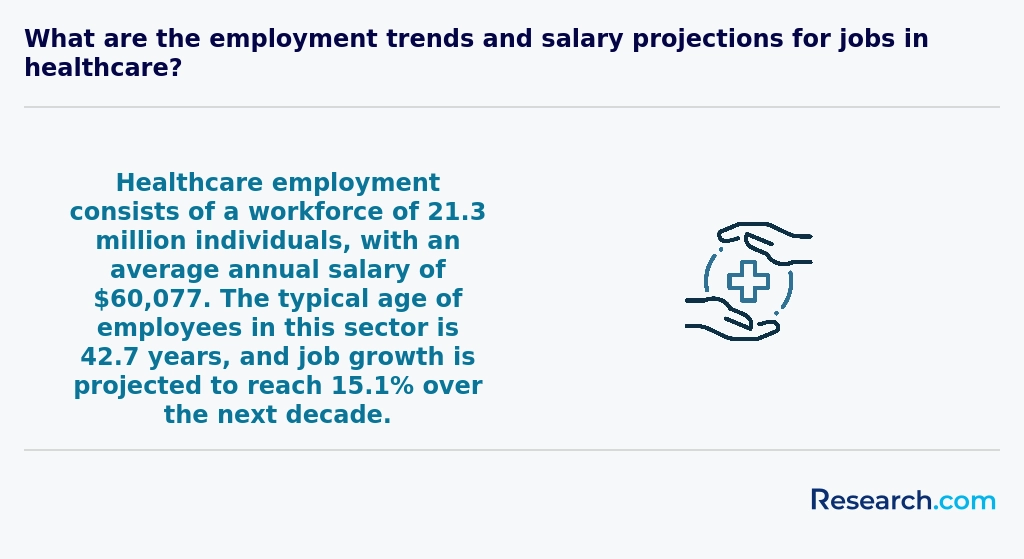
Graduates with a healthcare degree in Kansas City find themselves stepping into a vibrant world of opportunities ranging from hands-on clinical roles to administrative leadership. Imagine working as a registered nurse at Saint Luke's Health System, where every shift brings a blend of challenge and reward, with a median salary near $65,000 and robust job growth fueling excitement for the future. Others venture into specialties like physical therapy assistance or radiologic technology, gaining specialized skills that unlock diverse job opportunities.
For those drawn to broader horizons, advanced practice roles such as nurse practitioners or physician assistants beckon, offering salaries often over $100,000 and the chance to make a deep impact on patient care. Kansas City's thriving healthcare industry also welcomes graduates into hospital administration or health information management, where strategic thinking and leadership skills flourish. Many alumni from local institutions like the University of Missouri-Kansas City cherish how their degree opened doors to dynamic, fulfilling careers aligned with the city's expanding healthcare market.
Creative minds interested in research or public health find a stimulating environment here, engaging in community health and disease prevention efforts that truly matter. If you're exploring affordable ways to join these exciting paths, check out the Inexpensive Online Healthcare Degree Programs Ranking in Nebraska for insights that may help you launch your journey. With healthcare degree career options in Kansas City so diverse, your path can be uniquely yours, rich with discovery and purpose.
What is the job market for healthcare degree in Kansas City?
The healthcare job market in Kansas City is vibrant and full of potential, especially for recent graduates diving into various healthcare degree programs. Those exploring healthcare job opportunities in Kansas City often find themselves energized by the city's expanding demand for nurses, medical technologists, and health services managers. Graduates from universities such as the University of Missouri-Kansas City frequently share how their hands-on clinical experiences and community health projects prepare them to thrive in real-world healthcare settings within the city.
The Kansas City healthcare degree employment outlook remains bright due to a steady increase in the aging population, which fuels demand for qualified healthcare professionals. Imagine starting your career here with an average RN salary that outpaces national figures while enjoying a supportive local healthcare network. Many graduates also discover that local institutions provide practical, affordable education, fostering confident professionals ready to meet the city's diverse healthcare needs.
For those intrigued by quick career launches, exploring 6-month certificate programs for careers that pay well in the area can be a smart step toward gaining specialized skills and entering the workforce with momentum.
Frequently Asked Questions About healthcare
Healthcare degree students in Kansas City can enhance their learning by engaging with the city's diverse clinical settings. Kansas City hosts several top hospitals, like the University of Kansas Health System, providing ample opportunities for hands-on experience. According to the Missouri Economic Research and Information Center, healthcare employs over 12% of the local workforce, ensuring plentiful internships and job shadowing options.
Students should also utilize local professional networks, such as the Kansas City Health Department's student programs, to build connections. Taking part in community health initiatives helps contextualize classroom knowledge with real patient care situations, improving practical skills.
Active participation in interprofessional education programs, which are increasingly emphasized in US healthcare training, can foster collaboration skills essential for career success.
The healthcare field in Kansas City is rapidly evolving, with several emerging niches gaining prominence. One key area is telehealth, which surged in demand during the COVID-19 pandemic and continues to expand. According to the Missouri Hospital Association, telehealth visits statewide increased by over 50% between 2020 and 2023, creating new career opportunities in virtual patient care and health informatics.
Another growing niche is geriatric care, driven by Kansas City's aging population. The U.S. Census Bureau reports that adults aged 65 and older in the region grew by 12% in the past decade, intensifying demand for specialists in elder care and chronic disease management.
Lastly, precision medicine and genetic counseling are gaining traction, supported by local research institutions. These fields focus on personalized healthcare solutions, offering promising career paths for students interested in innovative treatments and patient-specific therapies.
After completing a healthcare degree in Kansas City, preparing for the job market involves targeted steps to enhance employability. Start by gaining practical experience through internships or clinical rotations available at local hospitals like the University of Kansas Health System. Networking is essential; joining professional organizations such as the Missouri Nurses Association or Kansas City Healthcare Executives can provide valuable contacts and job leads. Additionally, obtaining relevant certifications, like the Certified Nursing Assistant (CNA) or Registered Health Information Technician (RHIT), improves job prospects. According to the Bureau of Labor Statistics, healthcare jobs in Kansas City are expected to grow 14% through 2031, highlighting strong local demand.
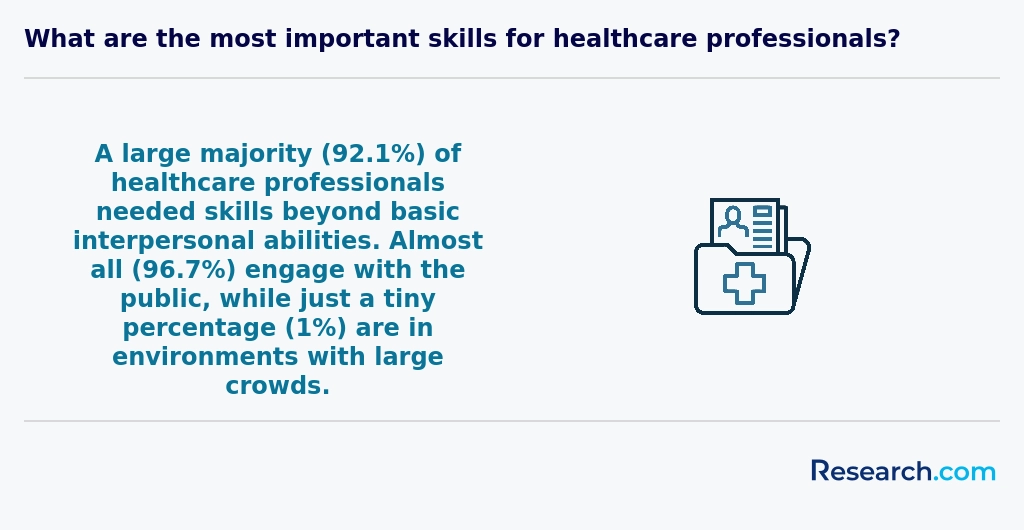
Healthcare employers in Kansas City prioritize strong communication skills in graduates. The ability to clearly explain medical information to patients and collaborate with diverse teams is essential. According to industry reports, over 70% of local healthcare providers emphasize interpersonal skills as vital for employment success.
Technical expertise also ranks high. Graduates must be proficient with electronic health records (EHR) systems and familiar with current medical technologies. The Kansas City healthcare sector is increasingly digital, and adaptability in technology use improves job prospects.
Critical thinking and problem-solving abilities are crucial for handling complex patient cases and emergencies. Employers value graduates who can apply evidence-based practices reliably.
Lastly, compassion and ethical standards remain key qualities, reflecting the importance of patient-centered care in this community.
Finding internships in Kansas City relevant to a healthcare degree involves several strategic steps. Local hospitals like Saint Luke's and Truman Medical Centers offer structured internship programs, often in partnership with universities such as the University of Missouri-Kansas City. These institutions typically provide internships in nursing, public health, and allied health fields. Additionally, organizations like the Kansas City Health Department have internship opportunities focused on community health and policy.
Students should leverage university career centers and online platforms such as Handshake, which often list healthcare internships specific to the Kansas City area. Networking through local professional groups, including the Missouri Hospital Association, can also be valuable. Kansas City's healthcare sector, employing over 50,000 professionals, continues to grow, making internships accessible for practical experience.
In Kansas City, earning a healthcare degree significantly enhances career mobility and advancement opportunities. The region's healthcare sector is one of the largest employers, with over 140,000 healthcare jobs reported in 2023 by the Greater Kansas City Chamber of Commerce. Professionals with formal healthcare education are preferred for roles spanning clinical practice, management, and specialized fields.
Healthcare degrees provide essential credentials that open doors to higher-paying jobs and leadership positions. For example, registered nurses with bachelor's degrees in nursing have better promotion prospects and salary growth than those with only associate degrees, according to the Missouri Economic Research and Information Center.
Additionally, Kansas City's expanding healthcare infrastructure, including major hospitals and research centers, values candidates with accredited degrees, often requiring certification for advanced practice roles. This trend supports long-term career growth and adaptability in an evolving job market.
Studying for a healthcare degree in Kansas City offers unique preparation for interdisciplinary roles by exposing students to diverse healthcare settings and professional collaborations. Local universities emphasize teamwork across medicine, nursing, pharmacy, and allied health fields, reflecting real-world demands. For example, the University of Missouri-Kansas City highlights interprofessional education as a core part of its health sciences programs.
Kansas City's healthcare landscape includes major hospital systems like Saint Luke's and Truman Medical Centers, where students often complete clinical rotations that require coordination among various specialists. This hands-on experience builds essential skills for integrated patient care.
According to the Kansas City Health Department, the region has seen a steady increase in interdisciplinary positions, supporting complex chronic disease management. This trend signals growing opportunities for graduates trained in collaborative healthcare approaches.
When choosing between a thesis and a non-thesis healthcare degree program in Kansas City, students should consider their career goals and personal learning preferences. Thesis programs emphasize original research, ideal for those aiming for academic or research careers in healthcare. Non-thesis options often include more coursework and practical experience, catering to professionals seeking advanced clinical or administrative roles.
The University of Missouri-Kansas City, a prominent local institution, reports that about 40% of its healthcare graduate students opt for thesis tracks, highlighting research interest.
Additionally, thesis programs typically take longer to complete and require close faculty mentorship. In contrast, non-thesis programs may allow faster completion and focus more on applied skills.
Understanding the program structure and local healthcare industry demands can help students make informed decisions aligned with their future plans.
Students in Kansas City interested in studying healthcare abroad have several avenues available through partnerships and exchange programs offered by local universities. Institutions such as the University of Missouri-Kansas City often collaborate with foreign universities to provide study abroad opportunities focused on public health, nursing, and medical sciences. These programs typically last a semester or an academic year and allow students to gain international clinical experience and cross-cultural healthcare perspectives.
Kansas City ranks highly in healthcare education, with over 21,000 healthcare professionals graduating annually within the metro area, according to the Kansas City Chamber of Commerce. This local strength supports students seeking global exposure without disrupting their career paths.
Funding options through federal scholarships and university grants are often available to help with costs. These study abroad experiences enhance career prospects by providing valuable global insights into healthcare practices and policies.
Part-time job opportunities that complement healthcare degree education in Kansas City include roles such as medical assistants, pharmacy technicians, and home health aides. These positions offer practical experience alongside academic studies, crucial for building clinical skills. According to the Missouri Economic Research and Information Center, healthcare support occupations are expected to grow by 18% through 2030, reflecting a strong local demand.
Hospitals and clinics in Kansas City regularly hire part-time workers for administrative support and patient care assistance. This allows students to network and understand healthcare workflows firsthand. Additionally, roles in urgent care centers or community health programs provide exposure to diverse patient populations, enhancing cultural competence.
Volunteering opportunities with organizations like Saint Luke's Health System or Truman Medical Centers also enable students to gain relevant experience without full-time commitment.
Healthcare students in Kansas City have access to diverse networking opportunities that support their academic and professional growth. Local universities, such as the University of Missouri-Kansas City and Rockhurst University, often host events and career fairs focused on healthcare fields. These occasions allow students to connect with prospective employers and healthcare professionals.
Additionally, Kansas City is home to major healthcare systems like Truman Medical Centers and Saint Luke's Health System. Students frequently engage with these institutions through internships and clinical placements, which facilitate direct interaction with experienced practitioners.
Professional organizations such as the Kansas City Area Healthcare Education Consortium also provide workshops, seminars, and networking events geared toward healthcare students. According to the Missouri Department of Higher Education, programs affiliated with such organizations have contributed to employment rates above 85% for healthcare graduates in the region within six months post-graduation.
Alumni networks offer significant benefits to healthcare degree students in Kansas City by providing access to professional connections and mentorship opportunities. Graduates from local institutions such as the University of Missouri-Kansas City and Rockhurst University often remain active in these networks, helping new students navigate job placements and internships within the city's extensive healthcare sector.
Kansas City has a robust healthcare industry, with major employers like Saint Luke's Health System and HCA Midwest Health. Alumni connections can increase the chances of securing positions at these organizations by facilitating introductions and sharing insider job market knowledge.
Additionally, alumni often contribute to career development events and continuing education workshops, strengthening professional skills crucial in healthcare fields. According to a 2023 report by the Kansas City Health Department, healthcare graduates with strong alumni ties report 30% faster employment compared to those without such connections.
Customizing a healthcare degree program in Kansas City involves selecting courses and specializations aligned with your career goals. Many local universities offer flexible curricula that allow students to focus on areas like nursing, health administration, or public health. For instance, the University of Missouri-Kansas City provides various electives and certificate options to tailor education to specific healthcare fields.
Students can also engage in internships or clinical placements at renowned Kansas City hospitals, such as Children's Mercy or Truman Medical Center, gaining practical experience relevant to their ambitions.
Advisors typically guide students to combine technical skills with leadership or research components, adapting degrees for roles in management, policy, or clinical practice.
Healthcare students in Kansas City often face significant challenges during their education. One major issue is the competitive nature of clinical placements in local hospitals and healthcare facilities. According to data from the Missouri Hospital Association, demand for internship spots often outpaces availability, which can delay hands-on learning crucial for degrees like nursing and allied health.
Financial stress also affects many students. The average tuition for healthcare programs in Kansas City can range from $8,000 to $20,000 per year, excluding additional costs for licensing exams and textbooks, as noted by the Kansas City Area Development Council.
Additionally, managing rigorous coursework alongside part-time jobs or family responsibilities is a common challenge. Mental health concerns are rising, with a 2023 study by the American College Health Association highlighting increased anxiety levels among healthcare students nationwide, a trend mirrored locally.
With a healthcare degree in Kansas City, you can pursue a variety of professional certifications to enhance your career. Common certifications include the Certified Nursing Assistant (CNA), Registered Nurse (RN), and Licensed Practical Nurse (LPN). For those interested in specialized roles, certifications such as Medical Assistant (CMA) and Pharmacy Technician are also available.
Advanced certifications like the Certified Healthcare Administrator (CHA) or Registered Health Information Technician (RHIT) open doors to leadership and administrative roles. According to the Missouri Department of Health and Senior Services, Kansas City has a growing demand for certified healthcare professionals, reflecting its expanding medical facilities and aging population.
Crafting a winning application for a healthcare program in Kansas City begins with demonstrating your genuine interest and commitment to the field. Admissions committees often look for clear goals related to healthcare careers, so articulate why you want to study in this area specifically. Highlight any relevant volunteer work or internships, especially local experiences, as Kansas City hosts notable healthcare employers like St. Luke's Health System and Cerner Corporation.
Ensure your academic records meet program requirements; many healthcare programs demand a minimum GPA of 3.0. Strong letters of recommendation from healthcare professionals or educators can also enhance your application. Finally, tailor your personal statement to reflect Kansas City's healthcare challenges and opportunities, showing awareness of local public health issues backed by sources such as the Kansas City Health Department's recent reports.
Healthcare careers in Kansas City are shaped by both local demands and global trends. Globally, healthcare professionals are increasingly expected to work in diverse environments and adapt to new technologies. This means that a degree obtained in Kansas City can open doors internationally, especially as many U.S. healthcare standards are recognized worldwide.
According to the Bureau of Labor Statistics, Kansas City's healthcare sector is projected to grow by 15% through 2030, highlighting the region's expanding role in global healthcare networks. Students pursuing degrees here benefit from curriculums aligned with international best practices, particularly in nursing and public health.
Moreover, global health challenges such as pandemics emphasize the importance of a well-rounded education that includes understanding cultural competence and global health policies. Institutions in Kansas City collaborate with worldwide organizations to provide students with exposure to these issues, preparing them for careers that extend beyond U.S. borders.
Gaining practical experience while studying for a healthcare degree in Kansas City is crucial for career readiness. Many local universities partner with hospitals, clinics, and public health organizations to offer internships and clinical rotations. For example, the University of Missouri-Kansas City (UMKC) provides students access to the Truman Medical Center and other regional healthcare facilities for hands-on training.
Students can also explore volunteer opportunities at organizations like Children's Mercy Kansas City, which recorded over 2 million patient visits annually. These experiences help develop critical skills in real-world settings. Additionally, simulation labs and community health projects allow students to apply their knowledge safely under supervision.
Choosing the right concentration within a healthcare degree program in Kansas City involves considering both personal interests and local job market trends. Healthcare fields like nursing, public health, and healthcare administration are prominent in Kansas City, supported by major employers such as the University of Kansas Health System and St. Luke's Health System. According to the U.S. Bureau of Labor Statistics, registered nursing jobs in the Kansas City metro area are projected to grow by 12% through 2030, indicating strong demand.
Students should research each concentration's curriculum, clinical opportunities, and certification requirements. Networking with local professionals and reviewing regional labor market data can clarify which paths align with career goals and market needs. Kansas City's healthcare industry emphasizes interdisciplinary skills, so choosing a concentration with practical experience enhances employability.
Related Healthcare Rankings for Nearby Cities
- 2027 Most Popular Healthcare Degree Programs Ranking in Columbia
- 2027 Most Popular Healthcare Degree Programs Ranking in Springfield
- 2027 Most Popular Healthcare Degree Programs Ranking in Lincoln
- 2027 Most Popular Healthcare Degree Programs Ranking in Omaha
- 2027 Most Popular Healthcare Degree Programs Ranking in Wichita
- 2027 Most Popular Healthcare Degree Programs Ranking in Saint Louis
- 2027 Most Popular Healthcare Degree Programs Ranking in Sioux City
- 2027 Most Popular Healthcare Degree Programs Ranking in Oklahoma City
- 2027 Most Popular Healthcare Degree Programs Ranking in Memphis
- 2027 Most Popular Healthcare Degree Programs Ranking in Saint Paul
Top Trending Healthcare Rankings
See What Experts Have To Say About Studying Healthcare
Read our interview with Healthcare experts

References
- RCoN Opens $36.5M Academic Facility in Kansas City | Research College of Nursing https://researchcollege.edu/nursing-school-kansas-city-new-facility/
- Degree Programs https://www.kumc.edu/academics/degree-programs
- Top 5 Part-Time Healthcare Jobs For Students https://www.sumnercollege.edu/blog/top-5-part-time-healthcare-jobs-for-students/
- Financial Assistance | HCA Midwest Health https://www.hcamidwest.com/patient-resources/patient-financial-resources/financial-assistance
- Job-Ready Healthcare Skills for 2026 https://cliniwave.in/blogs/latest-article/job-ready-healthcare-skills
- Health Management Careers https://www.ache.org/Career-Resources/Start-Your-Career/Health-Management-Careers
- Client Challenge https://www.springerpflege.de/nursing-graduates-perceived-future-career-pathway-and-career-shi/50653658
- 6 Tips On Networking For Medical Professionals https://aaams.net/blog/how-to-network-in-the-medical-field-nurses/
- How to Write Your Cover Letter | NQRTH https://www.nqrth.edu.au/career-planning/how-to-write-your-cover-letter/
- Getting medical work experience https://www.bma.org.uk/advice-and-support/studying-medicine/becoming-a-doctor/getting-medical-work-experience


