2027 Most Popular Healthcare Degree Programs Ranking in Oklahoma City

Co-Founder and Chief Data Scientist
Choosing the right healthcare degree program is an important step toward a rewarding career in Oklahoma City. This article presents the 2027 Most Popular Healthcare Degree Programs Ranking in Oklahoma City, developed by the Research.com team of data scientists.
This ranking offers clear, data-driven insights to help you make an informed decision about which programs align best with your goals. By exploring these options, you can confidently take the next steps toward a meaningful and impactful healthcare career.
Discover opportunities that fit your passion and set you up for future success in the healthcare field.
Key benefits of getting healthcare degree in Oklahoma City
- Healthcare degree graduates in Oklahoma City can expect competitive salaries, such as a Medical Assistant earning about $43,350 annually and a Quality Improvement Coordinator earning up to $103,150 yearly, offering financial stability and growth potential.
- Graduates from local institutions often pursue diverse careers including Patient Care Technician and Health Information Technician roles, providing rewarding opportunities to support patient health and hospital operations.
- Completing a healthcare degree online in Oklahoma City offers flexibility and convenience, allowing students to balance work and study while gaining the same valuable skills as traditional programs.
- Key benefits of getting healthcare degree in Oklahoma City
- What can I expect from healthcare degree in Oklahoma City?
- Where can I work with healthcare degree in Oklahoma City?
- How much can I make with healthcare degree in Oklahoma City?
- 2027 Most Popular Healthcare Degree Programs Ranking in Oklahoma City
- Key Findings
- How long does it take to complete healthcare degree in Oklahoma City?
- Accreditation and Licensure Outcomes
- What's the difference between online and on-campus healthcare degree?
- Supplement Your Degree with Professional Certifications
- What is the average cost of healthcare degree in Oklahoma City?
- Licensing and Certification Requirements in Oklahoma City, OK
- What financial aid is available to healthcare degree students in Oklahoma City?
- Accreditation and Licensure Requirements
- What are the prerequisites for enrolling in healthcare degree program in Oklahoma City?
- Emerging Trends in Healthcare Education and Career Outlook
- What courses are typically in healthcare degree programs in Oklahoma City?
- What types of specializations are available in healthcare degree programs in Oklahoma City?
- How do you choose the best healthcare degree in Oklahoma City?
- What career paths are available for healthcare degree students in Oklahoma City?
- What is the job market for healthcare degree in Oklahoma City?
- Top Trending Healthcare Rankings
- See What Experts Have To Say About Studying Healthcare
What can I expect from healthcare degree in Oklahoma City?
When you look at the average cost of a healthcare degree in Oklahoma City, you'll be glad to know it's pretty reasonable-especially if you're attending a public school like Oklahoma City Community College or the University of Oklahoma Health Sciences Center (OUHSC). Many students find that in-state tuition rates make a big difference, helping keep those expenses manageable.
Graduates often share how scholarships and financial aid made a real impact, easing money worries so they could focus more on their studies and clinical rotations. Imagine training at OU Medical Center, gaining hands-on experience without stressing too much about piling debt!
Compared to national averages, tuition here tends to be on the lower side, which feels like a win for anyone balancing budgets and big career dreams. With campuses nearby and strong support systems, many students feel supported both academically and financially throughout their program.
Where can I work with healthcare degree in Oklahoma City?
If you earn a healthcare degree in Oklahoma City, you're stepping into a city buzzing with job opportunities. Graduates from popular schools like the University of Oklahoma Health Sciences Center often find themselves working at big names like OU Medical Center, where roles range from nursing to healthcare administration. Imagine starting your day coordinating patient care or diving into medical technology in a bustling hospital setting-that's real life for many grads here.
Others land jobs in outpatient clinics or specialty centers like rehabilitation clinics or dental offices. The Baptist Healthcare System and Mercy Hospital are well-known around town for hiring fresh healthcare pros, so there's always a chance to find your perfect fit.
Public health jobs are also a solid pick, with places like the Oklahoma City-County Health Department hiring folks to run community health programs. Plus, if you're into long-term care, nursing homes and home healthcare providers are growing fast thanks to the city's aging population.
Healthcare administration and health informatics roles are booming too. Many grads enjoy the challenge of working with digital health data in hospitals or insurance companies. It's a vibrant scene where your degree really opens doors, and plenty of OKC grads describe it as rewarding and full of career growth.
How much can I make with healthcare degree in Oklahoma City?
If you're studying healthcare in Oklahoma City, you can expect a decent paycheck once you graduate. For example, medical assistants typically make around $43,350 a year, which is a great starting point while you build experience. Many grads from local colleges find this a solid first step in their careers.
Those who go into roles like patient care technician see a bump, making about $60,790 annually. It's satisfying work and the pay reflects the important support they provide in clinics and hospitals.
Health information technicians and clinical research coordinators earn similar wages, near $43,380 and $43,350 respectively. Graduates from schools here appreciate how these jobs blend healthcare with tech and research, keeping things interesting day-to-day.
If you aim higher, becoming a quality improvement coordinator can be pretty rewarding. You're looking at about $103,150 per year, overseeing healthcare quality initiatives. Many grads from Oklahoma City universities feel proud stepping into these leadership roles that make a real difference.
These numbers make it clear: a healthcare degree here can open doors to well-paying gigs, especially when paired with extra certifications or experience.
2027 Most Popular Healthcare Degree Programs Ranking in Oklahoma City
How do we rank schools?
Investing in your education is a significant decision that can shape your future, and the Research.com team understands the importance of making informed choices. To assist prospective students in Oklahoma City, we have meticulously crafted the "2027 Most Popular Healthcare Degree Programs Ranking in Oklahoma City." Our commitment to quality, credibility, and accuracy is reflected in the extensive research and analysis conducted to compile this ranking.
We utilized the following reputable data sources to ensure a comprehensive evaluation of healthcare programs:
By exploring this ranking, readers will gain valuable insights into the most popular healthcare degree programs available in Oklahoma City, helping them make well-informed decisions about their educational and professional futures. For more details on our methodology, please visit our Research.com methodology page.

# 4 position
Mid-America Christian University
Bachelor of Science in Health Sciences

# 5 position
University of Oklahoma-Health Sciences Center
Bachelor of Science in Health Sciences

Key Findings
- Tuition and fees for healthcare degrees in Oklahoma City range from $8,000 to $15,000 per year at public institutions, with private colleges generally charging more.
- The healthcare job market in Oklahoma City is expected to grow by about 15% over the next decade, outpacing the national average.
- New graduates typically start with salaries between $50,000 and $60,000 annually, varying by healthcare discipline.
- Experienced healthcare professionals can earn between $75,000 and $90,000 per year depending on their specialization and employer.
- Healthcare programs have access to clinical practicum placements through nearby hospitals and clinics, which are essential for certification and licensure.
- Many healthcare degree programs in Oklahoma City are accredited by national bodies, meeting standards required for licensure exams.
How long does it take to complete healthcare degree in Oklahoma City?
Getting a healthcare degree in Oklahoma City depends a lot on what kind of role you're aiming for and how deep you want to dive into your studies. For example, if you want to start quick as a Licensed Practical Nurse (LPN) or Certified Nursing Assistant (CNA), you can finish programs at places like Oklahoma City Community College in about 6 months to a year. Graduates often say it feels great to jump into healthcare fast and start gaining real-world skills.
Thinking bigger? A bachelor's degree, like a BSN from Oklahoma City University or the University of Oklahoma Health Sciences Center, usually takes around 4 years. Many students mention how rewarding it is juggling classes with hands-on clinicals around the city, which makes the learning feel real and exciting.
For advanced roles like Nurse Practitioner or Physician Assistant, a master's degree takes about 2 years after your bachelor's. Those who've gone through the programs appreciate the mix of classroom work and clinical experience that prepares them really well.
If you're aiming for a doctorate-say an MD or DNP-expect around 4 to 6 years. University of Oklahoma's College of Medicine is a popular spot here, and past grads often talk about how intense but incredibly fulfilling the journey is, especially with strong support from professors and peers.
Plus, don't forget practical experience like internships or clinical hours, which add valuable time but make sure you're ready to hit the ground running once you graduate.
Accreditation and Licensure Outcomes
Accreditation ensures that healthcare programs meet the high standards set by recognized bodies such as the Commission on Collegiate Nursing Education (CCNE), Accreditation Commission for Education in Nursing (ACEN), Commission on Accreditation of Allied Health Education Programs (CAAHEP), and Council on Education for Public Health (CEPH). Prospective students in Oklahoma City should verify that their institution holds the appropriate accreditation to guarantee a rigorous curriculum, qualified faculty, and eligibility for state licensure. Graduates from accredited programs also tend to achieve higher pass rates on certification and licensure exams. For instance, local BSN programs often report NCLEX-RN pass rates exceeding 90%, while diagnostic medical sonography and radiologic technology programs regularly achieve first-time credentialing success rates above 95%. These metrics reflect comprehensive clinical training, dedicated test-prep resources, and strong faculty support. When evaluating programs, inquire about:
- NCLEX-RN and NCLEX-PN pass rates for nursing graduates
- Physician Assistant National Certifying Exam (PANCE) success rates
- American Registry of Radiologic Technologists (ARRT) board exam pass percentages
- Job placement rates within six months post-graduation Solid licensure outcomes not only satisfy regulatory requirements but also enhance employability, as many healthcare employers mandate graduation from an accredited program and proof of certification. By choosing a program with demonstrable accreditation and strong licensure performance, you position yourself for a smoother transition into the workforce. For those seeking advanced credentials, don’t miss the Affordable Online Master's in Healthcare Degree Programs Ranking in Washington, DC to compare graduate-level pathways and outcomes.
What's the difference between online and on-campus healthcare degree?
If you're considering a healthcare degree in Oklahoma City, the biggest difference between online and on-campus programs boils down to how you learn and interact. Online degrees, like those from local schools offering flexible options, let you study whenever it fits your schedule-perfect if you're juggling work or family. Many graduates say they loved being able to pause lectures and dive back in whenever they wanted, but they also mention needing strong self-discipline to stay on track.
On the flip side, students attending on-campus programs at popular local colleges enjoy face-to-face time with professors and peers. Graduates often rave about the hands-on labs and clinical experiences right on campus or nearby hospitals, which feel more real and immediate. Those in-person connections at places like Oklahoma City Community College not only boost confidence in clinical skills but also open doors to networking with local healthcare pros, something online learners might miss out on.
Both paths require clinical hours, but on-campus programs usually have smoother access to these placements through campus partnerships, making it easier to gain valuable experience right in Oklahoma City.
Supplement Your Degree with Professional Certifications
In today’s competitive healthcare landscape, supplementing your degree with specialized certifications can significantly boost your employability and enhance your skill set. Completing a focused certification program not only broadens your career opportunities but also demonstrates your commitment to staying current in your field. Many healthcare professionals are turning to short-term, specialized courses to gain practical skills that complement their academic training. For instance, programs in areas like healthcare analytics, coding, and billing are becoming increasingly popular. You might consider exploring an medical coding and billing certification online to quickly build expertise in a high-demand area. These certifications often provide hands-on training, flexible study options, and the chance to network with industry experts-all of which are crucial for long-term career success. Moreover, acquiring additional credentials can make you more attractive to potential employers by proving your dedication to professional development. Whether you’re a recent graduate or a seasoned healthcare professional, integrating a certification program into your career plan can be a smart move to stay competitive in an ever-evolving industry.
What is the average cost of healthcare degree in Oklahoma City?
If you're wondering about the average cost of a healthcare degree in Oklahoma City, expect to budget around $35,000 to $53,000 total for your studies. This range covers tuition and all the extra expenses like fees, textbooks, and clinical supplies. Many students at popular universities here find that while public colleges offer more affordable tuition, private schools can be on the pricier side, sometimes making the cost closer to that $53,000 mark. But don't let that number scare you-graduates often share how financial aid and scholarships really help lighten the load.
Oklahoma City's healthcare degree tuition and fees tend to be quite reasonable compared to other big cities. For example, students appreciate how living costs here are moderate too, which balances the overall expense. Many grads from local colleges comment on the friendly campus communities and how that support helps them thrive despite tuition costs. Plus, Oklahoma institutions often have grants focused on in-state students and those in high-demand healthcare fields, which means you've got a solid shot at reducing your price.
For those exploring options, checking out the popular healthcare degree programs in Oklahoma City gives a great sense of where to invest your money and time. The overall costs vary, but the opportunity to enter a rewarding career in healthcare definitely makes it worth considering.
Licensing and Certification Requirements in Oklahoma City, OK
Navigating the licensing and certification process is a critical step after earning your healthcare degree in Oklahoma City. Each profession has state-specific requirements that ensure you meet the standards set by the Oklahoma Board of Nursing, the Board of Medical Licensure and Supervision, or other regulatory bodies. For registered nurses, you must pass the NCLEX-RN exam and apply for licensure through the Oklahoma Board of Nursing, submitting official transcripts and a background check. Aspiring physical therapist assistants need to graduate from an accredited program and pass the National Physical Therapy Exam (NPTE); you can explore accredited 2 year pta programs that meet Oklahoma’s curriculum standards. Health Information Technicians must earn the RHIT credential from AHIMA by completing a CAHIIM-accredited program and passing the certification exam. For medical assistants, certification options include the CMA (AAMA) or RMA (AMT), both requiring completion of a CAAHEP-approved program. Pharmacists must obtain a PharmD, complete 1,500 hours of internship, and pass the NAPLEX and MPJE. Licensure timelines vary: allow 4–6 weeks for nursing and 6–8 weeks for physical therapy permits. Maintaining your license often involves fulfilling continuing education units (CEUs) every two years. Planning ahead for exam dates, application deadlines, and required documents will streamline your transition from student to licensed professional in Oklahoma City’s dynamic healthcare landscape.
What financial aid is available to healthcare degree students in Oklahoma City?
If you're aiming for a healthcare degree in Oklahoma City, there's a good mix of financial aid options to ease the load. Many students tapping into the Federal Pell Grants and FSEOG grants find these help cover essentials without the stress of repayment. Then there are Federal Direct Loans, which come with lower interest and flexible payback plans-perfect for those balancing school and life.
Graduates from places like the University of Oklahoma Health Sciences Center often mention how state grants, like the Oklahoma Tuition Aid Grant, gave them that extra boost when money felt tight. Plus, local colleges such as Oklahoma City Community College offer scholarships and work-study gigs tied to healthcare programs, which can be a real lifesaver when bills start piling up.
On top of that, some healthcare employers here offer tuition reimbursement or loan forgiveness if you commit to working in underserved spots around the city. It's like getting paid to learn and serve your community at the same time-something many students find both rewarding and motivating.
Accreditation and Licensure Requirements
Choosing an accredited program and understanding Oklahoma’s licensure rules ensures your degree leads to valid credentials and career readiness.
- Nursing programs must hold CCNE or ACEN accreditation and prepare graduates for Oklahoma Board of Nursing licensure.
- Health Information Management programs need CAHIIM accreditation to qualify you for the RHIT exam.
- Radiologic Technology degrees require JRCERT accreditation and fulfill state radiographer licensure standards.
- Medical Assisting certificates should be CAAHEP- or ABHES-accredited to support CMA/AAMA certification.
- Physical Therapy (DPT) programs must be CAPTE-accredited to meet Oklahoma PT licensure requirements.
Always verify accreditation status on program websites and confirm specific licensure steps with the appropriate Oklahoma licensing board. If you’re exploring coding roles, compare the medical billing and coding online courses cost to plan your investment.
What are the prerequisites for enrolling in healthcare degree program in Oklahoma City?
To get into a healthcare degree program in Oklahoma City, you'll need to have your high school diploma or GED first-that's the bare minimum. Most schools, like Oklahoma City Community College or the University of Oklahoma Health Sciences Center, expect you to have taken some science and math classes in high school, like biology, chemistry, and algebra. It really helps to have those foundations down!
Many graduates remember having to take prerequisite college courses such as anatomy and microbiology before fully diving into their programs. Plus, standardized tests like the SAT or ACT are usually part of the deal, and some programs even require a healthcare entrance exam to show you're ready for the challenge.
One cool tip from past students is that having hands-on experience-whether volunteering or working at a clinic-can make a big difference. It's not always mandatory, but it definitely makes you stand out and feel more confident when classes and clinicals get intense.
Also, be prepared for your school to ask for proof of immunizations and a background check because healthcare programs involve real-world patient care. It's all part of keeping everyone safe!
Emerging Trends in Healthcare Education and Career Outlook
As the healthcare landscape rapidly evolves, it’s essential for prospective students to stay informed about emerging trends that are transforming both education and career opportunities. With technological advancements such as telemedicine, electronic health records, and artificial intelligence becoming more integrated into everyday healthcare, degree programs are adapting their curricula to ensure graduates are prepared for a dynamic work environment. These programs now emphasize digital literacy alongside clinical skills, helping students become versatile professionals who can thrive in traditional settings and innovative health tech roles. Additionally, collaborations between academic institutions and local healthcare providers are on the rise, offering students valuable real-world experience and mentorship opportunities. This holistic approach is reflected in rankings like the popular healthcare degree programs, which not only highlight academic excellence but also measure how well institutions are addressing the future needs of the industry. By keeping an eye on these trends, students can align their educational choices with the evolving demands of the healthcare market, setting a strong foundation for a successful career in this ever-changing field.
What courses are typically in healthcare degree programs in Oklahoma City?
If you're diving into a healthcare degree in Oklahoma City, expect to get a solid mix of science and hands-on courses that really prepare you for the real world. Graduates from popular local colleges often share how their anatomy and physiology classes made the complex human body click, especially when paired with microbiology and chemistry. These basics give you a strong foundation before moving on to more practical stuff.
Students love the clinical skills and patient care courses because they get to practice in real hospital environments right here in OKC. Imagine learning to handle medical equipment or assisting patients under supervision-that's where the classroom meets everyday healthcare. Plus, courses like medical terminology and healthcare ethics make sure you can communicate clearly and make confident decisions when it counts.
Many grads also mention the healthcare administration and public health classes, which are huge for understanding how hospitals run behind the scenes. Whether you're interested in nursing, respiratory therapy, or lab work-as Oklahoma's health department points out, these fields are in high demand-these courses set you up nicely for a local career.
What types of specializations are available in healthcare degree programs in Oklahoma City?
If you're diving into healthcare degrees in Oklahoma City, you'll find lots of ways to specialize that fit what local hospitals and clinics actually need. Nursing is huge here, with options from LPN programs all the way up to advanced Nurse Practitioner roles. Graduates from popular colleges in the area often say how hands-on their nursing training was, especially with big names like OU Health Sciences Center nearby.
Healthcare Administration is another big deal if you're more into managing the behind-the-scenes hospital work. Students here learn leadership skills that connect well with community health organizations, which is a perfect fit for Oklahoma City's healthcare program concentrations. Public Health grads often talk about working on local wellness projects, using what they've learned about epidemiology and education.
You'll also see specializations like Medical Laboratory Science, Physical Therapy, Pharmacy, and more tech-driven fields like health informatics and telehealth growing fast. Some graduates even recommend checking out medical coding and billing certification online to add to your skill set without slowing down your progress.
How do you choose the best healthcare degree in Oklahoma City?
Picking the best healthcare degree in Oklahoma City comes down to what fits your goals and lifestyle. Lots of grads from popular schools here say it really helps to focus on what you enjoy-whether that's nursing, medical assisting, or something techy like health info management. For example, many find that programs at local colleges offer hands-on clinical time with big healthcare centers like OU Health, which makes the learning stick and jobs easier to land afterward.
Another tip from those who've been through it is to double-check the program's accreditation. It's a big deal because it affects your chances of getting licensed and hired. Plus, Oklahoma schools tend to have more affordable tuition compared to national averages, so you can get a great education without breaking the bank. For shorter paths, grads often recommend checking out 2 year pta programs, which are practical and speedy ways to get started.
All in all, balancing your interests, school reputation, costs, and real-world training is the secret to finding the best healthcare degree programs Oklahoma City has to offer.
What career paths are available for healthcare degree students in Oklahoma City?
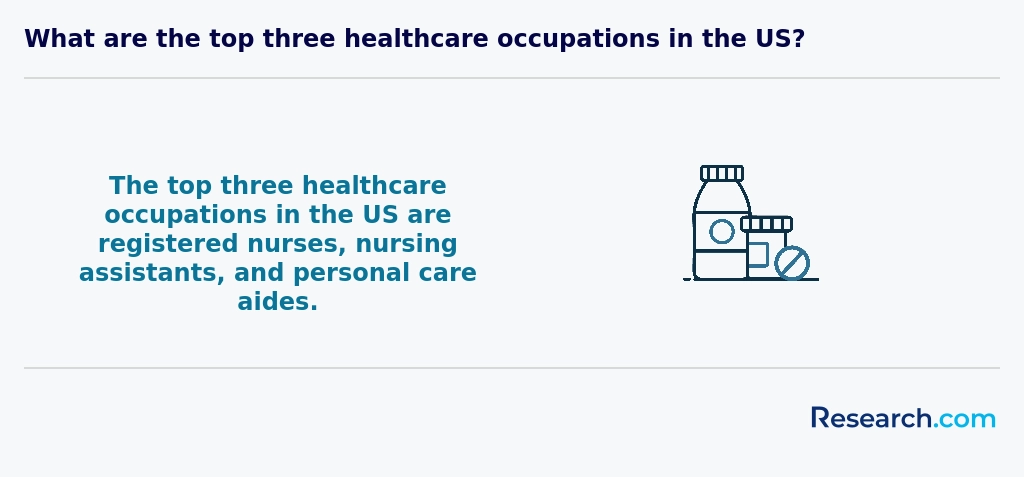
If you're looking into healthcare degree career options in Oklahoma City, there's a ton of paths waiting for you. Graduates from local programs often jump right into nursing roles-registered nurses here earn solid pay around $65,000 a year and find plenty of openings in big spots like OU Medical Center. Many nursing grads mention how rewarding it feels to work closely with patients and be part of a growing healthcare community.
Others dive into specialties like respiratory therapy or radiologic technology, which are popular choices at colleges around town. These jobs usually require a bachelor's or associate degree and offer competitive salaries, making them attractive for anyone wanting a hands-on role without a lengthy graduate program. If you're interested in managing or coordinating, healthcare administration jobs are expanding too, especially as Oklahoma City's healthcare facilities keep growing.
For those curious about public health, working with local organizations to promote wellness is another real option. Some grads share how fulfilling it is to actually see community-wide impacts. And if you want to push further, advanced degrees open doors to roles like physician assistant or physical therapist with salaries over $90,000, well worth the investment in schooling.
Considering that tuition can vary, checking out resources like the Affordable Online Master's in Healthcare Degree Programs Ranking in Washington, DC can be a smart move before deciding your next steps in healthcare education.
These job opportunities for healthcare graduates Oklahoma City offer are exciting, real, and right within reach if you're motivated and ready to make an impact.
What is the job market for healthcare degree in Oklahoma City?
If you're thinking about diving into healthcare degree job opportunities in Oklahoma City, you're in luck-this city is buzzing with chances. Graduates from popular spots like the University of Oklahoma Health Sciences Center often land jobs quickly thanks to local hospitals and clinics constantly on the lookout for fresh talent. Many share how their hands-on training and connections through these schools made stepping into roles such as nurse practitioners or medical technologists feel smooth and rewarding.
The Oklahoma City healthcare degree employment outlook looks bright especially as the city grows and expands healthcare services. Whether you're interested in nursing, allied health, or management roles, places like Integris Baptist Medical Center and St. Anthony Hospital keep offering jobs that match the skills students develop in local programs.
Plus, if you want the flexibility to get started sooner without breaking the bank, there are great options like associates degree online fast that can kickstart your journey while staying close to home.
Frequently Asked Questions About healthcare
Healthcare degree students in Oklahoma City can maximize their learning experience by actively engaging in both academic and hands-on opportunities. Oklahoma City hosts multiple accredited institutions offering programs in nursing, health administration, and allied health fields, ensuring students receive quality education aligned with national standards.
Participating in clinical internships at local hospitals such as OU Medical Center or Integris Health provides practical skills essential for workforce readiness. According to the Oklahoma State Regents for Higher Education, nearly 75% of healthcare students secure internships within their first year, enhancing job prospects.
Students are encouraged to join professional organizations and attend workshops to stay current with healthcare innovations and network with industry experts.
The healthcare field in Oklahoma City is rapidly evolving, with several emerging niches showing strong growth and excellent career opportunities. One notable area is telehealth, which expanded significantly during the COVID-19 pandemic and continues to grow due to increasing demand for remote patient care. According to the Oklahoma State Department of Health, telehealth services in the state grew by nearly 50% from 2020 to 2023.
Another promising niche is geriatric care, driven by an aging population in Oklahoma. Specialized training in elderly care is increasingly important, with the U.S. Census Bureau projecting a 20% increase in residents aged 65 and older in the next decade.
Precision medicine and health informatics also represent key emerging fields, combining data analysis and personalized care to improve patient outcomes. Local universities are expanding programs to meet this growing demand for skilled professionals in data-driven healthcare roles.
Preparing for the job market after completing a healthcare degree in Oklahoma City involves several key steps. First, graduates should pursue relevant certifications or licenses required by their healthcare field, such as Registered Nurse (RN) licensure through the Oklahoma Board of Nursing. Networking is essential; joining local professional organizations like the Oklahoma State Medical Association can provide valuable connections.
Oklahoma City's healthcare sector is growing, with a 10% increase in healthcare jobs projected through 2028 by the U.S. Bureau of Labor Statistics, making timely job search strategies critical. Internships and clinical experience gained during studies also enhance employability.
Continued education or specializations can further improve job prospects and salary potential in this competitive market.
Employers in Oklahoma City seek healthcare degree graduates with a blend of technical expertise and soft skills. According to the Oklahoma Hospital Association, strong clinical skills are essential, including proficiency in patient care, medical technology, and electronic health records (EHR) management.
Communication skills rank highly, as healthcare professionals must effectively interact with patients, families, and interdisciplinary teams. Critical thinking and problem-solving abilities are also crucial for adapting to fast-paced and evolving healthcare environments.
Additionally, cultural competence is increasingly valued due to Oklahoma City's diverse population. Time management and ethical decision-making further distinguish top candidates in local healthcare settings.
Finding internships in Oklahoma City related to healthcare degrees involves a few key steps. Start by exploring partnerships between local universities and healthcare facilities. For example, the University of Oklahoma Health Sciences Center has established internship opportunities with nearby hospitals such as OU Medical Center and Veterans Affairs Medical Center. These affiliations often provide hands-on experience.
Additionally, check with city-wide healthcare networks and clinics, as Oklahoma City reports a growing demand for healthcare professionals, with over 50,000 employed in the field as of 2023 (Oklahoma Employment Security Commission).
Using online platforms and local job boards can also help identify relevant internships. Many community hospitals and outpatient centers advertise positions suitable for students pursuing healthcare degrees.
A healthcare degree significantly enhances career mobility and advancement opportunities in Oklahoma City. The city's growing healthcare sector, supported by major employers like OU Health and Mercy, demands qualified professionals in nursing, health administration, and allied health fields. According to the U.S. Bureau of Labor Statistics, healthcare occupations in the Oklahoma City metropolitan area are projected to grow 14% from 2022 to 2032, faster than many other industries.
Holding a healthcare degree often leads to higher starting salaries and eligibility for specialized roles, such as nurse practitioner or healthcare manager. Additionally, many local hospitals prioritize candidates with formal education for leadership positions, increasing promotion potential.
Studying for a healthcare degree in Oklahoma City equips students with skills essential for interdisciplinary collaboration. Programs emphasize teamwork among nursing, public health, social work, and medical technology disciplines. This approach aligns with the increasing demand for healthcare professionals who can work across specialties to improve patient outcomes.
Oklahoma City hosts prominent institutions like the University of Oklahoma Health Sciences Center, which integrates clinical practice with research and community health. According to the Oklahoma State Department of Health, interdisciplinary training helps address the region's diverse healthcare challenges, such as rural access and chronic disease management.
Students gain practical experience in clinical settings where coordination with multiple healthcare providers is routine. This prepares graduates to function effectively in team-based environments, improving communication and decision-making skills critical in modern healthcare systems.
When choosing between a thesis and a non-thesis healthcare degree program in Oklahoma City, consider your career goals and learning preferences. Thesis programs emphasize research, requiring a substantial original project, which suits students aiming for academic or research careers.
Non-thesis programs focus on practical skills and coursework, ideal for those seeking direct entry into healthcare professions or leadership roles without extensive research. According to the Oklahoma State Regents for Higher Education, research-oriented programs may enhance chances for doctoral studies or specialized positions.
In Oklahoma City, healthcare demand is growing with a 12% job increase expected by 2030, per the Oklahoma Employment Security Commission, supporting practical, skills-based training options.
Evaluate faculty expertise, program duration, and available resources at local universities before deciding.
Students in Oklahoma City interested in studying healthcare abroad have several pathways available through partnerships and exchange programs offered by local universities. Institutions such as the University of Oklahoma and Oklahoma State University often facilitate study abroad opportunities in countries noted for medical education like the United Kingdom, Canada, and Australia. These programs typically allow students to earn credits toward their healthcare degrees while gaining international clinical experience.
According to the Institute of International Education, participation in study abroad programs among U.S. healthcare students has increased by over 20% in recent years, reflecting growing interest.
Moreover, some students opt for affordable international healthcare degree programs that are accredited by recognized U.S. agencies, enabling smoother licensure upon return. However, it is essential to verify program accreditation and clinical training standards when choosing an overseas school.
Students pursuing healthcare degrees in Oklahoma City have several part-time job options that complement their studies. Hospitals such as OU Health and Integris provide roles like medical assistants and patient service representatives, which offer hands-on experience with healthcare operations.
Pharmacies and clinics in the region also frequently hire pharmacy technicians or administrative assistants. These roles help develop skills in patient communication and healthcare documentation.
According to the Oklahoma Employment Security Commission, healthcare support jobs in Oklahoma City are expected to grow by 15% from 2022 to 2032, highlighting increasing opportunities for students. Working in these positions allows students to apply classroom knowledge in real-world settings while advancing their careers.
Additionally, opportunities in home healthcare agencies provide experience in patient care outside hospital environments. Such part-time roles can be flexible and align well with academic schedules.
Healthcare students in Oklahoma City benefit from numerous networking opportunities that can enhance their education and career prospects. Local universities often host events and career fairs that connect students with healthcare employers and alumni networks. For example, the University of Oklahoma Health Sciences Center provides access to professional organizations and clinical internships.
Oklahoma City also has a strong healthcare industry with major hospitals and research centers, such as the Integris Baptist Medical Center and the Oklahoma Medical Research Foundation, where students can build relationships with practitioners and researchers. Joining student chapters of national healthcare associations further expands networking possibilities.
According to the Oklahoma State Department of Health, healthcare employment in the city grew by 5.3% between 2019 and 2023, indicating a vibrant job market for emerging professionals.
Alumni networks offer significant advantages to healthcare degree students in Oklahoma City by providing vital professional connections. Graduates often share job opportunities through these networks, which can be crucial in the competitive healthcare job market of the city. According to the Oklahoma State Department of Health, the region's healthcare sector has grown, increasing demand for qualified professionals.
These networks also support mentorship, helping students navigate clinical placements and licensure requirements specific to Oklahoma. Networking events and online platforms allow current students to engage with experienced alumni working in major local hospitals like OU Health and Integris Health.
Such connections improve employment prospects and foster ongoing professional development for healthcare students.
Students seeking healthcare degrees in Oklahoma City can customize their programs through various specializations and elective courses offered by local colleges and universities. Many institutions provide flexible curriculum options, allowing learners to focus on fields like nursing, healthcare administration, or public health. According to the Oklahoma State Regents for Higher Education, over 40% of healthcare programs in the state include practical internships or clinical experiences, which can align with your career goals.
Additionally, some schools offer part-time, online, or hybrid courses for working professionals, providing greater control over the pace and content of study. Advising services are often available to help tailor degree paths based on individual aspirations and the healthcare job market in Oklahoma City.
Healthcare students in Oklahoma City often face several challenges during their education. One major issue is balancing demanding clinical rotations with coursework, which requires strong time management skills. The city's healthcare sector is growing, but this growth comes with high competition for internships and hands-on training opportunities, as reported by the Oklahoma State Department of Health.
Additionally, students must navigate financial pressures. The average cost of healthcare programs in Oklahoma can be significant, and many students rely on financial aid or part-time jobs, adding stress. According to the National Center for Education Statistics, about 60% of Oklahoma students graduate with debt.
Lastly, adapting to constantly evolving medical technologies and standards requires ongoing learning, which can be overwhelming for some students amid other academic demands.
With a healthcare degree in Oklahoma City, students can pursue various professional certifications that enhance career opportunities. Common certifications include Certified Nursing Assistant (CNA), Licensed Practical Nurse (LPN), and Registered Nurse (RN) credentials, which are highly respected in local hospitals and clinics.
Advanced certifications such as Certified Medical Assistant (CMA) and Certified Health Education Specialist (CHES) are also available and recognized nationwide. The Oklahoma Board of Nursing and other state agencies regulate many of these certifications.
Additionally, specialized fields like medical coding and health informatics offer certifications through organizations like AHIMA, supporting Oklahoma City's growing healthcare IT sector.
Writing a winning application for a healthcare program in Oklahoma City requires clear focus and preparation. Start by researching the specific requirements of local institutions, such as the University of Oklahoma Health Sciences Center, which is highly regarded for healthcare education. Many programs expect a competitive GPA, often around 3.0 or higher.
Strong personal statements are critical. Highlight your motivation for healthcare, relevant experiences, and commitment to serving the Oklahoma community. Demonstrating knowledge of Oklahoma's healthcare challenges, such as rural access and chronic disease prevalence reported by the Oklahoma State Department of Health, can strengthen your case.
Letters of recommendation should come from healthcare professionals or academic mentors who can attest to your skills and character. Finally, ensure all documentation is submitted before deadlines and double-check application details to avoid errors.
Healthcare careers are increasingly valued worldwide due to growing populations and aging societies. In the United States, including Oklahoma City, healthcare job growth outpaces many other fields, with the Bureau of Labor Statistics projecting a 15% increase in healthcare occupations from 2021 to 2031.
Global perspectives emphasize the importance of culturally competent care and adaptability, skills highly relevant for students in Oklahoma City's diverse communities. Additionally, international collaboration in healthcare advances research and treatment methods, influencing education standards across the U.S.
Oklahoma City benefits from strong educational programs aligned with national healthcare trends, preparing students for local and global workforce demands. The city's healthcare sector, including partnerships with institutions like OU Health, supports this integration of global knowledge and local practice.
Gaining practical experience while studying for a healthcare degree in Oklahoma City is essential for career readiness. Many local universities and colleges partner with nearby hospitals and clinics, such as OU Health and Integris Health, to offer clinical rotations and internships. These opportunities allow students to apply classroom knowledge in real-world settings under professional supervision.
Additionally, Oklahoma City's healthcare sector is growing, with over 50,000 jobs in healthcare occupations as reported by the Oklahoma Employment Security Commission (OESC). This growth increases chances for part-time roles or volunteer positions for hands-on experience.
Students can also participate in simulation labs, which many institutions provide to practice patient care skills safely.
Choosing the right concentration within a healthcare degree program in Oklahoma City involves understanding local healthcare demands and your personal career goals. Oklahoma City has a growing healthcare sector, with hospitals and clinics actively seeking specialized professionals, especially in nursing, public health, and health informatics.
Start by exploring concentrations that align with Oklahoma's healthcare needs. For example, the Oklahoma State Department of Health highlights a rising demand for registered nurses and healthcare managers in the region. Research program offerings at local institutions like the University of Oklahoma Health Sciences Center or Oklahoma City Community College.
Consider your strengths and interests, such as patient care versus healthcare administration. Also, review job placement rates and internship opportunities within Oklahoma City's healthcare facilities to ensure practical experience.
Related Healthcare Rankings for Nearby Cities
- 2027 Most Popular Healthcare Degree Programs Ranking in Wichita
- 2027 Most Popular Healthcare Degree Programs Ranking in Abilene
- 2027 Most Popular Healthcare Degree Programs Ranking in Springfield
- 2027 Most Popular Healthcare Degree Programs Ranking in Lubbock
- 2027 Most Popular Healthcare Degree Programs Ranking in Kansas City
- 2027 Most Popular Healthcare Degree Programs Ranking in Lincoln
- 2027 Most Popular Healthcare Degree Programs Ranking in Columbia
- 2027 Most Popular Healthcare Degree Programs Ranking in Omaha
- 2027 Most Popular Healthcare Degree Programs Ranking in Memphis
- 2027 Most Popular Healthcare Degree Programs Ranking in San Antonio
Top Trending Healthcare Rankings
See What Experts Have To Say About Studying Healthcare
Read our interview with Healthcare experts

References
- What Are the Differences in Salary Level for Different Degrees in Healthcare Management? | MHA Salary https://www.healthcare-management-degree.net/faq/what-are-the-differences-in-salary-level-for-different-degrees-in-healthcare-management/
- Financial Aid Assistance Available at MedNoc Training College - MedNoc Training College https://mednoccollege.com/financial-aid-assistance-available-at-mednoc-training-college/
- Alumni Reconnect - Poznan University of Medical Sciences https://pums.edu.pl/alumni-friends/alumni-reconnect/
- Students and Alumni associations - Europubhealth https://www.europubhealth.org/students-alumni-associations/
- Health Plans https://oklahoma.gov/ohca/soonerselect/health-plans.html
- Global Perspectives – Healthcare Beyond Borders https://www.cedars-sinai.org/international-stories/healthcare-beyond-borders.html
- Top 10 Emerging Business Niches of 2026 & How to Plan for Them https://prometai.app/blog/emerging-niches-business-planning
- Advance Your Education and Career While Working in Healthcare https://www.hospitalrecruiting.com/blog/4236/advance-your-education-and-career-while-working-in-healthcare/
- How to Write Your Cover Letter | NQRTH https://www.nqrth.edu.au/career-planning/how-to-write-your-cover-letter/
- Niche Markets in Healthcare https://ultrariskadvisors.com/niche-markets-in-healthcare/