2027 Easiest Online Healthcare Degree Programs Ranking in Washington

Co-Founder and Chief Data Scientist
Choosing the right healthcare degree program can feel overwhelming, especially with so many options available. This article offers the 2027 Easiest Online Healthcare Degree Programs Ranking in Washington, thoughtfully created by the Research.com team of data scientists.
Our goal is to help you make an informed decision by highlighting programs that balance quality and accessibility. Pursuing a healthcare degree opens doors to meaningful, stable careers that positively impact lives.
Explore the ranking to find the best fit for your goals and take confident steps toward a rewarding future in healthcare.
Key benefits of getting online healthcare degree in Washington
- Healthcare degree graduates in Washington can earn competitive salaries; for example, Medical Assistants earn a mean annual wage of $43,350, while Quality Improvement Coordinators earn up to $103,150. These salaries reflect strong earning potential in diverse healthcare roles.
- Graduates from Washington's popular schools often pursue varied careers like Patient Care Technician or Health Information Technician, offering flexibility and growth in the healthcare field. With multiple pathways available, you can find a role that fits your passion and skills.
- Online healthcare degrees from Washington universities offer flexibility to balance work and study, allowing you to advance your education without disrupting your life. Many online graduates share that this approach boosts confidence and helps them quickly enter rewarding healthcare careers.
- Key benefits of getting online healthcare degree in Washington
- What can I expect from online healthcare degree in Washington?
- Where can I work with online healthcare degree in Washington?
- How much can I make with online healthcare degree in Washington?
- 2027 Easiest Online Healthcare Degree Programs Ranking in Washington
- Key Findings
- How long does it take to complete online healthcare degree in Washington?
- Insider Tips for Admissions and Success in Online Healthcare Programs
- What's the difference between online and on-campus healthcare degree?
- Typical Courses and Curriculum Overview
- What is the average cost of online healthcare degree in Washington?
- Accreditation and Licensure Requirements
- What financial aid is available to online healthcare degree students in Washington?
- Typical Courses and Curriculum Overview
- What are the prerequisites for enrolling in online healthcare degree program in Washington?
- Accreditation and Licensing Requirements for Washington Online Healthcare Degrees
- What courses are typically in online healthcare degree programs in Washington?
- What types of specializations are available in online healthcare degree programs in Washington?
- How do you choose the best online healthcare degree in Washington?
- What career paths are available for online healthcare degree students in Washington?
- What is the job market for online healthcare degree in Washington?
- Related Healthcare Rankings for Nearby States
- Top Trending Healthcare Rankings
- See What Experts Have To Say About Studying Healthcare
What can I expect from online healthcare degree in Washington?
The average cost of an online healthcare degree in Washington varies significantly depending on the institution and residency status. Graduates from public universities like Washington State University and the University of Washington often report tuition rates ranging from $8,000 to $15,000 per year for in-state students. This lower cost is particularly beneficial for Washington residents, making higher education more accessible and affordable without sacrificing quality. Out-of-state students generally face higher tuition, but some programs offer financial aid or employer tuition assistance, easing the financial burden.
Many healthcare students appreciate that the online format allows them to work while studying, balancing job responsibilities with coursework. For instance, a registered nurse pursuing a master's degree in healthcare informatics at the University of Washington highlighted how the flexible schedule helped manage clinical hours and family commitments.
Students also value that practicum placements often occur locally, minimizing additional expenses related to travel or relocation. This practical approach alongside reasonable tuition costs fosters optimism and confidence among learners aiming to join Washington's robust healthcare workforce.
Where can I work with online healthcare degree in Washington?
Graduates with an online healthcare degree in Washington frequently secure positions in hospitals and medical centers, which dominate the state's healthcare employment landscape. With a projected 16% growth in healthcare jobs from 2019 to 2029, registered nurses and health service managers often find rewarding roles, supported by college programs like those offered at the University of Washington and Washington State University.
Outpatient care centers and clinics also provide abundant opportunities, especially in rural areas where expanding services increase demand for care coordinators and health information specialists. Many online degree holders from these institutions share their satisfaction in impacting community health directly through such positions.
Public health agencies represent another career avenue, employing graduates in community education and epidemiology roles. Washington's Department of Health frequently hires professionals trained in emergency preparedness, giving graduates from local colleges practical pathways to serve statewide initiatives.
Long-term care and assisted living facilities respond to the needs of the growing elderly population, offering careers in geriatric care often praised by program alumni for personal fulfillment. Additionally, Seattle's technology sector employs healthcare graduates in health informatics and administration, blending clinical knowledge with innovation for exciting career growth.
How much can I make with online healthcare degree in Washington?
Graduates from online healthcare degree programs in Washington can expect varied earnings depending on their chosen career path and level of expertise. For example, medical assistants, a common entry-level position for healthcare degree holders, earn a mean annual wage around $43,350 in the state. Patient care technicians, who often build on foundational healthcare training from institutions like the University of Washington or Seattle Central College, see mean salaries near $60,790.
Health information technicians, critical for managing patient data, average approximately $43,380 per year, reflecting demand for skilled professionals in Washington's growing health tech sector. Graduates stepping into roles with more responsibility, such as clinical research coordinators, earn similarly at about $43,350.
Those advancing into leadership and quality improvement positions can achieve substantially higher wages. Quality improvement coordinators, a role often filled by those with additional certifications or graduate training, command a mean wage over $103,000, illustrating strong financial rewards tied to further education and specialization.
Many Washington graduates appreciate how their degrees provide access to these diverse, rewarding roles, allowing them to contribute meaningfully to patient care while enjoying solid compensation in a competitive healthcare market.
2027 Easiest Online Healthcare Degree Programs Ranking in Washington
How do we rank schools?
Investing in your education is a significant decision that can shape your future, and the Research.com team understands the importance of making informed choices. To assist prospective students in Washington, we have meticulously developed the "2027 Easiest Online Healthcare Degree Programs Ranking in Washington." Our dedication to quality, credibility, and accuracy is demonstrated through rigorous research and analysis performed to compile this ranking.
We utilized the following reputable data sources to ensure a comprehensive evaluation of online healthcare degree programs:
By consulting this ranking, readers will gain valuable insights into the easiest and most accessible online healthcare degree programs in Washington, empowering them to make confident and informed decisions about their educational journey. For more details on our methodology, please visit our Research.com methodology page.


Key Findings
- Many accredited institutions in Washington offer fully online or hybrid healthcare degrees, including nursing, health administration, and public health.
- Bachelor's degree costs for online healthcare programs range from $15,000 to $45,000, while in-state community college associate degrees typically cost under $10,000 per year.
- Graduate healthcare programs such as nurse practitioner or healthcare management master's degrees can cost between $30,000 and $50,000.
- The average entry-level salary for healthcare graduates in Washington is around $55,000, with experienced professionals earning more than $85,000 in specialized roles.
- Washington's healthcare job market is growing at 15% through 2030, driven by population growth and increased service demand.
- State licensing or certification is required for healthcare professionals, and some online programs include local clinical or practicum experiences to meet these requirements.
How long does it take to complete online healthcare degree in Washington?
Completing an online healthcare degree in Washington typically varies by degree level and enrollment pace. Associate degrees, common at community colleges like Seattle Central College, usually take around two years, ideal for those eager to enter the workforce quickly. Graduates often praise the clear structure and support that kept them motivated throughout.
Bachelor's degrees from institutions such as Washington State University often span four years full-time, but many students appreciate accelerated options that reduce duration to three years. Those with prior credits or healthcare experience find credit transfer invaluable for faster completion, which adds flexibility for working adults.
Master's programs, like the MSN track at the University of Washington, generally take 18 months to three years depending on part-time or full-time status. Many graduates highlight how the part-time schedules helped balance work and study without feeling overwhelmed.
Doctoral healthcare degrees, including DNP programs, range between three and six years, with rigorous research and clinical practice components. Washington's emphasis on flexible online options supports students who juggle professional and personal commitments while advancing their education.
Insider Tips for Admissions and Success in Online Healthcare Programs
Achieving success in an online healthcare program starts long before your first class-with a well-planned application process and a clear strategy for balancing studies with real-life responsibilities. Prospective students should begin by researching program accreditation, faculty expertise, and available student support services. Start your search by comparing program costs and finding opportunities for financial aid and scholarships that can reduce overall expenses. For instance, reviewing options such as the cheapest healthcare school in washington can help you secure a program that fits your budget without compromising quality. Additionally, consider connecting with current students and alumni through online forums or virtual events to gain insight into day-to-day experiences and post-graduation career opportunities. Preparing a strong application by highlighting relevant work experience, a compelling personal statement, and letters of recommendation from industry professionals can further enhance your admission prospects. Finally, cultivating time management and digital communication skills will be essential for thriving in a dynamic, remote learning environment. This comprehensive approach ensures that you are well-prepared to navigate both the admissions process and the challenges of online education in the healthcare field.
What's the difference between online and on-campus healthcare degree?
Online healthcare degrees in Washington offer significant flexibility, enabling students to continue working or managing family duties while advancing their education. Graduates from online programs at institutions like the University of Washington appreciate the ability to study around their schedules, especially as many balance jobs in the growing healthcare sector. This adaptability aligns with Washington's increasing demand for healthcare workers, as noted by the state's Workforce Training and Education Coordinating Board.
On the other hand, on-campus programs, such as those at Seattle Pacific University, provide direct interaction with instructors and peers, which many graduates recall as crucial for mastering hands-on clinical skills. These programs often require relocating or commuting, adding costs for housing and transport, which students must consider. However, the immersive campus environment fosters networking and immediate support.
Both modalities ensure accredited training and mandatory clinical placements in local healthcare settings, allowing even remote learners to gain essential hands-on experience. Technology plays a central role online, while on-campus students benefit from direct access to labs and face-to-face feedback.
Typical Courses and Curriculum Overview
Online healthcare degree programs in Washington offer a diverse curriculum that prepares students for a range of career pathways, blending theoretical knowledge with practical applications. Core courses often include anatomy and physiology, medical terminology, healthcare ethics, and patient care fundamentals-designed to build a solid foundation for advanced studies. Additionally, many programs integrate coursework in health information management, healthcare policy, and advanced technologies to ensure graduates are well-prepared for the evolving demands of the healthcare industry. For those considering further education, exploring options like a Master of Public Health can provide valuable insight into public health strategies; if you’re curious about how cost-effective such paths are, check out is online mph degree program affordable. Elective courses, such as healthcare financial management and digital health innovations, enhance specialization and practical skills. This blend of in-depth classroom learning and applied practice not only boosts student confidence but also aligns with industry standards, increasing employability and career advancement opportunities in the competitive Washington healthcare market.
What is the average cost of online healthcare degree in Washington?
The average cost of an online healthcare degree in Washington typically centers around $38,235, reflecting median total tuition expenses. Students enrolling in public universities like the University of Washington or Washington State University find these costs align well with in-state tuition rates, often ranging from $300 to $400 per credit hour. These figures resonate with many graduates who have successfully financed their healthcare education without excessive debt. This median cost provides an affordable perspective in the otherwise broad spectrum of healthcare education expenses in the state.
For those seeking affordable online healthcare degree programs Washington offers, community colleges and public institutions remain the most cost-effective options. Associate degree programs, for example, often range between $10,000 and $25,000, providing an accessible path for students aiming to enter healthcare fields quickly and economically. Graduates from such programs regularly share positive experiences about balancing quality education with practical budgeting.
Private institutions in Washington, however, can present a stark contrast, with tuition rates reaching as high as $800 per credit hour and total costs soaring over $90,000 based on credit requirements. Many prospective students find it beneficial to research carefully and compare costs. Resources like the cheapest healthcare school in washington offer valuable guidance for identifying programs that align with both financial and academic goals.
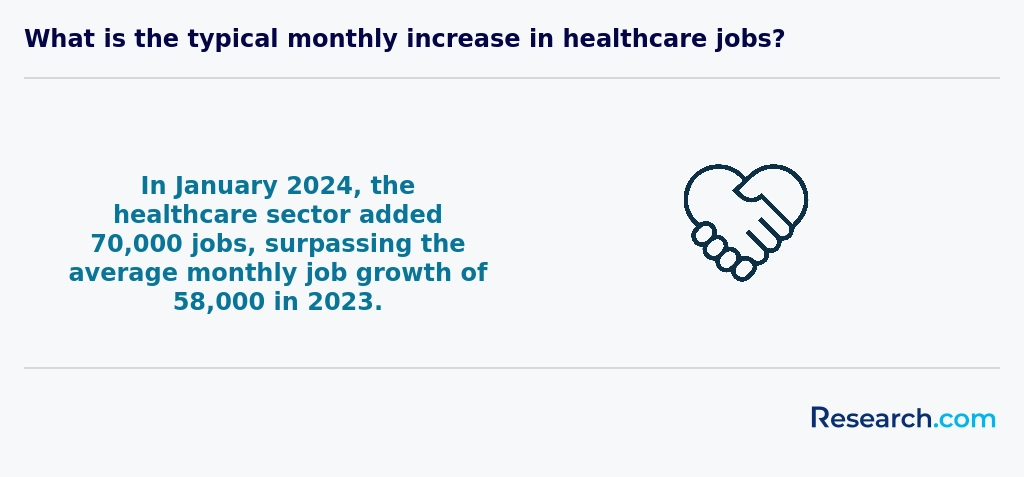
Accreditation and Licensure Requirements
Accreditation and licensure are essential for ensuring your online healthcare degree is recognized and qualifies you to practice in Washington. Key checkpoints:
- Regional accreditation (NWCCU) confirms overall academic quality and credit transferability.
- Programmatic accreditation-from CCNE or ACEN for nursing, CAAHEP for allied health, or CEPH for public health-ensures curriculum meets professional and licensing standards.
- Washington State Department of Health authorization validates that your program satisfies state-specific clinical and educational requirements.
- Review program exam pass rates and state board approval to gauge your likelihood of successful licensure.
- For cost-effective master’s options in healthcare management, explore our most affordable mha programs.
What financial aid is available to online healthcare degree students in Washington?
Students enrolled in online healthcare degree programs at institutions like the University of Washington and Seattle Central College benefit from multiple financial aid sources. Federal aid, accessed through the FAFSA, remains the foundational step. Pell Grants, offering up to $7,395 annually, provide significant relief without repayment obligations, a crucial advantage for many pursuing nursing or health administration degrees remotely.
The Washington College Grant additionally supports low- and middle-income students, sometimes covering thousands of dollars per year, helping graduates report feeling less financial stress compared to peers without this aid. This state-specific program complements federal assistance, especially important given the state's slightly higher tuition costs in healthcare education.
Scholarships from organizations like the Washington State Nurses Association offer merit-based awards that professionals pursuing advanced qualifications find motivating. Moreover, employer tuition reimbursement programs provide working students with a practical way to reduce debt while advancing their careers.
Graduates often express relief and gratitude for these combined aid options, emphasizing how such support makes education affordable and attainable in Washington's competitive healthcare training environment.
Typical Courses and Curriculum Overview
A comprehensive online healthcare degree program not only equips students with the latest theoretical knowledge but also emphasizes practical skills through well-structured course curriculums. Prospective students can expect a blend of core subjects such as Anatomy & Physiology, Medical Terminology, and Healthcare Management alongside specialized courses in areas like Clinical Practice, Public Health, and Medical Ethics. Many programs also incorporate courses in Healthcare Informatics and Pharmacology to keep pace with rapidly evolving medical technology and data management demands. Further, students benefit from integrated labs, simulation modules, and virtual internships that foster real-world problem-solving and patient care. For instance, several programs partner with institutions like the cheapest healthcare school in washington to ensure an affordable yet high-quality clinical experience. This curriculum design ensures that graduates are well-prepared to meet the dynamic challenges of the healthcare industry while also positioning themselves for further certifications and career advancement.
What are the prerequisites for enrolling in online healthcare degree program in Washington?
Enrolling in an online healthcare degree in Washington typically requires a high school diploma or equivalent for undergraduate programs, while graduate degrees demand prior college coursework or a completed degree. For example, Washington State University's online nursing students often share how completing foundational science courses such as biology and chemistry was essential to their success.
Many programs also look for relevant healthcare experience. Graduates from Seattle-based institutions recall that volunteer roles or work as medical assistants strengthened their applications, reflecting Washington's emphasis on practical skills in a growing healthcare sector with a projected 14.6% employment increase through 2030.
Applicants frequently need to meet technology standards, including reliable internet and familiarity with virtual platforms. Some programs may mandate background checks and immunization records before clinical placements, ensuring safety despite remote learning.
These prerequisites help prepare students for rigorous study in online programs, combining academic preparation with real-world readiness tailored to Washington's dynamic healthcare landscape.
Accreditation and Licensing Requirements for Washington Online Healthcare Degrees
A critical step in selecting an online healthcare program in Washington is verifying its accreditation status and ensuring it meets state licensing prerequisites. Accreditation by agencies recognized by the U.S. Department of Education-such as the Commission on Accreditation of Healthcare Management Education (CAHME), the Commission on Accreditation for Health Informatics and Information Management Education (CAHIIM), or regional bodies like the Northwest Commission on Colleges and Universities (NWCCU)-guarantees that the curriculum adheres to industry standards, qualifies for federal financial aid, and is respected by employers and licensing boards. For clinical roles such as patient care technician or health information technician, state licensure bodies may require degrees from accredited institutions to sit for certification exams. Prospective students should: • Confirm programmatic accreditation by relevant specialized agencies (e.g., CAHME for healthcare administration, CAAHEP for diagnostic medical sonography). • Check Washington’s Nursing Care Quality Assurance Commission or Department of Health for licensure mandates tied to the intended career path. • Review articulation agreements if transferring credits from community colleges or other programs to ensure seamless progression toward licensure. • Compare accreditation and cost metrics across similar programs-students can explore our Affordable Online Master's in Healthcare Degree Programs Ranking in Wisconsin to see how accreditation impacts tuition and return on investment. By prioritizing accredited programs and understanding state licensing requirements, online healthcare students in Washington can safeguard their eligibility for certification, optimize financial aid opportunities, and accelerate their entry into the workforce with confidence.
What courses are typically in online healthcare degree programs in Washington?
Online healthcare degree programs in Washington typically include a well-rounded curriculum addressing both foundational knowledge and practical skills. Students at institutions like the University of Washington or Washington State University often take courses such as Introduction to Healthcare Systems, which explains the complex US healthcare delivery framework, and Anatomy and Physiology, vital for understanding patient care.
Graduates frequently highlight Medical Terminology and Health Informatics as crucial courses, enabling effective communication and proficient handling of electronic health records-skills essential in modern healthcare environments within Washington's expanding medical infrastructure.
Courses in Healthcare Ethics and Law prepare students to navigate patient rights and legal responsibilities confidently, while Pharmacology Basics provide practical knowledge on medication management. Many programs also include Care Coordination and Population Health components, reflecting the state's diverse communities and growing emphasis on public health.
Students appreciate the integration of communication strategies and cultural competency training, which enhance their readiness to serve Washington's varied populations. This comprehensive coursework offers both theoretical and applied learning, equipping graduates to thrive in multiple healthcare roles across the state.
What types of specializations are available in online healthcare degree programs in Washington?
Online healthcare degree specializations in Washington reflect the state's diverse healthcare needs and include Nursing, Healthcare Administration, Public Health, Health Informatics, and Occupational Therapy Assistant programs. Nursing programs, including RN-to-BSN and MSN options, remain highly sought after, with graduates noting the flexibility of online tracks from accredited institutions. The median nursing wage in Washington of about $94,000 in 2023 underscores strong career incentives.
Healthcare Administration is a growing specialization, offering online bachelor's and master's degrees that equip students with skills in regulatory compliance and management. Graduates from Washington colleges often cite the program's relevance given the state's projected 15% job growth in administration roles. Public Health degrees, such as the University of Washington's online Master of Public Health, address critical community health challenges and health policy, drawing students committed to impactful careers. For prospective students weighing options, assessing if is online mph degree program affordable is a practical step.
Other notable specializations include Health Informatics, combining healthcare with IT, and Occupational Therapy Assistant programs, popular among those passionate about rehabilitation support. Graduates frequently highlight the alignment of these fields with Washington's expanding biotech industry, reinforcing the appeal of best healthcare specialties for online degrees Washington.
How do you choose the best online healthcare degree in Washington?
Choosing from the best online healthcare degree programs Washington offers requires analyzing accreditation, flexibility, cost, and local relevance. Graduates from well-known Washington institutions often emphasize accredited programs by bodies like CCNE or ACEN, which ensure eligibility for essential professional certifications and licensure. Many students appreciate programs with asynchronous coursework, allowing them to balance studies with jobs or family, while still completing required clinical experiences at local healthcare facilities.
Cost considerations are critical; tuition for online healthcare bachelor's degrees in Washington ranges from $7,000 to $15,000 annually for in-state students, slightly above the national average due to the state's living expenses. Students pursuing affordable healthcare degrees online Washington can find options aligning with their budget without compromising quality. Graduates commonly cite specific programs' relevance to Washington's diverse healthcare needs, especially in public health and nursing specializations.
Examining graduation rates and employment outcomes reported by institutions helps gauge program success. Many students find value in universities offering strong alumni networks and career support. For a comprehensive view of cost-effective options, exploring the Affordable Online Master's in Healthcare Degree Programs Ranking in Wisconsin can provide insight into comparable regional offerings that inform decisions.
What career paths are available for online healthcare degree students in Washington?
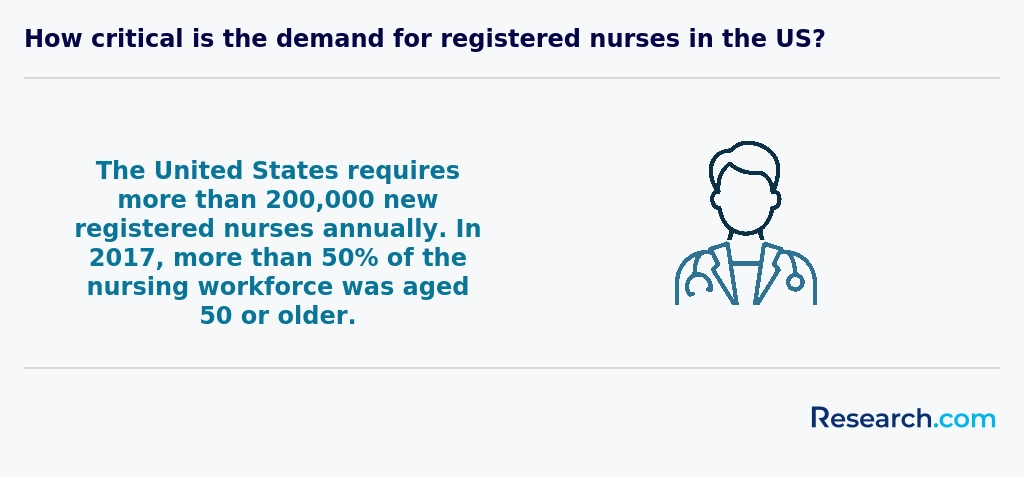
Graduates holding an online healthcare degree in Washington pursue diverse career paths, reflecting the state's dynamic healthcare sector. Many enter nursing roles such as registered nurses (RNs), supported by programs at major institutions like the University of Washington, where students often share positive experiences transitioning into hospital or long-term care settings. With a median salary of about $89,000 annually, nursing represents a stable and rewarding option. Other career options for healthcare graduates Washington include healthcare administration positions. Graduates from online healthcare management programs at colleges like Seattle University report confidence managing healthcare services and finances, with median wages near $104,000. Technical roles such as health information technicians or medical coders attract students familiar with electronic health records systems; these positions typically earn between $45,000 and $60,000. Public health careers also appeal to graduates driven by community impact, often aligning with Washington's prevention programs and offering salaries from $50,000 to $80,000. Many graduates enhance their prospects through certification that pay well, boosting employability across these fields.
What is the job market for online healthcare degree in Washington?
The job market for graduates with an online healthcare degree in Washington is notably strong, driven by the state's robust healthcare sector including hospitals and long-term care facilities. Healthcare degree employment opportunities Washington offers are diverse, ranging from nursing to healthcare administration. Graduates from well-regarded institutions like the University of Washington have reported smooth transitions into roles as registered nurses and health information specialists, reflecting the steady demand employers maintain for qualified professionals. This demand is fueled in part by ongoing nursing shortages that the Washington Center for Nursing frequently highlights.
Salary prospects enhance the appeal; for example, registered nurses in the state earn around $91,000 annually, which surpasses many national averages. These figures attract students seeking rewarding careers and financial stability. Many who choose online study paths enjoy flexibility while accessing accredited programs that meet state licensing requirements, contributing to positive employment outcomes. Those weighing options should also explore financial aid and scholarships common in Washington's schools and look into the best online programs for seniors to support their education and career growth.
Frequently Asked Questions About healthcare
Students pursuing online healthcare degrees in Washington can enhance their learning by actively engaging with virtual resources and networking opportunities. Washington hosts several accredited programs, many emphasizing interactive simulations and case studies to mirror real-world healthcare scenarios.
Utilizing local healthcare facilities for clinical placements is crucial, as hands-on experience complements theoretical knowledge. According to the Washington State Department of Health, clinical training in settings like Seattle's major hospitals provides valuable exposure to diverse patient populations.
Time management and consistent communication with instructors also improve outcomes. Students should participate in online forums and study groups to build a support network, which research shows boosts retention and satisfaction in online learning environments.
Emerging niches in the healthcare field reflect growing demand for specialized skills, especially in Washington. One notable area is telehealth, which saw a significant rise due to statewide expansions in digital health services. Telehealth professionals support remote patient care, improving access in rural communities where about 15% of Washington's population resides, according to the Washington State Department of Health.
Another growing niche is healthcare informatics. With Washington's strong tech industries, data management and health IT roles are expanding rapidly to enhance patient outcomes and system efficiency. The Bureau of Labor Statistics projects a 15% growth in health information technician jobs nationwide through 2031.
Lastly, geriatric care is increasingly important as Washington's elderly population is expected to grow by 35% by 2030, creating demand for specialists who address aging-related conditions.
After completing an online healthcare degree in Washington, preparing for the job market requires strategic steps. First, familiarize yourself with Washington's healthcare labor market, which is growing steadily with a projected 16% increase in healthcare jobs by 2030 according to the Washington State Employment Security Department.
Networking is crucial; join local healthcare associations such as the Washington State Healthcare Association to connect with professionals. Additionally, obtaining relevant certifications and licenses recognized in Washington enhances employability, as many healthcare roles demand state-specific credentials.
Internships or clinical experience, even post-graduation, significantly boost job prospects by providing practical skills and employer contacts.
Carefully tailor your resume to highlight skills aligned with Washington's healthcare needs, focusing on areas like elder care and mental health services, which are in demand across the state.
Employers in Washington prioritize several key skills when hiring healthcare degree graduates, emphasizing both technical expertise and interpersonal abilities. Clinical proficiency, including knowledge of electronic health records (EHR) systems like Epic, is critical due to the widespread use of digital tools in Washington healthcare facilities.
Strong communication skills are essential for effective patient interaction and teamwork, particularly in diverse communities such as those in Seattle and Spokane. Additionally, employers value graduates who demonstrate critical thinking and problem-solving abilities to navigate complex medical situations.
According to the Washington State Department of Health, adaptability and cultural competence are increasingly important given the state's growing multicultural population.
Finding internships relevant to a healthcare degree in Washington involves several key steps. Start by exploring online portals like the Washington State Department of Health and local hospital systems' websites, which frequently list internship opportunities. Additionally, Washington has a robust healthcare industry, employing over 400,000 people, increasing internship availability across diverse settings.
Networking is crucial. Join professional organizations such as the Washington State Hospital Association or healthcare-focused LinkedIn groups. Many universities also offer career services that connect students with internships in local clinics, public health departments, and care facilities.
Internships often require background checks and immunization records, so be prepared early. Start your search at least six months ahead to secure competitive placements.
Online healthcare degrees in Washington significantly enhance career mobility by providing flexible access to accredited programs recognized by local employers. Graduates often qualify for advanced roles in nursing, health administration, and allied health professions, which are in growing demand. According to the Washington State Employment Security Department, healthcare occupations are projected to grow 18% by 2030, faster than average.
These degrees also prepare students for essential certifications and licenses required in Washington, such as Registered Nurse (RN) licensure. Earning an online degree allows working professionals to upskill without pausing their careers, facilitating job promotions and salary increases. This blend of convenience and credibility improves advancement opportunities within the state's dynamic healthcare sector.
Studying for a healthcare degree in Washington equips students for interdisciplinary roles by emphasizing collaboration across various healthcare fields. Many Washington programs integrate coursework from nursing, public health, health administration, and social work to build versatile skills. This approach reflects regional healthcare demands, where coordination between professionals enhances patient outcomes.
According to the Washington State Department of Health, integrated care models are expanding rapidly, increasing the need for professionals trained in multiple disciplines. Online degrees in the state often include practical experiences and projects that simulate real-world teamwork.
Such preparation aligns with national trends encouraging healthcare workers to function effectively within diverse teams and complex systems.
Choosing between a thesis and a non-thesis healthcare degree program in Washington depends largely on your career goals and learning preferences. Thesis programs emphasize research and are ideal if you plan to pursue a PhD or work in research-intensive roles.
Non-thesis programs focus more on practical skills and coursework, which suits students aiming for clinical or administrative positions. According to the Washington State Nursing Care Quality Assurance Commission, demand for healthcare administrators in the state is growing, making non-thesis routes attractive for applied healthcare careers.
Online programs often offer flexibility, but confirm if the thesis option requires additional faculty support or resources.
Students based in Washington seeking online healthcare degrees with an international perspective have several options to consider. Many accredited U.S. institutions offer global health programs or partnerships with foreign universities, allowing students to gain cross-cultural healthcare knowledge without relocating. For example, the University of Washington's global health department frequently collaborates on research and study abroad opportunities, enhancing online curriculum flexibility.
Washington's healthcare industry is growing, employing over 450,000 professionals as of 2023 (Washington Employment Security Department). This demand encourages programs focused on global health challenges, including pandemics and chronic disease management. Students can select online degrees emphasizing international healthcare policies or epidemiology, often incorporating virtual internships or study modules with overseas institutions recognized by U.S. accreditation bodies.
In Washington, several part-time job opportunities align well with online healthcare degree studies. Roles like medical assistants, phlebotomists, and patient care technicians offer practical experience while accommodating student schedules. According to the U.S. Bureau of Labor Statistics, healthcare support occupations in Washington are projected to grow by 19% from 2022 to 2032, reflecting high demand.
These positions provide hands-on training in clinical settings, enhancing understanding of patient care and medical procedures. Additionally, administrative roles in hospitals and clinics develop organizational skills essential for healthcare management careers. Employers often value experience gained alongside formal education, improving job prospects after graduation.
Online healthcare students in Washington have access to various networking opportunities that help build professional connections despite distance learning. Many accredited online programs partner with local hospitals and clinics for clinical placements, encouraging hands-on experience and local networking.
Washington hosts active chapters of major healthcare organizations such as the Washington State Nurses Association and the Washington Public Health Association, offering virtual and in-person events for students.
Additionally, the state's healthcare industry is growing rapidly, employing over 400,000 people as of 2023 (Washington State Department of Commerce), which creates numerous professional events and career fairs.
Students can also join online platforms like LinkedIn groups focused on Washington healthcare to connect with professionals and alumni.
Alumni networks play a crucial role for online healthcare degree students in Washington by offering valuable professional connections. These networks enable students to interact with experienced professionals who understand the local healthcare landscape, which is vital in a state with a growing healthcare sector valued at over $40 billion annually (Washington State Employment Security Department, 2023).
Members often share job openings, internships, and mentorship opportunities, improving graduates' chances of employment in competitive healthcare roles. Networking with alumni can also support continuing education and professional development, helping students stay updated with Washington's healthcare regulations and innovations.
Such support networks are especially important for remote learners seeking local career integration.
Customizing an online healthcare degree program in Washington allows students to align their education with specific career goals. Many programs offer flexible electives and specializations such as nursing, healthcare administration, or public health. This flexibility lets students focus on areas in high demand locally, like home health services or mental health counseling, sectors growing steadily in Washington according to the state Department of Health.
Students can also choose practicum or internship options that provide hands-on experience in Washington-based healthcare settings. Selecting accredited programs ensures credits transfer easily and meet state licensing requirements. Furthermore, some institutions allow course pacing adjustments to accommodate working professionals.
Online healthcare students in Washington often face challenges related to balancing coursework with personal and professional responsibilities. Many students juggle full- or part-time jobs, which can lead to time management difficulties. Access to in-person clinical experiences is another hurdle, since hands-on training is essential for healthcare degrees, and availability of local placements may be limited.
Technical issues and variability in online course quality can affect learning outcomes. According to the Washington Student Achievement Council, students in rural areas may struggle with reliable internet access, impacting participation in virtual labs or simulations.
Financial concerns also arise, as tuition and fees for healthcare programs vary widely across institutions.
With an online healthcare degree in Washington, you can pursue several respected professional certifications that enhance your career opportunities. Common certifications include Certified Nursing Assistant (CNA), Registered Health Information Technician (RHIT), and Certified Professional in Healthcare Quality (CPHQ). These certifications validate your skills in patient care, medical records management, and healthcare quality assurance.
Washington's healthcare industry employs over 600,000 workers, making certifications valuable for standing out in a competitive job market, according to the Washington State Employment Security Department. Many online programs prepare students for national certification exams recognized by organizations such as the National Healthcareer Association and the American Health Information Management Association.
Certifications often require passing specialized exams and completing clinical hours, which some online degrees facilitate through local partnerships. Earning such credentials can increase earning potential and improve job stability within Washington's growing healthcare sector.
When applying for an online healthcare program in Washington, start by carefully reviewing each school's specific requirements. Most programs request official transcripts, letters of recommendation, and a personal statement. In your personal statement, clearly explain your motivation for choosing healthcare and how your background aligns with the program's goals. Highlight any relevant experience, such as volunteering or work in healthcare settings.
Washington's healthcare industry employs over 400,000 workers, making these degrees highly competitive. Emphasize skills that match regional healthcare needs, such as knowledge of public health trends or aging populations. Make sure your application is error-free and submitted before deadlines.
The global demand for healthcare professionals continues to grow, influencing educational trends in the U.S., including Washington state. According to the Bureau of Labor Statistics, healthcare occupations are projected to grow 13% nationally from 2021 to 2031, much faster than average. This demand reflects worldwide needs for skilled workers to address aging populations and emerging health challenges.
In Washington, the healthcare sector represents over 14% of total employment, highlighting its regional importance (U.S. Census Bureau). This creates opportunities for graduates of online healthcare degrees who seek flexible learning options.
Internationally, healthcare careers emphasize adaptability and cultural competence, skills increasingly integrated into U.S. curricula. Online degrees in Washington often include global health perspectives to prepare students for this evolving workforce.
Gaining practical experience while studying for an online healthcare degree in Washington is essential for building skills and employability. Many accredited programs include clinical or practicum components arranged locally. Students can complete hands-on training at hospitals, clinics, or public health facilities approved by their school.
Washington has over 200 healthcare facilities that often partner with educational institutions to offer internships and externships, providing real-world experience in diverse settings.
Additionally, some programs encourage volunteering or part-time work in healthcare organizations, which enhances practical understanding. The Washington State Department of Health offers resources to connect students with clinical sites.
It is important to verify that clinical placements meet the program's accreditation standards to ensure credit applicability and meet licensing requirements.
Choosing the right concentration within an online healthcare degree program in Washington depends on your career goals, interests, and the local job market. Washington state has a growing healthcare sector, particularly in fields like nursing, health informatics, and public health, reflecting data from the Washington State Employment Security Department.
Consider concentrations aligned with high-demand professions, such as registered nursing or healthcare administration, which offer strong salary prospects. Additionally, review program curriculum to ensure it includes state-specific regulations and practicum opportunities that meet Washington's licensure requirements.
Research on program accreditation and alignment with Washington's healthcare trends will help ensure your degree supports licensure and employment prospects locally.
Related Healthcare Rankings for Nearby States
- 2027 Easiest Online Healthcare Degree Programs Ranking in Idaho
- 2027 Easiest Online Healthcare Degree Programs Ranking in California
- 2027 Easiest Online Healthcare Degree Programs Ranking in Arizona
- 2027 Easiest Online Healthcare Degree Programs Ranking in Colorado
- 2027 Easiest Online Healthcare Degree Programs Ranking in North Dakota
- 2027 Easiest Online Healthcare Degree Programs Ranking in Nebraska
- 2027 Easiest Online Healthcare Degree Programs Ranking in Kansas
- 2027 Easiest Online Healthcare Degree Programs Ranking in Oklahoma
- 2027 Easiest Online Healthcare Degree Programs Ranking in Texas
- 2027 Easiest Online Healthcare Degree Programs Ranking in Iowa
Top Trending Healthcare Rankings
See What Experts Have To Say About Studying Healthcare
Read our interview with Healthcare experts

References
- How Long is an MHA Program? MHA Programs One Year ... https://www.onlineeducation.com/healthcare/faqs/length-of-online-mha-programs
- Find The Top Online Colleges In Washington https://www.learnhowtobecome.org/online-universities-and-colleges/washington/
- Health Care Schools in Washington https://www.healthcarepathway.com/states/washington-health-care/
- Student Learning Programs https://www.marywashingtonhealthcare.com/education/outreach-and-education/student-learning-programs/
- Expanding experiential learning through simulation https://www.pagethink.com/insights/unlocking-potential-expanding-experiential-learning-through-simulation
- Degree Programs | Healthier Washington Collaboration ... https://waportal.org/health-initiatives/public-health-academic-learning-collaborative-wa-phalco/degree-programs
- Experiential Learning to Enhance ... https://annalsofglobalhealth.org/articles/10.5334/aogh.4537
- Online Healthcare Degree Programs | ABHES Accredited https://www.ultimatemedical.edu/campuses/online/
- Earn While You Learn: Innovation During a Pandemic https://www.aha.org/case-studies/2022-01-18-earn-while-you-learn-innovation-during-pandemic
- Health Sciences https://www.columbiabasin.edu/learn/discover-your-path/health-sciences/index.html