
2027 Most Affordable Healthcare Degree Programs Ranking in Washington

Co-Founder and Chief Data Scientist
Choosing the right healthcare degree program in Washington can feel overwhelming. To help, this article presents the 2027 Most Affordable Healthcare Degree Programs Ranking in Washington created by the Research.com team of data scientists.
By exploring this ranking, you'll discover programs that balance quality education and affordability, making your decision easier and smarter. A healthcare degree opens doors to rewarding careers that truly make a difference in people's lives. Reading this article will empower you with the insights needed to take confident steps toward a meaningful future in healthcare.
Key benefits of getting healthcare degree in Washington
• Graduates with a healthcare degree in Washington can enjoy competitive salaries, such as Medical Assistants earning a mean annual wage of $43,350 and Patient Care Technicians making around $60,790, offering financial stability and growth.
• Career paths vary widely, with many graduates from the University of Washington pursuing roles like Health Information Technicians and Clinical Research Coordinators, providing diverse and rewarding opportunities in healthcare.
• Earning a healthcare degree online through institutions like Washington State University Online offers flexibility to balance work and study, making it easier for busy adults to advance their careers without relocating.
- Key benefits of getting healthcare degree in Washington
- What can I expect from healthcare degree in Washington?
- Where can I work with healthcare degree in Washington?
- How much can I make with healthcare degree in Washington?
- 2027 Most Affordable Healthcare Degree Programs Ranking in Washington
- Key Findings
- How long does it take to complete healthcare degree in Washington?
- Typical Courses and Curriculum Overview
- What's the difference between online and on-campus healthcare degree?
- Accreditation and Licensure Readiness
- What is the average cost of healthcare degree in Washington?
- Top 5 Most Affordable Healthcare Degree Programs in Washington
- What financial aid is available to healthcare degree students in Washington?
- Typical Courses and Curriculum Overview
- What are the prerequisites for enrolling in healthcare degree program in Washington?
- Typical Courses in a Healthcare Degree Program in Washington
- What courses are typically in healthcare degree programs in Washington?
- What types of specializations are available in healthcare degree programs in Washington?
- How do you choose the best healthcare degree in Washington?
- What career paths are available for healthcare degree students in Washington?
- What is the job market for healthcare degree in Washington?
- Related Healthcare Rankings for Nearby States
- Top Trending Healthcare Rankings
- See What Experts Have To Say About Studying Healthcare
What can I expect from healthcare degree in Washington?
The average cost of earning a healthcare degree in Washington varies greatly depending on the type of institution. Community colleges, like Seattle Central College, offer affordable programs with tuition often under $5,000 per year, making them a practical choice for students balancing costs and career goals. Graduates from these programs often share how this pathway allowed them to gain essential skills without overwhelming debt.
State universities such as the University of Washington tend to have higher tuition, averaging between $12,000 and $20,000 yearly for in-state students enrolled in nursing or allied health fields. Many students find value in the strong clinical connections and comprehensive training these universities provide, which contribute positively to their employment prospects.
Private institutions can be more costly, with annual tuition sometimes exceeding $30,000, but they often offer specialized healthcare degrees and smaller class sizes. Students who choose this route often appreciate the targeted support and networking opportunities despite the higher investment.
Financial aid, scholarships, and work-study programs are widely available across Washington's healthcare schools, especially for those committed to serving rural or underserved communities, which many graduates have found helpful in managing expenses while gaining real-world experience.
Where can I work with healthcare degree in Washington?
Graduates with healthcare degrees in Washington find diverse job options starting in hospitals across Seattle, Spokane, and Tacoma. Many alumni from the University of Washington's healthcare programs report securing positions at UW Medicine or Providence Health & Services, working as registered nurses or healthcare administrators. Such roles often require a Bachelor's or advanced degree, aligning well with the rigorous curricula offered by top colleges.
Other graduates share how training at community colleges led them to outpatient clinics specializing in diagnostic services or physical therapy. These settings emphasize patient interaction and hands-on skills, perfect for those seeking practical experience in ambulatory care.
With an aging population, long-term care facilities also recruit LPNs and healthcare aides, providing stable, rewarding careers. Students from programs like Seattle Central College have expressed confidence entering these roles, supporting elderly residents and gaining valuable case management skills.
Public health agencies and private practices further expand options, ideal for graduates interested in disease prevention or personalized patient care. Washington's growing focus on community health ensures these sectors remain promising paths for recent healthcare graduates.
How much can I make with healthcare degree in Washington?
Graduates with healthcare degrees in Washington can expect competitive earnings that reflect both experience and specialization. For example, entry-level roles such as Medical Assistants and Clinical Research Coordinators typically earn around $43,350 annually, providing solid starting points for those from programs at colleges like Seattle Central College or Shoreline Community College.
Moving into more specialized or in-demand roles, Patient Care Technicians, often trained through regional healthcare programs, report mean wages near $60,790 per year. This jump highlights the value of gaining practical skills and certifications while in school.
For graduates aiming for leadership or specialized quality roles, positions like Quality Improvement Coordinators in Washington offer significantly higher earnings with mean salaries around $103,150 annually. Those from universities such as the University of Washington's School of Public Health find these opportunities rewarding, pairing technical knowledge with healthcare system improvements.
These numbers show a clear path: starting with foundational experience and advancing through education can elevate your salary substantially, making healthcare degrees in Washington a pragmatic investment in a thriving job market.
2027 Most Affordable Healthcare Degree Programs Ranking in Washington
How do we rank schools?
Investing in your education is a significant decision that can shape your future, and the Research.com team understands the importance of making informed choices. To assist prospective students in Washington, we have meticulously crafted the "2027 Most Affordable Healthcare Degree Programs Ranking in Washington." Our commitment to quality, credibility, and accuracy is reflected in the extensive research and analysis conducted to compile this ranking.
We utilized the following reputable data sources to ensure a comprehensive evaluation of healthcare degree programs:
By exploring this ranking, readers will gain valuable insights into the most affordable healthcare degree programs available in Washington, empowering them to make well-informed decisions about their educational investments. For more details on our methodology, please visit our Research.com methodology page.
# 1 position
Seattle Central College
Bachelor of Science in Health Sciences

# 2 position
Olympic College
Bachelor of Science in Nursing

# 3 position
Columbia Basin College
Bachelor of Science in Nursing


# 5 position
Highline College
Bachelor of Science in Health Sciences

# 6 position
Centralia College
Bachelor of Science in Health Sciences

# 7 position
Pierce College District
BS in Healthcare Administration

# 8 position
Spokane Community College
Bachelor of Science in Nursing

# 9 position
Wenatchee Valley College
Bachelor of Science in Nursing

# 10 position
Faith International University
Master of Science in Health Sciences


# 12 position
Clark College
Bachelor of Science in Health Sciences

# 13 position
Tacoma Community College
Bachelor of Applied Science in Health Information Management


# 16 position
Lake Washington Institute of Technology
Bachelor of Science in Nursing


# 20 position
Heritage University
Bachelor of Science in Health Sciences

Key Findings
- In-state tuition for public universities in Washington ranges from $8,000 to $12,000 per year, while private institutions charge $30,000 to $50,000 annually.
- Community colleges offer associate degrees in healthcare for $4,000 to $6,000 per year, providing more affordable options.
- Healthcare programs include nursing, public health, health information management, and allied health, with clinical experience required for licensing.
- Job growth for healthcare roles like registered nurses and medical technologists is expected to exceed 16% over the next decade.
- Early-career salaries start around $60,000, with mid-career professionals earning between $85,000 and $100,000 or more.
- Financial aid, scholarships, and flexible scheduling options are widely available to support healthcare students in Washington.
How long does it take to complete healthcare degree in Washington?
Completing a healthcare degree in Washington typically depends on the program and level of study you choose. For example, graduates from community colleges like Seattle Central College often finish an Associate Degree in nursing or healthcare-related fields in about two years of full-time study. This includes both classroom learning and hands-on clinical experience, which is essential for state licensure.
Those pursuing a Bachelor of Science in Nursing (BSN) or healthcare administration through schools such as Spokane Community College can expect around four years for full-time enrollment. Many students appreciate accelerated or part-time options, which stretch the timeline to five or six years but allow balancing work and study.
Graduate degrees add another two years or more. For instance, a Master's degree or Doctor of Nursing Practice (DNP) typically requires two to six additional years, depending on clinical hours and research. Washington students often share how clinical rotations and flexible scheduling helped them confidently prepare for licensing and careers.
Typical Courses and Curriculum Overview
Healthcare degree programs in Washington offer a well-rounded curriculum designed to build both clinical expertise and administrative acumen. Students typically engage with foundational courses such as Anatomy and Physiology, Medical Terminology, and Healthcare Ethics, which set the stage for more specialized subjects like Public Health, Health Informatics, and Healthcare Management. Many programs also integrate practical laboratory sessions, simulation exercises, and clinical practicums that help students apply theoretical knowledge in real-world healthcare settings. For those who value flexibility without compromising on quality, our ranking also highlights options like the affordable online healthcare school in washington, which offers a curriculum that mirrors on-campus standards through interactive virtual modules. By combining academic rigor with practical experience, these programs ensure that graduates are well-prepared to meet the evolving demands of the healthcare industry.
What's the difference between online and on-campus healthcare degree?
Choosing between online and on-campus healthcare degrees in Washington hinges on how you want to balance learning with your lifestyle. Graduates from community colleges and universities like the University of Washington often praise on-campus programs for immersive, hands-on training and easy access to campus resources. These programs involve attending scheduled lectures, labs, and clinical sessions at local hospitals, making it ideal for students who thrive on direct interaction with instructors and peers.
Meanwhile, online programs offered by Washington State University and similar institutions provide flexibility, allowing working adults and parents to study while managing other responsibilities. Even so, clinical hours remain a must and require coordination with nearby healthcare centers, so proactive planning is necessary.
Tuition rates for both options at public institutions typically fall between $4,500 and $8,000 per year, but online students often benefit from savings on transportation and housing. This practical balance of costs and convenience helps many find the right fit for their busy lives.
Accreditation and Licensure Readiness
Ensuring your chosen healthcare program in Washington is properly accredited is critical for eligibility to sit for state licensure exams and for your long-term career prospects. Look for programs accredited by bodies such as the Commission on Collegiate Nursing Education (CCNE), the Accreditation Council for Education in Nutrition and Dietetics (ACEND), or the Commission on Accreditation of Allied Health Education Programs (CAAHEP). Accreditation not only guarantees curriculum quality but also influences employer recognition and graduate school acceptance. State licensure requirements vary by profession:
- Nursing graduates must pass the NCLEX-RN or NCLEX-PN, and programs often publish first-time pass rates-aim for institutions reporting rates above 85%.
- Radiologic technologists need ARRT certification eligibility, which demands completion of an accredited curriculum.
- Health information managers should verify CAHIIM accreditation to qualify for the RHIA exam. Many Washington schools offer dedicated exam-prep workshops, mock simulations, and partnerships with local healthcare facilities to ensure you graduate ready for licensure. Career services often include one-on-one coaching, study-group coordination, and alumni panels on exam strategies. For those exploring advanced online options, consider also reviewing our Low Cost Online Master’s in Healthcare Degree Programs Ranking in Georgia to compare accreditation standards and exam-pass outcomes across state lines. By choosing an accredited program with strong licensure support, you can confidently transition from student to licensed professional in Washington’s thriving healthcare sector.
What is the average cost of healthcare degree in Washington?
In Washington, the average cost of earning a healthcare degree is about $12,973 for in-state students, significantly less than the $45,678 that out-of-state students might expect to pay. Graduates from public institutions in Washington recall balancing tuition costs with available financial aid, which made their healthcare education affordable and manageable. For instance, studying nursing or public health at well-known schools such as the University of Washington often came with in-state tuition around this average, offering strong value for the quality of education.
Students pursuing affordable healthcare degree programs Washington 2027 should also consider community colleges, where tuition can be even lower and programs are designed to offer practical skills quickly. These options helped many who wanted to start working in healthcare roles without incurring excessive debt. Meanwhile, private schools and specialty programs typically have higher sticker prices, sometimes above $20,000, but they often include financial aid opportunities that ease the financial load over time.
Beyond tuition, prospective students must plan for additional costs like textbooks, equipment, and clinical fees, which total roughly $2,000 annually. Practical budgeting around these costs is essential to avoid surprises during the degree journey. Washington also offers valuable resources, including state programs that assist students committing to serve underserved communities after graduation.
For those seeking more accessible routes, a great option is exploring the affordable online healthcare school in washington to reduce expenses while balancing work and study.

Top 5 Most Affordable Healthcare Degree Programs in Washington
To help you quickly compare cost and value, we’ve identified the five most budget-friendly healthcare degree programs in Washington for 2024. Each entry includes in-state tuition (per year), program level, and delivery format. 1. Central Washington University – Associate in Health Sciences • In-State Tuition: $4,785 • Format: On-Campus, Hybrid options • Highlights: Strong community partnerships for clinical rotations, streamlined advising. 2. Shoreline Community College – Associate in Nursing (ADN) • In-State Tuition: $5,200 • Format: On-Campus, Evening cohorts • Highlights: Dedicated simulation labs, guaranteed transfer agreements to four-year institutions. 3. Tacoma Community College – Associate in Health Information Management • In-State Tuition: $4,950 • Format: Fully Online • Highlights: CCC-approved curriculum, industry-standard EHR software training. 4. Whatcom Community College – Associate in Radiologic Technology • In-State Tuition: $4,900 • Format: On-Campus with limited online prerequisites • Highlights: Accredited clinical sites across Western Washington, small cohort sizes. 5. Wenatchee Valley College – Bachelor of Applied Science in Health Services Management • In-State Tuition: $7,200 • Format: Hybrid (online core + on-site labs) • Highlights: Leadership focus, capstone project with local healthcare employer. For those exploring allied health pathways beyond these top five, you may also find our best online associate in physical therapy assistant programs useful when comparing tuition rates and program features.
What financial aid is available to healthcare degree students in Washington?
Many healthcare students in Washington start by completing the FAFSA to access essential federal aid, including Pell Grants that cover up to $7,395 annually based on financial need. For example, graduates from institutions like the University of Washington often rely on this grant to reduce their tuition burden, especially since public college healthcare programs can range from $7,000 to $12,000 per year for in-state students.
State aid through the Washington College Grant is another key resource. It supports low- and middle-income students enrolled at colleges such as Spokane Community College, helping cover a large part of tuition costs. Many healthcare graduates share that combining this grant with Pell Grants significantly eased their financial stress.
Additional support comes from targeted programs like the Washington Health Professional Loan Repayment and Scholarship Program, which rewards graduates who work in underserved areas. Students pursuing nursing or respiratory care have found this particularly helpful in managing loan repayment after graduation.
Local scholarships and federal loan options with low-interest rates also provide practical financial relief. Work-study roles within healthcare facilities connected to schools give students paid experience, adding both income and valuable skills.
Typical Courses and Curriculum Overview
A crucial missing section in the article is an in-depth look at typical courses and the curriculum structure of healthcare degree programs in Washington. This section helps prospective students understand what they will learn and how each course contributes to developing the necessary skills for a thriving healthcare career. In most programs, you can expect core courses such as Introduction to Healthcare Systems, Anatomy and Physiology, Medical Terminology, Healthcare Ethics, and Statistics for Health Professionals. Additionally, specialized courses on clinical practice, patient care management, and healthcare policy are often included to prepare you for real-world challenges. Exploring course outlines and credit requirements is essential for students weighing academic rigor against financial and time commitments. Many students find that enrolling in an affordable online healthcare school in washington offers the flexibility to progress through these courses while managing other responsibilities. Whether you are considering on-campus or online options, understanding the curriculum can demystify the learning process and boost your confidence in making an informed decision about your future in healthcare.
What are the prerequisites for enrolling in healthcare degree program in Washington?
To enroll in a healthcare degree program in Washington, you'll first need a high school diploma or GED, which is the baseline for nearly all programs. For example, graduates from Seattle Central College emphasize how their solid background in biology and chemistry prepared them well to meet course requirements. These foundational courses in science and math-especially biology, chemistry, and algebra-are key building blocks for success.
Many schools, such as those in the University of Washington system, still ask for standardized test scores like the SAT or ACT, though some have adopted test-optional policies recently, making your application more accessible without test pressure.
Applicants typically submit letters of recommendation and a personal statement highlighting their passion for healthcare - graduates often recall how sharing personal experiences made their applications stand out. Clinical programs also require background checks and immunization records, ensuring safety for patients and students alike.
For advanced degrees, such as BSN or master's programs, having prior healthcare experience-through volunteering or work-plus a 3.0 GPA minimum, is often mandatory. This ensures students are ready to excel in challenging clinical environments found at institutions like Eastern Washington University.
Typical Courses in a Healthcare Degree Program in Washington
Healthcare degree programs in Washington offer a robust curriculum designed to build both foundational knowledge and practical skills essential for success in the industry. Students can expect to engage in courses that cover subjects such as human anatomy and physiology, healthcare ethics, medical terminology, and patient care fundamentals. Core classes often include modules on health informatics, clinical research methods, and healthcare law, which provide a comprehensive overview of both the scientific and administrative aspects of the field. Many programs also offer specialized courses tailored to emerging industry needs. For instance, coursework in health information management and medical billing and coding has become increasingly popular as the healthcare sector embraces advanced data management and digital record systems. Some institutions even integrate practical training modules, including an online medical billing and coding class, to help students gain hands-on experience while managing real-world scenarios. Additionally, students benefit from lab work, clinical simulations, and case studies that foster problem-solving and critical-thinking skills. These typical courses not only establish a strong educational foundation but also prepare graduates to navigate the diverse career paths available within the healthcare industry.
What courses are typically in healthcare degree programs in Washington?
Healthcare degree programs in Washington commonly start with core science courses like anatomy, physiology, biology, and microbiology. Graduates from universities such as the University of Washington often recall how mastering anatomy helped them confidently understand patient conditions during clinical rotations.
Courses on healthcare systems and ethics are essential as well, teaching students about patient rights, confidentiality, and the professional standards expected in Washington's healthcare settings. For example, those studying at community colleges found ethics classes invaluable for navigating real patient interactions respectfully and responsibly.
Hands-on learning through clinical training or labs is a staple at institutions like Seattle Central College. Students typically take pharmacology and patient care courses, gaining practical skills for medication administration and safety protocols, which proved critical when graduates began work in local hospitals.
Additional coursework often covers public health, healthcare communication, and healthcare IT-vital for managing electronic health records and telehealth services increasingly used across the state's healthcare facilities.
What types of specializations are available in healthcare degree programs in Washington?
Healthcare degrees in Washington offer a variety of specializations to fit different career goals. Graduates from well-known colleges often choose Nursing programs that cover pediatric or critical care nursing, responding directly to the state's demand for skilled nurses in hospitals and care facilities. Others find value in Health Information Management, especially since Washington healthcare providers widely adopt electronic health records, which boosts job opportunities.
Popular healthcare programs with specializations Washington also include Public Health, focusing on community wellness and epidemiology-fields that graduates find meaningful given recent health challenges. Healthcare Administration prepares students for leadership roles, managing expanding healthcare organizations. Medical Laboratory Science attracts those interested in diagnostic testing vital for patient care.
Students at community colleges and universities report that Physical Therapy and Occupational Therapy specializations are rewarding paths, meeting the needs of Washington's aging population. For those wanting flexible options, many turn to an online medical billing and coding class, which complements hands-on skills and broadens employment possibilities.
When considering affordable healthcare degree specializations in Washington, prospective students appreciate programs balancing cost, quality, and licensure preparation. Choosing the right specialization has helped many graduates find fulfilling careers close to home.
How do you choose the best healthcare degree in Washington?
Start by clarifying your career goals and researching healthcare fields in demand within Washington. Graduates from the University of Washington often highlight the importance of accredited programs, such as those approved by the Commission on Collegiate Nursing Education (CCNE) or the Accreditation Council for Education in Nutrition and Dietetics (ACEND), which paved the way for their licensing success. Considering program flexibility is crucial-many students balance work and family by choosing online or hybrid formats offered by schools like Washington State University.
Cost is another essential factor. While average tuition at public four-year universities in Washington is around $11,745 annually for in-state students, healthcare programs may include added costs like lab or clinical fees. Planning for these expenses helps avoid surprises. Many who pursued the best affordable healthcare degrees Washington found programs that combine strong clinical placement support with reasonable pricing to be the most rewarding.
Post-graduation job opportunities often come from connections to local providers. Internships at Seattle-based medical centers, like Swedish Medical Center, are frequently praised by graduates for providing real-world experience. If you want a program with proven outcomes and flexibility, consider exploring the best online associate in physical therapy assistant programs available in Washington, which blend affordability with job placement support.
What career paths are available for healthcare degree students in Washington?
Graduates holding healthcare degrees in Washington find diverse career avenues tailored to their skills and interests. Direct patient care roles like registered nurses, licensed practical nurses, and medical assistants dominate, especially for those trained at state universities or community colleges. These graduates often feel fulfilled applying their knowledge in fast-paced hospital settings or local clinics, enjoying both competitive salaries and job stability, reflecting strong healthcare career opportunities in Washington.
Many healthcare graduates also branch into specialized fields such as physical or respiratory therapy and radiologic technology. Trainings at accredited programs in Washington provide practical experiences that boost confidence and employability. Others leverage degrees into healthcare administration, managing teams and operations at medical centers; graduates recount the rewarding challenge of combining clinical insight with leadership skills.
Pharmaceutical and biotech sectors offer alternative job prospects for healthcare graduates Washington, involving research or clinical trials. With focused certifications, professionals thrive on cutting-edge work environments. For those concerned about cost, exploring community colleges and public universities is a smart move, and students often consult resources like the Low Cost Online Master's in Healthcare Degree Programs Ranking in Georgia to balance quality and affordability.
What is the job market for healthcare degree in Washington?
Washington's healthcare job market offers solid opportunities for graduates, supported by a growth rate of 14.3% in healthcare occupations through 2032. Graduates from universities like the University of Washington report strong employment prospects, especially in nursing and allied health roles, where average salaries near $95,000 encourage stability and career satisfaction. Demand remains high in cities such as Seattle and Spokane, where hospitals and clinics concentrate services, creating continuous openings for qualified professionals.
Students pursuing healthcare degrees in Washington often find the employment outlook healthcare degrees Washington quite promising. For example, graduates with degrees in physical therapy or medical technology secure competitive wages by meeting region-specific certification requirements. Investing in an education here typically pays off despite tuition variations, since regional employers prioritize locally trained candidates.
Those considering flexible study options might explore programs like the accelerated bachelor's degree online texas, which resonate with many Washington students balancing work and school. Taking advantage of these pathways aligns well with the evolving healthcare job market Washington 2027, where telehealth and preventive care roles continue to expand rapidly.
Frequently Asked Questions About healthcare
Healthcare degree students in Washington can maximize their learning experience by engaging actively in clinical internships, which are often integrated into the curriculum of programs approved by the Washington State Nursing Care Quality Assurance Commission or other licensing bodies. Gaining hands-on experience in local hospitals and clinics helps build practical skills essential for future employment.
Students should also take advantage of Washington's numerous healthcare networks and academic partnerships, such as those involving the University of Washington, which is recognized for its research and training in health sciences. Participation in research projects can deepen understanding and open career opportunities.
Additionally, joining professional organizations like the Washington State Nursing Association provides access to workshops, mentorship, and networking events. Staying informed about the state's healthcare workforce trends, which project a 19% growth in healthcare jobs through 2030 according to the Washington State Employment Security Department, can guide students toward in-demand specialties.
Emerging niches within the healthcare field in Washington reflect broader national trends, driven by technological advances and demographic shifts. One notable area is telehealth, which expanded rapidly in recent years and continues to grow due to increased access and convenience, especially for rural populations in the state.
Another promising field is health informatics, where professionals manage electronic health records and utilize data analytics to improve patient outcomes. The Washington State Department of Health highlights a growing demand for specialists in this area, driven by initiatives to modernize healthcare systems.
Behavioral health also represents a critical niche, responding to increased awareness of mental health issues and opioid addiction. Programs focused on licensed mental health counseling or substance abuse treatment are expanding throughout Washington's healthcare education landscape.
After completing a healthcare degree in Washington, preparing for the job market involves several key steps. First, obtaining relevant licensure or certification is crucial, as many healthcare roles require state-specific credentials. For example, registered nurses must pass the NCLEX-RN exam and apply for Washington state licensure through the Nursing Care Quality Assurance Commission.
Gaining practical experience through internships, clinical rotations, or volunteer opportunities helps strengthen resumes and build professional networks. Washington's healthcare sector is expected to grow by 13.6% from 2020 to 2030, according to the Employment Security Department, indicating a strong job market for qualified graduates.
Finally, leveraging resources like local job fairs, the Washington State Healthcare Personnel Shortage Task Force, and online platforms can connect candidates to employers seeking healthcare professionals.
Employers in Washington who hire healthcare degree graduates prioritize a blend of technical and interpersonal skills. Clinical competence, such as proficiency in patient care procedures and healthcare technology, is essential for success. According to the Washington State Department of Health, familiarity with electronic health records (EHR) systems is increasingly sought after due to digitization in medical facilities.
Strong communication skills are equally important. Healthcare workers must coordinate with multidisciplinary teams and explain complex information clearly to patients and families. Additionally, empathy and cultural sensitivity are critical, reflecting Washington's diverse population.
Problem-solving abilities and adaptability are necessary as healthcare professionals face evolving challenges, including those highlighted by the state's response to public health crises. Time management and attention to detail help ensure patient safety and regulatory compliance.
Finding internships in Washington related to healthcare degrees involves several practical steps. Start by exploring local healthcare facilities such as UW Medicine, Virginia Mason, and Providence Health & Services, which regularly offer internship opportunities. These institutions provide hands-on experience in clinical and administrative roles.
The Washington State Department of Health and the Washington Healthcare Authority also post internships and cooperative education positions, often updated on their websites.
Many universities and colleges in Washington, including the University of Washington, have partnerships with nearby hospitals and clinics to help place students in internships.
Utilizing campus career centers is a key strategy; they often connect students with exclusive internships tailored to healthcare fields.
Networking through professional organizations like the Washington State Medical Association can additionally provide leads on internships and mentorships in healthcare.
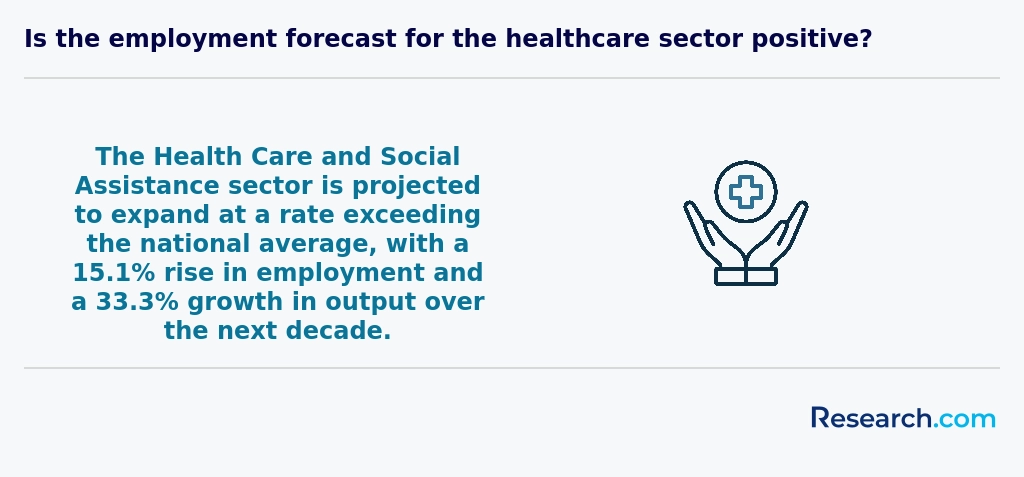
Obtaining a healthcare degree in Washington significantly enhances career mobility and advancement opportunities. The state's growing healthcare sector, driven by an aging population and expanding services, demands qualified professionals. According to the Washington State Employment Security Department, healthcare occupations are projected to grow by 15% through 2030, faster than the average for all jobs.
Holding a degree often qualifies graduates for higher-paying roles and leadership positions. For example, nurses with a Bachelor of Science in Nursing (BSN) typically have better access to management roles compared to those with an associate degree.
Additionally, healthcare degrees in Washington align with state licensing requirements, streamlining career progression and interprofessional transfers.
Studying for a healthcare degree in Washington equips students with skills essential for interdisciplinary roles. Programs often emphasize collaboration among healthcare professionals such as nurses, physicians, social workers, and public health experts. This approach mirrors real-world settings where teamwork improves patient outcomes.
Washington's healthcare education frequently incorporates practical experiences in diverse environments, including hospitals, community clinics, and public health agencies. According to the Washington State Department of Health, nearly 30% of healthcare jobs require coordination across multiple specialties, making interdisciplinary training crucial.
Curricula encourage communication, critical thinking, and ethical decision-making, preparing graduates to work effectively within varied teams. Many institutions also integrate emerging technologies and data-sharing methods used in modern healthcare systems.
Choosing between a thesis and a non-thesis healthcare degree program in Washington depends largely on your career goals and learning preferences. Thesis programs emphasize research, often requiring original investigation and a formal written document. These are ideal if you plan to pursue a PhD or work in research-intensive fields.
Non-thesis options typically focus on practical skills and coursework, making them suitable for professionals aiming to advance within clinical or administrative roles without a heavy research component. According to the Washington State Department of Health, demand for healthcare administrators rose by 12% from 2019 to 2023, favoring applied skills.
Thesis tracks may take longer to complete and require close mentorship, while non-thesis paths often offer greater flexibility. Consider your long-term plans and consult program advisors to ensure alignment with Washington's healthcare workforce needs.
Students based in Washington seeking to study healthcare abroad have several pathways. Many universities in the state encourage participation in exchange programs or partnerships with international institutions to gain global healthcare perspectives. Some popular destinations include Canada, the United Kingdom, and Australia, known for their strong healthcare education systems.
Washington students often benefit from programs that provide credit transfer agreements, enabling them to complete part of their healthcare degree abroad while maintaining progress toward graduation at home.
According to the Washington Student Achievement Council, about 5% of healthcare students pursue international study experiences, enhancing cultural competency critical for today's healthcare professionals.
Additionally, scholarships and grants targeted at healthcare study abroad can help offset costs, making such opportunities more accessible for Washington residents.
Students pursuing healthcare degrees in Washington can benefit from various part-time job opportunities that align with their educational goals. Roles such as medical assistants, pharmacy technicians, and certified nursing assistants (CNAs) are in demand and provide practical experience alongside coursework.
Washington State Employment Security Department reports a steady growth in healthcare occupations, projecting a 16% increase through 2030. Working as a medical receptionist or patient care technician in local clinics and hospitals offers exposure to healthcare environments and develops crucial communication skills.
Additionally, jobs in health information technology and laboratory support can complement academic learning, providing hands-on experience with healthcare systems and data management.
Healthcare students in Washington benefit from strong networking opportunities due to the state's robust medical and academic communities. Many universities, including the University of Washington, have student organizations and events focused on healthcare professions, enabling connections with peers and professionals.
Washington is home to many healthcare employers like large hospital systems and research institutions, offering internships and clinical placements that facilitate relationship-building. According to the Washington State Hospital Association, over 90% of healthcare job openings stem from networking and internships.
Professional conferences and local chapters of national healthcare associations are also active in Washington, providing students access to industry leaders and continuing education.
Alumni networks provide significant advantages to healthcare degree students in Washington by enhancing professional connections and career opportunities. Washington's healthcare industry is growing rapidly, with the state expecting over 20,000 new healthcare jobs between 2020 and 2030 according to the Washington State Employment Security Department.
These networks offer mentorship programs, job referrals, and access to exclusive events where students can engage with experienced professionals. For example, students who join alumni groups from major institutions like the University of Washington often find it easier to secure internships or entry-level positions.
Participation in alumni networks also supports lifelong learning and skill development through workshops and seminars, important in a field that continuously evolves due to medical advances and regulatory changes.
Customizing a healthcare degree program in Washington allows students to tailor their education toward specific career goals. Many institutions offer flexible curricula, including elective courses and specialization tracks in areas like nursing, health informatics, or public health. Washington's healthcare industry demands professionals skilled in diverse fields, and programs often reflect this by providing options for clinical practice, research, and administrative roles.
Students can also benefit from partnerships between colleges and local healthcare providers, offering internships or practicum opportunities that align with career interests. According to the Washington State Department of Health, seeking accredited programs ensures alignment with state licensure requirements, an essential step for customizing education to professional standards.
Healthcare students in Washington face multiple challenges during their studies. One key difficulty is balancing demanding clinical hours with coursework, as practical experience is essential but time-intensive. According to the Washington State Workforce Training and Education Coordinating Board, healthcare job growth is rapid, intensifying competition for quality clinical placements.
Financial strain is also common. Tuition and living costs in Washington can be high, and many students rely on loans, leading to debt concerns. Additionally, the state's diverse population means students must develop strong cultural competency skills to serve various communities effectively.
Lastly, navigating state-specific licensing requirements adds complexity to the educational path for many healthcare professions.
With a healthcare degree in Washington, graduates can pursue a variety of professional certifications that enhance career opportunities. Common certifications include Certified Nursing Assistant (CNA), Registered Nurse (RN), and Licensed Practical Nurse (LPN). These credentials are essential for clinical roles and require passing state exams regulated by the Washington Nursing Commission.
Additional certifications like Medical Assistant (CMA), Certified Pharmacy Technician (CPhT), and Health Information Technician (RHIT) are valuable for specialized positions. According to the Washington State Department of Health, demand for certified healthcare professionals is expected to grow by 15% through 2030.
National certifications such as the Certified Professional Coder (CPC) and Emergency Medical Technician (EMT) are also popular among Washington healthcare graduates for expanding skill sets and job prospects.
Writing a winning application for a healthcare program in Washington involves clear presentation and thorough preparation. Start by researching programs thoroughly to match your career goals with the school's focus. Washington State requires strong academic records, so highlight your GPA, relevant coursework, and any healthcare-related experience.
Include a compelling personal statement that explains why you want to pursue healthcare, referencing local healthcare needs-Washington faces a growing demand for healthcare professionals due to its aging population, as noted by the Washington State Department of Health.
Letters of recommendation should come from professionals familiar with your work ethic and commitment to healthcare. Finally, prepare for any required entrance exams or interviews with thorough practice and reflection on your motivations and experiences.
Healthcare careers are increasingly viewed through a global lens, highlighting the demand for skilled professionals worldwide. In Washington, the healthcare sector is expected to grow by 16% from 2020 to 2030, according to the U.S. Bureau of Labor Statistics. This growth reflects a broader international trend emphasizing the importance of healthcare services.
Global perspectives often focus on cultural competence and technological adaptability, skills highly valued in Washington's diverse population. Institutions like the University of Washington incorporate these elements into their programs, preparing students for both local and international challenges.
Understanding global health issues, such as pandemics or aging populations, enhances career prospects and aligns with Washington's role as a hub for medical research and innovation.
Gaining practical experience while studying for a healthcare degree in Washington is essential for building skills and enhancing career opportunities. Many programs incorporate clinical rotations or internships, allowing students to work directly in hospitals, clinics, or community health centers. For example, institutions such as the University of Washington offer structured clinical placements aligned with degree requirements.
The Washington State Employment Security Department highlights that hands-on experiences improve employability by connecting theory with real-world practice. Additionally, students can seek volunteer positions or part-time work in healthcare settings to deepen their understanding of patient care and healthcare operations.
Students are encouraged to explore partnerships between colleges and local healthcare providers, which often facilitate access to practical training. This approach is especially important given Washington's growing healthcare sector, which includes over 250,000 healthcare jobs as reported by the Bureau of Labor Statistics in 2023.
Choosing the right concentration within a healthcare degree program in Washington involves understanding your career goals and the region's healthcare demands. Washington state has a strong need for professionals in nursing, public health, and health informatics, supported by data from the Washington State Employment Security Department.
Research local job projections and salary trends to align your studies with market needs. For instance, registered nurses are among the fastest-growing occupations.
Consider programs that offer clinical experience or partnerships with local healthcare providers, as hands-on training is crucial in many healthcare fields.
Lastly, evaluate program accreditation and specialization options to ensure quality education and credential recognition in Washington's healthcare system.
Related Healthcare Rankings for Nearby States
- 2027 Most Affordable Online Healthcare Degree Programs Ranking in Idaho
- 2027 Most Affordable Online Healthcare Degree Programs Ranking in New Mexico
- 2027 Most Affordable Online Healthcare Degree Programs Ranking in South Dakota
- 2027 Most Affordable Online Healthcare Degree Programs Ranking in North Dakota
- 2027 Most Affordable Online Healthcare Degree Programs Ranking in Nebraska
- 2027 Most Affordable Online Healthcare Degree Programs Ranking in Texas
- 2027 Most Affordable Online Healthcare Degree Programs Ranking in Minnesota
- 2027 Most Affordable Online Healthcare Degree Programs Ranking in Missouri
- 2027 Most Affordable Online Healthcare Degree Programs Ranking in Wisconsin
- 2027 Most Affordable Online Healthcare Degree Programs Ranking in Illinois
Top Trending Healthcare Rankings
See What Experts Have To Say About Studying Healthcare
Read our interview with Healthcare experts

References
- Financial Assistance Application Form | UW Medicine https://www.uwmedicine.org/patient-resources/billing-and-insurance/financial-assistance-application
- 3 Health Care Assistant cover letter examples [Get noticed] https://standout-cv.com/cover-letter-examples/health-care-assistant
- Best Practices for Career Development and Advancement in the Healthcare Sector | Generation https://www.generation.org/news/best-practices-for-career-development-and-advancement-in-the-healthcare-sector/
- Networking in Medicine: Build Lasting Connections l Windsor https://www.windsor.edu/networking-in-medicine-building-relationships-from-day-one/
- Niche Markets in Healthcare https://ultrariskadvisors.com/niche-markets-in-healthcare/
- Challenges for Medical Students - Health Action Research Group https://www.healthactionresearch.org.uk/mental-health/challenges-for-medical-student/
- How to Create a Healthcare Career Roadmap https://www.ihire.com/resourcecenter/jobseeker/pages/how-to-create-a-healthcare-career-roadmap
- Trends and opportunities in healthcare across emerging markets - Inizio https://inizio.com/insights/trends-and-opportunities-in-healthcare-across-emerging-markets/
- Getting medical work experience https://www.bma.org.uk/advice-and-support/studying-medicine/becoming-a-doctor/getting-medical-work-experience
- Alumni Reconnect - Poznan University of Medical Sciences https://pums.edu.pl/alumni-friends/alumni-reconnect/


