2027 Fastest Online Healthcare Degree Programs Ranking in St. Louis, MO

Co-Founder and Chief Data Scientist
Are you considering a healthcare degree but unsure where to start? This article introduces the 2027 Fastest Online Healthcare Degree Programs Ranking in St. Louis, MO, developed by the Research.com team of data scientists. It's designed to help students like you find programs that offer quality education efficiently.
Exploring this ranking can guide your decision-making and reveal options that fit your goals and schedule. Pursuing a healthcare degree opens doors to rewarding careers that make a real difference in people's lives.
Take the next step toward your future with confidence and clarity.
Key benefits of getting online healthcare degree in St. Louis
- Graduates with healthcare degrees in St. Louis can expect strong salaries, such as $60,790 annually for Patient Care Technicians and $103,150 for Quality Improvement Coordinators, making these careers financially rewarding.
- Many local healthcare graduates find diverse opportunities in clinical research, medical assisting, and health information technology, reflecting St. Louis's vibrant healthcare industry and university programs.
- Completing a healthcare degree online offers flexibility for busy students, allowing them to balance work and study effectively, as seen in successful online graduates from popular St. Louis institutions.
- Key benefits of getting online healthcare degree in St. Louis
- What can I expect from online healthcare degree in St. Louis?
- Where can I work with online healthcare degree in St. Louis?
- How much can I make with online healthcare degree in St. Louis?
- 2027 Fastest Online Healthcare Degree Programs Ranking in St. Louis, MO
- Key Findings
- How long does it take to complete online healthcare degree in St. Louis?
- What's the difference between online and on-campus healthcare degree?
- What is the average cost of online healthcare degree in St. Louis?
- What financial aid is available to online healthcare degree students in St. Louis?
- What are the prerequisites for enrolling in online healthcare degree program in St. Louis?
- What courses are typically in online healthcare degree programs in St. Louis?
- What types of specializations are available in online healthcare degree programs in St. Louis?
- How do you choose the best online healthcare degree in St. Louis?
- What career paths are available for online healthcare degree students in St. Louis?
- What is the job market for online healthcare degree in St. Louis?
- Top Trending Healthcare Rankings
- See What Experts Have To Say About Studying Healthcare
What can I expect from online healthcare degree in St. Louis?
The average cost of an online healthcare degree in St. Louis typically ranges from $300 to $600 per credit hour, varying by institution. For example, graduates from Saint Louis University and the University of Missouri-St. Louis have noted that while tuition represents a significant financial commitment, it is balanced by the flexibility to study remotely and maintain employment or family responsibilities.
Many students appreciate that the tuition fees often qualify them for financial aid and scholarships specifically geared toward healthcare studies, easing the overall burden. This affordability combined with high-quality programs makes pursuing these degrees a practical choice for those committed to advancing their careers.
Healthcare students from these universities often share experiences of engaging coursework paired with essential practical components, such as local clinical practicums. This hands-on learning, offered close to home in St. Louis's healthcare facilities, ensures that their investment not only equips them academically but also prepares them for licensure and future employment.
Where can I work with online healthcare degree in St. Louis?
Graduates with online healthcare degrees in St. Louis often find diverse employment opportunities across the city's robust medical landscape. Many secure roles in large institutions such as BJC HealthCare and Mercy Health, where they contribute to patient care coordination, health informatics, and clinical support services. Those who studied at prominent local schools like Washington University School of Medicine report seamless transitions into hospital administration or medical billing positions, thanks to their accredited online programs combined with specialized certifications.
Clinical degree holders often enter rewarding careers in nursing homes, rehabilitation centers, or community health organizations, navigating licensing requirements to become registered nurses-a field noted for high demand statewide by the Missouri Department of Health & Senior Services. Graduates from Saint Louis University's public health programs frequently join the St. Louis County Department of Public Health, applying skills in epidemiology and program management to make impactful community health improvements.
These career paths reflect the adaptability and positive job outlook that online healthcare students in St. Louis enjoy, with practical training and local industry connections supporting their growth throughout the region.
How much can I make with online healthcare degree in St. Louis?
Graduates with an online healthcare degree in St. Louis commonly enter roles such as Medical Assistants, Patient Care Technicians, or Health Information Technicians. For example, Medical Assistants earn a mean annual wage of approximately $43,350, while Patient Care Technicians command higher compensation around $60,790. Health Information Technicians report similar median earnings near $43,380, reflecting steady opportunities in administrative healthcare fields. These figures highlight a promising start for recent graduates from well-regarded institutions like Saint Louis University and Webster University.
Clinical Research Coordinators also see entry-level earnings around $43,350, allowing graduates to quickly gain experience in clinical settings. Those progressing into specialized or leadership roles, such as Quality Improvement Coordinators, benefit from significantly higher wages-averaging $103,150 annually in the St. Louis market. Graduates who build on their foundational degrees with certifications or advanced skills often experience satisfying salary growth, reinforcing the value of their education and dedication.
Healthcare students at St. Louis-area colleges regularly share positive reflections on transitioning from study to employment, encouraged by competitive salaries that support comfortable living and career advancement in the region's expanding healthcare sector.
2027 Fastest Online Healthcare Degree Programs Ranking in St. Louis, MO
How do we rank schools?
Investing in your education is a significant decision that can shape your future, and the Research.com team understands the importance of making informed choices. To assist prospective students in St. Louis, MO, we have carefully developed the "2027 Fastest Online Healthcare Degree Programs Ranking." Our dedication to quality, credibility, and accuracy is evident in the thorough research and analysis undertaken to compile this ranking.
We utilized the following reputable data sources to ensure a comprehensive evaluation of healthcare degree programs:
By exploring this ranking, readers will gain valuable insights into the fastest online healthcare degree programs in St. Louis, enabling them to make well-informed decisions about their educational journey. For more information on how this ranking was created, please visit our Research.com methodology page.

# 3 position
Maryville University of Saint Louis
Doctor of Adult-Gerontology Primary Care Nurse Practitioner

Key Findings
- St. Louis has over 120,000 healthcare jobs as of early 2024, showing strong demand for healthcare professionals.
- Online healthcare degrees available include nursing, healthcare administration, and health informatics from accredited local institutions.
- Bachelor's online healthcare degrees typically cost between $25,000 and $45,000, while graduate programs can cost up to $60,000.
- Entry-level salaries for healthcare graduates start around $55,000 to $65,000 annually, with mid-career salaries rising to $85,000 or more.
- The healthcare sector in St. Louis grows annually at about 3-4%, offering expanding job opportunities.
- Many online programs offer flexible schedules and clinical placements with local providers to help meet licensure requirements.
How long does it take to complete online healthcare degree in St. Louis?
Completing an online healthcare degree in St. Louis depends largely on the program level and student pace. For example, graduates from the University of Missouri-St. Louis often report finishing their Associate of Science in Nursing within two years when balancing coursework with their busy lives. Meanwhile, those pursuing a Bachelor of Science in Nursing at Saint Louis University typically take three to four years, with some benefiting from accelerated tracks that shorten this timeframe.
Online learners appreciate the flexibility these local institutions provide, enabling them to manage professional responsibilities alongside study. Master's degrees in healthcare administration or public health, commonly completed through part-time enrollment, generally require between 18 months and three years. Graduates frequently emphasize how program structures accommodate their schedules, making it possible to progress steadily without feeling overwhelmed.
Many students find that transfer credits and prior certifications can reduce required time, while clinical practicum components in nursing programs naturally extend duration but provide invaluable hands-on experience. These factors combine to create individualized timelines that reflect diverse personal and professional commitments.
What's the difference between online and on-campus healthcare degree?
Online and on-campus healthcare degree programs in St. Louis primarily differ in their mode of delivery and hands-on training opportunities. Graduates from Saint Louis University's traditional programs often praise the direct access to on-site simulation labs and university-affiliated hospitals, which provide rich practical experiences essential for developing clinical skills. Conversely, students enrolled in online programs through institutions like Webster University value the flexibility to balance coursework with personal and professional commitments, completing clinical rotations at approved local healthcare facilities scattered throughout St. Louis.
Both formats ensure a robust curriculum aligned with accreditation standards such as CAAHEP and ACEN, assuring employers in the St. Louis healthcare community of graduate competence. Cost considerations also shape decisions; online learners frequently highlight savings on commuting and campus fees, making education more affordable in an urban environment known for traffic congestion and housing expenses.
Networking differs as well: on-campus students often enjoy spontaneous, face-to-face connections within St. Louis's healthcare circles, while online peers appreciate broader virtual interactions that can expand professional networks beyond the region.
What is the average cost of online healthcare degree in St. Louis?
The average cost of an online healthcare degree in St. Louis typically centers around a median total cost of $26,550. This reflects the combined expenses students can expect when enrolling in programs at prominent local institutions such as the University of Missouri-St. Louis and other well-regarded colleges offering healthcare degrees online. Graduates often recount a manageable financial commitment balanced with the convenience and flexibility of remote learning, which allows continued employment and family support during their studies.
Students pursuing online healthcare education in St. Louis benefit from a range of tuition rates; public universities generally offer more affordable options for residents, while private institutions may charge higher fees but sometimes provide more scholarships and financial aid. The St Louis online healthcare degree tuition fees remain competitive within the national context, making these programs accessible to many. Besides tuition, learners should plan for additional costs including technology fees and course materials. Many graduates highlight that the overall investment has proven worthwhile given the career advancement opportunities facilitated by their degree.
Moreover, prospective students may explore Missouri's state aid programs and scholarships, which effectively reduce net expenses. For those evaluating different fields, referring to a list of college majors and careers can help identify related healthcare pathways aligned with local market needs and personal interests.

What financial aid is available to online healthcare degree students in St. Louis?
Online healthcare students in St. Louis often rely on a combination of federal, state, and local financial aid to manage the cost of their degrees. Many graduates from institutions like Saint Louis University and the University of Missouri-St. Louis recall how completing the FAFSA unlocked access to Pell Grants that significantly reduced their tuition burden without the stress of repayment. These federal grants, offering up to $7,395 annually, are crucial for students balancing work and study.
State programs like Missouri's Access Missouri Financial Assistance and the Health Professions Scholarship Program provide targeted support for residents pursuing healthcare degrees, especially those committed to serving underserved communities. St. Louis students frequently highlight how these scholarships made advanced qualifications in nursing or health administration attainable.
Institution-specific scholarships are another vital resource. Graduates sharing experiences from local colleges emphasize the value of merit- and need-based awards designed explicitly for healthcare students. Employer tuition reimbursement and community grants further ease financial pressure, enabling many to feel hopeful and empowered as they advance in their healthcare careers.
What are the prerequisites for enrolling in online healthcare degree program in St. Louis?
Applicants seeking online healthcare degrees in St. Louis typically must hold a high school diploma or GED, ensuring foundational academic readiness. Graduates from institutions like Saint Louis University or Webster University often recall presenting official transcripts with a minimum GPA around 2.5 to 3.0 to satisfy admission criteria. Some programs may request standardized test scores; however, many local colleges embraced test-optional policies post-pandemic, easing entry barriers.
For advanced degrees, candidates usually need a relevant bachelor's credential, often supplemented by prerequisite courses such as biology, chemistry, or anatomy completed with satisfactory grades. Experienced students describe how submitting letters of recommendation from healthcare professionals, combined with personal statements articulating their passion, significantly strengthened their applications.
Clinical experience or volunteer work is highly valued, with programs like nursing at community colleges requiring CNA certification or equivalent practical exposure. These tangible qualifications not only enhance acceptance chances but also foster confidence and preparedness, reflecting the real-world demands of healthcare careers in the St. Louis region.
What courses are typically in online healthcare degree programs in St. Louis?
Online healthcare degree programs in St. Louis commonly include courses such as medical terminology, anatomy and physiology, and healthcare ethics, establishing a strong foundation for diverse healthcare roles. Graduates from prominent institutions in the city frequently emphasize how mastering these subjects enhanced their confidence in clinical settings and administrative tasks alike.
Students often engage with health informatics and healthcare management courses, reflecting the regional healthcare industry's growing focus on electronic health records and data analysis. These practical skills prepare learners for real-world challenges encountered in St. Louis hospitals and clinics, fostering a sense of readiness and accomplishment among graduates.
Courses in healthcare law and policy detail critical topics like HIPAA compliance and patient rights, enabling students to navigate regulatory environments smoothly. Alumni report feeling empowered by understanding these frameworks, which are vital for ensuring ethical and legal standards in local healthcare facilities.
For those pursuing nursing or allied health, clinical courses include placements at St. Louis medical centers, offering hands-on experience that reinforces classroom learning. Public health and epidemiology classes address community health concerns, resonating with students motivated to impact urban health disparities in St. Louis neighborhoods.
What types of specializations are available in online healthcare degree programs in St. Louis?
Students pursuing an online healthcare degree in St. Louis can choose from a range of specializations tailored to the region's healthcare demands. Nursing remains a popular path, with many graduates from Missouri universities advancing as Registered Nurses or Nurse Practitioners, benefiting from the local healthcare system's robust job growth. Healthcare Administration is another key focus, equipping students with skills to lead hospitals and clinics in St. Louis, a city known for its complex medical institutions.
Public Health programs emphasize community wellness and policy, drawing on expertise from renowned local schools like Washington University's Brown School. Health Informatics appeals to those interested in managing patient data and technology-driven healthcare solutions, reflecting the increasing digitization of local medical services. Allied Health Fields such as respiratory therapy and medical laboratory science also attract many, preparing graduates to support critical clinical operations.
Those evaluating the best online healthcare programs St. Louis MO offers often acknowledge the value of flexible formats and affordability found at institutions like Missouri State University. Many students also explore easy certificate programs that pay well to complement their degrees and enhance career prospects.
How do you choose the best online healthcare degree in St. Louis?
Choosing the best online healthcare degree in St. Louis requires careful evaluation of accreditation, cost, and program flexibility. Graduates from popular institutions like the University of Missouri-St. Louis often highlight the value of accredited programs, which ensure recognition by employers and eligibility for licensure. When seeking affordable online healthcare degrees St. Louis MO residents appreciate programs at public universities that offer competitive tuition rates without sacrificing quality.
Flexibility is essential for many online learners balancing work and family. Programs offering asynchronous coursework and accelerated options help students progress rapidly without compromising their responsibilities. Graduates frequently emphasize the advantage of clinical placements tied to St. Louis's robust healthcare market, particularly partnerships with major providers such as BJC HealthCare, which enhance practical experience and career readiness.
Prospective students should also consider post-graduate success metrics, including job placement rates. For those aiming to advance beyond bachelor's or master's degrees, exploring online doctorate programs without dissertation may be advantageous for faster completion times while maintaining rigor.
What career paths are available for online healthcare degree students in St. Louis?
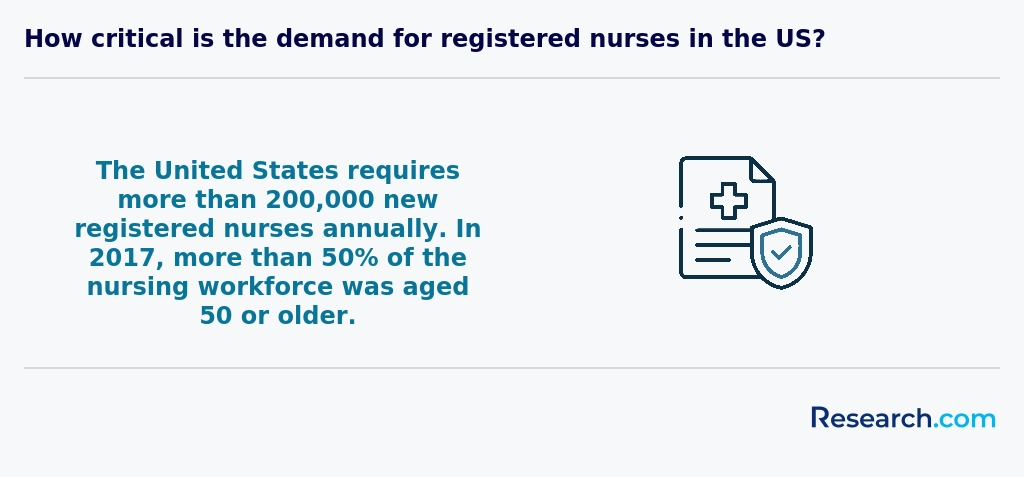
Graduates with an online healthcare degree in St. Louis can explore diverse career paths tailored to the region's dynamic healthcare landscape. Roles such as registered nurses (RNs) remain in high demand, with local institutions supporting programs that help students balance their studies while preparing for licensure exams. Many graduates from well-known St. Louis colleges report satisfaction in entering clinical roles that offer both stability and meaningful patient impact.
Healthcare administration is another promising option, bolstered by a projected 32% national growth rate through 2030. Those pursuing administrative positions benefit from degrees offered by universities in the city, positioning them for hospital, clinic, or insurance company roles. Students often describe the rewarding challenge of managing operations that improve community health outcomes, reflecting the tangible impact of their education.
Public health careers address urban health disparities, and graduates frequently engage in nonprofit or governmental agencies striving to enhance wellbeing in St. Louis neighborhoods. Online programs focusing on public health equip students to make a real difference in combating local chronic illness rates and promoting prevention strategies.
Given the expanding role of technology, health informatics specialists gain critical skills from respected St. Louis institutions to manage vital healthcare data systems. These graduates express enthusiasm over their ability to support efficient care delivery through advanced information management.
For those considering options beyond clinical and administrative roles, exploring trade school career options alongside healthcare degrees can broaden employment prospects. The variety of online healthcare degree career options in St. Louis ensures that students find fulfilling roles aligned with their interests and strengths.
What is the job market for online healthcare degree in St. Louis?
The job market for online healthcare degree graduates in St. Louis is robust, reflecting strong local demand driven by the region's status as a medical hub. Graduates from institutions such as Saint Louis University and the University of Missouri-St. Louis often find rewarding opportunities across diverse healthcare settings, including top hospital systems like BJC HealthCare. Many students appreciate the ability to balance work and study through flexible online programs, which aligns well with the ongoing expansion of outpatient care and telemedicine in the area.
For those exploring online healthcare job opportunities in St. Louis, the retirement of experienced professionals and technological advancements contribute to steady job openings, especially in roles blending clinical expertise with digital skills. Alumni report feeling optimistic about career growth and salary potential, with median wages for registered nurses around $65,000 and even higher for specialized roles.
Such positive outcomes encourage prospective students to consider online degrees offered by local universities, where practical experience and academic knowledge combine effectively. This dynamic has been extensively discussed on anchors part-time Ph.D. in economics, underscoring the region's favorable employment prospects for healthcare graduates.
The St. Louis healthcare degree career outlook, therefore, offers a compelling rationale for enrolling in online programs that enable professional advancement without interrupting current employment.
Frequently Asked Questions About healthcare
Online healthcare degree students in St. Louis can maximize their learning experience by actively engaging with their coursework and utilizing local resources. Participating in virtual study groups and discussion forums fosters interaction, which research shows improves retention and understanding.
Connecting with healthcare organizations in St. Louis, such as BJC HealthCare, offers internship or volunteer opportunities, providing practical experience complementing online studies. According to the St. Louis Economic Development Partnership, healthcare is a leading local employment sector, making real-world exposure valuable.
Additionally, leveraging academic advising services and time management tools helps students balance coursework with personal and professional commitments, enhancing success rates.
Emerging niches within the healthcare field reflect the growing demands for specialized care and advanced technology in St. Louis and beyond. Telehealth and digital health services have seen rapid expansion, with the Missouri Telehealth Network reporting a 50% increase in telemedicine adoption since 2020.
Another key area is health informatics, where professionals manage patient data and improve healthcare delivery using electronic health records and AI tools. The U.S. Bureau of Labor Statistics predicts a 17% growth in health information jobs through 2030.
Additionally, geriatric care is expanding as St. Louis's aging population increases, creating demand for nurses and practitioners specializing in elderly health.
After completing an online healthcare degree in St. Louis, preparing for the job market involves several key steps. First, obtaining necessary certifications or licenses relevant to your healthcare role is crucial. Missouri often requires state-specific credentials, so check with local boards.
Networking within St. Louis healthcare communities can open opportunities. Hospitals like BJC HealthCare and St. Louis University Hospital are major employers. Joining local professional organizations or attending job fairs can help connect with recruiters.
Additionally, gaining practical experience through internships or volunteering boosts your resume. According to the Missouri Economic Research and Information Center, healthcare remains one of the fastest-growing sectors in St. Louis, with strong demand for qualified professionals.
Developing a tailored resume highlighting online education and relevant skills can increase your chances of employment.
Employers in St. Louis highly value healthcare graduates with strong clinical skills and familiarity with electronic health records (EHR). Proficiency in patient care, medical terminology, and healthcare regulations is essential for success in the local job market. According to the Missouri Hospital Association, communication skills rank among the top qualities sought in healthcare professionals.
Critical thinking and problem-solving abilities are increasingly important due to the growing complexity of healthcare systems. Additionally, knowledge of healthcare policies and insurance processes, especially related to Medicare and Medicaid, benefits graduates seeking employment in St. Louis hospitals and clinics.
Interpersonal skills also play a significant role, as collaboration within multidisciplinary teams is common in regional healthcare settings.
Finding internships in St. Louis relevant to a healthcare degree involves leveraging local healthcare institutions and academic resources. St. Louis is home to major hospitals like Barnes-Jewish Hospital and SSM Health, which offer internship and volunteer programs catering to healthcare students.
Students should also explore partnerships through online programs with local clinics and public health organizations, such as the St. Louis County Department of Public Health, which provides opportunities in health education and epidemiology.
Additionally, many universities in the area maintain internship listings and career services tailored to healthcare students. Using platforms like Handshake or Indeed and networking at local healthcare events can increase chances of landing an internship.
According to the Missouri Hospital Association, healthcare jobs in the region are expected to grow by over 12% through 2030, highlighting strong internship potential within the sector.
Obtaining an online healthcare degree can notably enhance career mobility and advancement in St. Louis, a city with a growing healthcare sector. The region employs over 200,000 healthcare workers, reflecting a strong demand for qualified professionals, according to the St. Louis Regional Chamber.
Online degrees offer flexibility for working adults and enable access to accredited programs without relocating. This flexibility allows professionals to upskill while maintaining employment, accelerating their eligibility for higher positions such as nurse managers or health services administrators.
Additionally, online credentials are widely recognized by employers in St. Louis, including major health systems like BJC HealthCare and Mercy, which prioritize advanced education for leadership roles.
According to the U.S. Bureau of Labor Statistics, healthcare occupations in the St. Louis area are projected to grow by 10% through 2030, reinforcing the value of advanced degrees for career growth.
Studying for a healthcare degree in St. Louis offers strong preparation for interdisciplinary roles by emphasizing collaboration across multiple healthcare professions. Local institutions often integrate courses that combine nursing, public health, and healthcare administration to reflect real-world team dynamics.
St. Louis is home to major medical centers like Barnes-Jewish Hospital and Washington University School of Medicine, which influence curricula to meet evolving healthcare demands. The region's growing healthcare sector supports programs that teach communication, leadership, and problem-solving skills essential for interdisciplinary work.
According to the Missouri Department of Health and Senior Services, job growth in healthcare roles requiring cross-disciplinary knowledge is expected to rise by 15% through 2030, highlighting the need for effective teamwork skills cultivated in these programs.
Choosing between a thesis and a non-thesis online healthcare degree program in St. Louis depends on your career goals and learning preferences. Thesis tracks require original research, which suits students aiming for clinical research roles or doctorate-level studies. Non-thesis options focus more on practical skills and coursework, ideal for professionals seeking advancement in healthcare management or administration.
In St. Louis, healthcare employers value both paths; for example, BJC HealthCare often prioritizes candidates with research experience when hiring for specialized roles. According to the Missouri Department of Higher Education, online healthcare programs with thesis options tend to take longer to complete but offer deeper academic training.
Consider your timeline, interest in research, and professional aspirations when deciding between these formats. Exploring programs accredited by the Commission on Accreditation of Allied Health Education Programs (CAAHEP) ensures quality education suitable for the local job market.
Students in St. Louis interested in healthcare degrees abroad have several avenues to explore, even while studying online. Many U.S. universities offer dual or joint programs with international institutions, allowing learners to access global healthcare perspectives without relocating. For example, some programs provide virtual internships or research opportunities facilitated by partnerships with hospitals abroad.
According to the Missouri Department of Higher Education, these collaborations help students gain exposure to diverse healthcare systems. Additionally, St. Louis ranks among the top 50 U.S. cities for healthcare employment, promoting strong local-to-global learning pathways. Accreditation from U.S. and international bodies ensures program quality for online degrees with foreign components.
Part-time job opportunities in St. Louis that complement healthcare degree education are diverse and accessible. Many students find roles as medical assistants, patient transporters, or pharmacy technicians within the city's numerous hospitals and clinics. For example, BJC HealthCare, one of the largest employers in St. Louis, often hires part-time healthcare workers, providing valuable hands-on experience.
Additionally, St. Louis hosts several research institutions, like Washington University School of Medicine, where students can engage in part-time research assistant positions. These roles enhance understanding of clinical practices and biomedical studies.
Front desk or administrative jobs in healthcare settings also build organizational skills essential for future healthcare professionals. Such positions help students balance work with their online studies effectively.
Online healthcare students in St. Louis benefit from strong local and virtual networking opportunities. The city hosts numerous healthcare organizations like BJC HealthCare and SSM Health, which offer virtual seminars and professional events accessible to students. Local chapters of national associations such as the Healthcare Information and Management Systems Society (HIMSS) provide virtual meetups tailored for online learners.
St. Louis also features partnerships between universities and healthcare providers, enabling online students to join professional networks and find mentorship. According to the St. Louis Regional Chamber, healthcare jobs grew by 4.5% in 2023, increasing demand for connected professionals.
Alumni networks provide valuable support for online healthcare degree students in St. Louis by offering professional connections within the local healthcare industry. St. Louis has a strong medical sector, including organizations like BJC HealthCare and SSM Health, which often collaborate with universities. Engaging with alumni can open doors to internships, job placements, and mentorship opportunities. According to the St. Louis Metropolitan Statistical Area data, healthcare employment grew nearly 10% from 2015 to 2022, highlighting expanding opportunities.
These networks also foster peer support during study, helping students navigate coursework and clinical requirements. Alumni events and online forums encourage knowledge sharing and career advice tailored to this region's unique healthcare environment.
Customizing an online healthcare degree program in St. Louis allows students to align their education with specific career objectives. Many universities offer flexible curricula with options to choose concentrations such as health administration, nursing, or public health.
Students can select electives that target emerging fields like telehealth, which is growing rapidly in Missouri. According to the Missouri Hospital Association, nearly 70% of Missouri hospitals expanded telehealth services by 2023, highlighting job growth areas.
Additionally, most programs provide opportunities for internships or practical experiences with local St. Louis healthcare providers. This hands-on training can be tailored to sectors like hospital management or community health, enhancing job readiness.
Advisors often help students design degree plans that combine foundational knowledge with specialized skills, ensuring their studies support their professional goals in St. Louis' diverse healthcare market.
Online healthcare students in St. Louis often face challenges balancing rigorous coursework with work and family duties. Healthcare programs require hands-on clinical experience, which can be difficult to schedule around remote learning. According to the Missouri Department of Higher Education, limited local clinical sites can create competition and delays for students seeking practical placements.
Technical issues are another hurdle, as stable internet and familiarity with digital platforms are essential for success. Some students report feeling isolated without regular in-person interaction, impacting motivation and engagement. Additionally, navigating financial aid and state licensure requirements adds complexity for online learners in the healthcare field.
With an online healthcare degree in St. Louis, you can pursue various professional certifications that enhance your career prospects in the region's growing medical sector. Common certifications include Certified Nursing Assistant (CNA), Registered Health Information Technician (RHIT), and Medical Assistant (CMA). Many graduates also seek credentials such as Certified Professional in Healthcare Quality (CPHQ) or Health Informatics Specialist certifications.
The Greater St. Louis area has reported a 12% growth in healthcare jobs from 2020 to 2025, emphasizing demand for certified professionals (Bureau of Labor Statistics, 2023). These certifications validate skills and are often required for employment in local hospitals and clinics.
Popular certifications correspond to roles like health administration, clinical support, and informatics, reflecting changes in healthcare delivery and technology.
To write a winning application for an online healthcare program in St. Louis, start with a clear, concise personal statement explaining your goals and passion for healthcare. Highlight any relevant experience or volunteer work, especially within the local community, as St. Louis has a strong network of healthcare providers and nonprofit organizations.
Include letters of recommendation from professionals who can attest to your dedication and skills. According to the Missouri Department of Higher Education, healthcare jobs in St. Louis are expected to grow by 18% through 2030, so emphasizing your commitment to this expanding field is vital.
Lastly, ensure your transcripts and certifications are complete and up-to-date, demonstrating your academic readiness for the rigor of an online program.
Healthcare careers are increasingly valued worldwide due to growing populations and aging demographics. In the United States, including St. Louis, healthcare employment is projected to grow 13% from 2021 to 2031, faster than the average for all professions, according to the Bureau of Labor Statistics. Globally, healthcare professions focus on improving patient outcomes, technology integration, and public health strategies.
St. Louis benefits from a strong healthcare infrastructure with institutions like BJC HealthCare and Washington University, which contribute to research and workforce development. This environment supports online healthcare degrees that prepare students for both local and international challenges.
Understanding global healthcare trends helps students appreciate the broader career impacts and opportunities, especially in policy, technology, and patient care innovations relevant both locally and abroad.
Gaining practical experience is vital when pursuing an online healthcare degree in St. Louis. Many programs incorporate clinical placements or internships with local hospitals, clinics, or community health organizations. St. Louis is home to major healthcare systems like BJC HealthCare, which offer affiliate programs that may allow online students to complete hands-on training nearby.
Students can also participate in volunteer opportunities or job-shadowing, providing real-world exposure while studying. According to the Missouri Department of Health, the region has a strong demand for healthcare professionals, which can increase chances for local practical experiences.
Additionally, some programs use simulation labs and virtual reality tools to enhance skill development remotely.
Choosing the right concentration within an online healthcare degree program in St. Louis requires understanding local healthcare needs and job market trends. For example, nursing specialties like informatics and geriatrics are in demand due to the city's aging population and tech-driven medical facilities. The Missouri Economic Research and Information Center reports steady growth in healthcare jobs, especially in allied health roles.
Evaluate your career goals and preferred work environments. Concentrations such as health administration or public health can open doors to leadership positions, while clinical tracks focus on patient care. Research program accreditation and faculty expertise to ensure quality education.
Local healthcare providers like BJC HealthCare influence the skills needed, so align your choice with regional employer expectations and certifications.
Related Healthcare Rankings for Nearby Cities
- 2027 Fastest Online Healthcare Degree Programs Ranking in Saint Charles, MO
- 2027 Fastest Online Healthcare Degree Programs Ranking in Lebanon, IL
- 2027 Fastest Online Healthcare Degree Programs Ranking in Carbondale, IL
- 2027 Fastest Online Healthcare Degree Programs Ranking in Columbia, MO
- 2027 Fastest Online Healthcare Degree Programs Ranking in Peoria, IL
- 2027 Fastest Online Bachelor's in Healthcare Degree Programs Ranking in Springfield, MO
- 2027 Fastest Online Healthcare Degree Programs Ranking in Joliet, IL
- 2027 Fastest Online Healthcare Degree Programs Ranking in Romeoville, IL
- 2027 Fastest Online Healthcare Degree Programs Ranking in Memphis, TN
- 2027 Fastest Online Healthcare Degree Programs Ranking in Hammond, IN
Top Trending Healthcare Rankings
See What Experts Have To Say About Studying Healthcare
Read our interview with Healthcare experts

References
- The Value of Healthcare Organization Alumni Associations https://consultqd.clevelandclinic.org/the-value-of-healthcare-organization-alumni-associations
- Best Practices for Career Development and Advancement in the Healthcare Sector | Generation https://www.generation.org/news/best-practices-for-career-development-and-advancement-in-the-healthcare-sector/
- How to choose a bachelor's in healthcare administration | edX https://www.edx.org/resources/how-to-choose-a-bachelors-in-healthcare-administration
- St. Louis College of Health Careers - missourihealthcareers.com https://missourihealthcareers.com/schools/st-louis-college-of-health-careers/
- Online Healthcare Degree-Accredited Programs https://nursinglicensemap.com/resources/healthcare-degree-programs/
- Saint Louis University Online Nurse Practitioner Programs https://www.npschools.com/profiles/saint-louis-university
- Know more about thesis vs non- thesis: what is the difference? https://studyfans.com/en/blogs/816
- Online Healthcare Degree Programs | University of Phoenix https://www.phoenix.edu/online-healthcare-degrees.html
- 20 healthcare investment niches and 3 things to know: The evolution of ... https://blackbookmarketresearch.com/20-healthcare-investment-niches-and-3-things-to-know-the-evolution-of
- Niche Markets in Healthcare: How to Find & Target https://nechayadvisors.com/blog/niche-markets-in-healthcare