
2027 Best Healthcare Degree Programs Ranking in Conway

Co-Founder and Chief Data Scientist
Choosing the right healthcare degree program can shape your future in meaningful ways. This article introduces the 2027 Best Healthcare Degree Programs Ranking in Conway, developed by the Research.com team of data scientists. Their carefully analyzed data helps you discover which programs stand out in quality and value.
Exploring this ranking empowers you to make an informed decision that aligns with your goals. Pursuing a healthcare degree opens doors to rewarding careers, personal growth, and the chance to make a positive impact. Dive in to find your best path forward.
Key benefits of getting healthcare degree in Conway
- Healthcare degree graduates in Conway can earn competitive salaries, with roles like Patient Care Technician averaging $60,790 annually and Quality Improvement Coordinators earning up to $103,150 per year, making this field financially rewarding.
- Graduates from local colleges often find diverse career paths in clinical support, health information management, or research coordination, providing multiple opportunities to grow and find the right fit for their passions.
- Obtaining a healthcare degree online from a Conway-based university offers flexibility and convenience, allowing students to balance work and study while gaining valuable skills at their own pace.
- Key benefits of getting healthcare degree in Conway
- What can I expect from healthcare degree in Conway?
- Where can I work with healthcare degree in Conway?
- How much can I make with healthcare degree in Conway?
- 2027 Best Healthcare Degree Programs Ranking in Conway
- Key Findings
- How long does it take to complete healthcare degree in Conway?
- Graduate Employment Outcomes and Industry Partnerships
- What's the difference between online and on-campus healthcare degree?
- Accreditation and Licensing Requirements for Healthcare Programs in Conway, AR
- What is the average cost of healthcare degree in Conway?
- Student Life and Campus Community
- What financial aid is available to healthcare degree students in Conway?
- Licensure and Certification Requirements
- What are the prerequisites for enrolling in healthcare degree program in Conway?
- Emerging Trends in Healthcare Education
- What courses are typically in healthcare degree programs in Conway?
- What types of specializations are available in healthcare degree programs in Conway?
- How do you choose the best healthcare degree in Conway?
- What career paths are available for healthcare degree students in Conway?
- What is the job market for healthcare degree in Conway?
- Top Trending Healthcare Rankings
- See What Experts Have To Say About Studying Healthcare
What can I expect from healthcare degree in Conway?
The average cost of a healthcare degree in Conway is notably accessible compared to national averages, largely due to competitively priced tuition at local public colleges. Graduates often remark on how affordable their education felt, especially when balanced with the quality of hands-on training they received through partnerships with institutions like Conway Regional Medical Center. One graduate shared that the reasonable tuition allowed them to focus on mastering skills crucial for the NCLEX rather than stressing over overwhelming debt.
Many healthcare students find that financial aid and scholarships further reduce their expenses, making the journey to becoming a Registered Nurse or Health Information Technician feel achievable. For example, programs at popular colleges in Conway frequently combine theory with clinical placements, all within a cost structure designed to serve a diverse student body without sacrificing educational rigor.
Imagining yourself navigating this path-where affordability meets real-world experience-furthers the excitement of joining Conway's healthcare community. It challenges the notion that quality education must come with a heavy financial burden, opening doors to careers grounded in both compassion and competence.
Where can I work with healthcare degree in Conway?
Graduates with healthcare degrees from institutions like the University of Central Arkansas often find themselves welcomed into a dynamic local job market where hospitals such as Conway Regional Medical Center actively seek skilled professionals. Imagine stepping into a role as a nurse or respiratory therapist in a bustling hospital ward-you quickly realize the direct impact your education has on patient lives every day.
Many healthcare students discover rewarding roles beyond hospitals, in outpatient clinics where a growing Conway population demands specialists in physical and occupational therapy. This is where graduates find fulfillment helping patients regain independence through tailored rehabilitation programs.
Others embrace the meaningful challenges offered by long-term care facilities, working with elderly patients as LPNs or CNAs, building deep connections that extend beyond routine care. The University's emphasis on community health propels some students into public health roles, where they design local programs that visibly improve community wellness.
For those inclined toward academia or research, Conway's institutions offer pathways to contribute to evolving healthcare knowledge, blending compassion with innovation and creating careers filled with purpose and promise.
How much can I make with healthcare degree in Conway?
Graduates from healthcare programs in Conway, including those from the University of Central Arkansas, often find encouraging salary prospects that challenge the notion that starting salaries in healthcare are modest. For example, medical assistants typically earn about $43,350 annually, which can comfortably support everyday living expenses while gaining valuable experience. Patient care technicians enjoy even higher wages near $60,790, demonstrating that hands-on clinical roles in Conway can be financially rewarding early in one's career.
Health information technicians, who play vital roles behind the scenes, earn around $43,380 a year, proving that technical healthcare degrees offer stable, well-paying jobs beyond traditional patient care. Graduates who pursue roles like quality improvement coordinators see this upward trend extend significantly, with mean annual wages around $103,150, reflecting the value of advanced skills acquired at local institutions.
These figures highlight how Conway's healthcare landscape supports diverse career paths that can lead to both fulfilling and financially sustainable futures. Graduates often express pride in their ability to contribute meaningfully to their communities while securing competitive incomes that exceed expectations for a mid-sized city.
2027 Best Healthcare Degree Programs Ranking in Conway
How do we rank schools?
Investing in your education is a significant decision that can profoundly impact your future, and the Research.com team recognizes the importance of providing reliable guidance. To support prospective students in Conway, we have carefully developed the "2027 Best Healthcare Degree Programs Ranking in Conway." Our dedication to quality, credibility, and accuracy is demonstrated through thorough research and rigorous analysis.
We utilized the following reputable data sources to create this ranking:
By consulting this ranking, readers will gain insightful information about the top healthcare degree programs in Conway, enabling well-informed educational choices. For a full explanation of our approach, please visit our Research.com methodology page.


Key Findings
- Healthcare programs in Conway include nursing, medical technology, and health administration, offering associate and bachelor's degrees.
- Tuition for community college healthcare programs ranges from $4,000 to $7,000 per year for in-state students, while four-year universities charge between $8,000 and $15,000 annually.
- Entry-level salaries for healthcare graduates like registered nurses start around $45,000 to $50,000 per year, with mid-career salaries rising to $65,000 to $80,000.
- The healthcare job market in Conway is expected to grow approximately 15% over the next decade, outpacing the national average.
- Many programs include clinical internships or practicum placements that fulfill Arkansas licensure requirements and provide hands-on experience.
How long does it take to complete healthcare degree in Conway?
Completing a healthcare degree in Conway is rarely a one-size-fits-all journey. Graduates from community colleges often share how their two-year associate programs in fields like medical assisting or nursing assistant felt both intensive and rewarding, providing quick entry into the workforce.
Meanwhile, students pursuing a bachelor's degree at popular local universities describe their four-year experience as transformative, blending rigorous coursework with meaningful clinical placements. Some have even accelerated their path to three years by leveraging prior credits, feeling proud of the time saved without sacrificing depth.
For those tackling a master's degree, such as a Master of Science in Nursing, many speak of the two additional years as a crucial period where theory met hands-on practice, equipping them for leadership roles in Conway's healthcare landscape.
Doctoral candidates share that their three to six years of commitment demanded perseverance but offered fulfillment through research and community impact. These real-life experiences highlight how program structure, accreditation, and personal pacing shape the timeline uniquely for every aspiring healthcare professional in Conway.
Graduate Employment Outcomes and Industry Partnerships
Graduates of healthcare degree programs in Conway, AR consistently report high job placement rates-often above 90% within six months of graduation-thanks to robust partnerships with leading local employers such as Conway Regional Health System and Baptist Health Medical Center. These collaborations begin early, with students gaining clinical and administrative experience through internships that frequently convert to full-time roles. For example, students in health information management programs benefit from hands-on rotations in electronic health record departments, positioning them for roles as Health Information Technicians and Data Analysts immediately after graduation. Moreover, many programs offer specialized career services, including resume workshops, mock interviews, and networking events, which connect students directly with hiring managers. Alumni testimonials highlight fast-track hiring initiatives: one recent graduate secured a Patient Care Technician role before commencement through a targeted internship, while another transitioned seamlessly into a Health Information Manager position thanks to mentorship from industry leaders. For those exploring flexible learning options, students interested in cost-effective pathways can consider the most affordable online health information management degree, which combines affordability with accredited coursework and virtual practicums. By leveraging these industry alliances and comprehensive support services, Conway’s healthcare programs ensure that graduates are not only academically prepared but also professionally connected, giving them a competitive edge in a growing job market.
What's the difference between online and on-campus healthcare degree?
Choosing between online and on-campus healthcare degrees in Conway means weighing distinct experiences that shape your future career in different ways. On-campus students at well-known institutions like the University of Central Arkansas enjoy direct, hands-on access to professors and immersive clinical hours at Conway Regional Medical Center. Graduates often recall how these real-time interactions and face-to-face guidance boosted their confidence and readiness for healthcare careers.
Conversely, online learners appreciate the flexible pacing that fits around jobs and family life, a sentiment echoed by many working professionals enrolling at Southern Arkansas University's online programs. Despite the virtual nature, local clinical placements remain mandatory, demanding proactive coordination from students to gain essential hands-on skills. Several graduates highlight how this balance of autonomy with practical work prepares them uniquely for diverse healthcare settings.
Financially, the tangible savings of online programs-estimated by some Conway students to be up to 30% less in tuition-challenge the traditional view that in-person education is the only valuable route. Yet, the shared requirement of accredited clinical training ensures that, regardless of format, students meet rigorous standards recognized in the healthcare industry.
Accreditation and Licensing Requirements for Healthcare Programs in Conway, AR
Ensuring that your chosen healthcare program holds both institutional and programmatic accreditation is critical for licensure eligibility and seamless transfer of credits. In Conway, AR, reputable institutions are accredited by the Southern Association of Colleges and Schools Commission on Colleges (SACSCOC), while specific healthcare tracks receive specialized accreditation from bodies such as:
- Commission on Collegiate Nursing Education (CCNE) for nursing programs
- Commission on Accreditation of Allied Health Education Programs (CAAHEP) for diagnostic and therapeutic services
- Accreditation Council for Occupational Therapy Education (ACOTE) for occupational therapy Graduates of these accredited programs are eligible to sit for national certification exams-such as the NCLEX-RN for registered nurses or the ARDMS exams for diagnostic medical sonographers-required by the Arkansas State Board of Nursing and the Arkansas State Medical Board. Average first-time NCLEX-RN pass rates in Conway exceed 90%, reflecting strong program quality and rigorous clinical training. Before enrolling, verify that clinical practicum sites meet both academic and state board standards, and confirm the program’s published licensure exam pass rates. While accreditation assures educational excellence, it’s also wise to compare overall program costs. For an affordability benchmark, review our Most Affordable Online Master's in Healthcare Degree Programs Ranking in Greenville, NC to gauge how Conway programs align with broader tuition trends.
What is the average cost of healthcare degree in Conway?
The average cost of a healthcare degree in Conway offers a mix of challenge and opportunity. While the median total cost hovers around $29,087, in-state students often experience a notably lower financial burden, with median costs near $15,926. Graduates from institutions like the University of Central Arkansas relay stories of managing these expenses through a combination of scholarships and part-time work, which makes the investment feel more attainable and worthwhile.
When considering Conway healthcare degree tuition and fees, one must think beyond mere numbers. Many students pursuing nursing or allied health degrees grapple with the balance of tuition payments and living expenses, yet find encouragement in the career stability and personal fulfillment healthcare roles provide. Private colleges often bring higher price tags, but their graduates highlight the enhanced networks and resources which sometimes justify the greater upfront cost in the long run.
Some local students reflect on the unexpected extra costs tied to clinical hours and certification exams, expenses that add layers of realism to the financial planning needed. Yet for many, the rewarding sense of entering a caring profession and the steady demand in the healthcare sector make every dollar spent feel like an investment in a meaningful future. Those intrigued by specialized fields may want to explore the role of fertility nurses, a niche growing in both challenge and demand within Conway.

Student Life and Campus Community
Navigating your journey through a healthcare degree isn’t solely about academics-it’s also about the enriching experience of campus life and community engagement in Conway, AR. Students benefit from an environment where supportive faculty, extracurricular activities, and local partnerships converge to build both professional networks and lasting friendships. Many institutions offer a vibrant array of student clubs, mentorship programs, and wellness initiatives that not only foster academic success but also promote holistic well-being. For example, engaging in peer-led study groups, athletic events, or community service projects provides firsthand insight into the local culture and the healthcare industry's collaborative spirit. Additionally, local resources such as affordable housing options and community centers enhance the overall college experience, making it easier for students to balance personal and academic growth. This supportive backdrop is especially beneficial for those looking into cheapest healthcare programs in arkansas, where affordability is paired with an environment conducive to success. Embracing all aspects of student life can ultimately prepare you not just for a successful career in healthcare, but also for life-long personal development and community involvement.
What financial aid is available to healthcare degree students in Conway?
Many healthcare students at popular Conway colleges find the financial aid landscape both promising and complex. Federal aid, accessed through FAFSA, opens doors to Pell Grants that can cover up to $7,395 annually, often the difference between worry and relief for students balancing tuition and daily expenses. Graduates recall how these grants eased their path through rigorous nursing and allied health programs at institutions like the University of Central Arkansas, allowing them to focus on studies rather than finances.
State scholarships such as the Arkansas Academic Challenge and Workforce Challenge also play a vital role, rewarding dedication with support but demanding steady academic performance. Local healthcare organization scholarships offer tailored opportunities, often based on community involvement, further personalizing financial support within Conway's unique healthcare ecosystem.
Federal Direct Loans remain a cautious option, frequently employed but carefully weighed against future repayment. Some students working at Conway hospitals benefit from tuition reimbursement programs that reward commitment to local healthcare, transforming employment into a strategic funding source and fostering a deeper sense of purpose.
By weaving together grants, scholarships, loans, and employer aid, Conway's healthcare students craft financial strategies that empower both their education and aspirations.
Licensure and Certification Requirements
Graduates must secure state licensure or national certification to practice in Conway, AR. Common pathways include:
- Licensed Practical Nurse (LPN): complete an accredited program and pass the NCLEX-PN exam through the Arkansas State Board of Nursing. Explore accelerated lpn programs for faster entry.
- Registered Nurse (RN): earn an associate or bachelor’s degree in nursing, pass the NCLEX-RN exam, then apply for licensure with the state board.
- Health Information Technician: graduate from an AHIMA-accredited program and pass the RHIT certification exam.
- Patient Care Technician (PCT): obtain a PCT certificate and consider the NHA’s CPCT exam for national certification.
Most Arkansas licenses require renewal every two years and completion of continuing education credits to maintain full practice rights.
What are the prerequisites for enrolling in healthcare degree program in Conway?
In Conway, enrolling in a healthcare degree program demands more than just a high school diploma; it requires a robust foundation in science and math, something many successful graduates from the University of Central Arkansas often recall as vital. Imagine sitting in a biology lecture, recalling how your prior passion for chemistry and algebra prepared you to excel-this preparation isn't just academic, it's empowering.
Many students embarking on nursing or medical laboratory sciences paths share how completing college-level courses like anatomy and microbiology created a real sense of confidence when clinicals began. These prerequisites, coupled with CPR certification and sometimes background checks, aren't bureaucratic hurdles but stepping stones that affirm readiness to care for others responsibly.
Some peers reflect on their test-optional admissions experience, grateful for schools evolving with the times yet acknowledging that solid academic credentials still give an undeniable edge. Volunteering at local healthcare centers before starting the program turns theory into tangible empathy, deepening commitment.
In Conway's competitive healthcare landscape, these thoughtfully structured prerequisites ensure students don't just get in-they thrive, ready to face real-world challenges with both skill and heart.

Emerging Trends in Healthcare Education
The healthcare education landscape is evolving rapidly to meet the demands of modern patient care and technological innovation. Institutions in Conway, AR, are increasingly incorporating advanced digital tools, telemedicine practices, and simulation-based learning to create a more dynamic and interactive experience. For instance, many programs now feature virtual reality simulations and online collaboration tools that mirror the real-world conditions of clinical environments, ensuring that students are well-prepared for today's fast-paced healthcare settings. In addition, specialized training in diagnostic imaging and therapy is emerging as a key component of many curricula. As digital health solutions continue to reshape the field, students have the opportunity to engage in hybrid learning models that combine traditional classroom instruction with online modules. For prospective students interested in cutting-edge audio-visual diagnostics, exploring options through resources like the best online ultrasound tech school can provide valuable insights into remote learning innovations. This forward-thinking approach not only enhances the learning experience but also aligns graduates with the evolving needs of the healthcare industry, giving them a competitive edge in a rapidly changing job market.
What courses are typically in healthcare degree programs in Conway?
Healthcare degree programs in Conway immerse students in courses that form the very foundation of medical understanding and patient care. Graduates from Conway-based universities often reflect on how anatomy and physiology courses gave them an eye-opening grasp of the body's complexities, turning abstract textbook pages into vivid mental maps of organs and systems. This foundational knowledge is crucial, yet it's just the beginning.
Microbiology and medical terminology classes are equally transformative, familiarizing students with invisible threats like bacteria and viruses while building the language healthcare professionals rely on. One graduate recalled how learning pharmacology illuminated the delicate dance of medications in the body, deepening their respect for safe drug administration.
Ethics and law courses challenge students to think beyond science-patient confidentiality and legal accountability become personal responsibilities, not distant rules. Practical classes in clinical skills and health informatics bridge theory with real moments, such as navigating electronic health records in local clinics that Conway students often intern at, anchoring abstract knowledge in hands-on experience.
What types of specializations are available in healthcare degree programs in Conway?
Exploring healthcare degree specializations in Conway reveals a spectrum of paths tailored to diverse passions and industry needs. Graduates from popular colleges often recall how nursing tracks, including registered nursing and nurse practitioner roles, provided not only clinical expertise but also a profound sense of purpose amid Arkansas's rising demand for healthcare professionals. For others, diving into Medical Laboratory Technology turned abstract science into tangible impact, with hands-on work that felt like solving critical health puzzles in real time.
Health Information Management, a field sometimes overlooked, captured the interest of students who appreciated safeguarding patient data while influencing healthcare outcomes behind the scenes. Radiologic Technology graduates reflect on the thrill of mastering imaging equipment that literally brings hidden injuries to light, affirming their role in diagnostic precision. Meanwhile, public health aspirants embraced the challenge of shaping healthier communities in Conway, engaging in initiatives that felt immediate and consequential.
Such Conway healthcare programs and specialties energize students by blending expert-led instruction with real-world applications. Many find inspiration through clinical experiences and even explore nursing education pathways that expand their horizons beyond traditional classroom boundaries.
How do you choose the best healthcare degree in Conway?
Choosing the best healthcare degree in Conway isn't just about picking the program with the highest prestige or lowest tuition. Graduates from the University of Central Arkansas often share how hands-on clinical opportunities within local hospitals were the real game-changer, giving them confidence before entering the workforce. The true value lies in programs that integrate practical experience deeply into the curriculum, which is especially vital for anyone pursuing healthcare degrees here.
Affordability doesn't always equal value either. While Conway offers affordable healthcare degrees in Conway priced between $7,500 and $10,000 per year, programs with strong community partnerships and above-average licensure exam pass rates create a pathway to not only knowledge but meaningful employment. One graduate recalled how these connections helped secure their first job quickly after graduation.
Reflecting beyond Conway, those considering specialization or advanced roles might explore nurse practitioner degrees illinois research opportunities to compare options and broaden their perspective. Deciding on a healthcare degree requires probing beyond surface costs or rankings-understand how each program supports you in real-world settings and boosts your future career satisfaction.
What career paths are available for healthcare degree students in Conway?
Graduates holding healthcare degrees in Conway find themselves at the intersection of opportunity and community impact. The regional demand for healthcare professionals fuels a diversity of career paths, from Registered Nurses earning an average of $60,000 annually to healthcare informatics specialists shaping the future of patient data management. Many students from popular colleges in Conway recall their clinical placements at Conway Regional Health System, where hands-on experience turned textbook knowledge into real-world confidence.
Exploring healthcare career opportunities in Conway means considering roles beyond traditional nursing, such as medical and health services management or allied health positions like physical therapy assistants. These graduates often share how local internships strengthened their ability to lead and innovate within healthcare facilities, a critical asset in a growing market.
For those eyeing advanced clinical roles, some choose to advance through affordable adn to msn programs affordable in the area, propelling their careers while remaining connected to their community. The top healthcare jobs in Conway Arkansas thus reflect a vibrant ecosystem where education and employment prospects meld seamlessly.

What is the job market for healthcare degree in Conway?
The healthcare job opportunities in Conway are notably promising, fueled by a regional population that is aging and steadily increasing. Graduates with healthcare degrees from popular local colleges often share stories of seamless transitions into roles at well-established facilities like St. Vincent Health System. These roles range from registered nurses to health administrators, reflecting the diverse employment outlook in Conway's healthcare sector.
Many graduates find that Conway's healthcare employers not only provide steady employment but also competitive salaries and chances for advancement, which challenges the misconception that smaller cities lack substantial career growth. When graduates step into positions at CHI St. Vincent Morrilton, they often highlight the supportive workplace culture and community connection, which enriches job satisfaction far beyond the paycheck.
Those weighing costs will appreciate that Arkansas offers some of the cheapest healthcare programs in arkansas, making a degree more attainable while opening doors locally. This affordability combined with strong demand creates a fertile environment for success in the Conway medical degree employment outlook.
Frequently Asked Questions About healthcare
Healthcare degree students in Conway can maximize their learning experience by engaging in both classroom and practical training opportunities. Participating in local clinical rotations at facilities like Conway Regional Health System provides valuable hands-on experience, which complements academic studies. According to data from the Arkansas Department of Higher Education, students who complete internships or practicums in healthcare settings improve their job placement rates by over 20%.
Additionally, joining student organizations related to healthcare can help build professional networks and develop leadership skills. Utilizing campus resources such as tutoring centers and faculty office hours enhances understanding of complex medical topics. Staying informed about advances in healthcare through journals and seminars also enriches the educational experience.
The healthcare field in Conway is rapidly evolving, with emerging niches offering new opportunities for students pursuing degrees. One growing area is telehealth, which has expanded access to remote patient care, a trend accelerated by recent technological advances and the COVID-19 pandemic.
Another promising niche is health informatics, combining healthcare and data management. Graduates skilled in informatics can support Conway's hospitals and clinics in improving patient outcomes through data analysis.
Additionally, the demand for geriatric care specialists is rising, reflecting Conway's aging population. Careers in mental health and substance abuse counseling also show notable growth, addressing increasing community needs in these areas. Sources include the U.S. Bureau of Labor Statistics and Arkansas Department of Health reports.
After earning a healthcare degree in Conway, preparing for the job market involves several focused steps. First, securing relevant clinical experience through internships or volunteer opportunities greatly enhances employability. According to the Arkansas Department of Health, hands-on experience is crucial in local healthcare roles.
Networking also plays a key role. Engaging with local healthcare organizations, such as Conway Regional Health System, provides connections that can lead to job openings. Additionally, obtaining certifications like CPR or specialty credentials increases competitiveness.
Finally, tailoring resumes and practicing interviews for healthcare settings in Conway can improve job prospects. The city's healthcare sector has grown by 3.5% annually, indicating steady demand for qualified graduates.
Employers in Conway seek healthcare graduates who combine technical knowledge with strong interpersonal skills. According to the Arkansas Department of Health, critical skills include clinical competence, patient communication, and teamwork. Healthcare facilities emphasize graduates' abilities to adapt to fast-changing medical technologies and maintain attention to detail. Additionally, proficiency in electronic health records (EHR) systems is increasingly crucial, given Conway's growing investment in digital health infrastructure.
Problem-solving and critical thinking skills are vital for addressing complex patient needs efficiently. Employers also value cultural sensitivity and ethical judgment, ensuring quality patient care in diverse communities. These skills align with national trends reported by the Bureau of Labor Statistics on healthcare employment.
Finding internships in Conway relevant to a healthcare degree typically involves leveraging local healthcare facilities and educational institutions. Conway is home to several hospitals and clinics, such as Conway Regional Medical Center, that offer internship opportunities for students pursuing healthcare careers. Contacting these organizations directly or visiting their websites can provide valuable information about current openings.
Colleges in Conway often partner with healthcare providers to facilitate internships. For example, the University of Central Arkansas encourages students to explore placements in nearby medical centers. Additionally, healthcare job boards, such as those maintained by the Arkansas Department of Health, list internships and externships available throughout the region.
Networking at local healthcare events or joining relevant student organizations can also increase chances of securing an internship. Research from the National Association of Colleges and Employers shows that over 60% of healthcare students find internships through connections and academic partnerships.
Obtaining a healthcare degree in Conway significantly enhances career mobility and advancement opportunities. The healthcare sector in Conway is expanding, with a reported 15% growth in medical jobs projected through 2030 by the U.S. Bureau of Labor Statistics. This growth increases demand for qualified professionals, making degree holders more competitive. Employers highly value formal education when considering promotions or specialized roles.
A healthcare degree provides essential knowledge and skills, enabling graduates to pursue various paths, such as nursing, medical technology, or health administration. Additionally, higher education credentials often lead to better salaries and job stability within Conway's healthcare systems, including local hospitals and clinics.
According to the Arkansas Department of Workforce Services, candidates with advanced degrees or certifications are 30% more likely to move into supervisory or management positions. Therefore, a healthcare degree not only opens doors but also supports long-term career development in Conway's growing medical community.
Studying for a healthcare degree in Conway offers strong preparation for interdisciplinary roles due to its focus on collaborative learning and practical experience. Local programs emphasize teamwork skills, critical for integrating care across multiple health professions such as nursing, social work, and public health. Clinical placements in Conway's diverse healthcare settings provide students with real-world exposure to interdisciplinary teams, enhancing their ability to communicate and coordinate with various specialists.
According to the Arkansas Department of Higher Education, healthcare programs in Conway see over 70% of graduates entering team-based roles within two years. This reflects a growing demand for professionals skilled in holistic and coordinated care approaches in the region.
Choosing between a thesis and a non-thesis healthcare degree program in Conway depends largely on your career goals and learning preferences. Thesis programs require conducting original research, which suits those interested in academic or research careers. In contrast, non-thesis programs focus on coursework and practical skills, appealing to students aiming for clinical or administrative roles.
Healthcare degrees with thesis options in Conway often collaborate with local hospitals and research centers, offering hands-on experience. According to the Conway Regional Health System, about 35% of healthcare graduates pursue research roles, highlighting thesis relevance locally.
Non-thesis programs typically require fewer credit hours and allow faster completion, beneficial for working professionals.
Students based in Conway have several options for pursuing healthcare degrees abroad, often starting with exchange programs from local universities like the University of Central Arkansas. These programs partner with institutions in countries such as the United Kingdom, Australia, and Canada, offering healthcare-focused coursework and clinical experience. Moreover, U.S. students may apply directly to foreign universities that provide accredited nursing, public health, or medical degrees recognized by U.S. licensing boards.
Financial aid and scholarships specifically for study abroad in healthcare fields are available through federal programs and private foundations. It is essential to verify that international degrees meet U.S. credentialing requirements for healthcare professions before enrollment to ensure licensure compatibility after graduating.
For students pursuing healthcare degrees in Conway, part-time jobs in local medical facilities offer valuable experience. Positions such as medical assistants, patient care technicians, and phlebotomy aides are commonly available. These roles enhance practical skills alongside academic learning.
Conway's healthcare industry employs over 2,500 professionals, with many providers open to flexible, part-time roles for students (U.S. Bureau of Labor Statistics, 2023). Working in clinics or hospitals like Conway Regional Health System allows students to observe real patient care environments.
Other opportunities include administrative support in health offices or volunteering in community health programs. These roles help build communication and organizational abilities vital in healthcare careers.
Healthcare students in Conway benefit from various networking opportunities that can significantly impact their educational and professional journeys. Local colleges, including the University of Central Arkansas, frequently host healthcare-focused events such as career fairs, guest lectures, and workshops. These events enable students to connect with healthcare professionals from nearby hospitals and clinics, including Conway Regional Medical Center.
Additionally, students can join student organizations related to healthcare, which often collaborate with local health systems for community outreach and professional networking. Internships and volunteer programs available in Conway's growing medical sector also provide practical experience and valuable contacts. According to the Arkansas Department of Health, Conway saw a 4.5% growth in healthcare jobs from 2020 to 2023, increasing networking chances for students locally.
Alumni networks are a vital resource for healthcare degree students in Conway, providing access to experienced professionals who understand the local healthcare landscape. These networks offer mentorship opportunities that can guide students through clinical placements and job searches. Healthcare employers in Conway often prioritize graduates connected to established alumni, boosting students' employment prospects. According to the Arkansas Department of Health, healthcare employment in Conway has grown by 8% over the past five years, increasing demand for well-networked professionals.
Membership in alumni networks also facilitates skill-building through workshops and seminars tailored to Conway's healthcare needs, enhancing students' readiness. Furthermore, alumni events promote professional collaboration, enabling students to form partnerships and gain insights into emerging local healthcare trends.
Customizing your healthcare degree program in Conway allows you to align your education with specific career goals within the growing local medical industry. Many institutions offer electives and specializations in nursing, public health, healthcare administration, and medical technology. This flexibility helps you gain expertise related to Conway's healthcare needs, such as elder care or rural health services.
Internships and clinical rotations provide hands-on experience at local hospitals like Conway Regional Medical Center, enhancing practical skills and networking. Additionally, some programs permit part-time study or online courses to accommodate working students, improving accessibility and personalization.
Consult academic advisors early to map your curriculum strategically, ensuring it meets state licensure requirements and industry standards.
Healthcare students in Conway often face significant challenges balancing rigorous coursework with clinical hours. Programs typically demand over 1,000 clinical practice hours, which can be difficult to manage alongside part-time jobs or family responsibilities. Many students report stress related to time management and the pressure to maintain high academic standards.
Access to clinical placements in Conway can also be limited due to a competitive healthcare environment, with local hospitals and clinics prioritizing their own staff and experienced students. This scarcity sometimes delays program completion or forces students to travel further for training.
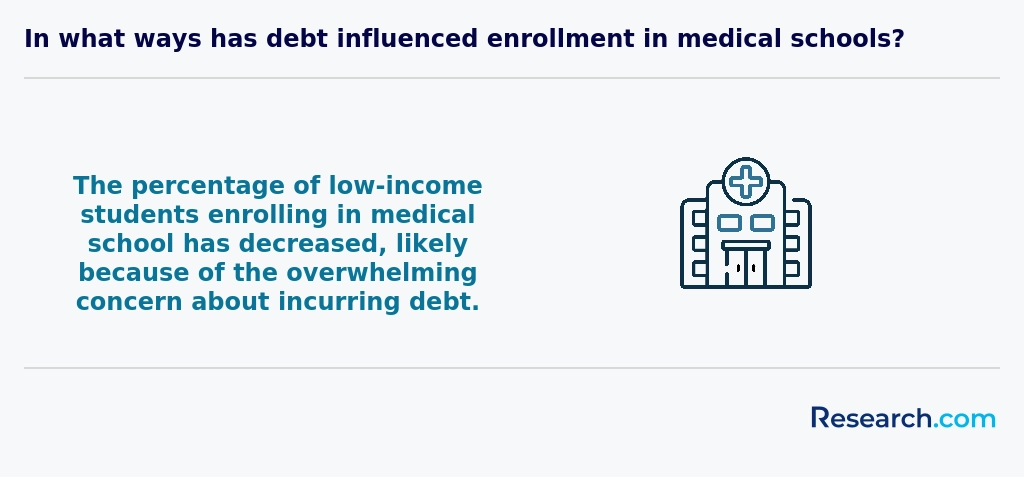
Financial concerns are another common issue. According to the U.S. Department of Education, the average debt for healthcare graduates in Arkansas is $30,000, which affects many Conway students. Additionally, the requirement for certification exams after graduation adds further financial and academic pressure.
With a healthcare degree in Conway, graduates can pursue various professional certifications to enhance their careers. Common options include Certified Nursing Assistant (CNA), Registered Nurse (RN), and Licensed Practical Nurse (LPN), depending on the degree level and program focus. For those interested in allied health, certifications such as Medical Assistant (CMA), Pharmacy Technician (CPhT), and Emergency Medical Technician (EMT) are available.
Advanced certifications like Certified Health Education Specialist (CHES) or Certified Clinical Research Coordinator (CCRC) offer further specialization. These certifications are recognized by employers throughout Arkansas and are essential for career advancement. According to the Arkansas Department of Health, certified professionals in Conway experience higher employment rates and competitive salaries.
Writing a winning application for a healthcare program in Conway requires clear focus and careful preparation. Start by researching the specific programs, as Conway offers various healthcare degrees through institutions like the University of Central Arkansas. Tailor your personal statement to highlight relevant experiences, such as volunteering in local clinics or internships, which demonstrate your dedication to healthcare careers.
Include strong letters of recommendation from professionals who know your skills and commitment. Many programs value applicants with hands-on experience and good academic performance in science courses. According to the Arkansas Department of Higher Education, healthcare fields like nursing and allied health are in high demand locally, making competitive applications essential.
Finally, ensure your application is complete and free of errors, meeting all deadlines. These steps improve your chances of acceptance into Conway's healthcare programs.
The healthcare field is recognized globally as a vital and rapidly growing sector. In the United States, and specifically in Conway, Arkansas, healthcare careers offer diverse opportunities shaped by technological advances and aging populations. According to the U.S. Bureau of Labor Statistics, healthcare occupations are projected to grow 13% from 2021 to 2031, much faster than average.
Globally, there is increasing demand for skilled healthcare professionals due to rising chronic diseases and public health challenges. Pursuing a healthcare degree in Conway positions students to contribute locally while being part of a worldwide workforce.
Internationally, the emphasis on evidence-based medicine and interprofessional collaboration is influencing U.S. healthcare education standards as well, including programs offered near Conway.
Gaining practical experience while studying for a healthcare degree in Conway is vital for career readiness. Many programs include clinical rotations or internships as part of their curriculum, allowing students to work in local hospitals, clinics, or long-term care facilities. For example, students attending the University of Central Arkansas often participate in hands-on training at Conway Regional Medical Center, one of the area's largest healthcare providers.
This real-world exposure helps develop essential skills, such as patient interaction and technical procedures, while meeting degree requirements. Additionally, joining local healthcare associations or volunteering with community health programs can provide valuable experience. According to the Arkansas Department of Health, volunteering improves understanding of public health needs in Conway.
Choosing the right concentration within a healthcare degree program in Conway begins with understanding your career goals and local market demands. Conway's healthcare industry is growing steadily, driven by expanding medical facilities and an aging population. According to the Arkansas Department of Health, employment for healthcare practitioners in the region is expected to grow by over 15% through 2030.
Students should evaluate concentrations like nursing, healthcare administration, or medical technology based on both personal interest and job prospects. For example, nursing remains one of the highest-demand fields locally, with multiple hospitals and clinics recruiting actively.
Additionally, seeking programs accredited by recognized bodies ensures quality education aligned with industry standards. Consulting faculty advisors and local workforce data can guide your decision effectively.
Related Healthcare Rankings for Nearby Cities
- 2027 Best Healthcare Degree Programs Ranking in Little Rock
- 2027 Best Healthcare Degree Programs Ranking in Springfield
- 2027 Best Healthcare Degree Programs Ranking in Memphis
- 2027 Best Healthcare Degree Programs Ranking in Columbia
- 2027 Best Healthcare Degree Programs Ranking in Saint Louis
- 2027 Best Healthcare Degree Programs Ranking in Oklahoma City
- 2027 Best Healthcare Degree Programs Ranking in Dallas
- 2027 Best Healthcare Degree Programs Ranking in Denton
- 2027 Best Healthcare Degree Programs Ranking in Fort Worth
- 2027 Best Healthcare Degree Programs Ranking in Hattiesburg
Top Trending Healthcare Rankings
See What Experts Have To Say About Studying Healthcare
Read our interview with Healthcare experts

References
- Networking and Mentorship During Clinical Rotations https://rotatingroom.com/blog/medical-students-the-importance-of-networking-mentorship-during-your-clinical-rotations
- How to Find Healthcare Internships: A Step-by-Step Guide for Students and New Graduates https://hipaatraining.net/how-to-find-healthcare-internships-a-step-by-step-guide-for-students-and-new-graduates
- MSN Admission Requirements https://nursing.catholic.edu/programs-admission/graduate-programs/complex-healthcare-systems-administration-msn/msn-admission-requirements
- Global Health Perspectives https://globalhealthperspectives.com/
- Niche Markets in Healthcare: How to Find & Target https://nechayadvisors.com/blog/niche-markets-in-healthcare
- Explore Healthcare Admin Degree Concentrations https://www.baypath.edu/news/bay-path-university-blogs/post/explore-healthcare-admin-degree-concentrations/
- 10 Skills Employers Are Looking for in Healthcare Management Jobs https://www.aiuniv.edu/blog/10-top-skills-for-healthcare-management-jobs
- Online Healthcare Degree-Accredited Programs https://nursinglicensemap.com/resources/healthcare-degree-programs/
- 1+ Healthcare Cover Letter Examples (with In-Depth Guidance) https://www.tealhq.com/cover-letter-examples/healthcare
- University of Central Arkansas | UCA https://uca.edu/healthsci/undergraduate/healthpromotion/


