
2027 Best Healthcare Degree Programs Ranking in Columbia

Co-Founder and Chief Data Scientist
Choosing the right healthcare degree program can shape your future and open doors to rewarding career opportunities. This article introduces the 2027 Best Healthcare Degree Programs Ranking in Columbia, developed by the Research.com team of data scientists to help you make informed decisions.
By exploring this ranking, you'll discover which programs stand out for quality and outcomes. Whether you're starting a new journey or aiming to advance your skills, understanding your options is crucial.
Investing in a healthcare degree means investing in a meaningful, impactful career that truly makes a difference.
Key benefits of getting healthcare degree in Columbia
- Healthcare degree graduates in Columbia can expect competitive salaries, such as Medical Assistants earning around $43,350 annually and Patient Care Technicians making approximately $60,790 per year, offering strong financial stability.
- Graduates have diverse career paths including clinical roles, health information technology, and research coordination, reflecting opportunities seen by alumni from popular Columbia institutions like the University of South Carolina.
- Online healthcare degrees provide flexibility and convenience, allowing students to balance work and study effectively, as demonstrated by successful graduates from Columbia's WellStar School of Nursing who transitioned smoothly into their careers.
- Key benefits of getting healthcare degree in Columbia
- What can I expect from healthcare degree in Columbia?
- Where can I work with healthcare degree in Columbia?
- How much can I make with healthcare degree in Columbia?
- 2027 Best Healthcare Degree Programs Ranking in Columbia
- Key Findings
- How long does it take to complete healthcare degree in Columbia?
- Financial Aid and Scholarship Opportunities
- What's the difference between online and on-campus healthcare degree?
- Financial Aid and Scholarship Opportunities: Navigating Your Funding Options
- What is the average cost of healthcare degree in Columbia?
- Financial Aid and Scholarship Opportunities
- What financial aid is available to healthcare degree students in Columbia?
- Financial Aid and Scholarship Opportunities
- What are the prerequisites for enrolling in healthcare degree program in Columbia?
- Financial Aid and Scholarship Opportunities
- What courses are typically in healthcare degree programs in Columbia?
- What types of specializations are available in healthcare degree programs in Columbia?
- How do you choose the best healthcare degree in Columbia?
- What career paths are available for healthcare degree students in Columbia?
- What is the job market for healthcare degree in Columbia?
- Top Trending Healthcare Rankings
- See What Experts Have To Say About Studying Healthcare
What can I expect from healthcare degree in Columbia?
The average cost of a healthcare degree in Columbia typically ranges between $9,000 and $12,000 per year for in-state students attending public four-year institutions. Graduates from well-known colleges often share how managing tuition alongside living expenses can feel challenging at first, but many find that scholarship opportunities specifically aimed at healthcare students make a big difference in easing financial pressure.
Private institutions generally charge higher tuition, yet they frequently provide targeted financial aid or payment plans designed to help healthcare students stay on track without accumulating overwhelming debt. For example, students pursuing nursing or healthcare administration degrees at popular universities appreciate the flexibility of part-time or accelerated programs that let them balance work and study.
Many graduates highlight the value of investing in accredited programs with strong clinical components, as hands-on experience gained through clinical rotations significantly enhances job readiness and confidence. Understanding the total costs early and exploring available funding options can empower students to approach their healthcare education in Columbia with optimism and clear financial planning.
Where can I work with healthcare degree in Columbia?
Graduates with healthcare degrees in Columbia find diverse and rewarding career paths across the city's expanding medical landscape. Many secure roles in major hospitals like University Hospital or Women's and Children's Hospital, taking on jobs in nursing, clinical technology, and health administration.
Others step into outpatient care centers, working as physical or occupational therapists and medical assistants. These centers have grown rapidly, offering steady opportunities for hands-on patient care, as many healthcare students from the University of Missouri have reported fulfilling experiences helping patients regain mobility and independence.
Public health organizations and government agencies such as the Boone County Health Department also actively recruit graduates who want to impact community wellness through epidemiology and health education programs. Graduates often describe a strong sense of purpose contributing to local health initiatives and managing public health challenges.
Home healthcare is another rapidly growing sector, ideal for healthcare professionals passionate about supporting elderly or chronically ill patients in their homes, reflecting the nationwide demand seen by Columbia students pursuing this path.
Finally, for those inclined toward research and education, Columbia's universities provide opportunities to contribute to innovative medical research and teach future healthcare workers, blending academic rigor with community impact.
How much can I make with healthcare degree in Columbia?
Graduates from healthcare programs in Columbia can expect competitive salaries that reflect their skills and training. For example, Medical Assistants typically earn a mean annual wage of $43,350, while Patient Care Technicians enjoy higher pay at around $60,790 per year. Health Information Technicians start with salaries near $43,380 annually, showcasing the variety of roles available with a healthcare degree.
Those aiming for administrative or coordination roles, like Clinical Research or Quality Improvement Coordinators, can expect significant earning potential. Clinical Research Coordinators have mean annual wages of about $43,350, similar to Medical Assistants, but Quality Improvement Coordinators earn substantially more, with mean salaries near $103,150. Graduates from institutions like the University of Columbia or Columbia Technical College find these roles appealing due to strong local healthcare networks and internship opportunities.
Many graduates recall starting in hands-on patient care positions, gaining confidence and experience, and then advancing into higher-paying coordinator roles. This stepwise growth, supported by continuing education or certifications, enables sustainable career progression and financial stability in Columbia's healthcare sector.
2027 Best Healthcare Degree Programs Ranking in Columbia
How do we rank schools?
Investing in your education is a significant decision that can shape your future, and the Research.com team understands the importance of making informed choices. To assist prospective students in Columbia, we have meticulously developed the "2027 Best Healthcare Degree Programs Ranking in Columbia." Our dedication to quality, credibility, and accuracy is demonstrated through the rigorous research and analysis underpinning this ranking.
We utilized the following reputable data sources to ensure a comprehensive evaluation of healthcare programs:
By exploring this ranking, readers will gain valuable insights into the top healthcare degree programs in Columbia, enabling them to make well-informed decisions about their educational and professional futures. For more information on how this ranking was created, please visit our Research.com methodology page.


Key Findings
- Tuition for healthcare degrees in Columbia ranges from $8,000 to $14,000 per year at public colleges and $20,000 to $35,000 at private institutions.
- Additional costs include books, supplies, and clinical fees, which may add several thousand dollars to the total expenses.
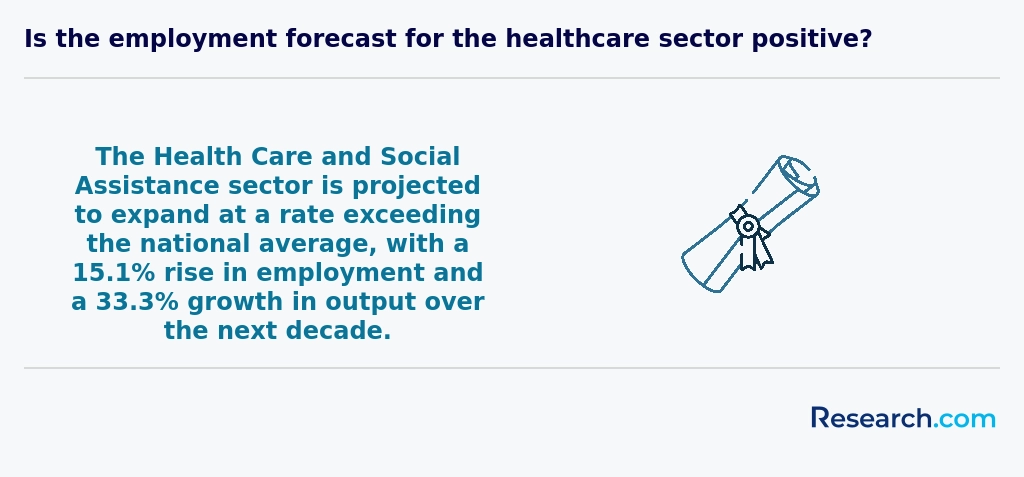
- The healthcare job market in Columbia is expected to grow by about 15% over the next decade, driven by an aging population and increased demand for services.
- Entry-level salaries for healthcare roles typically start between $45,000 and $55,000 annually, while advanced positions can earn from $65,000 to over $100,000.
- Healthcare careers in Columbia offer good long-term salary growth, job stability, and are generally resistant to economic downturns.
How long does it take to complete healthcare degree in Columbia?
Completing a healthcare degree in Columbia typically requires a clear plan and commitment. Undergraduate programs, like the Bachelor of Science in Nursing (BSN) or Health Science at local universities, usually take about four years of full-time study. Many graduates from these programs share how balancing coursework with part-time jobs helped them manage tuition costs while gaining valuable experience.
For those pursuing advanced roles, such as a Master of Science in Nursing (MSN) at Columbia's respected graduate schools, the commitment extends by around two years. Students often appreciate programs that integrate supervised clinical hours, making the effort feel rewarding and directly relevant to their future careers.
Medical degrees demand a longer journey-four years of medical school post-bachelor's followed by three to seven years of residency. Local medical centers in Columbia offer residencies that immerse graduates in real-world patient care, fueling their passion and confidence.
Flexible options like part-time study or certificate programs through community colleges allow students to tailor their pace. These paths, lasting one to two years, provide practical entry points into healthcare work without overwhelming schedules.
Financial Aid and Scholarship Opportunities
Navigating the cost of a healthcare degree in Columbia, MO can be daunting, but a variety of financial aid options and scholarships are available to ease the burden. First, completing the FAFSA (Free Application for Federal Student Aid) is essential to access federal grants such as the Pell Grant, which awards up to $7,395 per year based on financial need. State-specific grants like the Missouri A+ Scholarship can cover tuition for qualifying high school graduates who maintain a 2.5 GPA and complete community service, while institutional aid from universities like the University of Missouri often includes merit-based scholarships, need-based grants, and department-specific awards. Beyond federal and state programs, students should explore local scholarships offered by community foundations and healthcare associations in Boone County. For example, the Columbia Healthcare Foundation Awards grants to students pursuing clinical and administrative degrees, and professional organizations such as the Missouri Nurses Foundation offer competitive scholarships for nursing and allied health majors. Don’t overlook specialty scholarships tied to certain disciplines-if you’re interested in rehabilitation careers, consider programs like the top online associate in physical therapy assistant programs, which often include dedicated financial awards for high-achieving applicants. Finally, work-study positions and payment plan options can help manage out-of-pocket expenses. Many Columbia institutions partner with local hospitals and clinics to offer paid internships, allowing students to gain hands-on experience while offsetting tuition costs. Additionally, federal loan repayment and forgiveness programs-such as the Public Service Loan Forgiveness (PSLF) for those who work in nonprofit healthcare settings-can significantly reduce long-term debt. By combining grants, scholarships, work-study, and smart borrowing strategies, you can make your healthcare education in Columbia, MO both affordable and rewarding.
What's the difference between online and on-campus healthcare degree?
Online healthcare degrees in Columbia offer flexibility ideal for working professionals and busy parents who need to balance study with life. Graduates from popular institutions like the University of Missouri appreciate being able to complete coursework asynchronously from home, saving on commuting and housing costs that can quickly add up. Tuition for online programs here usually ranges between $15,000 and $25,000 annually, making it more affordable than traditional on-campus options.
In contrast, on-campus programs at colleges such as Columbia College provide direct access to facilities like clinical simulation labs and libraries. Students value hands-on internships arranged with local hospitals, delivering practical experience that builds confidence in patient care. The structured schedule also fosters strong connections with faculty and peers, which many find motivating and helpful in navigating challenging courses.
Ultimately, online learners must arrange local clinical placements, while on-campus students benefit from built-in support services and in-person guidance. Both paths in Columbia prepare students for licensure but differ mainly in pace, cost, and access to resources.
Financial Aid and Scholarship Opportunities: Navigating Your Funding Options
Securing funding is often a critical step in pursuing a healthcare degree, and understanding your options can ease financial concerns. In this section, we delve into various financial aid resources-from federal and state grants to scholarships, student loans, and work-study programs-that can help offset tuition costs and other educational expenses in Columbia, MO. Exploring these options early in your academic journey not only supports your educational goals but also empowers you to make informed decisions about your future in healthcare. Whether you're a recent high school graduate or considering a career switch, leveraging financial support can substantially reduce your out-of-pocket costs and let you focus on building the skills necessary for success. For those seeking accelerated pathways to enter the healthcare field, consider exploring how to become a medical assistant fast programs that offer both quality education and financial efficiency. Additionally, many institutions in Columbia offer dedicated financial counseling services to guide you through the aid application process, ensuring you maximize all available opportunities to fund your healthcare education.
What is the average cost of healthcare degree in Columbia?
The average cost of a healthcare degree in Columbia typically centers around a total of $20,331 for in-state students, reflecting a more affordable option compared to out-of-state tuition, which can approach $47,248. Graduates from well-known institutions in the state often share how managing these expenses with scholarships and financial aid made their education journey feasible. These figures represent the cumulative cost covering tuition, fees, textbooks, and clinical supplies over the entire program duration rather than annual tuition alone.
Healthcare students at popular Columbia universities commonly experience tuition costs that vary depending on whether they attend public or private institutions. Public schools usually offer tuition within the median in-state total, making them attractive for those mindful of budget, while private colleges tend to be pricier but may provide extensive resources and networking advantages. Understanding the average cost of healthcare degree in Columbia helps students prepare for the financial commitment and avoid surprises during their studies.
Many healthcare students suggest exploring every financial aid avenue early, including employer tuition reimbursement plans when applicable. Additionally, researching the best healthcare degree in missouri programs can uncover valuable scholarships or grant opportunities specific to Columbia healthcare studies. This preparation enables students to focus on clinical training and career-building activities with confidence instead of financial worry.

Financial Aid and Scholarship Opportunities
Navigating the financial aspects of pursuing a healthcare degree can be as challenging as choosing the right program. In Columbia, MO, many prospective students benefit from a variety of financial aid options that help bridge the gap between tuition costs and available resources. Students can explore federal and state grants, scholarships, work-study programs, and low-interest loans specifically designed for those entering the healthcare field. Numerous local institutions offer merit-based scholarships and need-based grants, making higher education more accessible. Additionally, organizations such as professional healthcare associations often provide scholarships that recognize both academic excellence and community involvement. For instance, students interested in discovering the best healthcare degree in missouri might also find tailored financial aid programs that complement their career goals. It is crucial for applicants to thoroughly research deadlines and eligibility requirements, and to seek guidance from school financial aid offices to maximize their funding opportunities. By taking a proactive approach to financial planning, students can focus more on their studies and less on financial stress, ultimately paving the way to a successful and rewarding career in healthcare.
What financial aid is available to healthcare degree students in Columbia?
If you're studying healthcare in Columbia, several financial aid options can ease the cost burden. Federal aid through FAFSA is essential; many students at well-known schools like the University of Missouri benefit from Pell Grants, which don't require repayment and can cover up to $7,395 annually. Federal Direct Loans offer manageable repayment terms that helped a recent graduate manage tuition and living expenses smoothly.
State scholarships administered by the Missouri Department of Higher Education & Workforce Development provide vital support, especially for nursing students committing to work in underserved areas after graduation. Local hospitals and healthcare employers sometimes offer scholarships, giving students practical incentives and financial backing at the same time.
- Professional organizations such as the American Association of Colleges of Nursing offer targeted scholarships that many healthcare students have successfully received.
- Merit-based and need-based aid directly from colleges like Washington University can significantly reduce financial stress.
- Work-study roles let students earn income while gaining valuable clinical or administrative experience.
Starting early and connecting with your school's financial aid office is key-graduates often share how this proactive approach made their journey manageable and rewarding.
Financial Aid and Scholarship Opportunities
Pursuing a healthcare degree in Columbia, MO can be a significant financial investment, but there are several financial aid options designed to make your education more affordable. Many institutions offer merit-based scholarships, need-based grants, federal student loans, and work-study programs that can help offset the cost of tuition and related expenses. Students are encouraged to research both institutional and private scholarship opportunities, and to apply early to maximize their chances of receiving aid. Furthermore, local community-based programs and partnerships with healthcare organizations often provide additional funding or internship opportunities that can lead to long-term career benefits. For students evaluating programs that lead to a best healthcare degree in missouri, understanding the financial support landscape is a crucial step. Check with the financial aid office at your prospective institution for detailed information on application deadlines, eligibility criteria, and tips for crafting a competitive aid application. This proactive approach to financial planning can ease the burden of educational costs, allowing you to focus on acquiring the skills needed for a successful career in healthcare.
What are the prerequisites for enrolling in healthcare degree program in Columbia?
To enroll in a healthcare degree program in Columbia, you must complete a high school diploma or an equivalent like a GED, with strong grades in science subjects such as biology, chemistry, and math. For instance, graduates from popular institutions like Columbia State University often credit their solid GPA around 3.0 for opening doors to competitive healthcare programs. Many programs still ask for standardized test scores like the SAT or ACT, but several colleges now offer test-optional admissions, especially post-pandemic-always check your chosen school's specific policy.
Admissions committees value personal statements and letters of recommendation, which reflect your motivation and communication skills. Some students have shared how volunteer work in local hospitals or clinics, common in Columbia's healthcare programs, helped highlight their genuine commitment. Certain pathways, especially nursing, might also require certifications such as CPR.
Practical experience is crucial. Graduates often speak about the confidence gained through clinical volunteer roles in nursing homes or health centers, proving essential when applying. These steps prepare you well to meet the expectations and thrive in Columbia's healthcare education environment.
Financial Aid and Scholarship Opportunities
Navigating the cost of a healthcare degree in Columbia, MO can be daunting, but a variety of financial aid and scholarships exist to help reduce the burden. First, complete the FAFSA early to qualify for federal grants such as the Pell Grant, which provides need‐based funding that does not need to be repaid. Many community colleges and universities in Columbia also offer institutional scholarships based on academic merit, leadership, or community service-be sure to check deadlines on each school’s financial aid page. State‐level aid through Missouri’s Access Missouri Financial Assistance Program awards grants of up to $1,500 per academic year for eligible undergraduates, while the Health Professions Student Scholarship Program may cover tuition and fees for students pursuing healthcare fields in underserved areas. Private scholarships from local foundations, such as the Boone County Community Foundation and the Missouri Health Professions Scholarship Consortium, can further offset costs; these awards often range from $500 to $5,000 and may require essays or interviews. For financing gaps, federal student loans like the Direct Subsidized and Unsubsidized Loans offer competitive interest rates and flexible repayment plans, including income‐driven options. Some institutions in Columbia allow payment plans that divide tuition into monthly installments without interest-contact the bursar’s office to explore availability. Beyond local resources, comparing program affordability can help you plan your budget strategically. For an understanding of economical online options that still meet high academic standards, consider the Most Affordable Online Healthcare Degree Programs Ranking in New York, which offers insight into tuition rates, financial aid packages, and scholarship opportunities across accredited institutions.
What courses are typically in healthcare degree programs in Columbia?
Healthcare degree programs in Columbia commonly include courses such as Human Anatomy and Physiology, Medical Terminology, Microbiology, and Pharmacology to build a strong scientific foundation. Students at popular institutions like the University of Columbia or Columbia State College often find these subjects essential for understanding the complexities of the human body and disease.
Alongside science, courses in Health Care Ethics and Public Health Fundamentals equip students with the knowledge to navigate ethical dilemmas and address community health challenges. Graduates frequently share how these classes helped them approach patient care with empathy and a broader perspective.
Many programs also integrate Healthcare Management and Health Informatics, reflecting the role technology and administration play in modern healthcare settings. Internships or clinical rotations through local hospitals provide hands-on experience, transforming academic knowledge into practical skills. This real-world engagement leaves many students feeling confident and well-prepared for diverse healthcare roles in Columbia's dynamic medical environment.
What types of specializations are available in healthcare degree programs in Columbia?
Healthcare degree specializations in Columbia cater to a range of career goals, with standout options including nursing, health administration, public health, allied health professions, and health informatics. Graduates from popular local colleges often praise nursing tracks for their hands-on clinical experience, preparing them as registered nurses or specialists like pediatric or critical care nurses. Those drawn to management find health administration courses valuable for understanding hospital operations and healthcare policy.
Public health programs focus on community well-being and disease prevention, aligning well with regional needs, while allied health professions offer practical skills in areas like respiratory therapy and physical therapy. Health informatics is increasingly popular among students eager to work with healthcare data and systems, reflecting Columbia's growing tech integration. Students seeking flexible, accelerated routes often explore how to become a medical assistant fast in Columbia.
These Columbia healthcare program specialization options empower students to tailor their studies toward clinical, technical, or administrative roles, meeting both local demand and personal career aspirations.
How do you choose the best healthcare degree in Columbia?
When choosing the best healthcare degree programs in Columbia, start by defining your career goals. Graduates from popular colleges often recall how focusing on nursing or healthcare administration early helped them select programs that matched their ambitions. Consider whether you want a hands-on role in patient care or prefer administrative specialties, as this influences the degree level and type needed.
Accreditation is vital; students emphasize feeling confident in programs recognized by agencies like the Commission on Collegiate Nursing Education. This ensures eligibility for licensure in Columbia and a quality education. Also, affordability matters-many graduates from Columbia's public universities mention that balancing tuition around $10,000 annually with additional expenses was key in their decision.
Flexibility can make or break your experience. Reflecting on graduates' journeys, online degrees often provide an ideal option for those juggling work or family. For example, options like the top online associate in physical therapy assistant programs offer accessibility without relocating.
Lastly, think about programs with strong clinical connections and job placement in Columbia's growing healthcare market. Personal stories from alumni highlight the advantage of colleges linked to local hospitals, providing valuable real-world experience and networking.
Choosing an affordable healthcare degrees Columbia offers means aligning your career goals, accreditation, cost, flexibility, and local opportunities to confidently start your path.
What career paths are available for healthcare degree students in Columbia?
Graduates of healthcare degrees in Columbia find diverse career paths that reflect the city's strong demand for medical professionals. Many pursue roles as registered nurses (RNs), benefiting from programs at popular institutions like Columbia University and Columbia College that prepare students for state licensure and hands-on clinical work. These graduates often express satisfaction in their ability to quickly secure stable nursing positions with competitive salaries, typically around $70,000 annually.
Other healthcare degree holders pursue careers as medical and health services managers, coordinating operations and improving patient care within hospitals and clinics around Columbia. These positions often require a Bachelor's or Master's degree and offer salaries averaging $90,000, according to local data. Many graduates share that networking opportunities through local colleges significantly boost their job prospects in this field, a key factor when exploring healthcare career opportunities in Columbia.
Beyond direct patient care, graduates also enter allied health roles such as radiologic technologists, physical therapists, and medical laboratory technologists. For those aiming higher, Columbia's partnerships with professional schools ease the transition to advanced degrees required for physicians, dentists, or pharmacists. Students interested in exploring affordable options may refer to the Most Affordable Online Healthcare Degree Programs Ranking in New York for guidance.
What is the job market for healthcare degree in Columbia?
Healthcare degree graduates in Columbia find a dynamic job market with strong employment opportunities, especially in high-demand roles like registered nurses, medical assistants, and healthcare administrators. The Columbia healthcare degree employment opportunities continue to grow rapidly, driven by expanding healthcare facilities and public health initiatives. Graduates from well-known local universities often share how their hands-on clinical experience in hospitals and outpatient care centers helped them secure positions quickly after completing their degrees.
Registered nursing, one of the fastest-growing occupations in South Carolina, offers a rewarding career path with an average yearly wage near $65,000 in Columbia. Many graduates emphasize the positive impact of the region's job market on their confidence and financial stability, knowing they can advance in diverse healthcare settings including nursing homes and public health organizations.
For students eager to accelerate their healthcare education, Columbia provides flexible options. Those looking for faster entry into the workforce often explore programs like a bachelor's degree fast track, which allows quicker completion while maintaining strong job prospects.
Frequently Asked Questions About healthcare
Healthcare degree students in Columbia can maximize their learning by engaging deeply with both academic coursework and practical experiences. Many universities emphasize clinical rotations and internships, which offer hands-on exposure to real-world healthcare settings. According to the Columbia Department of Higher Education, over 70% of healthcare programs integrate these experiences to build essential skills.
Students should also take advantage of research opportunities. Columbia's proximity to several renowned medical centers allows access to cutting-edge studies in public health and biomedical sciences. Participating in research can enhance critical thinking and open doors to advanced career paths.
Networking with professionals at conferences and seminars held locally further enriches learning. Finally, staying informed about Columbia's specific health challenges-like its high prevalence of chronic conditions-helps tailor a student's education to community needs.
The healthcare field in Columbia is rapidly evolving, with several emerging niches attracting growing interest among students. One key area is telehealth, which expanded significantly during the COVID-19 pandemic and continues to transform patient care by offering remote consultations and monitoring.
Another important niche is healthcare data analytics. Professionals skilled in analyzing large datasets are in demand to improve patient outcomes and optimize hospital operations. Columbia's healthcare sector increasingly relies on such expertise, reflecting national trends reported by the Bureau of Labor Statistics.
Additionally, there is growth in specialized roles such as genetic counseling and personalized medicine. These areas focus on tailoring treatments to individual patients based on genetic information and are expected to expand as technology advances.
Occupational therapy and behavioral health also show steady growth, supporting the aging population in Columbia. These fields address both physical and mental wellness needs, critical as demographic shifts continue.
After completing a healthcare degree in Columbia, preparing for the job market involves several key steps. Firstly, gaining practical experience through internships or clinical rotations is essential. Employers highly value hands-on skills and familiarity with healthcare environments.
Networking is another crucial element. Joining professional associations like the Columbia Nurses Association or attending local healthcare job fairs increases chances of employment. Additionally, obtaining relevant certifications, such as Basic Life Support (BLS) or Advanced Cardiovascular Life Support (ACLS), can strengthen a resume.
According to the U.S. Bureau of Labor Statistics, healthcare employment in the Columbia metropolitan area is projected to grow faster than average, making timely preparation important for job seekers.
Employers in Columbia seek healthcare degree graduates who demonstrate strong clinical knowledge and practical skills. According to the Bureau of Labor Statistics, proficiency in patient care, medical technology, and understanding healthcare regulations is essential. Communication skills are consistently highlighted, as graduates must effectively interact with patients and healthcare teams. Critical thinking and problem-solving abilities also rank high, enabling professionals to make informed decisions in fast-paced environments.
Data from Columbia's healthcare industry shows an increasing demand for graduates experienced in electronic health records (EHR) management. Additionally, cultural competency and adaptability are important due to the state's diverse patient population. Overall, a blend of technical and interpersonal skills prepares graduates for success in Columbia's evolving healthcare sector.
Finding internships in Columbia relevant to a healthcare degree involves leveraging both academic and local resources. Many universities in Columbia have partnerships with regional hospitals and clinics offering structured internship programs aligned with healthcare studies. The South Carolina Department of Health and Environmental Control (DHEC) frequently lists internship opportunities in public health and healthcare administration fields.
Students should also explore the Columbia chamber of commerce and local healthcare facilities, including Prisma Health and Palmetto Health, which regularly accept interns. Networking through campus career centers and attending healthcare job fairs can significantly improve chances of placement. Early application is crucial, as demand for internships often exceeds supply in the region.
In Columbia, a healthcare degree significantly enhances career mobility and advancement opportunities within the local and regional job markets. According to the U.S. Bureau of Labor Statistics, healthcare occupations in South Carolina are projected to grow by 14% from 2022 to 2032, faster than the national average. This growth creates demand for qualified professionals in hospitals, clinics, and community health organizations located in and around Columbia.
Holding a healthcare degree often leads to higher starting salaries and eligibility for specialized roles such as nursing management, clinical coordination, and healthcare administration. Industry certifications linked to degree programs can also facilitate promotions and access to leadership positions.
Employers in Columbia value degrees from accredited programs, especially those connected with hands-on clinical experience. This practical training increases graduates' competitiveness and readiness for complex healthcare environments.
Moreover, degree holders benefit from networking opportunities through local institutions, which can be pivotal in securing advanced roles or transitioning to related healthcare fields within the city and state.
Studying for a healthcare degree in Columbia equips students with skills needed for interdisciplinary roles by emphasizing collaboration across fields such as nursing, public health, and healthcare administration. Many programs integrate practical experiences that expose students to working in diverse teams, reflecting real-world healthcare settings.
Columbia is home to institutions that offer curriculum designed to build communication and problem-solving skills, essential for coordination among doctors, nurses, social workers, and other professionals. According to the U.S. Bureau of Labor Statistics, interdisciplinary teamwork improves patient outcomes and efficiencies in healthcare delivery.
Furthermore, programs often include courses in health informatics, policy, and ethics to provide a broad understanding that supports cooperative professional practice in this region.
When choosing between a thesis and a non-thesis healthcare degree program in Columbia, consider your career goals first. Thesis programs typically focus on research and prepare students for academic or scientific careers. These programs require completing original research and writing a detailed thesis, which can take additional time.
Non-thesis programs often emphasize practical skills and allow students to enter the workforce more quickly. They usually involve additional coursework or a capstone project instead of a thesis. According to the Columbia Department of Education, 40% of healthcare graduates opt for non-thesis tracks to accelerate job entry.
Research experience in thesis programs can be beneficial if you plan to pursue further studies or work in clinical research. However, non-thesis programs often better suit those focused on clinical practice or administration.
Students based in Columbia seeking healthcare degrees abroad have various options within the United States. Many universities offer programs in nursing, public health, healthcare administration, and allied health fields. According to the U.S. Department of Education, over 200 institutions provide accredited healthcare programs suitable for international students.
Popular destinations include well-established universities in states like California, New York, and Texas, known for their competitive healthcare programs. Scholarships and financial aid opportunities are often available, especially for high-achieving or underrepresented students.
Online programs also provide flexible alternatives, allowing students to study while remaining in Columbia or traveling.
Part-time job opportunities in Columbia that complement healthcare degree education include roles such as medical assistants, pharmacy technicians, and patient care technicians. These positions offer valuable hands-on experience while students continue their studies. According to the U.S. Bureau of Labor Statistics, growth in healthcare support jobs is projected at 11% from 2022 to 2032, indicating strong demand nationwide, including Columbia.
Additionally, many Columbia hospitals and clinics offer internships and paid externships tailored for students pursuing healthcare degrees. Working as a certified nursing assistant (CNA) is another popular option, providing direct patient care experience.
Such roles not only enhance practical skills but also improve students' resumes, increasing employability upon graduation.
Healthcare students in Columbia have access to a variety of valuable networking opportunities essential for career growth. Many institutions host regular events such as career fairs, guest lectures, and workshops where students can connect with healthcare professionals and alumni. These events often attract local healthcare employers, providing direct access to potential internships and job placements.
The Columbia Healthcare Association and other student-run organizations offer platforms for peer networking and mentorship programs. Participation in these groups can facilitate connections with experienced practitioners and peers in similar fields.
According to the Columbia Department of Higher Education, over 70% of healthcare students gain professional contacts through campus events and clinical placements each year, enhancing their job readiness.
Alumni networks offer significant benefits to healthcare degree students in Columbia by connecting them with experienced professionals and recent graduates. These networks provide mentorship opportunities, helping students navigate academic challenges and career planning. According to the National Association of Colleges and Employers, 85% of jobs are filled through networking, highlighting the importance of alumni connections in securing internships and job placements.
In Columbia, healthcare employers often value recommendations from alumni, increasing the chances of employment after graduation. Additionally, alumni networks facilitate access to continuing education resources and industry events, keeping students updated on healthcare advancements.
Customizing a healthcare degree program in Columbia allows students to align education with specific career ambitions in the healthcare industry. Many institutions offer flexible curricula where students can select concentrations such as public health, nursing, healthcare administration, or medical technology. According to the U.S. Bureau of Labor Statistics, specialized training improves job prospects and salary potential in healthcare fields.
Students can also engage in internships or practicum opportunities within Columbia's growing healthcare sector, gaining hands-on experience and professional networking. Some universities permit combining online and in-person courses to fit different schedules and learning preferences. Additionally, electives in ethics, leadership, or informatics help tailor the degree to emerging industry demands.
Healthcare students in Columbia face several common challenges throughout their education. One major difficulty is managing the intense workload; programs often demand long hours of studying, clinical practice, and exams. According to the National Center for Education Statistics, students in health-related fields report higher stress levels compared to other disciplines.
Financial pressure also affects many students. Healthcare programs can be costly and may require additional expenses for certifications or licensure exams. This financial strain can lead to increased student debt, which the U.S. Department of Education notes averages over $30,000 for healthcare degrees nationally.
Additionally, students must adapt to rapidly evolving medical technology and regulations. Keeping pace with new knowledge requires dedication and continuous learning, which can be challenging alongside clinical responsibilities.
With a healthcare degree, you can pursue several professional certifications that enhance career opportunities in Columbia and across the United States. Common certifications include Certified Nursing Assistant (CNA), Licensed Practical Nurse (LPN), and Registered Nurse (RN), which are essential for clinical roles. For administrative or specialized fields, credentials like Certified Medical Assistant (CMA) or Certified Health Education Specialist (CHES) are valuable. According to the Bureau of Labor Statistics, healthcare occupations in Columbia are expected to grow 16% through 2031, underscoring the demand for certified professionals. Certifications typically require passing exams and meeting clinical experience criteria.
Writing a winning application for a healthcare program in Columbia starts with understanding the competitive nature of these programs. According to the Columbia Department of Education, healthcare degrees such as nursing and public health have an acceptance rate near 40%, highlighting the need for a strong application. Applicants should clearly demonstrate academic excellence, including a GPA above 3.0 and relevant coursework in biology or chemistry.
Practical experience is equally important. Volunteer or work in healthcare settings to showcase commitment and hands-on skills. Personal statements must reflect genuine motivation and clear career goals aligned with Columbia's healthcare priorities, such as addressing local health disparities.
Letters of recommendation should come from professionals who can attest to your work ethic and interpersonal skills, crucial in healthcare fields. Finally, adherence to deadlines and proper submission formats ensures your application is considered without administrative issues.
The healthcare sector is recognized worldwide as a critical and rapidly growing field. For students in Columbia, pursuing a healthcare degree offers opportunities influenced by global trends emphasizing advanced technology, interdisciplinary skills, and cultural competence.
In the United States, healthcare employment is projected to grow 13% from 2021 to 2031, adding about 2 million new jobs, according to the U.S. Bureau of Labor Statistics. This growth reflects a global demand for healthcare professionals equipped to address aging populations and chronic diseases.
Global health organizations increasingly value professionals who can adapt to varied health systems and diverse patient populations. Columbia students trained in such environments gain skills relevant beyond local settings, enhancing international employment prospects.
Gaining practical experience is crucial while studying for a healthcare degree in Columbia, South Carolina. Many local institutions emphasize hands-on learning through clinical rotations, internships, and volunteering opportunities. For instance, healthcare programs often partner with regional hospitals like Prisma Health and McLeod Health, providing students with real-world exposure.
According to the South Carolina Board of Nursing, clinical hours are a core requirement for nursing students, ensuring they gain sufficient patient care experience before graduation. Additionally, nursing and allied health students participate in simulation labs that replicate hospital settings to build practical skills safely.
Networking with local healthcare professionals and joining student organizations can further enhance practical knowledge and career prospects.
Choosing the right concentration within a healthcare degree program in Columbia involves understanding both your interests and the demands of the local job market. Popular concentrations include nursing, public health, health administration, and physical therapy, each offering distinct career paths. According to the U.S. Bureau of Labor Statistics, healthcare occupations in Columbia are expected to grow by 15% through 2030, signaling strong opportunities.
Consider accreditation, program curriculum, and clinical training availability when selecting a concentration. For example, nursing programs accredited by the Commission on Collegiate Nursing Education (CCNE) often have higher licensure exam pass rates. Reflect on future goals: administrative roles may prefer health administration, while direct patient care requires clinical focuses.
Related Healthcare Rankings for Nearby Cities
- 2027 Best Healthcare Degree Programs Ranking in Saint Louis
- 2027 Best Healthcare Degree Programs Ranking in Springfield
- 2027 Best Healthcare Degree Programs Ranking in Omaha
- 2027 Best Healthcare Degree Programs Ranking in Little Rock
- 2027 Best Healthcare Degree Programs Ranking in Memphis
- 2027 Best Healthcare Degree Programs Ranking in Nashville
- 2027 Best Healthcare Degree Programs Ranking in Oklahoma City
- 2027 Best Healthcare Degree Programs Ranking in Minneapolis
- 2027 Best Healthcare Degree Programs Ranking in Cincinnati
- 2027 Best Healthcare Degree Programs Ranking in Denton
Top Trending Healthcare Rankings
See What Experts Have To Say About Studying Healthcare
Read our interview with Healthcare experts

References
- Health Management Careers https://www.ache.org/Career-Resources/Start-Your-Career/Health-Management-Careers
- Healthcare Administration | Columbia College https://www.columbiasc.edu/academics/undergraduate/healthcare-administration
- What can I do with a healthcare studies degree, and how can I start? https://mrcollege.ac.uk/what-can-i-do-with-a-healthcare-studies-degree-and-how-can-i-start/
- Career Opportunities in Healthcare Without a Medical Degree https://www.just-medical.ch/en/blog/medical-careers-without-formal-education
- Alumni Reconnect - Poznan University of Medical Sciences https://pums.edu.pl/alumni-friends/alumni-reconnect/
- Experiential Learning to Enhance Global Health Collaboration and Student Opportunity https://annalsofglobalhealth.org/articles/10.5334/aogh.4537
- HEALTH MANAGEMENT (THESIS / NON-THESIS) - Lisansüstü Eğitim Enstitüsü https://lee.nisantasi.edu.tr/en/health-management-thesis-non-thesis/
- How to Get into Medical School with a Columbia Online High School Diploma https://www.columbiaschoolseu.com/post/how-to-get-into-medical-school-with-a-columbia-online-high-school-diploma
- Pursuing Your Career Goals: Strategies and Examples https://www.ultimatemedical.edu/blog/career-goals-importance-strategies-and-examples/
- Overcoming Common Challenges in Nursing School: Tips for Success - American Healthcare Institute https://amhealthinstitute.com/blog/overcoming-common-challenges-in-nursing-school-tips-for-success/


