
2027 Best Healthcare Degree Programs Ranking in Nashville

Co-Founder and Chief Data Scientist
Choosing the right healthcare degree program can shape your future and open doors to meaningful careers. For students in Nashville, the 2027 Best Healthcare Degree Programs Ranking in Nashville offers valuable insight into top local options.
Created by the Research.com team of data scientists, this ranking helps you explore programs worth your time and investment. Reading this article can guide you toward a healthcare path that fits your goals and passion for helping others.
Discovering the right program is the first step toward a rewarding and impactful career in healthcare.
Key benefits of getting healthcare degree in Nashville
- Healthcare degree graduates in Nashville can earn competitive salaries; for example, Medical Assistants earn about $43,350 annually while Quality Improvement Coordinators can make over $103,150 per year, showing strong financial potential.
- Graduates from popular Nashville schools, like Belmont University, find diverse career paths in roles such as Patient Care Technicians or Clinical Research Coordinators, opening doors to rewarding healthcare opportunities.
- Obtaining a healthcare degree online offers flexible schedules and affordability, as seen with online graduates from institutions like Lipscomb University, allowing students to balance life while advancing their careers efficiently.
- Key benefits of getting healthcare degree in Nashville
- What can I expect from healthcare degree in Nashville?
- Where can I work with healthcare degree in Nashville?
- How much can I make with healthcare degree in Nashville?
- 2027 Best Healthcare Degree Programs Ranking in Nashville
- Key Findings
- How long does it take to complete healthcare degree in Nashville?
- Where Can You Work After Earning Your Healthcare Degree in Nashville, TN?
- What's the difference between online and on-campus healthcare degree?
- Accreditation and Licensing: Ensuring Program Quality
- What is the average cost of healthcare degree in Nashville?
- Where Can I Work?
- What financial aid is available to healthcare degree students in Nashville?
- Emerging Trends Shaping Healthcare Education in Nashville, TN
- What are the prerequisites for enrolling in healthcare degree program in Nashville?
- Accelerated Programs and Certification Opportunities in Healthcare
- What courses are typically in healthcare degree programs in Nashville?
- What types of specializations are available in healthcare degree programs in Nashville?
- How do you choose the best healthcare degree in Nashville?
- What career paths are available for healthcare degree students in Nashville?
- What is the job market for healthcare degree in Nashville?
- Top Trending Healthcare Rankings
- See What Experts Have To Say About Studying Healthcare
What can I expect from healthcare degree in Nashville?
The average cost of a healthcare degree in Nashville varies depending on the institution and level of study but generally remains moderate compared to other major cities. Graduates from Vanderbilt University or Tennessee State University often recall balancing tuition costs that range from approximately $10,000 to $25,000 per year, depending on whether they attend public or private schools and the specific program.
Many healthcare students find that the city's reasonable cost of living helps ease financial pressures, allowing them to focus more on intense clinical experiences and coursework. Those pursuing nursing or allied health degrees appreciate affordable housing options and access to city resources, which enhances their overall educational experience.
Students commonly mention how practical learning through clinical rotations at local hospitals offsets some expenses by offering stipends or paid opportunities. This hands-on approach, coupled with strong university-employer ties, often leads to smoother transitions into rewarding careers without excessive debt.
Ultimately, the investment in a Nashville healthcare degree feels manageable and worthwhile, reflecting a balance of financial responsibility and rich professional development in a supportive urban environment.
Where can I work with healthcare degree in Nashville?
Graduates with healthcare degrees in Nashville find a rich landscape of career opportunities rooted deeply in the city's vibrant medical community. Many alumni from local institutions like Vanderbilt University and Belmont University share their excitement about joining major employers like the Hospital Corporation of America (HCA), where they quickly integrate into roles ranging from nursing to health administration. The wide presence of outpatient centers and specialty clinics further expands options, allowing graduates to work hands-on with patient care or focus on operational management in settings that emphasize personalized service and community impact.
Healthcare students often speak of their rewarding experiences securing positions in research and education at Vanderbilt University Medical Center, where cutting-edge clinical practices and innovative health informatics create an inspiring environment for growth. Others highlight opportunities in public health departments, where their work influences community wellness and disease prevention, fostering a meaningful connection to Nashville's diverse populations.
Beyond traditional roles, Nashville's growing health tech and insurance sectors welcome graduates with skills in data analytics and healthcare management, blending healthcare expertise with technology to shape the future of patient care. These varied pathways consistently inspire confidence and optimism among graduates, reinforcing Nashville's reputation as a city where healthcare careers truly thrive.
How much can I make with healthcare degree in Nashville?
Graduates from healthcare programs in Nashville, such as those at Belmont University or Vanderbilt University, often find rewarding salary opportunities aligned with their training. For instance, medical assistants, commonly among early-career roles, typically earn around $43,350 annually. This steady income supports many new graduates as they gain practical experience within Nashville's vibrant healthcare community.
Those pursuing roles like clinical research coordinators or health information technicians see similar figures, with average yearly wages near $43,350 and $43,380 respectively. These positions offer a meaningful blend of patient care and administrative responsibilities, fitting well with the curricula of local healthcare programs.
Advancing into quality improvement coordination, often requiring more specialized skills and education, leads to salaries well above $100,000 annually in Nashville. Graduates stepping into these careers express satisfaction in contributing to enhanced patient care and hospital efficiency while enjoying competitive compensation.
By choosing healthcare degrees in Nashville, students tap into a market where experience and education translate into promising wages, shaping futures in communities known for robust medical support.
2027 Best Healthcare Degree Programs Ranking in Nashville
How do we rank schools?
Investing in your education is a significant decision that can profoundly impact your career and personal growth. The Research.com team recognizes this responsibility and has taken great care to ensure the quality, credibility, and accuracy of the "2027 Best Healthcare Degree Programs Ranking in Nashville." Our dedicated research and thorough analysis aim to provide prospective students with reliable and detailed information to guide their choices.
We utilized the following reputable data sources to create this comprehensive ranking:
By consulting this ranking, readers will gain valuable insights into the top healthcare degree programs in Nashville, enabling informed decisions about their educational futures. For a detailed explanation of our process, please visit our Research.com methodology page.


Key Findings
- Tuition for healthcare degrees in Nashville ranges from $9,000 to $15,000 per year at public universities and $20,000 to $35,000 at private institutions.
- Entry-level salaries for healthcare graduates, such as registered nurses, start around $55,000 annually.
- Mid-career healthcare professionals in Nashville typically earn between $75,000 and $90,000 per year.
- Advanced roles like nurse practitioners and healthcare managers can earn over $100,000 annually.
- The healthcare job market in Nashville is expected to grow by more than 15% over the next decade.
- Healthcare students in Nashville have access to numerous internships and employment opportunities through local hospitals and medical centers.
How long does it take to complete healthcare degree in Nashville?
Completing a healthcare degree in Nashville often feels like a carefully paced journey that aligns with your personal and professional growth. Graduates from community colleges here frequently share how their 1 to 2-year associate degrees, such as those preparing Licensed Practical Nurses or medical assistants, provided a swift yet solid foundation for entering the healthcare workforce quickly.
Those who chose four-year bachelor's programs at Tennessee State University or Lipscomb University appreciate the thorough preparation these degrees offer, balancing classroom learning with practical application over approximately 4 years. This timeline allows students to build confidence and expertise before stepping into roles like Registered Nurses or health administrators.
For many pursuing advanced degrees, Nashville's Vanderbilt University stands out with its flexible and accelerated Master's programs. Students value how completing an MSN or healthcare administration degree within 1.5 to 3 years creates pathways to leadership roles without excessive delays, reflecting a rewarding commitment to their futures.
Doctoral candidates often describe their 3 to 7 years post-undergraduate study as intense but deeply fulfilling, especially those training at Vanderbilt's School of Medicine or in nursing doctorates, where rigorous education meets real-world impact.
Where Can You Work After Earning Your Healthcare Degree in Nashville, TN?
Graduates with a healthcare degree in Nashville have a wide range of employment opportunities that extend far beyond traditional hospital settings. In addition to serving in hospitals and clinics, many alumni find rewarding careers in outpatient care centers, community health organizations, research institutions, and public health departments. These roles often involve interdisciplinary collaboration, allowing healthcare professionals to work side by side with administrative teams, technology experts, and policy makers. Moreover, many employers value the diverse skill set developed throughout the degree-ranging from clinical expertise to data analytics and patient communication. This versatility enables graduates to work in specialized environments such as rehabilitation centers, home healthcare services, and even in telemedicine, which is rapidly evolving with technological advancements. Networking events, internships, and career fairs in Nashville further connect students with local authorities and industry leaders, proving instrumental in launching successful careers. For prospective students who are looking for cost-effective options without compromising on the quality of education, consider exploring an affordable healthcare school in tennessee that not only offers robust academic programs but also facilitates real-world experience through strategic partnerships with leading healthcare facilities. Lastly, many healthcare programs also emphasize community involvement, making it common for graduates to also engage in volunteer work and health promotion initiatives, further contributing to the overall wellbeing of the Nashville community while nurturing their professional growth.
What's the difference between online and on-campus healthcare degree?
Choosing between online and on-campus healthcare degrees in Nashville often hinges on balancing flexibility with hands-on training. Graduates from Vanderbilt University frequently reflect on the value of in-person experiences, praising direct access to Nashville's hospitals and clinics for clinical rotations-something that truly sharpens practical skills.
Meanwhile, those pursuing online degrees appreciate the ability to study on their own schedule, fitting coursework around busy lives without relocating. Many working professionals see this as a blessing, especially with Nashville's fast-growing healthcare sector creating more job opportunities. Online students still complete essential clinical placements locally, bridging theory and practice in familiar community settings.
Cost differences also shape choices. Some graduates recall how online programs eased financial strain by reducing expenses tied to housing or commuting-a significant factor in Nashville's rising living costs. On-campus students, however, find value in the immersive environment, fostering collaboration and networking that feel irreplaceable in healthcare education.
Accreditation and Licensing: Ensuring Program Quality
Choosing an accredited healthcare program in Nashville, TN is critical for ensuring you meet industry standards and qualify for licensure. Accreditation bodies such as the Commission on Accreditation of Allied Health Education Programs (CAAHEP) and the Commission on Collegiate Nursing Education (CCNE) evaluate curricula, faculty credentials, and clinical experiences to verify program quality. Graduating from an accredited institution not only guarantees your education aligns with state and national requirements but also allows you to sit for licensure exams and secure federal financial aid. State licensing boards in Tennessee require graduates to complete accredited coursework before registering as healthcare professionals. For example, aspiring physical therapist assistants must graduate from a program approved by the Tennessee Board of Physical Therapy and pass the National Physical Therapy Exam (NPTE). If you are considering a physical therapist assistant program as degree, verify that the curriculum meets both CAAHEP standards and Tennessee licensure prerequisites to avoid delays in certification and employment. Accreditation also impacts transferability of credits. Should you decide to advance from an associate to a bachelor’s or master’s degree, credits from an accredited program are more likely to be accepted by other institutions. Before enrolling, confirm with admissions offices that your coursework-especially clinical hours-will transfer seamlessly. Programs often publish graduate licensure pass rates; aim for institutions where at least 80% of graduates pass on their first attempt, reflecting strong preparation and faculty support. Finally, stay informed about periodic reaccreditation reviews and state board updates. Accredited programs undergo evaluation every 5–10 years, during which they must demonstrate continuous improvement. Licensing requirements may evolve in response to healthcare innovations and regulatory changes. By selecting an accredited and state-approved program, you protect your investment and streamline your pathway to a successful healthcare career in Nashville.
What is the average cost of healthcare degree in Nashville?
The average healthcare degree cost in Nashville typically falls around $40,572 for in-state students, while out-of-state students may face median costs closer to $58,442. Graduates from public institutions like Tennessee State University or Nashville State Community College often reflect on their balancing act between quality education and affordable tuition, appreciating how in-state rates make healthcare programs accessible yet competitive. Many recall the financial relief that came from scholarships and employer tuition assistance, which softened the impact of rising costs.
Private universities such as Lipscomb University and Belmont University tend to charge more, sometimes surpassing the $40,000 mark annually. Graduates from these schools often emphasize the value found in supportive networks and extensive financial aid, which can make the overall experience rewarding despite the higher price tag. A vivid example is a nursing student who, while initially daunted by tuition expenses, later embraced the opportunity to engage in advanced clinical placements funded by institutional support.
Graduate programs, including those at Vanderbilt University, can push the total annual cost upwards of $35,000, placing the median total expenses for healthcare degrees in Nashville in a range that well-prepared students manage thoughtfully. Beyond tuition, additional expenses like books, supplies, and clinical fees contribute notably to the total yearly cost, leading many students to seek out an affordable healthcare school in Tennessee to manage their financial burden effectively.
The total expenses for healthcare degrees Nashville students face reflect a serious investment in their futures, but many find that the knowledge and skills gained far exceed the financial commitment, fueling their passion for making a difference in healthcare fields.

Where Can I Work?
Graduates with a healthcare degree in Nashville, TN can pursue careers in a wide array of clinical and non-clinical settings, leveraging Nashville’s robust healthcare ecosystem to meet diverse patient and organizational needs.
- Hospitals & Health Systems: Major employers include Vanderbilt University Medical Center, HCA Healthcare, Ascension Saint Thomas, and Meharry Medical College clinics, where roles range from clinical positions (e.g., registered nurse, patient care technician) to administrative and quality-assurance roles.
- Outpatient & Ambulatory Care: Physicians’ offices, urgent care centers, and specialty clinics hire healthcare degree holders as medical assistants, health information technicians, and care coordinators, ensuring continuity of care outside hospital walls.
- Public & Community Health: Metro Public Health Department, Tennessee Department of Health, and local non-profits offer opportunities in epidemiology, health education, and program management, addressing community wellness and disease prevention.
- Long-Term & Post-Acute Care: Skilled nursing facilities, rehabilitation centers, and home health agencies (e.g., Kindred Healthcare, Encompass Health) employ graduates as case managers, clinical liaisons, and health services administrators.
- Telehealth & Health Technology: Rising telemedicine platforms and healthcare IT firms (such as Change Healthcare and local healthtech startups) seek professionals skilled in remote patient monitoring, informatics, and digital health project management.
- Research & Academia: Universities and research institutes-including Vanderbilt’s School of Nursing and Meharry’s research centers-offer roles in clinical trials coordination, data analysis, and health policy research.
- Insurance & Managed Care: Health insurance companies and managed-care organizations (e.g., BlueCross BlueShield of Tennessee) hire health information managers, utilization review specialists, and case managers to optimize patient outcomes and control costs. For professionals balancing work and study, consider exploring cost-effective online options through our Inexpensive Online Healthcare Degree Programs Ranking in Joliet, IL, which highlights flexible programs to advance your career while maintaining full-time employment.
What financial aid is available to healthcare degree students in Nashville?
Students pursuing healthcare degrees in Nashville often find relief through a variety of financial aid options that ease the pressure of tuition costs. Many graduates recall how completing the FAFSA opened doors to federal aid, including Pell Grants and low-interest loans, making studies at institutions like Vanderbilt University or Belmont University more attainable. This federal support is crucial, especially when tuition fees can range widely.
State programs like the Tennessee HOPE Scholarship and Tennessee Promise have also been game-changers for local students. One graduate shared how receiving up to $4,000 annually significantly lowered expenses at a public Nashville university, allowing focus on clinical practice without financial strain. These scholarships, although primarily aimed at undergraduates, can align well with healthcare programs in the area.
Beyond government aid, collaborations between local healthcare providers and colleges offer scholarships and tuition reimbursement. Graduates working within Nashville hospital systems often benefit from employer tuition assistance, turning their job into an investment in their education and career growth. Merit-based scholarships tied to leadership and community involvement further motivate and support incoming healthcare students.
Emerging Trends Shaping Healthcare Education in Nashville, TN
Nashville’s dynamic healthcare landscape is continuously evolving, and healthcare degree programs are adapting to meet future industry demands. Progressive institutions are integrating cutting-edge technologies such as telemedicine, digital imaging, and electronic patient records into their curricula, ensuring graduates are well-prepared for modern clinical environments. Collaborative innovations like simulation labs equipped with virtual reality and hands-on training sessions not only enhance learning outcomes but also reflect the commitment to practical, real-world skill development. Additionally, partnerships with local hospitals and research centers foster a robust network for internships and applied learning projects, setting the stage for long-term career growth in a tech-driven healthcare industry. For prospective students balancing cost with quality education, exploring options at an affordable healthcare school in tennessee can provide significant financial benefits while still offering state-of-the-art training. Embracing these emerging trends, Nashville’s healthcare programs continue to lead the way in innovative, student-centered education, paving the way for a resilient and future-ready healthcare workforce.
What are the prerequisites for enrolling in healthcare degree program in Nashville?
To enroll in a healthcare degree program in Nashville, you must first hold a high school diploma or an equivalent like a GED. Graduates from Tennessee State University and Middle Tennessee State University often recall how their strong foundation in biology, chemistry, and math was crucial. These core subjects prepare you for the complex healthcare topics ahead.
Many students find that meeting GPA requirements-typically between 2.5 and 3.0-is an important milestone for programs like nursing or allied health fields. One graduate shared that completing prerequisite college courses opened doors to specialized classes, which deepened their confidence and passion.
Beyond academics, Nashville programs may require background checks and immunization verification because of clinical training. Some students enhanced their applications with volunteer work, gaining firsthand experience and a sense of fulfillment working in local healthcare settings.
These prerequisites might seem challenging at first, but they strengthen your readiness for a rewarding healthcare career in Nashville's vibrant community.

Accelerated Programs and Certification Opportunities in Healthcare
In today's rapidly evolving healthcare landscape, accelerated programs and certification options offer a flexible and efficient pathway to launching successful careers. These alternative educational routes allow motivated students to gain essential clinical and administrative skills in a fraction of the time typically required by traditional degree programs. With the rise of digital learning, many institutions now offer hybrid or fully online accelerated courses designed to cater to working professionals and career changers. For example, pursuing an medical assistant online certification can provide you with the hands-on experience and theoretical grounding needed to thrive in diverse clinical settings. Additionally, these programs often feature flexible schedules, mentorship from experienced professionals, and innovative curriculum designs that incorporate the latest healthcare technologies and patient care methodologies. By exploring these accelerated options, prospective healthcare professionals can quickly position themselves at the forefront of the industry, making informed decisions that align with both their career goals and financial planning.
What courses are typically in healthcare degree programs in Nashville?
Healthcare degree programs in Nashville thoughtfully balance scientific rigor with practical experience, an approach many graduates from institutions like Vanderbilt University and Tennessee State University frequently praise. Core courses such as Anatomy and Physiology lay the foundation by immersing students in the intricate workings of the human body, which some describe as eye-opening and crucial for building clinical confidence.
Medical Terminology is another staple, helping students navigate complex healthcare language essential for effective communication in fast-paced hospital environments common in Nashville. Healthcare Ethics and Law courses steer students toward understanding patient rights and legal responsibilities, topics that graduates recall as both challenging and deeply rewarding, especially when paired with hands-on Clinical Practices or internships.
Pharmacology and Healthcare Administration extend learning beyond basic science, preparing students for real-world challenges like medication management and organizational leadership, which are highly relevant given Nashville's vibrant healthcare sector. Many programs also emphasize Public Health and Epidemiology, encouraging students to appreciate the broader impact of their work within the community.
Students often highlight training in electronic health records and healthcare informatics as vital, reflecting the region's cutting-edge hospital systems. This combination of skills fosters not only knowledge but also empathy and adaptability-qualities that former students say truly shape their readiness to thrive in Nashville's dynamic healthcare field.
What types of specializations are available in healthcare degree programs in Nashville?
Healthcare degree specializations in Nashville typically reflect the city's dynamic medical landscape, offering distinct pathways tailored to varied interests and career goals. Graduates from popular institutions often speak highly of nursing programs that prepare them for roles as registered nurses or nurse practitioners, appreciating the hands-on clinical experiences gained through nearby hospitals. Others find fulfillment in healthcare administration, where training emphasizes leadership skills needed to manage busy Nashville clinics and healthcare enterprises.
Students pursuing a public health specialization often highlight the rewarding challenge of addressing community health issues within the metropolitan environment, while those in medical laboratory science gain invaluable diagnostic expertise essential to patient care. Physical therapy and health informatics programs also attract learners eager to enter Nashville's growing rehab and health IT sectors. For those considering swift entry into healthcare support roles, exploring a medical assistant online certification can be a practical option. These Nashville healthcare program specialization options deeply connect academic study with real-world demands, enriching each student's journey.
How do you choose the best healthcare degree in Nashville?
Choosing the best healthcare degree in Nashville means balancing your career goals with the local education landscape. Many graduates from Vanderbilt University Medical Center recall how hands-on clinical rotations gave them confidence and valuable skills that led directly to job offers. If you envision a career in nursing, physical therapy, or public health, explore programs at Lipscomb University or Belmont University, where affordability and quality often intersect. These schools offer nursing curricula with tuition costs that reflect the challenge of managing affordable healthcare degrees Nashville Tennessee.
Consider the degree level as well-Bachelor's, Master's, or doctoral-and whether you need flexibility for work or family. Programs with evening or online options, like the physical therapist assistant program as degree offered locally, have helped many balance life while advancing their education. Don't overlook accreditation and postgraduation support; graduates praise programs connected to Nashville hospitals and state health departments for their strong job placement rates and practical exposure that truly prepare you for the healthcare field ahead.
What career paths are available for healthcare degree students in Nashville?
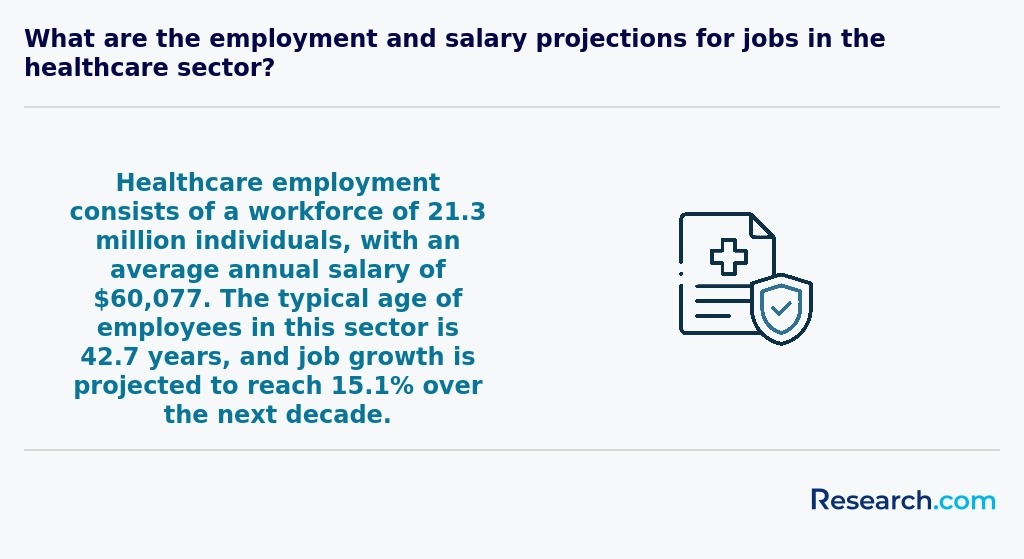
Graduates with a healthcare degree in Nashville find themselves navigating a diverse landscape of career opportunities, reflecting the city's dynamic healthcare industry. Many have stepped into roles as registered nurses or physical therapists, gaining hands-on experience at prominent local hospitals and facilities. Others have embraced non-clinical positions such as healthcare administration and health information management, thriving in environments shaped by Nashville's concentration of hospital headquarters. These roles often come with rewarding salaries and growth potential, aligning well with the expanding job market.
Those seeking innovative paths explore emerging fields like telehealth coordination or healthcare informatics, which increasingly leverage technology to improve patient care remotely. Graduates from popular Nashville colleges often comment on how the blend of traditional and novel healthcare roles enriches their career prospects, making their education feel relevant and promising. For students prioritizing affordability and flexibility, programs listed in the Inexpensive Online Healthcare Degree Programs Ranking in Joliet, IL provide valuable alternatives, further widening access to rewarding opportunities in healthcare degree career opportunities in Nashville.
Whether drawn to clinical excellence or administrative leadership, each healthcare degree holder contributes uniquely to Nashville's robust medical sector, embodying the hopeful spirit of those pursuing Nashville healthcare degree job prospects with passion and purpose.
What is the job market for healthcare degree in Nashville?
The healthcare degree job outlook Nashville presents to recent graduates is notably positive, driven by the city's expanding population and its solid reputation as a healthcare hub. Graduates from institutions like Vanderbilt University and other well-regarded Nashville colleges often find themselves stepping into roles within major hospital systems or specialized allied health fields with encouraging ease. Many report a sense of fulfillment knowing their education directly meets the growing demand for skilled professionals in nursing, administration, and medical technology.
Nashville healthcare employment opportunities extend across diverse sectors, from hospital administration to health informatics, allowing graduates to align their career paths with evolving industry needs. The city's competitive salaries and abundant openings create an environment where new professionals quickly gain confidence and valuable hands-on experience. For those exploring ways to efficiently start their career, looking into options such as an associates degree online fast can offer a practical route, blending quality education with timely entry into this thriving job market.
Frequently Asked Questions About healthcare
Healthcare degree students in Nashville can maximize their learning by combining academic study with practical experience. Nashville is home to major medical centers, including Vanderbilt University Medical Center, which offers numerous clinical internship opportunities. Participating in internships or volunteer programs at these facilities exposes students to real-world healthcare settings and patient care. According to the Nashville Health Care Council, over 300 healthcare companies operate locally, providing diverse job shadowing and networking options.
Additionally, students should engage with local professional organizations like the Tennessee Nurses Association for workshops and events. Leveraging online resources and simulation labs offered by Nashville institutions can also strengthen hands-on skills. Finally, balancing coursework with community involvement and research projects enhances overall competence and job readiness.
The healthcare field in Nashville is rapidly evolving, with several emerging niches gaining significant attention. One growing area is telehealth, driven by advancements in technology and demand for remote patient care-a trend that expanded during the COVID-19 pandemic. According to a 2023 report by the Tennessee Department of Health, telehealth services in Nashville increased by over 150% between 2020 and 2023.
Another niche is health informatics, which combines healthcare and data analysis to improve patient outcomes. Nashville's thriving healthcare industry is creating strong demand for professionals skilled in managing electronic health records and using data to optimize care delivery.
Additionally, mental health services remain an essential and expanding field, with opportunities in counseling, behavioral therapy, and psychiatric nursing. The Mental Health Association of Middle Tennessee reports a 25% rise in demand for mental health professionals in the region since 2021.
These emerging niches offer promising pathways for students seeking healthcare degrees in Nashville, reflecting broader national trends fueled by technological and societal changes.
After completing a healthcare degree in Nashville, it is crucial to build practical experience through internships or clinical rotations offered by local hospitals and clinics. Nashville hosts a robust healthcare industry, including the Vanderbilt University Medical Center, which often provides valuable hands-on training opportunities.
Networking is another key step; attending healthcare job fairs and professional events in the city helps connect graduates with employers. Also, obtaining relevant certifications, such as CPR or specialty licenses, increases employability in the competitive Nashville job market.
According to the Tennessee Department of Labor, healthcare employment in Nashville is projected to grow 15% by 2030, underscoring the demand for qualified professionals.
Employers in Nashville's healthcare sector prioritize a blend of technical expertise and interpersonal skills in graduates. Key competencies include proficiency in electronic health records (EHR) management, as Middle Tennessee hospitals increasingly adopt digital systems. According to the Tennessee Department of Labor, strong clinical skills paired with the ability to navigate healthcare technology are essential.
Additionally, communication and teamwork rank highly, reflecting Nashville's focus on collaborative care models. With the city's healthcare industry growing, about 15% faster than the national average, adaptability and problem-solving skills also stand out.
Employers seek professionals who demonstrate cultural competence, especially given Nashville's diverse patient population.
Finding internships in Nashville for healthcare degrees involves leveraging local healthcare institutions and university resources. Nashville is a healthcare hub with over 300 healthcare companies, including HCA Healthcare, which offers numerous internship programs.
Students should begin by contacting career services at universities like Vanderbilt or Lipscomb University, as they maintain partnerships with local hospitals and clinics. Additionally, websites such as the Tennessee Department of Labor list healthcare internship openings in the region.
Networking with healthcare professionals through events hosted by organizations like the Nashville Healthcare Council can also uncover opportunities.
It is important to apply early and tailor applications to specific healthcare roles, considering Nashville's strong emphasis on patient care and medical research.
Obtaining a healthcare degree in Nashville significantly enhances career mobility due to the city's expanding healthcare sector. Nashville is home to major healthcare providers and institutions, including the Vanderbilt University Medical Center, which employs over 40,000 people. This growth means graduates often find diverse job opportunities ranging from clinical roles to healthcare management.
A healthcare degree also supports advancement by equipping students with specialized knowledge and skills required in the field. According to the Tennessee Department of Labor, healthcare occupations in Nashville are projected to grow by 16% by 2030, faster than many other industries. This growth drives demand for qualified candidates who can move into leadership or specialized roles.
Additionally, many employers in Nashville value formal education for promotions and salary increases. Advanced degrees such as nursing, health administration, or public health open doors to higher-paying and supervisory positions. Credentials earned locally often build strong connections within the healthcare network, further aiding career progression.
Studying for a healthcare degree in Nashville offers unique preparation for interdisciplinary roles by emphasizing collaborative skills essential in modern healthcare. Many Nashville institutions integrate interdisciplinary curricula, combining nursing, public health, and health informatics to promote teamwork across specialties.
Nashville is home to major healthcare organizations, including HCA Healthcare and Vanderbilt University Medical Center, which influence academic programs to prioritize real-world, collaborative experience.
According to the Tennessee Higher Education Commission, programs increasingly include simulation labs and interprofessional education, fostering communication and problem-solving with diverse healthcare professionals.
This approach equips graduates with the ability to work effectively in integrated healthcare teams, addressing complex patient needs in urban and regional settings.
Choosing between a thesis and a non-thesis healthcare degree program in Nashville depends largely on your career goals and learning preferences. Thesis programs require conducting original research and writing a detailed paper, which is ideal for students aiming for academic or research-focused roles. Non-thesis options typically emphasize practical skills and coursework, suited for those pursuing direct clinical or administrative careers.
Nashville, home to major healthcare employers like HCA Healthcare, values both research and applied skills. According to the Tennessee Department of Labor, healthcare jobs in Nashville are projected to grow 17% by 2030, favoring hands-on experience but still offering opportunities for research advancement.
Review each program's curriculum carefully and consider speaking with faculty and alumni to determine which option aligns with your professional aspirations.
Students based in Nashville who wish to study healthcare abroad can explore a variety of options through partnerships and exchange programs offered by local universities. Institutions such as Vanderbilt University often provide study-abroad opportunities in allied health fields, including nursing and public health.
Many programs enable students to gain international clinical experience, essential for broadening practical skills and cultural competence. According to the Nashville Area Chamber of Commerce, the city's healthcare sector employs over 100,000 people, making global exposure valuable to compete in this robust market.
Additionally, advisors at Nashville's colleges guide students in selecting accredited overseas programs that align with U.S. licensure requirements, ensuring credit transferability and professional recognition upon return.
Financial aid and scholarships for studying abroad in healthcare disciplines are also increasingly accessible to Nashville students, helping to reduce the cost barrier.
Students pursuing healthcare degrees in Nashville can benefit from various part-time job opportunities that align with their education. Positions such as medical assistants, pharmacy technicians, and certified nursing assistants are in demand locally and provide practical experience. According to the Tennessee Department of Labor, healthcare support roles in Nashville have grown by 12% over the past five years, reflecting a robust job market.
Hospitals like Vanderbilt University Medical Center and TriStar Health offer part-time roles and internships that allow students to apply theoretical knowledge. Additionally, working in outpatient clinics and community health centers helps develop patient interaction skills vital for healthcare careers.
These opportunities often offer flexible hours suited for students balancing coursework and employment. Gaining hands-on experience while studying enhances resumes and increases employability after graduation.
Healthcare students in Nashville benefit from numerous networking opportunities that connect them with local professionals and organizations. The city is home to over 300 healthcare-related companies, including the prominent HCA Healthcare, providing a rich environment for internships and mentorships. Academic institutions often host career fairs and professional panels featuring leaders from Nashville's expansive healthcare sector.
Students can join local chapters of national organizations like the American Medical Student Association and the National Student Nurses' Association to build connections. Additionally, Nashville's numerous healthcare conferences and workshops offer avenues to engage with experts and peers, fostering valuable professional relationships and career growth.
Alumni networks play a vital role for healthcare degree students in Nashville by providing access to professional connections and job opportunities. Many Nashville healthcare institutions value graduates from local programs like Vanderbilt University and Belmont University, creating a strong community of professionals.
Through organized events and mentorship programs, alumni help students navigate the competitive healthcare job market. For example, Vanderbilt's alumni network includes thousands of healthcare professionals working in top Nashville hospitals, offering valuable insights and guidance.
Data from the Nashville Health Care Council reveals that networking can increase job placement rates by up to 30% in this region's healthcare sector.
Customizing a healthcare degree program in Nashville allows students to tailor their education to specific career goals in this growing medical hub. Many local institutions offer flexible course options, including electives in areas like public health, health informatics, or nursing specialties. Students can pursue internships and clinical experiences at nearby facilities such as Vanderbilt University Medical Center, which enhances practical skills and networking opportunities.
Additionally, certificate programs and minors can complement core healthcare degrees, helping students acquire targeted expertise. According to the Nashville Area Chamber of Commerce, healthcare is a leading employment sector, making specialization valuable for career advancement. Seeking guidance from academic advisors ensures alignment with personal ambitions and job market trends.
Healthcare students in Nashville face several common challenges during their studies. One major hurdle is balancing rigorous coursework combined with demanding clinical rotations, which often require long hours at local hospitals such as Vanderbilt University Medical Center. Time management becomes critical as students juggle classes, labs, and real-world patient care.
Financial strain is another significant issue. Tuition costs for healthcare programs in Nashville can exceed $25,000 annually, according to the Tennessee Higher Education Commission, creating pressure to secure scholarships or student loans.
Additionally, students often encounter high stress levels due to the competitive nature of healthcare fields and the pressure to meet licensing exam requirements, such as the NCLEX or USMLE.
With a healthcare degree in Nashville, students can pursue various professional certifications to enhance their careers. Common certifications include Certified Nursing Assistant (CNA), Registered Nurse (RN), and Licensed Practical Nurse (LPN). These credentials are essential for clinical roles and require passing state licensing exams.
For those interested in administration, certifications like Certified Healthcare Administrative Professional (cHAP) or Project Management Professional (PMP) can be valuable. Nashville's growing healthcare industry, including facilities like Vanderbilt University Medical Center, offers diverse opportunities for credentialed professionals.
Other specialized certifications include Medical Billing and Coding Specialist and Phlebotomy Technician. Certification requirements and opportunities align with national standards and Tennessee state regulations, reflecting the city's healthcare employment trends reported by the Tennessee Department of Labor and Workforce Development.
Writing a winning application for a healthcare program in Nashville requires careful preparation and attention to detail. Start by thoroughly researching programs offered by local institutions like Vanderbilt University and Belmont University, both known for strong healthcare curricula.
Highlight relevant experience such as volunteer work, internships, or employment in medical settings, as healthcare admissions committees value practical exposure. Nashville's healthcare sector is growing rapidly, supported by over 300 hospitals and clinics, according to the Tennessee Department of Health.
Maintain a competitive GPA, ideally above 3.0, and prepare for required tests like the TEAS or GRE, depending on the program. Craft a clear, focused personal statement that explains your motivation for pursuing healthcare and your career goals.
Strong letters of recommendation from healthcare professionals or academics can significantly boost your application. Finally, meet all deadlines promptly and follow each institution's specific application instructions closely.
The global perspective on a healthcare career emphasizes growing demand and diverse opportunities. In the US, healthcare jobs are expected to grow 13% from 2021 to 2031, much faster than the average for all occupations, according to the Bureau of Labor Statistics. Nashville reflects this trend, being a major healthcare hub with over 500 healthcare companies, including top employers like HCA Healthcare and Vanderbilt University Medical Center. This growth creates many paths in nursing, administration, and research. Globally, healthcare professionals face challenges such as aging populations and pandemics, highlighting the need for adaptable and skilled workers.
Gaining practical experience while studying for a healthcare degree in Nashville is essential for career readiness. Many local institutions offer clinical internships and practicum placements, allowing students to apply classroom knowledge in real-world settings. For example, Vanderbilt University Medical Center frequently collaborates with educational programs to provide hands-on training opportunities.
Additionally, the city's robust healthcare sector, including over 120 hospitals and clinics, offers diverse environments for students to gain experience. Volunteer positions at facilities such as Centennial Medical Center or community health centers can also enhance practical skills.
Students often combine these experiences with simulation labs available at their schools, which mimic clinical scenarios for skill development and confidence building.
Choosing the right concentration within a healthcare degree in Nashville depends on your career goals and the region's growing healthcare market. Nashville hosts over 300 healthcare companies, making areas like healthcare administration, nursing, and health informatics highly valuable.
Consider local employment trends: the Tennessee Department of Labor reports nursing roles growing by 12% annually, while healthcare IT roles are expanding due to digital transformation. Research each concentration's curriculum and how it aligns with your interests and strengths.
Also, seek programs offering clinical or internship opportunities in Nashville's top hospitals, such as Vanderbilt University Medical Center, which can enhance your practical skills and job prospects.
Related Healthcare Rankings for Nearby Cities
- 2027 Best Healthcare Degree Programs Ranking in Knoxville
- 2027 Best Healthcare Degree Programs Ranking in Birmingham
- 2027 Best Healthcare Degree Programs Ranking in Memphis
- 2027 Best Healthcare Degree Programs Ranking in Cincinnati
- 2027 Best Healthcare Degree Programs Ranking in Saint Louis
- 2027 Best Healthcare Degree Programs Ranking in Montgomery
- 2027 Best Healthcare Degree Programs Ranking in Little Rock
- 2027 Best Healthcare Degree Programs Ranking in Columbus
- 2027 Best Healthcare Degree Programs Ranking in Charlotte
- 2027 Best Healthcare Degree Programs Ranking in Columbia
Top Trending Healthcare Rankings
See What Experts Have To Say About Studying Healthcare
Read our interview with Healthcare experts

References
- HEALTH MANAGEMENT (THESIS / NON-THESIS) - Lisansüstü Eğitim Enstitüsü https://lee.nisantasi.edu.tr/en/health-management-thesis-non-thesis/
- Know more about thesis vs non- thesis: what is the difference? https://studyfans.com/en/blogs/816
- Networking and Mentorship During Clinical Rotations https://rotatingroom.com/blog/medical-students-the-importance-of-networking-mentorship-during-your-clinical-rotations
- Top 20 Healthcare Jobs You Can Start Without a Degree https://nextgenlearning.org.uk/top-healthcare-jobs-without-degree/
- Masters in Public Health in Tennessee | Online MPH Degree Programs in TN https://www.publichealthonline.org/tennessee/
- Students and Alumni associations - Europubhealth https://www.europubhealth.org/students-alumni-associations/
- Advancing Your Career in Healthcare: Tips and Strategies https://www.sunshinecarenetwork.com/blog/advancing-your-career-in-healthcare-tips-and-strategies
- What Are the Differences in Salary Level for Different Degrees in Healthcare Management? | MHA Salary https://www.healthcare-management-degree.net/faq/what-are-the-differences-in-salary-level-for-different-degrees-in-healthcare-management/
- Challenges for Medical Students - Health Action Research Group https://www.healthactionresearch.org.uk/mental-health/challenges-for-medical-student/
- Global Perspectives – Healthcare Beyond Borders https://www.cedars-sinai.org/international-stories/healthcare-beyond-borders.html


