
2027 Fastest Online Master's in Healthcare Degree Programs Ranking in Mississippi

Co-Founder and Chief Data Scientist
Choosing the right healthcare master's program can shape your career and open many doors. If you're in Mississippi and considering an online degree, this article is for you.
The 2027 Fastest Online Master's in Healthcare Degree Programs Ranking in Mississippi was created by Research.com's team of data scientists. It aims to help you find programs that combine quality and speed, so you can advance without delay.
Reading this article will guide you toward informed decisions and encourage you to take confident steps toward a rewarding healthcare future.
Key benefits of getting online healthcare degree in Mississippi
- Healthcare degree graduates in Mississippi can earn competitive salaries, such as Healthcare Consultants with a mean annual wage of $115,530 and Healthcare Compliance Managers earning around $80,190, reflecting strong earning potential.
- Graduates from universities like the University of Mississippi have diverse career options, including roles in consulting, compliance, and project management, providing flexibility and growth opportunities in healthcare.
- Completing a healthcare degree online through institutions like Mississippi State University offers convenience and the ability to balance work and study, making education more accessible without sacrificing quality.
- 2027 Fastest Online Master's in Healthcare Degree Programs Ranking in Mississippi
- What can I expect from online healthcare degree in Mississippi?
- Where can I work with online healthcare degree in Mississippi?
What can I expect from online healthcare degree in Mississippi?
The price tag for an online healthcare degree in Mississippi usually feels like a friendly handshake rather than a cold shoulder. Graduates from places like the University of Mississippi Medical Center often share how in-state tuition keeps dreams alive without drowning wallets-averaging around $7,000 to $12,000 per year for bachelor's programs. This pace ensures ambition meets affordability, especially compared to out-of-state tuition that might double the cost.
Picture a working parent juggling shifts who enrolls online at Mississippi State University, finding relief in budget-friendly fees that let them focus on mastering healthcare policy or nursing informatics rather than stressing over spiraling bills. The financial accessibility turns a challenging balancing act into an empowering journey, opening doors to careers in a rapidly growing state healthcare market.
Beyond price, these programs often provide scholarships, payment plans, and support services, wrapping students in a safety net while they dive deep into subjects like epidemiology and patient care ethics-all from their kitchen table or hospital break room.
Where can I work with online healthcare degree in Mississippi?
Graduates with an online healthcare degree from institutions like the University of Mississippi or Jackson State University often find themselves stepping into bustling hospital corridors at places such as UMMC or Baptist Memorial, wearing confidence fueled by both clinical know-how and management savvy. Picture a graduate managing patient flows or innovating care strategies in outpatient clinics scattered across Mississippi's towns, turning digital lessons into real-world health transformations.
Others discover their calling in the quieter, yet impactful halls of public health agencies, crafting programs to tackle diabetes or heart disease-Mississippi's silent foes-drawing from their degrees' focus on community wellness and policy. For some, the rhythm of healthcare consulting or insurance firms becomes the perfect stage, where data analytics and compliance expertise learned online help reshape the state's healthcare landscape.
Nurse graduates often feel the pulse of growing demand firsthand, filling roles in hospitals or long-term care centers, each patient interaction a testament to the state's urgent nursing shortage and their vital place within it. This blend of knowledge and care fuel both careers and hope across Mississippi's diverse healthcare system.
Graduates from online healthcare programs in Mississippi often find their wallets echoing the hard work put into their studies at institutions like the University of Mississippi or Jackson State University. Stepping into roles such as healthcare consultants can bring a delightful surprise with mean annual wages soaring around $115,530, reflecting the premium placed on strategic minds shaping health systems.
Navigating towards compliance management, many alumni appreciate the balance between challenge and reward. Here, the mean salary hovers near $80,190 yearly, carving a respectable niche within the state's healthcare ecosystem. Imagine working on critical policy adherence in a bustling Jackson hospital, knowing that your expertise commands a solid financial return.
While the average registered nurse wage in Mississippi might be $62,000, the allure of these specialized careers, backed by concrete salary data, offers graduates thrilling prospects. The blend of a Mississippi-based online degree with real-world experience turns ambition into viable income, painting a vibrant picture for those ready to dive into health sector success.
- Tuition and fees for online healthcare degrees in Mississippi range from $8,000 to $15,000 per year.
- Entry-level healthcare professionals in Mississippi earn about $45,000 annually on average.
- Experienced healthcare workers often earn between $60,000 and $75,000 within five to ten years.
- Healthcare jobs in Mississippi are projected to grow by around 15% over the next decade, above the national average.
- Many online healthcare programs in Mississippi are accredited by regional and specialized bodies important for licensure and employment.
- Scholarships and financial aid specific to healthcare students are available in Mississippi to help with costs.
Picture herself juggling a full-time job and family duties while logging into the University of Mississippi's online nursing classes-she completes her associate degree in just two years by studying full-time, the clock ticking confidently toward a new career. Meanwhile, another graduate at Delta State takes a part-time path through the BSN program, stretching her bachelor's journey to five years, savoring each lesson at a sustainable pace without sacrificing her daily responsibilities.
Across the state, a heartened master's student at Jackson State balances late-night Zoom lectures with clinical hours, crossing the finish line between 18 and 24 months if full-time, or stretching closer to three years if life demands flexibility. These degrees aren't just numbers; they're dynamic timelines designed to meet the rhythms of Mississippi's learners.
Working professionals cherish the accelerated options offered by universities across the state-sometimes shaving a bachelor's degree down to as little as three years through year-round study. This blend of adaptability and ambition paints an inspiring landscape for anyone ready to dive into healthcare online.
Accreditation is one of the most important filters when evaluating an online healthcare master’s program. It affects credit transfer, employer recognition, access to federal financial aid, and, in some fields, eligibility for licensure or certification.
Prospective students in Mississippi should first confirm institutional accreditation. Regional accreditation from the Southern Association of Colleges and Schools Commission on Colleges (SACSCOC) is commonly relevant for Mississippi institutions. Then check whether the specific program has specialized accreditation when applicable.
| Program area | Accreditation or standard to review | Why it matters |
| Nursing | Commission on Collegiate Nursing Education (CCNE) or other recognized nursing accreditation | Can affect clinical standards, employer confidence, and licensure or certification alignment. |
| Healthcare administration | Commission on Accreditation of Healthcare Management Education (CAHME) | Signals that the program meets field-specific expectations for healthcare management education. |
| Public health | Programmatic accreditation appropriate to public health education | Helps verify that population health, epidemiology, policy, and practice standards are addressed. |
| Health informatics | Institutional accreditation plus field-relevant curriculum standards | Supports employer recognition and preparation for data, systems, compliance, and analytics roles. |
Certification standards vary by career path. A healthcare administration graduate may pursue leadership credentials later, while a nursing graduate may need to meet state board and national certification requirements. Before enrolling, ask the program to confirm whether its curriculum and experiential requirements support your intended credential in Mississippi.
Cost comparisons are also more meaningful when the programs being compared have similar accreditation status. For a broader benchmark, the Affordable Online Master's in Healthcare Degree Programs Ranking in Nebraska can help readers compare value across another state while keeping accreditation in view.
Imagine juggling a full-time job and family in Jackson while diving into your healthcare degree via an online program from Mississippi State University. The flexibility feels like a breath of fresh air-you attend lectures in your pajamas, pause to help your kids, then resume with virtual simulations that bring patient care scenarios alive. Meanwhile, graduates who took the on-campus route at the University of Mississippi Medical Center cherish the tactile energy of bustling labs and face-to-face mentoring, where peers become a second family over coffee breaks and study sessions.
Both paths demand you roll up your sleeves for hands-on clinical work at local hospitals, anchoring theoretical knowledge to real-world healing. Online students sometimes travel to nearby clinics, exchanging screen time for scrubs, while on-campus peers seamlessly transition from classroom to clinic halls.
Tuition whispers a gentle nudge too-online options often trim costs, but don't forget tech essentials and occasional travels. It's a dance of rhythm and routine, where you pick the beat that suits your Mississippi life best.
Online healthcare students often balance coursework with demanding jobs, clinical schedules, caregiving, or military and community responsibilities. A strong plan reduces friction and helps you stay on pace from the first term.
Practical habits that help online healthcare students finish
- Review the syllabus before the term begins. Identify heavy weeks, exams, group projects, and major papers early.
- Use one deadline system. A digital planner, calendar app, or learning-management-system alerts can prevent missed assignments.
- Connect coursework to your role. Apply finance, ethics, policy, informatics, or leadership assignments to real healthcare problems when allowed.
- Ask about clinical or field placement support. Online does not always mean fully remote, especially in nursing, public health, counseling, therapy, or administration tracks with experiential requirements.
- Stay current with healthcare changes. Webinars, professional associations, and faculty-recommended readings can make class concepts more relevant.
Students planning for advanced clinical or pharmacy-related study may also compare graduate pathways with resources such as best online doctorate in pharmacy programs. Even if a doctoral path is not your immediate goal, understanding advanced credentials can help you choose a master’s specialization that supports future mobility.
The average cost of an online healthcare degree in Mississippi typically revolves around $20,700, a figure that many graduates fondly recall as a worthy investment in their futures. Picture a hardworking student balancing family, work, and classes at Jackson State University, finding comfort in knowing their total tuition and fees for Mississippi healthcare master's programs won't break the bank compared to pricier out-of-state options. This realistic cost range allows many to pursue their dreams without overwhelming debt shadows.
While navigating coursework from the University of Mississippi Medical Center's online platform, students often appreciate the blend of affordability with quality education, especially as clinical practice fees and special certification costs weave into the final numbers. It's the kind of education cost that feels human-not just a cold statistic, but a tangible stepping stone toward a meaningful healthcare career in the state.
Those aiming for affordable healthcare schools in mississippi recognize how this balance sparks motivation and perseverance, turning challenges into energizing goals. The typical total tuition and fees for Mississippi healthcare master's programs reflect a commitment to accessibility, making the reward of licensure or advanced certifications that much sweeter. For many, these numbers translate into hope and opportunity in real healthcare settings back home.
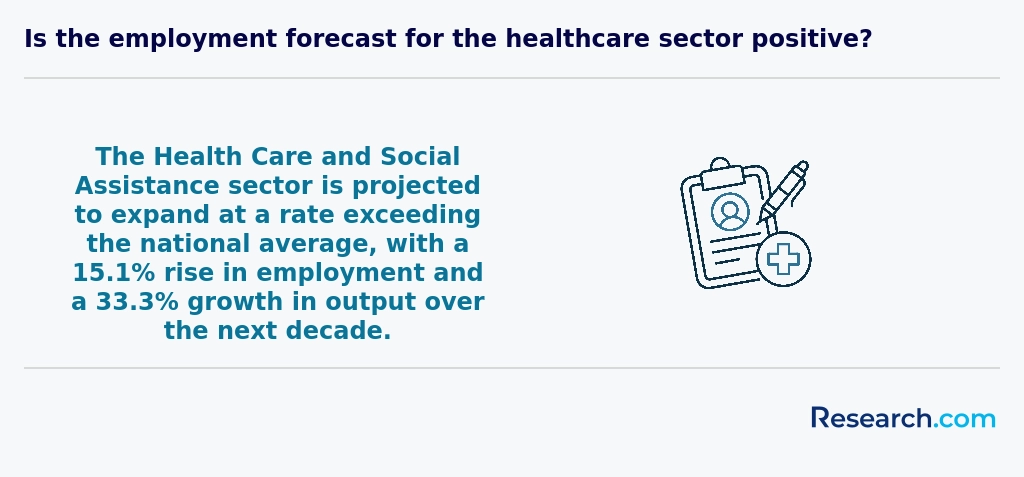
Healthcare employers increasingly need professionals who can work across clinical care, operations, technology, compliance, and population health. For online healthcare master’s graduates in Mississippi, that means program choice should be based not only on speed, but also on whether the curriculum reflects how healthcare organizations now operate.
Trends shaping healthcare roles
- Telemedicine and virtual care: Remote consultations and patient monitoring can improve access, especially in rural communities, while creating demand for professionals who understand care coordination, privacy, reimbursement, and patient engagement.
- Digital health records: Electronic records require staff who can manage workflows, data quality, reporting, and secure information exchange.
- Healthcare analytics: Employers value graduates who can interpret data, measure outcomes, and support evidence-based decisions.
- Artificial intelligence and automation: AI-powered tools are changing diagnostics, scheduling, documentation, and administrative processes, but healthcare organizations still need trained professionals to evaluate risk, ethics, compliance, and implementation.
- Quality and patient safety: Programs that emphasize measurable improvement prepare graduates for leadership roles in hospitals, clinics, long-term care, and public health settings.
When comparing online programs, look for coursework that uses applied projects, real-world case studies, simulation, health informatics tools, or data-focused assignments. These features can help translate online learning into workplace-ready skills.
Students who want deeper pharmacy, pharmacotherapy, or clinical research preparation may also review most affordable online doctorate in pharmacy programs as part of long-term academic planning.
Imagine a fresh graduate from the University of Mississippi Medical Center, feeling the weight of tuition lifted thanks to a Pell Grant received through FAFSA-a need-based gift that fuels dreams without shackling them to debt. Meanwhile, a nursing student juggling shifts at a Jackson hospital leans on employer tuition reimbursement, a lifeline offered by local healthcare providers eager to boost their workforce with skilled professionals.
Across the state, hopefuls at Mississippi State University's online programs tap into scholarships from the Mississippi Nurses Association or the Academy of Family Physicians, turning academic merit and passion into tangible support. They also navigate state scholarships like those from the Institutions of Higher Learning, designed to grow Mississippi's healthcare talent pool by rewarding commitment to serving right here at home.
Institutional aid widens the net even further-each university crafting scholarships, grants, and flexible payment plans, wrapping online students in a financial safety net that transforms ambition into achievement.
Before enrolling, verify that the online healthcare program is recognized by the right accrediting and licensing authorities. This step is especially important for students pursuing nursing, clinical practice, public health, or administration roles that may require supervised experience, certification, or state approval.
- Institutional Accreditation: Confirm that the college or university is regionally accredited by a U.S. Department of Education–recognized body, such as SACSCOC. This supports credit transfer, financial aid eligibility, and employer recognition.
- Programmatic Accreditation: Look for the appropriate specialized accreditation for your field, such as CAHME for healthcare management, CEPH for public health, and CCNE or ACEN for nursing.
- State Authorization: If your program includes clinical practice or leads to a licensed role, verify that it is approved by the Mississippi Board of Nursing or the relevant state agency.
- Transfer Pathways: Some master’s programs accept prior healthcare credentials or bridge students from earlier nursing preparation. Students still building that foundation can review affordable RN to BSN online programs before moving into graduate study.
Do not rely only on marketing language such as “licensure-ready” or “career-focused.” Ask admissions or the program director for written confirmation that the program meets the requirements for your state and intended credential.
To step into the world of online healthcare education in Mississippi, imagine holding your high school diploma like a golden ticket to the University of Mississippi's virtual classrooms. That credential opens doors to bustling digital halls where future nurses, administrators, and public health leaders gather. For those chasing graduate degrees from places like Jackson State University, the journey demands more-a bachelor's degree in hand, often with a nod to related fields like biology or nursing, framing your passage.
Graduates recall the spark of confidence gained after meeting one or two years of work experience in clinics or hospitals, a bridge between classroom theory and real-life healing. Technical savvy is non-negotiable here; seamless internet and platform fluency become your passport to interactive online labs and virtual patient simulations.
Financially, envision budgeting wisely, knowing Mississippi's universities offer affordable options compared to national costs, relieving some stress as you invest in your future. Some programs still ask for GRE or MAT scores, a small hurdle for those ready to elevate their careers amid Mississippi's growing healthcare demand.
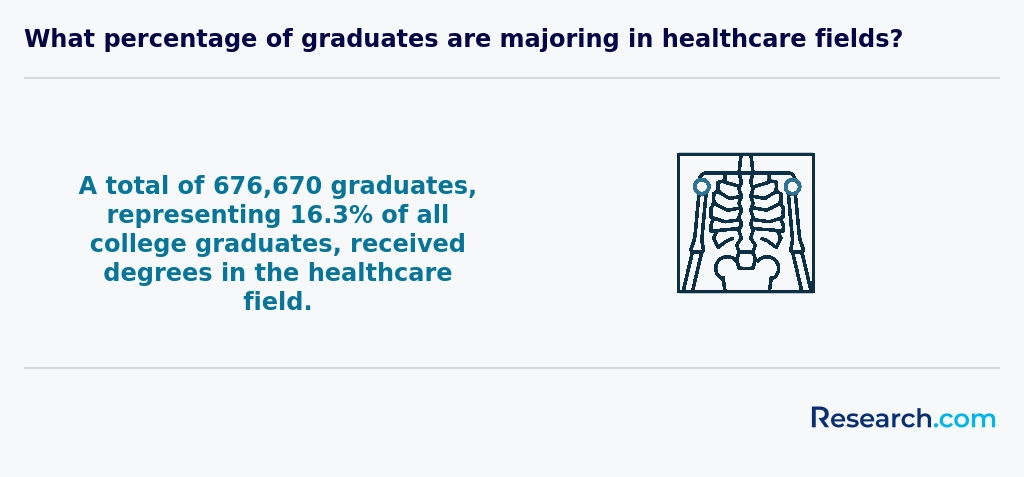
Success in an online healthcare master’s program depends on structure. Flexibility is useful only when students build routines that keep them moving through readings, discussions, exams, projects, and any clinical or field-based requirements.
Start by creating a weekly schedule that separates coursework from work, family, and personal time. Healthcare programs often require applied assignments, case analysis, research, group work, and technology-based learning, so waiting until the end of the week can quickly lead to missed deadlines.
- Protect a consistent study block. Treat class time like a scheduled shift, even if lectures are asynchronous.
- Use faculty access early. Virtual office hours are most valuable before you fall behind, not after a major assignment is due.
- Build a small peer network. Discussion boards, group projects, and shared study sessions can reduce isolation and improve accountability.
- Track requirements outside the classroom. If your program includes practicum, internship, clinical, or capstone work, confirm timelines well in advance.
- Use student services. Career counseling, tutoring, library access, writing support, and advising can materially improve your experience.
Cost and support should also be part of the learning-success equation. Students comparing Mississippi options may want to review affordable healthcare schools in Mississippi alongside faster online master’s programs, because the best choice is usually the one you can complete without unnecessary financial or scheduling strain.
Imagine diving into courses that feel like a backstage pass to Mississippi's bustling healthcare scene. Online students at institutions like the University of Mississippi and Jackson State often share how foundational classes like anatomy and medical terminology instantly build their confidence, turning confusion into clarity as they decode the language of medicine. These courses aren't just theory-they're the keys to understanding patients and their stories.
Graduates recall how Health Informatics courses transported them into the digital heart of hospitals, mastering the technology that keeps patient data flowing safely and swiftly. Meanwhile, Healthcare Systems and Policy classes paint a real-world picture of how Mississippi's unique health challenges shape care delivery, making learners eager to influence positive change right in their communities.
- Healthcare Administration sharpens leadership skills, preparing students to confidently manage teams and resources amid Mississippi's evolving healthcare landscape.
- Research Methods empower learners to transform data into actionable insights, improving outcomes for patients dealing with chronic diseases common in the state.
- Public Health and Community Health classes connect theory to vibrant local efforts tackling health disparities, creating a sense of purpose and belonging for many students.
Online healthcare degree specializations Mississippi students dive into often feel like tailor-made adventures across the state's unique healthcare terrain. Picture a graduate from the University of Mississippi Medical Center passionately orchestrating hospital operations after mastering Healthcare Administration, seamlessly balancing budgets while navigating rural healthcare hurdles.
Others embrace Nursing Leadership and Management, stepping into shoes that guide teams through Mississippi's nursing shortages with inspiring empathy and strategic finesse. A passionate cohort at Mississippi College dedicated their studies to Public Health, crafting community programs that tackle high chronic disease rates-turning online lessons into real-life wellness movements in neighborhoods.
Health Informatics students channel their tech-savvy energy, merging data science with healthcare to modernize medical records-a leap Mississippi eagerly embraces. Meanwhile, Health Education and Promotion graduates become voices of prevention, designing impactful campaigns that ripple through local communities. Exploring these pathways alongside flexible programs makes the journey both thrilling and feasible for busy learners.
For those seeking depth beyond the norm, the best online doctorate in pharmacy programs offer avenues to innovate further within Mississippi's evolving healthcare landscape.
Choosing the best online healthcare degree Mississippi offers feels like assembling a puzzle where each piece matters: accreditation, cost, flexibility, and real-world connections. Imagine a graduate from a popular Mississippi state university, juggling family and work, who chose an accredited program because it opened doors to certifications and jobs that were otherwise out of reach. The value of public universities here isn't just in name - their in-state tuition often transforms a daunting price tag into an achievable goal, striking a perfect balance for those searching for affordable healthcare master's programs Mississippi hosts.
Curriculum plays a starring role. Picture another student who picked a program specializing in health informatics, drawn by course details that mirror their dream role. Flexibility creates freedom-many Mississippi programs offer asynchronous classes, allowing study on late nights or weekends, although some expect on-site residencies, a hurdle for some but a welcome chance for hands-on practice for others.
Lastly, connect with the local healthcare pulse. Graduates often rave about internships and job placements fueled by ties to Mississippi hospitals, riding a wave of a 15% job growth. For those eyeing futurePharmDs, exploring the most affordable online doctorate in pharmacy programs can be the next smart step in their healthcare journey.
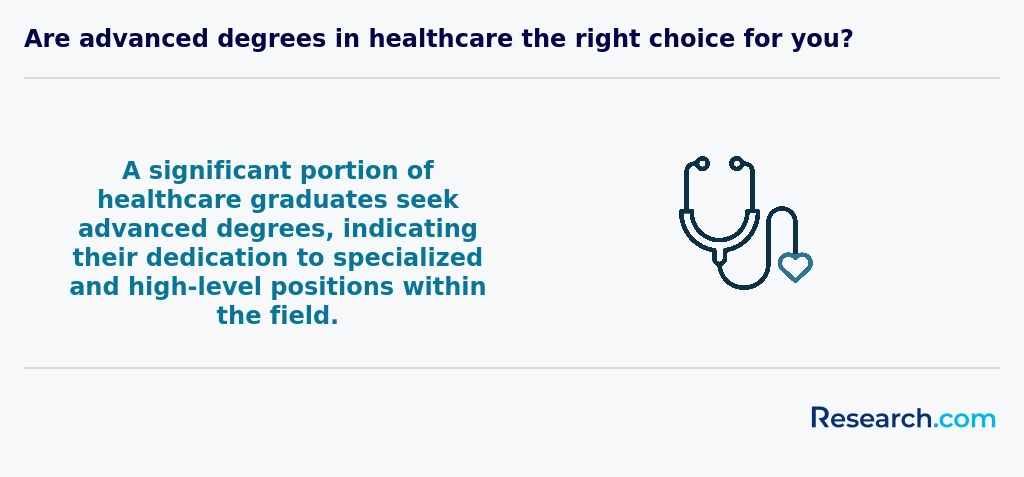
Graduates with an online healthcare degree in Mississippi often step into dynamic roles that ripple through the state's evolving medical landscape. Picture a graduate from the University of Mississippi Medical Center, energized by a Master's in Nursing, confidently moving into nurse management, leading teams that serve communities facing real shortages. This tangible impact connects deeply to healthcare job opportunities for online graduates Mississippi, where expertise meets urgent demand.
Imagine another graduate navigating healthcare administration across bustling clinics or long-term care facilities, their Master's molding them into the strategists who keep Mississippi's health infrastructure thriving with a median wage around $70,000. These roles are more than just jobs-they allow professionals to shape systems that sustain lives and innovate care.
For those intrigued by public health or health informatics, an online degree opens doors to safeguarding medical data or crafting policies that uplift community wellness, echoing changes championed at Mississippi universities. Some explore hybrid programs blending virtual study with on-site clinical practice, becoming physical therapists or physician assistants earning competitive local salaries.
Balancing dreams with realities, many turn to Affordable Online Master's in Healthcare Degree Programs Ranking in Nebraska that offer flexible, cost-effective pathways. With such routes, Mississippi students can embrace exciting career paths while navigating financial and geographic challenges seamlessly.
Mississippi's healthcare landscape is a fertile ground for graduates armed with an online healthcare degree. As the state navigates ongoing challenges like chronic illnesses and an aging population, employers eagerly seek skilled professionals ready to step into vital roles. Graduates from local universities often share stories of landing roles swiftly after completing their programs, drawn by robust demand in nursing, administration, and allied health. This vibrant market fuels optimism for those pursuing healthcare degree employment opportunities Mississippi offers.
Imagine a graduate balancing remote studies from a Mississippi college, leveraging flexible schedules to juggle family while honing skills that fit growing telehealth and administrative positions. The lower tuition costs here compared to national averages add to the appeal, making education an achievable investment. For students weighing paths between traditional routes and options like fast bachelor degrees, Mississippi's evolving healthcare job market sprouts tangible opportunities, transforming education into rewarding careers.
Fields such as nursing, health services management, and technologies like respiratory therapy buzz with promise. Allied health roles thrive, reflecting emerging healthcare needs paired with the state's expanding facilities. Graduates equipped with master's degrees enjoy advantages stepping into leadership or specialist roles, often witnessing firsthand how their online credentials open doors across rural and urban clinics alike.
2027 Fastest Online Master's in Healthcare Degree Programs Ranking in Mississippi
Investing in your education is a significant decision that can profoundly impact your career, and the Research.com team is committed to helping you make well-informed choices. To support prospective students interested in healthcare degrees in Mississippi, we have carefully developed the "2027 Fastest Online Master's in Healthcare Degree Programs Ranking in Mississippi." Our dedication to quality, credibility, and accuracy is demonstrated through extensive data collection and rigorous analysis.
We utilized the following reputable data sources to ensure a comprehensive evaluation of healthcare programs:
By exploring this ranking, readers will gain valuable insights into the fastest and most credible online master's healthcare degree programs in Mississippi, empowering them to choose the best educational path. For a detailed explanation of our evaluation process, please visit our Research.com methodology page.


Frequently Asked Questions About healthcare
Students pursuing online healthcare degrees in Mississippi can maximize their learning by actively engaging with their program's resources. This includes participating in virtual discussions, attending live webinars, and utilizing digital libraries offered by their institutions.
Given Mississippi's healthcare workforce shortages-especially in rural areas as reported by the Mississippi State Department of Health-students should seek programs offering practical experiences or partnerships with local healthcare providers for clinical placements. Hands-on training is vital for skill development.
Time management also plays a crucial role. Creating a consistent study schedule helps balance coursework with personal commitments, improving retention and performance. Additionally, students should take advantage of academic advising and career services for guidance tailored to Mississippi's healthcare landscape.
Emerging niches in Mississippi's healthcare field reflect growing national trends as well as unique local needs. Telehealth has expanded rapidly, with Mississippi ranking among the top states increasing telemedicine adoption, driven by rural population demands. According to the Mississippi State Department of Health, careers in telehealth coordination and remote patient monitoring are growing significantly.
Another promising area is healthcare data analytics. As healthcare providers adopt electronic health records, professionals skilled in data analysis help improve patient outcomes and reduce costs. This niche aligns well with the increasing availability of online master's programs in health informatics.
Additionally, behavioral health services are in high demand due to mental health challenges intensified by the pandemic. Graduates focusing on counseling or psychiatric support find opportunities in both urban and rural settings across Mississippi.
Preparing for the job market after earning an online healthcare degree in Mississippi involves several strategic steps. First, graduates should obtain any required state licensures or certifications related to their specific field, such as nursing or health administration. Mississippi's healthcare sector is growing; the Mississippi Department of Employment Security projects healthcare jobs to increase by 15% through 2030, creating strong demand.
Networking plays a crucial role-joining local professional organizations like the Mississippi Nurses Association can open doors to job opportunities. Additionally, gaining hands-on experience through internships or volunteer work in local healthcare facilities enhances employability.
Finally, staying updated on emerging healthcare technologies and policies in Mississippi will help graduates remain competitive in this evolving market.
Employers in Mississippi highly value healthcare degree graduates who demonstrate strong clinical skills and critical thinking. With the state facing a growing demand for healthcare professionals, practical knowledge in patient care and medical technology is essential. According to the Mississippi Department of Health, abilities in effective communication and teamwork are critical due to the collaborative nature of healthcare settings statewide.
Additionally, proficiency in healthcare laws and ethics is crucial, as Mississippi follows strict regulatory standards for patient safety. Graduates with adaptability and leadership skills tend to stand out, particularly in evolving environments like telehealth. Emphasizing both technical expertise and soft skills enhances job prospects significantly in Mississippi's healthcare field.
Finding internships relevant to a healthcare degree in Mississippi involves connecting with local hospitals, clinics, and public health organizations. The state's healthcare sector employs over 200,000 people, making internships widely available in diverse settings such as Jackson Medical Mall and the Mississippi State Department of Health.
Students should start by contacting the career services of their online program, as many universities have partnerships with healthcare providers in Mississippi. Additionally, websites like the Mississippi Hospital Association and individual hospital career pages often list internship opportunities.
Networking at local healthcare conferences and joining professional organizations like the Mississippi Nurses Association can also facilitate internship placement. Most healthcare internships range from 8 to 12 weeks, allowing students to gain practical experience required for licensure and certification.
An online healthcare degree in Mississippi can significantly enhance career mobility and advancement. As the state faces a growing demand for healthcare professionals, educated workers are better positioned for promotions and leadership roles. According to the Mississippi Department of Employment Security, healthcare employment is expected to grow by 15% through 2028, faster than many other sectors. An online degree offers flexibility, allowing professionals to balance work and study while gaining skills recognized statewide. Additionally, Mississippi employers often prefer candidates with graduate healthcare degrees from accredited programs, which can lead to higher salaries and expanded job opportunities in hospitals, clinics, and public health agencies.
Studying for a healthcare degree online in Mississippi equips students to work in interdisciplinary roles by emphasizing collaboration across various healthcare fields. Programs commonly include coursework in communication, leadership, and systems management, preparing graduates to coordinate care with professionals like nurses, physicians, and social workers.
Mississippi's healthcare education often integrates case studies and team projects, mirroring real-world interdisciplinary environments. According to the Mississippi Institutions of Higher Learning, many online programs follow national accreditation standards, ensuring graduates meet competency requirements for cross-disciplinary teamwork.
Given Mississippi's diverse healthcare needs, including rural health challenges noted by the Mississippi State Department of Health, students gain insights into integrated care models critical for effective community health outcomes.
Choosing between a thesis and a non-thesis healthcare degree program in Mississippi depends on your career goals and time commitment. A thesis option usually involves conducting original research, which suits students aiming for roles in academia or research. Non-thesis programs focus more on practical skills and coursework, ideal for professionals seeking advancement in clinical or administrative healthcare positions.
Mississippi students interested in research should consider programs offering thesis tracks, as these enhance critical thinking and can improve job prospects in academic settings. The Mississippi Institutions of Higher Learning provide guidance on approved programs with both options. According to the U.S. Bureau of Labor Statistics, healthcare jobs in Mississippi are growing; selecting the right program aligns with your desired healthcare sector.
Students based in Mississippi seeking online healthcare degrees typically focus on domestic programs due to accreditation and licensing requirements. Studying healthcare abroad online can be challenging because U.S. employers and state boards often require degrees from regionally accredited institutions. Mississippi has a significant healthcare workforce demand, with over 160,000 healthcare jobs reported in 2023 by the Mississippi Department of Employment Security.
Some international universities offer online healthcare courses, but these rarely meet U.S. clinical practice standards. Prospective students should verify if credits transfer and if the program aligns with Mississippi licensure criteria. Collaborations between U.S. and foreign institutions are limited, so thorough research is essential.
Part-time job opportunities in Mississippi that complement healthcare degree education primarily include roles such as medical assistants, nursing aides, and pharmacy technicians. These positions provide hands-on experience in clinical settings, offering practical skills alongside academic study.
According to the Mississippi Department of Employment Security, healthcare support jobs are projected to grow by 12% through 2030, making part-time work in this sector both accessible and valuable. Working in hospitals, clinics, or long-term care facilities allows students to apply theoretical knowledge in real-world environments.
Additionally, roles in health information management and medical billing can complement online healthcare programs focused on administration, offering flexibility for remote work.
Online healthcare students in Mississippi benefit from several networking opportunities despite the distance learning format. Many universities offering these programs provide virtual career fairs and webinars connecting students with healthcare employers statewide. For example, institutions often partner with local healthcare systems like the University of Mississippi Medical Center, which plays a pivotal role in the state's healthcare workforce.
Additionally, professional organizations such as the Mississippi Nurses Association and the Mississippi Public Health Association offer membership options for online students, facilitating access to conferences and local chapters. These connections help students engage with industry professionals and find mentorships.
According to the Mississippi Department of Employment Security, healthcare remains one of the fastest-growing sectors, emphasizing the value of networking in this field.
Alumni networks play a crucial role for online healthcare degree students in Mississippi by providing valuable professional connections across the state's healthcare sector. These networks often link graduates with mentors working in Mississippi's growing healthcare market, which employed over 100,000 people as of 2023 according to the Mississippi Department of Employment Security.
Through alumni events and online platforms, students gain access to job openings that might not be publicly advertised, enhancing career prospects. Networking with alumni also fosters collaboration and knowledge sharing, especially important in healthcare fields that rapidly evolve with new regulations and technologies.
Many Mississippi institutions emphasize alumni support, helping students transition smoothly into roles in hospitals, clinics, and public health agencies throughout the region.
Customizing an online healthcare degree in Mississippi allows students to align their education with specific career goals. Many universities offer concentrations such as healthcare administration, public health, or informatics to help tailor learning. Mississippi's healthcare industry is growing, with a 15% projected job increase for healthcare managers through 2030, according to the U.S. Bureau of Labor Statistics.
Students can choose electives focused on leadership, policy, or data management to enhance their expertise. Practical experiences may include virtual internships or case studies relevant to Mississippi's rural healthcare challenges. This flexibility supports professionals seeking promotions or shifts within healthcare settings effectively.
Online healthcare students in Mississippi often face several challenges that can affect their educational experience. One major hurdle is the limited availability of clinical placements within the state. As healthcare programs require hands-on experience, students must secure local internships or practicum opportunities, which can be competitive, especially in rural areas.
Another challenge is the quality of internet connectivity. According to the FCC, nearly 20% of Mississippians lack access to reliable broadband, which can disrupt online learning and limit access to essential course materials.
Additionally, balancing coursework with work and family responsibilities is commonly reported by healthcare students pursuing degrees online. This is particularly relevant in Mississippi, where many students may work in healthcare roles while studying.
With an online healthcare degree in Mississippi, you can pursue various professional certifications that enhance your career prospects. Common certifications include Certified Healthcare Administrator (CHA), Registered Health Information Technician (RHIT), and Certified Professional in Healthcare Quality (CPHQ). These certifications are recognized nationwide and often required for advanced roles.
In Mississippi, demand for certified healthcare professionals is growing, with the Mississippi Hospital Association reporting a 15% increase in healthcare jobs over recent years. Earning certifications after your degree can improve your earning potential and job stability.
Some certifications may require additional exams or practical experience beyond the degree. It's important to verify specific credentialing requirements through professional bodies such as the American Health Information Management Association (AHIMA) or the National Association of Healthcare Quality (NAHQ).
Writing a winning application for an online healthcare program in Mississippi requires clear emphasis on your commitment to healthcare and academic readiness. Highlight relevant work experience or volunteering in healthcare settings, as these demonstrate practical understanding. Mississippi faces healthcare workforce shortages, especially in rural areas, so showcasing your motivation to contribute locally can strengthen your application.
Strong letters of recommendation from healthcare professionals or professors add credibility. Be sure to meet all prerequisite coursework and provide official transcripts showing competitive grades. Clearly explain your career goals and how the program aligns with Mississippi's healthcare needs, citing state workforce data from sources like the Mississippi Rural Health Association.
Healthcare careers are increasingly valued worldwide for their critical role in improving public health and supporting aging populations. In the United States, including Mississippi, the demand for healthcare professionals is expected to grow by 15% from 2021 to 2031, according to the U.S. Bureau of Labor Statistics. This trend reflects global aging and rising chronic diseases, driving opportunities for healthcare workers especially in nursing, health administration, and informatics.
Mississippi, with its unique rural healthcare challenges, emphasizes homegrown professionals trained through local online degree programs to address shortages in underserved areas. The global perspective highlights healthcare as a resilient field with diverse career paths, offering stability and the chance to make meaningful impacts.
Gaining practical experience while studying for an online healthcare degree in Mississippi is essential for career readiness. Many programs incorporate clinical placements or internships as part of their curriculum, often in partnership with local hospitals, clinics, or public health organizations.
Students can seek opportunities at prominent Mississippi healthcare providers, such as Mississippi Baptist Medical Center or the University of Mississippi Medical Center. These affiliations help meet state licensing requirements and offer exposure to real-world healthcare settings.
Additionally, volunteering or part-time work in healthcare facilities can supplement formal training. According to the Mississippi Department of Health, practical experience enhances job prospects in the state's growing healthcare sector, which expects a 15% increase in demand by 2030.
Choosing the right concentration within an online healthcare degree program in Mississippi starts with evaluating your career goals and local healthcare needs. Mississippi faces distinct challenges such as higher rates of chronic diseases, including diabetes and hypertension, according to the CDC. Specializing in public health or chronic disease management can be beneficial if you aim to address these issues.
Consider the state's demand for healthcare professionals. The Mississippi Department of Employment Security reports strong growth in nursing and health administration roles. Concentrations in nursing leadership or healthcare management often lead to broader job opportunities.
Finally, review program accreditation and how well the curriculum aligns with Mississippi's licensure requirements. Selecting a concentration that prepares you for regional certifications can improve your employment prospects.
- 2027 Fastest Online Master's in Healthcare Degree Programs Ranking in Louisiana
- 2027 Fastest Online Master's in Healthcare Degree Programs Ranking in Alabama
- 2027 Fastest Online Master's in Healthcare Degree Programs Ranking in Arkansas
- 2027 Fastest Online Master's in Healthcare Degree Programs Ranking in Florida
- 2027 Fastest Online Master's in Healthcare Degree Programs Ranking in Missouri
- 2027 Fastest Online Master's in Healthcare Degree Programs Ranking in Georgia
- 2027 Fastest Online Master's in Healthcare Degree Programs Ranking in Texas
- 2027 Fastest Online Master's in Healthcare Degree Programs Ranking in Illinois
- 2027 Fastest Online Master's in Healthcare Degree Programs Ranking in South Carolina
- 2027 Fastest Online Master's in Healthcare Degree Programs Ranking in North Carolina
See What Experts Have To Say About Studying Healthcare
Read our interview with Healthcare experts

- Welcome to the Upstate Nursing Alumni Association! https://www.upstatefoundation.org/NursingAlumni
- Niche Markets in Healthcare: How to Find & Target https://nechayadvisors.com/blog/niche-markets-in-healthcare
- Healthcare Students Learning - UNLV Health https://www.unlvhealth.org/article/healthcare-students-learning
- Online Healthcare Degree Programs | University of Phoenix https://www.phoenix.edu/online-healthcare-degrees.html
- Know more about thesis vs non- thesis: what is the difference? https://studyfans.com/en/blogs/816
- Top 3 Reasons to Consider a Career in Healthcare - Roseman University https://www.roseman.edu/student-experience/news/top-3-reasons-to-consider-a-career-in-healthcare/
- Niche Market Opportunities Research Among Healthcare Professionals (A Decision Analyst Case History https://www.decisionanalyst.com/casestudies/nichemarketopportunities/
- How to choose a bachelor's in healthcare administration | edX https://www.edx.org/resources/how-to-choose-a-bachelors-in-healthcare-administration
- Networking in Medicine: Build Lasting Connections l Windsor https://www.windsor.edu/networking-in-medicine-building-relationships-from-day-one/
- Online Healthcare Degree-Accredited Programs https://nursinglicensemap.com/resources/healthcare-degree-programs/


