2027 Most Affordable Healthcare Degree Programs Ranking in Fairfax

Co-Founder and Chief Data Scientist
Choosing the right healthcare degree program is a big step toward a rewarding future. For students in Fairfax, this article introduces the 2027 Most Affordable Healthcare Degree Programs Ranking in Fairfax, created by Research.com's skilled data scientists to guide your decision.
By exploring this ranking, you'll discover affordable, quality options that match your goals and budget. Whether you're starting fresh or advancing your career, a healthcare degree opens doors to meaningful work and growth.
Take advantage of this trusted resource and feel confident about your educational path ahead.
Key benefits of getting healthcare degree in Fairfax
- Salary for healthcare degree graduates: Graduates in Fairfax can expect competitive salaries, such as $43,350 annually for Medical Assistants and Clinical Research Coordinators, up to $103,150 for Quality Improvement Coordinators, offering strong financial stability.
- Career paths: Healthcare degrees open doors to diverse roles including Patient Care Technician jobs with a $60,790 mean salary, Health Information Technician positions, and opportunities for advancement in clinical and administrative fields.
- Online degree benefits: Earning a healthcare degree online in Fairfax provides flexible scheduling and accessibility, allowing students to balance work and study while gaining valuable skills recognized by employers.
- 2027 Most Affordable Healthcare Degree Programs Ranking in Fairfax
- What can I expect from healthcare degree in Fairfax?
- Where can I work with healthcare degree in Fairfax?
What can I expect from healthcare degree in Fairfax?
The average cost of pursuing a healthcare degree in Fairfax typically ranges between $5,000 and $8,000 per year for in-state students, depending on the institution and program level. Many students find Fairfax County Community College to be an attractive option due to its affordable tuition rates for associate degrees and certifications, offering a cost-effective entry into healthcare careers.
Graduates from institutions like George Mason University often emphasize the value of combining rigorous academic coursework with hands-on clinical experience. These programs, accredited and linked with local healthcare providers, not only prepare students professionally but also justify the investment through extensive training opportunities.
Financial aid and scholarships are widely available in Fairfax, encouraging students to pursue healthcare paths without undue financial burden. Those who successfully navigate these programs frequently reflect on the rewarding nature of their education, motivated by real-world clinical exposure and the strong job market awaiting them.
Where can I work with healthcare degree in Fairfax?
Graduates with healthcare degrees from institutions like George Mason University or Northern Virginia Community College often find diverse employment opportunities throughout Fairfax. Many secure positions within Inova Health System, a leading regional hospital network known for its supportive work environment and career growth prospects. These roles range from clinical nursing to health technology, fostering a strong sense of professional fulfillment.
Others pursue careers in outpatient clinics scattered across Fairfax, where they engage directly in patient care and therapy services, developing skills that enhance their confidence and practical expertise. Eldercare facilities and assisted living centers also hire healthcare graduates, offering them meaningful roles supporting Fairfax's aging population, which many find personally rewarding and impactful.
Public health agencies, including the Fairfax County Health Department, present opportunities in community health and emergency preparedness, appealing to graduates passionate about population health and policy. Proximity to Washington, D.C. further expands career pathways into federal health agencies and research institutions, allowing graduates to contribute to healthcare innovation and administration in dynamic professional settings.
Graduates with healthcare degrees from institutions in Fairfax often find themselves entering a job market with competitive and rewarding salary prospects. For example, medical assistants typically earn a mean annual wage around $43,350, reflecting solid entry-level compensation. Those pursuing roles such as patient care technicians can expect higher earnings, with averages near $60,790 per year, which supports a comfortable lifestyle in the Fairfax area.
Health information technicians, another common career path for healthcare degree holders, earn approximately $43,380 annually. This steady income allows graduates from local programs to feel confident in their decision to study health information management. More advanced positions like quality improvement coordinators offer significantly higher pay, with mean salaries reaching $103,150, rewarding professionals who combine strong clinical knowledge with leadership skills.
Graduates from prominent Fairfax colleges appreciate how these salaries correspond well to the region's higher cost of living, and many report satisfaction not only in their earnings but in the direct impact they make on community health. Their experiences demonstrate that investing in a healthcare degree in Fairfax leads to both financial stability and professional fulfillment.
- Tuition for healthcare degrees in Fairfax ranges from $10,000 to $18,000 per year at public institutions and can exceed $30,000 at private schools.
- Additional costs for books, supplies, and clinical fees typically add $3,000 to $5,000 annually.
- Starting salaries for healthcare graduates average between $60,000 and $70,000 per year.
- With experience, healthcare professionals in Fairfax can earn median wages above $90,000 within 5 to 10 years.
- Healthcare job growth in Fairfax is projected at about 15% over the next decade, driven by an aging population and facility expansion.
- Many programs include clinical experience through local hospital partnerships and require licensing to practice professionally in Virginia.
Completing a healthcare degree in Fairfax typically varies by program level and personal circumstance. Many graduates from well-regarded Fairfax community colleges report completing associate degrees, such as in medical assisting, within about two years-which offers a swift transition into healthcare careers. At institutions like Northern Virginia Community College, students appreciate the opportunity to enter the workforce efficiently while gaining essential skills.
Bachelor's degrees in nursing or health sciences, pursued at Fairfax-based universities, generally require around four years of full-time study. Graduates often highlight how flexible scheduling options helped them balance education with personal commitments. For example, part-time or accelerated cohorts at George Mason University allow motivated students to adjust timelines based on their needs.
For those advancing to master's programs in healthcare administration or public health, an additional two years is common. Many students value evening and online classes offered locally, enabling them to maintain employment while progressing academically. The real-life experiences of these learners underscore a positive blend of rigor and accessibility specific to Fairfax's educational landscape.
On-campus and online healthcare degree programs can both be good options, but they serve different student needs. The better format depends on schedule, learning style, budget, access to clinical sites, and the level of structure a student needs to stay on track.
| Factor | On-campus healthcare programs | Online healthcare programs |
| Flexibility | Set class times and campus attendance may provide structure but less scheduling freedom | Asynchronous or flexible coursework may help working students manage school, work, and family |
| Hands-on learning | May provide easier access to simulation labs, campus resources, and local clinical partnerships | Clinical, lab, or practicum requirements may still need in-person completion at approved sites |
| Cost considerations | May include campus fees, commuting, parking, and schedule-related work limitations | May reduce commuting costs, though technology fees and in-person placement costs can still apply |
| Networking | Built-in peer interaction, faculty access, and local employer events may be easier to access | Networking may require more intentional participation in virtual events, discussion boards, and local placements |
| Student support | In-person advising, labs, tutoring, and faculty meetings may be more accessible | Support depends on the quality of online advising, responsiveness, digital resources, and placement coordination |
Students comparing affordable options should ask whether the online program has the same accreditation, faculty standards, student services, and career support as the on-campus version. They should also confirm whether clinical or practicum placements can be completed near Fairfax, VA.
For students researching low-cost online graduate options beyond the local area, resources such as the Inexpensive Online Master's in Healthcare Degree Programs Ranking in Greenville, NC can provide useful comparison points. Regardless of format, accreditation and outcomes should guide the final decision. A program is only affordable if it is credible, completable, and aligned with the student’s career goal.
Healthcare students at institutions like Northern Virginia Community College or George Mason University often find that on-campus programs offer valuable face-to-face interaction and hands-on clinical training, essential for developing practical skills. These programs encourage collaboration with peers and mentors in real healthcare settings, enhancing confidence and professional growth.
Conversely, graduates from online healthcare tracks appreciate the flexibility to balance coursework with personal commitments, which is especially helpful for working adults in Fairfax. Though remote, these students coordinate local clinical hours at nearby hospitals or clinics, enabling them to gain critical experience while managing their schedules independently.
Many find the online format ideal for self-motivated learners comfortable with digital platforms, whereas on-campus peers thrive in structured environments with immediate support. Tuition costs vary, with local colleges providing affordable options between $7,000 and $15,000 annually, making both pathways accessible depending on financial and lifestyle considerations.
Healthcare degree programs differ from fields such as fine arts and technology because they are often tied to regulated workplaces, clinical or applied training, and ongoing workforce demand. For many students, the appeal of healthcare is the combination of practical skill development, career stability, and the chance to work in service-oriented roles.
That does not mean healthcare is the right choice for everyone. Fine arts, technology, business, and other fields may better fit students whose strengths and goals are creative, technical, entrepreneurial, or research-based. The best comparison looks beyond tuition and asks what each field requires after graduation.
| Comparison factor | Healthcare programs | Other fields |
| Career preparation | Often structured around defined roles, patient care, healthcare systems, or applied administration | May prepare students for broader or less standardized career paths depending on the discipline |
| Hands-on learning | May include clinicals, labs, practicums, internships, or simulations | May include studios, portfolios, capstones, fieldwork, labs, or internships |
| Job market connection | Often linked to hospitals, clinics, public health agencies, long-term care, or health technology employers | Varies widely by field, local market, portfolio, networking, and employer demand |
| Credential requirements | Some roles require certification, licensure, background checks, or continuing education | Requirements vary; some fields rely more on portfolios, experience, or industry certifications |
Students comparing healthcare with creative disciplines may find it useful to review affordability benchmarks such as an affordable fine arts school in virginia. The right choice should reflect career goals, cost tolerance, preferred work environment, and the type of training the student is most likely to complete successfully.
The average cost of a healthcare degree in Fairfax reflects a balance between quality education and affordability for in-state students. Typical tuition for healthcare programs at community colleges such as Northern Virginia Community College is approximately $250 per credit hour, leading to an estimated total cost of around $14,220 for an associate degree. Graduates often highlight how this investment opened doors to rewarding careers in healthcare with manageable financial commitments. For those pursuing a bachelor's degree, public universities in Fairfax like George Mason University typically charge between $14,000 and $16,000 annually in tuition, resulting in a total cost near $55,701 for the full program. This figure aligns closely with median in-state costs and demonstrates Fairfax's competitive pricing compared to other regions.
Students engaged in healthcare degree programs in Fairfax often encounter additional expenses such as textbooks, lab fees, and clinical placement costs, which are important to factor into their budget planning. Despite these costs, many find solace in available financial aid options, including federal grants, state scholarships, and local awards, helping to reduce the net price of education and making an affordable healthcare degree programs Fairfax 2027 a realistic goal.
Multiple graduates sharing their experiences emphasize how practical, hands-on clinical training coupled with strong academic foundations fosters confidence and enthusiasm for their healthcare careers. For those interested in specialized roles, programs like certified medical assistant Nevada offer pathways that complement the healthcare education landscape in Fairfax and provide additional career flexibility.
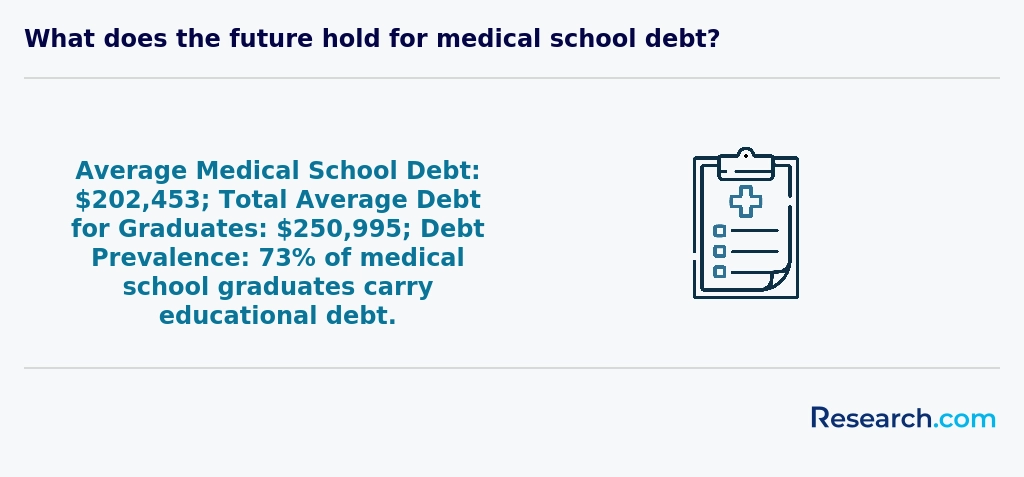
Healthcare programs in Fairfax, VA, should be compared with regional and online options based on affordability, accreditation, clinical or internship access, faculty experience, schedule flexibility, and graduate outcomes. Programs may look similar on the surface, but differences in placement support and employer partnerships can strongly affect student experience.
- Clinical and practicum access: Local programs may have relationships with nearby hospitals, outpatient centers, long-term care facilities, or public health organizations.
- Faculty and advising: Faculty with current healthcare experience can help students connect coursework to real workplace expectations.
- Flexibility: Online and hybrid programs may help working adults, but students should verify whether labs, practicums, or internships can be completed near Fairfax.
- Cost structure: Compare tuition, fees, supplies, commuting, technology costs, and whether online students pay different rates.
- Career outcomes: Ask where graduates work, whether the program tracks placement, and how students are supported during job searches.
Students who need flexible graduate-level healthcare options may also compare programs such as an easiest mha online program to get into, especially if they are balancing full-time work with study. The best regional choice is not always the closest or cheapest program; it is the program that meets academic standards, fits the student’s schedule, and supports the intended healthcare career.
Healthcare students in Fairfax benefit from a range of financial aid options that make pursuing degrees more affordable and manageable. Federal aid through FAFSA plays a vital role, offering access to grants such as the Pell Grant, which provides eligible undergraduates with up to $7,500 annually without repayment obligations. This federal support often makes the difference for many students balancing education and living expenses.
State-specific scholarships further ease financial pressures. For instance, graduates from Virginia Commonwealth University's Health Scholars Program highlight how these awards, aimed at nursing and allied health fields, significantly offset tuition costs. Additionally, loan repayment initiatives from the Virginia Department of Health encourage students to serve in underserved Fairfax communities, creating both financial relief and meaningful career opportunities.
Local universities like George Mason University supplement aid through merit- and need-based scholarships, allowing students to reduce out-of-pocket expenses on average $11,000 in-state healthcare tuition. Many graduates also express gratitude for private scholarships and employer tuition reimbursement programs, which acknowledge their commitment to advancing within Fairfax's thriving healthcare sector.
Students interested in healthcare do not have to limit themselves to broad healthcare administration or clinical support degrees. Allied health programs can prepare graduates for more specialized roles connected to rehabilitation, movement science, diagnostic services, health promotion, and patient support.
For students interested in movement, injury prevention, rehabilitation, and exercise-based health, an online degree in kinesiology and exercise science may offer a flexible pathway. These programs often combine anatomy, biomechanics, motor learning, exercise science, and applied experience, depending on the institution and degree level.
Why consider allied health pathways?
- Interdisciplinary skill sets: Students can combine knowledge of human movement, patient support, prevention, and rehabilitation.
- Flexible learning formats: Some allied health programs are available online or in hybrid formats, which can help working adults continue their education.
- Expanded career options: Graduates may pursue roles in sports performance centers, hospital rehabilitation units, public health agencies, wellness programs, or related settings.
- Targeted preparation: Specialized allied health programs may align more directly with a specific job family than a general healthcare degree.
Before enrolling, students should verify accreditation through relevant organizations such as the Commission on Accreditation of Allied Health Education Programs (CAAHEP), when applicable, and review state licensure requirements. Requirements vary by occupation, so students should confirm whether the program qualifies them for the credential or role they intend to pursue.
To enroll in a healthcare degree program in Fairfax, applicants must hold a high school diploma or equivalent, such as a GED, with a competitive GPA typically between 2.5 and 3.0. Graduates from popular Fairfax institutions often reflect on how this academic foundation in core subjects like biology and chemistry prepared them well for challenging courses ahead.
Science prerequisites are vital; completing coursework in biology, chemistry, and sometimes physics or anatomy is standard. Many graduates recall how these classes at Fairfax community colleges or universities provided essential hands-on experience that eased their transition into advanced healthcare topics.
Some programs require standardized test scores like the SAT or ACT, although many have adopted test-optional policies. Candidates aiming for nursing or specialized health fields often need to submit personal statements and letters of recommendation, which helped peers communicate their passion and commitment effectively.
Additional prerequisites may include background checks and immunization records, particularly for clinical placements, ensuring both safety and compliance with local regulations.
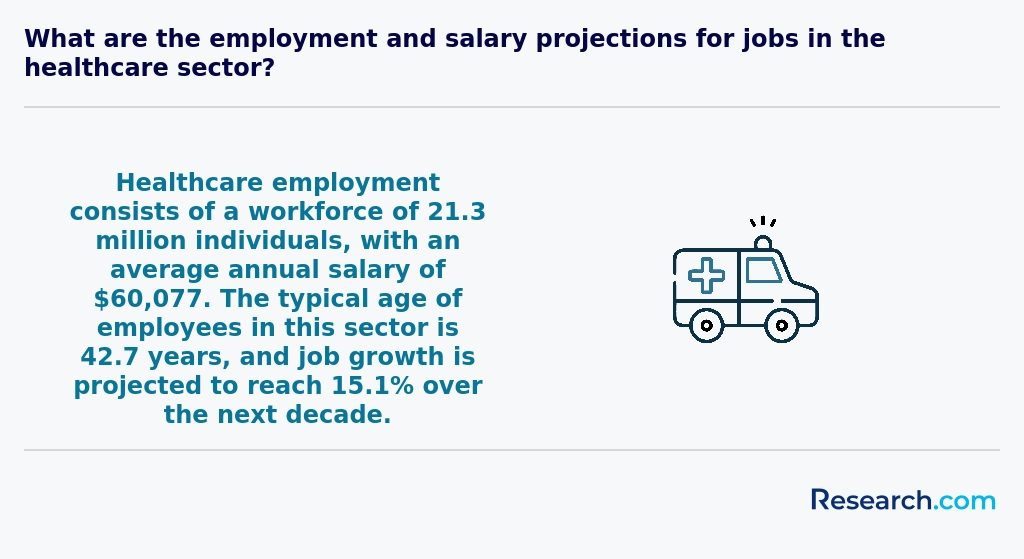
Healthcare programs should be compared with other educational programs by looking at cost, completion time, job demand, hands-on requirements, and long-term career fit. A program that appears affordable may not be the best value if it lacks strong advising, applied experience, employer recognition, or a clear route to employment.
Compared with many non-healthcare programs, healthcare degrees may include more structured requirements. Students may need to complete prerequisites in a specific order, meet clinical site rules, maintain health documentation, or prepare for certification and licensure expectations. These requirements can add time and cost, but they can also create clearer career pathways.
Other fields use different value measures. Fine arts programs, for example, may place greater emphasis on portfolio development, studio access, mentorship, exhibitions, and creative networks. Students comparing fields can review resources such as the affordable fine arts school in virginia ranking to understand how affordability and outcomes are evaluated outside healthcare.
A strong comparison should answer four questions: What will the program cost? What job or graduate pathway does it support? What evidence shows students complete and benefit from it? And is the student genuinely interested in the day-to-day work that follows?
Healthcare degree programs in Fairfax include a comprehensive curriculum blending foundational science courses with practical healthcare skills. Graduates often recount how initial studies in anatomy, physiology, and microbiology at institutions like Fairfax Community College built a solid understanding of the human body, essential for patient care roles.
Courses in healthcare ethics and medical law are integral, enabling students to confidently navigate complex legal and moral challenges in clinical environments. These lessons resonate deeply with many who appreciate the clarity gained in managing real-world ethical dilemmas during their clinical rotations.
Students also engage in healthcare management and policy classes that reveal the complexities of modern healthcare systems, such as facility operations and insurance processes. This knowledge empowers graduates to contribute effectively to organizational improvements.
- Pharmacology and nutrition
- Medical terminology
- Patient care and clinical procedures
- Health information systems and data management
- Public health and community medicine
- Emergency care and first aid
Hands-on experiences through simulation labs and clinical placements at Fairfax colleges enhance confidence and readiness to serve patients compassionately and competently. Many students find this practical training invaluable, describing it as the turning point in feeling truly prepared for their healthcare careers.
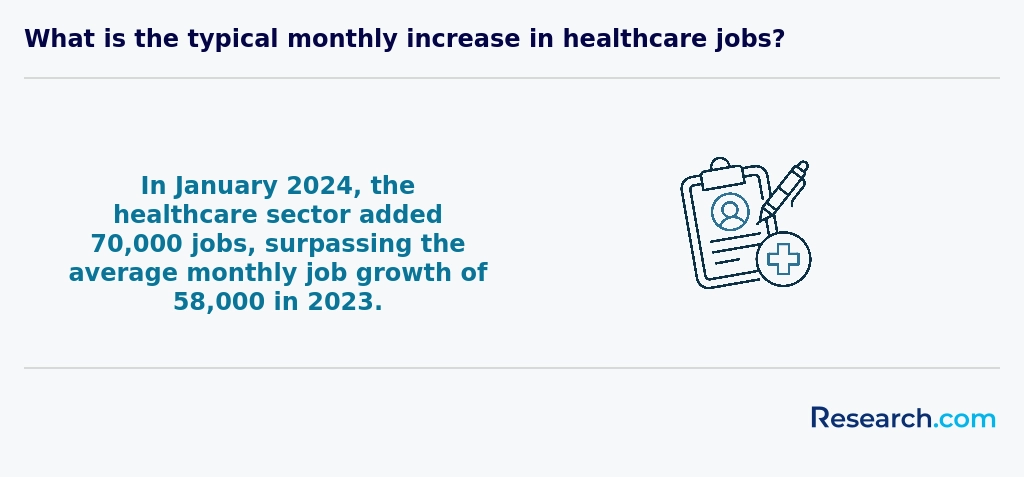
Healthcare degree specializations in Fairfax reflect the region's dynamic healthcare landscape, providing students with a range of focused career paths. Common concentrations include Nursing, where graduates benefit from access to prominent medical centers for hands-on clinical training. Health Informatics is also popular, equipping students to enhance patient care through data management and technology integration.
Students pursuing Public Health often engage deeply with topics like epidemiology and community wellness, reflecting local priorities shaped by recent public health challenges. Healthcare Administration programs prepare individuals for leadership roles in Fairfax's expanding healthcare organizations, while allied health fields such as physical and occupational therapy offer direct patient care opportunities.
Graduates from respected colleges in Fairfax often express enthusiasm about the practical learning environments and the ability to connect with the thriving healthcare industry. Many find that these specializations align well with their goals and the demand for skilled professionals in the area. Those interested in evolving fields also explore sonography industry trends, broadening their expertise in affordable healthcare programs Fairfax supports.
Choosing the best healthcare degree in Fairfax begins with examining accredited programs at reputable institutions like George Mason University. Graduates often highlight the advantage of programs accredited by recognized bodies, which ensures high-quality education and strong licensure exam pass rates. For example, nursing students consistently report confidence entering the workforce due to preparation aligned with national standards. Cost is another key consideration; many seek affordable healthcare degree programs Fairfax offers, comparing tuition and financial aid options to minimize debt while maximizing educational value.
Graduation and job placement rates provide insight into program effectiveness. Fellows in Fairfax praise the university's strong connections with nearby hospitals such as Inova Health System, which facilitate valuable clinical internships and real-world experience. Such practical exposure often leads to quicker employment post-graduation. When weighing options, candidates should also reflect on their career goals-associates degrees offer rapid workforce entry, while bachelor's or master's pathways open doors to leadership roles.
Students balancing work or family find success speaking with alumni and academic advisors. Additionally, understanding public health challenges in nursing helps clarify which pathway aligns best with personal and professional aspirations.
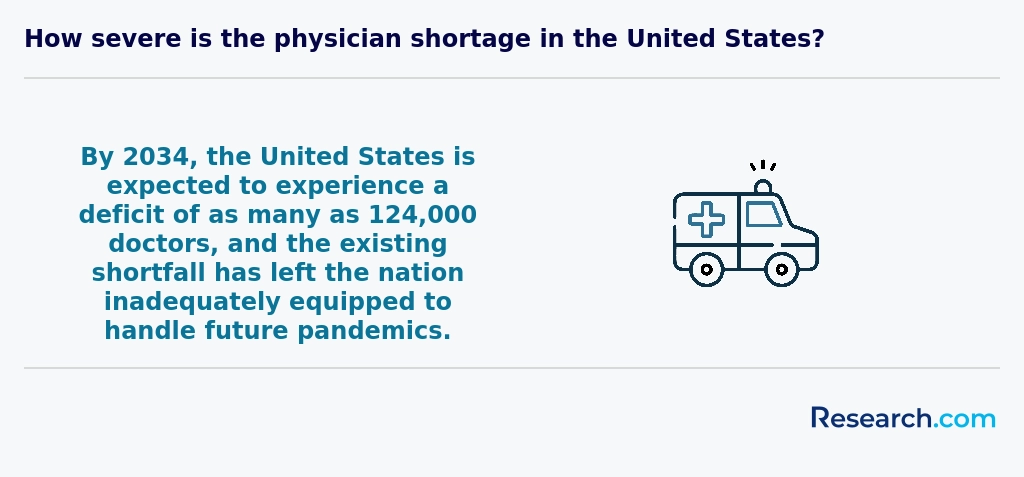
Graduates with a healthcare degree in Fairfax find diverse career paths tailored to the region's dynamic medical ecosystem. Common roles include registered nurses, healthcare administrators, and medical technologists, all highly sought after due to Fairfax's extensive network of hospitals and government health agencies. Registered nurses in the area benefit from an aging population driving demand, with many graduates from local colleges successfully securing positions offering competitive salaries and career growth.
Those pursuing healthcare administration enjoy opportunities managing operations in clinics and hospitals, where expertise in healthcare laws and finance is valued. Graduates often express satisfaction working in Fairfax's collaborative healthcare environment, which fosters professional development. Additionally, technical roles such as medical technologists allow graduates to contribute directly to patient diagnostics, supported by comprehensive programs at area universities.
Healthcare degree career options Fairfax also span fields like physical therapy and public health, providing broad avenues for specialization. Students interested in nursing can explore accredited nursing schools miami for further options outside Virginia, ensuring access to quality education nationwide.

The healthcare job opportunities in Fairfax are exceptionally strong, reflecting a dynamic market fueled by a growing population and expanding healthcare services. Graduates from local institutions often find themselves well-prepared to enter a variety of roles, including nursing, healthcare administration, and allied health fields. Many students from well-regarded colleges in Fairfax report positive experiences transitioning into jobs with prominent employers like Inova Health System, where demand for healthcare professionals continues to rise steadily.
Fairfax healthcare degree employment outlook benefits from consistent regional growth of around 12% over recent years, indicating sustained job openings across hospitals, outpatient clinics, and public health agencies. Graduates frequently note that achieving licensure or certification is a common step after degree completion, yet this often leads to rewarding career paths with competitive salaries and benefits compared to other regions.
For those looking to specialize, exploring affordable options such as accredited nurse practitioner programs Texas can further enhance qualifications and employment prospects within Fairfax's healthcare sector. This blend of practical education and a robust job market fosters confidence among new healthcare professionals.
2027 Most Affordable Healthcare Degree Programs Ranking in Fairfax
Investing in your education is a significant decision that can shape your future, and the Research.com team understands the importance of making informed choices. To assist prospective students in Fairfax, we have meticulously crafted the "2027 Most Affordable Healthcare Degree Programs Ranking in Fairfax." Our commitment to quality, credibility, and accuracy is reflected in the extensive research and analysis conducted to compile this ranking.
We utilized the following reputable data sources to ensure a comprehensive evaluation of healthcare programs:
By exploring this ranking, readers will gain valuable insights into the most affordable healthcare degree programs available in Fairfax, empowering them to make well-informed decisions about their educational investments. For more details on our methodology, please visit our Research.com methodology page.

Frequently Asked Questions About healthcare
Healthcare degree students in Fairfax can maximize their learning experience by engaging deeply with both academic and practical opportunities. Fairfax hosts several institutions offering programs in nursing, public health, and healthcare administration, supported by strong local healthcare systems such as Inova Health. Students should seek internships or clinical rotations in nearby hospitals, which provide hands-on experience essential for career readiness. Additionally, joining student healthcare organizations and attending local health conferences can enhance networking and professional growth.
Access to updated technology and evidence-based resources, including libraries and online databases, supports effective study. Balancing classroom learning with community service offers students valuable real-world insights into Fairfax's diverse healthcare needs.
Emerging niches within the healthcare field in Fairfax reflect national trends toward technology and specialized patient care. Areas like telehealth and health informatics are growing rapidly. Telehealth services in Fairfax expanded by over 150% between 2020 and 2023, driven by demand for remote care during the pandemic (Fairfax County Health Department).
Health informatics combines healthcare and data management, improving patient outcomes through electronic health records and analytics. Precision medicine is another rising niche, focusing on personalized treatment based on genetic profiles.
Additionally, mental health professions and geriatrics are expanding to meet the needs of Fairfax's aging population, which grew 10% from 2010 to 2020 (U.S. Census Bureau).
After completing a healthcare degree in Fairfax, preparing for the job market involves several key steps. First, obtaining relevant certifications and licenses is essential, as many healthcare positions require state-approved credentials. For example, registered nurses must pass the NCLEX-RN exam to practice in Virginia.
Networking locally is highly beneficial; Fairfax hosts numerous healthcare employers, including Inova Health System, a major regional provider employing over 16,000 staff. Attending job fairs and joining professional organizations like the Virginia Nurses Association can open doors to opportunities.
Additionally, gaining practical experience through internships or volunteering in Fairfax healthcare facilities strengthens resumes and skill sets. According to the Bureau of Labor Statistics, healthcare jobs in Northern Virginia are projected to grow by 20% through 2030, indicating healthy job prospects.
Employers in Fairfax seek healthcare degree graduates who demonstrate strong clinical skills and effective communication. These abilities ensure graduates can deliver patient-centered care confidently and collaborate with multidisciplinary teams. According to the Fairfax County Economic Development Authority, employers value problem-solving skills and proficiency in healthcare technology, reflecting the region's growing focus on telemedicine and electronic health records.
Critical thinking and adaptability also rank high, with 78% of local healthcare employers prioritizing these skills to navigate the fast-evolving medical environment, reported by the Virginia Employment Commission in 2023. Additionally, cultural competence is essential to serve Fairfax's diverse population effectively.
Finding internships in Fairfax relevant to a healthcare degree involves several practical steps. Begin by leveraging local healthcare facilities, such as Inova Health System, which is one of the largest employers in the region and regularly offers internship opportunities.
Contacting university career centers in Fairfax, like those at George Mason University, can provide access to partnerships with local hospitals, clinics, and research institutions.
Additionally, students should explore listings on healthcare-specific job boards and internship sites focused on Fairfax and Northern Virginia. Early application is crucial-internship slots in healthcare often fill quickly due to high demand.
Lastly, networking through professional organizations such as the Fairfax County Medical Reserve Corps can also uncover hidden opportunities.
Obtaining a healthcare degree in Fairfax significantly enhances career mobility and advancement opportunities due to the region's robust healthcare sector. Fairfax is part of the Washington-Arlington-Alexandria metro area, which employs over 350,000 healthcare workers as of 2023, according to the U.S. Bureau of Labor Statistics. A degree equips graduates with essential clinical and administrative skills valued by employers in hospitals, clinics, and research facilities.
Healthcare degrees also qualify individuals for specialized roles that offer higher salaries and leadership tracks. For instance, registered nurses with a Bachelor of Science in Nursing (BSN) often have better promotion prospects compared to those with only an associate degree. Local employers frequently prioritize candidates with accredited degrees for managerial positions.
Moreover, continuing education and advanced certifications after earning a degree can further accelerate career growth in Fairfax's competitive healthcare market, supported by numerous nearby universities and training programs.
Studying for a healthcare degree in Fairfax offers students a strong foundation for interdisciplinary roles through programs that emphasize collaboration across various healthcare fields. Fairfax's institutions often integrate clinical practice with coursework in public health, health administration, and allied health professions, preparing students for teamwork in diverse medical settings.
According to the Virginia Department of Health, Fairfax County is a hub of healthcare innovation and employs over 9,000 healthcare professionals, making interdisciplinary coordination vital. Local programs reflect this need by incorporating case studies and simulations involving physicians, nurses, and healthcare managers.
Students also benefit from partnerships with nearby hospitals and research centers, which provide practical experience in multidisciplinary environments. This hands-on approach enhances communication and problem-solving skills essential for modern healthcare teams.
When choosing between a thesis and a non-thesis healthcare degree program in Fairfax, consider your career goals first. Thesis programs typically suit students aiming for research, academic careers, or doctoral studies. They require conducting original research and writing a formal thesis, which can take additional time and effort.
Non-thesis programs focus more on practical skills and coursework, allowing faster completion and direct entry into healthcare professions. In Fairfax, where healthcare jobs grew by 12% from 2019 to 2023 (BLS data), practical experience is highly valued.
Also review program requirements, faculty expertise, and your interest in research versus applied practice before deciding.
Students based in Fairfax who wish to study healthcare abroad have several options supported by U.S. higher education structures. Many Fairfax colleges offer study-abroad programs in cooperation with accredited international universities, allowing students to gain global healthcare perspectives while earning credits transferable to their degrees. Popular destinations include Canada, the United Kingdom, and Australia, where healthcare systems are well-regarded and offer clinical practicum opportunities.
According to the Institute of International Education, approximately 14% of U.S. healthcare students participate in study abroad experiences, enhancing cultural competence and professional skills. Fairfax students can also access scholarships and exchange programs specifically targeting health-related studies, ensuring affordability and academic recognition.
Fairfax offers a variety of part-time job opportunities ideal for students pursuing healthcare degrees. Positions such as medical assistants, pharmacy technicians, and certified nursing assistants (CNAs) allow students to gain practical experience while completing their studies. According to the U.S. Bureau of Labor Statistics, Fairfax County has a growing healthcare sector, with over 20,000 jobs projected to be added by 2030. Local healthcare providers and hospitals often seek part-time workers to support patient care and administrative tasks, providing flexible schedules compatible with academic commitments.
Additionally, roles in health information management and medical billing in Fairfax's numerous outpatient clinics can help students develop valuable technical skills. These jobs align well with coursework in healthcare administration and technology, further enhancing employability upon graduation. Working part-time in these positions strengthens both practical knowledge and professional networks in the local healthcare community.
Healthcare students in Fairfax benefit from a range of strong networking opportunities tied to the region's medical community. Fairfax is home to several respected universities and community colleges offering healthcare programs, such as George Mason University and Northern Virginia Community College. These institutions frequently host health-focused career fairs and student organizations, which connect students with local healthcare employers.
Additionally, Fairfax's proximity to Washington, D.C. expands access to professional conferences, internships, and clinical placements at renowned hospitals like Inova Health System. According to Fairfax County Economic Development Authority, the healthcare sector employs over 55,000 people locally, providing robust networking possibilities.
Students can also join local chapters of national organizations, such as the American Medical Student Association, and participate in community health outreach programs, further enhancing professional connections early in their careers.
Alumni networks play a significant role for healthcare degree students in Fairfax by providing valuable professional connections. These networks allow students to access mentorship from experienced graduates working in the region's robust healthcare sector. According to Fairfax County Economic Development Authority, the area hosts over 300 healthcare-related businesses, increasing opportunities for networking and employment.
Students benefit from job postings, internships, and workshops shared exclusively within these alumni circles. This insider access helps bridge the gap between academic learning and practical experience. Additionally, alumni events foster community support, encouraging collaboration and knowledge exchange critical in healthcare careers.
Customizing a healthcare degree program in Fairfax allows students to tailor their education to meet specific career goals within the healthcare industry. Many local colleges and universities offer flexible curricula with elective courses in areas like public health, healthcare administration, or specialized clinical practice. This flexibility helps students gain skills directly applicable to their interests.
Students can also engage in internships and clinical rotations at nearby healthcare facilities such as Inova Health System, gaining practical experience in real-world settings. According to the Fairfax County Economic Development Authority, healthcare remains one of the fastest-growing job sectors locally, emphasizing the value of relevant hands-on training.
Additionally, some programs provide options for dual degrees or certifications, enabling students to stand out in competitive job markets. Academic advisors in Fairfax are well-equipped to help design a path aligned with evolving industry demands and personal ambitions.
Healthcare students in Fairfax often face rigorous academic demands, including intensive coursework and clinical practice requirements. The competitive nature of admissions and programs adds to the pressure, with limited spots available at local institutions such as George Mason University. According to the Virginia Department of Health Professions, maintaining up-to-date certifications and licensure can be challenging due to evolving healthcare standards.
Financial constraints also impact students, as healthcare programs may require costly textbooks, lab fees, and unpaid clinical hours that affect part-time work opportunities. Furthermore, balancing study with personal responsibilities remains a common hurdle for many.
With a healthcare degree in Fairfax, graduates can pursue a variety of professional certifications to enhance their careers. Common certifications include Certified Nursing Assistant (CNA), Registered Nurse (RN), and Licensed Practical Nurse (LPN), which are essential for clinical roles. For those interested in administration or specialized fields, certifications like Certified Medical Assistant (CMA) and Certified Healthcare Administrator (CHAA) offer career advancement.
Fairfax healthcare employers often prioritize candidates with certifications recognized by organizations such as the National Healthcareer Association (NHA) and the American Nurses Credentialing Center (ANCC). Pursuing these credentials can increase job opportunities and salary potential in the region. According to Virginia's Department of Health Professions, certification requirements remain strict due to high standards of care in Fairfax and surrounding areas.
Writing a winning application for a healthcare program in Fairfax requires careful preparation and attention to detail. Start by researching programs offered by local institutions such as George Mason University, which reported a 78% acceptance rate for their nursing program in 2023 (Virginia Community College System, 2023). Highlight your commitment to healthcare through relevant volunteer or work experience in the application.
Strong letters of recommendation, preferably from healthcare professionals, add credibility. Be clear and concise in your personal statement, focusing on your motivation to contribute to Fairfax's healthcare community, which faces growing demand due to regional population growth.
Additionally, ensure all transcripts and test scores meet program requirements, and meet all deadlines. Paying attention to these factors increases your chances of admission.
Healthcare careers are increasingly viewed through a global lens, even for students in Fairfax exploring local opportunities. The U.S. healthcare system, including Virginia's Northern region, emphasizes evidence-based practices that align with international standards. According to the National Center for Education Statistics, over 75% of healthcare degree programs incorporate global health topics to prepare graduates for diverse environments.
Fairfax's healthcare workforce benefits from multicultural knowledge, reflecting broader global health challenges such as infectious diseases and aging populations. Organizations like the World Health Organization influence curricula, ensuring students understand global health policies and ethics.
Moreover, Fairfax healthcare providers increasingly collaborate with international partners, highlighting the relevance of global perspectives for American healthcare professionals.
Gaining practical experience while studying for a healthcare degree in Fairfax is vital for career readiness. Many Fairfax colleges and universities partner with local hospitals, clinics, and long-term care facilities to offer clinical internships and externships. For example, George Mason University students often participate in clinical rotations at Inova Health System, a major healthcare provider in the area.
Additionally, Fairfax's proximity to Washington, D.C., expands opportunities for volunteering and working in diverse healthcare environments. According to the Fairfax County Health Department, nearly 15% of local healthcare students engage in hands-on training before graduating. This experience helps students apply theoretical knowledge and improve patient care skills, boosting employability upon degree completion.
Choosing the right concentration within a healthcare degree program in Fairfax begins with understanding local job market demands. According to the Virginia Employment Commission, areas like nursing, health informatics, and medical assisting show steady growth, reflecting Fairfax's expanding healthcare sector. Prospective students should research specialties that align with both personal interests and practical career opportunities.
It is also important to consider program accreditation and faculty expertise. Accredited programs ensure quality education and ease of licensure, which is crucial in healthcare professions. Fairfax-based colleges often provide access to internships at nearby hospitals and clinics, giving valuable hands-on experience.
Lastly, reviewing data from the U.S. Bureau of Labor Statistics and local health departments can help gauge salary trends and job stability for each concentration, helping make an informed decision.
- 2027 Most Affordable Healthcare Degree Programs Ranking in Arlington
- 2027 Most Affordable Healthcare Degree Programs Ranking in Washington
- 2027 Most Affordable Healthcare Degree Programs Ranking in College Park
- 2027 Most Affordable Healthcare Degree Programs Ranking in Baltimore
- 2027 Most Affordable Healthcare Degree Programs Ranking in Winchester
- 2027 Most Affordable Healthcare Degree Programs Ranking in Charlottesville
- 2027 Most Affordable Healthcare Degree Programs Ranking in Richmond
- 2027 Most Affordable Healthcare Degree Programs Ranking in Harrisonburg
- 2027 Most Affordable Healthcare Degree Programs Ranking in Dover
- 2027 Most Affordable Healthcare Degree Programs Ranking in New Castle
See What Experts Have To Say About Studying Healthcare
Read our interview with Healthcare experts

- Job-Ready Healthcare Skills for 2026 https://cliniwave.in/blogs/latest-article/job-ready-healthcare-skills
- Course Benefits https://www.premedprojects.co.uk/hospital-work-experience-benefits
- How to Write Your Cover Letter | NQRTH https://www.nqrth.edu.au/career-planning/how-to-write-your-cover-letter/
- Free Training Program Offers Avenues to Careers in Healthcare https://www.fairfaxcounty.gov/housing/news/2021/Avenues-to-Career-Training
- Health & Life Sciences Jobs | Work in FFX NOVA https://workinffxnova.com/industries/health-life-sciences/
- Employability Skills Matrix for the Health Sector https://www.skillsforhealth.org.uk/resources/employability-skills-matrix/
- Getting medical work experience https://www.bma.org.uk/advice-and-support/studying-medicine/becoming-a-doctor/getting-medical-work-experience
- How to Choose a Health Administration Program https://www.healthadministrationdegrees.com/articles/choosing-a-program/
- Advancing Your Career in Healthcare: Tips and Strategies https://www.sunshinecarenetwork.com/blog/advancing-your-career-in-healthcare-tips-and-strategies
- Health Management Careers https://www.ache.org/Career-Resources/Start-Your-Career/Health-Management-Careers