2027 Most Affordable Fine Arts Degree Programs Ranking in Virginia

Co-Founder and Chief Data Scientist
Choosing the right fine arts degree program in Virginia can feel overwhelming, but finding an affordable option that matches your goals is essential. This article features the 2027 Most Affordable Fine Arts Degree Programs Ranking in Virginia created by the Research.com team of data scientists. It's designed to help you make an informed decision based on thorough data analysis.
By exploring this ranking, you can discover quality programs that won't break the bank, opening doors to a fulfilling creative career. Pursuing a fine arts degree brings personal growth and exciting opportunities worth considering.
Key benefits of getting fine arts degree in Virginia
- Salary Benefits: Graduates with a fine arts degree in Virginia can pursue rewarding careers such as Animator, earning a mean annual wage of $109,630, or Illustrator, with an average salary of $71,420. These figures highlight strong earning potential in creative fields.
- Career Paths: Fine arts graduates from universities like Virginia Commonwealth University often explore diverse paths including graphic design, animation, and illustration, allowing them to blend creativity with stable professional opportunities. This variety keeps career options exciting and flexible.
- Online Degree Advantages: Earning a fine arts degree online from institutions like Liberty University offers flexibility and accessibility, making it easier to balance studies with personal commitments. Online programs also provide networking opportunities with peers and professionals statewide without geographic limits.
- 2027 Most Affordable Fine Arts Degree Programs Ranking in Virginia
- What can I expect from fine arts degree in Virginia?
- Where can I work with fine arts degree in Virginia?
What can I expect from fine arts degree in Virginia?
The average cost of pursuing a fine arts degree in Virginia varies depending on the type of institution. Public universities like Virginia Commonwealth University (VCU) and James Madison University generally charge around $12,000 per year for in-state students. Graduates from these universities often reflect on the value of smaller class sizes and personalized mentorship, which many find worth the tuition investment despite financial challenges.
Private institutions tend to be more expensive, sometimes significantly so, which can add pressure but also often provides access to specialized resources and extensive networks. Many fine arts students express gratitude for scholarships targeted specifically to their discipline, which can ease the burden and enable more focused creative development.
For instance, a student attending VCU might balance tuition costs with internships at local galleries in Richmond, gaining hands-on experience that bolsters both portfolio and job prospects. This real-world engagement can justify the cost by blending financial investment with vital opportunities beyond the classroom.
It's important to weigh tuition against these qualitative benefits, including access to expert faculty and cultural institutions, rather than viewing cost in isolation.
Where can I work with fine arts degree in Virginia?
Graduates with fine arts degrees from institutions like Virginia Commonwealth University or the University of Virginia often find themselves working across a spectrum of creative roles throughout Virginia. Many start as visual artists or graphic designers in vibrant metro hubs such as Richmond or Northern Virginia, where demand for creative talent remains steady. Real-life accounts reflect a rewarding yet competitive environment, where success depends on blending artistic skill with practical business sense.
Others secure positions in museums or galleries, including the Virginia Museum of Fine Arts, contributing as curators or exhibit designers. Those passionate about education frequently fill art teaching roles in public schools, addressing a consistent regional need while engaging directly with young learners.
For graduates interested in digital arts, Northern Virginia's tech sector offers opportunities in animation and set design for media companies. Freelancing and entrepreneurship are common paths as well, with many artists collaborating with marketing firms or running their own studios, often balancing passion projects with commissioned work. This multifaceted landscape in Virginia encourages adaptability and creative exploration.
Graduates from fine arts programs in Virginia, such as those from Virginia Commonwealth University or the College of William & Mary, often encounter diverse salary outcomes depending on their chosen career paths. For example, graphic artists typically earn a mean annual wage of around $64,700 nationwide, which can be somewhat higher in Virginia's metropolitan areas like Richmond. This reflects the vibrant creative industries supported by the region.
Art teachers, an accessible career route for many fine arts graduates pursuing additional certification, have a mean annual salary near $70,740 nationally. Virginia public school art teachers with experience can expect competitive pay that aligns with these figures, often supplemented by local institutional support.
Illustrators, who often combine traditional and digital skills, can make a mean wage of approximately $71,420, a promising option for graduates blending fine arts with technology. For those aiming even higher on the income scale, animators show a notable mean wage of $109,630, reflecting the premium on specialized digital animation skills.
Many graduates pursue freelance work or teaching roles that offer flexibility but unpredictable income. Still, the well-rounded training at Virginia's top art programs equips them to tap into these diverse markets with confidence and creativity.
- In-state tuition for fine arts programs at public universities in Virginia ranges from $12,000 to $17,000 per year.
- Private universities in Virginia typically charge over $35,000 annually for fine arts degrees.
- Entry-level salaries for fine arts graduates in Virginia average around $38,000 per year.
- Mid-career salaries can increase to between $52,000 and $60,000, depending on the art discipline and sector.
- Main job markets include Richmond, Norfolk, and the Washington D.C. metro area, with opportunities in graphic design, museums, and advertising.
- Combining fine arts education with digital media or arts management skills can enhance employment prospects.
Completing a fine arts degree in Virginia generally takes about four years for full-time students, whether pursuing a Bachelor of Fine Arts (BFA) or a Bachelor of Arts (BA) with a fine arts concentration. Graduates from institutions like Virginia Commonwealth University (VCU) and George Mason University often share that this timeline feels manageable yet intensive, especially for BFA students who engage deeply in studio work. The practical, hands-on nature of BFA programs can make the experience fulfilling but demanding.
Some students extend their studies beyond four years due to part-time enrollment, internships, or study abroad opportunities, which enrich their education but add semesters. For instance, a student combining a cooperative education program with their coursework at VCU might take extra time but gain valuable professional experience.
Master of Fine Arts (MFA) degrees, pursued after a bachelor's, usually require two to three additional years. Graduates highlight that this period allows for concentrated art practice and the creation of a thesis exhibition, a critical milestone in their journey.
While the time-to-degree aligns with national averages, Virginia's unique mix of public and private tuition costs and university resources shapes each student's experience in distinct ways.
Fine Arts programs in Virginia prioritize real-world experience through robust internship opportunities and industry partnerships. Many universities, such as Virginia Commonwealth University (VCU) and George Mason University (GMU), collaborate with local galleries, museums, design firms, and tech studios to offer semester-long placements. These internships allow students to apply classroom skills-whether in sculpture, digital media, or graphic design-and build professional networks before graduation. For students focused on animation and digital arts, partnerships with studios like ReelFX and local game developers are invaluable. Those considering an online animation degree can also access virtual internships, working remotely on storyboard development, character rigging, and motion graphics projects. This flexibility ensures that even distance learners gain hands-on experience. Art departments often maintain dedicated career services that host portfolio reviews, company info sessions, and alumni panels. For example, James Madison University’s Career and Academic Planning office organizes an annual “Creative Industries Day,” where students meet recruiters from theatrical production companies and art therapy clinics. Similarly, Old Dominion University partners with Norfolk’s Chrysler Museum to coordinate summer internships, enabling students to curate exhibitions and assist with public outreach. By integrating these partnerships into their curriculum, Virginia’s Fine Arts programs help graduates transition seamlessly into roles such as exhibition coordinators, multimedia designers, and art educators. When evaluating a program, prospective students should inquire about the number and scope of internship placements, the level of faculty mentorship, and post-internship hiring rates-key factors that contribute to long-term career success.
Choosing between online and on-campus fine arts degrees in Virginia often comes down to the learning environment and access to resources. Graduates from Virginia Commonwealth University and Radford University frequently recall the energizing atmosphere of studio work, where tactile engagement with materials and face-to-face feedback were invaluable for their growth as artists. This hands-on, collaborative setting is difficult to replicate fully online.
Conversely, some students appreciate the flexibility of online programs, which allow them to balance coursework with jobs or family life. Yet, they often mention the challenge of maintaining motivation without in-person critique sessions or spontaneous studio interactions that happen naturally on campus.
Virginia's online programs try to bridge this gap with virtual demonstrations and digital critiques, yet certain specialized disciplines still lack a fully equivalent online experience. Cost factors also come into play, with online studies potentially reducing housing or commuting expenses, though tuition varies widely between public and private institutions.
Exploring the vibrant campus life and community beyond the classroom is an essential part of the Fine Arts journey in Virginia. Many top programs offer state-of-the-art studios, on-campus galleries, and creative hubs that foster both artistic expression and professional networking. Students can engage in extracurricular clubs, collaborative projects, and art exhibitions that not only enhance their portfolios but also build connections with industry professionals and successful alumni. Regular events like guest lectures, portfolio reviews, and mentorship programs create unique opportunities for hands-on learning and career development. Additionally, many institutions encourage participation in community outreach initiatives and local arts festivals, offering students real-world experience that bridges academics with professional practice. To gain a holistic view of what these programs offer, prospective students might explore campus visit guides or virtual tours provided by institutions, including insights on facilities and student support services available at the best fine arts school in virginia. Engaging with these aspects of student life can provide an invaluable foundation for success in both the creative world and the competitive job market.
When evaluating the average cost of a fine arts degree in Virginia, it's important to consider the differences between public and private institutions. On average, in-state students at public universities pay significantly less, with median total costs around $21,803 for the entire degree. This affordability appeals to many students who want to pursue their artistic passions without overwhelming debt. Graduates from Virginia's public universities often highlight how this balance of cost and quality allowed them to focus on developing their creativity and technical skills without constant financial stress.
Out-of-state students face higher expenses, sometimes more than double the in-state rates, with median costs close to $48,961. This difference can feel daunting, but students who choose private colleges such as Virginia Commonwealth University School of the Arts often find the investment worthwhile for the specialized programs and networking opportunities. Many graduates emphasize the vibrant community and access to industry professionals as key benefits that helped justify the higher tuition.
Considering Virginia affordable fine arts degree tuition involves looking beyond just tuition. Additional expenses including art supplies, housing, and specialized fees add layers to the overall cost. However, many find that financial aid and scholarships ease this burden. Researching options and comparing schools is essential; for example, students often use resources at the best fine arts school in virginia to gauge both quality and expense before committing, which makes for a more informed and confident choice.
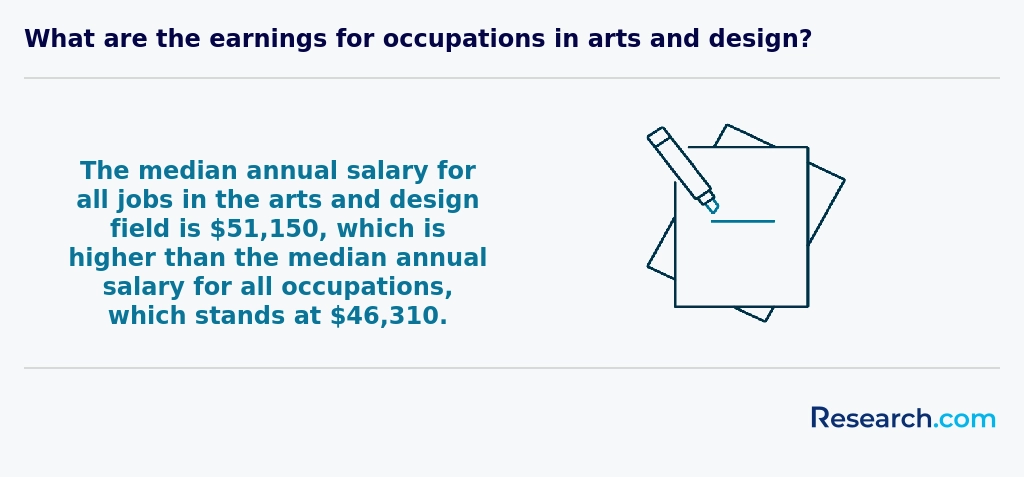
In recent years, Virginia's Fine Arts programs have embraced exciting new developments that are reshaping the way students learn, create, and connect with the art world. Institutions are integrating advanced digital media tools, virtual exhibition spaces, and cross-disciplinary collaborations that blend traditional techniques with modern technology like AI and 3D modeling. These trends are not only enhancing the curriculum but also expanding career opportunities in emerging fields such as digital animation, multimedia design, and NFT art. Students benefit from innovative learning environments that combine hands-on studio work with cutting-edge digital labs, making the transition into creative industries smoother and more dynamic. For example, campuses that are recognized as the best fine arts school in virginia often feature dedicated innovation centers where artistic expression meets technology, fostering a culture of experimentation and forward-thinking. By staying abreast of these trends, future artists in Virginia are well-equipped to navigate an evolving job market that values originality, technical savvy, and interdisciplinary collaboration.
Students pursuing fine arts degrees in Virginia can access several financial aid options, though navigating them demands careful planning. Graduates from Virginia Commonwealth University often recall how Pell Grants, capped at $7,395 for the 2023-24 academic year, significantly eased their tuition burden, especially when combined with federal work-study opportunities. However, these federal aids don't always cover living expenses, which remain a challenge for many.
State-specific programs like the Virginia Tuition Assistance Grant (VTAG) also play a critical role, particularly for students at private nonprofits who find the nearly $3,000 annual award helpful but insufficient alone. Graduates highlight the importance of supplementing this aid with targeted scholarships from institutions or arts foundations such as those affiliated with the Virginia Museum of Fine Arts, which reward artistic merit and portfolio strength.
Some fine arts students emphasize the strategic value of applying early for these scholarships and community grants-recognizing that while financial aid is competitive, persistence can lighten the financial strain and allow more focus on creative growth.
Beyond rigorous academics, a thriving campus culture plays a pivotal role in shaping your creative journey. Virginia’s Fine Arts programs provide dynamic environments where you can immerse yourself in extracurricular art clubs, student-run galleries, and mentorship initiatives that foster both professional growth and personal expression. Many schools host regular exhibitions and creative workshops that not only let you build an impressive portfolio but also facilitate valuable networking with local art professionals. Comprehensive career centers and internship programs further support students by connecting them with real-world opportunities and industry insights. For instance, discovering the offerings at the best fine arts school in virginia can help you tap into exclusive campus events, collaborative projects, and community outreach initiatives that enrich your educational experience. Embracing this vibrant student life ensures that you not only excel academically but also develop essential creative and professional skills, laying a solid foundation for a rewarding career in the arts.
Prospective students seeking a fine arts degree in Virginia typically need a high school diploma or GED and satisfactory academic performance in core subjects. For example, graduates from Virginia Commonwealth University recall that strong transcripts combined with an art-focused background helped pave their way. However, meeting academic criteria alone is rarely sufficient.
An essential prerequisite is the submission of a carefully curated portfolio showcasing diverse artistic skills. Many students who gained admission to James Madison University describe portfolio preparation as both challenging and rewarding, highlighting how it allowed them to express their unique creativity beyond grades.
Additionally, some programs ask for letters of recommendation from art teachers or mentors, reflecting applicants' dedication and growth. Personal statements explaining artistic passion also play a significant role, offering applicants an opportunity to connect personally with faculty.
Standardized test scores like the SAT or ACT are increasingly optional at Virginia institutions, which can ease pressure. Interviews or auditions may supplement evaluations, emphasizing commitment and suitability for intensive fine arts study rather than test performance alone.

One of the most valuable components of a Fine Arts degree in Virginia is access to robust internships and industry partnerships that bridge classroom learning with real-world experience. Institutions like Virginia Commonwealth University (VCU) collaborate with the Virginia Museum of Fine Arts to offer semester-long internships, where students curate exhibitions, assist with conservation projects, and engage in public programming. At the University of Virginia (UVA), Fine Arts majors benefit from partnerships with local galleries such as the Fralin Museum of Art, securing roles as gallery assistants and exhibition coordinators. These hands-on opportunities not only refine technical skills but also build professional networks essential for post-graduation success.
James Madison University (JMU) has established relationships with regional design studios and digital media firms in Northern Virginia, enabling students to work on live graphic design and animation briefs. Such collaborations often lead to freelance contracts or full-time positions upon graduation. Meanwhile, George Mason University (GMU) leverages its proximity to Washington, D.C., by placing students with federal arts agencies and non-profit cultural organizations, fostering an understanding of arts administration and public outreach.
When evaluating programs, consider how each school’s industry connections align with your career goals. Robust internships and partnerships can significantly enhance your portfolio and employability. For comparisons on affordability and program quality beyond Virginia, check out our Cheapest Fine Arts Degree Programs Ranking in San Francisco, CA.
Fine arts degree programs in Virginia, such as those at Virginia Commonwealth University and the University of Virginia, typically offer a blend of studio and academic courses that help students build both practical skills and critical insight. Graduates often describe their experience in studio classes like painting, sculpture, and printmaking as intensely rewarding, offering hands-on exploration that feels both challenging and inspiring. These practical courses are balanced with digital arts studies, including photography and graphic design, reflecting how technology is reshaping creative practices.
Art history and theory courses also hold significant importance, providing students a cultural and historical framework that deepens their understanding of their own work. For instance, graduates frequently reflect on how studying periods like Renaissance or modern art helped them see their projects in broader contexts, enriching their creative processes.
Additionally, Virginia's programs emphasize professional development through portfolio creation and exhibition planning, preparing students emotionally and practically for life after graduation. Electives spanning film, theater, or creative writing encourage interdisciplinary thinking, which many students find broadens their artistic perspectives and fuels enthusiasm for future projects.
In Virginia, fine arts degree specializations often reflect a blend of traditional techniques and contemporary approaches, allowing students to explore diverse creative paths. Graduates from institutions like Virginia Commonwealth University experience rigorous training in fields such as painting, sculpture, and graphic design, where they develop both technical skills and conceptual depth. For instance, painting students practice with various mediums, while those focusing on sculpture engage in hands-on work with materials like clay and metal. Other specializations, including photography and printmaking, balance artistic expression with technical proficiency.
Notably, Virginia fine arts major options extend beyond classical disciplines to incorporate digital arts and animation, appealing to students interested in newer media. This versatility is evident in programs encouraging exploration of interdisciplinary studies, which some graduates find crucial for adapting to evolving creative industries. Students seeking dynamic, tech-forward paths might also consider programs offering an online animation degree.
Choosing the best affordable fine arts degrees Virginia offers means balancing your artistic passions with practical concerns. Graduates from institutions like Virginia Commonwealth University often emphasize the value of strong faculty mentorship combined with access to cutting-edge studio facilities, which supports both creative growth and professional readiness. Yet, others highlight how smaller colleges provide more individualized attention, fostering a deeper connection to traditional disciplines like painting or sculpture. Exploring the top fine arts programs cost Virginia-wise is crucial, as tuition can range quite a bit, influencing financial stress levels during study. Some students find that seeking schools with robust scholarship opportunities alleviates this burden, allowing them to focus more fully on their craft.
Fine arts students frequently stress the importance of location-campus culture in Richmond's urban environment at VCU brings vibrant community interactions and internship chances, encouraging emotional and artistic development. Meanwhile, graduates from more rural campuses report a rewarding sense of peace that enhances concentration and originality. To gain a broader perspective on affordability and quality, one might consult the Cheapest Fine Arts Degree Programs Ranking in San Francisco, CA as a comparative resource, broadening understanding of cost versus value across regions.
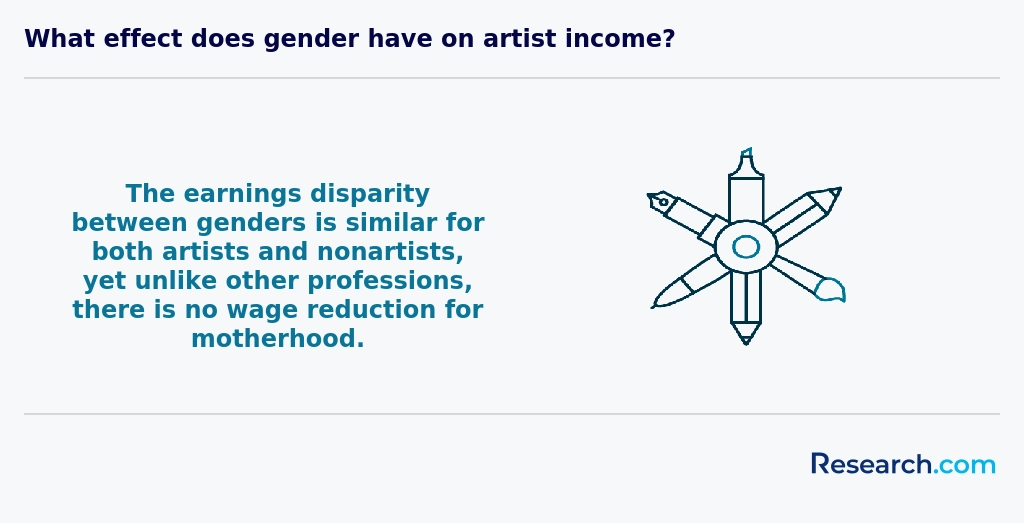
Graduates with a fine arts degree in Virginia often find rewarding opportunities as professional artists, graphic designers, or educators. For example, those from universities such as Virginia Commonwealth University report how Richmond's vibrant art market supports both traditional painting and innovative digital media careers, underscoring the practical benefits of local networks. While many pursue roles as painters or sculptors, others lean toward graphic design jobs, blending creativity with technical skills in Virginia's growing marketing and tech industries. This diversity in opportunities highlights the dynamic nature of fine arts career opportunities in Virginia.
Fine arts graduates also explore paths in education, often becoming certified art teachers in public schools or community colleges. A graduate's journey might include navigating teacher certification while appreciating the state's competitive starting salaries. Some enter museum management, art therapy, or conservation sectors, contributing to Virginia's rich cultural institutions. However, success in these roles may require additional specialization or practical experience, emphasizing the importance of internships and local arts involvement. Prospective students should weigh these realities alongside average tuition costs, also considering financial aid trends to make informed decisions about the best associate degree in 6 months online or traditional options.
The job market for fine arts degree holders in Virginia presents a complex but hopeful picture, shaped by regional culture and evolving economies. Graduates from well-known Virginia universities often find themselves navigating visual arts, graphic design, and art education roles. While some secure steady positions within Richmond's thriving galleries or Alexandria's cultural institutions, others turn to freelancing, supported by Virginia's growing digital art marketplaces. This mix reflects the broader fine arts degree job outlook Virginia faces-where success often depends on combining creative skills with business acumen.
For those pursuing teaching, Virginia's public school system values art educators but requires additional certification, offering more stability than freelance work. Graduates recall the encouragement from their programs to explore both traditional careers and entrepreneurial ventures. The average wage of around $52,000 in Virginia contrasts with larger metros, yet the region's affordability and community resources remain attractive. Students looking beyond campus can explore options among online colleges with open admission, which provide flexible paths to build portfolios and marketability. Overall, Virginia's fine arts career opportunities blend challenge and promise, demanding adaptability and enthusiasm for creative growth.
2027 Most Affordable Fine Arts Degree Programs Ranking in Virginia
Investing in your education is a significant decision that can shape your future, and the Research.com team understands the importance of making informed choices. To assist prospective students in Virginia, we have meticulously crafted the "2027 Most Affordable Fine Arts Degree Programs Ranking in Virginia." Our commitment to quality, credibility, and accuracy is reflected in the extensive research and analysis conducted to compile this ranking. We utilized the following reputable data sources to ensure a comprehensive evaluation of fine arts programs:
By exploring this ranking, readers will gain valuable insights into the most affordable fine arts degree programs in Virginia, enabling them to make well-informed decisions about their education investments. For more details on our methodology, please visit our Research.com methodology page.


Frequently Asked Questions About fine arts
Fine arts degree students in Virginia can maximize their learning experience by engaging actively with both academic and practical opportunities available in the state. Virginia hosts several reputable institutions, such as Virginia Commonwealth University and the College of William & Mary, which offer strong studio programs and access to professional art communities. Students should take advantage of internships, gallery exhibitions, and local art festivals to build real-world experience and networks.
Participating in state arts councils and organizations like the Virginia Commission for the Arts can also provide valuable resources and funding opportunities. Additionally, collaborative projects and interdisciplinary courses enhance creative skills and broaden perspectives. Staying informed about scholarships and student grants within Virginia further supports academic success.
The fine arts field in Virginia is evolving, with emerging niches gaining attention among students and professionals. One rising area is digital and interactive media arts, where artists combine technology with creativity to develop video games, virtual reality experiences, and multimedia installations. According to the Virginia Department of Education, programs offering digital arts have increased enrollment by 15% over the last five years.
Environmental and socially engaged art is another growing niche, reflecting broader cultural interest in sustainability and community involvement. Artists create works that address ecological issues or foster social dialogue.
Additionally, art therapy is expanding, blending psychology and visual arts to support mental health. Virginia's healthcare sector increasingly employs art therapists, indicating rising demand for this interdisciplinary expertise.
After earning a fine arts degree in Virginia, preparing for the job market involves practical steps to build a strong professional profile. Graduates should create a comprehensive portfolio showcasing diverse skills and projects, essential for employers and galleries. Networking within local art communities and organizations, such as the Virginia Museum of Fine Arts, can open valuable job opportunities.
Internships and apprenticeships remain critical to gaining real-world experience. According to the National Endowment for the Arts, Virginia's creative sector employs over 90,000 people, highlighting diverse career paths.
Developing digital skills and a professional online presence through websites or social media can significantly improve job prospects.
Employers in Virginia highly value fine arts graduates who demonstrate strong creative problem-solving skills. According to the National Endowment for the Arts, 72% of arts employers seek candidates with innovative thinking abilities. In addition to creativity, technical proficiency in various media, such as digital design and traditional art techniques, is crucial for success.
Communication skills are also essential. Employers prefer graduates who can effectively articulate their ideas and collaborate with diverse teams. The Virginia Employment Commission notes that fine arts professionals with teamwork and interpersonal skills have a higher job placement rate.
Lastly, adaptability and a strong work ethic are frequently highlighted. Graduates who show persistence and flexibility tend to thrive in Virginia's competitive arts sector.
Finding internships in Virginia relevant to a fine arts degree involves leveraging local resources and professional networks. Virginia hosts numerous art galleries, museums, and theaters, such as the Virginia Museum of Fine Arts in Richmond and the Chrysler Museum of Art in Norfolk, which often offer internship opportunities. Students can also connect with university career centers, which typically maintain listings of internship programs tailored for fine arts students.
Virginia's unemployment rate for arts-related jobs was around 3.8% in 2023, indicating a modest but steady demand for talent, according to the Virginia Employment Commission. Using statewide platforms like Virginia Community College System's internship boards or statewide arts organizations can also help identify openings.
Lastly, attending local art festivals and networking events can significantly enhance internship prospects by building connections with industry professionals and employers actively seeking interns.
A fine arts degree in Virginia enhances career mobility by equipping graduates with critical creative and technical skills valued across various industries. According to the Bureau of Labor Statistics (BLS), Virginia's arts and design sector is growing steadily, offering a 7% employment increase projected by 2031. This expansion opens pathways beyond traditional artist roles, including positions in education, media, and digital design.
Graduates gain competitive advantages in advancement due to the hands-on experience and portfolio development embedded in Virginia's accredited fine arts programs. Employer surveys from the National Endowment for the Arts highlight that 65% of Virginia's arts organizations prioritize candidates with formal arts education for leadership roles.
Additionally, networking opportunities with local galleries and cultural institutions further bolster career progression within the state's vibrant arts community.
Studying for a fine arts degree in Virginia equips students with versatile skills that support interdisciplinary roles. Many Virginia institutions incorporate curriculum that blends traditional artistic techniques with digital media, design, and communication. This approach reflects local industry trends where fine arts graduates often collaborate with technology, marketing, and education sectors.
According to the National Center for Education Statistics, Virginia awarded over 400 fine arts bachelor's degrees in 2022, indicating a competitive yet diverse field. Programs commonly emphasize critical thinking and creativity, highly valued across multiple disciplines. Hands-on projects and internships foster real-world experience, preparing graduates to join teams beyond conventional art roles.
When choosing between a thesis and a non-thesis fine arts degree program in Virginia, students should consider their career goals and learning preferences. Thesis programs typically require original research or a comprehensive project, preparing students for academic roles or advanced study. Non-thesis options often emphasize practical skills and professional development, ideal for those pursuing careers in the arts industry.
According to the National Center for Education Statistics, Virginia offers both formats across many institutions, with about 40% of fine arts graduate students selecting thesis tracks. Cost and time commitment also vary; thesis programs may take longer due to research demands.
Reviewing specific program requirements and speaking with academic advisors can clarify which path aligns best with individual goals and resources.
Students based in Virginia who wish to study fine arts abroad have several options through U.S. institutions that offer established study abroad programs. Many Virginia universities, such as Virginia Commonwealth University (VCU), have partnerships with art schools in Europe and Asia, allowing students to earn credits while immersed in international art scenes. According to the Institute of International Education, nearly 10% of U.S. study abroad participants pursue fine arts-related fields, providing valuable exposure to global artistic techniques.
Moreover, students often choose programs in cultural hubs like Florence, Paris, or Barcelona, where fine arts traditions are strong. Scholarships and financial aid specifically for art students studying abroad are accessible through university departments and national programs, helping to offset costs.
Students pursuing fine arts degrees in Virginia can find various part-time job opportunities that support their education and skill development. Museums and galleries in cities such as Richmond and Norfolk often offer roles like gallery assistants or art handlers, providing hands-on experience with art curation and exhibition.
Local art schools and community centers seek teaching assistants for workshops, allowing students to build instructional skills while earning income. Additionally, many artists find freelance work in graphic design, illustration, or photography through platforms tailored for creatives.
According to the Virginia Employment Commission, cultural and creative industries have contributed over 140,000 jobs statewide, showing steady demand for art-related roles.
Fine arts students in Virginia benefit from a variety of networking opportunities that connect them with peers, professionals, and potential employers. Universities such as Virginia Commonwealth University offer student art exhibitions and gallery events, which foster peer collaboration and professional feedback. According to the National Center for Education Statistics, Virginia hosts over 20 institutions with fine arts programs, many promoting internships with local museums and art organizations.
Regional arts councils and organizations also play a significant role by organizing workshops, panel discussions, and artist residencies open to students. These events help students expand their professional networks beyond campus.
Local art fairs in cities like Richmond and Charlottesville provide practical exposure and networking opportunities with established artists and galleries, essential for career advancement in fine arts fields.
Alumni networks play a crucial role for fine arts degree students in Virginia by providing valuable connections in a competitive field. Graduates from Virginia's institutions like Virginia Commonwealth University and the University of Virginia often access these networks for mentorship opportunities and job leads. According to the National Association of Colleges and Employers, 70% of positions are filled through networking, highlighting its importance for fine arts careers.
These connections can lead to internships, gallery showings, and collaborations that might not be publicly advertised. Alumni also offer advice on navigating local art markets and securing grants in Virginia.
Through organized events and online platforms, students gain insights into real-world challenges and opportunities, improving career readiness.
Fine arts degree programs in Virginia offer numerous ways to customize your education according to career goals. Many institutions allow students to choose specializations such as graphic design, painting, sculpture, or digital arts. You can often select electives that align with your interests, enhancing skills tailored to specific industries. Internships, cooperative education, and community projects provide practical experience, which is essential for building a professional portfolio.
Virginia's colleges frequently partner with local galleries and arts organizations, offering networking opportunities. According to the Virginia Commission for the Arts, effective customization improves job placement rates, which exceed 70% within a year for many graduates in creative fields.
Fine arts students in Virginia commonly face financial challenges, as tuition and material costs can be high. According to the National Center for Education Statistics, the average annual tuition at public institutions in Virginia was approximately $12,000 in 2022, not including expensive supplies like paints, canvases, and digital tools. Access to professional-grade studios and equipment can be limited, especially at smaller colleges.
Another typical challenge is balancing coursework with internship and portfolio development to build a competitive resume. Networking opportunities may require extra effort beyond the classroom, particularly in less urban areas of Virginia.
Students also encounter pressure to demonstrate both creativity and technical skill, which can be demanding academically and mentally. Many programs emphasize interdisciplinary learning, but finding experienced faculty with diverse specializations is sometimes difficult, affecting mentorship quality.
With a fine arts degree in Virginia, several professional certifications can enhance your career prospects. If you are interested in teaching, obtaining a Virginia teaching license in Art Education is a common path, which requires passing the Praxis exams and completing state-approved teacher preparation programs. Additionally, certifications in museum studies or art conservation are valuable for those aiming to work in galleries or preservation roles. Some professionals also pursue certifications in graphic design or digital arts, such as Adobe Certified Expert (ACE), to diversify their skills. According to the Virginia Department of Education, art educators made up about 4% of licensed teachers statewide in 2023.
Applying to a fine arts program in Virginia requires careful preparation. Start by researching schools thoroughly, since many, like the Virginia Commonwealth University School of the Arts, have highly competitive admissions.
A strong portfolio is essential. It should showcase your best and most diverse artwork, reflecting technical skill and creativity. Include drawings, paintings, sculptures, or digital art depending on program focus.
Many programs also require a statement of purpose. Use this to explain your artistic goals and why you chose their school specifically. Be clear, concise, and personal.
Standardized test scores are less emphasized in fine arts admissions but check individual school requirements. Letters of recommendation from art teachers can enhance your application.
Fine arts careers have a diverse global outlook, shaped by cultural values and economic factors. In the United States, including Virginia, the fine arts sector is growing steadily, with the U.S. Bureau of Labor Statistics projecting a 5% job growth for artists and related workers through 2031. This outlook reflects increasing demand for creative skills in digital media, design, and traditional arts.
Internationally, fine arts professions vary widely in recognition and funding. For U.S. students in Virginia, understanding this global context is key for opportunities abroad or in multicultural settings. According to the National Endowment for the Arts, Virginia supports vibrant arts communities through grants and educational programs, fostering career growth.
Gaining practical experience while studying for a fine arts degree in Virginia is essential for career readiness. Many Virginia colleges incorporate internships and cooperative education programs. For example, students at the Virginia Commonwealth University School of the Arts often participate in internships with local galleries, theaters, and design studios. These opportunities allow students to apply classroom skills in real-world settings and build professional networks.
Additionally, students can engage in on-campus exhibitions and collaborative projects, which provide hands-on experience creating and curating art. Community partnerships with cultural institutions in Richmond and other cities enhance practical learning.
According to the National Association of Colleges and Employers, 65% of fine arts graduates who intern before graduation secure full-time jobs within six months.
Choosing the right concentration within a fine arts degree in Virginia involves aligning your interests with career goals. Popular concentrations include painting, sculpture, graphic design, and digital media. According to the National Center for Education Statistics, Virginia colleges offer diverse fine arts programs tailored to both traditional and modern artistic practices.
Research each concentration's curriculum and faculty expertise, as some programs emphasize contemporary digital techniques while others focus on classical methods. Consider internship opportunities in Virginia's vibrant art communities, such as Richmond and Norfolk, which can impact career readiness. Reviewing graduation and job placement rates from institutions like Virginia Commonwealth University aids informed decisions.
- 2027 Most Affordable Fine Arts Degree Programs Ranking in North Carolina
- 2027 Most Affordable Fine Arts Degree Programs Ranking in Tennessee
- 2027 Most Affordable Fine Arts Degree Programs Ranking in Kentucky
- 2027 Most Affordable Fine Arts Degree Programs Ranking in Pennsylvania
- 2027 Most Affordable Fine Arts Degree Programs Ranking in Ohio
- 2027 Most Affordable Fine Arts Degree Programs Ranking in New Jersey
- 2027 Most Affordable Fine Arts Degree Programs Ranking in Georgia
- 2027 Most Affordable Fine Arts Degree Programs Ranking in Indiana
- 2027 Most Affordable Fine Arts Degree Programs Ranking in Florida
- 2027 Most Affordable Fine Arts Degree Programs Ranking in Connecticut
- Networking for Artists: Unlocking Opportunities in the Art World - Ceri Hand https://cerihand.com/networking-for-artists/
- Certificate of Fine Arts | CFA Programs - New York Academy of Art https://nyaa.edu/continuing-studies/certificate-of-fine-arts/
- Why We Need the Arts in Our Schools - VEA Website https://www.veanea.org/why-we-need-the-arts-in-our-schools/
- Art https://www.batten.edu/academics/majors/art
- Pursuing a Career in the Fine Art World | Alchemy Global Talent Solutions https://www.alchemygts.com/blogs/pursuing-a-career-in-the-fine-art-world
- Master of Fine Arts: Potential Careers https://www.mcad.edu/academics/graduate/master-fine-arts/potential-careers
- 404 – Seite nicht gefunden https://www.gostudent.org/en-gb/blog/what-jobs-can-you-get-with-a-fine-arts-degree
- ArtsConnection Alumni Network - ArtsConnection https://artsconnection.org/artsconnection-alumni-network/
- Fine Arts https://www.wits.ac.za/course-finder/undergraduate/humanities/fine-arts/
- Why I chose to study Fine Art https://www.falmouth.ac.uk/student-voice/why-i-chose-to-study-fine-art