2027 Most Affordable Fine Arts Degree Programs Ranking in New Jersey

Co-Founder and Chief Data Scientist
Choosing the right fine arts degree can shape your future in creative and rewarding ways. For students in New Jersey, understanding affordable options is key to making smart decisions without sacrificing quality.
This article introduces the 2027 Most Affordable Fine Arts Degree Programs Ranking in New Jersey, developed by the Research.com team of data scientists. It offers clear insights on which programs deliver value and accessibility.
Exploring this ranking helps you discover programs that fit your budget and artistic goals, making your educational journey both enjoyable and practical.
Key benefits of getting fine arts degree in New Jersey
- Salary benefits: Graduates with a fine arts degree can earn competitive salaries, such as $109,630 annually for animators or $71,420 for illustrators, showcasing strong earning potential in creative fields.
- Career paths: Fine arts graduates from New Jersey schools often pursue dynamic roles like graphic design, animation, or art therapy, offering fulfilling opportunities to express creativity while making an impact.
- Online degrees: Earning a fine arts degree online from New Jersey universities provides flexibility, allowing students to balance work and study while gaining skills that prepare them for diverse art careers.
- 2027 Most Affordable Fine Arts Degree Programs Ranking in New Jersey
- What can I expect from fine arts degree in New Jersey?
- Where can I work with fine arts degree in New Jersey?
What can I expect from fine arts degree in New Jersey?
The average cost of pursuing a fine arts degree in New Jersey varies depending on the type of institution you choose. At public universities like Rutgers, in-state undergraduate tuition runs about $15,000 per year, making it a practical option for many local students. Graduates often share how managing this more affordable tuition allowed them to focus on developing portfolios and gaining hands-on experience without overwhelming debt.
Private colleges, while generally pricier, tend to offer targeted scholarships that many fine arts students successfully secure. This financial aid can significantly reduce costs, making private education a viable path for those seeking smaller class sizes and specialized programs. Many students highlight how these scholarships helped them access exclusive workshops and gallery exhibitions critical to professional growth.
Keep in mind that budgeting for supplies and studio fees is essential. Graduates frequently emphasize how balancing tuition with material costs prepared them for real-world financial planning. Exploring public universities first for affordability, then applying for scholarships at private schools, is a practical step to manage expenses effectively.
Where can I work with fine arts degree in New Jersey?
Graduates with a fine arts degree in New Jersey often find rewarding careers in visual arts, working as painters, sculptors, or photographers. For example, students from Rutgers University and Montclair State University have successfully showcased their work at local galleries such as the Newark Museum of Art, turning passion into income by participating in exhibitions and art sales.
Many also pursue graphic design or multimedia roles, with tech startups and advertising agencies in cities like Hoboken and Jersey City seeking creative talents. Graduates report earning competitive salaries-with a median of about $60,000 annually-making this a practical choice after graduation.
Those inclined toward education find opportunities teaching K-12 art in New Jersey's schools or working in community colleges. Graduates from The College of New Jersey often highlight steady demand for certified art teachers and roles in museum education programs.
For others, the entertainment sector offers paths in set or costume design, especially given New Jersey's proximity to New York's vast theater and production industries. Graduates with flexible commuting plans enjoy expanded job prospects across both states.
Graduates with a fine arts degree in New Jersey can anticipate earning competitive salaries, especially when starting careers aligned with their skills. For instance, graphic designers, a common role for graduates from institutions like Rutgers University or Montclair State, earn a mean annual wage of about $64,700. This is a promising starting point for those combining artistic talent with digital skills.
Art teachers in New Jersey public schools can expect average earnings near $70,740 annually. Graduates who pursue teaching roles at colleges or universities typically exceed this, benefiting from specialized instruction roles. Practical experience gained through internships during college in places like the New Jersey Academy of Fine Arts often helps secure these positions.
Illustrators earn around $71,420 on average, providing a stable income path for artists focusing on visual storytelling or commercial art. Animation offers even stronger financial rewards, with mean salaries reaching $109,630, a highly attractive option for fine arts students who develop skills in digital media and animation techniques.
Graduates cultivating portfolios and networks through New Jersey's art communities, galleries, and freelance opportunities often exceed $70,000 annually, especially if they add technical or business skills. This combination opens doors to sustainable, fulfilling careers in diverse creative fields.
- Tuition for fine arts degrees in New Jersey ranges from $12,000 to $18,000 annually for public in-state students and $30,000 to $45,000 for private colleges.
- Starting salaries for fine arts graduates in New Jersey typically fall between $35,000 and $42,000 per year.
- Experienced professionals in fine arts can expect median salaries around $55,000 to $65,000 depending on their career path.
- Job opportunities include graphic design, illustration, museum curation, art education, and multimedia arts, with strong networking and portfolios being essential for employment.
- Many fine arts programs offer internships, workshops, and collaborative projects to support practical experience and portfolio development.
- Approximately 40% of fine arts students in New Jersey receive scholarships or financial aid to help cover tuition costs.
Completing a Bachelor of Fine Arts (BFA) degree in New Jersey typically takes around four years of full-time study. At well-known institutions like the Mason Gross School of the Arts or Rutgers University Newark, students follow a structured eight-semester curriculum, blending studio practice, art history, and general education. Graduates often recall how this steady pace allowed them to immerse themselves deeply in their craft while balancing coursework.
If you choose part-time enrollment or take on internships during your program, expect additional time. For instance, students juggling jobs at Montclair State University found that spreading courses out gave them flexibility but extended their path to graduation by a year or more.
Graduate-level fine arts degrees, such as the Master of Fine Arts (MFA), generally require two to three years. Graduates describe intense studio work and thesis exhibitions that demand focused time but reward creative growth. Transfer credits from community colleges or earlier coursework can sometimes shorten this timeframe.
In all cases, planning finances and course loads carefully helps maintain momentum and avoid delays, ensuring a rewarding experience within New Jersey's higher education system.
Fine Arts programs in New Jersey excel at blending classroom learning with hands-on experience through internships, co-ops, and community partnerships. Many universities have formal agreements with cultural institutions-such as the Jersey City Museum, Montclair Art Museum, and local theaters-that allow students to work alongside curators, gallery managers, and production teams. These placements not only build your résumé but also expand your professional network and expose you to industry standards in exhibition design, stagecraft, or arts administration. Students in digital media tracks often secure internships at tech-forward studios in Newark and Hoboken, gaining real-world skills in animation, interactive installations, and multimedia storytelling. Fine Arts majors focusing on performance can audition for assistant roles with regional theater companies or participate in masterclasses at off-Broadway venues in nearby New York City. Each credit-earning internship typically culminates in a reflective portfolio or capstone project that showcases your ability to integrate academic theory with practical challenges. To find the best experiential learning opportunities, start by visiting your program’s career services office and joining student chapters of professional organizations like the College Art Association (CAA) or the National Art Education Association (NAEA). Faculty advisors often recommend summer fellowships and grant programs, while alumni networks can provide mentorship and inside connections. For students seeking additional affordable Fine Arts pathways beyond New Jersey, our Cheapest Fine Arts Degree Programs Ranking in Kansas highlights quality internships and industry collaborations in the Midwest. By strategically leveraging internships and community projects, you’ll graduate not only with a strong portfolio but also with the real-world experience that sets you apart in the competitive Fine Arts job market.
Choosing between online and on-campus fine arts degrees in New Jersey means weighing hands-on experience against flexibility. On-campus programs, like those at Montclair State University, give students access to studios, art galleries, and in-person critiques that sharpen practical skills. Graduates often recall the energy of collaborating in real-time with peers and instructors, which builds confidence and deepens learning.
In contrast, online fine arts students enjoy studying at their own pace using digital tools and virtual critiques. This route fits well for those balancing work or family commitments, offering freedom to learn without a daily commute. However, students must independently manage art supplies and acquire software licenses, adding to personal expenses.
Both formats are accredited by respected bodies ensuring recognized credentials. Yet on-campus students benefit from easier networking through gallery shows and workshops in cultural hubs like Newark and Princeton, fostering connections that often open career doors. Online students succeed by proactively engaging in virtual communities and events.
The average cost of a fine arts degree in New Jersey typically centers around $50,812. For many students attending public universities like Rutgers or Montclair State, the in-state tuition brings that figure down considerably, often closer to $18,780 total. Graduates from these schools often recall balancing the relatively affordable tuition with creative projects and materials, which added up but remained manageable compared to private institutions. This makes New Jersey affordable fine arts degree tuition an achievable goal for residents who qualify for in-state rates.
Private colleges, such as the New Jersey Institute of Technology or Drew University, tend to push costs higher, sometimes more than doubling the total tuition expenses. However, many students highlight that the investment often comes with enhanced access to specialized art studios, exhibitions, and networking opportunities, all of which help build a solid portfolio and increase career prospects after graduation. To get a clear snapshot of your investment, it's smart to research tuition figures carefully for each school.
Additional costs-for art supplies, studio fees, and living expenses-typically add $1,000 to $3,000 yearly, which students at these programs often anticipate early on. Financial aid plays a crucial role in managing costs; state grants like the Tuition Aid Grant (TAG) and merit scholarships can help significantly. For those exploring their options, it's useful to check out the best fine arts programs in new jersey to plan both education and budget effectively.

Exploring Fine Arts isn’t solely about classroom learning-it's also about immersing yourself in a vibrant campus life that nurtures creativity, collaboration, and real-world experiences. Students benefit from a rich tapestry of extracurricular activities including student-run galleries, art clubs, community workshops, and on- and off-campus exhibitions that create lasting connections and spark innovative ideas. Active participation in these events not only enhances your artistic skills but also builds a powerful network, opening doors for internships, mentorships, and career opportunities. Many institutions encourage interdisciplinary projects, where Fine Arts students collaborate with peers from other fields, further broadening their perspectives. For instance, networking events often spotlight the best fine arts programs in new jersey, connecting you with industry professionals and successful alumni who share invaluable insights on merging passion with profession. Embracing campus life means gaining access to immersive cultural experiences-from interactive art installations to community-led projects-that play a critical role in shaping your creative journey and future success.
Fine arts students in New Jersey commonly start by completing the FAFSA to access federal aid like the Pell Grant, which can cover up to $7,395 annually. Graduates from Rutgers and Montclair State recall that this help made a real difference in managing their tuition bills, especially with average yearly costs around $14,400 at public institutions.
Next, look into state aid like the New Jersey Higher Education Student Assistance Authority's Tuition Aid Grant (TAG). Many fine arts majors at The College of New Jersey found TAG essential for reducing out-of-pocket expenses when attending in-state colleges.
Institutional scholarships at schools such as Montclair State and Rowan University often reward artistic talent or academic merit. These awards typically range from a few hundred to several thousand dollars, easing financial pressure for those demonstrating strong portfolios or grades.
Outside scholarships from local art foundations or national contests like the Scholastic Art & Writing Awards also provide opportunities. Fine arts students who actively apply report feeling motivated and supported by these specialized funds.
Lastly, consider campus work-study or part-time jobs in galleries or theaters. This not only supplements income but also builds valuable experience. Checking directly with your school's financial aid office can reveal tailored options for fine arts students.
Experiencing campus life is a vital part of any Fine Arts education in New Jersey. Beyond rigorous coursework, students often thrive in an environment filled with dynamic galleries, student-led exhibitions, and creative workshops that foster both artistic growth and lasting connections. Engaging in extracurricular art clubs, attending guest lectures by renowned artists, and participating in community projects provide real-world experiences that enrich your academic journey. Many universities also organize collaborative events and campus art festivals that allow you to showcase your talent and gain exposure to industry experts. Moreover, the vibrant local arts scene in New Jersey further enhances student culture. For example, many institutions have strong ties with local galleries, enabling you to network and learn directly from professional artists. If you’re interested in exploring more options, our ranking of the best fine arts programs in new jersey provides additional guidance on schools that not only focus on affordability but also on cultivating a rich campus experience. This blend of academic rigor with creative community engagement offers a unique environment where your personal and professional development can flourish.
To enroll in a fine arts degree program in New Jersey, start by ensuring you have a high school diploma or GED, which is a universal requirement. Most graduates from well-known New Jersey institutions report needing at least a 2.5 to 3.0 GPA to stay competitive. For example, students aiming for schools like Rutgers or Montclair State University focus early on maintaining solid grades to meet these expectations.
Next, prepare a diverse portfolio showcasing your best original work-drawings, paintings, sculptures, or digital art. Many successful applicants share that assembling a portfolio took time but was rewarding, illustrating their creative journey and growth. Some programs may also require an interview or an art-specific entrance exam, which helps schools understand your artistic vision beyond academics.
Remember to check standardized test requirements: while some schools still ask for SAT or ACT scores, others have become test-optional, making your portfolio and GPA more critical. Finally, don't miss application deadlines-planning ahead has helped many secure scholarships by submitting on time, especially at competitive New Jersey fine arts programs.
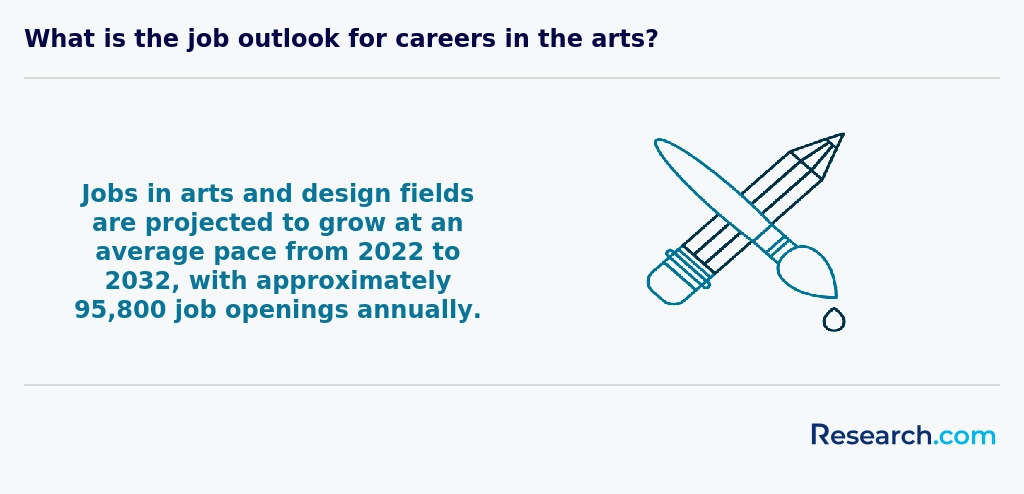
Prospective Fine Arts students in New Jersey benefit from assessing the return on investment (ROI) of each program by comparing total tuition costs against average starting salaries. For example, a bachelor’s degree at Rutgers University carries an average in-state tuition of $15,000 per year, while graduates report entry-level salaries around $45,000-suggesting a payback period of approximately four years. In contrast, Montclair State University’s in-state tuition of $13,000 per year coupled with similar salary outcomes reduces the break-even point to under four years, making it one of the most affordable Fine Arts programs in New Jersey when factoring ROI. When considering graduate options, it’s also wise to explore specialized programs that balance cost with advanced credentials. Many students pursuing an MFA in film look for budget-friendly paths; you can compare the most affordable online mfa film programs to identify programs that minimize debt while maximizing professional opportunities. By calculating expected earnings-such as $69,000 for illustrators or $111,000 for animators-against total degree costs, you can pinpoint schools where financial investment aligns closely with industry compensation. Finally, don’t overlook indirect costs like studio fees, materials, and living expenses. Estimating your net ROI should include scholarships, grants, and part-time work opportunities. For instance, leveraging a $5,000 annual scholarship reduces your payback period by up to one year, significantly improving long-term financial outlook. A thorough ROI analysis empowers you to choose a New Jersey Fine Arts program that delivers both artistic growth and sustainable career returns.
If you're pursuing a fine arts degree in New Jersey, expect a balanced mix of studio and theory courses designed to sharpen both your skills and art knowledge. Graduates from institutions like Rutgers University and Montclair State University often highlight how hands-on studio classes-in painting, drawing, sculpture, and digital media-helped them develop a confident artistic style. You'll spend time mastering various materials and techniques while exploring your unique voice.
Theoretical courses are just as important. Many students mention that studying art history-from Renaissance to modern periods-and contemporary art theory at New Jersey colleges gave them crucial perspectives to analyze and critique art effectively. This foundation supports careers beyond creation, including curation and education.
Typical courses you'll encounter include Fundamentals of Drawing and Composition, Painting Techniques, Digital Media and Photography, and Professional Practices in the Arts. These programs often incorporate portfolio development and exhibition planning, giving you practical experience that graduates value highly when launching freelancing careers or applying to graduate school.
Fine arts degree specializations in New Jersey typically include practical options such as Painting and Drawing, Sculpture, Graphic Design, and Photography. Graduates from prominent New Jersey institutions often recall how focusing on Illustration or Animation and Digital Arts prepared them for real-world creative careers, blending traditional techniques with digital technology. For example, those studying Graphic Design in New Jersey benefit greatly from proximity to New York City's vibrant media scene, gaining valuable internship opportunities that sharpen both artistic and technical skills.
Students also find Art Education and Ceramics popular for those interested in teaching or craft-based paths. Choosing a specialization at well-regarded colleges means aligning your passion with a curriculum that suits current industry demands, which is crucial in affordable programs. If budgeting is a concern, explore New Jersey affordable fine arts programs that balance quality education with cost efficiency.
Many students considering grad options look toward options such as the most affordable online mfa film programs to expand their practical skills beyond the undergraduate level.
When choosing the best affordable fine arts degrees New Jersey offers, start by prioritizing accredited schools like those recognized by the Middle States Commission on Higher Education. Graduates from popular colleges often praise programs where faculty blend strong art theory with immersive studio work that builds real-world skills. Visiting campuses like these helps you gauge whether the class sizes allow for personalized mentorship, which many students say boosted their confidence and creativity.
Cost is critical-public institutions average around $15,200 annually for in-state students, while private fine arts programs can surpass $40,000. Researching scholarships, grants, and work-study options can lighten this load. Comparing top fine arts programs NJ cost comparison alongside outcomes like graduation rates lets you balance expenses with value. Graduates often highlight New Jersey's proximity to New York City as a priceless advantage, giving access to gallery exhibitions and artist workshops that enrich their education.
For those weighing affordability and quality, consider consulting the Cheapest Fine Arts Degree Programs Ranking in Kansas to understand regional options and financial aid possibilities that may influence your decision.
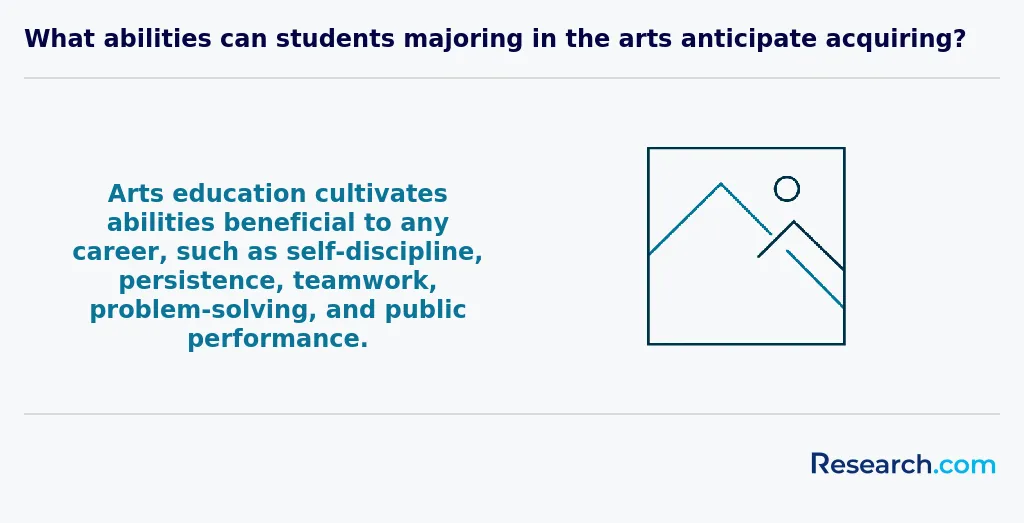
Graduates with a fine arts degree in New Jersey find career opportunities that blend creativity with practicality. Many step into roles as professional artists or illustrators, showcasing their work in local galleries or securing commissions through connections built during internships at well-known New Jersey institutions. Others become graphic designers, crafting compelling visual content for marketing and digital media firms centered in the state's vibrant advertising sector. Art educators also play a key role, teaching in schools or community programs, leveraging skills gained at regional colleges known for strong education partnerships.
For those seeking more specialized paths, positions as curators or museum technicians offer hands-on work in galleries and cultural organizations across New Jersey. Graduates increasingly explore art therapy, combining art and psychology, though this requires additional certification. Practical experience, often gained at New Jersey universities focusing on internships, helps graduates navigate these fine arts career opportunities in New Jersey successfully.
Focusing on digital arts skills can open doors in advertising and gaming, industries highlighted among the fastest growing college majors nationally, making this a strategic choice for students planning their careers.
The job market for fine arts degree holders in New Jersey is competitive but offers distinct advantages, especially due to the state's proximity to major cities like New York and Philadelphia. Graduates from schools like Rutgers University and Montclair State University often find opportunities in graphic design, art education, and gallery management. Many have leveraged internships and networking events hosted by these institutions to secure positions in advertising agencies or regional museums. If you are evaluating the fine arts degree job outlook New Jersey, it's important to consider that salaries vary widely-graphic designers typically earn around $58,000 annually, while fine artists often work freelance, combining multiple income sources.
For those concerned about education costs, students at New Jersey public colleges face average annual tuition around $14,200, which makes managing expenses crucial. Many graduates report balancing part-time jobs while building portfolios, an approach that improves employment opportunities. If you're wondering about flexible learning options that suit your budget and schedule, consider exploring the easiest online bachelor's degree to complement your training and broaden your career paths in the creative industry.
2027 Most Affordable Fine Arts Degree Programs Ranking in New Jersey
Investing in your education is a significant decision that can shape your future, and the Research.com team fully recognizes the importance of making well-informed choices. To guide prospective students in New Jersey, we have carefully developed the "2027 Most Affordable Fine Arts Degree Programs Ranking in New Jersey." Our dedication to quality, credibility, and accuracy is demonstrated through rigorous research and thorough analysis used to create this ranking.
We utilized the following reputable data sources to ensure a comprehensive evaluation of fine arts degree programs:
By exploring this ranking, readers will gain critical insights into the most affordable and high-quality fine arts programs in New Jersey, empowering them to make the best decisions for their educational and professional futures. For more information on how we created this ranking, please visit our Research.com methodology page.


# 20 position
Bloomfield College of Montclair State University
Bachelor of Arts

Frequently Asked Questions About fine arts
Fine arts degree students in New Jersey can maximize their learning experience by actively engaging with the state's rich cultural environment. New Jersey hosts numerous galleries, theaters, and museums, such as the Montclair Art Museum, providing students with hands-on exposure to contemporary and historical art.
Participating in internships at local art organizations helps students build professional networks and gain real-world experience. According to the National Endowment for the Arts, New Jersey ranks high in per capita arts funding, enhancing opportunities for community art projects.
Many New Jersey colleges also offer collaborative programs with nearby cities like New York, giving students access to broader artistic scenes and exhibitions. Additionally, joining student art clubs and attending workshops can significantly improve technical skills and creativity.
The field of fine arts in New Jersey is expanding beyond traditional disciplines like painting and sculpture. Emerging niches include digital art, animation, and interactive media, reflecting growing demand for technology-infused creativity. According to the National Endowment for the Arts, artists skilled in digital media are increasingly sought after in regional markets.
New Jersey colleges, such as Rutgers and Montclair State University, now offer specialized courses in graphic design and virtual reality as part of their fine arts degrees. These programs prepare students for careers in gaming, film, and advertising industries, which have seen a 15% growth in job openings statewide since 2020, as reported by the New Jersey Department of Labor.
Environmental art and socially engaged art are also gaining popularity, encouraging artists to address sustainability and community themes. Such niches align well with New Jersey's focus on urban renewal and ecological awareness initiatives.
After earning a fine arts degree in New Jersey, preparing for the job market involves building a strong professional portfolio and gaining practical experience. Many local galleries and cultural institutions in cities like Newark and Jersey City offer internships and exhibit opportunities, which can significantly enhance your resume. Networking is crucial; joining organizations such as the New Jersey Arts Education Partnership can connect you with industry professionals and job leads.
Additionally, consider developing digital skills like graphic design or animation, as these can increase your marketability. According to the National Endowment for the Arts, employment for artists in New Jersey has grown by 5% over the last five years, reflecting expanding opportunities in both traditional and digital arts sectors.
Employers in New Jersey seek fine arts graduates who combine strong creative abilities with practical skills. Critical thinking and problem-solving top the list, as these skills enable artists to adapt their work to diverse projects and client needs. Communication, both verbal and visual, is essential, helping graduates convey concepts clearly to audiences and collaborators.
Technical proficiency in various media-from traditional painting to digital design-is highly valued. According to the National Association of Colleges and Employers (NACE), nearly 70% of employers in arts-related fields prefer candidates who demonstrate software skills like Adobe Creative Suite.
Additionally, teamwork and project management are important, especially in New Jersey's growing arts organizations where collaboration drives success. Understanding cultural contexts and community engagement also enhances employability in local arts institutions.
Finding internships in New Jersey relevant to a fine arts degree involves leveraging both academic resources and local industry opportunities. Many colleges, like Montclair State University and Rutgers, have dedicated career centers that connect students with internships in galleries, museums, and art studios.
Networking is crucial; local arts organizations such as the New Jersey State Council on the Arts offer listings and grants that include internship opportunities. Students should also explore cultural hubs like Jersey City and Newark, where community arts programs frequently seek interns.
Websites like the New Jersey Department of Labor's job portal provide updated internship listings, often filtered by artistic fields. Internships typically last from a semester to the summer and offer practical experience essential for building a portfolio.
According to the National Endowment for the Arts, about 2.3% of New Jersey's workforce engages in arts-related jobs, highlighting a competitive but vibrant market where internships often lead to further employment.
A fine arts degree in New Jersey can enhance career mobility by equipping graduates with versatile creative skills valued in various industries. According to the New Jersey Department of Labor statistics (2023), fine arts graduates experience an employment growth rate of approximately 6% over ten years, aligning with national averages for arts-related fields.
Graduates often advance into roles such as graphic designers, art directors, and educators, with career progression tied to portfolio strength and networking opportunities prevalent in New Jersey's active cultural hubs like Newark and Jersey City. Employers increasingly value digital proficiency combined with traditional arts training.
Access to industry internships and exhibitions provided by local colleges fosters professional connections that support upward mobility. Additionally, New Jersey's proximity to New York City expands prospects for fine arts professionals seeking advancement beyond the state's borders.
Studying for a fine arts degree in New Jersey equips students with skills that are highly applicable to interdisciplinary roles. Many institutions integrate digital media, art history, and design technology into their curricula, fostering adaptability. For example, students at New Jersey's public universities often engage with courses in visual communication and digital arts, broadening their technical and creative expertise.
According to the National Center for Education Statistics, New Jersey awards over 300 fine arts bachelor's degrees annually, reflecting diverse program offerings. This range encourages collaboration across fields such as marketing, education, and technology, preparing graduates for varied careers.
Hands-on projects and internships further enhance real-world problem-solving and teamwork skills, essential for interdisciplinary environments.
Choosing between a thesis and a non-thesis fine arts degree program in New Jersey depends on your career goals and learning preferences. Thesis programs typically require original research or a creative project, which suits students aiming for advanced study or academic careers. Non-thesis options focus more on coursework and practical skills, ideal for those seeking direct entry into the art industry.
New Jersey's fine arts programs, according to the National Center for Education Statistics, show roughly 40% of students opt for thesis tracks, emphasizing research and portfolio development. Consider your time commitment, as thesis programs often take longer to complete due to the additional project work.
Financial factors also matter, since thesis programs might require extra resources. Exploring program curricula and speaking with advisors can clarify which path aligns best with your professional ambitions.
Students in New Jersey pursuing fine arts degrees have several avenues to study abroad through partnerships and exchange programs. Many New Jersey universities, including Rutgers and Montclair State, provide study abroad opportunities in European art centers such as Italy and France, which are renowned for their rich artistic heritage. These programs usually last a semester or summer and include hands-on studio work and art history studies.
According to the Institute of International Education, nearly 3% of U.S. study abroad students in 2022 focused on visual and performing arts disciplines. Students can often transfer credits back to their New Jersey institutions. Additionally, some private fine arts schools offer affiliated international campuses or exchange agreements, enabling experiential learning in global contexts.
Students pursuing fine arts degrees in New Jersey can benefit from part-time job opportunities that enhance their education and professional skills. Working as a gallery assistant or museum attendant offers valuable exposure to art curation and exhibition practices. Many cultural institutions in New Jersey hire part-time staff, providing hands-on experience with local art communities.
Graphic design internships or freelance work are common options, allowing students to apply digital skills learned in class. Additionally, art instructor roles at community centers or youth programs help develop teaching abilities. According to the New Jersey Department of Labor, creative fields in the state are growing steadily, supporting diverse opportunities for fine arts students seeking work during their studies.
Fine arts students in New Jersey have access to various networking opportunities that can enrich their academic and professional journeys. Many colleges and universities in the state offer student art exhibitions and gallery events, providing platforms to display work and connect with local artists and art professionals. For example, Rutgers University and Montclair State University organize annual art shows attracting regional attention.
Students can join campus-based organizations such as art clubs and honor societies, which foster peer collaboration and networking. Additionally, the New Jersey State Council on the Arts supports programs and workshops that bring students together with industry experts and established artists.
Regional art fairs and events, like the Montclair Art Museum's activities, also create opportunities for emerging artists to meet collectors and gallery owners. Participation in internships with New Jersey art institutions or creative agencies offers practical connections within the industry. According to the National Endowment for the Arts, New Jersey's arts sector employs over 42,000 people, underlining strong local professional networks for graduates.
Alumni networks play a crucial role for fine arts degree students in New Jersey. They provide connections that often lead to internships, job opportunities, and collaborations in the competitive arts industry.
Many fine arts programs in New Jersey, such as those at Rutgers University and Montclair State University, maintain active alumni associations. These groups offer mentorship programs, portfolio reviews, and networking events, which help current students gain insights from experienced professionals.
According to the National Association of Colleges and Employers, 85% of jobs are secured through networking. In New Jersey's fine arts field, strong alumni ties can be especially valuable in locating galleries, exhibitions, or commissions.
These networks also foster peer support, encouraging creative growth and career development beyond graduation.
Students pursuing fine arts degrees in New Jersey can customize their programs by selecting specialized tracks such as painting, sculpture, graphic design, or digital media. Many institutions offer elective courses, internships, and studio work tailored to specific career paths. For example, the New Jersey Council on the Arts highlights partnerships between colleges and local galleries that enhance practical experience. Additionally, students may incorporate interdisciplinary courses in business or marketing to better prepare for careers in art management or entrepreneurship. Flexible course schedules and access to faculty mentorship further support aligning education with personal career goals within the state's vibrant arts community.
Fine arts students in New Jersey often face financial challenges due to the high cost of materials, studio space, and equipment necessary for their coursework. According to the National Endowment for the Arts, fine arts programs generally require more personal investment than other disciplines, which can strain student budgets.
Another common difficulty is limited internship and exhibition opportunities. While New Jersey has a vibrant arts community, students must compete for spaces in local galleries or programs, impacting practical experience. The New Jersey State Council on the Arts highlights the need for expanded support for emerging artists.
Additionally, balancing rigorous studio hours with academic coursework and part-time jobs is challenging. This workload can affect academic performance and mental health, as reported by the National College Health Assessment for arts students nationwide.
With a fine arts degree in New Jersey, students can pursue several professional certifications that enhance their career opportunities. One prominent option is acquiring a New Jersey teaching certification in art education. This credential allows graduates to teach fine arts at public schools, requiring completion of a state-approved teacher preparation program and passing Praxis exams.
Other certifications include those from professional bodies like the National Board for Professional Teaching Standards, which offers advanced certification for art educators, signaling expertise and commitment.
Although direct licensure specific to art can be limited, certifications in gallery management, art therapy credentials, or digital design tools (such as Adobe Certified Expert) provide valuable qualifications relevant to the arts sector in New Jersey.
Writing a winning application for a fine arts program in New Jersey begins with a strong, well-curated portfolio. Most New Jersey schools, such as Rutgers and Montclair State University, expect applicants to showcase original, diverse artwork demonstrating technical skills and personal style. According to the National Association of Schools of Art and Design, portfolios often weigh heavily in admissions decisions.
In addition to the portfolio, a clear and concise personal statement is crucial. Applicants should explain their artistic goals, influences, and reasons for choosing a New Jersey program, reflecting an understanding of the local art community.
Letters of recommendation from art instructors or professionals who can speak to your abilities and dedication strengthen your application. Meeting application deadlines, typically in early spring, is also vital to be considered for competitive programs in New Jersey.
Fine arts careers are viewed globally as diverse and evolving, with opportunities expanding beyond traditional roles like painting and sculpture. In the United States, including New Jersey, fine arts graduates often pursue careers in digital media, design, and art education, reflecting modern industry demands.
According to the National Endowment for the Arts, arts-related employment in New Jersey grew by about 5% between 2018 and 2023, highlighting a steady demand for creative professionals. This aligns with global trends emphasizing interdisciplinary skills in art and technology.
Internationally, fine arts degrees are increasingly valued for their contribution to cultural exchange and innovation. U.S. institutions frequently collaborate with global art centers, offering students broader perspectives and networking possibilities. This makes a fine arts career both locally relevant in New Jersey and internationally connected.
Gaining practical experience while pursuing a fine arts degree in New Jersey is essential for career development. Many New Jersey colleges offer internships with local galleries, theaters, and arts organizations. For example, students can work with institutions like the Jersey City Arts Council or Montclair Art Museum, which often provide hands-on opportunities.
Participating in campus art exhibitions and competitions is another way to develop skills and build a portfolio. Additionally, New Jersey's close proximity to New York City broadens access to internships and workshops.
Some programs also encourage collaborations with community projects, enhancing real-world experience. According to the National Endowment for the Arts, practical engagement improves skills and employability in creative fields.
Choosing the right concentration within a fine arts degree in New Jersey depends on your personal interests, career goals, and the offerings of local institutions. New Jersey colleges commonly provide concentrations such as painting, sculpture, graphic design, and digital arts. It is important to review each program's curriculum and faculty expertise to match your creative strengths and aspirations.
Consider factors like access to specialized facilities, internship opportunities, and connections with the state's vibrant art communities, including organizations like the New Jersey State Council on the Arts. Enrollment data from the National Center for Education Statistics shows increasing demand for digital arts, reflecting industry trends.
Visiting campuses and speaking with current students can help you gauge the quality and focus of each concentration.
- 2027 Most Affordable Fine Arts Degree Programs Ranking in Pennsylvania
- 2027 Most Affordable Fine Arts Degree Programs Ranking in Connecticut
- 2027 Most Affordable Fine Arts Degree Programs Ranking in Ohio
- 2027 Most Affordable Fine Arts Degree Programs Ranking in Vermont
- 2027 Most Affordable Fine Arts Degree Programs Ranking in Kentucky
- 2027 Most Affordable Fine Arts Degree Programs Ranking in New Hampshire
- 2027 Most Affordable Fine Arts Degree Programs Ranking in North Carolina
- 2027 Most Affordable Fine Arts Degree Programs Ranking in Tennessee
- 2027 Most Affordable Fine Arts Degree Programs Ranking in Maine
- 2027 Most Affordable Fine Arts Degree Programs Ranking in Indiana
- Networking for Artists: Unlocking Opportunities in the Art World - Ceri Hand https://cerihand.com/networking-for-artists/
- Know more about thesis vs non- thesis: what is the difference? https://studyfans.com/en/blogs/816
- Networking for Artists https://artquest.org.uk/how-to-articles/networking-for-artists/
- Bachelor of Arts in Visual Art https://georgian.edu/academics/undergraduate-programs/ba-visual-art/
- Internships https://www.mfa.org/working-at-the-mfa/internships
- Professional Learning Opportunities from ArtsEdNJ https://www.njea.org/professional-learning-opportunities-from-artsednj/
- BA Hons Fine Art Enrolment Form https://www.oca.ac.uk/courses/ba-fine-art/
- Create a Niche Market for Your Art in a Sea of Artists https://lorimcnee.com/create-a-niche-market-for-your-art-in-a-sea-of-artists/
- Certificate of Fine Arts | CFA Programs - New York Academy of Art https://nyaa.edu/continuing-studies/certificate-of-fine-arts/
- Jobs | Academy of Fine Art https://academy-of-fine-art.com/en/jobs-en/