
2027 Most Affordable Fine Arts Degree Programs Ranking in Portland

Co-Founder and Chief Data Scientist
Choosing the right fine arts degree program can shape your creative future, especially in a vibrant city like Portland. This article introduces the 2027 Most Affordable Fine Arts Degree Programs Ranking in Portland, crafted by the Research.com team of data scientists to guide you through your options.
By exploring this ranking, you'll discover programs that offer quality education without overwhelming costs. Pursuing a fine arts degree opens doors to personal growth and exciting career possibilities.
Let this guide inspire your next educational step with confidence and clarity.
Key benefits of getting fine arts degree in Portland
- Salary advantages: Fine arts graduates in Portland can expect competitive pay, with illustrators earning around $71,420 and animators making up to $109,630 annually, reflecting rewarding financial opportunities.
- Career paths: A fine arts graduate from Portland State University might pursue diverse roles like graphic artist or art therapist, tapping into creative industries that value innovative skills and personal growth.
- Online degree benefits: Graduates from an online fine arts program at a Portland-based school enjoy flexible schedules and personalized learning, making it easier to balance work, life, and education while building a vibrant artistic career.
- 2027 Most Affordable Fine Arts Degree Programs Ranking in Portland
- What can I expect from fine arts degree in Portland?
- Where can I work with fine arts degree in Portland?
What can I expect from fine arts degree in Portland?
Imagine stepping into a studio at Portland State University, where recent graduates recall balancing paint-splattered aprons with budget spreadsheets-a dance as familiar as the brushstrokes on their canvases. The average cost of earning a fine arts degree here leans toward affordability, especially for in-state students, making the pursuit of creativity less of a financial leap and more of an inspired dive.
Tuition and expenses typically align below many large metropolitan peers, giving students in Portland a unique edge: access to distinguished programs like those at the Pacific Northwest College of Art or University of Portland without the weighty price tag. For graduates, this meant focusing energy on layering colors and mastering techniques rather than fretting over towering debts.
In practical terms, the yearly cost for fine arts undergraduates hovers within manageable bounds, inviting students to immerse themselves fully in hands-on studios, immersive exhibits, and vibrant local art scenes-experiences that graduates cherish as both formative and richly rewarding.
Where can I work with fine arts degree in Portland?
Graduates from Portland's leading fine arts programs, such as those at Portland State University or the Pacific Northwest College of Art, find themselves woven into the city's thriving creative tapestry. Picture a recent graduate stepping into the lively halls of the Portland Art Museum, curating exhibitions that spark conversations and inspire wonder. Another might be molding young minds in the vibrant classrooms of Portland Public Schools, where their passion for visual storytelling ignites student creativity.
Imagine freelancing amid bustling art fairs, booth lights flickering while connections are made with fellow artists and collectors, thanks to grants from the Regional Arts & Culture Council fueling dreams into reality. Meanwhile, others dive into Portland's buzzing tech and media startups, blending fine art sensibilities with cutting-edge digital projects, crafting compelling visuals that captivate audiences. From nonprofit art centers conserving Portland's artistic heritage to animated studios animating stories, fine arts grads here don't just find jobs-they craft lives rich with expression and impact.
Graduates from Portland's vibrant fine arts programs, like those at Pacific Northwest College of Art, dive into a colorful spectrum of earning possibilities. Imagine a graphic artist who recently swapped sketchpads for digital tablets, pulling in an average $64,700 a year crafting visual stories that captivate local brands. Meanwhile, an illustrator-perhaps a former student mesmerized by the city's urban landscapes-rakes in around $71,420 annually, turning everyday scenes into compelling artwork and making a living from their creative spark.
Portland's art teachers, scaling classroom walls with passion and patience, command about $70,740, shaping the next generation of artists in community studios and public schools. Then there are animators, the dream weavers who could bring the city's quirky spirit to life with a handsome mean annual wage of $109,630. Their work weaves technology and artistry, a perfect fit for the tech-friendly pulse of Portland's creative economy.
In this city of rainy inspiration, a fine arts graduate's paycheck isn't just numbers-it's the currency of passion, community, and endless creative potential.
- The cost of a fine arts degree in Portland ranges from $25,000 to $45,000 at public institutions, with private schools sometimes exceeding $50,000.
- Additional expenses such as art supplies and studio fees can add several hundred to thousands of dollars annually.
- Starting salaries for fine arts graduates in Portland typically range from $35,000 to $40,000 within the first few years after graduation.
- Experienced fine arts professionals can earn between $50,000 and $65,000 per year, depending on their specialization and workplace.
- The Portland job market for fine arts graduates grows by about 3% annually, with opportunities in galleries, design firms, museums, and public art projects.
- Networking through local arts organizations and internships is important for gaining experience and career advancement.
Picture yourself wandering the vibrant halls of Portland State University or the art-filled studios of the Pacific Northwest College of Art, where four years fly by as you dive into painting, sculpture, and art history. Most graduates here sail through a traditional Bachelor of Fine Arts or Arts program in about four years, fueled by the city's creative energy and rich cultural pulse.
Others, enrolled at places like Portland Community College, embark on a two-year journey earning an Associate of Arts-perfect if you're craving foundational skills and dreaming of transferring to a bigger stage. Imagine balancing your palette between work and study; many part-time artists stretch their timelines to six years or more, savoring each brushstroke on their unique path.
Chasing accelerated courses or harnessing transfer credits can speed your voyage, though these are rarer gems in the Portland scene. Graduates often reflect on this time as a vivid immersion into self-expression, an exciting chapter framed by Pacific Northwest charm and artistic community spirit.
Living in Portland, ME, offers more than just access to affordable tuition-it provides an immersive cultural experience that enriches every Fine Arts student's journey. The city’s dynamic art scene, punctuated by local galleries, community workshops, and regular art festivals, creates a backdrop that continuously inspires creativity and innovation. Students often participate in collaborative projects and community-based art initiatives that allow them to apply classroom theories in real-life settings, forging valuable connections with local artists and industry professionals. Additionally, many programs integrate extracurricular activities that encourage networking, mentorship, and skill-sharing in hands-on studio environments. This approach not only enhances artistic development but also builds a resilient community that supports students both academically and personally. For those looking to meld affordability with community engagement, checking options at most affordable fine arts schools in maine provides a great starting point. Ultimately, Portland’s vibrant blend of culture, history, and creativity creates an ideal environment for burgeoning artists to thrive.
Imagine stepping into a bustling Pacific Northwest College of Art studio-your fingers smudged with charcoal, surrounded by peers eagerly exchanging critiques in real time. That tactile energy, the hum of creative chaos, fuels an on-campus fine arts experience in Portland like no other. Graduates often recall the thrill of spontaneous gallery visits and collaborative exhibitions, where the city's vibrant art scene pulses just outside the door.
Contrast that with an online fine arts student juggling virtual critiques from a home studio, camera angled just right to share brushstrokes across the screen. The flexibility to balance gigs or family life here is invaluable, yet many graduates note a yearning for the scent of paint and the immediacy of hands-on guidance.
Oregon State University's online art offerings reveal this trade-off clearly-competitive tuition meets less immersive studio access. For a Portland artist, it's the difference between being woven into a creative community physically or piecing it together through pixels and scheduled Zoom critiques.
The journey to earning a fine arts degree in Portland typically carries a median price tag around $56,792, a figure that weaves together tuition, fees, and the vibrant cost of living in this creative city. Students immersed in programs at institutions like Portland State University or the Pacific Northwest College of Art often share stories of balancing artistic passion with pragmatic budgeting. For many, the exciting challenge of affording studio time and unique art materials-key to hands-on experimentation-feels worth every penny spent.
Those navigating Portland fine arts degree tuition and fees find that in-state students often face somewhat lighter financial footprints, with median costs around $42,942. Graduates recall long hours spent in sunlit studios, building portfolios that became the passport to career opportunities, making the investment not just about money but about crafting an identity rooted in artistic expression. The local arts community's scholarships and grants illuminate pathways to making this dream accessible.
Prospective students may discover through research.com that Portland's blend of affordability and rich cultural environment offers distinct advantages compared to other West Coast cities. It's a landscape where the cost of a fine arts degree in Portland transforms from daunting numbers into the price of launching a creative life filled with possibility and personal growth.

Imagine walking through the vibrant halls of Portland State University or sketching in the studios of the Pacific Northwest College of Art, knowing that your creative journey is buoyed by funds that don't feel like a burden. Many graduates smile recalling how Pell Grants, with awards up to $7,395, felt like a breath of fresh air, turning daunting costs into manageable steps.
Institutional scholarships at these schools-ranging from $1,000 to $5,000-often arrive as unexpected applause for artistic talent or academic hustle, making dreams tangible. Picture a painter's palette enriched not only by colors but by the Oregon Opportunity Grant, helping local creatives shoulder tuition costs.
Local arts foundations are another beacon, offering scholarships that cover everything from canvas to travel tickets for gallery shows-turning passion projects into real exhibitions. And when pencils rest and hands seek work, federal Work-Study gigs embedded in the community provide both income and invaluable art-world experience, weaving education with real life.
Crafting an exceptional portfolio is critical for securing admission to Portland’s most affordable Fine Arts programs. Start by selecting 10–15 pieces that showcase diverse media-drawing, painting, sculpture, and digital work-and highlight your strongest technical skills. Organize your portfolio with a clear narrative: open with your most compelling piece, follow with thematic clusters (e.g., portraiture, mixed media), and close with a project that demonstrates innovation or personal voice. Ensure each image is high-resolution, well-lit, and presented against a neutral background. Include brief captions (title, medium, dimensions, date) to provide context and show professionalism. A concise artist statement (150–200 words) should accompany the portfolio, outlining your creative vision, influences, and career goals. This statement not only clarifies your artistic identity but also aligns your work with the program’s curriculum and faculty expertise. Seek feedback from mentors, professors, or local gallery directors before finalizing your submission. Peer critiques can identify areas for improvement in both technique and presentation. Additionally, attend portfolio review events-many institutions in Portland host open critique sessions each semester. These sessions offer real-time advice on composition, thematic coherence, and how to tailor your portfolio to specific program requirements. Digital portfolios are increasingly accepted; create a clean, user-friendly PDF or website that loads quickly on both desktop and mobile devices. If you’re exploring affordable programs beyond Portland, check out the Cheapest Fine Arts Degree Programs Ranking in Montana for additional options and inspiration. Finally, tailor each application: review each school’s portfolio guidelines and adjust your selection accordingly. By combining strong technical execution, thoughtful curation, and clear articulation of your artistic vision, you’ll present a portfolio that stands out to admissions committees and secures your place in a top-ranked Fine Arts program.
Diving into a fine arts degree in Portland means more than just showing up with paint-stained fingers-it starts with a foundation built on creativity and grit. Imagine a hopeful artist submitting a portfolio bursting with vibrant sketches and mixed-media experiments to Portland State University, where the faculty's eyes hunt for technical skill and that spark of individuality. Completing high school with focused art classes or a GED alongside experience in drawing or digital media sets the stage, but the portfolio is the real heartbeat of your application.
Graduates from Pacific Northwest College of Art often recall crafting their artist statements, pouring personal stories into words that echo their creative vision. Letters from mentors who witnessed their artistic passion offer that crucial human touch. Standardized tests? Many Portland programs embrace a holistic approach, placing your imaginative promise over scores. For those aiming higher, an MFA application demands a more robust portfolio and perhaps a spirited interview or audition, signaling readiness to push boundaries in an advanced creative playground.
A strong campus culture and vibrant student life are vital components of a Fine Arts education, fostering an environment where creativity and community converge. In addition to rigorous coursework and specialized training, prospective students should consider the extensive extracurricular opportunities, collaborative projects, and campus events that not only enrich the academic experience but also help in developing lifelong connections within the art community. Many institutions organize gallery exhibitions, live performances, and interdisciplinary workshops that encourage students to experiment and showcase their work. Engaging in these activities often leads to increased exposure in local art circles, and can be a deciding factor for students comparing options like the most affordable fine arts schools in maine. This supportive environment nurtures both personal growth and professional networking, making it an essential consideration in the decision-making process.
Imagine diving into a vibrant studio at Portland State University, where your fingertips dance across a canvas in Figure Drawing or your eyes unravel the mysteries of Color Theory, transforming hues into emotion. Graduates often recall nights spent perfecting Printmaking prints or experimenting with Digital Media, blending pixels and paint into fresh expressions of self.
Courses stretch beyond technique, too-art history classes weave stories of local murals and global movements, enriching your work with cultural layers. At community-based studios, internships with Portland's galleries turn theory into practice, allowing students to curate exhibitions and feel the pulse of the city's art scene firsthand.
Ceramics and Photography classes offer tactile joy and instant creative satisfaction, grounding students in physicality while sparking innovation. Fine arts students from Oregon College of Art and Craft praised the blend of critical theory and hands-on workshops, where ideas took flight and portfolios flourished amid Portland's dynamic artistic heartbeat.
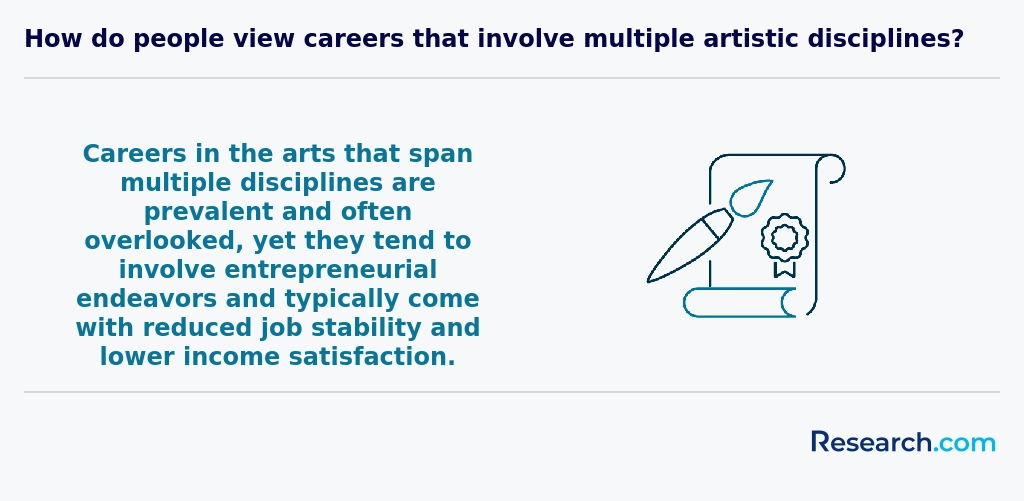
In Portland, fine arts degree specializations unfold like a vibrant palette, with pathways that invite creativity in all its forms. Imagine a graduate from Portland Community College who found serenity in painting and drawing, mastering brushstrokes that capture the Pacific Northwest's misty mornings. Another channeled energy into sculpture, transforming raw metal and reclaimed wood into striking three-dimensional stories that echo cityscapes and nature alike.
Graphic design students thrive by blending artistry and tech, crafting compelling visuals for Portland's buzzing creative agencies, while photography enthusiasts sharpen their eye to frame urban life with digital precision. Meanwhile, new media and digital arts emerge as a playground where animation and interactive design collide, fueled by experimental spirits eager to redefine expression and engagement.
Such diverse specializations reflect the broader spectrum of fine arts careers and specializations Oregon nurtures, promoting not only individual skill but also the vibrant interplay of tradition and innovation. Curious about cost-effective options in this field? Many turn to resources like https://research.com/rankings/fine-arts/most-affordable-fine-arts-ca for guidance on accessible programs.
Choosing the best fine arts degree programs in Portland feels like sketching your own unique canvas-start by blending your passion with a school's vibe. Graduates from places like the Pacific Northwest College of Art often recall how hands-on studio time and city-wide gallery tours shaped their creative souls, sparking unexpected collaborations and career breakthroughs. Portland State University's approachable tuition offers affordability without sacrificing access to vibrant community art scenes, letting you paint outside the lines without financial stress.
Imagine diving into a curriculum where every brushstroke meets expert mentorship from faculty actively painting Portland's culture, or exhibiting your work in local galleries that double as living classrooms. Some students juggle their passion alongside work or life demands by exploring flexible scheduling-part-time classes that weave creativity into busy rhythms. It's like crafting your own masterpiece.
Remember, your artistic journey in Portland isn't just about tuition or prestige; it's about connection. If budgeting matters, consider how an affordable history degree option guides some students to fund their true artistic ambitions while exploring interdisciplinary inspiration.

Portland's fine arts degree graduates often find themselves weaving careers as diverse as the city's own artistic tapestry. Picture a graduate from a local college transforming raw canvas and vibrant pigments into gallery-worthy masterpieces, thriving amidst Portland's flourishing gallery scene and art festivals. Others blend creativity with pixels and code, carving out prosperous roles in animation or digital media, where the city's tech-art hybrid culture propels opportunities. The fine arts career opportunities in Portland also extend into schools and museums, where passionate graduates become inspiring arts educators, cultivating the next generation's imagination with the added stability of an average $60,000 annual salary.
Meanwhile, the city's theaters and performing arts venues beckon artists skilled in set and costume design, turning abstract concepts into tangible stage magic. Advertising agencies increasingly champion visual storytellers versed in fine arts, valuing their unique narratives and inventive flair. Portland's celebrated institutions like local universities nurture these paths, encouraging graduates to explore practical intersections such as a child development master's degree programs that complement creative careers. The Portland fine arts degree job prospects shimmer with promise, buoyed by a community that truly values artistic innovation.

In Portland's creative whirlwind, fine arts degree job outlook Portland shines with vivid opportunities that blend tradition and innovation. Graduates from institutions like Portland State University find themselves crossing paths with galleries, museums, and buzzing design studios, where their artistry fuels digital media projects or educational programs. Imagine walking through a local art museum and spotting a curator who once navigated Portland's nonprofit art scene while balancing freelance gigs-this is a typical story among alumni.
Employment opportunities for fine arts graduates Portland tap into a thriving cultural ecosystem where community support helps soften the modest salary realities. Though entry-level wages may hover below the national median of $49,120, the city's active arts funding and connections to tech startups create pockets of growth in graphic design and multimedia art careers. Many graduates also balance their creative pursuits with teaching, sometimes exploring pathways like Montana alternative teacher certification.
2027 Most Affordable Fine Arts Degree Programs Ranking in Portland
Investing in your education is a significant decision that can shape your future, and the Research.com team recognizes the importance of making well-informed choices. To support prospective students interested in fine arts, we have carefully developed the "2027 Most Affordable Fine Arts Degree Programs Ranking in Portland." Our dedication to quality, credibility, and accuracy is demonstrated through thorough research and analysis involved in creating this ranking.
We utilized the following reputable data sources to ensure a comprehensive evaluation of fine arts degree programs:
By reviewing this ranking, readers will gain valuable insights into affordable fine arts degree options in Portland, empowering them to make confident educational decisions. For more information on how this ranking was created, please visit our Research.com methodology page.


Frequently Asked Questions About fine arts
Students pursuing fine arts degrees in Portland can enhance their learning experience by engaging actively with the city's dynamic art scene. Portland hosts numerous galleries and public art events, offering valuable opportunities for practical exposure beyond the classroom. According to a report by the Oregon Arts Commission, 65% of local fine arts students participate in internships or community projects, which greatly enrich their skills.
Additionally, taking advantage of collaborations between schools and local institutions like the Portland Art Museum allows students access to workshops and exhibits. Networking with practicing artists through these venues and joining student art organizations supports both professional growth and creative development.
Balancing studio practice with courses focused on digital media and art history enables a well-rounded education, preparing students for diverse careers in the arts industry. Financial aid and scholarship programs specific to Oregon's fine arts students also help reduce economic barriers to full participation in these enriching experiences.
Emerging niches within the fine arts field in Portland reflect broader shifts in technology and cultural trends. Areas such as digital media arts, interactive design, and environmental art are gaining traction among students and educators. For instance, Portland State University's integration of digital tools into traditional fine arts curricula mirrors national trends focusing on multimedia and virtual reality.
Additionally, socially engaged art that addresses community and environmental issues is becoming popular. According to the Oregon Arts Commission, there has been a 12% increase in grants supporting community-based art projects since 2020, highlighting this growth.
These niches offer students a blend of creative expression and practical skills, responding to evolving career opportunities in both the arts and tech sectors in Portland.
After completing a fine arts degree in Portland, preparing for the job market involves building a strong portfolio showcasing diverse skills. Portland's vibrant arts scene supports opportunities in galleries, design, and multimedia, which can enhance employment prospects. Networking is crucial; attending local art events and connecting with professionals via organizations like the Regional Arts & Culture Council can open doors. Internships or apprenticeships in Portland-based studios provide practical experience.
Understanding the local job market is important. According to the U.S. Bureau of Labor Statistics, arts-related jobs in Oregon are projected to grow about 6% through 2031, slightly below the national average but steady. Graduates should also develop digital skills and consider freelance work, common in fine arts careers.
Employers in Portland highly value fine arts graduates who demonstrate strong creativity and technical proficiency. According to a 2023 report by the Oregon Employment Department, 78% of art-related employers prioritize candidates skilled in digital media and multimedia tools. Adaptability is also crucial, with many Portland arts organizations emphasizing collaborative work and project management abilities.
Communication skills, both visual and verbal, are essential for artists seeking careers in galleries, marketing, or education. Further, an understanding of local art markets and cultural trends in Portland enhances a graduate's employability. Proficiency in traditional media alongside digital techniques offers a competitive edge in this evolving field.
Finding internships in Portland relevant to a fine arts degree involves connecting with local galleries, museums, and creative studios. Portland has a vibrant art scene with organizations like the Portland Art Museum and the Regional Arts & Culture Council offering internship opportunities. Many universities, including Portland State University, maintain internship listings tailored for fine arts students, often collaborating with local professionals.
Networking through art events and community workshops is also key. According to the Oregon Employment Department, arts-related positions in Portland are expected to grow by 7% through 2028, increasing internship availability. Utilizing university career centers and online platforms such as Handshake can further expand prospects.
A fine arts degree in Portland can significantly influence career mobility due to the city's dynamic and expanding creative sector. According to the Oregon Employment Department, the arts and design field in Portland has seen a steady 6% employment growth rate over the past five years, outpacing many other local industries.
Graduates with fine arts degrees often find opportunities not only in traditional roles such as gallery management and public art but also in digital media, advertising, and education. The degree provides foundational skills highly valued for advancement, including critical thinking, creativity, and project management.
The city's strong network of art organizations, galleries, and nonprofits also supports professional development and connections, which are crucial for career advancement. Additionally, the National Endowment for the Arts reported that Portland-area artists earn a median income 15% higher than the national average for fine arts occupations, illustrating the degree's positive economic impact locally.
Studying for a fine arts degree in Portland provides unique opportunities to engage with interdisciplinary roles. Portland's arts programs often emphasize collaboration between disciplines such as digital media, design, and performance art. According to the National Center for Education Statistics, over 60% of fine arts students in Oregon participate in cross-departmental projects during their studies.
Portland's vibrant creative community supports internships and partnerships with tech firms, galleries, and theaters, offering practical experience beyond traditional studio work. This exposure equips students with skills in communication, project management, and technological integration, essential for interdisciplinary careers.
Graduates often find roles that blend artistic practice with innovation, reflecting Portland's commitment to holistic fine arts education.
Choosing between a thesis and a non-thesis fine arts degree program in Portland depends largely on your career goals and learning preferences. A thesis program often requires in-depth research and a substantial final project or exhibition, ideal for students planning to pursue further graduate study or academic careers.
Non-thesis programs typically focus more on practical skills and coursework, appealing to those seeking to enter the workforce quickly or develop a professional portfolio. According to the National Center for Education Statistics, about 60% of fine arts students nationwide opt for non-thesis paths due to time efficiency and flexibility.
Portland colleges like Portland State University and Pacific Northwest College of Art offer both options, with thesis projects often valued in local arts communities for portfolio strength and networking potential.
Students based in Portland interested in studying fine arts abroad have several options despite most fine arts programs being domestic. Many Portland institutions, such as Portland State University and Pacific Northwest College of Art, offer study abroad programs or exchange partnerships with European and Asian art schools. These opportunities allow students to earn credits toward their degrees while gaining international experience.
According to Open Doors 2023 data, about 1,000 U.S. students from Oregon participated in study abroad programs annually, with many choosing art and design fields.
Additionally, financial aid and scholarships specifically targeting study abroad in fine arts can support Portland students planning time overseas.
Portland offers various part-time job opportunities that complement fine arts degree education. Students often find roles in local galleries, museums, and art studios, where practical experience enhances their academic learning. According to the Portland Arts Commission, approximately 30% of art-related jobs in the city are part-time or freelance, ideal for students balancing coursework.
Retail positions at art supply stores like Blick Art Materials also provide useful exposure to materials and industry trends. Additionally, event assisting at cultural festivals such as the Portland Art Festival helps develop networking and organizational skills.
Some students teach art classes or workshops in community centers, strengthening their portfolio and communication abilities.
Fine arts students in Portland benefit from a variety of networking opportunities that can enhance their careers. The city is home to several arts organizations, including the Portland Art Museum and the Oregon College of Art and Craft, which host frequent exhibitions and events where students can meet professionals.
Students can also join local chapters of national arts associations, such as the College Art Association, providing access to workshops and conferences. Additionally, Portland's vibrant gallery scene offers openings and artist talks where students showcase their work and connect with peers and curators.
The annual Portland Art Fair attracts over 20,000 visitors, including collectors and gallery owners, presenting valuable networking possibilities. According to the National Endowment for the Arts, Oregon consistently ranks high in arts employment, reflecting the strong professional network available to emerging artists.
Alumni networks play a crucial role for fine arts degree students in Portland by providing valuable connections within the local and national arts community. These networks often facilitate internships, gallery exhibitions, and job opportunities, essential for building a career in creative fields where personal relationships are key. According to the Portland Arts Commission, about 65% of local arts professionals credit alumni connections for early career opportunities. Many Portland fine arts programs encourage active alumni participation through workshops, mentoring, and events that allow current students to learn directly from experienced graduates. Such support helps students navigate the competitive fine arts landscape effectively.
Alumni networks also help fine arts students access resources such as studio space and collaborative projects. In Portland's vibrant arts scene, where community engagement is strong, these networks enhance students' visibility and professional development, often leading to stronger creative portfolios and better job prospects. Universities in Portland typically highlight the success of their alumni to attract new applicants, underscoring the impact of these connections on career advancement in fine arts.
Students pursuing fine arts degrees in Portland can customize their programs by selecting specific concentrations such as painting, sculpture, digital media, or graphic design. Many local institutions offer flexible electives and interdisciplinary courses that align with individual career goals, whether in gallery management or commercial art.
Internships and community partnerships with Portland's vibrant arts scene also allow practical experience tailored to students' interests. According to the Oregon Art Education Association, nearly 60% of Portland fine arts students engage in hands-on projects during their studies, enhancing their portfolios.
Additionally, some programs provide options for study abroad or collaborative studio work, further broadening career possibilities within the city's creative industries.
Fine arts students in Portland often face financial challenges, as many programs require costly materials and studio fees not fully covered by tuition. According to the National Endowment for the Arts, about 35% of arts students report difficulty affording supplies. In Portland, rising living costs add to this burden, making budgeting essential for many.
Another challenge is balancing time between coursework, studio practice, and often part-time work. Fine arts programs demand extensive studio hours, which can limit students' availability for jobs or internships. This issue was highlighted in a 2023 survey by the Oregon Arts Commission.
Additionally, students encounter uncertainties about career paths. Fine arts degree holders often pursue freelance or project-based work, which can lead to income instability after graduation.
With a fine arts degree in Portland, you can pursue several professional certifications that enhance your career prospects. For example, obtaining a Certification in Art Therapy through the American Art Therapy Association requires a relevant master's degree and clinical hours, complementing a fine arts background for therapeutic careers. Additionally, Oregon offers a license for Art Educators, which fine arts graduates can earn by completing the Oregon Teacher Standards and Practices Commission's requirements. Certifications in digital design and multimedia tools, such as Adobe Certified Expert (ACE), are also valuable for artists seeking technical skills. These certifications bridge creative talents with professional credentials in Portland's evolving arts market.
Crafting a successful application for a fine arts program in Portland begins with a strong portfolio. Programs often require examples of your best work, showcasing a range of techniques and styles. According to the National Association of Schools of Art and Design, diversity in your portfolio is valued. Portland's art schools, such as the Pacific Northwest College of Art, emphasize creativity alongside technical skills.
Include a clear, focused personal statement that explains your artistic goals and why you want to study in Portland. Admissions committees seek applicants who demonstrate passion and commitment.
Letters of recommendation from art professionals or instructors can strengthen your application. Remember to meet deadlines and follow specific submission guidelines for each program.
The global perspective on a fine arts career emphasizes both creative expression and practical skills. In the United States, including Portland, a fine arts degree often combines studio practice with digital and entrepreneurial training to prepare graduates for diverse paths globally.
According to the National Endowment for the Arts, artist employment in the U.S. grew by 8.6% from 2017 to 2022, signaling expanding opportunities. Portland's vibrant arts scene supports this trend, with institutions like the Portland Art Museum highlighting local and international artists, fostering global cultural exchange.
Many fine arts graduates pursue careers beyond traditional galleries, including roles in design, multimedia, and education, reflecting global shifts toward interdisciplinary careers. Students benefit from programs emphasizing global art history and cross-cultural techniques, enhancing worldwide competitiveness.
These developments show that a fine arts degree in Portland aligns well with global art industry trends, blending creativity with real-world opportunities.
Students pursuing a fine arts degree in Portland can gain practical experience through various campus and community opportunities. Many Portland institutions encourage participation in internships with local galleries, theaters, and design studios, providing hands-on exposure to professional environments. Additionally, students may showcase their work in on-campus exhibitions or collaborate on community art projects, both enhancing their portfolios and networks.
According to the Oregon Arts Commission, Portland hosts over 200 art galleries and numerous nonprofit arts organizations active in student engagement. This vibrant local arts scene supports experiential learning, often integrated into academic programs. Volunteering for city-sponsored arts events is another effective way to build practical skills while studying.
Choosing the right concentration within a fine arts degree program in Portland involves understanding your personal interests alongside the opportunities available locally. Portland's art scene is known for its diverse creative communities, making concentrations like graphic design, painting, and digital media especially relevant.
Prospective students should consider programs that offer hands-on experience and internships. According to the Oregon Arts Commission, Portland has a growing creative economy, with over 10,000 arts-related jobs, highlighting career potential in various fine arts fields.
Research specific concentrations' curricula and assess alignment with your skills and career goals. Visiting local galleries and speaking with current students or faculty can provide valuable insights before deciding.
- 2027 Most Affordable Fine Arts Degree Programs Ranking in Boston
- 2027 Most Affordable Fine Arts Degree Programs Ranking in Cambridge
- 2027 Most Affordable Fine Arts Degree Programs Ranking in Worcester
- 2027 Most Affordable Fine Arts Degree Programs Ranking in Providence
- 2027 Most Affordable Fine Arts Degree Programs Ranking in New Haven
- 2027 Most Affordable Fine Arts Degree Programs Ranking in New York
- 2027 Most Affordable Fine Arts Degree Programs Ranking in Brooklyn
- 2027 Most Affordable Fine Arts Degree Programs Ranking in Ithaca
- 2027 Most Affordable Fine Arts Degree Programs Ranking in Rochester
- 2027 Most Affordable Fine Arts Degree Programs Ranking in Buffalo
- Essential Strategies for Artists to Master the Art of Networking https://www.artworkarchive.com/blog/essential-strategies-for-artists-to-master-the-art-of-networking
- Pursuing a Career in the Fine Art World | Alchemy Global Talent Solutions https://www.alchemygts.com/blogs/pursuing-a-career-in-the-fine-art-world
- Art Internships: Your Complete Guide | Sotheby's Institute of Art https://sothebysinstitute.com/articles/art-internships-your-complete-guide/
- 1.8: Degree Requirements https://human.libretexts.org/Bookshelves/Languages/English_as_a_Second_Language/Transition_with_Purpose_-_Pathways_from_English_Language_to_Academic_Study/01%3A_Program_and_University_policies_and_Procedures/1.08%3A_Degree_Requirements
- BFA Program | Pacific Northwest College of Art | Portland https://pnca.willamette.edu/academics/bfa/
- Alumni network - ESMA https://www.esma-artistique.com/en/outreach/alumni-network/
- Alumni Network at Moore https://moore.edu/alumni/
- 404 – Seite nicht gefunden https://www.gostudent.org/en-gb/blog/what-jobs-can-you-get-with-a-fine-arts-degree
- Fine Arts https://en.uap.edu.pl/admission/programmes/fine-arts/
- Standards & Guidelines » CAA Guidelines https://www.collegeart.org/standards-and-guidelines/guidelines/mfa


