
2027 Most Affordable Fine Arts Degree Programs Ranking in California

Co-Founder and Chief Data Scientist
Exploring fine arts degree programs in California can feel overwhelming, especially when cost is a major factor. To help, this article introduces the 2027 Most Affordable Fine Arts Degree Programs Ranking in California created by the Research.com team of expert data scientists.
By reading this ranking, you'll gain clear insights on affordable programs that don't compromise quality. Pursuing a fine arts degree is a rewarding journey that opens doors to creativity and meaningful careers. This guide supports your decision-making with trustworthy data and practical options tailored for California students.
Key benefits of getting fine arts degree in California
- Salary for fine arts degree graduates: Graduates can expect rewarding wages, such as animators earning a mean annual salary of $109,630 and illustrators making around $71,420 per year, offering strong financial motivation.
- Career paths: Fine arts graduates from schools like California College of the Arts often find diverse opportunities in animation, graphic design, and illustration, enabling creative fulfillment across multiple industries.
- Online degree benefits: Completing a fine arts degree online from institutions like Academy of Art University in San Francisco offers flexibility and access to supportive virtual communities, making it easier to balance study with work or family life.
- 2027 Most Affordable Fine Arts Degree Programs Ranking in California
- What can I expect from fine arts degree in California?
- Where can I work with fine arts degree in California?
What can I expect from fine arts degree in California?
The average cost of pursuing a fine arts degree in California often feels manageable, especially for in-state students attending public universities. For instance, many graduates reflect warmly on their time at CSU campuses, where tuition hovers around $7,800 annually. This affordability allowed them to focus deeply on their creative growth without overwhelming financial stress. Meanwhile, attending schools like the California College of the Arts or the San Francisco Art Institute might mean higher tuition, but students often find the investment worthwhile for the rich networking and hands-on experiences offered.
Graduates frequently recall balancing studio hours with internships at local galleries or museums, activities that financial considerations didn't hinder thanks to scholarships targeted specifically at arts students. The blend of accessible tuition and supportive funding sources helps many feel encouraged to pursue their artistic ambitions fully. This financial environment in California cultivates not just skill development but also the confidence and freedom to explore diverse artistic paths.
Where can I work with fine arts degree in California?
Graduates from fine arts programs at institutions like the California College of the Arts or UCLA often find themselves stepping into vibrant visual arts scenes that truly bring their work to life. Many secure roles in galleries, museums, or studios in cities such as Los Angeles or San Francisco, where their creativity fuels public engagement and cultural growth. I've encountered alumni who feel a deep sense of fulfillment curating exhibitions or producing unique artwork that resonates with diverse audiences.
Others discover rewarding careers in the booming entertainment industry, leveraging skills honed during their studies to work on film sets or animated projects in Hollywood. The journey from campus studios to dynamic production floors can be exhilarating, especially knowing one's designs contribute to widely beloved stories and games.
Teaching art in schools or community colleges also offers a meaningful path; graduates often speak warmly of the joy in mentoring young talents while continuing their own artistic growth. Even marketing and advertising agencies in California welcome fine arts grads as vital creative strategists, blending artistry and technology to shape compelling brand narratives.
Graduates with a fine arts degree from well-known California institutions like UCLA or the San Francisco Art Institute often find that their earnings can vary significantly based on the path they choose. For example, those entering fields like animation report mean annual wages around $109,630, reflecting the high demand and specialized skills required. Illustrators typically earn about $71,420 annually, while graphic artists see average salaries near $64,700. These figures show that creative talents can translate into rewarding financial opportunities within California's vibrant arts scene.
Fine arts graduates who pursue careers as art therapists experience mean salaries near $75,660, blending creative passion with meaningful community impact. Many graduates recall starting with more modest incomes around $35,000 to $45,000 in freelance or nonprofit sectors, yet their persistence and portfolio growth often lead to six-figure earnings over time. Living and working in hubs like Los Angeles or San Francisco not only enhances professional growth but also creates inspiring environments where artistic ambitions come alive.
Such experiences highlight that with dedication and strategic choices, a fine arts degree in California offers both creative satisfaction and the potential for financial stability.
- In-state tuition and fees at public universities in California for fine arts degrees range from about $7,000 to $15,000 per year.
- Private colleges in California often charge more than $35,000 annually for a fine arts degree.
- Entry-level salaries for fine arts graduates in California are typically between $38,000 and $45,000 per year.
- Experienced fine arts professionals can earn between $55,000 and $70,000 annually, varying by industry and location.
- Many fine arts programs in California include internships, exhibitions, and collaborative projects to provide practical experience.
Completing a fine arts degree in California typically takes about four years for full-time students pursuing a Bachelor of Fine Arts (BFA) or Bachelor of Arts (BA) with a major in fine arts. Graduates from universities such as UCLA or CalArts often reflect on this period as a time rich with experimentation in studios, engaging with professors, and participating in exhibitions that deeply shape their artistic voices.
Community college students frequently choose a two-year Associate of Arts (AA) program before transferring to a four-year university, which can make the path feel more manageable and cost-effective. Many who followed this route at institutions like Santa Monica College felt encouraged by the flexibility and supportive environment that helped them build solid foundations.
Graduate degrees, like a Master of Fine Arts (MFA), add another two to three years of focused study and professional development, often culminating in ambitious showcases or thesis projects that elicit pride and a strong sense of accomplishment.
For those balancing work or life commitments, part-time studies or summer courses can extend this timeframe, turning the journey into a deeply personal mosaic of growth and resilience.
Fine arts education is changing because artists now work across physical, digital, commercial, public, and experimental spaces. A strong program should still teach fundamentals such as drawing, composition, materials, art history, critique, and concept development. However, the most forward-looking programs also help students understand how contemporary artists use technology, collaboration, and professional strategy.
When reviewing a curriculum, look for signs that the program is keeping pace without abandoning core artistic training. Useful indicators include access to digital labs, courses in interactive media, opportunities for cross-department work, internships, faculty with active creative practices, and senior exhibitions or capstone projects that require a polished body of work.
| Trend | Why it matters for students | What to look for in a program |
| Virtual reality, augmented reality, and interactive media | Expands how artists create installations, performances, and digital experiences | Courses, labs, faculty expertise, and student work using these tools |
| Art, technology, and sustainability | Supports work connected to contemporary cultural and environmental questions | Interdisciplinary studios, material research, and public-facing projects |
| Professional practice training | Helps students prepare for exhibitions, freelance work, grants, and client projects | Portfolio reviews, artist statements, business basics, and internship support |
| Industry and community partnerships | Creates pathways to internships, exhibitions, mentorship, and networking | Relationships with galleries, museums, studios, nonprofits, or creative companies |
Students interested in innovation should compare how schools balance experimentation with fundamentals. A program connected to a top fine arts school in california may offer useful examples of how contemporary tools and traditional studio education can work together.
Choosing between online and on-campus fine arts degrees in California means weighing hands-on immersion against flexible convenience. Graduates from institutions like CalArts often recall the vibrant energy of shared studio spaces and face-to-face critiques that sparked creative breakthroughs. The tangible connection to specialized equipment and peers fuels skill mastery in ways that virtual environments can struggle to replicate.
Conversely, those who pursued online studies appreciated the freedom to balance art with work or family commitments. The University of California's online programs showcase how video demonstrations and virtual workshops can bridge some gaps, though the absence of immediate, in-person guidance on physical techniques sometimes leaves students craving direct interaction.
Both pathways demand significant investment in materials, a reality students in any California fine arts program know well. Tuition tends to be comparable, but online learners often save on housing and travel, adding a layer of financial relief. Ultimately, selecting the right mode involves reflecting on personal learning style and lifestyle needs, ensuring the chosen route aligns with one's creative and professional aspirations.
Your portfolio is often the most important part of a fine arts application. Admissions committees use it to evaluate technical ability, creative thinking, experimentation, consistency, and potential for growth. A strong portfolio is not simply a collection of your favorite pieces; it is a carefully edited presentation of who you are as an artist and how you think through visual problems.
- Read each school’s instructions carefully. Requirements can differ by program. Confirm accepted file formats, image resolution, number of pieces, labeling rules, deadlines, and whether the school requires a prompt or supplemental creative assignment.
- Choose quality over quantity. If a school asks for 8–12 pieces, select work that shows control, originality, and range. Avoid including weaker work only to show more mediums.
- Show both skill and ideas. Include pieces that demonstrate observation, composition, material handling, experimentation, and concept development. If relevant, add process images or sketches that reveal how your work evolved.
- Build a coherent sequence. Lead with a strong piece, end with a strong piece, and arrange the middle so the reviewer can see range without feeling the portfolio is scattered.
- Document work professionally. Photograph or scan physical work with neutral lighting, clean backgrounds, accurate color, and clear cropping. Poor documentation can make strong work look careless.
- Write concise captions. Include the title, medium, dimensions, date, and a brief note on intent when helpful. Do not overexplain work that should speak visually.
- Prepare a focused artist statement. Explain your influences, questions, process, and goals in direct language. Avoid jargon and broad claims that do not connect to the work.
- Get critique before submitting. Ask teachers, mentors, working artists, or peers to review the portfolio. Use feedback to remove weaker pieces, clarify the sequence, and improve presentation.
Applicants comparing affordability in multiple states may also want to review the Inexpensive Fine Arts Degree Programs Ranking in Minnesota to see how California options compare with cost-effective programs elsewhere.
The average cost of a fine arts degree in California typically falls around $30,638 for in-state students, reflecting both tuition and essential fees. Graduates from well-known public institutions like the University of California system often recall balancing their artistic passions with careful budgeting, as these programs offer a more manageable financial commitment compared to private schools. Out-of-state students and those attending private arts colleges such as the California Institute of the Arts face considerably higher expenses, sometimes exceeding $66,958 in total cost.
When considering California affordable fine arts degree expenses, prospective students frequently weigh the investment against the enriching experiences they gain. Many who studied at popular California institutions found the vibrant art communities and access to diverse studio resources invaluable. These personal stories underscore that despite higher costs, the value of attending a top fine arts school in California often justifies the expense through extensive networking and exhibition opportunities.
It's important to factor in additional costs like supplies, studio fees, and living expenses, especially in places like Los Angeles or San Francisco where the cost of living is high but the creative energy is palpable. Many students have shared how scholarships and state aid helped ease these financial burdens, highlighting that a fine arts education here is an attainable dream with careful planning and resourcefulness.
Exploring the options available at the top fine arts school in california can provide clearer direction on costs and opportunities, empowering students to pursue their artistic goals wisely.

The fine arts field is expanding beyond traditional studio practice. Drawing, painting, sculpture, photography, and printmaking remain central, but many creative careers now require fluency in digital tools, collaboration, entrepreneurship, and audience engagement. California’s art economy is closely connected to entertainment, design, gaming, technology, museums, and community arts, so students should evaluate whether a program prepares them for both artistic development and practical career demands.
Several trends are especially relevant when choosing a fine arts degree:
- Digital and immersive media: Virtual reality, interactive installations, digital fabrication, animation, and video-based work are becoming more common in contemporary practice.
- Interdisciplinary collaboration: Artists increasingly work with designers, engineers, educators, community organizations, filmmakers, and technologists.
- Sustainability and social practice: Many artists are engaging with environmental materials, public art, community-based work, and social issues.
- Creative entrepreneurship: Graduates often need skills in pricing, contracts, grant writing, marketing, portfolio presentation, and client communication.
- Hybrid careers: Many fine arts graduates combine freelance commissions, teaching, gallery work, design projects, and digital media roles.
As you review programs, ask whether students can take courses in digital media, business, education, art history, or technology alongside studio requirements. Internships, gallery partnerships, visiting artist programs, and portfolio reviews can also make a program more useful after graduation. For a broader look at institutions that may align with these industry shifts, review our guide to a top fine arts school in california.
Pursuing a fine arts degree in California opens doors to various financial aid opportunities that can make this creative journey more attainable. Many students beginning at community colleges benefit greatly from the California College Promise Grant, which eliminates enrollment fees and significantly eases early financial burdens. Graduates from well-known programs like those at CalArts often share how Pell Grants, which can provide up to $7,395 annually, were crucial during tight semesters when art supplies and tuition costs loomed large.
State aid such as the Cal Grant also plays a vital role, offering up to $12,570 toward tuition for students attending University of California campuses or private art colleges. Fine arts students at San Francisco State University frequently find merit and need-based scholarships that recognize their unique talents and dedication, lifting both spirits and budgets.
Work-study opportunities tied to campus galleries or theaters not only supplement income but also deepen hands-on learning experiences. These layered financial resources, combined with occasional private scholarships and grants for projects and travel, help students focus on creativity without constant stress, fostering a fulfilling and hopeful path through their studies.
Student life matters in a fine arts program because much of your growth happens outside formal lectures. Critiques, studio time, exhibitions, peer collaborations, visiting artist talks, and informal feedback can shape your portfolio as much as required coursework. In California, campus culture can be especially important because many schools are located near active arts, film, design, and technology communities.
When comparing programs, look beyond the course catalog. A strong fine arts environment should give students regular opportunities to show work, receive critique, collaborate across disciplines, and connect with practicing artists. Student-run galleries, art clubs, cultural events, and open studio nights can help you build confidence and a professional network before graduation.
- Studio access: Ask whether studios, labs, darkrooms, fabrication spaces, or digital media facilities are available outside class hours.
- Exhibition opportunities: Look for juried shows, senior exhibitions, student galleries, and community partnerships.
- Critique culture: A useful critique environment is rigorous but constructive. It should help you explain your ideas, revise your work, and respond professionally to feedback.
- Local arts connection: Programs near Los Angeles, San Francisco, and other creative hubs may offer stronger access to galleries, internships, visiting artists, and industry events.
- Peer community: A collaborative cohort can improve motivation, accountability, and creative risk-taking.
Before committing, visit campus if possible, attend a student exhibition, review faculty work, and ask current students how often they receive meaningful feedback. Comparing the culture at a top fine arts school in california can also help you understand how campus resources and creative community affect the overall experience.
Enrolling in fine arts degree programs at California institutions like UCLA or CalArts typically requires a combination of academic readiness and artistic commitment. Many graduates recall how the portfolio they prepared-featuring diverse works from sketches to digital projects-played a pivotal role in their acceptance. This portfolio serves not only as proof of technical skill but also a window into an applicant's creative vision and personal growth.
Beyond artistic submissions, completing the "A-G" subject requirements remains essential, ensuring students have a balanced foundation across core academic areas such as English, math, and science. For public universities within the CSU system, maintaining a GPA around 2.5 to 3.0 is usually necessary, which underscores the need to remain diligent in both arts and academics.
A notable experience shared by some graduates highlights the value of submitting SAT or ACT scores when possible, even as test-optional policies become widespread. This choice can sometimes strengthen an application in highly competitive programs. Additionally, letters of recommendation or interviews may supplement applications, offering a chance to express enthusiasm and dedication personally.
Community college routes in California often provide a practical and encouraging pathway, allowing students to build a solid artistic and academic foundation while managing costs before transferring to four-year programs. Many find this route both empowering and financially sustainable, especially given the considerable tuition differences within the state's educational landscape.

Accreditation is one of the first quality checks to complete before applying to a fine arts program. It helps confirm that an institution has met recognized standards for academic operations, student support, faculty qualifications, and educational quality. It can also affect credit transfer, eligibility for federal financial aid, admission to graduate study, and how employers or schools view your degree.
In California, the most widely respected regional accreditation comes from the WASC Senior College and University Commission (WSCUC). Some art and design programs may also hold programmatic accreditation from the National Association of Schools of Art and Design (NASAD). NASAD accreditation can indicate that a program has undergone additional review related to curriculum, faculty, facilities, and arts education standards.
Before enrolling, verify accreditation through official sources rather than relying only on marketing language. Check the institution’s accreditation page, the accreditor’s directory, and the U.S. Department of Education database. This is especially important for online MFAs and other flexible formats, where quality and recognition can vary. Prospective graduate students comparing cost and credibility can also review our ranking of the best affordable online master of fine arts degree programs.
- Confirm institutional accreditation: Make sure the college or university itself is accredited by a recognized accreditor.
- Check programmatic accreditation when relevant: NASAD can be valuable for art and design programs, though not every reputable program will necessarily have it.
- Review student outcomes: Look for published learning outcomes, graduation data, exhibition opportunities, and graduate placement information when available.
- Ask about transfer and graduate school recognition: Accreditation can affect whether credits or degrees are accepted elsewhere.
Typical fine arts degree programs in California immerse students in a diverse array of courses designed to nurture both technical skill and creative vision. Graduates from institutions like the University of California or California College of the Arts often reflect on how foundational courses such as drawing, painting, and sculpture laid the groundwork for their artistic journeys, offering hands-on opportunities to express and refine their personal style.
Art history classes weave context into their practice, helping students connect contemporary work with past movements and cultural influences. Those passionate about digital tools find courses in digital media and design invaluable, enabling them to bridge traditional art with cutting-edge technology.
Ever-important electives like photography and printmaking add texture to the learning experience, while portfolio development classes guide students through assembling a compelling body of work for future careers or graduate studies. Many recall how collaboration and community projects-especially within the UC system-deepened their understanding of art's role in society, making education both enriching and relevant.
Fine arts degree specializations California students pursue often reflect the state's rich cultural and technological landscape. Graduates from universities like the California Institute of the Arts find themselves deeply engaged in areas such as Painting and Drawing, Sculpture, and Photography and Digital Media. These concentrations allow students to master both classical techniques and modern digital tools, fostering a well-rounded artistic skill set.
Many art program concentration options California schools offer cater to those inspired by the entertainment industry. For instance, Animation and Visual Effects are vibrant fields at universities across the state, where learners apply storytelling alongside CGI technology, preparing them for dynamic careers in digital content creation.
Graduates often express how programs emphasize interdisciplinary exploration, blending Graphic Design, Ceramics, and Printmaking into unique personal styles. For students weighing their choices, it's worth exploring programs that partner with local arts organizations or offer exposure to commercial design, as these experiences can be invaluable. To explore options, consider the best affordable online master of fine arts degree as a viable pathway.
Choosing the best fine arts degree in California means looking beyond just the school's name. Graduates from well-known institutions in Los Angeles often share how the balance between studio practice and critical theory shaped their artistic identity. When evaluating programs, focus on those that fit your creative passions and learning style-whether that's painting, digital media, or sculpture. Many highlight that hands-on experience with facilities and technology makes a tangible difference in skill development.
Cost remains a major consideration. Understanding top fine arts programs California cost details, including tuition and additional material expenses, helps avoid surprises. For instance, graduates from public universities appreciate their manageable fees paired with strong financial aid, while others opt for private schools despite higher costs due to specialized faculty connections.
Networking with faculty practicing in the arts community can open doors. Alumni from various California colleges often emphasize how internships or exhibitions in vibrant urban settings enriched their careers. Don't forget to explore affordable options nationwide-you can start with the Inexpensive Fine Arts Degree Programs Ranking in Minnesota to get a broader perspective on balancing quality and cost.
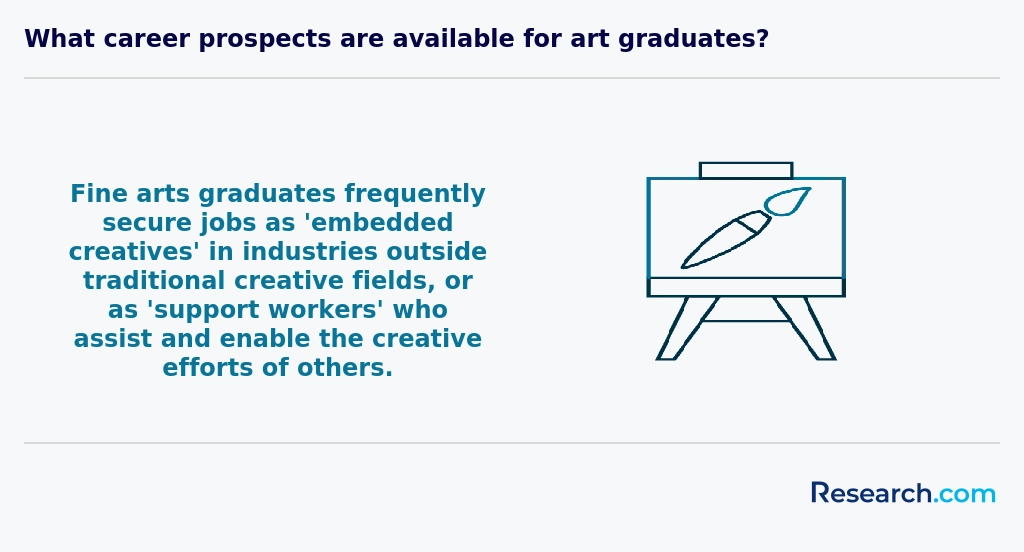
Graduates holding a fine arts degree in California find diverse career paths that beautifully blend creativity and practical skills. Many alumni from renowned institutions like the California Institute of the Arts and San Francisco State University have pursued roles as professional artists, illustrators, or designers, thriving in vibrant hubs such as Los Angeles. This reflects the strong California fine arts degree job prospects tied to the state's booming entertainment and multimedia sectors. Others discover rewarding careers in art education, sharing their passion through teaching in schools or community programs.
Some graduates embrace opportunities in museum and gallery management, curatorial work, or art conservation within California's rich cultural institutions. There's also a growing niche for fine arts graduates in marketing and advertising, where artistic insight enhances brand storytelling. Freelance work-including photography and artisan crafts-fits well with California's active gig economy. For those seeking a quicker path, programs like the fast associates degree can complement career goals focused on applied creativity and technical development.
The job market for fine arts degree holders in California is both rich with opportunity and demanding in terms of experience and networking. Graduates from popular institutions like the California Institute of the Arts or the University of California, Los Angeles often find themselves navigating industries ranging from animation studios in Los Angeles to galleries in San Francisco. These metropolitan hubs are not only centers of culture but also where much of California fine arts career opportunities concentrate, offering roles in creative sectors such as film, game development, and digital media.
Many graduates share stories of starting with freelance projects to build their portfolios and gain industry connections, a path that mirrors the broader trend where over half of artists work independently. This flexible approach can feel both exciting and uncertain, especially considering the financial pressures from tuition costs, even at public universities. For those weighing next steps, exploring options like easy online masters might provide a pragmatic way to deepen skills without slowing career momentum.
2027 Most Affordable Fine Arts Degree Programs Ranking in California
Investing in your education is a significant decision that can shape your future, and the Research.com team understands the importance of making informed choices. To assist prospective students interested in fine arts, we have meticulously crafted the "2027 Most Affordable Fine Arts Degree Programs Ranking in California." Our commitment to quality, credibility, and accuracy is reflected in the extensive research and analysis conducted to compile this ranking.
We utilized the following reputable data sources to ensure a comprehensive evaluation of fine arts programs:
By exploring this ranking, readers will gain valuable insights into the most affordable and high-quality fine arts degree programs in California, empowering them to make well-informed decisions about their educational paths. For more details on our methodology, please visit our Research.com methodology page.


# 18 position
Santa Monica College
Bachelor of Fine Arts


Frequently Asked Questions About fine arts
Fine arts degree students in California can maximize their learning experience by actively engaging in hands-on studio work and collaborative projects. California hosts numerous art galleries, museums, and cultural institutions like the Getty Center and LACMA, which provide valuable opportunities for students to study and exhibit art.
Participating in internships and networking within the vibrant California arts community is crucial. According to the National Endowment for the Arts, California employed the highest number of artists nationwide in 2022, reflecting strong job market potential.
Additionally, students should utilize state resources such as California Arts Council grants and workshops to enhance their technical skills and professional development.
The fine arts field in California is expanding to include several emerging niches that reflect technological advances and cultural shifts. One growing area is digital and interactive media arts, where artists combine traditional skills with technology to create immersive experiences.
Another niche is socially engaged art, focusing on community-driven projects that address social issues. This aligns with California's diverse population and activist culture.
Environmental art is also gaining interest, as artists incorporate sustainability themes into their work, responding to climate change concerns.
According to the National Endowment for the Arts, California ranks among the top states in employment for artists in these innovative sectors, highlighting opportunities in these expanding niches.
Preparing for the job market after earning a fine arts degree in California involves strategic planning and skill development. Graduates should build a strong portfolio showcasing their best work, as employers and galleries often prioritize visual evidence of talent. Networking plays a crucial role; attending local art shows, joining professional organizations like the California Art Education Association, and connecting with alumni can open valuable opportunities.
California's creative economy employs over 700,000 people, with fine arts careers ranging from graphic design to gallery management (Calif. Arts Council, 2023). Internships and freelance projects during study enhance professional experience and marketability. Additionally, understanding digital tools and social media marketing helps artists promote their work effectively. Continuous learning and adaptability remain essential in this competitive field.
Employers in California prioritize a blend of creative and practical skills when hiring fine arts degree graduates. Strong technical abilities in mediums such as digital design, painting, or sculpture are essential, reflecting the state's vibrant arts scene. According to the California Arts Council, proficiency in digital tools like Adobe Creative Suite is highly valued. Communication skills also rank high, as artists often collaborate with clients and teams in galleries, studios, or commercial settings.
Critical thinking and problem-solving are important, enabling graduates to adapt concepts and meet project goals effectively. Time management and self-discipline are frequently cited in job surveys, with many roles requiring independent work. Knowledge of professional practices, including portfolio development and marketing, makes candidates more competitive in California's diverse creative economy.
Finding internships in California relevant to a fine arts degree requires proactive research and networking. Start by exploring university career centers, as many California colleges like UCLA and CalArts have established connections with local galleries, museums, and studios offering internships. The California Arts Council also provides resources and listings for arts-related opportunities statewide.
Additionally, platforms like Handshake and Indeed list internships specifically for arts students. According to the National Endowment for the Arts, California's vibrant arts sector employs over 700,000 workers, increasing internship possibilities in diverse settings. Building relationships with local artists and attending exhibitions can further enhance access to unpaid or paid internships.
A fine arts degree in California can significantly impact career mobility and advancement, especially given the state's vibrant creative economy. California hosts over 100,000 jobs in arts and design fields, with nearly 20% growth expected by 2030, according to the U.S. Bureau of Labor Statistics. Graduates often benefit from networking opportunities and internships provided by local institutions, which enhances access to galleries, studios, and entertainment industries. Additionally, a fine arts degree helps develop critical skills valued in diverse sectors like advertising, media, and education, expanding job prospects beyond traditional artist roles. Career growth is often linked to both creative portfolio strength and academic credentials in this market.
Studying for a fine arts degree in California provides students with a strong foundation for interdisciplinary roles by blending traditional artistic training with emerging technologies and collaborative projects. Many California institutions emphasize integrating digital media, design, and critical theory, encouraging students to work across fields including graphic design, animation, and performance art.
California's diverse creative industries offer opportunities for hands-on experience through internships and partnerships. According to the National Center for Education Statistics, over 15,000 fine arts degrees were awarded in California in 2021, reflecting robust program availability and evolving curricula.
This approach equips graduates to adapt creatively in sectors like entertainment, tech, and education, where interdisciplinary skills are highly valued.
Choosing between a thesis and a non-thesis fine arts degree program in California depends largely on your career goals and learning preferences. A thesis program requires original research or a creative project culminating in a formal document or exhibition, which is ideal for students aiming at academic or professional research roles. Non-thesis programs focus more on coursework and practical skills, offering flexibility for those seeking immediate industry employment or artistic development.
California hosts a diversity of fine arts programs across the University of California and California State University systems. According to the National Center for Education Statistics, around 40% of fine arts master's students in California choose thesis tracks, reflecting their interest in deeper investigation.
Consider your future plans and learning style when selecting a program. If you prefer hands-on art creation with less emphasis on research, non-thesis paths could fit better. For detailed study and potential doctoral preparation, thesis programs are advantageous.
Students in California interested in studying fine arts abroad have several opportunities through exchange programs and partnerships established by California universities. Institutions like the University of California and California State University systems often collaborate with European and Asian art schools, allowing students to spend a semester or year overseas while receiving credit toward their degree.
According to the Institute of International Education, nearly 10% of California fine arts students participate in study abroad experiences, focusing on countries with rich artistic traditions such as Italy, France, and Japan. These programs provide hands-on exposure to different art techniques and cultural contexts.
Financial aid and scholarships may be available specifically for study abroad in fine arts, supporting students who wish to expand their education beyond California's borders.
California offers several part-time job opportunities that can enhance the education of fine arts students. Positions such as gallery assistant, art handler, or studio technician provide hands-on experience and networking prospects. According to the California Arts Council, these roles help students understand the operational side of the art world while developing practical skills.
Additionally, working as a freelance illustrator or art tutor can supplement income and practice. The U.S. Bureau of Labor Statistics states that California employs a significant number of artists and designers, with a 10% job growth projected through 2031. Such positions allow students to build portfolios while studying.
Local museums and community art centers also hire part-time staff, offering exposure to curatorial and educational activities. These jobs complement academic learning and prepare students for varied career paths in fine arts.
Fine arts students in California benefit from a wide range of networking opportunities that can significantly enhance their careers. Many universities, such as the California Institute of the Arts and San Francisco Art Institute, host regular exhibitions, workshops, and guest lectures featuring established artists and industry professionals.
Students also have access to statewide organizations like the California Arts Council, which offers grants and networking events tailored to emerging artists. Additionally, cities like Los Angeles and San Francisco are hubs for art communities and galleries, providing venues for students to connect with curators, collectors, and fellow creators.
According to the National Endowment for the Arts, California has one of the highest concentrations of art jobs in the US, creating ample opportunities for collaboration and professional growth.
Alumni networks play a significant role in supporting fine arts degree students in California by providing valuable connections within the creative industry. Many California fine arts programs offer active alumni groups that help new graduates find internships, job opportunities, and mentorship. According to the National Endowment for the Arts, networking is crucial in arts careers, where 70% of job placements result from personal contacts.
California's vibrant arts scene, including cities like Los Angeles and San Francisco, allows alumni to share insights about the local market and emerging opportunities. These networks often host events and workshops that build practical skills beyond classroom learning. Access to seasoned professionals through alumni connections can enhance career development for students seeking to establish themselves in competitive arts fields.
In California, students can tailor their fine arts degree to align with specific career goals by choosing from various concentrations such as painting, sculpture, digital media, or photography. Many universities offer customizable curricula and electives that allow students to explore interdisciplinary approaches, combining art with technology or business. For example, California State University programs often include options for applied arts and design, fostering practical skills alongside creative development.
Internships and cooperative education opportunities are widely available in California's vibrant art scenes, providing hands-on experience essential for career readiness. According to the National Center for Education Statistics, around 30% of fine arts students in California engage in internships, which can significantly boost employability after graduation.
Networking through campus galleries, workshops, and Southern California's established art communities further enriches the educational experience. Students are encouraged to build portfolios that reflect their unique career ambitions, supported by faculty expertise and mentorship across diverse artistic disciplines.
Fine arts students in California commonly face financial challenges due to the high cost of tuition and materials. According to the National Center for Education Statistics, California's average annual tuition for public institutions is over $7,000, which can be a significant burden when combined with expenses for art supplies, equipment, and studio fees.
Another difficulty is balancing creative growth with academic demands. Fine arts programs often require long hours for practice and portfolio development, which can be stressful alongside general coursework.
Additionally, students may struggle with limited job prospects post-graduation. The California Arts Council reports that only about 40% of fine arts graduates find employment in arts-related fields within their first year.
With a fine arts degree in California, professionals can pursue several certifications that enhance career opportunities. For example, obtaining a California Single Subject Teaching Credential allows graduates to teach art in public schools. According to the California Commission on Teacher Credentialing, many fine arts graduates opt for this credential to enter education.
Additionally, certifications in graphic design or digital media, such as those offered by Adobe, are valuable for commercial art careers. Though not state-issued, these industry certificates boost employability in creative fields. The National Association of Schools of Art and Design highlights growing digital certification trends among students in California.
Some artists also pursue certifications in art therapy, requiring postgraduate training and licensure governed by California's Board of Behavioral Sciences.
To write a winning application for a fine arts program in California, start by carefully researching each school's specific requirements. Many reputable programs, such as those at the California Institute of the Arts and University of California campuses, ask for a strong portfolio showcasing diverse skills and original work.
Detail your artistic development, influences, and goals in a clear and concise personal statement. Admissions committees value authenticity and reflection.
Letters of recommendation from art teachers or professionals who know your work well can enhance your application.
California fine arts programs are competitive, with acceptance rates often below 30%, making careful preparation crucial. Consult sources like the National Center for Education Statistics for updated enrollment and acceptance data.
Fine arts careers in California are increasingly shaped by global trends emphasizing cross-cultural collaboration and digital innovation. According to the National Endowment for the Arts, California hosts more than 1.7 million arts-related jobs, making it a leading state in creative opportunities. Globally, fine arts professionals are expected to blend traditional techniques with new media skills, reflecting a shift toward multimedia and technology-driven projects.
Internationally, there is growing recognition of the economic impact of the arts sector. The U.S. Bureau of Economic Analysis reported that arts and culture contributed over $877 billion to the U.S. economy in 2021, supporting millions of jobs. California's diverse population further enriches fine arts education, encouraging students to engage with multiple cultural perspectives.
These global influences underscore the importance of adaptability and innovation for fine arts graduates from California.
Students pursuing a fine arts degree in California can gain practical experience through several key opportunities integrated into their education. Many universities and colleges encourage participation in internships with local galleries, museums, and arts organizations, offering real-world exposure to professional art environments.
Additionally, schools often host on-campus exhibitions and collaborative projects that allow students to showcase their work publicly. According to the National Endowment for the Arts, California ranks among the top states for funding arts education, which supports these practical experiences.
Students can also engage in community art programs, which are abundant in cities like Los Angeles and San Francisco, providing hands-on involvement and networking with local artists.
Choosing the right concentration within a fine arts degree program in California begins with understanding your artistic interests and career goals. Popular concentrations include painting, sculpture, graphic design, and digital media. According to the National Center for Education Statistics, Californian institutions offer over 30 distinct fine arts tracks tailored to diverse creative fields.
Next, consider the faculty expertise and studio resources available. Schools like California State University and the University of California system provide access to specialized equipment and professional networks. Additionally, review the course curriculum to ensure it aligns with current industry trends.
Employment data from the Bureau of Labor Statistics shows that graphic design and digital arts have growing demand in California's job market. Thus, selecting a concentration with strong local opportunities can impact future employment prospects.
Lastly, look for internship and exhibition opportunities within the program to gain practical experience and build your portfolio.
- 2027 Most Affordable Fine Arts Degree Programs Ranking in Oregon
- 2027 Most Affordable Fine Arts Degree Programs Ranking in Utah
- 2027 Most Affordable Fine Arts Degree Programs Ranking in Washington
- 2027 Most Affordable Fine Arts Degree Programs Ranking in Colorado
- 2027 Most Affordable Fine Arts Degree Programs Ranking in Montana
- 2027 Most Affordable Fine Arts Degree Programs Ranking in Texas
- 2027 Most Affordable Fine Arts Degree Programs Ranking in Kansas
- 2027 Most Affordable Fine Arts Degree Programs Ranking in Iowa
- 2027 Most Affordable Fine Arts Degree Programs Ranking in Arkansas
- 2027 Most Affordable Fine Arts Degree Programs Ranking in Louisiana
- The Art of Reputation: How to Network as an Emerging Artist https://agifineart.com/advice/the-art-of-reputation-how-to-network-if-youre-an-emerging-artist/
- Thesis vs non- thesis : what is the difference? https://studyfans.com/en/blogs/816
- Careers in the Arts: Who Stays and Who Leaves? | SNAAP https://snaaparts.org/findings/reports/careers-in-the-arts-who-stays-and-who-leaves
- Fine Arts Course Duration: Complete Guide to Eligibility, Fees, & Career Scope - AAFT https://aaft.com/blog/fine-art/fine-arts-course-duration-complete-guide-to-eligibility-fees-career-scope/
- Art Schools in California: A List of Colleges and Universities https://www.studentartguide.com/careers/art-schools-in-california
- Fine Arts https://www.wits.ac.za/course-finder/undergraduate/humanities/fine-arts/
- Fine Arts School - San Francisco | CCA https://www.cca.edu/fine-arts/
- Is a thesis always mandatory in a master's degree program? https://euler.euclid.int/is-a-thesis-always-mandatory-in-masters-degree-program/
- 404 – Seite nicht gefunden https://www.gostudent.org/en-gb/blog/what-jobs-can-you-get-with-a-fine-arts-degree
- BA Hons Fine Art Enrolment Form https://www.oca.ac.uk/courses/ba-fine-art/


