
2027 Most Affordable Fine Arts Degree Programs Ranking in Washington

Co-Founder and Chief Data Scientist
Are you exploring fine arts degree options in Washington without breaking the bank? This article presents the 2027 Most Affordable Fine Arts Degree Programs Ranking in Washington, crafted by the Research.com team of data scientists to guide your decision-making process.
By reviewing this ranking, you'll discover quality programs that balance cost and value, helping you choose a path that fits both your passion and budget. Pursuing a fine arts degree can open creative doors and enrich your future, making this an exciting step toward your goals.
Key benefits of getting fine arts degree in Washington
- Graduates with a fine arts degree in Washington can expect strong earning potential, with jobs like Animator offering a mean annual wage of $109,630 and Illustrator earning around $71,420 annually, reflecting rewarding financial prospects.
- Career paths for fine arts graduates in Washington are diverse, including work as Graphic Artists and Animators, with many alumni from local schools like the University of Washington finding fulfilling roles in creative industries.
- Completing a fine arts degree online from institutions like Washington State University offers flexibility and convenience, allowing students to balance studies with personal commitments while still gaining valuable skills for success.
- 2027 Most Affordable Fine Arts Degree Programs Ranking in Washington
- What can I expect from fine arts degree in Washington?
- Where can I work with fine arts degree in Washington?
What can I expect from fine arts degree in Washington?
The average cost of pursuing a fine arts degree in Washington is an important factor to consider as you plan your educational journey. For in-state students attending public universities such as the University of Washington or Western Washington University, tuition and fees typically range from about $8,000 to $12,000 annually. This affordability allows many students to focus more on their creative development without overwhelming financial pressure.
Graduates often recall how this balance of cost and quality made their fine arts experience at institutions like Seattle Pacific University both enriching and accessible. Private colleges may have higher tuition, but many offer scholarships and financial aid specifically for fine arts students, helping to ease the burden.
Knowing these numbers is empowering-it helps you prepare smartly for your investment in education while immersing yourself in vibrant art communities across Seattle and Tacoma. With reasonable tuition and strong program offerings, your artistic passion can truly thrive here in Washington.
Where can I work with fine arts degree in Washington?
Graduates from fine arts programs at schools like the University of Washington and Cornish College of the Arts often find themselves thriving in diverse creative environments throughout Washington. Many work as practicing artists in vibrant cities such as Seattle and Tacoma, where the passion for painting, sculpture, and digital arts meets a supportive community eager to engage with original works. These graduates commonly supplement income by showcasing their art in local galleries or participating in exhibitions.
Others channel their creativity into education, becoming art teachers in K-12 schools within districts like Seattle Public Schools or pursuing roles at community colleges. This path offers rewarding stability while shaping future artists. Museum jobs are also popular; graduates have become curators or exhibit designers at institutions like the Seattle Art Museum, blending artistry with preservation and storytelling.
Beyond traditional roles, many explore graphic design, multimedia arts, or stage design within Seattle's booming tech and entertainment industries. Their foundational artistic skills open doors to innovative careers where creativity and technology intersect, often leading to inspiring, flexible work lives.
Graduates with a fine arts degree in Washington often find rewarding career paths with promising earnings. For instance, illustrators earn a mean annual wage of about $71,420, reflecting strong demand for creative work across industries. A graduate from University of Washington or Seattle Pacific University who focused on illustration can confidently anticipate this level of income as they build their portfolio and network.
Graphic artists, another common career path, report mean wages around $64,700 annually in Washington, benefiting from the state's vibrant tech and media sectors. Many graduates have shared how internships in Seattle's creative agencies helped them reach this salary sooner.
If you're drawn to animation, the outlook is even brighter. Animators in Washington can expect to earn upwards of $109,630 yearly, a reflection of the high value placed on digital storytelling and entertainment expertise in this region.
Art therapists earn an average of $75,660, offering not only solid compensation but also meaningful work helping others through creative expression.
Washington fine arts graduates who combine passion with practical experience can find stable, fulfilling careers well above starting ranges, all while thriving in dynamic local arts communities.
- In-state tuition for fine arts bachelor's degrees at public Washington schools ranges from $10,000 to $14,000 per year.
- Private fine arts programs typically cost between $30,000 and $40,000 annually but often offer financial aid and scholarships.
- Early career salaries for fine arts graduates average $35,000 to $40,000 per year, rising to about $50,000 or more by mid-career.
- Washington's cultural hubs like Seattle and Tacoma provide job opportunities in galleries, theaters, design firms, and museums.
- Fine arts programs emphasize interdisciplinary skills, combining traditional techniques with digital media and technology.
- All fine arts degree programs in Washington meet accreditation standards recognized nationwide.
In Washington, pursuing a fine arts degree can be an exciting journey that typically spans two to four years, depending on your goals and pace. For example, graduates from the University of Washington or Seattle Central College often find that an associate degree takes about two years of full-time dedication, offering a solid foundation in artistic skills and opening doors to creative careers or transfer options.
Bachelor's degrees, like those at Cornish College of the Arts, usually require around four years. These programs blend hands-on studio time, art history, and critical studies, demanding both creativity and commitment. Many students share how the immersive studio work enhances their growth, even if it sometimes means extending study due to internships or part-time enrollment.
Remember, credit requirements are clear: roughly 60 semester credits for an associate degree and about 120 for a bachelor's. Financial factors and individual study approaches influence your timeline, but with passion and focus, completing your fine arts degree in Washington is an achievable and rewarding milestone.
Embarking on a Fine Arts degree in Washington is not just about attending classes-it’s about seizing every opportunity to develop your craft and expand your professional network. To maximize your success, consider these essential tips: • Engage Actively in Workshops and Studio Sessions: Participate in both on-campus and off-campus workshops to sharpen your technical skills and learn new techniques. This proactive approach helps you build an impressive portfolio that stands out in the competitive job market. • Build and Maintain a Strong Digital Portfolio: With the digital transformation in the arts, maintaining an online portfolio is crucial. Regularly update your work and share your creative process on social media and professional platforms to attract potential employers and collaborators. • Network Extensively: Take advantage of local art exhibitions, university-hosted events, and community meetups. These gatherings are excellent venues for establishing contacts with industry professionals and alumni. For insights into top-performing institutions, check out the best fine arts schools in washington. • Leverage Campus Resources: Most institutions offer career counseling services, mentorship programs, and internship placement assistance. Utilize these resources early on to set clear goals and create a roadmap for your career in the arts. • Stay Informed About Industry Trends: Follow contemporary art movements, digital innovations, and emerging media platforms. Continuously educating yourself about market demands will enable you to adapt your skills and remain competitive. By integrating these strategies into your academic journey, you can enhance your learning experience, build a robust professional network, and set yourself up for long-term success in the dynamic field of Fine Arts.
Choosing between online and on-campus fine arts degrees in Washington comes down to how you want to experience your artistic journey. Graduates from Seattle's universities often describe the on-campus setting as immersive-studios filled with materials, direct guidance from professors, and vibrant peer collaboration that sparks creativity in real time. Imagine sculpting clay in a Tacoma workshop or painting in a dedicated space while exchanging ideas face-to-face; these tangible interactions shape skills profoundly.
On the other hand, students who balanced jobs and family responsibilities found Washington's online programs invaluable. They appreciated the flexibility to study art history or digital media asynchronously while watching video critiques on their own schedule. These programs emphasize theory and critical thinking, making them ideal if your art leans toward conceptual or multimedia forms, though you might miss some hands-on practice.
Consider tuition too-state public programs average $8,000 to $12,000 annually, whether online or in person, but online students save on commuting and housing, which eases financial pressure. Your choice hinges on how you envision your craft growing within Washington's unique artistic community.
As the fine arts landscape evolves, students and professionals in Washington must stay informed about emerging trends that are reshaping the industry. With technological advances and new creative mediums at the forefront, there is an increasing emphasis on digital art, virtual exhibitions, and interdisciplinary collaborations. Schools are now integrating courses on digital media, augmented reality, and sustainable design practices to equip students for the dynamic art world. For instance, many programs are partnering with local galleries and tech companies to create a bridge between traditional art forms and cutting-edge technology, offering unique internship opportunities that can be a game-changer for your career. This evolving environment is also inspiring innovative portfolio building and community projects, where students learn to blend artistic skills with entrepreneurial strategies. If you’re interested in a holistic education that combines creativity with real-world applications, you might want to explore the offerings of the best fine arts schools in washington. These institutions provide a forward-thinking curriculum that not only nurtures artistic talent but also prepares you to navigate the complexities of the modern art market. Keeping an eye on these trends can help you anticipate the future of the fine arts industry in Washington. Whether it’s integrating the latest digital tools or engaging with sustainability in art, understanding these shifts will empower you to make informed decisions about your education and career. Embracing emerging opportunities now can position you as a leader in a rapidly changing field, ensuring that your passion for art evolves alongside the industry.
The average cost of obtaining a fine arts degree in Washington typically centers around $15,745 for in-state students, making it a realistic investment in your creative future. Graduates from the University of Washington often recall how this cost balanced well with the exceptional resources and vibrant artistic community they accessed, fueling their passion while managing expenses. This figure reflects tuition, fees, and essential supplies, but keep in mind additional costs for materials and living expenses may also apply.
Many who pursue a fine arts degree in Washington explore options at community colleges, which offer more affordable pathways before transferring to four-year institutions. This flexibility can significantly reduce the overall financial burden while maintaining the quality of education. When you consider Washington fine arts degree tuition and fees, including specialized art materials and studio use, creative students often find ways to budget smartly, inspired by peers who have thrived despite the financial demands.
It's empowering to know there are scholarships and financial aid tailored for art students here. Graduates from schools such as Cornish College of the Arts have shared how these opportunities helped them focus on their craft instead of costs. If you want to explore the best fine arts schools in washington and understand their full range of offerings and expenses, be sure to visit best fine arts schools in washington for detailed insights.
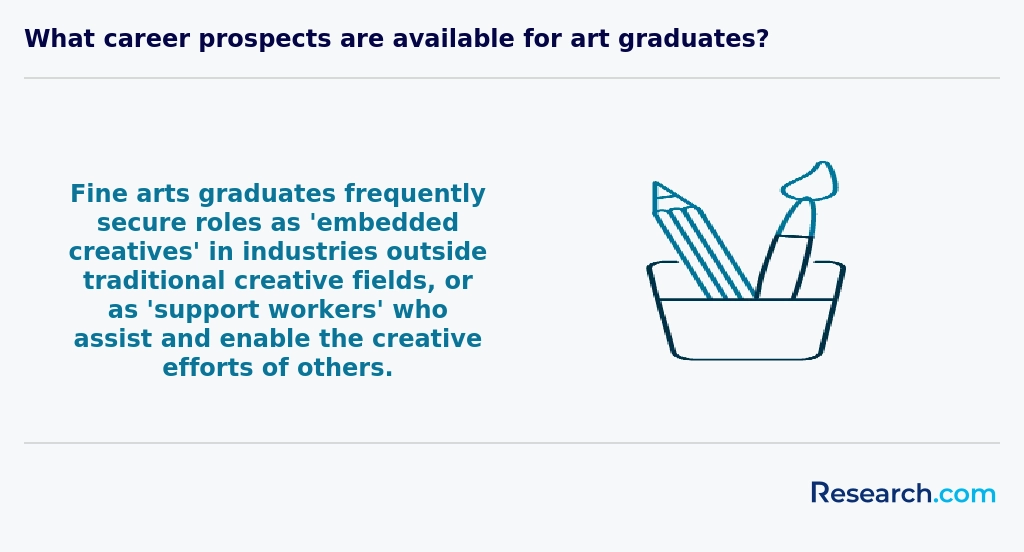
For students seeking the flexibility to balance work, family, and creative pursuits, online MFA programs present an attractive alternative without sacrificing quality. Many accredited institutions now offer fully online Master of Fine Arts degrees with curricula mirroring their on-campus counterparts, featuring virtual critiques, digital portfolio reviews, and specialized workshops. Before applying, review program accreditation, faculty expertise, and the availability of virtual studio resources to ensure you receive rigorous instruction and meaningful feedback. One key advantage of online study is access to diverse course offerings-ranging from digital media and interdisciplinary art practices to traditional studio concentrations-without relocating. Tuition for online MFAs often undercuts on-campus rates, and you can further reduce costs by seeking programs with sliding-scale fees or portfolio-based scholarships. To discover top-tier, budget-friendly options, explore our cheapest mfa online degree programs, where data-driven rankings highlight the best value in online fine arts graduate education. Finally, verify how each program supports professional development: look for virtual internship partnerships, alumni networking platforms, and career services that facilitate gallery exhibitions, freelance projects, or teaching opportunities. By choosing an online MFA that combines affordability with robust support systems, you’ll position yourself for long-term artistic growth and career success without the constraints of geographic relocation.
Many fine arts students in Washington find financial aid crucial to pursuing their passions without overwhelming debt. For instance, graduates from the University of Washington have shared how Pell Grants, which can cover up to $6,895, provided a vital foundation by reducing their tuition burden early on.
Federal Direct Loans are another common resource. These loans, often used by fine arts students at Seattle Pacific University, come with manageable interest rates and flexible repayment plans, allowing students to focus on building their portfolios without immediate financial pressure.
The Washington College Grant stands out as a powerful state resource. At colleges like Cornish College of the Arts, many students have relied on this grant, which can cover up to $5,000, transforming their ability to afford quality education close to home.
Scholarships geared specifically toward talented fine arts majors often recognize creativity and community engagement. Several graduates recall how awards from the Washington State Arts Commission or university merit-based scholarships fueled their artistic journeys.
Work-study programs are frequently praised by students at institutions such as Western Washington University for offering both income and valuable experience, balancing financial support with practical skills.
Immersing yourself in the vibrant campus atmosphere is as crucial as the academic curriculum when selecting a Fine Arts program. Washington universities offer thriving artistic communities where students regularly engage in creative collaborations, attend gallery openings, and participate in workshops that extend learning beyond the classroom. These environments not only nurture your artistic growth but also foster lifelong connections with passionate peers and industry experts. Many institutions encourage involvement in art clubs, student-run exhibitions, and community projects that let you explore different mediums and refine your skills. Such extracurricular activities enrich the overall experience by providing practical insights into managing art projects and preparing for real-world challenges. For detailed insights into institutions that emphasize both academic excellence and dynamic campus life, check out best fine arts schools in washington. Campus communities also create avenues for mentorship and networking-a pivotal aspect for budding artists. By engaging with professors and alumni who actively contribute to the local and national art scenes, you gain access to exclusive internships, masterclasses, and exhibitions. These opportunities can help bridge the gap between the classroom and a professional career, shaping you into a well-rounded artist ready to make an impact in the creative industry.
To begin your journey into fine arts programs in Washington, you'll first need a high school diploma or its equivalent. Graduates from well-known colleges here often recall how completing solid coursework in English and art helped them express their ideas clearly, a skill that proved invaluable when crafting their portfolios.
A portfolio is your most powerful tool. It should show a range of your artistic talents-whether it's paintings, sculptures, or digital art. Many prospective students in Seattle's vibrant art scene have found that their portfolios were the main reason for acceptance, demonstrating both skill and creative passion.
Letters of recommendation and a personal statement also deepen your application. Sharing your artistic goals with faculty during interviews, sometimes conducted online, can ignite excitement about your potential and determination.
While standardized tests like the SAT might not always be required, checking specific college policies is wise. Meeting these prerequisites not only opens doors but prepares you to thrive in Washington's dynamic fine arts communities.

Choosing an accredited Fine Arts degree program ensures you receive a recognized qualification, access to federal financial aid, and a curriculum that meets industry standards. In Washington, look for schools accredited by the National Association of Schools of Art and Design (NASAD) and regionally accredited by agencies such as the Northwest Commission on Colleges and Universities (NWCCU). NASAD accreditation signifies that the program’s faculty, facilities, and course offerings have undergone rigorous evaluation, while regional accreditation guarantees overall institutional quality and eligibility for federal grants and loans. When researching programs, verify accreditation status on the institution’s website or through the U.S. Department of Education’s Database of Accredited Postsecondary Institutions and Programs. Accreditation also impacts credit transferability should you choose to switch schools or pursue an advanced degree. Prospective art teachers must confirm that their chosen institution’s education component is approved by the Washington Professional Educator Standards Board (PESB) to meet state certification requirements. Beyond accreditation, consider additional credentials like studio certifications, residency partnerships, and professional affiliations. Some Washington programs collaborate with local museums, galleries, and arts councils to offer students curatorial internships or portfolio reviews. If you’re exploring affordability across different regions, you might also find value in the Inexpensive Fine Arts Degree Programs Ranking in Brooklyn, NY, which highlights budget-friendly yet reputable options outside the Evergreen State. By prioritizing accreditation and program credentials, you safeguard your educational investment and position yourself for licensure, graduate studies, and competitive job markets in the arts.
If you're pursuing a fine arts degree in Washington, expect a rich blend of courses that nurture both your creativity and technical skills. At universities like the University of Washington or Seattle Pacific University, core classes typically include drawing, painting, sculpture, and design principles. Graduates often describe these foundational courses as the moments when their artistic voices truly began to emerge, thanks to hands-on projects and expert critiques.
Many students find that studying digital arts, such as graphic design and animation, opens new doors to modern creative industries. These classes encourage experimentation with technology while building strong digital portfolios that impress employers or graduate schools.
Art history and theory are also central to your curriculum, helping you understand the cultural context behind different movements from classical to contemporary art. Washington fine arts programs emphasize this balance between practice and theory, so you deeply appreciate your craft's place in the broader artistic world.
Finally, electives like printmaking, ceramics, and multimedia arts let you customize your journey. Graduates often reflect on how this flexibility helped them align their education with their unique passions and career goals.
Fine arts degree specializations in Washington open up exciting pathways tailored to your artistic passions. Graduates from the University of Washington often highlight concentrations like visual arts-covering painting, sculpture, and mixed media-that sharpen technical skill while nurturing personal expression. Others find their calling in graphic design, mastering digital media and typography to prepare for vibrant creative careers. Photography students enjoy gaining both camera expertise and artistic composition abilities, enhanced by digital editing techniques.
Community colleges in Washington provide adaptable programs focusing on studio art and applied design skills, ideal for hands-on learners. Many graduates cherish how art education tracks prepare them to inspire future artists through a blend of studio practice and teaching methods. By exploring Washington fine arts program concentration options, you can immerse yourself in courses that reflect the local cultural scene, including indigenous art and animation, ensuring your education feels relevant and energizing.
For those wondering about finances, it's helpful to explore the cheapest mfa online degree programs to find budget-friendly paths. Embrace your creative journey knowing Washington offers a supportive and diverse environment to grow your talents.
When choosing the best fine arts degree in Washington, start by verifying the accreditation of the institution, ensuring it holds regional approval recognized by the Northwest Commission on Colleges and Universities. This affects not only the quality of education but also how employers and other schools value your degree. Graduates from institutions in Seattle and Spokane often speak highly of how well their programs blended traditional art techniques with modern digital approaches, giving them versatile skills.
Consider the specific curriculum offerings and faculty expertise. Some colleges excel in painting and sculpture, while others incorporate digital arts and graphic design. Reflect on your artistic passions and seek programs that nurture those talents within Washington's thriving arts scenes, allowing you to connect with galleries and internships. Many students find that affordable options like community colleges let them start strong without overwhelming costs, which is key when researching the most affordable fine arts degree programs in Washington.
Be mindful of extra costs such as studio fees or art materials. Finally, explore resources like student galleries and alumni showcases, and don't miss opportunities such as open houses or virtual tours. For those comparing costs and quality, check out the Inexpensive Fine Arts Degree Programs Ranking in Brooklyn, NY to inspire your budgeting approach nationally.

Graduates with a fine arts degree in Washington discover a wide range of fulfilling career paths shaped by the state's unique blend of artistic culture and technological innovation. Many find inspiring work as graphic designers in Seattle's vibrant advertising and tech sectors, where their creativity merges seamlessly with digital expertise. Others embrace the traditional fine arts, becoming painters, sculptors, or illustrators who thrive through gallery exhibitions or personal commissions.
Those who studied at popular institutions like the University of Washington often pursue roles as art educators in local schools or community colleges, nurturing the next generation's love of creativity. Museum curation and art conservation are also notable options, with graduates contributing to respected places such as the Seattle Art Museum. Job opportunities for fine arts graduates Washington wide include exciting positions in media and entertainment, especially in animation, video game design, and film production.
Many find that supplementing income through entrepreneurial ventures or teaching workshops brings rewarding flexibility. If you're also exploring practical ways to boost your income, consider looking into healthcare certifications that pay well as a complement to your creative career.
The fine arts degree job outlook in Washington is promising, thanks to the state's rich cultural scene and economic diversity. Graduates from well-known institutions like the University of Washington or the Seattle Art Institute often find themselves thriving in vibrant art hubs such as Seattle or Spokane. These cities offer a variety of roles, from gallery curators to digital media artists, blending traditional fine arts skills with modern technology. Many alumni share how internships in local museums or digital studios gave them invaluable experience, fueling their confidence to pursue freelance or commissioned art projects with success.
Employment opportunities for fine arts graduates in Washington extend beyond galleries, with digital design jobs growing along tech-driven industries in Seattle. The balance of creative freedom and income stability is crucial, as data shows a mean annual wage around $58,000, which encourages many to carefully consider their educational investment. For those weighing their options, exploring easiest phd degree programs can be a smart move to deepen expertise while managing costs effectively.
2027 Most Affordable Fine Arts Degree Programs Ranking in Washington
Investing in your education is a significant decision that can shape your future, and the Research.com team understands the importance of making informed choices. To assist prospective students, we have meticulously developed the "2027 Most Affordable Fine Arts Degree Programs Ranking in Washington." Our commitment to quality, credibility, and accuracy is reflected in the extensive research and analysis conducted to compile this ranking.
We utilized the following reputable data sources to ensure a comprehensive evaluation of fine arts programs:
By exploring this ranking, readers will gain valuable insights into the most affordable fine arts degree programs in Washington, helping them make well-informed decisions about their educational futures. For more details on our methodology, please visit our Research.com methodology page.
# 1 position
Highline College
Bachelor of Fine Arts

# 2 position
Clover Park Technical College
Bachelor of Fine Arts


# 5 position
Lake Washington Institute of Technology
Bachelor of Fine Arts in Game Art & Design


# 14 position
Walla Walla University
Bachelor of Fine Arts


# 16 position
Seattle Film Institute
Master of Fine Arts

# 17 position
Seattle Film Institute
Bachelor of Arts


Frequently Asked Questions About fine arts
Fine arts degree students in Washington can maximize their learning by engaging with both academic and community opportunities. Many Washington institutions encourage participation in internships, which provide practical experience in galleries, theaters, and studios. According to the National Endowment for the Arts, Washington ranks among the top states for arts employment, offering valuable regional networks for students.
Students should also take advantage of the state's vibrant arts scene, including venues like the Seattle Art Museum and Tacoma Art Museum, to deepen their understanding of contemporary and historical works. Collaborative projects and interdisciplinary courses further enhance creative skills and professional readiness.
Emerging niches within the fine arts field in Washington increasingly reflect the integration of technology and interdisciplinary approaches. Areas such as digital media arts, animation, and interactive design are gaining prominence as demand grows for skills that blend traditional art with new media.
According to the National Endowment for the Arts, Washington sees a rise in artists working in film, video, and audio production fields, aligning with the state's strong tech industry. Additionally, sustainable and environmental art practices are expanding as artists respond to growing ecological concerns.
Fine arts programs in Washington universities often emphasize these new areas, preparing students for diverse creative careers.
Graduates with a fine arts degree in Washington should begin preparing for the job market by building a strong portfolio showcasing their best work. This is essential as 85% of employers in the creative industries prioritize demonstrated skills over academic credentials, according to the Washington State Employment Security Department.
Networking plays a critical role in securing job opportunities. Students are encouraged to attend local art shows, gallery openings, and industry events in cities like Seattle and Tacoma to connect with professionals and potential employers.
Internships and apprenticeships provide practical experience and can improve employment prospects. Washington offers various programs through arts organizations and non-profits that help graduates gain valuable hands-on experience.
Additionally, developing skills in digital tools and social media marketing can increase visibility and attract clients in an increasingly competitive market.
Employers in Washington value a range of skills in fine arts degree graduates, reflecting both creative and practical demands of the industry. Strong technical proficiency in various media-such as digital design, sculpture, or painting-is essential. According to the Washington State Employment Security Department, adaptability to new art technologies and software is increasingly important.
Critical thinking and problem-solving abilities help graduates contribute original ideas and respond to project challenges effectively. Communication skills, including presenting concepts clearly and collaborating within teams, are highly sought after by employers in Washington's art institutions and creative firms.
Additionally, knowledge of art history and cultural context enriches the graduate's perspective, which is valued in galleries and museums across the state. Employers also emphasize portfolio quality, reflecting a candidate's range and depth of artistic skills.
Finding internships in Washington relevant to a fine arts degree involves leveraging local institutions and networks. Start by exploring opportunities at major art organizations such as the Seattle Art Museum and Chihuly Garden and Glass, which frequently offer internships for students. Many universities, like the University of Washington, provide career centers that connect fine arts students with internships statewide.
Additionally, Washington's robust arts scene includes numerous galleries and nonprofit organizations in cities like Tacoma and Spokane, which often seek interns. Platforms like the Washington State Arts Commission's website list available internship opportunities specifically tailored to arts students. According to the National Endowment for the Arts, Washington ranks high in art employment, increasing internship availability.
Networking at local art fairs, workshops, and exhibitions can also open doors. Many internships in fine arts are unpaid or low-paid but offer valuable professional experience and connections in this competitive field.
A fine arts degree in Washington can significantly enhance career mobility and advancement, particularly within creative industries such as design, theater, and visual arts. Graduates often benefit from strong networks tied to Seattle's vibrant arts scene and institutions like Cornish College of the Arts. According to the U.S. Bureau of Labor Statistics, Washington's arts-related occupations are expected to grow by 7% between 2022 and 2032, which is faster than the national average.
Many employers in Washington value the critical thinking and creative problem-solving skills developed through fine arts programs. Holding a degree can open doors to leadership roles beyond entry-level jobs, especially when paired with internships or community involvement. State-specific scholarships and grants also support continued professional development in this field.
Studying for a fine arts degree in Washington offers students unique opportunities to engage in interdisciplinary learning. Many programs incorporate coursework that blends visual arts with technology, design, and media studies. This approach equips students with skills relevant to fields like digital content creation, marketing, and interactive design.
Washington's universities emphasize collaboration across departments, allowing fine arts students to work alongside peers in computer science, business, and communications. For example, the University of Washington's School of Art + Art History + Design fosters partnerships that enhance both creative and technical skills.
Such interdisciplinary training prepares graduates for diverse careers beyond traditional art roles, reflecting a growing demand for versatile professionals in Washington's dynamic economy.
Choosing between a thesis and a non-thesis fine arts degree program in Washington depends on your academic and career goals. A thesis program typically requires original research or a creative project, which is ideal for students aiming to continue into doctoral studies or work in academia. Non-thesis programs focus more on coursework and practical skills, often suiting those seeking direct employment in the arts industry.
In Washington, many universities offer both options. According to the Washington Student Achievement Council, about 40% of fine arts graduates pursue non-thesis tracks, valuing hands-on experience over research. Consider your learning style and future plans before deciding.
Students in Washington interested in studying fine arts abroad have several pathways available through U.S. higher education institutions. Many universities in Washington, such as the University of Washington, offer exchange programs and partnerships with international art schools. These options enable students to spend a semester or year studying abroad while earning credits toward their degree.
Additionally, organizations like the Council on International Educational Exchange (CIEE) provide curated fine arts programs overseas that Washington students can apply for. According to the American Institute for Foreign Study, over 8,000 U.S. students studied visual and performing arts abroad in recent years, highlighting growing interest.
Financial aid and scholarships specific to study-abroad fine arts programs are often available through home institutions or external foundations, helping reduce costs. Students should consult their college's study-abroad office for tailored guidance on eligibility and applications.
Part-time job opportunities in Washington that complement fine arts degree education often focus on practical experience and skill development. Students frequently find roles as gallery assistants, offering exposure to art curation and public interaction. According to the Washington State Arts Commission, such positions provide valuable networking opportunities within local art scenes.
Other common roles include teaching art classes or tutoring, which help refine communication and instructional abilities. Freelance graphic design or illustration work is also prevalent, leveraging digital tools relevant to fine arts disciplines. These jobs allow flexibility and portfolio-building, essential for early career artists in Washington's competitive markets.
Additionally, many students engage in internships at museums and cultural organizations, gaining insights into arts management. The U.S. Bureau of Labor Statistics notes that these experiences increase employability by enhancing both creative and administrative skills.
Fine arts students in Washington benefit from diverse networking opportunities that enhance their academic and professional growth. Universities such as the University of Washington and Cornish College of the Arts regularly host exhibitions, workshops, and guest lectures featuring notable artists and industry professionals. These events allow students to build valuable connections within the local arts community.
Additionally, Washington is home to numerous art festivals and galleries in Seattle and Spokane, providing students platforms to showcase their work and meet peers and mentors. According to the Seattle Office of Arts & Culture, over 8,000 artists contribute to the regional economy, indicating a vibrant network for emerging professionals.
Student organizations and internships further extend networking possibilities through partnerships with museums and creative agencies, fostering real-world experience and contacts vital for career development in fine arts.
Alumni networks play a crucial role for fine arts degree students in Washington by offering valuable connections within the local and national art communities. Graduates from Washington institutions often remain engaged through events, workshops, and mentoring programs that foster collaboration and career growth.
These networks can open doors to exhibitions, internships, and job opportunities, especially important in fields like fine arts where personal relationships often influence success. According to the Washington State Higher Education Board, students involved in alumni activities experience a 30% higher employment rate within a year of graduation compared to those who do not.
Access to experienced alumni helps current students navigate the competitive art world by providing guidance on portfolio development, funding, and industry trends. This ongoing support strengthens fine arts programs statewide and encourages lifelong career advancement.
Customizing a fine arts degree program in Washington offers students flexibility to align studies with career objectives. Many universities provide elective courses in areas like digital media, sculpture, or art history, enabling students to develop specialized skills. For example, the University of Washington and Seattle Pacific University allow customization through minors or concentrations within the fine arts curriculum.
Internships and cooperative education opportunities with local galleries, theaters, and design firms enhance practical experience. According to the National Center for Education Statistics, tailoring programs boosts employment prospects by providing hands-on skills. Students should also consider certificate programs that supplement traditional degrees and address emerging industry trends.
Advisors at Washington institutions often help craft individualized study plans, grounding artistic goals in market demands. This ensures a balanced approach that promotes both creative growth and career readiness.
Fine arts students in Washington often face financial challenges, as art programs typically require costly materials and supplies not covered by tuition. According to the National Endowment for the Arts, students spend hundreds of dollars annually on supplies. Additionally, balancing creative work with academic requirements can be difficult, as fine arts demand substantial studio time and practice.
Another challenge is limited access to internships and exhibition opportunities inside the state, which are crucial for career development. Washington's smaller arts market compared to cities like New York or Los Angeles can restrict networking options. Furthermore, students may encounter uncertainty about job prospects, as only 40% of fine arts graduates nationwide work in their field within five years, per the Bureau of Labor Statistics.
Graduates with a fine arts degree in Washington can pursue several professional certifications that enhance their career opportunities. One common option is the K-12 teaching certification, which enables individuals to teach art in public schools. Washington's Office of Superintendent of Public Instruction outlines requirements for this path, including coursework and a passing score on the WEST-B exam.
Additionally, some fine arts graduates opt for certification in graphic design or digital media, offered through organizations like Adobe Certified Expert (ACE). These certifications verify technical skills highly valued in creative industries.
For those interested in arts administration, certifications such as Certified Arts Administrator (CAA) can support career growth. These pathways show how fine arts degrees connect to practical, marketable credentials in Washington's evolving art sector.
Applying for a fine arts program in Washington requires more than submitting transcripts. Start by preparing a compelling portfolio, as most programs prioritize creative work. According to the National Association of Schools of Art and Design (NASAD), portfolios should showcase diverse skills and unique artistic voice.
Maintain a strong academic record, especially in art-related courses. Washington State universities often review GPA alongside artistic talent. In addition, write a clear personal statement explaining your passion for fine arts and career goals. This can set you apart in competitive programs.
Letters of recommendation from art instructors or professionals add valuable insights into your abilities. Finally, check each school's specific requirements, as they may vary. Early preparation and understanding these criteria greatly enhance your chances.
The global perspectives on a fine arts career often reflect the balance between creative expression and practical opportunities within the profession. In the United States, including Washington, fine arts graduates frequently find diverse paths in areas like design, media, and education. According to the National Endowment for the Arts, employment in arts-related fields is projected to grow by 5% through 2031, which aligns with rising digital media demand.
Washington state supports this trend through institutions that blend traditional fine arts with technology, offering students skills relevant worldwide. Graduates face competitive markets but benefit from expanding opportunities in cultural and creative industries internationally.
Students pursuing fine arts degrees in Washington can gain practical experience through various on-campus and off-campus opportunities. Many universities, such as the University of Washington and Cornish College of the Arts, offer internships, cooperative education programs, and community-based projects. These experiences allow students to apply classroom skills in real-world settings.
Additionally, Washington's vibrant arts scene provides numerous venues for student exhibitions, performances, and collaborations. Local galleries and art organizations often welcome student involvement, helping to build professional networks. According to the National Endowment for the Arts, Washington consistently ranks among the top states for arts employment, offering strong prospects for practical engagement.
Choosing the right concentration within a fine arts degree program in Washington involves evaluating your personal interests and career goals. Common concentrations include painting, sculpture, digital arts, and photography. Washington's universities often offer specialized tracks reflective of local industry demands, such as interactive media in Seattle's growing tech scene.
Consider practical factors like faculty expertise and available facilities. According to the Washington Student Achievement Council, programs with strong community partnerships and exhibition opportunities can enhance real-world experience. Additionally, review graduation rates and job placement statistics for concentrations at specific institutions to gauge success outcomes.
Exploring campus resources and attending open houses can provide insight into the learning environment. Aligning concentration choice with your creative passion, combined with practical career considerations, leads to a more fulfilling educational experience.
- 2027 Most Affordable Fine Arts Degree Programs Ranking in Oregon
- 2027 Most Affordable Fine Arts Degree Programs Ranking in Montana
- 2027 Most Affordable Fine Arts Degree Programs Ranking in California
- 2027 Most Affordable Fine Arts Degree Programs Ranking in Utah
- 2027 Most Affordable Fine Arts Degree Programs Ranking in Colorado
- 2027 Most Affordable Fine Arts Degree Programs Ranking in Kansas
- 2027 Most Affordable Fine Arts Degree Programs Ranking in Texas
- 2027 Most Affordable Fine Arts Degree Programs Ranking in Iowa
- 2027 Most Affordable Fine Arts Degree Programs Ranking in Arkansas
- 2027 Most Affordable Fine Arts Degree Programs Ranking in Louisiana
- Careers in the Arts: Who Stays and Who Leaves? https://snaaparts.org/findings/reports/careers-in-the-arts-who-stays-and-who-leaves
- Alumni Network at Moore https://moore.edu/alumni/
- Alumni network - ESMA https://www.esma-artistique.com/en/outreach/alumni-network/
- Bachelor of Fine Arts in Art & Design (BFA) https://www.ualberta.ca/en/art-design/undergraduate-programs/bfa-art-and-design.html
- Certificate of Fine Arts | CFA Programs - New York Academy of Art https://nyaa.edu/continuing-studies/certificate-of-fine-arts/
- Application writing tips for individual artists https://www.affta.ab.ca/funding/help-and-resources/resources-individual-artists/application-writing-tips-individual-artists
- Challenges in Undergraduate Art Education - Arts Education Partnership https://www.aep-arts.org/challenges-in-undergraduate-art-education/
- Networking for Artists: Unlocking Opportunities in the Art World - Ceri Hand https://cerihand.com/networking-for-artists/
- INTERDISCIPLINARY EMPHASIS https://www.muw.edu/art/bfa/interdisciplinary/
- Employment Opportunities https://finearts.howard.edu/about-college/employment-opportunities





