2027 Best Fine Arts Degree Programs Ranking in Baton Rouge

Co-Founder and Chief Data Scientist
Choosing the right fine arts degree program in Baton Rouge can shape your creative future. This article introduces the 2027 Best Fine Arts Degree Programs Ranking in Baton Rouge, carefully crafted by the Research.com team of data scientists.
It aims to help you discover programs that match your passion and goals. Exploring these rankings gives you confidence in finding a program that supports your artistic growth and career path.
If you're excited about developing your skills and making meaningful art, this guide will inspire your next steps in higher education.
Key benefits of getting fine arts degree in Baton Rouge
- Fine arts graduates in Baton Rouge can earn competitive salaries, with illustrators making about $71,420 annually and animators earning an impressive $109,630 per year, providing strong financial opportunities.
- Career paths include roles like graphic artist, illustrator, and animator, offering creative and diverse options for fine arts degree holders from local schools such as Louisiana State University.
- Online fine arts degrees offer flexibility and convenience, allowing students in Baton Rouge to balance studies with other commitments while gaining skills valued by employers in digital and traditional art fields.
- 2027 Best Fine Arts Degree Programs Ranking in Baton Rouge
- What can I expect from fine arts degree in Baton Rouge?
- Where can I work with fine arts degree in Baton Rouge?
What can I expect from fine arts degree in Baton Rouge?
The average cost of pursuing a fine arts degree in Baton Rouge typically aligns with the tuition rates at major institutions like Louisiana State University (LSU). For in-state students, LSU's tuition for a full four-year Bachelor of Fine Arts program averages around $10,500 per year, resulting in a total cost just over $42,000 before additional fees and living expenses. Out-of-state students should anticipate higher rates, often close to $27,000 annually, effectively tripling the full program cost.
Graduates from Baton Rouge fine arts programs often recall balancing financial planning with access to quality resources such as well-equipped studios and galleries. Many note that the moderate in-state tuition, combined with internship opportunities and community exhibitions, enhances both learning and professional growth without excessive financial strain.
When budgeting, students should also consider costs for art supplies, housing, and participation in exhibitions, which are integral to the hands-on experience emphasized by Baton Rouge institutions. The value gained is reflected not only in creative skill development but also in career readiness within regional art markets and beyond.
Where can I work with fine arts degree in Baton Rouge?
Graduates with fine arts degrees from institutions like Louisiana State University often find employment opportunities within Baton Rouge's education sector. Many secure positions as art teachers in local public and private schools, benefiting from the city's active recruitment to support K-12 visual and performing arts programs aligned with Louisiana Department of Education standards. These roles offer both stability and a chance to nurture future artists.
Other alumni pursue careers in cultural institutions such as the Shaw Center for the Arts and the LSU Museum of Art, working as curators or exhibition coordinators. These positions allow graduates to engage creatively while managing events and educational outreach, fostering a vibrant arts community.
Additionally, Baton Rouge's growing digital media market supports roles in graphic design and multimedia art. The U.S. Bureau of Labor Statistics anticipates a 3% national growth for graphic designers over the next decade, a trend mirrored locally by rising demand driven by economic development initiatives.
Entrepreneurial graduates benefit from artist-run spaces like the Fulcrum Gallery, turning personal work into profitable ventures. Many also join nonprofit arts organizations, balancing artistic passion with administrative skills to sustain the city's cultural vitality.
Graduates with a fine arts degree in Baton Rouge can anticipate a range of earnings depending on their chosen career within the arts. For instance, graphic designers in the area typically make between $45,000 and $55,000 annually, reflecting local demand but slightly below the national mean wage of $64,700 reported by the U.S. Bureau of Labor Statistics (BLS). Illustrators, who often work freelance or with local studios after graduating from Baton Rouge colleges, have a national mean salary of $71,420, suggesting solid earning potential as their skills mature.
Art therapists, a growing profession among fine arts graduates, earn a national average of $75,660 annually. Many Baton Rouge graduates from programs combining art and psychology find rewarding salaries and fulfilling careers in this field. Animators, while less common locally, boast the highest national mean wage at $109,630, and motivated students with animation skills benefit from expanding digital media opportunities.
These figures demonstrate that Baton Rouge fine arts graduates, particularly those from well-regarded institutions, can achieve competitive salaries when leveraging their unique talents, education, and professional networks.
- Annual tuition for fine arts programs at public universities in Baton Rouge averages around $9,000 for residents and can exceed $25,000 for out-of-state students.
- Private institutions typically charge between $20,000 and $30,000 per year for fine arts degrees.
- Starting salaries for fine arts graduates range from $38,000 to $42,000, with experienced professionals earning $55,000 or more.
- Job opportunities exist in galleries, museums, education, graphic design, advertising, and media, but competition for full-time fine arts roles is strong.
- Programs usually require two to four years for completion, covering studio practice, art history, and critical theory.
- Internships, networking, and collaborative projects are important for improving employment prospects in the local arts community.
Completing a fine arts degree in Baton Rouge typically takes about four years for a Bachelor of Fine Arts (BFA) or Bachelor of Arts (BA) in Fine Arts. This duration follows the standard undergraduate timeline observed nationwide. Students at institutions like Louisiana State University (LSU) report a balanced schedule combining studio work, art history, and theory courses, requiring roughly 120 to 130 credit hours. This timeframe allows graduates to develop both technical skills and a strong conceptual foundation.
Some students choose part-time enrollment, which naturally extends the completion period beyond four years but accommodates work or personal commitments. Graduates often describe satisfaction in progressing through a structured path that emphasizes hands-on studio experience alongside rigorous academic study.
For advanced artistic focus, pursuing a Master of Fine Arts (MFA) in Baton Rouge usually demands an additional two to three years beyond the bachelor's degree. MFA students appreciate the opportunity to refine their creative practice and prepare for professional or teaching careers, with program length influenced by thesis requirements and exhibitions integrated into the curriculum.
Baton Rouge fine arts programs offer more than just academics-they cultivate a vibrant campus culture where creativity thrives beyond the classroom. Students enjoy state-of-the-art studios, interactive galleries, and community-driven events that foster artistic collaboration and personal growth. On-campus clubs, regular workshops, and local art festivals contribute to a dynamic environment that supports both academic pursuits and extracurricular passion projects. Many institutions partner with local cultural organizations, creating opportunities for live exhibitions, mentorship programs, and internship placements, which give students real-world experience and a competitive edge. Discovering the perfect balance between rigorous coursework and a lively arts community is essential to a fulfilling educational journey. Prospective students can also explore the benefits of studying at affordable fine arts schools in louisiana to match their budget with quality learning environments. This holistic approach to student life not only enhances creative talent but also builds lasting networks that serve graduates well into their professional careers.
On-campus fine arts degrees in Baton Rouge, such as those at Louisiana State University, emphasize immersive experiences with direct access to studios, darkrooms, and galleries. Graduates often recall the value of hands-on sessions that foster collaborative projects and spontaneous feedback from instructors and peers, which are critical for artistic growth. Tuition for in-state students typically runs around $9,000 annually, excluding materials and commuting costs.
Conversely, online programs prioritize flexibility, appealing to students balancing work or family commitments. These programs rely on virtual studios and video critiques to simulate practical engagement. However, some hybrid options in Baton Rouge blend remote theory classes with on-campus studio time, helping students maintain connection to the physical art environment.
Students appreciate the lower commuting costs and adaptable scheduling of online studies but note the limited access to specialized equipment and live interaction as challenges. Overall, on-campus programs foster richer networking within Baton Rouge's artistic community, whereas online paths offer convenience at a comparable tuition level, close to the national average of $10,000 per year.
Accreditation ensures that Fine Arts degree programs in Baton Rouge, LA, meet rigorous academic standards and are recognized by employers, graduate schools, and professional bodies. Prospective students should verify institutional accreditation by the Southern Association of Colleges and Schools Commission on Colleges (SACSCOC) and programmatic accreditation through the National Association of Schools of Art and Design (NASAD). Attending a NASAD-accredited program not only guarantees a curriculum aligned with national benchmarks but also facilitates credit transfer and eligibility for federal financial aid. For example, Louisiana State University’s College of Art & Design holds both SACSCOC and NASAD accreditation, providing confidence in the quality of instruction and resources. Similarly, Southern University’s Fine Arts program benefits from regional accreditation, reinforcing its commitment to academic excellence. When comparing costs and accreditation status, you may also find value in exploring our Low Cost Fine Arts Degree Programs Ranking in Nashville, TN, which highlights affordable, accredited options in a different market. Verifying accreditation early in your search will protect your investment, ensure transferable credits, and support your long-term career goals in the arts.
The average cost of a fine arts degree in Baton Rouge varies significantly depending on residency and institution type. For in-state students attending popular public universities such as Louisiana State University, the typical total tuition and fees for fine arts degree Baton Rouge amount to approximately $11,954 per year. This cost includes tuition but often excludes additional expenses like studio fees and art supplies, which many graduates find essential for their coursework and creative development.
Out-of-state students face a considerably higher total cost, with median fees around $46,517. This steep difference highlights the financial advantage of attending school in-state, a factor many fine arts students in Baton Rouge consider carefully. Graduates frequently share that while the tuition is manageable, the real investment lies in purchasing materials-paints, canvases, and digital tools-needed to fully engage in their studies and portfolio building.
Students looking into the full picture of the average cost of fine arts degree in Baton Rouge should also explore resources like scholarships and grants aimed at arts disciplines, which alumni emphasize as vital for easing financial burdens. Those interested can review affordable fine arts schools in louisiana to identify options that balance educational quality with cost efficiency.
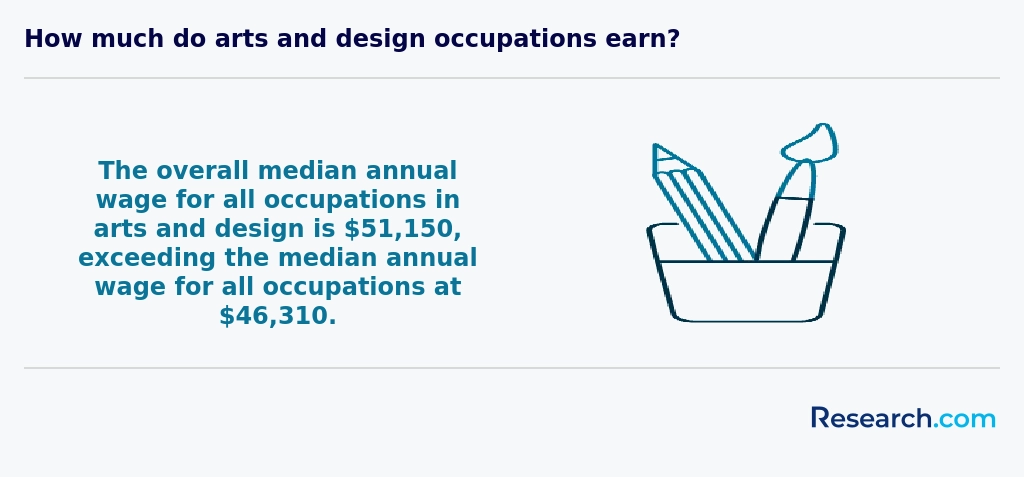
Prospective students at Baton Rouge’s top Fine Arts programs benefit from a wealth of specialized facilities designed to foster creative growth and technical mastery. Louisiana State University houses the LSU Museum of Art on campus, offering rotating exhibitions and curatorial internships, while its Fine Arts Building features dedicated sculpture foundries, metalworking shops, and a ceramics studio stocked with kilns and wheel-throwing equipment. Southern University’s Beard Fine Arts Center includes digital media labs with industry-standard software, black-and-white and color photography darkrooms, and a performance hall equipped with lighting and sound systems for dance and theater productions. Both campuses provide student galleries where emerging artists showcase work, and maker spaces furnished with laser cutters, 3D printers, and virtual reality stations support interdisciplinary experimentation. On-site art libraries grant access to extensive collections of print and digital resources, while career services coordinate portfolio reviews, alumni networking events, and workshops on grant writing and arts management. For students exploring budget-friendly options beyond Baton Rouge, see our Low Cost Fine Arts Degree Programs Ranking in Nashville, TN, which highlights institutions with comparable facilities and competitive tuition. These campus resources ensure that Fine Arts students in Baton Rouge gain hands-on experience and professional support from day one.
Fine arts students in Baton Rouge can access various financial aid options to help offset costs associated with their education. Public universities in Louisiana typically charge around $9,000 annually for in-state tuition, which many fine arts majors find manageable through federal and state grants. For example, the Federal Pell Grant provides up to $7,395 per academic year to eligible low-income students, enabling them to focus more on their creative work without overwhelming financial stress.
State-specific programs like the Louisiana Go Grant are particularly beneficial for fine arts students attending public institutions, covering part of tuition and helping with added expenses such as art supplies and materials. Graduates often recall how local scholarships, including those from the Baton Rouge Arts Council and university-awarded artistic merit grants, substantially eased their financial burden.
Work-study opportunities also play a crucial role, offering flexible part-time jobs that accommodate demanding studio schedules at colleges like Louisiana State University. While loans remain an option, many students prioritize Federal Direct Subsidized Loans due to their lower interest rates and favorable repayment terms, keeping debt manageable while pursuing their artistic goals.
For students seeking budget-friendly pathways in the arts and humanities, exploring related degree programs can uncover significant savings without sacrificing quality. Beyond traditional Fine Arts curricula, degrees such as graphic design, digital media, or even creative writing offer creative skill development at a potentially lower cost. One compelling option is pursuing a cheap bachelors in creative writing degree, which equips students with strong storytelling and communication skills-valuable across galleries, museums, marketing agencies, and beyond. Online programs often feature reduced tuition rates and flexible scheduling, enabling students to balance work and study while minimizing living expenses. When comparing costs, consider factors like per-credit fees, required materials, and residency status. Additionally, cross-disciplinary coursework-such as combining illustration with writing workshops-can broaden career prospects in publishing, advertising, and digital content creation. By strategically selecting an affordable related degree, aspiring arts professionals in Baton Rouge can build versatile portfolios, reduce debt, and enter the workforce with competitive expertise.
To enroll in a fine arts degree program in Baton Rouge, applicants must meet several core prerequisites that emphasize both academic readiness and artistic ability. Graduates from Louisiana State University often recall the importance of submitting a comprehensive portfolio, showcasing their best artworks-ranging from paintings to digital media-which serves as a critical element for admission.
Alongside the portfolio, many Baton Rouge institutions require a high school diploma or GED with a minimum GPA around 2.5, reflecting a baseline of academic competence. Applicants frequently submit official transcripts to verify this, ensuring preparedness for college-level studies.
In addition, auditions or entrance exams are typical, allowing faculty to assess creative skills and theoretical knowledge. These evaluations can be in-person or digital, a flexible option welcomed by many recent students who balanced remote study.
Letters of recommendation from art instructors or mentors provide further evidence of dedication, a requirement that many fine arts students appreciate as it highlights their passion and commitment to their craft during the application process in Baton Rouge's universities.

A critical factor in choosing a Fine Arts degree program is the quality of campus facilities and resources, which can significantly enhance the learning and creative process. Prospective students should look for schools that offer state-of-the-art studios, well-equipped computer labs for digital arts, cutting-edge equipment for sculpture and ceramics, and dedicated exhibition spaces that allow for regular public displays of evolving work. These tangible resources not only foster a hands-on learning environment but also encourage networking and community engagement through organized art events and workshops. Additionally, many universities provide access to mentorship programs and collaborative projects that further elevate the student experience. Exploring programs that balance innovative facilities with strong academic support can lead to better creative outcomes and professional preparedness. For more cost-effective options with robust infrastructure, check out our recent insights on affordable fine arts schools in louisiana. These environments are designed to nurture artistic talent and ensure that every student has the tools needed to succeed both during and after their studies.
Fine arts degree programs in Baton Rouge commonly feature a core set of courses that balance practical studio work with art theory, tailored to develop both creative and analytical skills. For example, students at LSU engage in foundational classes such as Drawing and Composition, Figure Drawing, and Introduction to Ceramics, which build technical proficiency through hands-on practice.
In tandem with studio courses, academic offerings include comprehensive art history surveys covering periods like Renaissance art and contemporary movements. Graduates frequently remark on how these classes deepen their understanding of art's cultural context, enriching their creative output.
Programs also emphasize interdisciplinary skills through courses in digital media, photography, printmaking, and ceramics, reflecting Baton Rouge's evolving art scene. This diversity often excites students, motivating experimentation that broadens artistic perspectives and portfolio strength.
Additionally, specialized classes in portfolio development and art marketing prepare graduates for professional careers, easing their transition from campus to gallery or freelance work. Such practical training is a distinct benefit highlighted by many Baton Rouge fine arts alumni.
Fine arts degree specializations Baton Rouge commonly include traditional disciplines such as painting, sculpture, and drawing, which equip students with essential skills in visual art creation and critical art analysis. Graduates from local universities report that these foundational areas strongly support their artistic development and provide a solid basis for their careers. Additionally, many institutions offer advanced concentrations in digital media and photography, reflecting the growing integration of technology in contemporary art practices. These programs train students in digital tools, graphic design, and multimedia production, enhancing their adaptability in a competitive job market.
Arts program concentration options Baton Rouge also encompass performing arts like theater, dance, and music performance, blending hands-on practice with theory. This diversity allows students to match their passion with practical career paths. Some fine arts degrees incorporate interdisciplinary studies, such as art education and arts administration, broadening employment possibilities. Prospective students interested in cost-effective options might also explore programs like cheap bachelors in creative writing degree, which can complement fine arts careers.
Choosing the best fine arts degree programs Baton Rouge requires examining schools known for strong curricula and practical training. For instance, Louisiana State University offers students hands-on studio experience paired with traditional and contemporary techniques, which many graduates find crucial for their artistic development. Faculty expertise is another essential factor; students often benefit from instructors with active connections in the arts community, enhancing professional networking opportunities.
Affordability plays a key role for many, with average in-state tuition and fees in Louisiana public universities around $9,938 per year. Prospective students should also account for additional costs like supplies and equipment. To mitigate expenses, consider exploring options like financial aid or scholarships. Students looking specifically for affordable fine arts colleges in Baton Rouge can complement their research by consulting resources such as the Low Cost Fine Arts Degree Programs Ranking in Nashville, TN.
Finally, evaluating opportunities for exhibitions, internships, and program accreditation can guide informed choices. Graduates from Baton Rouge programs report that strong retention rates-above 80% at LSU-reflect effective student support, which is particularly meaningful when pursuing a fine arts education in this city's dynamic creative environment.
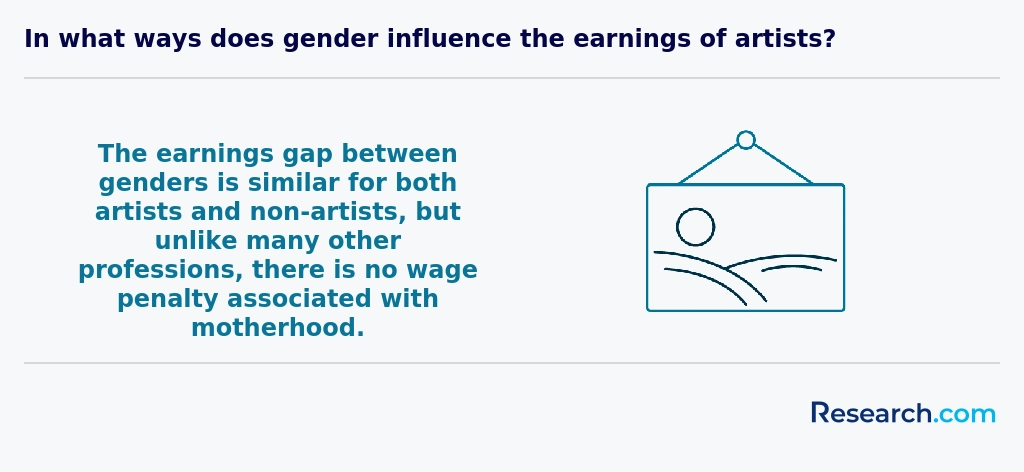
Graduates with a fine arts degree in Baton Rouge have access to diverse career paths that align creativity with practical employment opportunities. Prominent options include professional artistry and illustration, where graduates showcase work at local galleries and events supported by the city's vibrant cultural scene. For example, graduates from Baton Rouge institutions find multiple venues to present their pieces, gaining community recognition and commissions.
Baton Rouge fine arts graduate jobs also frequently involve art education, as the state's demand for certified art teachers at K-12 levels creates steady employment. Many graduates pursue licensure alongside their fine arts studies to secure these positions. Additionally, digital media and graphic design provide promising trajectories; skills in digital tools are highly valued by area marketing agencies and media firms. According to the U.S. Bureau of Labor Statistics, design occupations nationally are projected to grow 3% from 2021 to 2031, underscoring job stability.
Non-profit and government roles in arts administration, museum curation, and cultural programming offer further alternatives. Graduates from Baton Rouge colleges often gain practical experience through internships and part-time roles during their studies. Those interested in accelerating their career progression can explore accelerated career programs to quickly enter the local job market.
The job market for fine arts degree holders in Baton Rouge presents both challenges and opportunities shaped by the city's local economy and cultural landscape. Graduates from institutions like Louisiana State University often find roles in public and private schools, galleries such as the Louisiana Art & Science Museum, and community arts programs. Many fine arts graduates experience the need to diversify income sources, engaging in freelance graphic design or commissions alongside traditional art careers. This reality reflects the broader Baton Rouge fine arts career outlook, where creativity and flexibility are essential for success.
Graduates commonly report benefiting from Baton Rouge's moderate cost of living, which eases financial pressures during early career stages. Tuition rates at local public universities range from $9,000 to $12,000 annually for in-state students, enhancing educational accessibility. Many also tap into local grants and community support through organizations like the Baton Rouge Area Foundation. Those exploring fine arts amidst shifting market demands often consider alternatives offered by open admission colleges online to balance study and income generation.
2027 Best Fine Arts Degree Programs Ranking in Baton Rouge
Investing in your education is a significant decision that can shape your future, and the Research.com team understands the importance of making informed choices. To assist prospective students in Baton Rouge, we have meticulously crafted the "2027 Best Fine Arts Degree Programs Ranking in Baton Rouge." Our commitment to quality, credibility, and accuracy is reflected in the extensive research and analysis conducted to compile this ranking.
We utilized the following reputable data sources to ensure a comprehensive evaluation of fine arts programs:
By exploring this ranking, readers will gain valuable insights into the best fine arts degree programs available in Baton Rouge, empowering them to make confident and well-informed educational decisions. For more details on our methodology, please visit our Research.com methodology page.

# 2 position
Louisiana State University and Agricultural & Mechanical College
Doctor of Philosophy in Fine Arts

Frequently Asked Questions About fine arts
Fine arts degree students in Baton Rouge can enhance their learning by actively engaging with the city's vibrant arts community. Institutions like Louisiana State University offer access to galleries, workshops, and exhibitions that complement classroom instruction. According to the National Endowment for the Arts, students who participate in local art events and internships develop stronger portfolios and networking skills.
Collaborating with local artists and attending performances within Baton Rouge's cultural districts also provides real-world experience. Utilizing campus resources such as counseling centers and career services can further support academic and professional growth. Balancing studio time with exposure to regional art trends maximizes educational outcomes for fine arts students in the area.
Emerging niches within the fine arts field reflect the evolving interests and technologies influencing creative expression. In Baton Rouge, students increasingly explore digital media arts, combining traditional fine arts with digital design, animation, and interactive media. This niche aligns with broader national trends where digital art-related jobs are expected to grow by over 8% by 2030, according to the U.S. Bureau of Labor Statistics.
Another growing area is arts management, which merges artistic skills with organizational and marketing knowledge to support cultural institutions. Baton Rouge's expanding arts scene boosts local demand for professionals in this field.
Environmental and public art also gain prominence, focusing on sustainable materials and community engagement, reflecting regional priorities in Louisiana's environmental policies. These niches provide fine arts students with diverse career pathways beyond traditional studio practice.
Preparing for the job market after completing a fine arts degree in Baton Rouge requires both practical experience and professional networking. Students should seek internships and community-based art projects, as Baton Rouge offers numerous local galleries and cultural centers where emerging artists can gain exposure. According to the Louisiana Workforce Commission, the visual arts sector in Baton Rouge has seen steady employment growth, highlighting opportunities in galleries, design firms, and education.
Building a strong portfolio is essential. Graduates should include diverse artworks that showcase different techniques and media. Participation in local exhibitions or art fairs helps demonstrate commitment and provides valuable industry contacts. Additionally, developing digital skills such as graphic design or animation can enhance employability in the current market.
Employers in Baton Rouge highly value fine arts graduates who demonstrate strong creativity and technical skills. These include proficiency in digital media, traditional art techniques, and an understanding of art history. According to the Louisiana Workforce Commission, nearly 60% of arts-related job listings in Baton Rouge emphasize the need for adaptability and collaboration skills.
Effective communication is crucial, as many roles require presenting ideas clearly to clients or teams. Additionally, graduates with skills in project management and the ability to use software like Adobe Creative Suite tend to have a competitive edge.
Local arts organizations often seek professionals who can blend artistic talent with practical business knowledge, enhancing both creative output and audience engagement.
Finding internships in Baton Rouge relevant to a fine arts degree involves exploring local cultural institutions and educational resources. Students should connect with organizations such as the Baton Rouge Gallery and the Louisiana Art & Science Museum, which often offer internship programs tailored to fine arts students.
Universities in Baton Rouge, including Louisiana State University (LSU), frequently provide internship listings through their career centers, helping students secure placements in galleries, design firms, or museums.
Networking with local artists and attending community art events can create valuable opportunities for hands-on experience.
Online platforms like Handshake also list fine arts internships specific to the Baton Rouge area, increasing access to relevant positions.
A fine arts degree in Baton Rouge can significantly impact career mobility and advancement within the local creative economy. Graduates often find opportunities in galleries, museums, education, and commercial arts, with the Baton Rouge metropolitan area showing steady growth in arts-related jobs. According to the U.S. Bureau of Labor Statistics, fine arts occupations in Louisiana grew by about 5% from 2018 to 2023, reflecting regional demand.
Local institutions provide networking and internship opportunities, which help graduates build essential professional connections. Employers in Baton Rouge often value candidates with formal fine arts education due to their technical skills and creative problem-solving abilities.
Career advancement is also supported by the presence of vibrant arts organizations and events in Baton Rouge, contributing to a robust cultural sector.
Studying for a fine arts degree in Baton Rouge offers students unique opportunities to engage in interdisciplinary learning. Many local institutions collaborate with fields like digital media, business, and education, allowing fine arts students to develop diverse skills. This integration prepares graduates for roles that require creativity alongside technical and managerial knowledge.
Programs often include coursework and projects that combine traditional art techniques with modern technology, such as graphic design or interactive installations. According to Louisiana's Board of Regents, Baton Rouge campuses saw a 12% increase in interdisciplinary fine arts courses from 2019 to 2023.
Such preparation makes students adaptable in today's job market, supporting careers in marketing, education, and media industries beyond conventional art roles.
When choosing between a thesis and a non-thesis fine arts degree program in Baton Rouge, consider your career goals and learning preferences. A thesis program typically involves a substantial research or creative project, ideal for those interested in pursuing graduate studies or careers requiring research skills.
Non-thesis programs often focus more on practical skills and coursework, appealing to students aiming for professional practice or entering the workforce directly. According to the Louisiana Board of Regents, Baton Rouge universities offer both options, reflecting industry needs and student demand.
Cost and duration also differ; thesis programs may take longer to complete due to research requirements. Review program curricula and seek advice from academic advisors to ensure alignment with your ambitions.
Students in Baton Rouge interested in studying fine arts abroad have several avenues to explore through their home institutions. Louisiana State University (LSU), a key educational hub in Baton Rouge, offers exchange programs and partnerships with international schools in countries such as France and Italy, where students can immerse themselves in classical and contemporary art scenes. According to LSU's International Programs Office, about 150 students participate annually in study abroad experiences across various disciplines, including fine arts.
Additionally, many Baton Rouge students leverage national programs like the Gilman Scholarship, which supports U.S. undergraduates studying abroad. This funding can make international fine arts study more accessible, especially in renowned art centers worldwide.
Students typically spend a semester or a summer term abroad, earning transferable credits toward their degrees. These opportunities are designed to broaden artistic perspectives and enhance cultural understanding, vital skills for emerging artists from Baton Rouge.
In Baton Rouge, part-time job opportunities complementing a fine arts degree often merge practical experience with creative skills. Many students find roles as gallery assistants or art handlers at local venues such as the Shaw Center for the Arts, gaining exposure to art installation and curation.
Art teachers' aides in community centers or after-school programs provide another valuable avenue for applying artistic knowledge while developing communication skills. Additionally, freelance graphic design or illustration work, supported by the city's growing creative economy, can build professional portfolios during study.
According to data from the Louisiana Workforce Commission, Baton Rouge exhibits steady demand in arts-related positions, emphasizing flexibility and hands-on expertise. These opportunities enhance academic learning with real-world practice, contributing to career readiness in the fine arts field.
Fine arts students in Baton Rouge benefit from a variety of networking opportunities that connect them with professionals and peers in the region. Louisiana State University (LSU) and Southern University offer fine arts programs that host regular exhibitions, guest lectures, and workshops.
These events provide direct contact with local artists, curators, and gallery owners. Students can join organizations such as the Baton Rouge Arts Council or attend the annual Baton Rouge Gallery shows, both well-known platforms for emerging artists to showcase their work and build professional connections.
Moreover, community partnerships and internships across Baton Rouge's growing arts scene expand access to practical experience and collaborations.
Alumni networks in Baton Rouge offer significant benefits to fine arts degree students by providing valuable professional connections. Graduates often share job openings, exhibition opportunities, and freelance projects within these networks, which can be crucial in the competitive arts industry. According to the Louisiana Center for Arts & Culture, nearly 65% of arts professionals in Baton Rouge find career opportunities through personal networks.
Additionally, alumni events and workshops help fine arts students gain mentorship and feedback from established artists. These connections often lead to collaborations and community engagement, enhancing a student's resume and portfolio.
Finally, local institutions like Louisiana State University maintain strong alumni ties that support lifelong learning and career advancement. This creates a supportive environment where current students can access industry insights that textbooks alone cannot provide.
Students pursuing fine arts degrees in Baton Rouge can customize their programs by selecting specialized tracks or concentrations such as painting, sculpture, digital media, or photography. Many local institutions offer flexible curricula allowing students to tailor electives to their career interests.
Internship opportunities with Baton Rouge's art galleries, museums, and cultural organizations provide valuable practical experience. Engaging with the local arts scene helps students build portfolios aligned with specific career goals.
Additionally, students can work closely with academic advisors to integrate interdisciplinary courses from related fields like graphic design or art history, broadening their skill set.
According to the Louisiana Board of Regents, this personalized approach aligns with trends in higher education to enhance job readiness in creative industries.
Fine arts students in Baton Rouge often encounter financial hurdles due to the high cost of materials, studio fees, and limited scholarship opportunities specific to their field. According to the Louisiana Board of Regents, art supply expenses can add up to 20% more than typical college fees. Additionally, students must navigate the challenge of balancing rigorous studio time with academic coursework, which demands strong time management skills.
Another concern is limited local exhibition venues and professional networking opportunities. This makes gaining exposure and experience more difficult compared to larger metropolitan areas. Finally, many students face uncertainty about career prospects, as fine arts jobs in Baton Rouge can be competitive and often require supplemental income or freelance work.
Graduates with a fine arts degree in Baton Rouge have several professional certification options that can enhance their career prospects. A common certification is the Certified Arts Educator credential, which allows graduates to teach art in public schools. This requires passing Louisiana's Teacher Certification assessments, including the Praxis exams.
For those interested in digital or graphic arts, certifications like Adobe Certified Expert (ACE) can demonstrate proficiency with industry-standard software. Additionally, some students pursue the Museum Studies Certification to work in galleries, museums, or cultural institutions in Baton Rouge, where arts and culture are significant.
Licenses related to art therapy are also available but require further education beyond a bachelor's degree. According to the Louisiana Workforce Commission, the creative sector in Baton Rouge is growing, making these certifications valuable.
Writing a winning application for a fine arts program in Baton Rouge begins with a strong, well-curated portfolio. Local institutions like Louisiana State University emphasize portfolio quality above all, showcasing a range of mediums and techniques. Including original work that reflects your unique style can help you stand out. Be sure to meet all technical requirements for submission, including file formats and sizes.
Alongside the portfolio, personal statements should clearly express your artistic vision and career goals. Admissions committees value sincere reflection on your creative process. Letters of recommendation from art instructors or professionals familiar with your work add credibility.
Applicants should also research each Baton Rouge program's specific prerequisites and tailor their applications accordingly. According to the National Association of Schools of Art and Design, attention to detail in application materials significantly increases acceptance chances.
The global perspective on a fine arts career highlights both challenges and opportunities for graduates, especially those studying in Baton Rouge. According to the National Endowment for the Arts, art-related jobs in the U.S. are projected to grow by 3% between 2020 and 2030, reflecting steady demand. However, fine arts careers often require adaptability, as professionals may work across diverse fields like education, design, and digital media.
Internationally, fine arts degrees emphasize creativity and cultural awareness, skills valued in today's interconnected world. Baton Rouge's vibrant arts scene offers students practical experience through community projects and local galleries. This blend of local engagement and global artistic trends prepares graduates to navigate changing markets effectively.
Students pursuing a fine arts degree in Baton Rouge can gain practical experience through internships at local art galleries, museums, and cultural centers. Louisiana's capital supports vibrant arts organizations such as the LSU Museum of Art and the Shaw Center for the Arts, offering opportunities for hands-on work. Many universities also incorporate studio classes and community art projects into their curriculum, which allow students to develop real-world skills.
Participating in local art festivals and exhibitions helps students build portfolios and network with artists and professionals. According to the National Endowment for the Arts, internships significantly enhance employment prospects in creative fields.
Choosing the right concentration within a fine arts degree program in Baton Rouge involves understanding your personal interests and career goals. Baton Rouge offers concentrations such as painting, sculpture, digital arts, and graphic design, reflecting the city's vibrant arts community. Researching faculty expertise and local internship opportunities can help match your concentration to practical experience.
According to the Louisiana Board of Regents, fine arts programs in Baton Rouge emphasize both traditional techniques and contemporary practices, preparing students for diverse roles in the creative sector. Students should also consider program accreditation and connections to Baton Rouge's cultural institutions for networking benefits.
Exploring course offerings and alumni outcomes can provide insight into each concentration's strengths, aiding an informed decision.
- 2027 Best Fine Arts Degree Programs Ranking in New Orleans
- 2027 Best Fine Arts Degree Programs Ranking in Mobile
- 2027 Best Fine Arts Degree Programs Ranking in Houston
- 2027 Best Fine Arts Degree Programs Ranking in Memphis
- 2027 Best Fine Arts Degree Programs Ranking in Dallas
- 2027 Best Fine Arts Degree Programs Ranking in Denton
- 2027 Best Fine Arts Degree Programs Ranking in San Antonio
- 2027 Best Fine Arts Degree Programs Ranking in Atlanta
- 2027 Best Fine Arts Degree Programs Ranking in Nashville
- 2027 Best Fine Arts Degree Programs Ranking in Saint Louis
- Challenges in Undergraduate Art Education - Arts Education Partnership https://www.aep-arts.org/challenges-in-undergraduate-art-education/
- Visual Arts at Episcopal School of Baton Rouge https://www.episcopalbr.org/arts/visual-arts
- Jobs | Academy of Fine Art https://academy-of-fine-art.com/en/jobs-en/
- Study Fine Arts Abroad – Top Universities & Careers https://thearchinternational.com/fine-arts/
- What Alumni Say https://www.cityandguildsartschool.ac.uk/ma-fine-art/student-and-alumni-case-studies/
- Fine Arts https://www.wits.ac.za/course-finder/undergraduate/humanities/fine-arts/
- What is an art niche? And how to recognize yours - Arts To Hearts Project https://artstoheartsproject.com/how-to-define-your-niche-as-an-artist/
- Internships https://www.mfa.org/working-at-the-mfa/internships
- Arts Education - Arts Council of Greater Baton Rouge https://www.artsbr.org/arts-education
- Careers in Fine Art https://www.artcenter.edu/academics/undergraduate-degrees/fine-art/careers-in-fine-art.html