
2027 Most Popular Fine Arts Degree Programs Ranking in North Carolina

Co-Founder and Chief Data Scientist
Choosing the right fine arts degree program is an exciting step for creative students in North Carolina. This article presents the 2027 Most Popular Fine Arts Degree Programs Ranking in North Carolina, developed by the Research.com team of data scientists. It's designed to help you make an informed decision based on reliable data.
Exploring the top programs can open doors to vibrant careers in art, design, and more. Whether you're passionate about painting, sculpture, or digital media, this ranking offers valuable insights to support your journey.
Key benefits of getting fine arts degree in North Carolina
- Fine arts graduates in North Carolina can earn competitive salaries with careers like Animators making an average of $109,630 annually and Illustrators earning about $71,420. These figures show strong financial potential in creative fields.
- A graduate from a well-known North Carolina university might find diverse career paths including graphic design, animation, or art therapy, enabling creative growth and professional diversity within the state.
- Completing a fine arts degree online offers flexibility and convenience, allowing students to balance work and study while still gaining valuable skills recognized by employers in North Carolina's growing creative industries.
- 2027 Most Popular Fine Arts Degree Programs Ranking in North Carolina
- What can I expect from fine arts degree in North Carolina?
- Where can I work with fine arts degree in North Carolina?
What can I expect from fine arts degree in North Carolina?
Fine arts students in North Carolina can generally expect tuition costs between $8,000 and $25,000 per year, depending on whether they attend a public or private institution. For example, graduates from the University of North Carolina at Greensboro, a popular school with a balanced blend of studio and art history courses, often reflect on affordable tuition paired with valuable hands-on experiences in well-equipped studios. Meanwhile, students at the specialized North Carolina School of the Arts may encounter higher tuition but benefit from immersive, intensive training that many find worth the investment.
Graduates often recall the rewarding sense of developing their artistic voice without overwhelming financial stress, thanks to scholarships and internship opportunities that help offset costs. These programs encourage building portfolios alongside expert mentors, making the education feel like a collaborative journey rather than just a transactional experience. As career opportunities in arts administration and digital media expand in the state, students view these expenses as an investment in a vibrant creative future.
Where can I work with fine arts degree in North Carolina?
Graduates from fine arts programs at North Carolina institutions like UNC Chapel Hill, NC State, and Appalachian State often find dynamic career opportunities blossoming across cities such as Raleigh, Charlotte, and Asheville. Many envision themselves working in vibrant galleries or museums, following paths carved by predecessors who engage in exhibit design or educational outreach at places like the North Carolina Museum of Art or the Mint Museum. This hands-on experience fuels excitement and confidence as they shape cultural narratives.
Others dive into the booming creative economy of the Research Triangle Park area, blending artistry with technology in multimedia design, animation, or digital content creation. These roles promise competitive salaries and a chance to innovate, appealing to graduates who love both creativity and cutting-edge tools. Many recall the thrill of freelance ventures started during their studies, growing studios or online shops that tap into local art festivals and markets, nurturing entrepreneurial spirits ready to shape their future careers.
Fine arts education here also opens doors to teaching art within North Carolina's public and private schools, where graduates find fulfillment inspiring the next generation. The blend of tradition and innovation in North Carolina's arts ecosystem invites graduates to imagine diverse, rewarding ways to apply their talents.
Graduates holding fine arts degrees from institutions like the University of North Carolina at Chapel Hill or the North Carolina School of the Arts often find promising salary opportunities as they enter the local job market. For example, graphic artists in North Carolina typically earn a mean annual wage of around $64,700, which can increase with experience and portfolio diversity. Illustrators see even higher average salaries, about $71,420 annually, reflecting their specialized skills in creative industries.
Those pursuing careers as animators may enjoy some of the most lucrative options, with mean wages reaching $109,630. This aligns with the expanding demand for digital media and animation in cities like Raleigh and Charlotte, where creative agencies thrive. Art therapists also hold potential, earning roughly $75,660 per year, demonstrating the diverse paths a fine arts degree can unlock.
North Carolina graduates share stories of building their careers through collaboration with local museums or startups, feeling inspired by the vibrant arts culture while steadily increasing their earning potential. The blend of traditional art roles and emerging digital platforms offers a unique space for creative growth and financial success.
- Tuition for fine arts degrees in North Carolina ranges from $7,000 to $9,000 per year at public universities for in-state students.
- Private colleges typically charge over $25,000 annually, with additional costs for art supplies and studio fees.
- Job opportunities are concentrated in cities like Raleigh, Charlotte, and Asheville, including roles in graphic design, education, and gallery management.
- Entry-level salaries start around $35,000 to $40,000, with median incomes ranging from $50,000 to $60,000 as experience grows.
- Specialized positions such as art directors or digital artists may earn higher wages depending on demand and location.
- Freelance and contract work are common but can create income variability; advanced education or teaching credentials can expand career options.
Completing a fine arts degree in North Carolina typically takes about four years for a Bachelor of Fine Arts (BFA) or Bachelor of Arts (BA), as many graduates from the University of North Carolina at Chapel Hill or East Carolina University will tell you. These students often describe their journey balancing intensive studio work with art history classes as deeply rewarding, despite the steady pace. The hands-on nature of these programs encourages patience and creativity, making the standard timeframe feel natural rather than rushed.
Looking ahead, there's growing interest in flexible study options. Some fine arts students at North Carolina State University have embraced part-time paths or summer intensives to tailor their schedules around jobs or internships, which can extend overall completion time but enrich their practical experience.
Meanwhile, those pursuing a Master of Fine Arts (MFA) add two to three years beyond the bachelor's, diving deeper into professional development and creative practice. This layered approach helps artists refine their voice, often in vibrant studio communities buzzing with peers who share similar ambitions and challenges.
Recent developments in the fine arts landscape are reshaping how students learn and create, offering innovative approaches that blend traditional techniques with cutting‐edge technology. Today’s programs are increasingly incorporating digital art, virtual reality, and interactive media into their curricula, preparing students for a rapidly evolving creative industry. For example, many institutions now offer courses in augmented reality installation, digital portfolio curation, and interdisciplinary collaborations that integrate art with technology. These trends not only foster creativity but also open up new career opportunities. Graduates can leverage their skills to work in emerging fields such as multimedia design, digital exhibition curation, and interactive entertainment. Many online programs have adapted to these changes by offering flexible, tech-driven coursework that complements hands-on studio classes. In fact, if cost and flexibility are key factors, you might want to explore the cheapest online fine arts school in north carolina, which is pioneering innovative online learning platforms. Staying current with these emerging trends can enhance your education and help you build a competitive edge. By engaging with new technologies and multidisciplinary projects, students can expand their creative repertoire while also preparing for diverse roles in the modern arts sector.
Online and on-campus fine arts degrees in North Carolina offer distinct experiences that future students should carefully weigh. Graduates from institutions like East Carolina University often recall the vibrant energy of hands-on studio work, where sculpting clay or mixing paints under a professor's guidance brings ideas to life. This face-to-face mentorship and access to specialized equipment create a collaborative community that fuels creativity.
Conversely, online fine arts programs provide flexibility that suits students balancing jobs or family, especially those far from campus. At the University of North Carolina at Greensboro, some students appreciate hybrid models, visiting campus occasionally for intensive studio sessions while managing coursework remotely. This blend nurtures technical skills without sacrificing personal schedules.
Looking ahead, as digital tools evolve, online programs could replicate studio environments more vividly, offering real-time collaboration and virtual critiques. This promise excites current students seeking quality education without geographic limits, reflecting North Carolina's drive to expand access while preserving the art's tactile essence.
Understanding the return on investment (ROI) for a Fine Arts degree in North Carolina is crucial for prospective students balancing passion with financial sustainability. On average, in-state tuition for a Bachelor’s in Fine Arts at a public university runs about $22,609 per year, while out-of-state and private institution costs can approach $39,895 annually. Even when factoring in additional expenses-such as materials, studio fees, and living costs-graduates are often able to recoup these investments within five to seven years, thanks to competitive starting salaries in the creative sector. Graphic Artists, for instance, earn an average of $64,500 per year, translating to approximately $31.01 per hour. Illustrators report average annual wages of $69,870 (about $33.59 per hour), while Animators command upwards of $111,130 annually ($53.43 per hour). Art Therapists also see strong returns, with an average salary of $71,860 ($34.55 per hour). When compared against cumulative degree costs-roughly $90,000 to $160,000 for a four-year program-these figures demonstrate a healthy ROI, particularly for graduates who leverage internships and alumni networks toward full-time positions immediately after graduation. Students can further enhance their ROI by considering institutions with lower tuition or robust scholarship offerings. For example, community colleges offering Associate of Fine Arts programs can serve as a cost-effective stepping stone, reducing overall expenses before transferring to a four-year school. Additionally, exploring options like work-study programs and teaching assistantships can significantly offset educational costs and accelerate debt repayment. Prospective students seeking budget-friendly pathways into Fine Arts may also find value in our companion ranking of affordable programs outside North Carolina. For tailored insights into cost-efficient options, see the Most Affordable Fine Arts Degree Programs Ranking in Cambridge, MA, which highlights institutions known for combining quality instruction with accessible tuition rates.
The average cost of a fine arts degree in North Carolina is shaped by varying tuition fees and associated expenses across institutions. For many in-state students attending public universities-such as those within the University of North Carolina system-the median total cost tends to be around $24,183 for the entire degree. This figure typically reflects lower tuition supported by state funding, making it a more accessible option for local students passionate about fine arts. Graduates from these schools often share stories of balancing creativity with financial planning, appreciating how affordable tuition allowed them to focus on developing their artistic skills without overwhelming debt.
Conversely, private colleges in North Carolina that offer fine arts programs usually present a higher financial commitment. The median total cost for these students approaches $43,260, encompassing tuition, fees, and essential supplies like specialty art materials. Those enrolled at institutions such as the Raleigh campus of a renowned art and design college describe the experience with enthusiasm despite the costs, emphasizing the vibrant creative communities and networking opportunities that justify the investment. For many, this premium education fuels ambitions for long-term professional success in the arts.
Aside from tuition, budgeting for supplies is critical as fine arts students often require materials ranging from paints to digital tools. These additional costs, often falling between $800 and $1,500 annually, are an important part of the total expenses for fine arts programs North Carolina students should anticipate. Thankfully, the growing availability of financial aid, scholarships, and grants can ease these burdens. Prospective artists looking to navigate these expenses might explore options like the cheapest online fine arts school in north carolina, balancing quality education with manageable costs.
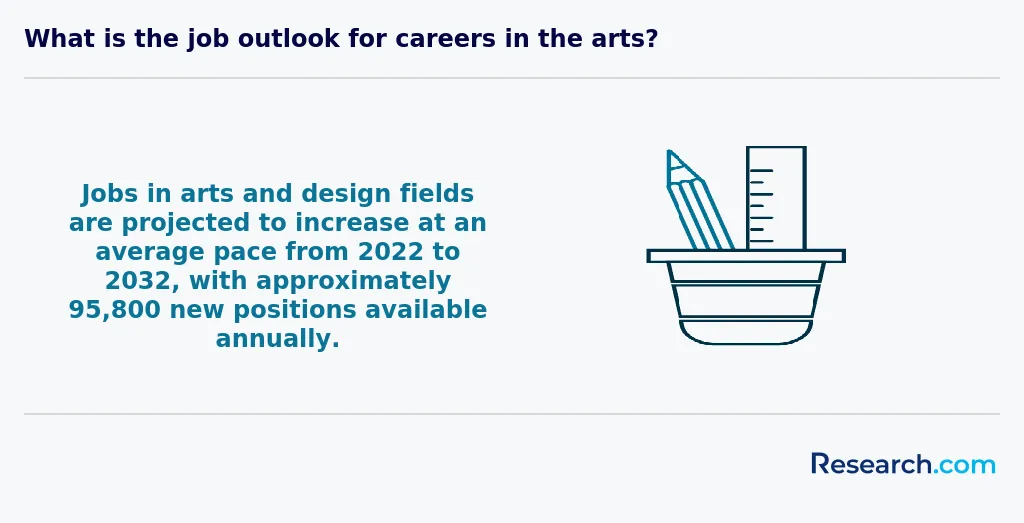
A comprehensive Fine Arts education extends far beyond the classroom. Institutions in North Carolina offer robust student life programs that include art clubs, community exhibitions, and mentorship opportunities designed to foster creativity and personal growth. Many programs feature dedicated career support services such as internship placement, alumni networks, and hands-on workshops that help students bridge the gap between academic endeavors and professional success. Whether attending a traditional campus or exploring flexible online options, prospective students can tap into resources that build lasting professional relationships and creative collaborations. For those seeking an affordable digital learning experience, check out the cheapest online fine arts school in north carolina, which offers a supportive virtual community alongside a rigorous curriculum. By integrating enriching extracurricular activities and personalized support services, these programs empower students to thrive both artistically and professionally, ensuring they are well-prepared for their post-graduate careers.
Fine arts students in North Carolina often find financial aid opportunities that not only ease tuition costs but also help them immerse fully in their creative journey. Graduates from the University of North Carolina School of the Arts frequently mention how federal aid through FAFSA opened doors to Pell Grants, allowing them to focus on their craft without constant financial stress. The state's North Carolina State Grant Program is another critical resource, especially for those attending community colleges or public universities, offering support tailored to those with financial need.
Scholarships based on artistic merit at institutions like East Carolina University serve as a beacon of hope, recognizing talent and dedication while reducing financial burdens. Many students express excitement at securing work-study positions connected to their field, gaining hands-on experience that enriches their portfolios while earning income. Looking forward, expanding these programs and introducing more flexible payment plans could transform how fine arts education is financed, making the dream of a creative career more accessible across North Carolina.
When choosing an academic path in the arts, it’s essential to weigh the focused studio practice of a Fine Arts degree against the broader interdisciplinary curriculum of a liberal arts degree. A Fine Arts program emphasizes hands-on training in mediums like painting, sculpture, and digital media, preparing graduates for specialized roles such as animators, illustrators, or gallery curators. In contrast, a liberal arts degree integrates humanities, social sciences, and natural sciences, fostering critical thinking and communication skills that are highly valued across diverse industries. Key distinctions include: • Curriculum Focus – Fine Arts students dive deep into technique, portfolio development, and critique workshops, while liberal arts majors explore literature, history, and philosophy alongside introductory art courses. • Career Flexibility – Fine Arts graduates often pursue creative professions directly tied to studio practice, whereas liberal arts alumni can transition into roles in education, publishing, marketing, or public policy, leveraging a versatile skill set. • Graduate Study Preparation – Those aiming for specialized master’s programs in disciplines like animation or art therapy will benefit from the Fine Arts track’s intensive portfolio requirements, whereas a liberal arts background can provide a strong foundation for advanced degrees in fields like arts administration or museum studies. By understanding these differences, students can align their educational journey with long-term objectives-whether that means honing artistic mastery in North Carolina’s top Fine Arts schools or embracing the expansive opportunities offered by a liberal arts degree.
To enroll in a fine arts degree program in North Carolina, students typically need a high school diploma or its equivalent, ensuring they're prepared for college-level work. Graduates from universities like the University of North Carolina School of the Arts often recall the excitement of assembling portfolios filled with their most expressive drawings, paintings, or sculptures-this creative showcase is a key admission hurdle that vividly reflects personal growth and artistic vision.
Many programs also request letters of recommendation from teachers or art professionals who can speak to a student's dedication and talent, adding a heartfelt endorsement to the application. Personal statements allow applicants to share their artistic inspirations and aspirations, which often brings a sense of purpose and anticipation as they picture their future journeys at schools such as the North Carolina State University College of Design.
While standardized tests like the SAT or ACT remain relevant for some institutions, a growing trend toward test-optional policies puts more emphasis on demonstrated artistic ability and motivation. This shift reflects the evolving landscape of fine arts education in North Carolina, where passion and creativity increasingly outweigh numerical scores.
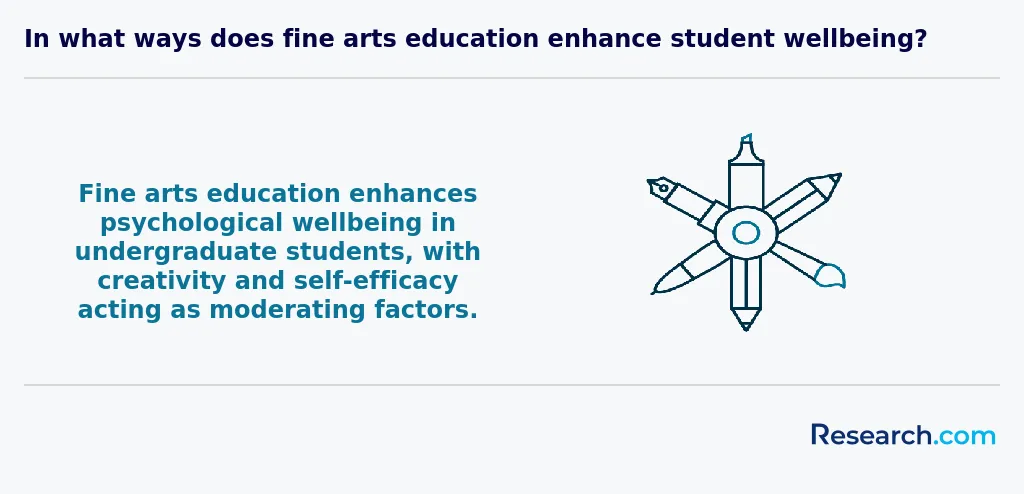
Students pursuing fine arts degrees in North Carolina typically engage in a diverse range of courses that blend traditional techniques with emerging media. At institutions like the University of North Carolina and NC State, graduates often recall how foundational classes in drawing, painting, and sculpture built their confidence in hands-on creativity while simultaneously introducing critical thinking.
Beyond these basics, courses in two-dimensional and three-dimensional design foster a deep understanding of artistic principles, encouraging students to experiment boldly. Several graduates have shared how digital media classes-covering topics like video art and interactive installations-opened pathways to innovative projects, reflecting the region's growing emphasis on technology within the arts.
Art history remains central, inspiring students to connect their work with broader cultural narratives, which has proven motivating for many during their thesis exhibitions. Forward-thinking programs in North Carolina increasingly incorporate portfolio development and professional practices, equipping students with real-world skills to confidently navigate creative careers post-graduation.
Students pursuing fine arts degree specializations in North Carolina can expect dynamic and evolving options that reflect both traditional craftsmanship and cutting-edge digital innovation. Graduates from institutions like UNC Greensboro often thrive in ceramics and studio arts, where hands-on creation combines with contemporary artistic experimentation. Meanwhile, those at North Carolina State University embrace graphic design and new media, developing skills in animation and interactive storytelling that anticipate future industry demands.
These diverse paths within North Carolina fine arts program concentration options enable students to tailor their education to emerging fields such as multimedia art and game design. This flexibility encourages creativity in real-life settings-for example, a student blending art history with digital media might create immersive exhibits that redefine audience engagement. Many find this approach inspiring, fueling confidence as they navigate an ever-changing art landscape. For those exploring a comprehensive educational journey, combining tracks is seamless, enriching both personal expression and professional readiness. A practical step is exploring opportunities through a liberal arts degree, which often complements fine arts studies.
Choosing the best fine arts degree in North Carolina means looking beyond traditional curriculum and considering how programs integrate emerging digital media and interdisciplinary approaches. Graduates from universities like the University of North Carolina School of the Arts often share how hands-on studio experiences paired with advanced digital labs have expanded their creative horizons, preparing them for a rapidly evolving art world. These students emphasize the importance of affordable fine arts colleges in North Carolina that balance cost with access to quality mentorship and professional facilities.
Networking opportunities in cities like Raleigh or Charlotte are transforming how students connect with local art scenes, providing internships and exhibitions that drive career momentum. Many alumni report feeling supported by faculty who understand both contemporary art practices and the importance of career-readiness. As students anticipate future industry shifts, they also consider accreditation statuses closely, since they influence financial aid and recognize credible programs.
Exploring regional options and comparing costs with additional supplies in mind helps prospective students find the best fit. For broader perspectives on affordability, consult the Most Affordable Fine Arts Degree Programs Ranking in Cambridge, MA for ideas on managing expenses while pursuing artistic passion.

Fine arts careers in North Carolina are expanding beyond traditional roles, giving graduates exciting opportunities to shape the state's evolving creative landscape. Many graduates from universities like the University of North Carolina at Chapel Hill or the North Carolina School of the Arts find themselves thriving in dynamic fields such as visual arts, graphic design, and multimedia production, particularly around the Research Triangle Park. Their work often blends technology and creativity, producing innovative digital content and animation that appeal to a modern audience.
North Carolina fine arts degree job options also include art therapy and film production, sectors growing alongside the state's focus on wellness and media. Graduates report fulfilling experiences working in education or museum curation, bringing arts integration to public schools and cultural institutions statewide. For those imagining freelance careers or entrepreneurial paths, the vibrant arts festivals in cities like Asheville provide real-world platforms to showcase and sell their work.
With rising demand for specialized skills, some students look to advance through 1 year master's programs online tailored to their creative goals, helping them stay ahead in competitive markets and explore future-facing arts careers in North Carolina.
The job market for fine arts degree graduates in North Carolina is evolving alongside the state's vibrant cultural landscape. Graduates from institutions like the University of North Carolina at Chapel Hill and the College of Design at North Carolina State University often find opportunities in visual arts, design, and education within cities such as Raleigh and Charlotte. These urban centers foster creative agencies and galleries that actively seek skilled artists, making the local scene dynamic and competitive.
Fine arts job opportunities in North Carolina are supported by expanding arts funding and increasing demand for digital media skills, allowing graduates to explore freelance and entrepreneurial paths. Art educators and museum professionals are also in demand, reflecting the state's investment in arts education and cultural preservation. Many recent graduates share how their involvement in local exhibitions and internships shaped their confidence and career direction.
While incomes vary, the moderately priced public university tuition coupled with balanced living costs helps graduates manage financial pressures. Students curious about their academic options can explore which is the easiest bachelor degree if they seek different paths within arts-related fields that offer flexible career prospects.
2027 Most Popular Fine Arts Degree Programs Ranking in North Carolina
Investing in your education is a significant decision that can shape your future, and the Research.com team recognizes the importance of making well-informed choices. To support prospective students interested in fine arts in North Carolina, we have carefully developed the "2027 Most Popular Fine Arts Degree Programs Ranking in North Carolina." Our dedication to quality, credibility, and accuracy is reflected in the thorough research and data analysis performed to produce this ranking.
We utilized the following reputable data sources to ensure a comprehensive evaluation of fine arts programs:
By reviewing this ranking, readers will gain valuable insights into leading fine arts degree programs in North Carolina, empowering them to make confident decisions about their educational journey. For more information on how this ranking was created, please visit our Research.com methodology page.


Frequently Asked Questions About fine arts
Fine arts degree students in North Carolina can maximize their learning experience by actively engaging with both academic and practical opportunities. Many universities, such as the University of North Carolina School of the Arts, offer hands-on studio work, which is vital for skill development. According to the National Endowment for the Arts, North Carolina participates in numerous state-funded residencies and exhibitions that provide students with real-world exposure.
Networking is equally important; students should leverage local art galleries, community events, and internships to build professional connections. Using campus resources like faculty mentorship and collaborative projects can deepen understanding and enhance creativity. These combined approaches support a well-rounded fine arts education in North Carolina.
Emerging niches within the fine arts field in North Carolina reflect broader national trends emphasizing technology and interdisciplinary approaches. Digital arts, including animation and game design, are rapidly growing due to the state's expanding tech industry and support from institutions like the North Carolina Arts Council.
Another notable area is socially engaged art, where artists address community issues, often partnering with universities and local organizations. This trend aligns with North Carolina's vibrant cultural scene, particularly in cities like Asheville and Raleigh.
Environmental art is gaining traction, influenced by the state's diverse landscapes. Artists explore sustainability and nature through multimedia installations and public art projects, supported by grants focusing on ecological themes.
Preparing for the job market after completing a fine arts degree in North Carolina involves several strategic steps. Graduates should build a strong portfolio showcasing diverse work, which is essential to attract potential employers or clients. Networking is also critical; students can engage with local art galleries, museums, and creative organizations like the North Carolina Arts Council. According to the U.S. Bureau of Labor Statistics, artists and related workers in North Carolina earned a median annual wage close to $46,000 in recent years, highlighting the need for competitive portfolios and connections.
Participating in internships or freelance projects during studies can improve practical experience and employability. Additionally, understanding digital tools and marketing can enhance visibility in the evolving arts market. Career centers at North Carolina universities often provide resume help and job placement support specifically suited for fine arts students. These resources, combined with active involvement in the local arts community, form a solid foundation for entering the competitive creative job market.
Employers in North Carolina actively seek fine arts graduates who combine creativity with strong technical skills. Proficiency in digital media tools such as Adobe Creative Suite and 3D modeling software is increasingly essential, reflecting industry trends reported by the North Carolina Department of Commerce. Communication skills are also critical, as artists often collaborate with clients or teams to develop projects.
Additionally, adaptability and problem-solving abilities rank high, enabling graduates to navigate evolving artistic styles and market demands. According to the National Endowment for the Arts, North Carolina's fine arts sector grew by 4% between 2018 and 2023, highlighting the need for versatile talent. Time management and portfolio development remain foundational skills valued by employers statewide.
Finding internships for fine arts students in North Carolina involves a combination of research, networking, and utilizing university resources. Many North Carolina colleges with fine arts programs, such as the University of North Carolina School of the Arts and North Carolina State University, offer dedicated career services that connect students with local art galleries, museums, and design firms.
Students should explore internship listings on platforms like Handshake, commonly used by universities, which often feature opportunities specific to the state. Additionally, organizations such as the North Carolina Arts Council provide databases and support for internships in visual and performing arts.
Networking at local art events and exhibitions in cities like Raleigh, Charlotte, and Asheville can lead to valuable contacts. According to the NC Arts Council, over 50 percent of fine arts internships come through word of mouth or direct outreach.
A fine arts degree in North Carolina can enhance career mobility by equipping graduates with diverse skills valued in creative industries. According to the U.S. Bureau of Labor Statistics, artistic and design occupations in North Carolina are projected to grow by about 7% from 2022 to 2032, slightly above the national average. This growth signals expanding opportunities for those with fine arts credentials. Graduates often find advancement in roles such as art directors, graphic designers, or educators, where portfolios and formal education support upward movement.
North Carolina's vibrant arts communities in cities like Raleigh and Asheville also offer networking and freelance opportunities that further boost career progress. State-supported programs and cultural institutions provide platforms for visibility and skill development. These factors make a fine arts degree a valuable asset for career advancement within the state's evolving creative economy.
Studying for a fine arts degree in North Carolina equips students with skills that extend beyond traditional artistic disciplines. Programs often integrate technology, communication, and cultural studies, fostering versatility. This prepares graduates to work in interdisciplinary roles such as digital media, art therapy, and public arts administration.
Institutions in North Carolina emphasize collaboration with departments like computer science or business, enabling students to understand diverse perspectives. According to the National Center for Education Statistics, about 40% of fine arts students in the state engage in cross-disciplinary coursework, enhancing their adaptability.
Such an education promotes critical thinking and problem-solving, essential for roles blending creativity with practical applications in various industries.
Choosing between a thesis and a non-thesis fine arts degree in North Carolina depends on your career goals and learning preferences. Thesis programs usually require original research or a creative project, ideal for students aiming for academia, research, or advanced study. Non-thesis options focus more on coursework and practical experience, suited for those seeking to enter the arts industry directly.
According to the National Center for Education Statistics, about 35% of fine arts graduate programs nationwide offer thesis tracks, which typically take longer to complete. North Carolina schools like UNC Chapel Hill and NC State provide both paths, reflecting this trend.
Consider your time commitment, professional objectives, and interest in research when deciding between these options.
Students in North Carolina pursuing fine arts degrees have access to several study abroad programs through their home institutions. Many universities, such as the University of North Carolina at Chapel Hill and Duke University, offer partnerships with international art academies and cultural exchanges in Europe and Asia.
According to the 2023 Open Doors report, about 12% of study abroad participants in North Carolina engage in arts and humanities fields, reflecting steady interest in global fine arts education.
These programs often include short-term workshops, semester exchanges, and year-long residencies, allowing students to expand their creative skills in diverse cultural settings. Financial aid and scholarships specifically for art students are increasingly available, making these opportunities more accessible.
North Carolina offers various part-time job opportunities that can complement a fine arts degree, providing practical experience alongside academic studies. Many students find work as gallery assistants or art handlers in cities like Raleigh and Charlotte, where art galleries and museums regularly seek help to manage exhibitions. According to the North Carolina Arts Council, the state's arts and cultural sector employs over 90,000 people, reflecting a robust market for arts-related jobs.
Additionally, freelance graphic design and digital illustration gigs are common in North Carolina's growing tech and marketing sectors. Students can also explore roles as art educators or assistants in community centers, which often offer flexible hours and valuable teaching experience. These positions not only support skill development but also build professional networks essential for future careers in fine arts.
Fine arts students in North Carolina benefit from a variety of networking opportunities that connect them with professionals, peers, and the creative community. Universities such as the University of North Carolina at Greensboro and the North Carolina School of the Arts offer student exhibitions, artist talks, and internships that foster industry connections.
Local arts councils and organizations, including the North Carolina Arts Council, sponsor events and workshops where students can meet experienced artists and potential employers. Annual statewide exhibitions and competitions also provide platforms to showcase work and gain recognition.
Furthermore, fine arts graduates often leverage alumni networks and regional galleries to create lasting professional relationships crucial to career development.
Alumni networks play a vital role in supporting fine arts degree students in North Carolina. These networks provide valuable connections to local galleries, studios, and arts organizations, which often lead to internships and job opportunities.
According to the North Carolina Arts Council, nearly 65% of fine arts graduates find employment through contacts made via alumni relations. This support is especially important in the competitive arts sector where networking can significantly influence career success.
Moreover, alumni events and mentorship programs allow current students to gain insights into industry trends and entrepreneurial guidance. Many North Carolina institutions emphasize these networks to bridge education and professional growth.
In North Carolina, students pursuing fine arts degrees have several options to tailor their education to meet specific career goals. Many universities offer specializations such as painting, sculpture, digital media, or performance arts. By selecting relevant electives and participating in internships or cooperative education programs, students gain practical experience aligned with their interests.
Additionally, cross-departmental courses in business or marketing can prepare fine arts majors for entrepreneurial careers. North Carolina's Commission on Higher Education reports that institutions like UNC Greensboro and ECU provide flexible curricula that support personalized study plans. This adaptability helps graduates build portfolios and skills that directly correspond to their targeted job markets in art education, gallery curation, design, or multimedia production.
Fine arts students in North Carolina often face financial challenges due to high tuition costs combined with limited grant opportunities specific to arts disciplines. According to the National Endowment for the Arts, funding for arts programs in several North Carolina institutions has decreased in recent years, affecting access to resources.
Another challenge is balancing practical training with academic coursework. Many programs require extensive studio time, which can be demanding alongside general education classes. Additionally, students frequently encounter limited post-graduate employment opportunities within the state, reflecting wider national trends in the arts job market.
With a fine arts degree in North Carolina, graduates can pursue several professional certifications to enhance their career prospects. One common path is obtaining teacher certification through the North Carolina Department of Public Instruction for those interested in art education. This certification allows graduates to teach art in K-12 public schools across the state.
Another option includes certifications in graphic design or digital media, offered by professional organizations such as Adobe or the Graphic Artists Guild. These can help artists transition into commercial or digital arts sectors.
Additionally, some fine arts graduates pursue certification in art therapy, requiring further specialized study and credentials recognized nationally.
To write a winning application for a fine arts program in North Carolina, start by showcasing a strong portfolio. Most programs, including those at the University of North Carolina and North Carolina State University, emphasize practical work. Submit diverse pieces that highlight your range and technical skill. Alongside your portfolio, craft a clear personal statement explaining your artistic vision and goals. Admissions committees value applicants who demonstrate commitment and thoughtfulness.
Include relevant academic achievements and letters of recommendation from art educators or professionals. According to the National Center for Education Statistics, North Carolina enrolls over 2,000 students annually in visual and performing arts programs, making competition notable.
Finally, meet all deadlines and follow specific application instructions carefully to increase your chances of acceptance.
Fine arts careers are increasingly viewed through a global lens, reflecting diverse cultural influences and evolving markets. In the United States, particularly North Carolina, the demand for creative professionals continues to grow, supported by the state's vibrant arts communities and institutions.
According to the National Endowment for the Arts, about 2.3 million people are employed in arts and culture sectors nationwide, with North Carolina showing steady growth in arts-related jobs. This trend highlights expanding opportunities for fine arts graduates.
Globally, fine arts professionals often collaborate across borders, combining traditional and modern techniques. This international exchange enriches creative careers and expands employment possibilities.
Studying fine arts in North Carolina prepares students to engage with these global trends while benefiting from local support networks and cultural initiatives dedicated to the arts.
Gaining practical experience during a fine arts degree in North Carolina is crucial for developing skills and building a professional portfolio. Many state universities, such as the University of North Carolina School of the Arts, offer internships and cooperative education programs. These opportunities connect students with local galleries, theaters, and design firms. According to the National Endowment for the Arts, North Carolina supports numerous artist residencies and community art projects, which students can join to gain hands-on experience.
Students can also participate in campus exhibitions, workshops, and collaborative projects, allowing them to apply classroom knowledge in real-world settings. Networking events hosted by arts organizations in cities like Raleigh and Charlotte further enhance practical learning.
Choosing the right concentration within a fine arts degree program in North Carolina begins with understanding your personal interests and career goals. Common concentrations include visual arts, graphic design, sculpture, and digital media. According to the National Center for Education Statistics, approximately 1,200 students graduated with fine arts degrees in North Carolina in 2022, reflecting strong local demand.
Research the curriculum and faculty expertise at institutions in North Carolina, such as the University of North Carolina at Chapel Hill or the North Carolina School of the Arts, to see which programs align with your focus. Additionally, consider internship opportunities and connections to the state's growing creative industries, including film and animation sectors centered in Raleigh and Charlotte.
Taking preliminary courses in multiple areas helps clarify which concentration fits your skills and ambitions before committing. Accreditation and statewide rankings can also guide your choice, ensuring a recognized and respected degree.
- 2027 Most Popular Fine Arts Degree Programs Ranking in South Carolina
- 2027 Most Popular Fine Arts Degree Programs Ranking in Virginia
- 2027 Most Popular Fine Arts Degree Programs Ranking in Kentucky
- 2027 Most Popular Fine Arts Degree Programs Ranking in Florida
- 2027 Most Popular Fine Arts Degree Programs Ranking in Ohio
- 2027 Most Popular Fine Arts Degree Programs Ranking in Mississippi
- 2027 Most Popular Fine Arts Degree Programs Ranking in New Jersey
- 2027 Most Popular Fine Arts Degree Programs Ranking in Arkansas
- 2027 Most Popular Fine Arts Degree Programs Ranking in Indiana
- 2027 Most Popular Fine Arts Degree Programs Ranking in Missouri
- Artist Opportunities https://www.ncarts.org/grants-resources/resources/artists/artist-opportunities
- Know more about thesis vs non- thesis: what is the difference? https://studyfans.com/en/blogs/816
- Careers in Fine Art https://www.artcenter.edu/academics/undergraduate-degrees/fine-art/careers-in-fine-art.html
- Associate in Fine Arts Degree in Visual Arts https://coastalcarolina.edu/academics/programs/college-transfer/afa-visual-arts/
- Arts+ Student Financial Aid Application https://www.artsplus.org/programs/financial-aid
- Challenges in Undergraduate Art Education - Arts Education Partnership https://www.aep-arts.org/challenges-in-undergraduate-art-education/
- Arts and Design Study Abroad Programs | Overseas Short Courses https://www.cisaustralia.com.au/study/arts-and-design/
- Networking for Artists https://artquest.org.uk/how-to-articles/networking-for-artists/
- Arts Education Legislation & Policy https://www.dpi.nc.gov/districts-schools/classroom-resources/office-teaching-and-learning/standard-course-study/arts-education/arts-education-legislation-policy
- About Faculty of Design - Academy of Fine Arts https://en.asp.waw.pl/strona-glowna/faculties/faculty-of-design/about-faculty-of-design/


