2027 Most Popular Fine Arts Degree Programs Ranking in Lawrence

Co-Founder and Chief Data Scientist
Choosing the right fine arts degree program in Lawrence can shape your creative future. This article presents the 2027 Most Popular Fine Arts Degree Programs Ranking in Lawrence, crafted by the Research.com team of data scientists. It's designed to help you explore the best options based on comprehensive data.
Whether you're passionate about painting, sculpture, or digital art, finding a program that fits your goals is key. Reading this ranking will give you clear insights, making your decision easier and more confident.
Investing in a fine arts degree opens doors to rewarding careers and personal growth-discover which programs stand out in Lawrence today.
Key benefits of getting fine arts degree in Lawrence
- Salary benefits: Graduates with a fine arts degree in Lawrence can expect promising salaries, such as illustrators earning around $71,420 annually and animators earning about $109,630, helping you achieve financial independence.
- Career paths: A fine arts degree from a local college in Lawrence opens doors to diverse careers including graphic artist and art therapist roles, providing creative freedom and professional growth.
- Online degree advantages: Earning a fine arts degree online in Lawrence offers flexible schedules and access to expert faculty, making it easier to balance work and study while advancing your skills.
- 2027 Most Popular Fine Arts Degree Programs Ranking in Lawrence
- What can I expect from fine arts degree in Lawrence?
- Where can I work with fine arts degree in Lawrence?
What can I expect from fine arts degree in Lawrence?
The average cost of earning a fine arts degree in Lawrence is surprisingly accessible, especially for students who qualify for in-state tuition at the University of Kansas, the area's leading institution for fine arts education. Graduates often share how affordable tuition combined with attractive scholarships made pursuing their passion not just a dream, but a reachable reality. Many recall the relief of managing expenses while immersing themselves fully in painting studios, digital media labs, and inspiring gallery spaces on campus.
Financially, students benefit from lower tuition compared to many metropolitan areas, which means more focus on creative growth and less stress about costs. Support from community art scholarships further brightens the path, making it easier to dive into portfolio development and hands-on projects. Graduates emphasize how this balance of quality education and cost-efficiency fuels confidence and motivation to thrive in diverse artistic careers.
Where can I work with fine arts degree in Lawrence?
Graduates with a fine arts degree in Lawrence find a world of exciting opportunities right in their hometown. Many step into roles at the Spencer Museum of Art, where they engage in curating vibrant exhibitions or designing educational programs that inspire the community. Others bring their creative talents into the local public schools, teaching young students and nurturing the next generation of artists with passion and dedication.
The lively arts scene also welcomes freelance and commercial artists, who collaborate with design studios and marketing agencies across Lawrence. Graduates often share how working on real-world graphic design or multimedia projects energizes their creative spirit while building valuable experience.
Theater and community arts organizations offer pathways into stage design and art direction, allowing graduates to transform ideas into captivating performances. Plus, emerging roles in arts administration help graduates shape the future of Lawrence's cultural landscape through nonprofit leadership and event coordination.
Students from the University of Kansas and local colleges consistently highlight the joy of contributing to such dynamic and supportive environments, fueling their career growth and love for the arts every step of the way.
Graduates from fine arts programs in Lawrence experience promising earning potential as they develop their careers. For example, a graphic artist can expect a mean annual wage of about $64,700, reflecting strong demand within the local creative community. Illustrators, honing their craft in vibrant environments like the University of Kansas, often earn around $71,420 per year, inspiring graduates to pursue exciting freelance or studio opportunities.
Art teachers, who contribute passionately to Lawrence's growing arts education scene, bring in approximately $70,740 annually, offering a fulfilling career path blending creativity and mentorship. The potential for growth is even greater for those pursuing specialized roles such as animators, who can achieve an impressive mean salary exceeding $109,000, demonstrating that fine arts skills open doors to high-paying, dynamic industries.
These figures showcase the rewarding possibilities awaiting fine arts graduates in Lawrence, where supportive institutions and a thriving arts community create an environment rich with creative and financial promise.
- In-state tuition and fees for fine arts degrees at public institutions in Lawrence typically range from $8,000 to $12,000 per year.
- Private colleges in Lawrence often charge more than $25,000 annually for fine arts programs.
- Additional costs like art supplies, materials, and studio fees can significantly increase the total expenses.
- Entry-level salaries for fine arts graduates in Lawrence average about $35,000 per year, with mid-career earnings between $45,000 and $55,000.
- Many graduates find jobs in galleries, museums, schools, and creative agencies or work freelance within the local and regional arts communities.
Completing a fine arts degree in Lawrence is an inspiring journey that typically spans four years of full-time study. Graduates from the University of Kansas and other beloved local institutions often describe this period as a time of exciting growth, where they explore diverse artistic mediums and build meaningful portfolios that showcase their unique vision. Imagine yourself immersed in vibrant studios, collaborating with passionate peers while honing your skills in painting, sculpture, or digital arts.
For those eager to deepen their expertise, pursuing a Master of Fine Arts usually adds two to three enriching years focused on advanced techniques and creative theory, culminating in unforgettable thesis exhibitions. Many students in Lawrence balance work and study, embracing part-time options that honor their personal rhythms while steadily moving toward their goals.
This flexible pace, combined with opportunities for internships and exhibitions, fuels a fulfilling experience. Over 70% of fine arts students here celebrate graduation within six years, marking a powerful achievement informed by dedication and creative passion.
When evaluating the true cost of a Fine Arts degree, it’s essential to compare Lawrence, KS with other regional benchmarks. In Lawrence, the average in-state tuition for a bachelor’s in Fine Arts is approximately $22,609 per year, while out-of-state students may pay upwards of $39,895. By contrast, neighboring states can offer markedly different price points. For instance, prospective students might explore the Cheapest Fine Arts Degree Programs Ranking in North Carolina to identify institutions where in-state tuition dips below $10,000 annually. Beyond sticker price, consider ancillary fees-studio access, materials, and technology surcharges-which can add $1,500–$3,000 per semester in Lawrence. North Carolina programs featured in the affordability ranking often bundle materials fees into the base tuition, providing greater cost predictability. When planning your budget, factor in living expenses: Lawrence’s lower cost of living (rent, groceries, transportation) can offset higher tuition, whereas urban campuses in North Carolina may demand higher housing costs. To optimize financial outcomes, compare net price calculators across institutions and leverage state-specific grants. Kansas residents benefit from the Kansas Promise Act Scholarship, while North Carolina students may qualify for the UNC Need-Based Grant. By juxtaposing Lawrence’s comprehensive cost profile against the data found in the North Carolina affordability ranking, you can craft a personalized strategy that balances tuition, fees, and living expenses-ensuring your Fine Arts education remains both inspiring and financially sustainable.
Choosing between online and on-campus fine arts degrees in Lawrence presents exciting opportunities tailored to your artistic journey. On-campus programs at institutions like the University of Kansas offer vibrant studio environments where graduates recall the joy of working directly with materials-sculpting clay in well-equipped studios or painting alongside peers during lively critiques at the Spencer Museum of Art. This immersive experience fosters hands-on creativity and deep community connections that inspire bold artistic growth.
Meanwhile, online fine arts students embrace flexibility without sacrificing quality. They engage in thoughtful discussions on art history and contemporary digital media, submitting portfolios from the comfort of home. Graduates appreciate how technology enables virtual critiques and connects them with experienced faculty while balancing other life commitments. For Lawrence students, each path nurtures a unique sense of achievement, whether through tactile craft or digital innovation, supporting your dreams in the thriving local arts scene.
As the fine arts field continues to evolve driven by rapid technological advancements and creative experimentation, prospective students should be aware of the emerging trends that are reshaping the educational landscape. Innovative developments such as digital media integration, virtual reality exhibitions, and the rise of NFT art are expanding the traditional boundaries of artistic expression and opening new career opportunities. Educational institutions in Lawrence, KS, are increasingly incorporating these trends into their curricula, ensuring that students not only refine classic techniques but also acquire the digital literacy and entrepreneurial skills needed in today’s creative economy. Additionally, partnerships with industry leaders and community organizations are providing students with hands-on experiences that bridge theoretical knowledge with real-world applications. For instance, exploring in demand fine arts programs can offer insights into courses and extracurricular projects that emphasize emerging digital tools and innovative practices. This forward-thinking approach not only enhances students’ portfolios but also equips them to thrive in a competitive, ever-changing art ecosystem.
The average cost of a fine arts degree in Lawrence reflects a meaningful investment in a vibrant and creative future. At the University of Kansas, a leading institution for fine arts education, students typically experience a median total cost around $41,800. For in-state learners, this investment can be significantly more accessible, with median total costs near $12,102. These figures highlight that pursuing a fine arts degree in Lawrence offers options that balance quality education and financial planning, making creative passions achievable.
Graduates from fine arts programs in Lawrence often recall the value of hands-on experiences in studios filled with energy and innovation, where each project helps shape their artistic voice. While tuition is a major part of their expenses, the total cost also includes essential materials and studio fees, enriching their education and connection to their craft. These immersive opportunities cultivate confidence and skill that graduates carry into rewarding careers, proving the worth behind the numbers.
When looking ahead to total expenses for fine arts degree Lawrence 2027, it's inspiring to choose Lawrence as a place that nurtures creativity without overwhelming financial barriers. Many students successfully navigate these costs by exploring financial aid and scholarships early, ensuring their dreams stay within reach. For those curious about related educational credentials, checking out nevada teaching endorsement requirements can provide additional career pathways enriching an arts education journey.

Many fine arts students in Lawrence find that financial aid opens doors to their creative dreams. Graduates from the University of Kansas often recall how completing the FAFSA led them to receive Pell Grants, covering thousands toward tuition without the pressure of repayment. These grants, combined with federal student loans that come with flexible repayment options, create a safety net for managing costs beyond tuition, including essential art supplies and studio time.
State-specific scholarships, such as those through the Kansas State Scholarship Program, add another layer of support. Several fine arts majors remember the boost these grants gave them, easing financial stress so they could focus fully on their craft.
Local organizations like the Lawrence Arts Center bring financial encouragement straight to students' doorsteps, offering scholarships and awards that celebrate artistic talent. Through campus work-study positions tied to arts departments, many students earn while building valuable experience, blending passion with practicality.
In Lawrence, combining these opportunities is a tried-and-true path that transforms financial hurdles into stepping stones for aspiring artists.
To secure a spot in a Fine Arts degree program in Lawrence, KS, it’s essential to plan your application well in advance. Most institutions follow a fall-semester timeline, with priority deadlines falling between November 1 and January 15. Here’s how to prepare: 1. Portfolio Preparation – Curate 12–20 pieces that showcase your range in media (drawing, painting, digital work). – Include a brief artist’s statement for each piece, explaining your concept and technique. – Photograph or scan works in high resolution and organize them into a single PDF or online gallery link. 2. Application Components – Official transcripts: Request from your high school or previous college at least six weeks before the deadline. – Letters of recommendation: Secure two to three from art instructors or professional mentors who can attest to your skills and work ethic. – Personal essay: Craft a 500–750-word statement outlining your artistic journey, career goals, and why Lawrence, KS, is the right community for you. 3. Campus Visits & Interviews – Attend virtual info sessions or schedule studio tours to meet faculty and current students. – Prepare a 5-minute presentation of your portfolio highlights for in-person or Zoom interviews. – Ask about on-campus resources such as the Spencer Museum of Art, printmaking labs, and performance spaces. 4. Financial Planning – Submit the FAFSA by December 1 to maximize eligibility for need-based aid. – Explore merit scholarships offered by the University of Kansas and Haskell Indian Nations University; early applicants often receive priority awards. – For supplemental design training, consider programs like a cheap online ui ux degree, which can provide digital design fundamentals at a lower cost. 5. Final Checklist – Confirm all materials are received by the admissions office at least two weeks before the published deadline. – Keep digital and printed copies of portfolio submissions and confirmation emails. – Follow up with admissions counselors to verify your application status and inquire about interview invitations. By adhering to these steps and timelines, you’ll present a competitive application and position yourself for success in Lawrence’s vibrant Fine Arts community.
To enroll in a fine arts degree program in Lawrence, you'll want to come prepared with a strong foundation that showcases your passion and skill. Typically, having a high school diploma or GED is essential, but what truly sets applicants apart is the portfolio or audition. Graduates from popular Lawrence institutions often recall how their diverse collections of sketches, paintings, and creative projects captured the attention of admissions committees by reflecting their unique artistic journey.
Imagine yourself submitting a portfolio full of your best work-each piece telling a story of dedication and growth. Some schools may also ask for a personal or artist's statement, providing a chance to express your creative vision and inspirations in your own voice. Many fine arts programs in Lawrence appreciate when students have begun exploring art fundamentals or design principles, often during their first year, which prepares you for challenges ahead.
Standardized tests like the SAT or ACT might be a part of your application, but many Lawrence colleges recognize artistic talent as a vital measure. This encourages students to shine through both academic and creative accomplishments, making your enrollment journey a truly inspiring step toward your artistic future.

As the landscape of Fine Arts education continues to evolve, it is essential for prospective students and current practitioners to stay informed about the emerging trends that shape both academic programs and career opportunities. Today’s digital revolution is blurring the boundaries between traditional art forms and cutting-edge technology, with students increasingly engaging with digital media, virtual exhibitions, and interactive installations. These innovations not only enhance creativity but also prepare graduates to meet the demands of an ever-changing job market. Furthermore, interdisciplinary collaborations are on the rise as Fine Arts programs embrace partnerships with technology, business, and social sciences, fostering an environment where artistic expression meets innovation. Graduates can leverage these trends to access diverse roles-from digital content creation to immersive art experiences-that align with their creative vision and entrepreneurial spirit. By choosing programs that integrate these contemporary elements, such as the highly rated in demand fine arts programs, students ensure their education remains relevant amid evolving industry standards. Staying ahead of these trends not only enriches the academic journey but also opens doors to unique career paths and collaborative projects that redefine artistic boundaries. Future art professionals equipped with both creative and technical skills will be ideally positioned to innovate and lead in an increasingly interconnected and digital world.
Fine arts students in Lawrence immerse themselves in a dynamic blend of courses that ignite creativity and sharpen technical skills. At local universities and colleges, graduates often recall their excitement in studio classes like drawing, painting, and sculpture, where they cultivated their unique artistic voices through hands-on projects and guided exploration.
Alongside these practical experiences, classroom courses in art history and criticism deepen understanding, connecting students' work to rich cultural traditions and contemporary movements. Many find inspiration in learning about classical masterpieces and current art trends, which fuels their own creative innovations.
The inclusion of digital media, photography, and graphic design equips Lawrence students with vital tools to thrive in today's art world. Graduates speak enthusiastically about courses in digital illustration and multimedia art, which gave them confidence to experiment and expand their portfolios in exciting new directions.
This integrated curriculum empowers students to grow both as artists and as thinkers, preparing them to contribute vibrantly to Lawrence's flourishing art community and beyond.

Fine arts degree specializations in Lawrence offer a vibrant array of creative paths that inspire students to express themselves fully. Whether exploring Studio Arts, where students develop personal styles through painting, drawing, and sculpture, or diving into Graphic Design that blends artistry with digital innovation, Lawrence's programs nurture passion and skill. Photography and Art History attract those eager to capture moments or understand the deeper cultural significance of art, while Ceramics and Craft provide hands-on experiences with traditional and experimental techniques.
Graduates from Lawrence's well-regarded colleges often share how these popular fine arts programs Lawrence KS unlock opportunities to grow both artistically and professionally. The focus on combining classical disciplines with modern methods encourages a dynamic and supportive learning environment. Additionally, students benefit from resources like the Kansas Art Education Association, enriching their educational journey beyond the classroom. Many also find inspiration and career guidance through links to educational paths, such as exploring EdD degree career options, connecting fine arts with broader professional goals.
When choosing the best fine arts degree programs in Lawrence, focus on finding a program that sparks your passion and offers hands-on learning. Graduates from popular colleges in Lawrence often share how immersive studios and vibrant campus galleries fueled their creativity and confidence. Imagine yourself developing your skills alongside experienced faculty who encourage exploration in painting, sculpture, or digital arts, while connecting you with the local art community that thrives in Lawrence's inspiring environment.
Consider affordable fine arts colleges Lawrence 2027 options to balance cost and quality, as graduates frequently mention how financial awareness allowed them to focus fully on their artistic growth without overwhelming debt. Look for programs that emphasize internships or partnerships with local galleries, which often lead to valuable professional opportunities after graduation. For those interested in expanding their career options, exploring paths like the Tennessee alternative teacher certification can open doors to teaching with a fine arts background.

Graduates with a fine arts degree in Lawrence find themselves stepping into a world full of vibrant opportunities. Many pursue creative careers such as painting, sculpting, illustrating, or photography, where they bring their visions to life and contribute to Lawrence's thriving arts community. These paths reflect some of the most lucrative jobs with a fine arts degree in Lawrence, offering not only personal fulfillment but also stable income potential.
Others channel their passion into education, becoming art teachers in local schools or private studios, inspiring future artists. The proximity to popular institutions in Lawrence provides unique chances to engage with diverse student populations. For those interested in leadership and preservation, roles like curators or exhibit coordinators at museums and galleries in Lawrence and nearby Kansas City are highly sought after.
Fine arts graduates also excel in commercial sectors such as graphic design, advertising, and digital media, where artistic talent meets technical expertise. Some explore emerging fields like art therapy or arts management, with additional certifications enhancing their career prospects. For students wondering about teaching, resources on Louisiana teacher certification offer insight into related qualifications.
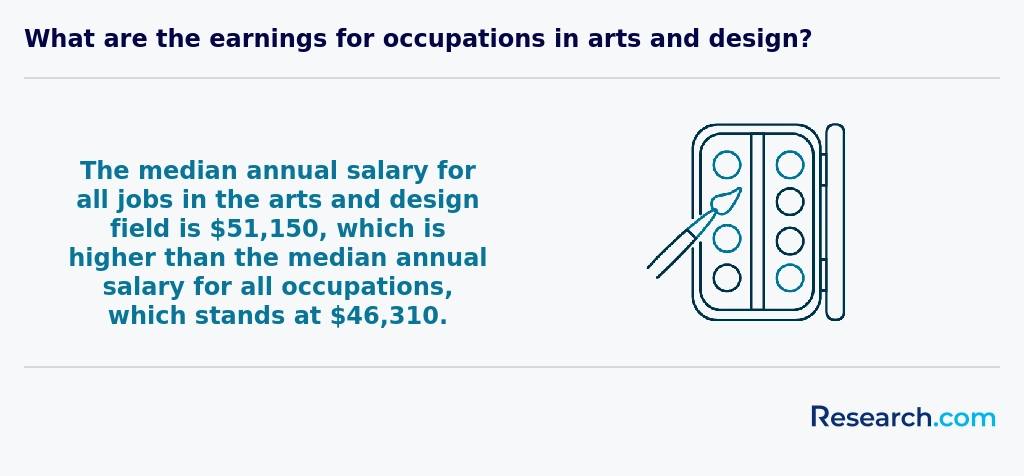
The fine arts degree employment opportunities in Lawrence are shaped by a vibrant local arts community and the presence of the University of Kansas, where many graduates find their creative paths. Graduates often engage in rewarding roles such as teaching art in schools and community centers, working as gallery curators, or designing digital media for nonprofits and businesses. Many find inspiring freelance opportunities through local arts festivals and exhibitions, gaining valuable experience while building their portfolios.
Students who graduate from Lawrence's well-regarded fine arts programs often speak fondly of the supportive environment that nurtures both traditional and digital art skills. The career outlook in Lawrence encourages graduates to combine their artistic passion with practical skills, fueling opportunities in media design and freelance work.
For those considering teaching, exploring the Tennessee teacher certification steps can offer insights that apply broadly in education roles across regions, including Lawrence.
2027 Most Popular Fine Arts Degree Programs Ranking in Lawrence
Investing in your education is a significant decision that can shape your future, and the Research.com team understands the importance of making informed choices. To assist prospective students in Lawrence, we have meticulously crafted the "2027 Most Popular Fine Arts Degree Programs Ranking in Lawrence." Our commitment to quality, credibility, and accuracy is reflected in the extensive research and analysis conducted to compile this ranking.
We utilized the following reputable data sources to ensure a comprehensive evaluation of fine arts degree programs:
By exploring this ranking, readers will gain valuable insights into the most popular fine arts programs in Lawrence, enabling them to make well-informed decisions about their educational paths. For more details on our methodology, please visit our Research.com methodology page.

Frequently Asked Questions About fine arts
Fine arts degree students in Lawrence can maximize their learning by actively engaging with local cultural institutions such as the Spencer Museum of Art and the Lawrence Arts Center. These venues offer exhibitions and workshops that complement classroom knowledge with real-world experience. Additionally, students should take advantage of interdisciplinary opportunities at the University of Kansas, which offers strong programs in both traditional and digital arts.
Participating in community art projects and internships within Lawrence's growing arts scene also enhances practical skills and networking. According to the National Endowment for the Arts, hands-on experience is crucial for fine arts success.
Balancing studio practice with critical theory classes, and seeking critiques from diverse sources, further enriches artistic development.
Emerging niches within the fine arts field reflect growing intersections between traditional art and technology. In Lawrence, students pursuing fine arts degrees increasingly explore digital media, including animation and interactive design. According to the National Endowment for the Arts, nearly 25% of fine arts graduates nationally incorporate digital skills, a trend mirrored in local university programs.
Another expanding area is art therapy, which combines creative expression with mental health support. The American Art Therapy Association reports a 12% employment growth in this sector, providing new opportunities for fine arts graduates in Lawrence's healthcare and community settings.
Environmental and public art is also gaining attention, with artists focusing on sustainability themes. Lawrence's vibrant public art initiatives reflect this trend, integrating conservation awareness into visual storytelling.
Graduates with fine arts degrees in Lawrence should begin preparing for the job market early by building a strong portfolio that showcases diverse work. Employers in creative fields often prioritize practical experience over academic credentials alone. Internships or freelance opportunities available in Lawrence and nearby cities like Kansas City can enhance skills and professional networks.
Understanding local market needs is essential. According to the U.S. Bureau of Labor Statistics, arts-related employment is growing by 4% nationally, with regional demand for graphic designers, illustrators, and animators increasing year-over-year. Joining organizations such as the Lawrence Art Guild can also provide valuable connections and exhibitions.
Additionally, graduates should consider developing digital media skills, as many art roles increasingly require proficiency in software tools and online platforms. Continuing education through workshops and online courses can help fine artists stay competitive and adaptable.
Employers in Lawrence value fine arts graduates who demonstrate strong creative abilities alongside technical proficiency. Key skills include mastery of visual communication, proficiency in digital tools like Adobe Creative Suite, and adaptability to various artistic mediums. According to the National Endowment for the Arts, employers also prioritize collaboration and problem-solving skills, which are essential in project-driven environments.
In Lawrence, where local galleries and studios are prominent, employers seek graduates with a portfolio showcasing original work and versatility. Communication skills for presenting ideas effectively are highly regarded. Additionally, understanding the art market and business basics can enhance job prospects in this competitive field.
Finding internships in Lawrence related to a fine arts degree involves leveraging local resources and institutions. The University of Kansas, located in Lawrence, offers connections through its art department and career services, which list internships with galleries, museums, and design firms.
Local organizations such as the Lawrence Arts Center frequently provide internship opportunities for students to gain hands-on experience in visual and performing arts.
Networking events and local art fairs are also valuable for meeting professionals and discovering internships.
Online platforms like Handshake often include local postings relevant to fine arts students in Lawrence, supporting practical career development.
A fine arts degree can significantly enhance career mobility and advancement for individuals in Lawrence. According to the National Endowment for the Arts, fine arts graduates often find employment in diverse fields such as design, education, and media, reflecting versatile skill sets.
Locally, Lawrence's cultural scene, including galleries and community arts programs, provides graduates with valuable networking and professional opportunities. Universities like the University of Kansas contribute by offering internships and partnerships that help students gain practical experience.
Employment data from the U.S. Bureau of Labor Statistics indicates a steady growth of 8% in arts-related jobs in the Kansas City metro area, which includes Lawrence, through 2030.
Studying for a fine arts degree in Lawrence equips students with skills that extend beyond traditional art forms by fostering interdisciplinary collaboration. Many local programs encourage combining visual arts with technology, media, and design, reflecting evolving industry demands. According to the Kansas Board of Regents, fine arts graduates in Lawrence often engage with diverse disciplines such as digital arts, multimedia, and cultural studies, enhancing their adaptability in various professional settings.
Students benefit from access to Lawrence's collaborative arts community, including workshops and exhibitions that connect them with students from fields like computer science and communications. This hands-on experience cultivates versatility for roles requiring both creative and technical expertise.
Choosing between a thesis and a non-thesis fine arts degree program in Lawrence depends on your career goals and learning preferences. A thesis program emphasizes original research and a significant project, often preparing students for doctoral studies or academic careers. Conversely, non-thesis programs focus more on practical skills and coursework, appealing to those seeking immediate industry experience.
In Lawrence, the University of Kansas offers both options, with approximately 40% of fine arts graduate students opting for thesis tracks (KU Institutional Research, 2023). Consider whether you prefer creating a comprehensive portfolio or conducting in-depth research before deciding your path.
Students based in Lawrence who wish to study fine arts abroad often explore exchange programs or study abroad partnerships offered by local institutions such as the University of Kansas. These programs typically allow students to spend a semester or year at universities in Europe or Asia known for rich artistic traditions. According to the Institute of International Education, about 10% of art students nationwide participate in some form of study abroad, which can enhance exposure to global art styles.
Many programs focus on areas like classical painting, sculpture, or contemporary digital arts. Financial aid and scholarships, including those specific to fine arts, may help offset costs. Students should consult their home institution's study abroad office for up-to-date listings and eligibility requirements.
Students pursuing fine arts degrees in Lawrence have access to several part-time job opportunities that can enhance their education. Local art galleries and museums often seek assistants and event staff, providing hands-on experience with exhibitions and curation. Lawrence's vibrant arts scene, including venues like the Lawrence Arts Center, offers roles in teaching art classes or supporting community projects. Additionally, freelance opportunities in graphic design and illustration are common, allowing students to develop digital skills alongside traditional techniques.
According to the Lawrence Chamber of Commerce, part-time cultural sector jobs have increased by 8% over recent years, reflecting growing demand for creative professionals. These roles not only support financial needs but also build valuable portfolios relevant to a fine arts career.
Fine arts students in Lawrence benefit from various networking opportunities that help build professional connections. The University of Kansas, a prominent institution in Lawrence, hosts regular gallery shows, artist talks, and workshops that encourage student interaction with local and visiting artists.
Local art organizations, such as the Lawrence Arts Center, provide venues for students to exhibit work and attend community events. These settings foster relationships with established artists and potential employers.
Additionally, Lawrence's thriving arts community includes monthly art walks and cooperative studios, offering accessible environments for collaboration and mentorship. According to the Kansas Creative Arts Industries report (2023), the Lawrence area hosts over 150 art-related events annually, strengthening these valuable networks for fine arts students.
Alumni networks for fine arts degree students in Lawrence provide valuable professional connections that can lead to job opportunities and mentorship. Graduates of Lawrence's fine arts programs often stay engaged with their alma maters through events and workshops, fostering a strong community. According to the National Association of Colleges and Employers, 85% of jobs are found through networking, making these connections especially important for fine arts careers where freelance and collaborative projects are common.
These networks also give students access to galleries, exhibitions, and internships within the Lawrence art scene. Alumni can share insights about navigating the local industry, which benefits current students by expanding their professional reach and supporting career development.
Students pursuing a fine arts degree in Lawrence can customize their programs to align with specific career goals through various academic and experiential options. Many local institutions, including the University of Kansas, offer flexible curricula allowing students to select concentrations such as painting, sculpture, digital media, or art history.
Elective courses and workshops enable deeper expertise in particular mediums or techniques. Internships and community projects in Lawrence's vibrant art scene provide practical experience and networking opportunities.
Additionally, students can integrate interdisciplinary studies or minors in areas like business or education, which support careers in arts administration or teaching.
Fine arts students in Lawrence commonly face challenges related to balancing creative goals with tight academic and financial demands. According to the National Endowment for the Arts, funding for arts education remains limited, which impacts access to materials and studio space for many students.
Another typical difficulty involves securing internships and networking opportunities in a city where the fine arts industry is smaller compared to major metropolitan areas. This can limit practical experience crucial for post-graduation employment.
Additionally, students often report managing the pressure of subjective evaluation in their coursework, which may affect confidence and academic performance. Mental health resources specifically tailored to creative students are important but not always readily available in every institution in Lawrence.
With a fine arts degree in Lawrence, students can pursue several professional certifications to enhance their career prospects. One common option is the certification in arts education, which qualifies graduates to teach visual arts in public and private schools. This typically requires passing state teaching exams and completing a licensure program.
Additionally, certifications in graphic design or digital media can complement fine arts degrees. These credentials, such as Adobe Certified Expert (ACE), are highly regarded in Lawrence's growing creative industry. According to the Kansas Department of Labor, certified professionals in these fields often see a salary increase of 10% to 15%.
Certification in museum studies or art handling is another pathway, particularly relevant given Lawrence's local galleries and cultural institutions.
When applying for a fine arts program in Lawrence, crafting a strong portfolio is critical. Most institutions require a diverse selection of your best work, demonstrating technical skill and creative vision. Tailor your portfolio to reflect your artistic interests and the program's focus.
Write a clear and compelling personal statement that explains your passion for fine arts and your goals. Mention any relevant coursework, exhibitions, or workshops you have attended. According to the National Association of Schools of Art and Design, applicants who provide detailed, thoughtful statements tend to stand out.
Research each Lawrence institution's specific requirements and deadlines carefully. Meeting these details shows professionalism and commitment.
The global perspectives on a fine arts career emphasize versatility and adaptability. In the United States, including Lawrence, fine arts graduates are increasingly expected to blend creative skills with digital proficiency. According to the National Endowment for the Arts, the demand for artists who can work across multiple media is growing.
Internationally, fine arts careers often integrate cultural exchange and interdisciplinary collaboration. For students in Lawrence, understanding these trends can enhance employability in diverse markets. The U.S. Bureau of Labor Statistics projects a 4% growth in employment for artists and related workers through 2031, reflecting steady opportunities.
Many Lawrence institutions encourage students to develop entrepreneurial skills, as self-employment rates in fine arts are notably high-around 53% nationally. This global perspective supports a career that is both creative and business-savvy.
Gaining practical experience while studying for a fine arts degree in Lawrence is essential for developing your skills and building a professional portfolio. Many local institutions encourage students to participate in internships at galleries, theaters, and design studios throughout the city. According to the National Association of Schools of Art and Design, hands-on internships improve employment prospects for graduates by up to 40%.
Students can also engage in campus exhibitions and community art projects to showcase their work. Lawrence's vibrant arts scene offers opportunities to collaborate with local artists and participate in public art events.
Additionally, some programs integrate client-based projects allowing students to work on real commissions, gaining valuable practical insight into the industry's demands and workflows.
Choosing the right concentration within a fine arts degree program in Lawrence involves evaluating your interests, career goals, and the strengths of local institutions. Lawrence is home to the University of Kansas, which offers diverse fine arts concentrations including painting, sculpture, digital media, and graphic design. According to the National Center for Education Statistics, about 30% of arts students nationwide choose digital media, reflecting growing industry demand.
Consider visiting campuses to review faculty expertise and facilities. Lawrence's vibrant arts community, including galleries and local theaters, can offer insight into practical opportunities connected with each concentration. Aligning your choice with emerging trends and local resources increases chances of professional success.
- 2027 Most Popular Fine Arts Degree Programs Ranking in Kansas City
- 2027 Most Popular Fine Arts Degree Programs Ranking in Columbia
- 2027 Most Popular Fine Arts Degree Programs Ranking in Saint Louis
- 2027 Most Popular Fine Arts Degree Programs Ranking in Memphis
- 2027 Most Popular Fine Arts Degree Programs Ranking in Denton
- 2027 Most Popular Fine Arts Degree Programs Ranking in Minneapolis
- 2027 Most Popular Fine Arts Degree Programs Ranking in Saint Paul
- 2027 Most Popular Fine Arts Degree Programs Ranking in Dallas
- 2027 Most Popular Fine Arts Degree Programs Ranking in Chicago
- 2027 Most Popular Fine Arts Degree Programs Ranking in Milwaukee
- Alumni network - ESMA https://www.esma-artistique.com/en/outreach/alumni-network/
- The Rise of Alternative Art Markets | MyArtBroker | Article https://www.myartbroker.com/art-and-tech/articles/the-rise-of-alternative-art-markets
- About Faculty of Design - Academy of Fine Arts https://en.asp.waw.pl/strona-glowna/faculties/faculty-of-design/about-faculty-of-design/
- Alumni Network at Moore https://moore.edu/alumni/
- What Alumni Say https://www.cityandguildsartschool.ac.uk/ma-fine-art/student-and-alumni-case-studies/
- Essential Strategies for Artists to Master the Art of Networking https://www.artworkarchive.com/blog/essential-strategies-for-artists-to-master-the-art-of-networking
- Arts - Lawrence Academy https://www.lacademy.edu/arts
- BA Hons Fine Art Enrolment Form https://www.oca.ac.uk/courses/ba-fine-art/
- Internships https://www.mfa.org/working-at-the-mfa/internships
- Fine Art: What is the future of the art world? https://artfundi.tech/blog/fine-art-what-is-the-future-of-the-art-world