
2027 Most Popular Fine Arts Degree Programs Ranking in Jacksonville

Co-Founder and Chief Data Scientist
Choosing the right fine arts degree program can shape your creative future in exciting ways. This article introduces the 2027 Most Popular Fine Arts Degree Programs Ranking in Jacksonville, carefully developed by the Research.com team of data scientists to guide you in making an informed decision.
Whether you're passionate about painting, sculpture, or digital arts, knowing which programs stand out helps you focus on quality education and career opportunities.
Exploring these rankings can inspire confidence and bring you closer to turning your artistic dreams into reality.
Key benefits of getting fine arts degree in Jacksonville
- Fine arts graduates in Jacksonville can earn competitive salaries, with illustrators making an average of $71,420 annually and animators earning about $109,630, offering a rewarding financial future.
- A graduate from the University of North Florida in Jacksonville has diverse career options, including graphic artist, illustrator, or art therapist, allowing for a fulfilling creative journey tailored to your passion.
- Completing a fine arts degree online from Jacksonville State University offers flexibility and convenience, helping students balance work and study while gaining skills valued by employers nationwide.
- 2027 Most Popular Fine Arts Degree Programs Ranking in Jacksonville
- What can I expect from fine arts degree in Jacksonville?
- Where can I work with fine arts degree in Jacksonville?
What can I expect from fine arts degree in Jacksonville?
The average cost of pursuing a fine arts degree in Jacksonville typically falls between $6,000 and $7,000 per year for in-state tuition at public universities like Jacksonville University and the University of North Florida. Graduates often find this cost manageable, especially when combined with financial aid and scholarships targeted specifically toward fine arts students. For example, many students who enroll in these programs share how such funding opportunities significantly eased their financial burden, allowing them to concentrate fully on developing skills in painting, sculpture, or digital media.
Students benefit from affordable tuition while gaining access to excellent resources such as studio spaces and collaborative projects with local galleries. Hands-on internships at institutions like the Cummer Museum give them practical experience without extra cost. This financial balance supports graduates as they build portfolios and prepare for freelance careers or roles in education and graphic design, helping them feel confident and optimistic about their future in Jacksonville's vibrant arts scene.
Where can I work with fine arts degree in Jacksonville?
Graduates with a fine arts degree in Jacksonville often find rewarding work in local museums like the Cummer Museum of Art and Gardens and the Museum of Science and History, where positions such as curators, exhibit designers, and art educators are common. Students from Jacksonville University and Florida State College at Jacksonville have shared how internships at these institutions helped them build strong portfolios and local connections.
The city's thriving performing arts scene-including the Jacksonville Symphony and Florida Theatre-offers roles in set and costume design, ideal for creatives who want hands-on production experience. Many graduates feel inspired working in these dynamic environments that blend artistic vision with community engagement.
For those combining traditional art skills with digital proficiency, graphic design and multimedia jobs in Jacksonville's commercial sector provide exciting opportunities. Graduates frequently mention how networking through groups like the Jacksonville Artists Guild has led to freelance projects and entrepreneurial success, supporting artistic independence and growth in the city.
Graduates with a fine arts degree in Jacksonville can expect varied salary outcomes depending on their chosen career path. For instance, graphic artists in the area earn a mean annual wage of about $64,700, reflecting strong demand in Jacksonville's growing creative industry. Similarly, illustrators from local colleges often report early salaries near the national mean of $71,420, which aligns well with opportunities found in galleries and design firms.
Fine arts graduates who pursue teaching roles at Jacksonville's universities or public schools can look forward to competitive earnings. Art teachers have a mean annual salary around $70,740, which provides stable income and benefits, particularly attractive for those valuing long-term career growth.
Animator positions, common among graduates of Jacksonville's digital arts programs, offer even higher pay, with a mean annual wage reaching $109,630. This reflects the expanding animation and multimedia sector in the region, rewarding creative and technical skill development.
Graduates often boost income through freelance projects, commissions, or exhibitions, turning passion into profit. Embracing networking and portfolio building during studies at Jacksonville institutions can significantly enhance job prospects and earnings.
- Tuition for fine arts degrees in Jacksonville ranges from $6,000 to $8,000 per year at public universities and can exceed $20,000 annually at private institutions.
- Additional costs include supplies, materials, and living expenses that students need to budget for.
- Entry-level salaries typically range from $30,000 to $40,000 annually, with mid-career professionals earning between $45,000 and $60,000 or more.
- Job opportunities include roles in graphic design, advertising, digital content creation, and arts education within the city's growing creative sector.
- Building a strong portfolio and professional connections is essential for career success in Jacksonville's fine arts community.
- Financial aid, scholarships, and state grants are available to help reduce the cost of arts education.
Completing a fine arts degree in Jacksonville most often takes four years for those enrolled full-time in a Bachelor of Fine Arts (BFA) or Bachelor of Arts (BA) program. Graduates from the University of North Florida and Florida State College at Jacksonville share how this timeframe allows them to immerse fully in both studio practice and general education, balancing creativity with academic growth.
For students aiming to accelerate their studies, taking summer courses or enrolling in a heavier semester course load has proven effective. Part-time students, however, should expect a longer path, which some find rewarding as it offers flexibility for work or internships alongside studies.
Associates degrees in fine arts, such as the Associate of Arts (AA) or Associate of Fine Arts (AFA), typically take about two years. Many Jacksonville students use these as a stepping stone before transferring to a four-year university, making the journey feel manageable and strategically paced.
Attention to program requirements like internships or exhibitions can influence completion time, but graduates often highlight the pride and growth these experiences bring, making the extra effort worthwhile.
Embarking on a Fine Arts journey doesn’t end at selecting a program-it extends to making the most of your educational experience and preparing for a thriving career. In this section, discover actionable advice from industry professionals and seasoned alumni to help you excel both academically and creatively. First, focus on building a robust portfolio that not only highlights your technical proficiency but also reflects your unique artistic voice. Attend workshops, participate in local exhibitions, and seek constructive feedback to continuously refine your work. Networking is equally important; connect with professors, current students, and professionals who can offer mentorship and open doors to career opportunities. Additionally, consider exploring comprehensive resources such as the popular fine arts programs ranking to understand which institutions foster an environment of innovation and industry acclaim. Stay updated on emerging trends in digital media and traditional techniques, and leverage online platforms to showcase your work to a global audience. Finally, balance your creative pursuits with strategic career planning by setting clear short-term and long-term goals, taking advantage of internships, and looking for scholarships or financial aid opportunities tailored to Fine Arts students. These expert tips will empower you to navigate the evolving art landscape and pave the way for a fulfilling career in the Fine Arts field.
Online and on-campus fine arts degrees in Jacksonville differ mainly in hands-on experience and flexibility. Graduates from the University of North Florida praise the on-campus format for its immersive studio time and face-to-face critiques, essential for skills like painting or sculpture. Access to physical resources such as specialized studios creates a vibrant community, boosting both creativity and local networking. This environment closely mirrors real-world artistic settings.
By contrast, graduates from Jacksonville University who completed online fine arts degrees value the flexibility to balance family or work while studying. Though lacking physical workshops, online programs use digital tools, virtual critiques, and video lessons to build design skills and art theory knowledge. These programs are ideal for students prioritizing convenience without sacrificing educational quality.
Considering Jacksonville's public institutions, in-state students often benefit from lower tuition on campus, while online learners save on commuting and housing. Ultimately, choosing between formats depends on whether you value direct studio engagement or adaptable scheduling more.
Jacksonville’s vibrant fine arts community extends far beyond the classroom, offering a dynamic campus life that enriches both your creative journey and personal growth. From engaging in student-led art clubs and collaborative projects to attending local cultural festivals and gallery openings, students quickly discover that a Fine Arts degree here is as much about building lasting relationships as it is about mastering your craft. Many institutions boast state-of-the-art studios and community spaces where you can experiment, receive real-time feedback, and connect with mentors who are deeply embedded in Jacksonville’s local art scene. Moreover, actively participating in extracurricular events not only sharpens your artistic skills but also provides a competitive edge in job markets, with many graduates leveraging these experiences to transition into careers highlighted among the popular fine arts programs. Whether you’re contributing to public art installations, collaborating on campus exhibitions, or simply enjoying informal meetups with like-minded peers, the campus environment in Jacksonville is designed to foster creativity, innovation, and lifelong professional networks.
The average cost of a fine arts degree in Jacksonville typically centers around $47,830 for in-state students and about $66,260 for out-of-state students. Many students attending public universities like the University of North Florida find that in-state tuition offers a more affordable path, often easing financial stress and allowing more focus on creative growth. Graduates frequently share how accessing in-state tuition helped them invest in quality materials and experiential learning without overwhelming debt.
Jacksonville fine arts degree tuition and fees reflect these figures, with private colleges generally charging higher rates-ranging roughly from $25,000 to $40,000 annually-pushing total costs closer to $100,000 or more over four years. This financial commitment can feel daunting, but numerous students successfully navigate it by leveraging scholarships and financial aid tailored to fine arts disciplines. These supports often come through merit-based awards or grants designed to encourage artistic talent and dedication.
Fine arts students sometimes balance costs by budgeting carefully for additional expenses like studio supplies and specialized equipment, which can add thousands of dollars yearly. Exploring financial planning resources and talking directly with Jacksonville schools about aid options can reveal personalized strategies to manage these costs effectively. For students considering further education, integrating courses from related fields enhances career flexibility; one might explore options such as library science degree online programs to complement their skillset and financial planning.
Ensuring that your Fine Arts degree program in Jacksonville, FL is properly accredited is essential for maximizing educational value and career prospects. Regional accreditation-such as from the Southern Association of Colleges and Schools Commission on Colleges (SACSCOC)-confirms that an institution meets rigorous standards for faculty qualifications, student support, and financial stability. Additionally, look for programmatic accreditation from the National Association of Schools of Art and Design (NASAD), which specializes in evaluating Fine Arts curricula, facilities, and learning outcomes. When researching programs: - Verify institutional accreditation through the U.S. Department of Education’s Database of Accredited Postsecondary Institutions and Programs. - Check NASAD or similar bodies (e.g., NAST for theatre, NAEA for art education) for specialized Fine Arts endorsements. - Review faculty profiles for terminal degrees (MFA, PhD) and professional exhibition, publication, or performance histories. - Examine student-to-faculty ratios and studio access hours to ensure ample mentorship and hands-on practice. Accredited programs also tend to offer transferable credits, eligibility for federal financial aid, and stronger alumni networks-factors that directly impact your return on investment. Prospective graduate students seeking low-residency options can compare institutional quality alongside cost by exploring our low cost online mfa film programs. Prioritizing accredited, high-quality programs will safeguard your academic credentials and enhance your long-term success in the arts.
Fine arts students in Jacksonville can access a range of financial aid options to ease the burden of tuition and expenses. At the University of North Florida, many graduates recall how federal aid, like Pell Grants obtained through FAFSA, covered thousands annually-allowing them to focus on their creative work without constant financial stress. These grants don't require repayment and provide up to $7,395, which is a crucial support for those attending public institutions locally.
State scholarships, especially Florida's Bright Futures, reward academic achievement and significantly reduce out-of-pocket costs for dedicated art students. Graduates from Jacksonville's art programs often share how such merit-based scholarships made their education affordable while recognizing their artistic commitment.
Local colleges also offer tailored scholarships for portfolios or auditions, rewarding talent directly. Many students combine these with work-study opportunities on campus to earn income while honing their craft. Additionally, networking with Jacksonville's artist communities and professional associations often unlocks smaller but meaningful grants and scholarships designed for fine arts disciplines.
By combining federal, state, institutional, and private sources, fine arts students in Jacksonville find practical financial pathways that support their passion and academic success.
Jacksonville’s fine arts programs stand out for their robust internship offerings and deep ties to local arts organizations. Students frequently collaborate with institutions like the Cummer Museum of Art & Gardens, the Museum of Contemporary Art Jacksonville, and the Jacksonville Symphony, gaining hands-on experience in curation, exhibition design, and arts administration. These internships not only build professional portfolios but also foster mentorships with seasoned curators, artists, and educators. Many programs integrate credit-bearing internships directly into the curriculum, ensuring that practical learning complements studio and theory courses. For example, a semester-long placement at a downtown gallery allows students to manage real exhibitions-from concept development to public opening-while receiving feedback from faculty advisors. Community partnerships extend beyond galleries: fine arts majors often design mural projects in underserved neighborhoods, organize pop-up art fairs, or teach workshops in local schools, developing outreach and project-management skills highly valued by employers. When evaluating programs, consider how these experiential components align with cost and return on investment. For students weighing affordability alongside work-based learning, our Affordable Fine Arts Degree Programs Ranking in Indiana can serve as a benchmark for cost-effective alternatives that still emphasize intensive internship placements. By leveraging these opportunities, Jacksonville fine arts graduates leave campus not only with refined creative talents but also with a professional network ready to support their careers.
To enroll in a fine arts degree program in Jacksonville, you must first have a high school diploma or a GED, which establishes your readiness for college-level study. Many graduates recall how submitting official transcripts was a straightforward step that showcased their academic background and helped schools gauge their preparedness.
A critical prerequisite is preparing a strong art portfolio. For example, students aiming for the University of North Florida found that presenting diverse samples-such as drawings, sculptures, and digital art-provided a real opportunity to highlight creativity and technical skills. This portfolio review is often the defining element that makes an applicant stand out.
Some programs also request letters of recommendation from art teachers or professionals who can confirm your passion and commitment. Many fine arts students share that crafting a personal or artist's statement became a meaningful process to express their inspirations and goals, resonating well with admission committees.
While standardized test scores like the SAT or ACT might not always be required, having them can support your application at Jacksonville's four-year universities. Additionally, demonstrating prior art coursework during high school strengthens your application and shows you are serious about your craft.
When considering a Fine Arts degree, the campus experience is as essential as the classroom curriculum. Jacksonville’s vibrant art scene not only comes alive through coursework but also through dynamic student life. Many institutions offer a blend of academic and extracurricular opportunities that help foster artistic growth and personal development. For example, students frequently attend local art festivals, collaborative workshops, and hands-on community projects that invigorate their creative practice while building lasting professional networks. These experiences often serve as catalysts for innovative ideas, setting the stage for a successful career in the arts. Additionally, by exploring the popular fine arts programs in the area, you can gain insight into how well-rounded student support services and state-of-the-art facilities contribute to shaping a nurturing environment. Whether it's through friendly campus clubs, interactive gallery exhibits, or community outreach initiatives, Jacksonville ensures that the journey to a Fine Arts degree is not just about acquiring skills, but also about immersing yourself in a rich cultural tapestry that celebrates creativity at every turn.
Students pursuing a fine arts degree in Jacksonville typically take courses that combine hands-on artistic skills with critical thinking about art. At institutions like the University of North Florida and Jacksonville University, graduates often reflect warmly on classes such as Drawing and Composition, which build foundational visual skills essential for any artistic path.
Painting courses let students experiment with oil, acrylics, and watercolors, cultivating personal style and confidence in diverse media. Sculpture classes offer practical experience with materials like clay and metal, turning creative ideas into tangible works. Digital Art and Design is increasingly popular, equipping students with skills in computer-based tools that meet today's evolving art markets.
Art History courses provide deep context by exploring movements from classical to modern art, helping students relate their work to broader cultural stories. Printmaking and Portfolio Development classes guide students in creating professional-ready bodies of work, which many graduates have found crucial for launching their careers in Jacksonville's vibrant art community.
Students pursuing a fine arts degree in Jacksonville typically choose from specializations such as Studio Art, Graphic Design, Photography, Art Education, Ceramics and Glass Art, and Art History and Criticism. These focus areas align well with the diverse creative opportunities found in the city's vibrant art scene, helping graduates feel inspired and connected to their craft. For instance, graduates from Jacksonville State University often highlight how hands-on experiences with galleries and community projects sharpened their skills and deepened their appreciation for both traditional and modern artistic techniques.
Choosing a specialization in Jacksonville means accessing programs that tailor to your personal artistic goals while benefiting from local resources and connections. Those interested in intersecting creativity with technology find Graphic Design particularly rewarding, with skills valued across various creative industries. Fine arts students often find that combining their major with applied mathematics degrees complements digital media fields, showcasing the practical paths available through interdisciplinary learning.
Choosing the best fine arts degree in Jacksonville starts with evaluating program accreditation and curriculum variety. Graduates from the University of North Florida often share how diverse course options-from traditional painting to digital media-helped them build versatile portfolios. For those seeking affordable fine arts colleges Jacksonville offers, comparing tuition alongside additional costs like supplies and studio fees is essential. Many find that public schools provide a balanced mix of quality education and lower in-state tuition, boosting financial confidence.
Access to local art communities and internships is another key factor. Students involved with Jacksonville's thriving arts scene, including events like the Jacksonville Art Walk and museums, gain inspiring real-world exposure and networking that can jumpstart careers. Faculty expertise deeply impacts learning too; alumni highlight how mentorship from experienced professors created valuable professional insights. For multidisciplinary advancement, some explore paths like an online PhD in organizational leadership to complement their creative skills and leadership potential.
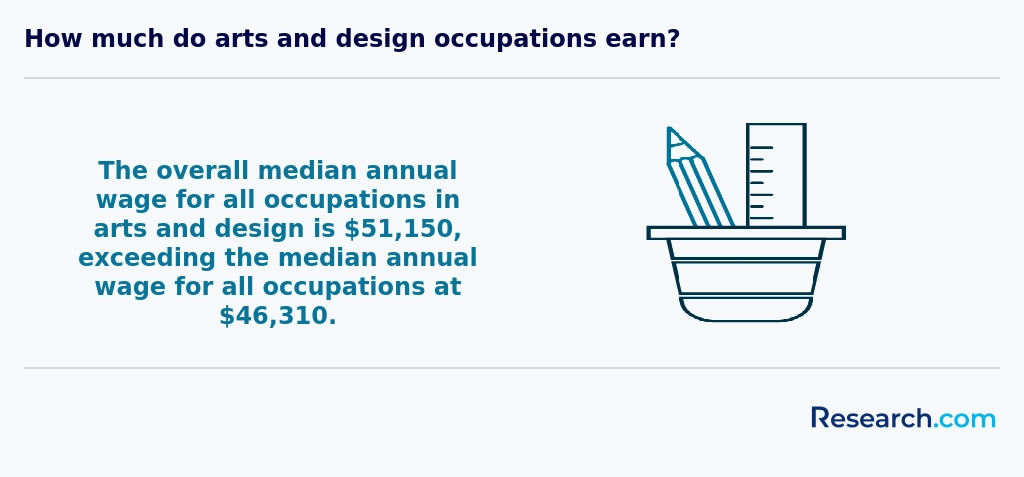
Graduates with a fine arts degree in Jacksonville have diverse career paths that leverage their creativity and skills. Many start as professional artists, showcasing work in local galleries and art shows, gaining exposure in a vibrant arts community. Others find rewarding roles in graphic design or digital arts, working with advertising agencies or media companies where digital fluency is crucial. Jobs with fine arts degree in Jacksonville also include teaching positions; many graduates become certified art educators in schools or instructors at community centers, contributing to steady regional demand.
Museum curation, art direction, and arts administration offer additional career avenues. The Jacksonville Museum of Modern Art and other cultural institutions frequently seek professionals to organize exhibits and manage public outreach, providing hands-on experience that graduates often describe as inspiring and fulfilling. Students from the University of North Florida appreciate the affordable tuition and strong connections to these local opportunities. For those interested in expanding their qualifications, exploring early childhood education degree pathways can open further professional doors beyond traditional art careers.

The fine arts degree job opportunities in Jacksonville reflect a dynamic market where competition is balanced by the city's vibrant cultural scene. Graduates from local institutions often land roles in galleries, museums, and creative agencies, leveraging Jacksonville's growing demand for artists and designers in marketing and entertainment. Many students from Jacksonville's popular colleges share how internships with local studios and connections made at art festivals played key roles in securing their first positions.
Success is often linked to diversifying skills beyond traditional fine arts, such as digital media or art therapy certifications, broadening career avenues. The Jacksonville fine arts career outlook 2027 suggests steady growth, with salaries averaging around $55,000, which supports a comfortable living in the area. Students are encouraged to explore internet-based education programs to supplement their learning and strengthen their marketability while remaining local.
2027 Most Popular Fine Arts Degree Programs Ranking in Jacksonville
Investing in your education is a significant decision that can shape your future, and the Research.com team recognizes the importance of making well-informed choices. To support prospective students in Jacksonville, we have carefully developed the "2027 Most Popular Fine Arts Degree Programs Ranking in Jacksonville." Our dedication to quality, credibility, and accuracy is demonstrated through thorough research and analysis.
We utilized the following reputable data sources to ensure a comprehensive evaluation of fine arts programs:
By consulting this ranking, readers gain valuable insights into the most popular fine arts degree programs in Jacksonville, empowering them to make informed educational decisions. For a deeper understanding of how this ranking was created, please visit our Research.com methodology page.


Frequently Asked Questions About fine arts
Fine arts degree students in Jacksonville can maximize their learning by actively engaging with local art communities and resources. Jacksonville hosts several galleries and cultural institutions, such as the Cummer Museum of Art & Gardens, offering students opportunities to experience diverse art styles firsthand.
Participating in internships or collaborative projects with local artists and organizations helps build practical skills and professional networks. According to the National Endowment for the Arts, students involved in community-based art activities show higher levels of creativity and career readiness.
Moreover, Jacksonville's multiple colleges offering fine arts programs often provide access to workshops, exhibitions, and guest lectures. Taking advantage of these enhances both technical abilities and cultural appreciation.
Emerging niches within the fine arts field reflect the growing influence of technology and interdisciplinary approaches. In Jacksonville, students pursuing fine arts degrees increasingly explore digital media art, which combines traditional artistic skills with digital tools. According to data from the National Endowment for the Arts, digital media arts careers are growing at a faster rate than classic studio art roles across the US, including Florida.
Another rising area is art therapy, which blends psychology and creative practices. Jacksonville's healthcare and community services sectors show increasing demand for art therapists, supported by programs at local universities offering relevant coursework.
Environmental and public art are also gaining attention, focusing on sustainability and community engagement. These fields offer hands-on project opportunities linked to Jacksonville's vibrant cultural scene and outdoor environments.
Graduates with a fine arts degree in Jacksonville should begin preparing for the job market by building a strong professional portfolio that showcases their best work. This portfolio is often the primary tool for securing freelance gigs, gallery exhibitions, or full-time positions. Networking plays a crucial role in Jacksonville's art scene, where connections with local galleries, art councils, and cultural organizations can open doors. Joining groups such as the Jacksonville Artists Guild enhances visibility and access to events.
Additionally, gaining experience through internships or apprenticeships within Jacksonville's creative community provides practical skills and valuable references. According to the Bureau of Labor Statistics, fine arts careers can be competitive, so diversifying skills-such as learning digital media or art management-improves employability. Staying current with trends and continuing education workshops offered by local colleges like the University of North Florida can also be beneficial.
Employers in Jacksonville value fine arts graduates who demonstrate strong creative and technical skills. Key abilities include proficiency in diverse art media, digital design tools, and the capacity to produce original work. Communication skills are essential, as artists must present and explain their concepts clearly.
Jacksonville's growing arts scene requires adaptability and teamwork, especially for project-based roles in galleries and creative agencies. According to the National Endowment for the Arts, 68% of arts-related jobs involve collaboration, highlighting this demand.
Additionally, graduates benefit from critical thinking and problem-solving skills, which help in navigating client needs and artistic challenges effectively.
Finding internships in Jacksonville for fine arts students involves a combination of local research and proactive outreach. Many Jacksonville art institutions, such as the Cummer Museum of Art & Gardens and the Museum of Contemporary Art Jacksonville, offer internship programs that provide practical experience in galleries and art education.
Students should also explore opportunities through Jacksonville University and Florida State College at Jacksonville, which maintain partnerships with local arts organizations. Networking events, open studio days, and art festivals in the city can be key places to connect with professionals in the field.
Online platforms like Handshake and nonprofit job boards frequently list fine arts internships in the Jacksonville area. According to the National Association of Colleges and Employers, internships increase the chances of employment by over 50%, making these efforts valuable. Applying early and tailoring your portfolio to showcase relevant skills can significantly improve your prospects.
A fine arts degree in Jacksonville can enhance career mobility by equipping graduates with versatile creative skills valued across diverse industries. According to the National Endowment for the Arts, arts-related jobs in Florida have seen steady growth, suggesting increasing local demand. In Jacksonville, the vibrant arts scene, including galleries and theaters, offers networking opportunities that support career advancement.
Graduates often advance into roles such as graphic designers, art directors, or educators, where both artistic talent and professional credentials are important. Local employers frequently seek candidates with formal training, underscoring the degree's influence on job prospects and salary potential.
Studying for a fine arts degree in Jacksonville offers students strong interdisciplinary training that prepares them for diverse careers. Many programs integrate courses in digital media, art history, and communication, blending creative skills with technology and critical thinking. This approach aligns with the evolving job market where employers value versatility.
Jacksonville's proximity to creative industries such as design, advertising, and multimedia production provides practical opportunities for collaboration across fields. According to the National Center for Education Statistics, Florida reports a 15% growth in arts-related jobs through 2028, underscoring demand for adaptable graduates.
Fine arts programs here often emphasize teamwork, problem-solving, and project management-skills essential for interdisciplinary roles.
When choosing between a thesis and a non-thesis fine arts degree program in Jacksonville, consider your career goals first. A thesis program typically involves producing a significant research project or creative work, ideal for students aiming for advanced study or academic careers. Non-thesis programs focus more on coursework and practical skills, which may suit those targeting immediate employment in arts-related fields.
Jacksonville's fine arts programs vary; for example, some local universities report that nearly 40% of fine arts graduates pursue non-thesis options, emphasizing hands-on experience. According to the National Center for Education Statistics, non-thesis degrees often allow faster completion times, appealing to working professionals.
Evaluating faculty expertise and available resources in each program can also guide your choice. Research faculty publications or exhibitions to see if the school supports thesis projects or prioritizes studio practice instead.
Students based in Jacksonville who wish to study fine arts abroad have several paths to consider. Many Jacksonville colleges and universities, such as the University of North Florida, offer study abroad programs tailored to fine arts majors. These programs typically partner with institutions in Europe and Asia, allowing students to earn credits while experiencing different cultural art scenes.
Additionally, Jacksonville students can participate in exchange programs through organizations like the National Association of Foreign Student Advisers, which facilitate placements in renowned art schools worldwide. According to NAFSA, approximately 30% of U.S. fine arts students engage in study abroad activities, enriching their global perspective.
The availability of scholarships specifically for art students from Jacksonville also expands access to these opportunities, supporting expenses related to tuition and travel. Overall, students have growing support to pursue international fine arts education while remaining connected to their home institutions.
Jacksonville offers various part-time job opportunities that can complement fine arts degree education. Positions such as gallery assistants, art instructors for community centers, and freelance graphic designers allow students to apply their skills in real-world settings. Local museums, including the Cummer Museum of Art and Gardens, often hire part-time educators or exhibit staff, giving students valuable experience. Additionally, Jacksonville's vibrant arts scene supports freelance illustration, mural painting, and event design roles. According to the U.S. Bureau of Labor Statistics, jobs in arts and design in Florida are projected to grow by 7% through 2031, indicating promising job prospects for fine arts students seeking part-time opportunities in the area.
Fine arts students in Jacksonville benefit from various networking opportunities that connect them with local artists, galleries, and industry professionals. Institutions like the University of North Florida and Florida State College at Jacksonville often organize events, workshops, and exhibitions, providing students with direct exposure to the creative community.
The Jacksonville Art Walk and monthly gallery openings attract local artists and art enthusiasts, offering students chances to engage and build relationships in informal settings. According to Jacksonville's Cultural Council, these events have grown by 15% annually, indicating a vibrant arts scene.
Additionally, internships with organizations such as the Cummer Museum of Art & Gardens offer students practical experience and professional contacts. These opportunities help fine arts students build portfolios and establish valuable connections critical for career advancement in the region.
Alumni networks play a crucial role for fine arts degree students in Jacksonville by providing valuable connections within the local art community. These networks often include graduates who work as artists, educators, curators, and gallery owners, creating opportunities for mentorship and collaboration.
In Jacksonville, where the arts scene is growing, alumni connections can help students find internships and exhibit opportunities in regional galleries and art festivals. According to the National Association of Colleges and Employers, 85% of jobs are filled through networking, which underscores the importance of these relationships.
Furthermore, Jacksonville fine arts alumni often organize workshops and portfolio reviews, which enhance students' professional skills and industry knowledge.
In Jacksonville, customizing a fine arts degree program to align with career goals is possible through elective courses and interdisciplinary options. Many local institutions allow students to choose electives in digital media, sculpture, or art history, tailoring their studies to specific interests. For example, students can focus on commercial art or gallery management, depending on their career aspirations.
Internships and community partnerships in Jacksonville's vibrant art scene also enhance customization. Participating in projects with local galleries or nonprofits provides practical experience. According to the National Center for Education Statistics, over 60% of fine arts students engage in internships, improving employability.
Advisors play a crucial role in guiding students to select the best combination of courses and experiences to fit their goals effectively.
Fine arts students in Jacksonville often face challenges related to limited local funding and resources for arts programs. According to the Jacksonville Public Education Fund, art programs in the region receive notably less financial support compared to STEM fields, which can impact access to quality materials and studio space. Additionally, competition for gallery exhibitions and internships can be intense due to the city's relatively small but growing art scene.
Students also report difficulties balancing the high costs of specialized supplies with tuition fees, often leading to financial strain. Networking opportunities are present but less extensive than in larger metropolitan areas, which can affect career development.
A fine arts degree from Jacksonville-area institutions can lead to various professional certifications that enhance career prospects. Graduates often pursue certification as an Art Teacher, especially through the Florida Department of Education, which requires passing the Florida Teacher Certification Examinations (FTCE). This credential enables teaching in public schools across the state.
Additionally, artists may seek certification in graphic design or digital arts through industry-recognized programs such as Adobe Certified Expert (ACE), which is valuable in Jacksonville's growing creative sector. Certification in arts administration or museum studies is another option for those interested in leadership roles.
These credentials support entry into competitive job markets locally and nationally, aligning with trends reported by the National Endowment for the Arts and regional employment data.
Writing a winning application for a fine arts program in Jacksonville starts with a strong, well-prepared portfolio. Most Jacksonville schools, such as the University of North Florida, emphasize creativity and technical skill. Applicants should showcase diverse work reflecting different mediums and personal style. Including a clear artist's statement that explains the inspiration and process is essential for standing out.
Academic records also play a role; competitive candidates often have a GPA above 3.0. Jacksonville programs may require letters of recommendation from art teachers or professionals who can attest to the applicant's potential.
Finally, meeting deadlines and following specific school instructions precisely will enhance your chances of acceptance.
The global perspective on a fine arts career highlights diverse opportunities shaped by cultural exchange and technological advancement. In the US, including Jacksonville, fine arts graduates often benefit from flexible career paths such as digital media, gallery curation, and art education. According to the National Endowment for the Arts, arts employment grew by 9.4% between 2015 and 2022, reflecting rising demand.
Jacksonville's expanding creative economy offers local artists access to national and international markets through art festivals and online platforms. Students graduating there can leverage broad networks to engage in global art dialogues, while benefiting from the city's evolving arts infrastructure. This creates a rich environment for cross-cultural collaboration and career growth.
Students pursuing fine arts degrees in Jacksonville can gain practical experience through internships at local galleries, museums, and arts organizations. Institutions such as the Museum of Contemporary Art Jacksonville and the Cummer Museum often offer opportunities for hands-on learning. Participating in community art projects and local exhibitions also helps students build portfolios and professional networks.
Many Jacksonville colleges incorporate studio classes, workshops, and collaborative projects into their curricula, allowing students to practice techniques and develop original work. According to the National Endowment for the Arts, engagement in experiential learning significantly improves skill development in visual arts fields.
Networking events and art festivals in Jacksonville provide additional venues for real-world exposure. These activities prepare students for careers in fine arts by blending academic theory with practical application.
Choosing the right concentration within a fine arts degree program in Jacksonville depends on your personal interests and career goals. Popular options include painting, sculpture, digital arts, and graphic design, each with unique skill sets and job prospects. Jacksonville offers access to vibrant local arts communities and galleries, allowing students to engage in practical experiences while studying.
The University of North Florida and Florida State College at Jacksonville feature diverse fine arts programs, often supported by faculty with professional artistic backgrounds. According to the National Endowment for the Arts, focusing on digital arts is growing due to Jacksonville's expanding creative industries.
Research your preferred concentration's curriculum carefully and seek internships in Jacksonville's art scene to gain clearer insight into each path.
- 2027 Most Popular Fine Arts Degree Programs Ranking in Atlanta
- 2027 Most Popular Fine Arts Degree Programs Ranking in Miami
- 2027 Most Popular Fine Arts Degree Programs Ranking in Mobile
- 2027 Most Popular Fine Arts Degree Programs Ranking in Greensboro
- 2027 Most Popular Fine Arts Degree Programs Ranking in Raleigh
- 2027 Most Popular Fine Arts Degree Programs Ranking in Nashville
- 2027 Most Popular Fine Arts Degree Programs Ranking in New Orleans
- 2027 Most Popular Fine Arts Degree Programs Ranking in Lynchburg
- 2027 Most Popular Fine Arts Degree Programs Ranking in Memphis
- 2027 Most Popular Fine Arts Degree Programs Ranking in Cincinnati
- High-Impact Educational Practices in the Arts and Post-College⦠https://snaaparts.org/findings/databriefs/high-impact-educational-practices-in-the-arts-and-post-college-community-engagement
- FAB Market Insights https://www.fineartbrokers.com/fine-art-brokers-in-the-news/what-to-look-for-in-emerging-contemporary-art
- Associate in Arts Degree | Florida State College at Jacksonville Catalog https://catalog.fscj.edu/academics/degree-certificate-programs/associate-in-arts-degree
- 6 Tips for Selecting a School for Art Majors https://thecollegesolution.com/6-tips-for-selecting-a-school-for-art-majors/
- Is a thesis always mandatory in a master's degree program? - EFMU: The Euler-Franeker Memorial University and Institute https://euler.euclid.int/is-a-thesis-always-mandatory-in-masters-degree-program/
- Standards & Guidelines » CAA Guidelines https://www.collegeart.org/standards-and-guidelines/guidelines/mfa
- Alumni network - ESMA https://www.esma-artistique.com/en/outreach/alumni-network/
- 404 – Seite nicht gefunden https://www.gostudent.org/en-gb/blog/what-jobs-can-you-get-with-a-fine-arts-degree
- Jobs | Academy of Fine Art https://academy-of-fine-art.com/en/jobs-en/
- How to Network as an Artist - AGI Fine Art Blog https://agifineart.com/advice/the-art-of-reputation-how-to-network-if-youre-an-emerging-artist/


