
2027 Most Popular Fine Arts Degree Programs Ranking in Raleigh

Co-Founder and Chief Data Scientist
If you're considering pursuing a fine arts degree in Raleigh, this article is made just for you. It introduces the 2027 Most Popular Fine Arts Degree Programs Ranking in Raleigh, crafted by the Research.com team of data scientists. This ranking helps you explore the best programs based on reliable data, allowing you to make an informed choice.
Reading this article gives you insight into quality fine arts programs that can shape your creative future. Discover the opportunities and benefits of earning a fine arts degree in a vibrant community like Raleigh.
Key benefits of getting fine arts degree in Raleigh
- Fine arts graduates in Raleigh can expect rewarding salaries, with animators earning around $109,630 annually and illustrators making about $71,420, reflecting strong financial opportunities.
- Career paths are diverse, with graduates from popular Raleigh colleges successfully working as graphic artists, animators, and art therapists, enabling creative growth and professional fulfillment.
- Completing a fine arts degree online through Raleigh's universities offers flexibility and convenience, allowing students to balance work and study while gaining valuable skills for the modern art industry.
- 2027 Most Popular Fine Arts Degree Programs Ranking in Raleigh
- What can I expect from fine arts degree in Raleigh?
- Where can I work with fine arts degree in Raleigh?
What can I expect from fine arts degree in Raleigh?
The average cost of pursuing a fine arts degree in Raleigh varies considerably depending on whether you attend a public or private institution. Graduates often reflect on the balance between investment and experience, noting that public universities typically charge around $9,000 per year for in-state students. This rate feels accessible to many, especially when paired with scholarships tailored to artistic merit or financial need. Private schools, meanwhile, demand higher tuition, yet students appreciate the smaller classes and specialized faculty attention they receive in return. One graduate from a well-known Raleigh university recalls how the cost was justified by hands-on opportunities in gallery exhibitions and studio courses, which enriched their portfolio and confidence.
Raleigh's vibrant arts community itself acts as a living classroom. The integration of local galleries and cultural institutions means students often gain real-world exposure without added expenses. This interaction not only builds networks but also deepens the intrinsic value of their education beyond tuition figures alone.
Where can I work with fine arts degree in Raleigh?
Graduates from fine arts programs at Raleigh's well-regarded institutions often find themselves weaving creativity into unexpected careers across the city's vibrant cultural and commercial fabric. Many begin their journeys within the city's dynamic arts hubs, collaborating behind the scenes at museums like the North Carolina Museum of Art, where curators and exhibition designers transform raw artistic vision into immersive experiences.
Others tap into Raleigh's booming tech and marketing sectors, leveraging skills gained in animation and graphic design classes at local colleges to shape user interfaces or craft compelling visual narratives for digital platforms. It's not uncommon for alumni to recall freelance projects birthed from connections made during campus art markets or incubator events, turning passion into thriving entrepreneurial ventures.
Teaching roles in Wake County's expansive school system offer a steady platform for artists eager to inspire future generations, melding personal expression with community impact. These diverse paths illustrate that a fine arts degree in Raleigh is less a single roadmap and more an open invitation to innovate, create, and redefine what an artist's career can be.
Graduates with fine arts degrees from Raleigh's well-regarded institutions often find their earnings shaped by the specific creative roles they pursue. For instance, many graphic artists in Raleigh report mean annual wages around $64,700, reflecting steady opportunities in the city's growing digital media sector. Alumni entering the local education system as art teachers earn approximately $70,740 per year, a figure that demonstrates both job stability and value for educators within the community.
Illustrators, who often bring vibrant storytelling skills to advertising and publishing projects around Raleigh, command mean salaries near $71,420. These figures resonate with graduates who balance artistic passion with market demand. Meanwhile, animators represent a lucrative niche, with mean annual earnings hitting an impressive $109,630, fueled by Raleigh's expanding tech and entertainment industries. Students drawn to animation at local colleges witness firsthand the blend of creativity and technical expertise that the market warmly rewards.
Such salary prospects may challenge the common perception that fine arts paths lack financial viability. For many graduates, the ability to combine their artistic talents with emerging digital skills unlocks a fulfilling career that is both creatively and economically satisfying in Raleigh's vibrant arts ecosystem.
- The average tuition for fine arts programs in Raleigh ranges from $8,500 to $12,000 per year at public schools, while private colleges may charge $20,000 or more annually.
- Additional costs such as art supplies, studio fees, and technology can increase the total expenses for completing a fine arts degree.
- Entry-level salaries for fine arts graduates in Raleigh are typically between $35,000 and $40,000 per year, rising to $50,000 or more with experience.
- The job market is growing steadily due to expanding creative industries and technology sectors that value design skills.
- Internships and cooperative education programs with local arts organizations provide important hands-on experience and networking opportunities for students.
- Many programs blend traditional art with new media and digital technologies to enhance graduates' adaptability in the evolving creative job market.
Completing a fine arts degree in Raleigh commonly takes about four years if you commit full-time, reflecting the typical experience at institutions like Meredith College and North Carolina State University. These graduates often recall balancing around 120 to 130 credit hours filled with both studio practice and art history, creating a rich but demanding path that shapes their creative identity.
Yet, many students find their journeys stretching beyond this standard timeline. Part-time learners juggling jobs, internships, or family responsibilities may take five or six years, often expressing gratitude for Raleigh's accessible evening and online classes that fit their complex lives. This flexibility reveals how the city supports diverse pathways without sacrificing artistic growth.
Graduate students pursuing a Master of Fine Arts add two or three more years of intense, focused exploration, frequently culminating in exhibitions or thesis projects that deeply influence professional confidence. Throughout, Raleigh's vibrant art scene and educational resources foster a dynamic environment where time is both structured and fluid, inviting students to fully immerse in their creative evolution.
A top-quality Fine Arts degree is about more than just the classroom experience-it’s also about the campus environment that nurtures creativity and personal growth. In Raleigh, NC, many institutions boast vibrant student communities where art and culture extend beyond lectures and studio time. From state-of-the-art art studios and galleries to student clubs, mentorship programs, and career counseling services, these campuses offer an enriching ecosystem designed to support emerging artists throughout their educational journey. Students not only benefit from hands-on creative experiences but also access robust support networks that include academic advising, mental health services, and dedicated internship placement programs. Engaging in campus events-such as art exhibitions, collaborative projects, and community outreach initiatives-further enhances learning and builds lasting connections within the professional art world. To explore an updated perspective on top-tier options, visit our list of most popular fine arts programs, which highlights schools that excel in both academic pursuits and student life. This comprehensive approach ensures that your Fine Arts education in Raleigh is as dynamic outside the classroom as it is within, preparing you for a multifaceted career in a competitive market.
Choosing between online and on-campus fine arts degrees in Raleigh is about more than convenience; it's a question of how you want to experience art itself. Graduates from local institutions often recall the vibrant energy of studio sessions at on-campus programs-messy paint palettes, lively critiques, and spontaneous gallery visits in Raleigh's flourishing arts districts. These settings cultivate a palpable sense of community and tactile inspiration that online platforms struggle to replicate.
Conversely, online learners appreciate the flexibility of balancing art with work or life commitments, engaging through video critiques and digital portfolios. A graduate from an online program in Raleigh mentioned how this model allowed experimenting with new media without the pressure of scheduled studio time, fostering a deeply personal creative rhythm. Yet, what's lost is the immediacy of hands-on feedback and physical presence among peers.
While tuition at on-campus programs ranges from $20,000 to $45,000 yearly, online options in Raleigh can be more affordable, near $15,000 for in-state students, reflecting less reliance on physical facilities. Ultimately, your choice shapes not just where you learn but how you live art every day.
After earning your Bachelor of Fine Arts, many students look to deepen their expertise through a Master of Fine Arts in Film. An MFA can sharpen your directing, screenwriting, editing, and producing skills, positioning you for leadership roles in the film industry. Here’s what to keep in mind: 1. Specialization Tracks • Screenwriting: Craft compelling narratives with advanced story-structure workshops. • Cinematography: Master lighting, camera movement, and visual storytelling in professional studios. • Editing & Post-Production: Learn industry-standard software and techniques for seamless cutting and effects. 2. Program Formats • On-Campus Intensives: Benefit from hands-on lab access, in-person critiques, and student film festivals. • Online Flexibility: Ideal for working professionals-complete coursework and virtual critiques on your own schedule. Explore our cheapest online mfa film programs to find reputable options that fit your budget. 3. Admission Essentials • Portfolio: Submit a reel showcasing short films, scripts, or edits that demonstrate your vision and technical skill. • Recommendations & Essays: Secure letters from faculty or industry professionals and craft a statement of purpose outlining your creative goals. • Academic Prerequisites: Most programs require a BFA or equivalent experience, along with a minimum GPA of 3.0. 4. Timeframe & Credit Requirements • Duration: Generally 2–3 years full time, with options to accelerate by taking summer courses. • Credits: Expect to complete 40–60 credit hours, including practicums, thesis projects, and elective seminars. 5. Career Outcomes Graduates often move into directing, producing, film festival programming, or academia. An MFA not only refines your craft but also expands your professional network through alumni connections, internships, and industry partnerships. By carefully evaluating specialization, format, admissions, and cost-especially through affordable online options-you can choose an MFA in Film that aligns with your artistic ambitions and career goals.
The average cost of a fine arts degree in Raleigh sits around $21,487 for in-state students and can reach approximately $50,044 for out-of-state attendees. These figures reflect tuition, fees, and typical program-related expenses accumulated over the years of study. Graduates from Raleigh's respected institutions often describe balancing these costs with the invaluable experience they gain, especially at schools renowned for their fine arts programs with vibrant, supportive communities.
Many students at public universities like North Carolina State find the tuition and fees manageable due to in-state discounts, while private colleges demand higher investments, sometimes nearing double the in-state total. Yet, those who attended private schools often emphasize the unique access to specialized studio spaces and intimate class sizes, which many believe justify the premium price. These real-life experiences highlight the multifaceted nature of the average cost of fine arts degree in Raleigh, which goes beyond mere numbers to touch on quality of education and networking opportunities, crucial in the arts sector.
Prospective students also need to consider supplemental expenses such as materials and studio fees, which can add up significantly, influencing the total financial commitment. Those who engage with financial aid programs and scholarships discover ways to ease this burden without compromising their creative journey. Exploring the most popular fine arts programs in Raleigh provides insight into which paths offer the best combination of cost, quality, and community support.
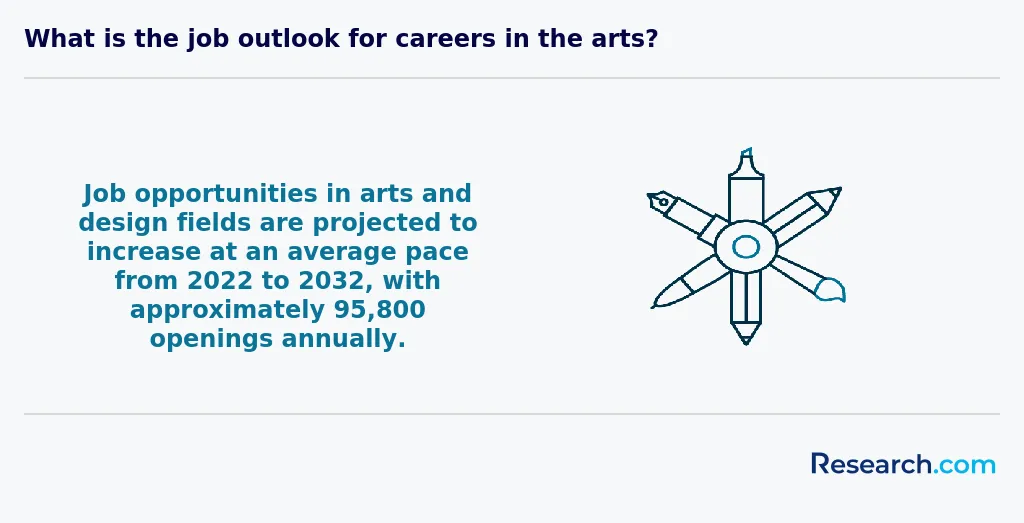
When evaluating Fine Arts degree programs in Raleigh, NC, accreditation is a key marker of academic quality and legitimacy. Accredited institutions have undergone rigorous review by recognized bodies such as the National Association of Schools of Art and Design (NASAD) and the Southern Association of Colleges and Schools Commission on Colleges (SACSCOC). This ensures that your curriculum meets industry standards, qualifies you for federal financial aid, and facilitates credit transfers should you pursue graduate study. Prospective students should verify each school’s accreditation status on official directories and confirm that specialized art programs carry NASAD endorsement, which validates fine arts, design, and art history curricula. Accreditation also signals that faculty credentials, studio facilities, and exhibition opportunities adhere to best practices in arts education. For example, accredited programs typically feature up-to-date digital labs, professional-grade studios, and partnerships with local galleries and theatres. Beyond regional and programmatic accreditation, look for institutions that engage in continuous improvement through annual assessments and student learning outcomes. Schools that publish transparent retention and graduation rates demonstrate an ongoing commitment to student success. Finally, if affordability is a priority, compare accredited online offerings via our Inexpensive Online Fine Arts Degree Programs Ranking in the Northeast. This resource highlights programs that balance cost-effectiveness with the robust accreditation you need to launch a credible and respected career in the fine arts.
Fine arts students in Raleigh often find that relying solely on tuition payments overlooks the array of financial aid designed specifically for their needs. Graduates from schools like North Carolina State University recall how completing the FAFSA unlocked access to federal Pell Grants, which can provide up to $7,500 annually-resources that transformed their ability to focus on creativity instead of constant money stress.
The state's targeted solutions, such as the North Carolina Need-Based Scholarship, offer crucial relief for many fine arts undergraduates juggling tight budgets. Those attending North Carolina State's College of Design often share stories of merit- and talent-based scholarships rewarding their unique artistic voices, fueling both academic ambition and emotional confidence.
Work-study programs aren't just financial lifelines but gateways into Raleigh's vibrant arts community, merging income with invaluable experience-something graduates emphasize as career-shaping. Though loans remain an option, many warn against heavy reliance due to accrued interest, highlighting the importance of exploring every available avenue early on.
Raleigh's vibrant campus culture offers more than just academic excellence-it provides a thriving community where aspiring artists can grow both professionally and personally. Students not only immerse themselves in dynamic classroom experiences but also engage in extracurricular activities, on-campus galleries, and community-driven art festivals that enrich their creative journey. Campus clubs and art organizations often host workshops, critique sessions, and collaborative projects that foster meaningful connections and mentorship opportunities. These experiences enable students to build robust portfolios, as seen by those who eventually explore the most popular fine arts programs in the region. Moreover, campuses in Raleigh encourage interdisciplinary collaboration with industries such as technology and business, paving the way for innovative projects and internships. Student support services, career counseling, and networking events enable fine arts majors to gain real-world experience and industry insights, ensuring a smooth transition from academic life to professional success. Embracing a campus lifestyle that balances creative exploration with academic rigor, Raleigh's fine arts programs provide a holistic environment designed to nurture future leaders in the arts.
Enrolling in a fine arts degree program in Raleigh demands more than just academic readiness; it calls for a genuine reflection of one's creative journey. Graduates from local institutions often recall the challenge and excitement of assembling portfolios that reveal not only skill but also the evolution of their artistic voice. This portfolio-comprising drawings, digital art, or sculptures-is a gateway, inviting admissions committees to witness your passion firsthand.
Beyond the portfolio, standardized tests like the SAT or ACT may still play a role, but many Raleigh programs are shifting toward test-optional policies, recognizing that true artistic talent transcends numbers. Letters of recommendation add another layer of trust, painting a picture of your commitment and growth from mentors familiar with your work.
Financial readiness also shapes this journey. For instance, aspiring artists at public universities in Raleigh manage budgets reflecting $9,000 yearly tuition, yet the investment in studio materials often carries an unpredictable weight, mirroring the very spontaneity of creative expression.
Interviews or live auditions test your ability to articulate your vision beyond the canvas, challenging you to engage with faculty who understand that creativity defies rigid metrics. In Raleigh, these encounters become moments of connection rather than mere assessments, inspiring confidence rather than anxiety.
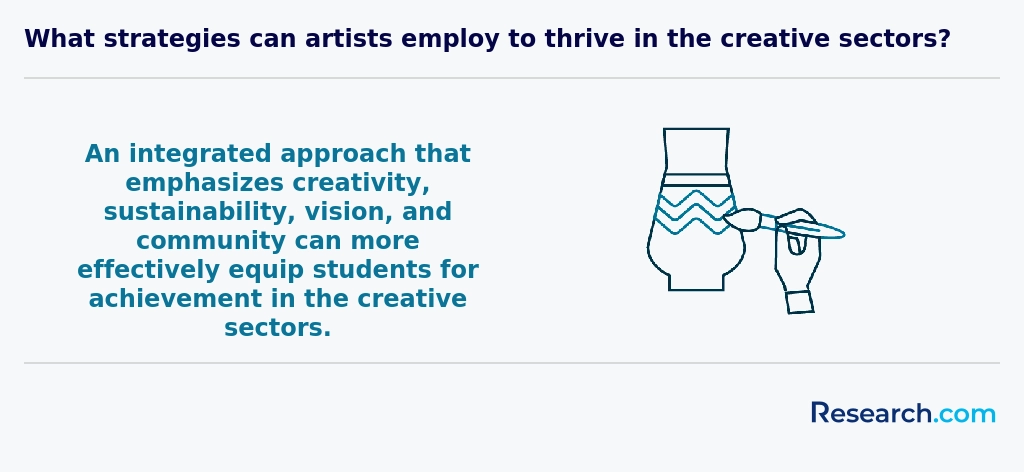
Raleigh’s top Fine Arts programs extend well beyond the classroom, offering vibrant campus environments that nurture creativity and collaboration. Students can immerse themselves in dynamic on-campus galleries, student-run art collectives, and community outreach events that reflect the city’s rich cultural tapestry. These experiences not only foster personal artistic expression but also build lasting relationships with peers, mentors, and industry professionals. Active partnerships between institutions and local art organizations create exclusive opportunities for internships, fieldwork, and live exhibitions, providing real-world exposure and networking that can jumpstart your career. For more insight into which programs excel in these areas, you can explore our most popular fine arts programs ranking. This engaging environment ensures you’re not only learning art techniques but also thriving in a community that champions creativity, collaboration, and innovation.
Fine arts degrees in Raleigh go beyond merely teaching technical skills; they immerse students in a dynamic blend of studio practice and critical inquiry. Graduates from well-regarded Raleigh institutions often recall early mornings spent mastering drawing, painting, and sculpture, learning to express their unique visions while grappling with the physicality of materials. These hands-on courses push students to question the very nature of creativity and form.
Alongside studio work, students engage deeply with art history and criticism, discovering how their own creations connect to rich cultural stories. This dual approach of practice and theory, common at Raleigh colleges, sparks moments of realization-such as recognizing the political weight of an abstract piece or the narrative behind a digital artwork.
Specialized courses like digital media, printmaking, and photography provide a playground for experimentation, encouraging learners to carve out distinct career paths that resonate with contemporary art scenes. Graduates often describe the thrill of building portfolios that merge traditional techniques with cutting-edge concepts, fostering both confidence and professional readiness.
Ultimately, Raleigh's fine arts curriculum challenges students to see art not just as skill, but as a powerful tool for personal and societal dialogue.
Among the fine arts degree specializations in Raleigh, students often find themselves drawn to visual arts, graphic design, and studio art, each offering distinct creative pathways. Visual arts students at local universities immerse themselves in painting, sculpture, and printmaking, frequently gaining firsthand experience through collaborations with Raleigh's thriving gallery scene. Graduates recall how these projects not only sharpened their skills but deepened their appreciation for tangible artistic expression.
Meanwhile, graphic design programs here are tightly connected to Raleigh's expanding tech industry, allowing students to work on real-world branding and multimedia projects that prepare them for a competitive job market. Those focusing on fine arts programs with focus areas Raleigh report feeling empowered by mastering both creative and digital tools, opening doors to dynamic careers.
Studio art provides a playground for experimentation with ceramics, photography, and mixed media. Many graduates reflect on the vibrant community art projects around Raleigh that helped them find their unique voice. Students balancing practical skills with personal growth also explore animation and art education, while some pursue the depth of art history. For those searching affordability with quality, it's worth comparing these paths to cheapest online mfa film programs as well.
Choosing the best fine arts degree programs Raleigh requires moving beyond surface factors like tuition alone to truly understand how a program shapes your artistic voice. Graduates from North Carolina State University often describe how access to digital media labs and vibrant faculty networks transformed their creative potential, providing not only technical skill but also confidence to navigate art communities. Meanwhile, Meredith College alumni highlight the emotional fulfillment drawn from the college's intimate classes and local gallery partnerships, which turn abstract lessons into real-world exhibitions.
Consider the balance between affordable tuition and meaningful financial aid; Raleigh's public schools provide cost-effective options without sacrificing rich opportunities. Reflect on the role internships within Raleigh's arts scene can play in deepening your experience-these connections sometimes prove more valuable than classroom hours. For those weighing accessibility, consulting resources like the Inexpensive Online Fine Arts Degree Programs Ranking in the Northeast offers a practical step in assessing affordability.
When choosing among top affordable fine arts schools Raleigh, ask yourself: where will your passion be nurtured, challenged, and ultimately unleashed? The answer lies in programs blending curriculum breadth, faculty expertise, and community engagement to foster your unique artistic journey.
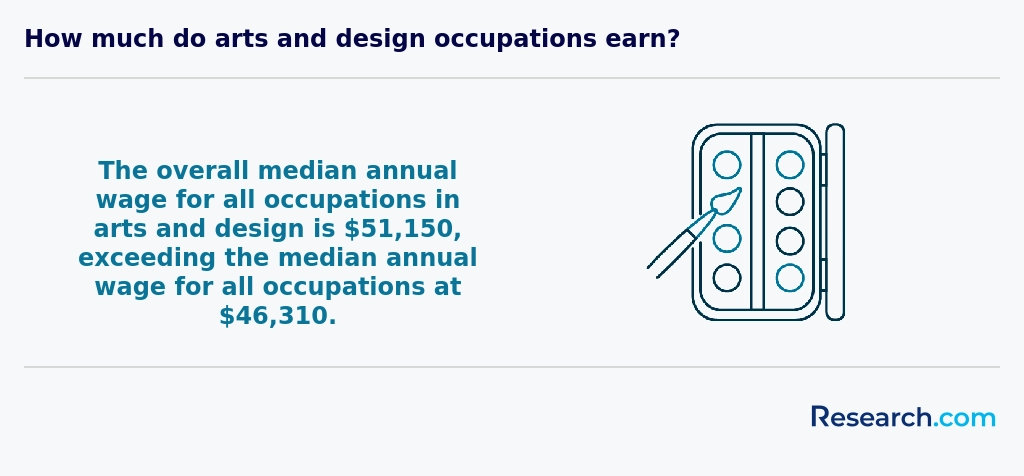
Graduates with a fine arts degree in Raleigh find themselves stepping into a dynamic marketplace where creativity intersects with opportunity. Rather than viewing art as a narrow pursuit, many recent alumni from Raleigh's top colleges describe diverse career paths-from exhibiting as professional artists in local galleries to thriving in graphic design roles fueled by the city's expanding tech sector. This blend of traditional and digital forms challenges the expectation that fine arts limit job prospects, revealing instead a spectrum of possibilities deeply rooted in Raleigh's vibrant community.
Art education roles also offer fulfilling ways to impact lives, with schools and community centers actively seeking passionate instructors. Fine arts career opportunities in Raleigh extend further into arts administration, where graduates orchestrate events and fundraising efforts that sustain vital cultural institutions-work that blends artistic sensibility with strategic skills.
Graduates often share how their time at local universities gave them not just technique but a supportive platform to engage with programs like the fast track undergraduate degree, speeding entry into these rewarding fields. Raleigh's scene proves that earning a fine arts degree here opens many doors beyond the canvas.
The job market for fine arts degree graduates in Raleigh is both challenging and dynamic, shaped by the city's unique blend of cultural vitality and emerging creative industries. Graduates from popular Raleigh institutions often find themselves drawn into roles that combine traditional artistry with innovative design, such as working in galleries, local museums, or the burgeoning creative tech sector. These graduates frequently share stories of how internships and community connections helped them transition from student projects to real-world opportunities, reinforcing that networking is essential in Raleigh's fine arts degree jobs in Raleigh landscape.
Many find that roles in art education or positions at institutions like the North Carolina Museum of Art provide fulfilling and steady career paths, though the competition remains fierce. Despite tuition costs that can range widely, graduates often express optimism, inspired by Raleigh's supportive arts culture and regular cultural events that nurture collaboration. For those exploring further academic paths, there are easy phd programs to get into in the area that can complement artistic ambitions and enhance career prospects.
2027 Most Popular Fine Arts Degree Programs Ranking in Raleigh
Investing in your education is a significant decision that can profoundly impact your future, and the Research.com team is committed to helping you make well-informed choices. To aid prospective students interested in fine arts, we have carefully developed the "2027 Most Popular Fine Arts Degree Programs Ranking in Raleigh." Our dedication to quality, credibility, and accuracy is demonstrated through thorough research and analysis behind this ranking.
We utilized the following reputable data sources to ensure a comprehensive evaluation of fine arts programs:
By exploring this ranking, readers will gain valuable insights into the most popular fine arts degree options in Raleigh, empowering them to select the program that best aligns with their goals. For a deeper understanding of how this ranking was created, please visit our Research.com methodology page.


Frequently Asked Questions About fine arts
Fine arts degree students in Raleigh can maximize their learning experience by engaging actively with both academic and local arts communities. Raleigh boasts several institutions offering fine arts programs, including North Carolina State University and Meredith College, which provide diverse coursework and studio access. Students should take advantage of internships and partnerships with local galleries, theaters, and museums, such as the North Carolina Museum of Art, to gain practical experience.
Networking with practicing artists and participation in city-wide arts events like the annual Raleigh Arts Festival expands exposure and professional opportunities. Utilizing campus resources like workshops and critiques also deepens artistic skills and critical thinking.
The fine arts field in Raleigh is evolving with several emerging niches attracting student interest. Digital arts and animation have grown significantly, supported by Raleigh's expanding tech industry and creative startups. Many local programs now integrate digital media skills to meet this demand.
Another niche gaining traction is sustainable and environmental art, reflecting broader trends in ecological awareness. Fine arts students increasingly explore themes connected to nature and community impact through innovative projects.
Interactive and immersive art forms, including virtual and augmented reality, are also emerging. These mediums combine technology and creativity, offering new career pathways for fine arts graduates in the region.
According to recent reports from the North Carolina Arts Council, Raleigh art organizations report a 15% rise in public interest and funding for digital and mixed-media arts between 2020 and 2023.
Graduates with a fine arts degree in Raleigh should focus on building a versatile portfolio that showcases a range of skills. Local galleries and art organizations often seek artists who display both technical ability and creativity.
Networking is crucial; Raleigh has a growing arts community with events such as the annual Artsplosure festival. Connecting with local artists and attending exhibitions can open career opportunities.
Internships or part-time roles with Raleigh's museums, studios, or design firms can enhance practical experience. According to the U.S. Bureau of Labor Statistics, employment for artists is projected to grow 4% through 2031, highlighting steady demand.
Additionally, online platforms and social media can help promote work beyond Raleigh, broadening potential client bases.
Employers in Raleigh seeking fine arts graduates prioritize a blend of creative and practical skills. Strong artistic ability combined with proficiency in digital tools like Adobe Creative Suite is often essential. According to the National Endowment for the Arts, graduates who can integrate traditional techniques with modern technology are more competitive in the job market. Communication skills also rank highly, as fine arts professionals frequently collaborate with clients and teams to bring projects to life.
Raleigh's growing arts sector values adaptability and project management experience, highlighting the importance of time management and teamwork. Local surveys by the Raleigh Arts Commission reveal that over 60% of employers prefer candidates with experience in community engagement and public art initiatives.
Finding internships in Raleigh related to a fine arts degree involves exploring local cultural institutions, galleries, and creative businesses. Raleigh's vibrant arts scene, including the North Carolina Museum of Art and local studios, offers internship openings that provide valuable hands-on experience. Many universities, such as North Carolina State University, support students by posting opportunities on their career services pages or hosting internship fairs.
Networking is key; attending events like Artspace exhibitions or joining artist collectives in Raleigh can connect students with mentors and internship leads. According to the National Association of Colleges and Employers, 60% of internships are found through personal connections.
Additionally, using platforms like Handshake, which is popular among Raleigh colleges, can reveal fine arts internships offered by design firms, media companies, and nonprofit organizations.
In Raleigh, a fine arts degree can significantly impact career mobility by opening doors in creative industries such as design, multimedia, education, and performing arts. According to the North Carolina Department of Commerce, the Triangle region, including Raleigh, has seen steady growth in arts-related jobs, with a 4.5% increase between 2019 and 2022.
The degree equips graduates with both practical skills and critical thinking, which are highly valued by employers in Raleigh's expanding cultural sector. Employers often seek candidates with formal arts education for roles in galleries, theaters, and digital media firms.
Additionally, networking opportunities through Raleigh's numerous art organizations and community projects create pathways for advancement that might otherwise be inaccessible.
Studying for a fine arts degree in Raleigh equips students with versatile skills applicable across multiple disciplines. Programs often emphasize collaboration between visual arts, technology, and design, reflecting Raleigh's growing creative economy. According to the National Center for Education Statistics, fine arts graduates in the region increasingly participate in interdisciplinary projects combining digital media, performance, and traditional art forms.
Raleigh's higher education institutions foster connections with local industries such as advertising, film, and software development, providing practical experience. This approach helps students develop adaptability and problem-solving skills valuable in diverse career paths. Hands-on projects allow students to merge artistic creativity with technical knowledge, prepping them for dynamic roles beyond conventional art settings.
Choosing between a thesis and a non-thesis fine arts degree program in Raleigh depends largely on your career goals and learning preferences. A thesis program emphasizes original research and the creation of a significant art project, ideal for students aiming to pursue doctoral studies or a career in academia. Meanwhile, non-thesis programs focus more on practical experience, studio work, and coursework, which suits those planning to enter the professional art world directly.
Raleigh hosts multiple universities offering fine arts degrees, including North Carolina State University, where about 35% of fine arts master's students opt for thesis tracks, according to the National Center for Education Statistics. Understanding the curriculum differences helps in making an informed choice.
Students based in Raleigh interested in studying fine arts abroad have several pathways through their home institutions. Many Raleigh colleges, such as North Carolina State University and Meredith College, offer study abroad programs in partnership with international art schools and universities. These programs often include semester exchanges in Europe or Asia, providing exposure to diverse artistic traditions.
Additionally, students can pursue third-party study abroad providers specialized in fine arts experiences, which often feature workshops and internships in cities like Florence, Paris, or Berlin. According to the Institute of International Education, about 10% of US study abroad students participate in art-related fields yearly, reflecting moderate interest among fine arts majors.
Financial aid and scholarships are often available specifically for art students wishing to study abroad, helping mitigate costs. Students should consult their academic advisors early to explore these options and ensure credits transfer smoothly into their fine arts degree programs.
In Raleigh, part-time job opportunities that complement a fine arts degree often involve roles that enhance both artistic skills and professional experience. Local galleries, museums, and art studios frequently hire part-time gallery assistants or art handlers, offering practical exposure to artwork curation and exhibit management.
Positions such as freelance graphic design or illustrator roles are also prevalent, bolstered by Raleigh's expanding creative economy, which, according to the North Carolina Department of Commerce, has grown steadily in recent years. These opportunities allow fine arts students to apply digital and traditional techniques.
Additionally, teaching assistant jobs at community centers or art schools provide hands-on experience in education and art presentation, crucial for students intending to pursue arts education careers.
Fine arts students in Raleigh benefit from a variety of networking opportunities that support artistic growth and career development. Local institutions like North Carolina State University and Meredith College host annual exhibitions and workshops, providing venues to connect with peers and professionals. The city's vibrant arts scene includes organizations such as CAM Raleigh and the Contemporary Art Museum, which offer events and artist talks fostering community engagement. Raleigh Art Bank's public art projects also create chances for collaboration and exposure. According to the City of Raleigh Arts Plan, over 50% of local artists report increased job opportunities through these networks.
Alumni networks play a significant role in supporting fine arts degree students in Raleigh. These networks provide graduates with access to professional opportunities such as exhibitions, internships, and collaborations, which are vital in the competitive arts industry. According to a 2023 report from the National Art Education Association, institutions in Raleigh with active alumni groups report a 15% higher job placement rate within fine arts fields compared to those without such networks.
Furthermore, alumni often mentor current students, offering guidance on career paths and portfolio development. This mentorship can be especially valuable in Raleigh's growing arts scene, which includes institutions like the CAM Raleigh and the North Carolina Museum of Art.
Networking events and workshops organized by alumni associations also help students build relationships with local artists and galleries. These connections can lead to sponsorship and exhibition opportunities, which enhance a student's visibility and professional growth.
Students pursuing fine arts degrees in Raleigh have various options to tailor their education according to career ambitions. Most local institutions offer customizable curricula, allowing students to select concentrations in areas such as painting, sculpture, graphic design, or digital media. Raleigh's proximity to a vibrant arts community enables access to internships, galleries, and creative firms, which can complement academic learning with practical experience.
Elective courses and studio work often form a significant part of degree customization. Additionally, some programs encourage interdisciplinary studies, integrating business or technology courses to prepare students for diverse art careers.
According to the National Center for Education Statistics, 67% of fine arts students nationally use electives to specialize, a trend reflected in Raleigh schools. Leveraging faculty expertise and networking opportunities in the city supports personalized skill development aligned with specific industry goals.
Fine arts students in Raleigh often face financial challenges, as the cost of materials and supplies can be high and are usually not fully covered by financial aid. According to the National Endowment for the Arts, many students must balance part-time jobs with their studies, which can affect their creative time and academic performance. Additionally, competition for internships and gallery spots in Raleigh's vibrant but limited arts scene can be intense. Students must also navigate evolving digital tools and contemporary art practices, requiring ongoing learning beyond the classroom to stay relevant in a changing industry.
A fine arts degree offers pathways to several professional certifications that can enhance career opportunities in Raleigh and beyond. Graduates can pursue credentials such as the Certified Graphic Designer (CGD) through the Graphic Artists Guild, which validates expertise in visual communication. For those interested in teaching, earning a K-12 Art Teaching License is essential in North Carolina, requiring completion of an accredited education program and passing state exams. Additionally, certification as an Art Therapist (ATR) is available for graduates continuing with graduate studies and clinical hours, aligning art expertise with mental health services. These certifications support versatile careers across education, design, and therapy.
When applying for a fine arts program in Raleigh, a strong portfolio is essential. Most programs, such as those at North Carolina State University and Meredith College, require 10 to 20 pieces showcasing versatility and technical skill. Applicants should include a variety of media to reflect their range.
Writing a clear, concise personal statement helps admissions committees understand your artistic goals and dedication. Highlight any local exhibitions or community projects, as Raleigh's vibrant arts scene values community engagement.
Additionally, good academic standing with at least a 3.0 GPA strengthens your application. According to the National Center for Education Statistics, students admitted to North Carolina fine arts programs typically have solid academic records.
Global perspectives on a fine arts career highlight both challenges and opportunities for students in the US, including those in Raleigh. Fine arts graduates often face a competitive job market but benefit from growing demand in creative sectors such as digital media, design, and public art. According to the U.S. Bureau of Labor Statistics, employment of artists and related workers is projected to grow 4% from 2022 to 2032, aligning with increases in multimedia and entertainment industries.
Raleigh's expanding cultural scene and institutions like the North Carolina Museum of Art provide local artists notable exposure, enhancing career prospects. Additionally, US fine arts degrees are recognized worldwide, enabling graduates to work internationally or collaborate across borders.
Gaining practical experience while studying for a fine arts degree in Raleigh is essential for building a strong portfolio and enhancing career prospects. Many local institutions encourage students to participate in internships with galleries, museums, and creative agencies in the area. For example, the CAM Raleigh and Contemporary Art Museum offer opportunities for student involvement and exhibition experience.
Students can also join community art projects and collaborate with local artists through organizations like the Raleigh Arts Commission. Additionally, schools often have campus galleries where students showcase their work, providing real-world experience in curation and presentation.
Choosing the right concentration within a fine arts degree program in Raleigh involves understanding your personal interests and career goals. Fine arts concentrations commonly include painting, sculpture, digital media, and printmaking. Raleigh's institutions, like North Carolina State University, offer diverse options that reflect both traditional and contemporary practices.
Research local job markets and internships related to arts fields in Raleigh's growing creative industries. According to the North Carolina Department of Commerce, arts-related jobs in the Raleigh area have increased by 12% over five years, indicating opportunities for specific skills.
Visit campus studios, talk with faculty, and review course offerings to gauge fit. Also, consider how each concentration aligns with graduate programs or professional art paths you may pursue.
- 2027 Most Popular Fine Arts Degree Programs Ranking in Greensboro
- 2027 Most Popular Fine Arts Degree Programs Ranking in Lynchburg
- 2027 Most Popular Fine Arts Degree Programs Ranking in Washington
- 2027 Most Popular Fine Arts Degree Programs Ranking in Baltimore
- 2027 Most Popular Fine Arts Degree Programs Ranking in Pittsburgh
- 2027 Most Popular Fine Arts Degree Programs Ranking in Atlanta
- 2027 Most Popular Fine Arts Degree Programs Ranking in Columbus
- 2027 Most Popular Fine Arts Degree Programs Ranking in Cincinnati
- 2027 Most Popular Fine Arts Degree Programs Ranking in Jacksonville
- 2027 Most Popular Fine Arts Degree Programs Ranking in Brooklyn
- Internships https://www.mfa.org/working-at-the-mfa/internships
- What Alumni Say https://www.cityandguildsartschool.ac.uk/ma-fine-art/student-and-alumni-case-studies/
- Standards & Guidelines » CAA Guidelines https://www.collegeart.org/standards-and-guidelines/guidelines/mfa
- Art Internships: Your Complete Guide | Sotheby's Institute of Art https://sothebysinstitute.com/articles/art-internships-your-complete-guide/
- Summer Internships | National Gallery of Art https://www.nga.gov/employment-opportunities/summer-internships
- Bachelor of Fine Arts in Art & Design (BFA) https://www.ualberta.ca/en/art-design/undergraduate-programs/bfa-art-and-design.html
- How to Use Art Challenges to Push Your Creative Boundaries - OCAD https://artcoursework.com/how-to-use-art-challenges-to-push-your-creative-boundaries/
- Fine Arts https://en.uap.edu.pl/admission/programmes/fine-arts/
- How to Network as an Artist - AGI Fine Art Blog https://agifineart.com/advice/the-art-of-reputation-how-to-network-if-youre-an-emerging-artist/
- Complete guide to studying Fine Arts - TAI Arts https://taiarts.com/en/blog/guide-to-studying-fine-arts/


