2027 Most Valuable Fine Arts Degree Programs Ranking in Hawaii

Co-Founder and Chief Data Scientist
Choosing the right fine arts degree program is an exciting step for students in Hawaii. This article introduces the 2027 Most Valuable Fine Arts Degree Programs Ranking in Hawaii, created by the Research.com team of data scientists to help you make an informed decision.
Discover which programs offer the best opportunities for growth and creativity. Pursuing a fine arts degree can open doors to rewarding careers and personal fulfillment.
Explore how this ranking can guide you toward a valuable education that fits your goals and passions.
Key benefits of getting fine arts degree in Hawaii
- Fine arts graduates in Hawaii can earn competitive salaries with roles such as Animator earning around $109,630 annually, Illustrators making about $71,420, and Graphic Artists averaging $64,700.
- Graduates from the University of Hawaii have pursued diverse careers from animation to art therapy, showcasing a broad range of creative opportunities fueled by their fine arts degree.
- Completing a fine arts degree online through a Hawaii-based program offers flexibility, allowing students to balance work and study while gaining skills that match traditional degrees without sacrificing quality.
- 2027 Most Valuable Fine Arts Degree Programs Ranking in Hawaii
- What can I expect from fine arts degree in Hawaii?
- Where can I work with fine arts degree in Hawaii?
What can I expect from fine arts degree in Hawaii?
The average cost of pursuing a fine arts degree in Hawaii usually revolves around $12,000 per year for in-state students, especially at public universities like the University of Hawaii at Manoa. Graduates often recall balancing the cost with the rich cultural experiences and personalized mentorship they received in smaller classes. Imagine working on a sculpture inspired by traditional Hawaiian motifs while discussing techniques with a close-knit faculty, all without worrying about exorbitant tuition fees.
Financially, while specific scholarships for fine arts may be limited across the islands, many students creatively apply for general academic or arts-related funding to ease expenses. This blend of affordable tuition and cultural immersion creates a unique learning environment where students feel supported both artistically and financially.
Whether painting vibrant scenes of island life or engaging in community art projects, fine arts students in Hawaii often describe their education as an inspiring journey-one where cost doesn't overshadow opportunity but instead complements it beautifully.
Where can I work with fine arts degree in Hawaii?
With a fine arts degree in Hawaii, your career journey could lead you into a vibrant world where creativity meets community. Graduates from University of Hawaii's fine arts programs often find themselves thriving as practicing artists, showcasing paintings or sculptures in bustling local galleries or art fairs that celebrate Hawaii's rich cultural heritage. Imagine selling your work surrounded by the tropical spirit and native Hawaiian influences that make your art truly unique.
Others discover joy in education, inspiring kids in public schools or teaching at colleges, blending creative skills with cultural storytelling. Fine arts grads also dive into museum life, curating exhibits at places like the Honolulu Museum of Art, connecting audiences to history and innovation.
You might embrace the excitement of Hawaii's entertainment industry, crafting stunning set designs for festivals or movie productions, turning imaginative ideas into reality. Or tap into the digital realm, blending artistic flair with technology in graphic design and media, joining a growing creative workforce eager for fresh perspectives.
Graduates from fine arts programs at institutions like the University of Hawaii often find themselves stepping into careers with exciting earning potential right in the islands. For example, a graphic artist in Hawaii might earn a mean annual salary of about $64,700, a solid figure that reflects the growing creative economy in the region.
Those who pursue illustration can aim for even higher incomes, with a mean annual wage around $71,420 nationwide. Imagine being able to combine your aloha spirit with artistic skills to captivate audiences through vivid imagery and storytelling.
Animators, who blend creativity with technology, can expect to reach impressive earnings nearing $109,630 annually. Fine arts graduates engage in vibrant fields that often feel more like adventures than jobs, weaving culture and creativity into their work every day.
Art therapists also offer rewarding paths, averaging around $75,660 per year. Graduates working in Hawaii often share how their art connects deeply with the local community, making each paycheck feel like a step toward meaningful impact.
- The average annual tuition for fine arts degrees in Hawaii ranges from about $11,000 for in-state students at public universities to over $30,000 for out-of-state students, with private schools often charging more than $40,000 per year.
- Additional expenses include materials, studio fees, and living costs, which can be significant due to the state's geographic location.
- Entry-level fine arts graduates in Hawaii typically earn between $30,000 and $35,000 annually, with potential increases to $45,000 to $55,000 as experience grows.
- Job opportunities are often found in galleries, museums, cultural institutions, and the tourism sector, though the market is competitive.
- Many fine arts graduates in Hawaii supplement their income through teaching, commissions, or part-time work.
Finishing a fine arts degree in Hawaii usually takes about four exhilarating years of full-time study, much like the vibrant journey many graduates experience at the University of Hawaii at Manoa. Imagine immersing yourself in a curriculum packed with studio work, art history, and theory-all designed to sharpen your creative edge while surrounded by the breathtaking islands. For many students, this four-year timeline feels just right to balance intense creativity with academic rigor.
Some graduates recall how part-time study stretched their adventure longer, giving them more time to explore their artistic voice at a gentler pace. Meanwhile, those daring to pursue a Master of Fine Arts dive into two to three more years honing advanced techniques and building powerful portfolios, though these opportunities are rarer in Hawaii than on the mainland.
Overall, Hawaii's fine arts journey invites you to blend serious study and island inspiration, crafting a meaningful and memorable artistic path that fits national undergraduate timelines but with a unique local flavor.
Accreditation is a critical factor when choosing a Fine Arts degree in Hawaii, as it ensures that the program meets rigorous national standards and qualifies you for federal financial aid. Most reputable institutions in Hawaii hold regional accreditation from the WASC Senior College and University Commission (WSCUC), as well as programmatic accreditation from the National Association of Schools of Art and Design (NASAD). These endorsements validate curriculum quality, faculty expertise, and resource availability-key indicators that your degree will be respected by employers and graduate schools alike. When evaluating a program’s accreditation status, look for: • Regional Accreditation: Confirms institutional excellence across all academic offerings. • NASAD Accreditation: Guarantees specialized instruction in studio practice, art history, and emerging media. • State Approvals: Verifies compliance with Hawaii’s Department of Education requirements, ensuring licensure eligibility for art teachers. Accredited programs often boast state-of-the-art facilities-such as digital studios, ceramics labs, and dedicated exhibition spaces-which are maintained through ongoing reviews. Moreover, only accredited degrees appear on official transcripts and are transferable if you pursue study elsewhere. While exploring art and design education paths, you may also wish to compare how Fine Arts degrees stack up against other creative disciplines. For instance, check out our roundup of top ranked interior design programs to see parallel quality benchmarks in a related field. By prioritizing accreditation, you ensure that your Fine Arts education in Hawaii delivers both academic rigor and professional credibility.
Choosing between online and on-campus fine arts degrees in Hawaii feels like setting off on two distinct creative journeys. Picture a graduate from the University of Hawaii at Manoa, spending afternoons in bustling studios, shaping clay or painting with mentors nearby-a tactile immersion that fuels hands-on skills and sparks spontaneous artistic collaborations. The physical presence in workshops and campus exhibits creates a vibrant community where ideas flow as freely as the ocean breeze.
Now imagine a different path: an online student exploring digital art theories while living on a remote island, balancing work and study with flexible schedules. Though that learner misses the immediacy of studio camaraderie, virtual critiques and remote projects open doors to modern forms of expression and self-driven discovery. Both routes tap into Hawaii's rich cultural tapestry, yet the on-campus experience often offers deeper connections in the island's close-knit art scene, while online programs invite adventurous self-starters to weave their own creative networks.
Living and learning in Hawaii isn't just about academic pursuits-it’s also an immersive cultural and social experience that significantly enriches your Fine Arts education. Students in Hawaii enjoy a dynamic campus life where community engagement, artistic expression, and environmental inspiration converge. The campuses boast state-of-the-art studios, galleries, and collaborative workspaces that encourage creative experimentation beyond the classroom. Participating in local festivals, art fairs, and cultural events allows students to connect with renowned local artists and industry professionals, building invaluable networks early in their careers. Moreover, many institutions offer opportunities for internships and community projects that blend academic learning with real-world artistic experiences. For those looking to balance quality education with affordability, you might explore affordable fine arts programs in hawaii, which highlight options that maintain cultural richness while being budget-conscious. Overall, the vibrant campus culture in Hawaii nurtures both personal growth and professional development, ensuring that students emerge as well-rounded and innovative artists ready to make their mark in the art world.
The average cost of a fine arts degree in Hawaii gives many students a thoughtful opportunity to explore the vibrant creative culture of the islands without feeling overwhelmed by expenses. For in-state students attending universities like the University of Hawaii at Manoa, the median total cost tends to be around $12,186, making it a manageable adventure for those committed to their creative journey. However, out-of-state students face a median total cost near $53,169, reflecting the rich resources and immersive experiences offered at popular institutions.
Many graduates recall the joy of navigating their studies while balancing costs by choosing community colleges within the University of Hawaii system first. These colleges offer an affordable starting line with tuition around $4,000 to $5,000 annually, allowing students to build solid foundations before transferring to a four-year program, naturally easing the total expenses for fine arts degree Hawaii.
Beyond tuition, creative souls often speak warmly of the unique expenses like art supplies and studio fees, which can feel like part of the artistic process itself. Financial aid and scholarships often become cherished companions on this journey, providing relief and encouragement. For those seeking guidance on managing these costs, exploring affordable fine arts programs in hawaii is a wise and exciting step toward turning passion into a career filled with color and expression.

Fine Arts students in Hawaii not only receive a top-notch education but also benefit from a vibrant campus life rich in cultural diversity and creative inspiration. Beyond the classroom, students can immerse themselves in a range of extracurricular opportunities that foster artistic growth and professional networking. For instance, many institutions host regular art exhibitions, workshops, and community events where emerging artists can showcase their work, learn from established professionals, and build lasting industry connections. Student clubs and organizations frequently organize collaborative projects, guest lectures, and field trips that highlight Hawaii’s unique natural beauty and cultural heritage, further enriching the educational experience. In addition, campuses provide extensive support services-from academic advising and mentorship programs to career counseling and internship placement assistance-ensuring that you have the resources necessary to succeed both academically and professionally. If you're looking for guidance on programs that balance high-quality education with a lively, supportive campus environment, check out the link to affordable fine arts programs in hawaii for more insights on how to take the next step in your artistic journey.
Imagine stepping onto the vibrant campus of the University of Hawaii at Manoa, portfolio in hand, ready to uncover financial aid gems that make your fine arts dream feel within reach. Many graduates recall how federal Pell Grants, offering up to $7,395, lifted a huge weight off their shoulders by covering essential costs without repayment. The adventure continues with Direct Subsidized and Unsubsidized Loans, providing flexible borrowing that helped a fellow student stay focused on creativity instead of cash flow.
State scholarships and grants are like hidden treasures-students at Hawaii's institutions often tap into Hawaii Community Foundation awards or the Campus Based Aid Program, which granted another, more driven graduate, crucial funds through the SEOG for special projects.
Beyond these, institutional scholarships sparkle, rewarding artistic talent or academic merit. Many fine arts students at Hawaii's colleges have shared stories of their portfolios opening doors to tuition relief and unforgettable opportunities.
Plus, outside arts foundations add color to the journey, offering fellowships that helped one alumnus buy rare supplies and fund creative travel adventures in the islands.
Studying Fine Arts in Hawaii isn’t just about coursework-it’s about immersing yourself in an inspiring campus environment that nurtures creativity and collaboration. Many institutions offer state-of-the-art studios, gallery spaces, and specialized equipment that provide hands-on experience, while the vibrant campus life helps cultivate both personal growth and professional networking. Students enjoy culturally enriched events, workshops, and art exhibitions held regularly on campus, creating a community where ideas flow freely and artists thrive. Additionally, engaging in student organizations and campus initiatives can further enhance your creative journey and bolster your portfolio, offering real-world exposure that employers value. For those seeking opportunities without breaking the bank, check out our detailed guide on affordable fine arts programs in hawaii that blend top-notch facilities with genuine artistic passion. This supportive environment, combined with Hawaii’s natural beauty and cultural diversity, not only makes everyday campus life exciting but also helps prepare you for a successful and dynamic career in the arts.
To embark on a fine arts journey in Hawaii, a high school diploma or GED is your first stepping stone. Imagine walking through the vibrant halls of the University of Hawaii's fine arts department, portfolio in hand, ready to share your unique vision. Many graduates recall how submitting a diverse portfolio-filled with drawings, paintings, and digital creations-became their golden ticket, showcasing not just skill but their artistic soul.
Some programs encourage or require foundational courses in art and design taken during high school, helping students build confidence before entering island studios. While standardized tests like the SAT or ACT may not weigh heavily here, schools like Hawaii Pacific University emphasize your portfolio and personal statement, which reveal your passion and drive more vividly than numbers ever could.
Beyond paperwork, letters of recommendation or interviews give you space to express your artistic dreams and commitment. Graduates often describe these moments as affirming, a chance to connect with faculty who believe in nurturing creative spirits in the beautiful Hawaiian setting.
Investing in a Fine Arts education in Hawaii means balancing tuition, living costs, and potential earnings. Here’s a concise ROI breakdown:
- In-state tuition and fees average $22,609/year, totaling ~$90,436 over four years
- Out-of-state tuition and fees average $39,895/year, totaling ~$159,580 over four years
- Entry-level salaries range from $64,500 (graphic artist) to $111,130 (animator)
- Estimated payback period: 3–4 years for in-state graduates, 4–6 years for out-of-state graduates
- Applying for grants and scholarships can reduce total costs by up to 50% By calculating your personal break-even point and leveraging financial aid, you can improve your Fine Arts ROI. If you’re exploring cost-effective online alternatives, check out our Low Cost Online Fine Arts Degree Programs Ranking in Georgia for additional high-value program options.
Envision yourself at the University of Hawaii at Manoa, diving into courses like Introduction to Drawing and Painting and 3D Design and Sculpture, where your hands bring vibrant ideas to life on canvas or clay. Graduates often describe the thrill of mastering traditional techniques while feeling encouraged to express their unique voice.
Art history classes span from ancient masterpieces to contemporary innovations, helping you connect your work to diverse global and local stories. Imagine exploring Pacific and Indigenous Art Studies, a course that invites you to immerse in Hawaii's rich cultural tapestry-something distinctive about studying arts here.
Digital Media and Photography courses open doors to modern creative tools, equipping you to craft compelling visual narratives. Alumni frequently recall how portfolio development classes sharpened their confidence, prepping them for a vibrant art career anchored right in the Hawaiian islands.
Exploring fine arts degree specializations in Hawaii invites students into a vibrant world where traditional techniques meet island inspiration. Popular colleges in the state offer unique focuses like Painting and Drawing, where graduates describe their joy in using watercolor and oil paints to capture Hawaii's breathtaking landscapes. Sculpture students often embrace the adventurous process of molding clay or wood, inspired by the natural materials found only here. Photography programs bring lessons in both analog and digital methods, allowing students to master light and composition against stunning Pacific backdrops. Others delve into Graphic Design and Digital Media, energized by the opportunities to create animations or branding that echo Hawaii's spirit. This variety sparks enthusiasm among young artists eager to find their voice in a community that celebrates creativity.
Hawaii fine arts program focus areas also include ceramics reflecting indigenous aesthetics and printmaking techniques such as etching, often celebrated by those who appreciate tradition alongside innovation. Some theater arts majors at Hawaiian universities engage with rich cultural narratives through acting and stage design, making performances feel deeply personal and immersive. For those seeking practical options, exploring the top ranked interior design programs complements creative ambitions with real-world skills.
Diving into the search for the best fine arts degree programs Hawaii offers means tuning into the vibrant local scene while balancing your artistic passions with practical needs. Imagine walking through the studios at UH Mānoa, where graduates speak of their excitement creating pieces inspired by Hawai'i's rich culture and landscapes. Choosing a program here means embracing a curriculum that mixes traditional techniques with modern digital media, ideal for those eager to explore diverse art forms.
Affordability is also key. Many dreamers find the costs manageable by comparing public versus private colleges, keeping in mind that supplies and living expenses in Hawaii add their own layer of challenge. For a budget-friendly start, check out options like the Low Cost Online Fine Arts Degree Programs Ranking in Georgia, which can offer inspiration for navigating financial decisions.
Look for programs immersed in local arts communities where hands-on opportunities blossom-think gallery exhibitions, internships, and collaborations in Honolulu's bustling art hubs. Graduates often share how these experiences sharpened their skills and opened doors to creative careers. When seeking affordable fine arts colleges in Hawaii, prioritize schools accredited with strong career support and impressive graduation rates for a smooth journey from classroom to canvas.

Pursuing a fine arts degree in Hawaii unlocks a world of creative career paths shaped by the islands' unique cultural richness. Graduates from popular institutions often find themselves thriving as visual artists, weaving their passion into paintings or sculptures showcased in bustling local galleries and vibrant tourism markets. Others embrace roles as art educators, inspiring young learners at K-12 schools or colleges, fostering a deep connection to Hawaiian art traditions.
Many also explore dynamic fields like graphic design and multimedia arts, where digital creativity meets Hawaii's growing business scene. The exciting blend of traditional and modern arts shines especially bright in museum and gallery jobs, where curators and conservators bring native Hawaiian culture to life. For students curious about combining arts with community engagement, arts administration offers a meaningful avenue supporting festivals and cultural projects.
Those investigating fine arts career opportunities in Hawaii can find inspiration from graduates who blend ancient motifs into contemporary works, tapping into thriving cultural tourism industries. Considering tuition and career investment, it's also wise to explore related fields like healthcare certifications that pay well as alternative or complementary paths.
The fine arts degree job opportunities Hawaii offers are a colorful mix influenced by the islands' vibrant culture and tourism-driven economy. Graduates from popular institutions like the University of Hawaii at Manoa often dive into careers ranging from gallery curators to graphic designers working with local businesses. Many find joy in teaching art at community centers or schools, where they inspire young creators with Hawaiian traditions and contemporary techniques. The demand is steady, especially in education and cultural sectors, even if the market feels smaller than on the mainland.
Employment outlook for Hawaii fine arts graduates reflects modest but consistent growth, supported by creative roles in museums and cultural events that celebrate native arts. Entry-level salaries typically start between $30,000 and $40,000, encouraging students to balance their passion with practical planning. Graduates frequently share how their experiences at art departments enrich their creative flexibility, navigating projects from traditional painting to multimedia artistry.
Financially, Hawaiian public universities offer a reasonable tuition, making it easier for local students to explore artistic careers. Those curious about funding options often explore easy college classes to take online to complement their schedules. These opportunities help fine arts students embrace both their craft and sustainability in Hawai'i's unique job market.
2027 Most Valuable Fine Arts Degree Programs Ranking in Hawaii
Investing in your education is a significant decision that can shape your future, and the Research.com team understands the importance of making informed choices. To assist prospective students in Hawaii, we have meticulously crafted the "2027 Most Valuable Fine Arts Degree Programs Ranking in Hawaii." Our commitment to quality, credibility, and accuracy is reflected in the extensive research and analysis conducted to compile this ranking.
We utilized the following reputable data sources to ensure a comprehensive evaluation of fine arts programs:
By exploring this ranking, readers will gain valuable insights into the best fine arts degree programs offered in Hawaii, empowering them to make well-informed decisions about their educational and career paths. For more information about our rigorous methodology, please visit our Research.com methodology page.


Frequently Asked Questions About fine arts
Fine arts degree students in Hawaii can maximize their learning experience by engaging deeply with the state's unique cultural environment. Hawaii offers access to diverse artistic traditions, blending Native Hawaiian practices with contemporary styles, enriching student perspectives. Universities like the University of Hawaii provide hands-on studio courses and opportunities to participate in community art projects, which enhance practical skills and cultural understanding.
Seeking internships and collaborations with local galleries, museums, and cultural centers is essential. According to the National Endowment for the Arts, Hawaii invests significantly in community arts programs, providing platforms for student artists to showcase their work. Additionally, students should take advantage of workshops, art festivals, and artist residencies available across the islands to build professional networks and practical experience.
Emerging niches within the fine arts field increasingly reflect technology and cultural integration. In Hawaii, artists explore digital media, blending traditional Hawaiian motifs with animation, virtual reality, and interactive art. According to the National Endowment for the Arts, digital arts are growing nationally by over 12% annually, a trend mirrored in Hawaii's art programs.
Another expanding area is environmental and sustainable art. Hawaiian institutions encourage projects that address ecological concerns, using recycled materials and land art to connect community awareness with visual expression. This niche aligns with Hawaii's unique natural environment and cultural emphasis on sustainability.
The fusion of fine arts with entrepreneurship and community engagement is notable in Hawaii. Artists increasingly develop skills in arts administration and cultural programming, reflecting a broader U.S. trend toward interdisciplinary arts careers. These niches prepare students for diverse opportunities in a competitive job market.
Preparing for the job market after earning a fine arts degree in Hawaii requires strategic planning and understanding of both local and national art industries. Graduates should build a strong portfolio showcasing diverse work, as 85% of employers prioritize portfolios during hiring, according to the National Endowment for the Arts.
Networking is crucial; Hawaii's art community is tight-knit, with opportunities often arising from connections made through local galleries, artist residencies, or events sponsored by the Hawaii State Foundation on Culture and the Arts. Internships or freelance projects help develop practical skills and increase job prospects.
Additionally, familiarizing yourself with digital tools and social media promotion can expand your reach beyond Hawaii. The U.S. Bureau of Labor Statistics projects a 4% growth for fine artists nationally through 2030, emphasizing the importance of adaptability in marketing oneself effectively.
Employers in Hawaii's fine arts sector prioritize a blend of creative and practical skills when hiring graduates. Strong artistic talent paired with proficiency in digital media tools is highly valued, reflecting the growing demand for multimedia design across the islands. Communication skills are essential, as artists often collaborate with clients and community organizations.
Adaptability and cultural awareness also rank highly, given Hawaii's diverse population and rich native traditions, which influence artistic expression. According to the National Endowment for the Arts, over 30% of Hawai'i's arts organizations seek professionals skilled in project management and grant writing. These abilities help secure funding and manage creative projects successfully.
Finding internships in Hawaii relevant to a fine arts degree involves tapping into local cultural institutions and educational networks. Students should explore opportunities at organizations like the Honolulu Museum of Art and artist collectives such as the Hawaii State Foundation on Culture and the Arts, which often offer internships tailored to emerging artists.
University career centers, including those at the University of Hawaii system, frequently list internships connected to galleries, theaters, and community arts programs. These internships provide practical experience in curation, art education, and studio management.
Additionally, students can consider island-specific job boards and attend local art fairs to network with professionals. According to 2023 data from the Hawaii State Department of Labor, art-related internships in the state have grown steadily, reflecting increased support for creative careers.
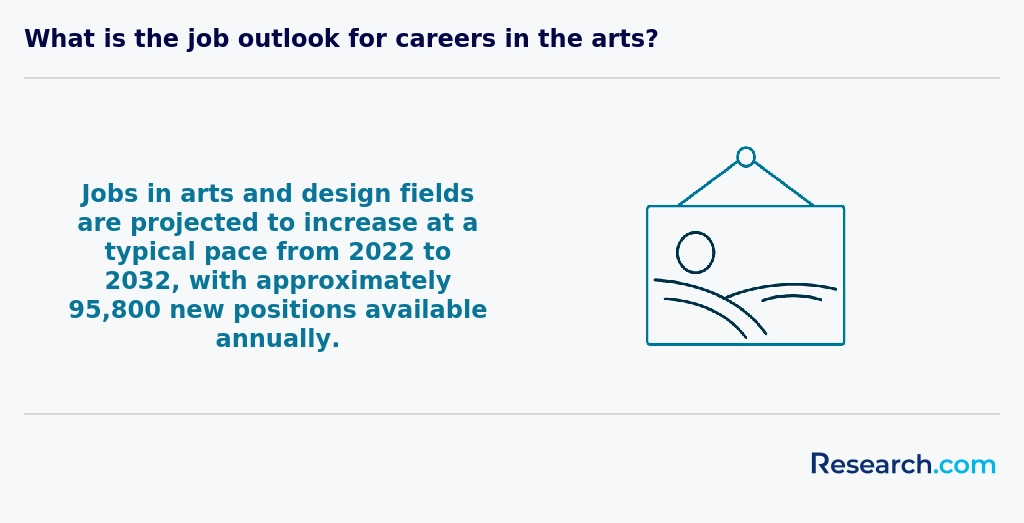
A fine arts degree in Hawaii can significantly enhance career mobility and advancement, especially in creative industries linked to tourism, education, and cultural preservation. According to the U.S. Bureau of Labor Statistics, employment for artists and designers in Hawaii is projected to grow by about 4% from 2022 to 2032, reflecting steady demand. Graduates with formal training often access opportunities in galleries, universities, and cultural institutions, where professional credentials matter.
The University of Hawaii system offers several programs that connect students to internships and networking events, helping graduates enter competitive markets. These connections can lead to promotions or transitions into specialized roles, such as museum curation or digital media arts. Employers value graduates who combine creative skills with practical experience, which a degree typically provides.
Studying for a fine arts degree in Hawaii offers unique interdisciplinary preparation due to the state's rich cultural diversity and strong emphasis on community engagement. Programs often integrate traditional Hawaiian art forms with contemporary practice, encouraging students to explore connections between visual arts, performance, and digital media. According to the National Center for Education Statistics, Hawaii's art programs frequently promote collaboration across departments, such as film, music, and environmental studies.
This interdisciplinary approach equips graduates with versatile skills relevant to careers in museums, education, and creative industries. Additionally, local internships and partnerships with cultural institutions provide hands-on experience that enhances adaptability in various professional settings.
When choosing between a thesis and a non-thesis fine arts degree program in Hawaii, consider your academic and career goals carefully. A thesis program focuses on research and a substantial final project, which suits students aiming for graduate studies or careers in academia. In contrast, a non-thesis program emphasizes coursework and practical skill development, ideal for those targeting immediate employment in creative industries.
Hawaii offers diverse fine arts programs that align with these paths. According to the National Center for Education Statistics, students pursuing a thesis path often spend additional time completing their degree compared to non-thesis peers. Reviewing program requirements from local institutions like the University of Hawaii can clarify these differences.
Assess how much time you can dedicate and whether your interests incline toward theoretical research or hands-on practice before deciding.
Students based in Hawaii seeking fine arts degrees abroad have several pathways within the US higher education system. Many universities offer study abroad programs specifically in fine arts, allowing students to spend a semester or year at partner institutions in Europe, Asia, or Latin America while earning credit toward their degree. The University of Hawai'i system, for example, has established exchange agreements with schools in Japan and South Korea, regions known for rich artistic traditions.
Additionally, students can apply directly to mainland US universities with strong fine arts programs and international components. Institutions like the Rhode Island School of Design often encourage global study experiences. According to the Institute of International Education, over 6% of US study abroad students pursue arts and design-related fields, reflecting growing interest.
Financial aid and scholarships dedicated to study abroad in fine arts are increasingly available, helping Hawaiian students manage costs. Advising offices on campuses in Hawaii also assist in navigating credit transfers and program choices, ensuring students can integrate international learning within their academic goals.
Students pursuing fine arts degrees in Hawaii can benefit from several part-time job opportunities relevant to their studies. Working as gallery assistants in local art museums or community art centers offers practical exposure to art curation and event management. Hawaii's vibrant tourism industry also creates demand for art instructors and workshop facilitators, providing steady earnings and experience teaching diverse audiences. Additionally, freelance roles such as mural painting or graphic design for local businesses help build professional portfolios while allowing flexible schedules.
According to the Hawaii State Department of Labor, creative occupations in the state are expected to grow 4% through 2030, supporting job availability for fine arts students balancing education and work. These roles enhance both practical skills and local professional networks.
Fine arts students in Hawaii benefit from varied networking opportunities due to the state's vibrant cultural scene and close-knit artistic communities. Institutions like the University of Hawaii offer regular events, workshops, and exhibition openings, where students can meet practicing artists and industry professionals. According to the National Endowment for the Arts, Hawaii's funding for arts programs supports numerous community gatherings, fostering connections between emerging and established artists.
Local galleries in Honolulu and Maui frequently host openings and artist talks, serving as informal networking hubs. Additionally, statewide organizations such as the Hawaii State Foundation on Culture and the Arts provide grants and mentorship programs, enhancing professional growth opportunities for fine arts students.
Alumni networks play a significant role in supporting fine arts degree students in Hawaii. These networks provide connections to established artists and industry professionals, helping students gain mentorship and career advice.
In Hawaii, where the arts community is close-knit, alumni often share opportunities for exhibitions, collaborations, and commissions. According to the National Endowment for the Arts, Hawaii ranks within the top states for artist employment, highlighting the importance of local networks.
Additionally, alumni can assist with internships and job placements, improving students' chances of entering competitive fields. They also foster a sense of community, crucial for career development in the arts sector.
Students pursuing a fine arts degree in Hawaii can tailor their program by selecting specialized courses aligned with their career ambitions. Many institutions offer concentrations such as painting, sculpture, graphic design, or digital media, allowing learners to focus on specific artistic skills.
Additionally, internships and community projects are commonly available, providing practical experience and networking opportunities within Hawaii's vibrant art scene. Customizing electives to include art history or business courses can also prepare students for diverse roles in galleries, museums, or creative industries.
Advisors play a crucial role in guiding students to design a curriculum that matches professional goals while meeting accreditation standards set by organizations like NASAD (National Association of Schools of Art and Design).
Fine arts students in Hawaii often face unique challenges compared to those on the U.S. mainland. One significant issue is the higher cost of living, which can strain budgets and increase financial pressure during studies. According to the Hawaii Department of Labor and Industrial Relations, the cost of living in Honolulu is about 66% higher than the national average, impacting student housing and daily expenses.
Access to specialized art supplies and materials can also be limited due to Hawaii's geographic isolation, leading to higher costs and longer waiting times for deliveries. Additionally, opportunities for internships and exposure to a broad professional network in the fine arts are fewer locally, which may affect career development.
Lastly, a smaller arts community and fewer scholarship programs compared to mainland institutions pose barriers, as reported by the National Endowment for the Arts. These factors combine to make pursuing fine arts degrees in Hawaii demanding but manageable with proper planning.
With a fine arts degree in Hawaii, graduates can pursue several professional certifications to enhance their careers. One common path is obtaining teaching certification through the Hawaii Teacher Standards Board, enabling graduates to teach art in K-12 public schools. This requires completing an approved teacher preparation program and passing Praxis exams.
Artists may also seek certification as professional art therapists. This involves earning credentials from the Art Therapy Credentials Board (ATCB), which typically requires a master's degree and supervised clinical hours.
Additionally, some may pursue graphic design certifications or digital media credentials from recognized institutions to expand job opportunities in Hawaii's growing creative industries.
Applying to fine arts programs in Hawaii requires a clear, well-prepared portfolio demonstrating your artistic skills and unique style. Most universities and colleges in Hawaii, such as the University of Hawaii at Manoa, emphasize the portfolio as a critical part of the application process.
In addition to your portfolio, include a personal statement explaining your artistic goals and how studying in Hawaii aligns with your creative vision. Admissions committees often look for applicants who show cultural awareness and an understanding of local artistic traditions.
Submitting letters of recommendation from art instructors or professionals can strengthen your application. According to the National Association of Schools of Art and Design, competitive applicants often combine academic performance with creative accomplishments to maximize their chances.
The global perspective on a fine arts career increasingly values versatility and digital skills. In the United States, including Hawaii, fine arts graduates often combine traditional art techniques with technology, responding to evolving market demands. According to the National Endowment for the Arts, over 2 million people work in arts-related fields, with steady growth expected through 2030.
Hawaii's cultural diversity enriches fine arts education, allowing students unique access to indigenous and Pacific influences, which can enhance global artistic appeal. Graduates may find opportunities in galleries, digital media, education, or cultural institutions worldwide.
Furthermore, arts careers benefit from globalization by enabling artists to reach international audiences via online platforms. However, it remains important to develop strong business and networking skills alongside artistic talent to succeed worldwide.
Students pursuing fine arts degrees in Hawaii can gain practical experience through internships offered by local galleries, theaters, and cultural institutions. The Hawaii State Foundation on Culture and the Arts frequently supports internships and apprenticeships, providing a platform to build professional skills. Many institutions collaborate with the University of Hawaii system, where students can participate in community art projects and exhibitions. Additionally, programs often include studio work and portfolio development, essential for hands-on learning. According to the National Endowment for the Arts, Hawaii ranks above the national average in arts participation, indicating ample opportunities for emerging artists to engage actively while studying.
Choosing the right concentration within a fine arts degree program in Hawaii involves evaluating your personal interests and career goals. Hawaii offers concentrations like painting, sculpture, digital media, and ceramics, each with unique opportunities.
Research local art markets and galleries, such as those in Honolulu and Maui, to understand which skills are in demand. According to the National Endowment for the Arts, Hawaii has a growing arts sector supporting over 10,000 jobs statewide, emphasizing both traditional and contemporary arts.
Consider programs that provide internships or community projects, as hands-on experience is crucial. Speak with academic advisors and current students to gain insight on faculty expertise and available resources.
- 2027 Most Valuable Fine Arts Degree Programs Ranking in Oregon
- 2027 Most Valuable Fine Arts Degree Programs Ranking in Nevada
- 2027 Most Valuable Fine Arts Degree Programs Ranking in Arizona
- 2027 Most Valuable Fine Arts Degree Programs Ranking in Idaho
- 2027 Most Valuable Fine Arts Degree Programs Ranking in Montana
- 2027 Most Valuable Fine Arts Degree Programs Ranking in Colorado
- 2027 Most Valuable Fine Arts Degree Programs Ranking in New Mexico
- 2027 Most Valuable Fine Arts Degree Programs Ranking in Texas
- 2027 Most Valuable Fine Arts Degree Programs Ranking in South Dakota
- 2027 Most Valuable Fine Arts Degree Programs Ranking in Nebraska
- 404 – Seite nicht gefunden https://www.gostudent.org/en-gb/blog/what-jobs-can-you-get-with-a-fine-arts-degree
- Application writing tips for individual artists https://www.affta.ab.ca/funding/help-and-resources/resources-individual-artists/application-writing-tips-individual-artists
- Fine Arts https://en.uap.edu.pl/admission/programmes/fine-arts/
- Bachelor of Fine Arts in Art & Design (BFA) https://www.ualberta.ca/en/art-design/undergraduate-programs/bfa-art-and-design.html
- Arts, History and Humanities in Global Perspective https://u-paris.fr/language/en/arts-history-and-humanities-in-global-perspective-en/
- Challenges in Undergraduate Art Education - Arts Education Partnership https://www.aep-arts.org/challenges-in-undergraduate-art-education/
- Graduation Requirements https://hawaiipublicschools.org/academics/graduation-requirements/
- Alumni network - ESMA https://www.esma-artistique.com/en/outreach/alumni-network/
- Networking for Artists https://artquest.org.uk/how-to-articles/networking-for-artists/
- 14 art niche ideas and how to determine yours https://www.gelato.com/blog/art-niche-ideas