
2027 Most Affordable Online Fine Arts Degree Programs Ranking in Georgia

Co-Founder and Chief Data Scientist
Are you exploring fine arts degree options in Georgia but worried about affordability? This article introduces the 2027 Most Affordable Online Fine Arts Degree Programs Ranking in Georgia, crafted by Research.com's team of data scientists to guide you through the best value programs available.
Finding the right program can feel overwhelming, but with clear, data-driven insights, you can confidently choose the path that suits your budget and goals.
Investing in a fine arts degree opens doors to creativity, career growth, and personal fulfillment-an exciting journey worth considering!
Key benefits of getting online fine arts degree in Georgia
- Graduates with an online fine arts degree in Georgia can explore careers such as Illustrator with a mean annual wage of $71,420 or Animator earning about $109,630, offering strong financial rewards.
- Career paths include graphic arts, animation, and art therapy, reflecting diverse opportunities as seen by many successful graduates from the Savannah College of Art and Design.
- Online fine arts degrees offer flexible scheduling and learning at your own pace, making it easier for students in Georgia to balance studies with work or family commitments, a benefit enjoyed by online art alumni from Kennesaw State University.
- 2027 Most Affordable Online Fine Arts Degree Programs Ranking in Georgia
- What can I expect from online fine arts degree in Georgia?
- Where can I work with online fine arts degree in Georgia?
What can I expect from online fine arts degree in Georgia?
The average cost of an online fine arts degree in Georgia tends to be pretty reasonable, especially when you consider the value you get. Many public universities, like Georgia Southern or Kennesaw State, offer online rates that are often lower than on-campus tuition. Graduates from these schools often mention how the affordability allowed them to focus more on their art without stressing too much about finances.
For example, some students share how paying in-state tuition online saved them thousands compared to going out of state or attending a private school. Plus, there are scholarships specifically aimed at arts students, which can make a big difference. Financial aid offices at schools popular for fine arts degrees are usually super helpful in guiding you through options.
Another cool factor is that with online programs, you save on costs like commuting and materials since some digital resources are included. Ultimately, many find that budgeting for the program is easier than they expected, helping them stay excited and focused on building their portfolio and skills.
Where can I work with online fine arts degree in Georgia?
If you're earning your fine arts degree online in Georgia, you've got a lot of exciting paths ahead. Graduates often land jobs as artists, illustrators, or graphic designers, especially in Atlanta's buzzing creative scene. With agencies, media companies, and entertainment firms nearby, it's a great place to dive into digital and traditional arts. Students from schools like the Savannah College of Art and Design (SCAD) often find cool gigs in local galleries or museums, like the High Museum of Art, working as curators or art educators. It's a perfect mix of creativity and hands-on work.
Teaching is another popular route. Many graduates get certified to teach visual arts in K-12 schools all over Georgia, which is super fulfilling if you love inspiring others. Plus, there's plenty of freelance opportunities-from selling your art online or at local fairs to working in film and theater, thanks to Georgia's booming film industry. It's pretty awesome how many creative doors open when you study fine arts in Georgia!
If you're studying fine arts online in Georgia, chances are you're curious about how much cash you can actually make once you graduate. Well, things look pretty promising depending on the career path you pick. For example, graduates who dive into animation can expect to pull in around $109,630 a year on average - that's based on solid data from the BLS. Pretty sweet, right? Meanwhile, illustrators in Georgia are earning about $71,420 yearly, which is a nice bump if you love bringing characters and stories to life.
Graphic designers, who blend creativity with tech skills learned in many fine arts programs around schools like Savannah College of Art and Design or the University of Georgia, make roughly $64,700 a year. And if teaching art sounds more your style, art teachers bring in around $70,740 annually.
Many grads tell stories of starting freelance or small gigs while finishing up at these schools, and then gradually ramping up their income as they build portfolios and client lists around bustling art scenes in Atlanta or Athens. It's a mix of passion and hustle, but those numbers definitely show it can pay off.
- Online fine arts degrees in Georgia cover subjects like visual arts, graphic design, painting, sculpture, and digital media with flexible schedules.
- Tuition for these programs typically ranges from $7,000 to $15,000 per year for in-state students, with public universities generally offering more affordable options.
- Entry-level salaries in fine arts-related fields in Georgia start around $35,000 to $45,000 annually, increasing to over $60,000 with experience and specialization.
- Jobs such as graphic designer, art director, illustrator, animator, and museum curator are common career paths supported by a stable and growing creative industry.
- Accreditation by recognized agencies is crucial to ensure program quality and eligibility for federal financial aid, and programs with internships enhance practical skills.
If you're thinking about earning an online fine arts degree in Georgia, expect to spend around four years finishing a Bachelor of Fine Arts, just like most on-campus programs. Many students at well-known schools like Savannah College of Art and Design find this timeline manageable, especially when studying full-time. For those juggling work or family, part-time options stretch the process to about five or six years, but flexible schedules and summer classes help keep things moving.
Graduate degrees, like the Master of Fine Arts from Georgia State or other local universities, usually take two to three years to complete online. Many grads say the ability to study asynchronously lets them balance their busy lives with projects and thesis work on their own terms.
Overall, students appreciate how Georgia's online programs offer the same solid education as in-person classes, with a variety of pacing options to fit different lifestyles.
When embarking on your online Fine Arts journey, adopting effective study habits and leveraging available resources can significantly enhance your learning experience and career readiness. Start by organizing a dedicated workspace at home, which includes reliable technology and art supplies-this helps to boost your focus and creativity. Regularly set aside time to work on personal projects that complement your coursework; this not only builds your portfolio but also reinforces the practical skills you'll need after graduation. Be proactive in seeking out virtual networking opportunities by joining online forums and participating in digital exhibitions, where you can interact with peers and mentors. If you're looking to learn more about accredited programs and compare top-ranked institutions, check out best fine arts schools in georgia for comprehensive insights. Additionally, stay organized by creating a balanced schedule that integrates coursework deadlines with self-directed creative sessions, and don’t hesitate to reach out to faculty for personalized feedback. These strategies will not only help you succeed academically but also prepare you to thrive in the competitive world of Fine Arts.
If you're thinking about a fine arts degree in Georgia, choosing between online and on-campus really comes down to how you want to experience your art journey. On-campus students at places like the Savannah College of Art and Design get hands-on time with studios and materials, plus face-to-face feedback from professors, which can feel really inspiring. One graduate described how the buzz of creating alongside classmates in a studio helped spark new ideas and pushed their skills further.
Online programs, which a lot of Georgia students love for the flexibility, let you dive into classes from your own space without the hassle of commuting or moving. Graduates from the University of Georgia's online art courses often mention how cool it is to fit lessons around work or family life, plus they can still join local workshops to keep that in-person connection when possible. While some tactile arts like ceramics might be trickier online, most schools do a great job at mixing digital demos and local resources.
Tuition is pretty similar whether you're online or on campus, but saving on housing and travel costs is a huge bonus for online learners. Plus, both options follow Georgia's accreditation rules, so you're getting quality education either way.
The average cost of an online fine arts degree in Georgia generally falls between $3,500 and $5,000 per year at public universities for in-state students. This affordability makes Georgia a great option if you're looking for affordable online fine arts programs in Georgia without sacrificing quality. For example, graduates from schools like Kennesaw State University and University of Georgia often mention how manageable tuition allowed them to focus more on their creative projects instead of stressing over huge debt.
Private colleges, on the other hand, can be a bit pricier, with tuition ranging from $15,000 to $30,000 annually. While these institutions might offer more financial aid opportunities, students often weigh whether the extra cost fits their budget and long-term goals. Many grads appreciate the digital resources and reduced need for physical supplies in online programs, which can help keep the overall expenses down.
Don't forget that beyond tuition, fine arts students might spend on supplies, software, or equipment, but many programs now use digital tools to lighten these costs. Plus, Georgia offers various state scholarships and the FAFSA process helps make the financial side less overwhelming.
If you're still curious about finding the right balance of cost and quality, check out the best fine arts schools in georgia to explore your options for an affordable online fine arts degree Georgia has to offer.
Online Fine Arts degree seekers in Georgia benefit from robust support systems designed to mirror the on-campus experience. From 24/7 technical assistance to dedicated academic advising, these services ensure you stay on track and feel connected no matter where you log in. Academic Advising and Tutoring: – Personalized academic advisors guide you through course selection, degree planning, and transfer-credit evaluations. – Virtual tutoring centers offer one-on-one sessions in drawing fundamentals, digital media software, and art history-so you can master complex concepts at your own pace. Digital Library and Research Tools: – Access a vast array of online journals, e-books, and art databases curated by university librarians. – Virtual study rooms and collaborative workspaces allow you to critique peers’ portfolios and rehearse presentations in real time. Career Services and Portfolio Development: – Career counselors help fine-tune your resume, cover letters, and LinkedIn profiles for creative industries. – Many programs-including top online graphic design schools-feature structured portfolio workshops, mock interviews with industry professionals, and virtual internship fairs. Community Engagement and Wellness: – Online art clubs, critique circles, and guest-lecture series foster peer networking and creative feedback. – Counseling and wellness resources support your mental health, ensuring you stay inspired and resilient throughout your artistic journey.
If you're diving into an online fine arts degree in Georgia, financial aid options can really make a big difference. Many grads from schools like Savannah College of Art and Design or Kennesaw State have shared how the HOPE Scholarship helped cover their tuition because they kept a solid 3.0 GPA. It feels awesome knowing the Georgia Lottery funds it, so it's designed to support locals just like you.
Federal aid is a huge plus too-filling out the FAFSA opens doors to grants like the Pell Grant, which can knock off thousands of dollars a year from what you owe. Plus, federal student loans have friendlier interest rates and flexible payback plans, which plenty of students appreciate when juggling art supplies and online class fees.
Some online students also find success with institutional scholarships targeted at fine arts majors. These usually reward your artistic talent or financial need, so hitting up your school's financial aid office can uncover some hidden gems. And don't forget about employer tuition help if you're working-many employers love investing in their team's growth, especially creative fields like fine arts.
Succeeding in an online Fine Arts degree program requires discipline, creative planning, and an openness to leveraging digital resources. To thrive, set up a dedicated workspace that minimizes distractions and invest in time-management tools to balance creative projects, coursework, and personal responsibilities. Establish a clear schedule that mimics a traditional classroom routine, and be proactive in communicating with instructors and peers through discussion boards and virtual study groups. Building a strong online community is vital; engage with classmates during live sessions and use social media platforms to expand your artistic network. For instance, exploring resources at some of the best fine arts schools in georgia can provide insight into fostering creative connections that mirror real-world gallery interactions. Additionally, supplement your studies by acquainting yourself with the latest digital art tools and trends. Many successful students create a personal portfolio blog or an online gallery to showcase ongoing projects, which not only supports continuous learning but also prepares you for post-graduation opportunities. Embrace feedback from virtual critiques and take advantage of online workshops to refine your technical and conceptual skills. By integrating these strategies into your daily routine, you can enhance your online learning experience and build a robust foundation for a successful career in fine arts.
If you're thinking about jumping into an online fine arts degree in Georgia, the first thing you've got to have is a high school diploma or something equivalent like a GED. That's non-negotiable pretty much everywhere, including big names like the Savannah College of Art and Design and the University of Georgia's online programs. Graduates often share how important it was to keep their portfolios sharp-packing in artwork that really shows their style and skills. Think drawings, digital designs, or photos that pop. The portfolio isn't just a formality; it's your chance to stand out.
Most programs also check your grades, aiming for a GPA anywhere from 2.0 to 3.0, but don't stress too much if you're a bit below. Many schools take the whole picture into account, including your artistic passion and personal statement. The SAT or ACT? Usually optional nowadays, which is a relief for lots of folks.
If English isn't your first language, plan to show your skills with tests like the TOEFL or IELTS since clear communication is key online. And a few grads recall how taking a few prerequisite art classes locally or online helped them hit the ground running, especially at places like Georgia State University.
Ensuring your online Fine Arts degree in Georgia is properly accredited is crucial for transferability, financial aid eligibility, and employer recognition. The National Association of Schools of Art and Design (NASAD) is the primary accrediting body for art and design programs; NASAD accreditation guarantees that a curriculum meets rigorous industry standards for faculty credentials, curriculum quality, and student outcomes. Additionally, regional accreditation by the Southern Association of Colleges and Schools Commission on Colleges (SACSCOC) affirms institutional quality across academics, student support, and governance. When evaluating programs, confirm both programmatic (NASAD) and institutional (SACSCOC) accreditation status-this dual recognition not only bolsters the value of your transcript but also ensures eligibility for federal financial aid and state scholarships like HOPE and Zell Miller. Accredited institutions must undergo regular review cycles, demonstrating continuous improvement in areas such as faculty qualifications, resource availability, and student achievement metrics. Accreditation also impacts post-graduate pathways: credits earned at NASAD- and SACSCOC-accredited Georgia institutions are more likely to transfer smoothly to other universities or graduate programs. For those aiming to pursue advanced study, explore our Most Affordable Online Master’s in Fine Arts Degree Programs to compare accredited master’s offerings nationwide. By choosing an accredited online Fine Arts program in Georgia, you secure a recognized qualification that supports your lifelong learning and professional success.
When you dive into an online fine arts degree in Georgia, you'll quickly find yourself exploring a bunch of cool courses that cover everything from the basics to specialized skills. Students from popular schools like the Savannah College of Art and Design often talk about how starting with core classes-like drawing and painting fundamentals-is a game changer. These courses teach you about composition, color theory, and working with different media, which really builds your creative confidence.
Alongside that, you'll get a solid dose of art history, taking you on a journey from classical art right up to modern styles. This gives you a deeper appreciation for the art world and inspires your own work. Then there are tech-savvy classes on digital art and 3D design, where Georgia grads say they loved experimenting with sculpture or using Adobe Creative Suite to bring their visions to life.
Plus, many programs throw in portfolio development, which gets you ready for job interviews or graduate school. The mix of practical and creative classes, especially in Georgia's growing art scene, makes the learning experience feel real and exciting.
If you're thinking about an online fine arts degree in Georgia, you'll find a bunch of cool specializations to choose from. Graduates from popular colleges often mention how they loved diving into areas like graphic design, where you get hands-on with digital illustration and branding - perfect for anyone looking to boost their creative tech skills. Others enjoyed photography, mastering digital editing and lighting to make their shots pop. Studio art is also a favorite, blending traditional painting and drawing with virtual classes and critiques that make remote learning feel personal.
Animation and digital arts stand out too, teaching 2D and 3D animation skills that grads say open doors in gaming and film. And for those excited about sharing their passion, art education prepares you to become an inspiring teacher. With options that mix fine arts with marketing or tech, you'll find plenty of ways to tailor your path. If you want to get a head start in creative tech, check out the online graphic design schools Georgia offers - many students rave about how affordable and flexible these programs are while still packing a punch creatively. These online fine arts degree specializations Georgia programs really cater to both artistic growth and job-ready skills.
When picking the best online fine arts degree in Georgia, accreditation is your first checkpoint. Graduates from popular schools like SCAD or the University of Georgia often highlight how knowing their degree was backed by a recognized agency gave them confidence their investment paid off. It's not just about reputation-accreditation means the quality and value of your degree are solid.
Next, think about the curriculum. Some programs focus more on painting or sculpture, while others emphasize graphic design or digital arts. A graduate from a Georgia college mentioned how the hands-on virtual studios and local internship options helped them turn concepts into real projects, boosting their confidence and portfolio.
Cost is a big deal, especially when searching for affordable online fine arts degrees Georgia offers. Many public universities in Georgia keep tuition reasonable for in-state students, plus online studies slash expenses like commuting or dorms. If you want a sense of what's out there, check out the Most Affordable Online Master's in Fine Arts Degree Programs for ideas.
If you're diving into online fine arts career opportunities in Georgia, you've got a bunch of exciting paths to explore. Many graduates from schools like the Savannah College of Art and Design or the University of Georgia find themselves working as practicing artists-selling paintings, sculptures, or digital creations either solo or in galleries. There's something rewarding about turning your creative passion into a paycheck, especially in a state bustling with artistic energy.
Others lean into graphic design, taking advantage of Atlanta's booming business scene to create eye-catching marketing content. If you're someone who enjoys blending creativity with tech, this could be a sweet spot, and Georgia's job market absolutely supports it. Graduates often mention how their online fine arts degree helped them step confidently into these roles, feeling prepared and inspired.
For those who want to share their skills, arts education is a popular route. With Georgia's certification requirements in mind, former students often find joy teaching in public schools, community centers, or even through virtual classrooms. Plus, if you're curious about what is the fastest and easiest bachelor's degree to get, checking out the options in education alongside fine arts can be a smart move.
Finally, there's a world beyond creating art-like working in museums or arts administration. Georgia's cultural hubs, such as the High Museum of Art, provide opportunities for graduates wanting to stay connected to the arts without making the art themselves. Overall, a Georgia fine arts degree job prospects landscape is wide and welcoming, perfect for anyone ready to shape a creative career that fits their vibe.
The online fine arts job outlook Georgia grads face is actually pretty promising, especially if you're flexible and creative. Graduates from popular schools like the Savannah College of Art and Design often find themselves landing gigs as graphic designers or multimedia artists, thanks to Atlanta's buzzing arts scene. The city really drives demand for creative pros in marketing and entertainment, so if you build a strong portfolio while studying, you're in a good spot.
Fine arts careers Georgia market-wise aren't just limited to typical studio work. Many grads have found rewarding roles as art directors or museum staff by networking within local arts communities during their degree. Plus, online programs cut costs and offer flexibility, making it easier to balance internships or freelance projects along the way. Salaries usually range between $45,000 and $60,000 annually, depending on your specialization and location within the state.
Keep in mind, it helps to know about the top paying bachelor degrees in the arts to weigh your options smartly as you start planning your path.
2027 Most Affordable Online Fine Arts Degree Programs Ranking in Georgia
Investing in your education is a significant decision that can shape your future, and the Research.com team understands the importance of making informed choices. To assist prospective students in Georgia, we have meticulously crafted the "2027 Most Affordable Online Fine Arts Degree Programs Ranking in Georgia." Our commitment to quality, credibility, and accuracy is reflected in the extensive research and analysis conducted to compile this ranking.
We utilized the following reputable data sources to ensure a comprehensive evaluation of fine arts programs:
By exploring this ranking, readers will gain valuable insights into affordable online fine arts degree options tailored to their needs, helping them make well-informed educational choices. For more details on our methodology, please visit our Research.com methodology page.


Frequently Asked Questions About fine arts
Online fine arts degree students in Georgia can maximize their learning experience by actively engaging with both digital resources and local art communities. Many Georgia schools offer virtual studio visits, critiques, and workshops that simulate in-person interaction, which are critical for skill development. Utilizing Georgia public library systems and online art databases can expand research opportunities beyond coursework.
Students should seek internships or collaborations with Atlanta's vibrant art scene, known for supporting emerging artists. According to the Georgia Council for the Arts, participation in local exhibitions and events enhances practical knowledge and networking.
Additionally, leveraging academic advising and career services provided by schools tailored for online learners improves outcomes.
The fine arts field is evolving rapidly, with several emerging niches gaining attention in Georgia and across the US. Digital media arts, combining traditional artistic skills with technology, is one of the fastest-growing areas. This includes animation, video game design, and virtual reality experiences, which are increasingly integrated into fine arts curricula.
Another rising niche is environmental art, where artists focus on ecological themes and sustainability. This aligns with global trends and offers opportunities for community engagement and public art projects.
Additionally, interdisciplinary approaches blending fine arts with business, therapy, or education are expanding. According to the Georgia Council for the Arts, graduates specializing in these areas find diverse career paths beyond galleries and museums, reflecting the broader application of fine arts skills today.
Graduates with online fine arts degrees in Georgia should focus on building a strong professional network to enter the job market successfully. Joining local art organizations like the Georgia Council for the Arts can provide valuable connections and job leads. Additionally, creating a comprehensive digital portfolio showcasing diverse work helps employers assess skills easily.
Internships and part-time roles within Georgia's vibrant arts scene, particularly in Atlanta's galleries and studios, improve practical experience. According to the U.S. Bureau of Labor Statistics, fine arts jobs in Georgia are growing moderately, signaling steady opportunities for prepared graduates.
Continuing education through workshops and certifications also enhances employability in competitive roles.
Employers in Georgia highly value fine arts graduates who possess strong creative and technical skills. Proficiency in traditional mediums such as painting and sculpture remains essential, but digital skills, including graphic design and multimedia production, are increasingly important. According to the Georgia Department of Economic Development, 65% of art-related employers seek candidates with digital portfolio experience and familiarity with design software like Adobe Creative Suite.
Additionally, communication and teamwork skills are crucial. Employers want graduates who can collaborate effectively in project-based environments. Critical thinking and adaptability also rank high, especially as the fine arts sector in Georgia evolves with technology.
Finding internships in Georgia relevant to a fine arts degree involves leveraging local resources and networks. Start by exploring partnerships between accredited online programs and Georgia art organizations, galleries, or museums. The High Museum of Art in Atlanta and the Savannah College of Art and Design often offer internship opportunities for art students.
Additionally, check listings on platforms like the Georgia Council for the Arts, which supports art internships and grants statewide. Students should also consult their college's career services for connections to local studios and art nonprofits.
According to the National Endowment for the Arts, Georgia had over 20,000 artists employed in 2022, increasing internship opportunities in creative fields.
In Georgia, earning an online fine arts degree can significantly enhance career mobility and advancement opportunities. The state's growing arts sector, supported by organizations such as the Georgia Council for the Arts, increasingly values formal education in creative fields. According to the U.S. Bureau of Labor Statistics, fine arts occupations in Georgia are expected to grow by 7% through 2030, suggesting rising demand for skilled professionals.
Holding a degree from an accredited online program also broadens access to networking and gallery opportunities statewide. Employers often prefer candidates with formal training, which can lead to higher salaries and leadership roles in creative industries.
Studying for an online fine arts degree in Georgia equips students with skills applicable across various disciplines. Programs often integrate courses in digital media, art history, and design thinking, fostering the ability to collaborate with fields like technology, marketing, and education.
Georgia's higher education institutions emphasize project-based learning, encouraging students to solve real-world problems by combining artistic creativity with practical applications. This approach reflects trends highlighted by the National Endowment for the Arts, which notes increasing demand for interdisciplinary expertise in the arts sector.
Graduates frequently develop critical thinking, communication, and technical skills that support careers beyond traditional art roles, making them versatile in evolving job markets.
When choosing between a thesis and a non-thesis fine arts degree program in Georgia, consider your career goals and learning style. Thesis programs typically require an original research project or a comprehensive creative portfolio, which suits students aiming for advanced study or academic careers. Non-thesis options focus more on coursework and practical skills, ideal for those planning to enter the workforce directly after graduation.
Georgia's fine arts programs often reflect this divide. According to the Georgia Board of Regents, about 40% of fine arts graduates pursuing higher education choose thesis tracks for deeper specialization. Tuition and program length may also differ, impacting your decision.
Review specific program curricula and ask about mentorship opportunities, as thesis programs often involve closer faculty interaction. Additionally, think about your time commitment; thesis programs usually take longer to complete.
Students based in Georgia seeking to study fine arts abroad through online programs have several options within the US higher education system. While fully international online fine arts degrees are rare, many accredited US institutions offer partnerships with foreign universities, allowing students to engage in cross-cultural studies while remaining enrolled in American programs.
Georgia students can also consider schools with global exchange programs or virtual international workshops. According to the National Center for Education Statistics, about 5% of fine arts students in Georgia's public colleges participate in study-abroad or virtual international experiences, providing valuable global perspectives.
Additionally, some online fine arts degrees incorporate international faculty or digital exhibitions featuring global artists, enriching the educational experience without travel.
Students pursuing an online fine arts degree in Georgia can enhance their education through various part-time jobs. Working as an art gallery assistant or museum attendant provides hands-on experience with art curation and public engagement. Many galleries in Atlanta and Savannah offer positions that help students build professional networks. Additionally, freelance opportunities in graphic design and illustration are accessible, especially with Georgia's growing digital economy. According to the Georgia Department of Labor, creative occupations are expected to grow by 5% through 2030, reflecting increased demand for artistic skills. These roles allow students to develop portfolios while earning income.
Online fine arts students in Georgia have several networking opportunities through statewide art organizations and virtual platforms. Groups like the Georgia Council for the Arts provide access to artist directories, online workshops, and exhibitions, helping students connect with local professionals and peers. Many universities also host virtual gallery events and collaborative projects that allow remote students to showcase their work and build contacts.
Additionally, students can engage with national organizations such as the National Art Education Association, which offers online forums and conferences. Georgia's thriving art communities in cities like Atlanta and Savannah frequently offer hybrid events that online students can attend for expanded networking.
Alumni networks play a crucial role for students pursuing online fine arts degrees in Georgia. These networks connect graduates and current students, fostering mentorship opportunities that can guide career development. According to the National Association of Colleges and Employers, 85% of jobs are filled through networking, highlighting its importance.
In Georgia, institutions like the Savannah College of Art and Design maintain strong alumni communities that offer job leads, exhibition opportunities, and internships. This support is especially valuable for online students who may lack in-person campus connections.
Additionally, alumni events and digital platforms help students build industry contacts in Georgia's growing arts scene.
Students in Georgia can tailor their online fine arts degree to align with specific career goals by selecting from diverse specializations such as graphic design, studio arts, or digital media. Many accredited Georgia institutions offer elective courses and focused tracks allowing deeper skill development in chosen areas. Online programs often provide flexible pacing, enabling students to balance studies with professional commitments.
Advising services and career counseling are typically integrated, helping learners identify the best course combinations for industries like animation, gallery management, or education. According to the Georgia Department of Economic Development, creative sectors contribute significantly to the state economy, underscoring the value of targeted fine arts training.
Online fine arts students in Georgia often face unique challenges stemming from the hands-on nature of their coursework. Unlike traditional classroom settings, virtual programs may limit direct access to studio facilities and specialized equipment essential for disciplines like sculpture or ceramics. This can hinder the development of practical skills.
Another common issue is reduced interaction with instructors and peers, making feedback and collaborative learning more difficult. According to a 2023 report by the Georgia Student Finance Commission, about 27% of arts students indicated that virtual communication impacted their artistic growth negatively.
Additionally, technical difficulties and unreliable internet access can disrupt project submissions and virtual critiques, a concern particularly in rural areas of Georgia where broadband is less available.
Finally, students may find it challenging to build professional networks or gain exhibition opportunities without the on-campus experience that traditional programs offer.
With an online fine arts degree in Georgia, graduates can pursue several professional certifications to enhance their careers. One common certification is the Professional Teaching Certificate offered by the Georgia Professional Standards Commission, which qualifies graduates to teach art in K-12 public schools. This certification requires passing the GACE Art content exam.
Other options include certifications in graphic design, digital media, and art therapy credentials, often pursued through national organizations rather than state-specific bodies. While Georgia does not have unique statewide fine arts certification programs beyond teaching licenses, national certifications can boost employment opportunities.
According to the National Art Education Association, art educators with certification see higher job stability and income potential.
Writing a winning application for an online fine arts program in Georgia begins with thorough research of the specific school's requirements. Many programs ask for a strong portfolio demonstrating artistic skills and creativity. Applicants should carefully curate pieces that reflect versatility and technical proficiency. According to the Georgia Department of Education, showcasing work that aligns with the program's focus increases acceptance chances.
Additionally, a well-written personal statement explaining your passion for fine arts and how the program fits your career goals is vital. Letters of recommendation from art instructors or professionals enhance credibility. Meeting all deadlines and submitting all documents accurately also plays a key role in a successful application.
The global perspective on a fine arts career highlights an increasing appreciation for diverse artistic expressions and digital creativity. In the U.S., and specifically Georgia, fine arts graduates are encouraged to blend traditional skills with modern technology. According to the National Endowment for the Arts, Georgia supports over 68,000 arts-related jobs, demonstrating local demand and growth.
Internationally, fine arts careers expand beyond galleries and studios into multimedia, animation, and design fields. The rise of online platforms enables artists to reach global audiences, making digital portfolios vital.
For Georgia students pursuing online fine arts degrees, understanding this global shift can enhance career opportunities both domestically and abroad.
Students pursuing an online fine arts degree in Georgia can gain practical experience through internships offered by local galleries, theaters, and museums. Georgia's vibrant arts scene, including institutions like the High Museum of Art in Atlanta, provides valuable opportunities for remote or in-person collaboration. Some programs require or encourage internships credited toward degree completion. Additionally, virtual workshops and portfolio reviews with practicing artists can develop hands-on skills.
Community projects and freelance work in Atlanta and Savannah often welcome emerging artists, helping students build real-world experience. According to the Georgia Council for the Arts, participating in such activities significantly enhances career prospects.
Choosing the right concentration within an online fine arts degree program in Georgia starts with understanding your personal interests and career goals. Common concentrations include studio art, graphic design, art education, and digital media. According to the Georgia Department of Education, art education careers remain in demand across the state, which could guide students toward teacher certification tracks.
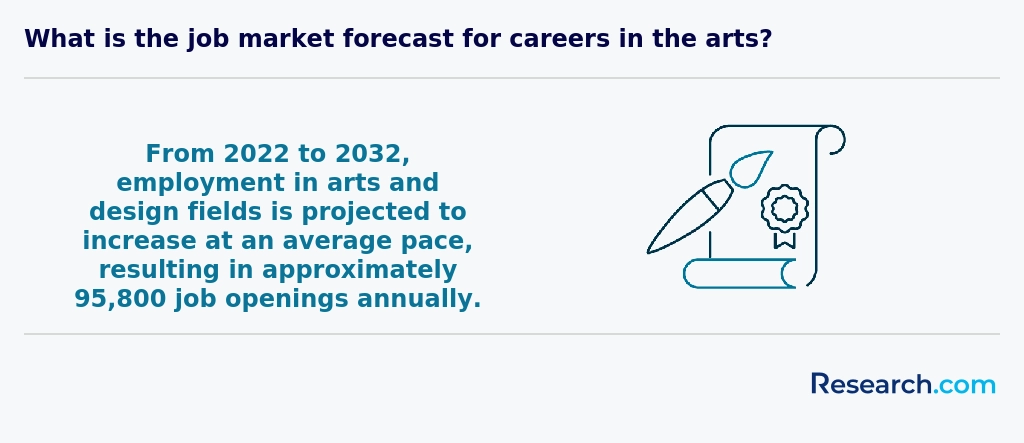
Research program specifics like faculty expertise, course offerings, and available resources. For instance, some Georgia schools emphasize traditional fine arts techniques, while others focus on digital methods. Review employment statistics from the Bureau of Labor Statistics, which notes a 4% projected growth for artists and designers in Georgia between 2022 and 2032.
Additionally, consider accreditation and flexibility, especially if balancing studies with work.
- 2027 Most Affordable Fine Arts Degree Programs Ranking in Florida
- 2027 Most Affordable Fine Arts Degree Programs Ranking in Tennessee
- 2027 Most Affordable Fine Arts Degree Programs Ranking in North Carolina
- 2027 Most Affordable Fine Arts Degree Programs Ranking in Mississippi
- 2027 Most Affordable Fine Arts Degree Programs Ranking in Kentucky
- 2027 Most Affordable Fine Arts Degree Programs Ranking in Louisiana
- 2027 Most Affordable Fine Arts Degree Programs Ranking in Arkansas
- 2027 Most Affordable Fine Arts Degree Programs Ranking in Indiana
- 2027 Most Affordable Fine Arts Degree Programs Ranking in Ohio
- 2027 Most Affordable Fine Arts Degree Programs Ranking in Illinois
- fine art teaching and its challenges in the 21st century post ... https://www.sgojahds.com/index.php/SGOJAHDS/article/viewFile/296/320
- 14 art niche ideas and how to determine yours https://www.gelato.com/blog/art-niche-ideas
- Know more about thesis vs non- thesis: what is the difference? https://studyfans.com/en/blogs/816
- Bachelor of Fine Arts (BFA) https://www.auarts.ca/program-areas/undergraduate/bachelor-of-fine-arts-bfa
- BA (Hons) Fine Art (Part Time) | Northbrook College https://www.northbrook.ac.uk/courses/ba-hons-fine-art-part-time/
- Art Pathway https://www.highlands.edu/academic-programs/art-pathway/
- Study Fine Arts Abroad – Top Universities & Careers https://thearchinternational.com/fine-arts/
- The Art of the Application Archives - Nyfa https://www.nyfa.org/knowledge-base/the-art-of-the-application/
- The Rise of Alternative Art Markets | MyArtBroker | Article https://www.myartbroker.com/art-and-tech/articles/the-rise-of-alternative-art-markets
- Networking for Artists https://artquest.org.uk/how-to-articles/networking-for-artists/


