
2027 Most Affordable Online Master's in Fine Arts Degree Programs Ranking in Missouri

Co-Founder and Chief Data Scientist
Exploring a Master's in Fine Arts degree can open doors to creative opportunities and personal growth. For students in Missouri, finding an affordable program online makes this goal even more accessible.
This article presents the 2027 Most Affordable Online Master's in Fine Arts Degree Programs Ranking in Missouri, developed by the Research.com team of data scientists. It helps you identify quality programs that balance cost and value.
Discover which programs suit your needs and take confident steps toward advancing your artistic journey.
Key benefits of getting online fine arts degree in Missouri
- Graduates with a fine arts degree in Missouri can expect rewarding salaries, such as $125,920 annually for art directors and $70,870 for museum curators, showcasing strong earning potential in creative fields.
- Career paths include roles like senior graphic designer, art historian, or museum curator, with opportunities to work in cultural institutions and creative industries popular among Missouri alumni.
- Online fine arts degrees offer flexible schedules and the ability to balance work or family commitments, as experienced by graduates from Missouri universities, making education more accessible and convenient.
- 2027 Most Affordable Online Master's in Fine Arts Degree Programs Ranking in Missouri
- What can I expect from online fine arts degree in Missouri?
- Where can I work with online fine arts degree in Missouri?
What can I expect from online fine arts degree in Missouri?
The average cost of an online fine arts degree in Missouri is generally more affordable than comparable out-of-state or private programs. Public universities such as the University of Missouri and Missouri State University typically offer in-state tuition rates to online students, which can significantly reduce expenses. Graduates from these programs frequently report that the financial burden was manageable, supporting their continued artistic development without excessive debt.
For example, a graduate from a popular Missouri online MFA program noted that receiving in-state tuition combined with scholarships from state arts councils made balancing tuition and living costs feasible. This affordability allowed them to focus on portfolio building and mastering digital media skills through virtual studios and workshops.
Some programs also require occasional on-campus residencies, but these are usually short and well integrated into the cost structure. Overall, Missouri's investment in accessible online fine arts education provides students with quality instruction at a reasonable price, fostering both professional growth and personal fulfillment.
Where can I work with online fine arts degree in Missouri?
Graduates with an online fine arts degree in Missouri often secure roles in public and private K-12 education as visual arts teachers or instructors, benefiting from steady demand across the state. The Missouri Department of Elementary and Secondary Education confirms ongoing needs for certified educators, an advantage for graduates having completed required certifications alongside their degree.
Many find positions in museums and galleries, such as the St. Louis Art Museum or Nelson-Atkins Museum of Art, working in curation, conservation, or educational programming. These institutions serve as significant employers in urban hubs like St. Louis and Kansas City, helping graduates develop meaningful careers.
Additionally, digital media firms in Missouri's growing creative economy offer opportunities in graphic design and multimedia arts. Graduates with digitally enhanced fine arts skills often thrive in advertising, film, and entertainment sectors, reflecting statewide economic data emphasizing creative industry growth.
Freelancers benefit from vibrant art fairs, including those hosted by the Kansas City Art Institute. The community connection and exposure these events provide fuel both passion and professional networks among recent graduates from local programs.
Graduates from online fine arts programs in Missouri, such as those offered by the University of Missouri or Missouri State University, can anticipate a range of earnings based on their chosen career paths. For instance, art directors in the state command a mean annual wage of $125,920, reflecting senior-level leadership in creative fields. Senior graphic designers earn a solid $64,700 on average, making design roles a lucrative option for fine arts graduates applying digital and commercial skills.
Museum curators, a popular choice for those passionate about art history and preservation, earn around $70,870 annually, enabling graduates to merge their love for art with educational roles. Fine arts professors also report strong salaries averaging $100,840, showing promising prospects for those pursuing academia.
These figures show that Missouri's fine arts graduates from online programs can achieve rewarding careers that balance artistic passion with financial stability. Graduates often feel empowered as they leverage their creativity in various industries, from education and curation to design leadership, enhancing their fulfillment and economic confidence.
- Online fine arts degrees in Missouri are available through accredited public and private institutions, offering flexibility for non-traditional students and working professionals.
- Annual tuition for public universities ranges from $8,000 to $12,000 for in-state students, while private colleges charge between $15,000 and $25,000.
- Additional fees and art supplies should be considered, especially for studio-based courses.
- Starting salaries for fine arts graduates in Missouri typically range from $35,000 to $40,000 per year, depending on the specialization.
- With experience, average salaries increase to between $50,000 and $60,000, and higher earnings are possible in leadership or specialized roles.
- Moraine cities like St. Louis and Kansas City offer job opportunities in galleries, museums, and design firms, supported by a vibrant local arts economy.
Completing an online fine arts degree in Missouri generally takes between two to four years, depending on the program type and enrollment status. Undergraduate students pursuing a Bachelor of Fine Arts (BFA) commonly finish within four years when enrolled full-time. However, some graduates have reported accelerated options or part-time schedules that extend the duration but allow them to balance work or family life effectively.
For graduate students, such as those earning a Master of Fine Arts (MFA) through Missouri State University or similar institutions, completion typically requires two to three years. Many students appreciate the flexibility offered by these programs, allowing them to progress at their own pace while managing practicum projects or portfolios.
The credit hour requirements clarify this timeline: BFA degrees usually demand about 120 to 130 credit hours, whereas MFA programs require roughly 48 to 60. Graduates often express satisfaction with the tailored pace, as it fits their unique schedules without compromising educational quality.
Online and on-campus fine arts degrees in Missouri differ mainly in learning environment and flexibility. On-campus students at institutions like the University of Missouri benefit from direct access to well-equipped studios and galleries, allowing hands-on practice with specialized materials. Graduates often describe the value of live critiques and in-person collaboration, which enhance their creative growth and networking within the local art community.
Conversely, online programs offer flexibility crucial for working professionals or those managing family commitments. Graduates from Webster University's online fine arts courses note the convenience of studying from anywhere, though virtual assignments sometimes replace traditional studio work with digital media projects. About 15% of fine arts graduate students nationally studied fully online in 2022, indicating growing acceptance of this format.
Cost also varies: Missouri fine arts master's tuition ranges from $12,000 to $25,000 annually. Online learners may save on housing and commute but should verify if tuition matches on-campus rates. Both formats meet regional accreditation standards, ensuring educational quality regardless of delivery method.
Accreditation is a critical indicator of academic rigor and program credibility. In Missouri, reputable online MFA programs maintain both institutional accreditation-commonly from the Higher Learning Commission (HLC)-and programmatic accreditation from bodies like the National Association of Schools of Art and Design (NASAD). Prospective students should verify:
- Institutional Accreditation: Confirms that the university meets comprehensive quality standards.
- Programmatic Accreditation: Ensures the fine arts curriculum adheres to professional benchmarks.
- Financial Aid and Credit Transfer Eligibility: Accredited programs qualify for federal aid and facilitate smooth transfers. Strong accreditation directly impacts graduate success, from portfolio recognition to employer confidence. Many students also explore how fine arts studies intersect with broader liberal arts disciplines-frequently asking what is a liberal arts degree good for-since fine arts curricula often build upon liberal arts foundations in critical thinking, cultural analysis, and interdisciplinary collaboration. Prioritizing accredited programs safeguards your educational investment and elevates your credentials in the competitive creative industries.
The average cost of an online fine arts degree in Missouri varies based on residency and institution type, with median total expenses around $21,816. In-state students benefit from significantly lower costs, averaging about $12,128, which makes pursuing affordable online MFA programs Missouri an appealing option for many. Graduates from public institutions often share positive experiences regarding the balance between cost and quality, highlighting how these programs made advanced fine arts education accessible without overwhelming debt.
Out-of-state students typically face higher tuition, with median costs near $24,192. For example, graduates from universities within the University of Missouri system recall that while their tuition was higher than that of their in-state counterparts, financial aid and scholarships helped manage expenses effectively. These students frequently emphasize how the strong online fine arts curriculum, paired with practical course resources, justified their investment.
Many fine arts students point out that additional expenses such as technology fees, course materials, and studio supplies can add several hundred dollars annually. This is a common experience at institutions known for comprehensive fine arts offerings. However, financial aid opportunities and targeted scholarships often alleviate these supplemental costs, supporting students throughout their education journey.
Those considering their educational path in Missouri might also explore alternatives to their fine arts pursuits, such as enrolling in an online physical education bachelor's degree, if they seek different career outcomes.
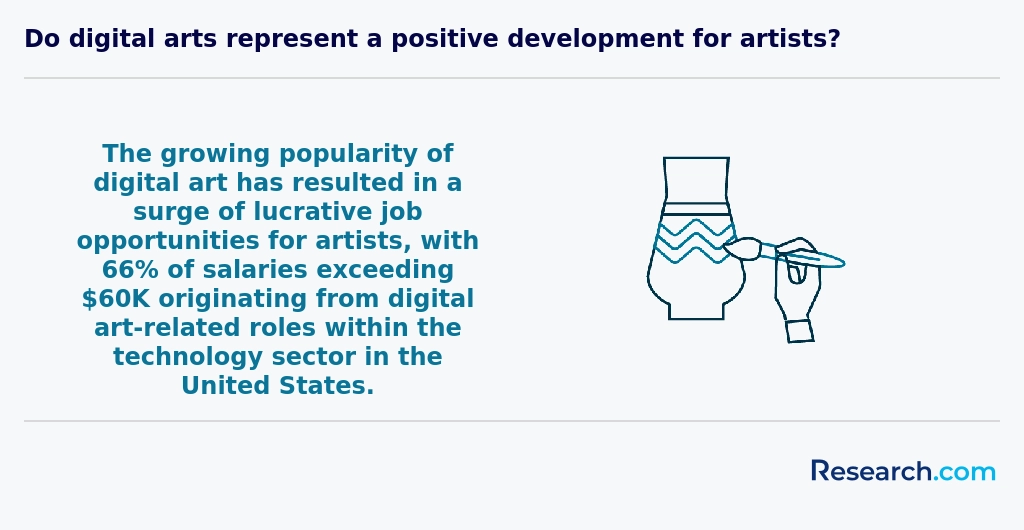
While Missouri offers competitive tuition rates for online Master’s in Fine Arts programs-averaging around $16,968 per year-prospective students should consider how these costs stack up against other regions. Nationally, the average cost for an online MFA hovers near $20,000 annually, making Missouri nearly 15% more affordable. In contrast, Western states often feature programs with even lower price points; several standout institutions appear in our Low Cost Fine Arts Degree Programs Ranking in the West, where in-state tuition can dip below $14,000. Beyond tuition, cost of living plays a key role: Missouri’s midwestern cities like St. Louis and Kansas City offer modest housing and studio rental rates compared to high-demand Western art hubs such as Los Angeles or San Francisco. However, Western programs may provide unique industry partnerships, gallery networks, and artist residencies that enhance professional exposure. When weighing program value, tuition must be balanced with factors like faculty expertise, networking opportunities, and post-graduation earnings potential. Missouri’s strong community arts funding and numerous state grants-such as the Access Missouri Financial Assistance Program-help offset educational costs, creating a favorable return on investment. Conversely, Western institutions often leverage philanthropic support and local art markets to subsidize student projects. Ultimately, applicants should compare Missouri’s cost-effective blend of affordability, flexible online delivery, and vibrant local art scenes against Western offerings, ensuring their choice aligns with both budget constraints and artistic career goals.
Online fine arts students in Missouri can access a variety of financial aid options to manage costs often ranging from $15,000 to over $30,000 per year. Federal aid, such as Pell Grants offering up to $7,395 annually and the FSEOG providing up to $4,000 to low-income students, forms a key support base. Completing the FAFSA is essential to access these funds and federal loans.
State-specific programs like the Access Missouri Financial Assistance Program provide need-based grants for students enrolled in Missouri colleges, including online fine arts degrees. Award amounts vary but can significantly reduce tuition expenses. Graduates from institutions such as the University of Missouri report that combining these state grants with institutional scholarships, often awarded for merit or artistic portfolios, greatly eased their financial burden.
Additional support comes from private scholarships offered by the Missouri Arts Council and national arts organizations. Many students also benefit from work-study programs and federal loans, with graduate loan limits up to $138,500. This blend of aid helps prospective fine arts students in Missouri feel hopeful and supported while pursuing their creative education remotely.
Achieving success in an online Fine Arts program in Missouri requires a proactive approach to learning, effective time management, and the smart use of available resources. Students are encouraged to establish a dedicated workspace and adhere to a structured schedule, ensuring consistent progress through coursework and projects. Leveraging online discussion forums and virtual critique sessions can foster valuable peer-to-peer interactions, enabling you to receive constructive feedback and build a robust creative network. To further enhance your learning experience, consider employing digital tools designed for artists, such as virtual galleries for portfolio presentations and collaboration platforms that mirror traditional studio interactions. Exploring guides and rankings, such as those provided by affordable fine arts schools in missouri, can offer additional insights into choosing programs that align with your career goals. Furthermore, don't hesitate to reach out to faculty members and alumni via virtual office hours or social media groups. Their guidance can offer clarity on navigating course requirements, industry trends, and real-world applications of your fine arts skills. By integrating these practical strategies into your study routine, you can significantly enhance your academic performance and creative output in an asynchronous learning environment.
Applicants to online fine arts degree programs in Missouri typically must hold a bachelor's degree from an accredited institution. For master's programs, the undergraduate degree need not be exclusively in fine arts but often benefits from a foundation in related fields like visual arts, design, or music. Graduates from schools such as the University of Missouri or Stephens College note that maintaining a minimum GPA around 3.0 is common to demonstrate academic readiness.
A portfolio submission is usually required, showcasing diverse artistic work-ranging from digital pieces to sketches or photographs. This portfolio allows admissions committees to evaluate creativity and technical skill firsthand. Missouri graduates often recall how their portfolios reflected their unique artistic growth, enabling them to confidently apply.
Letters of recommendation from professors or professional mentors familiar with the applicant's art practice add a personalized, positive endorsement. While GRE requirements vary, most Missouri fine arts programs do not mandate standardized tests, reducing stress for applicants and making the process feel more accessible.
These prerequisites create a balanced, realistic pathway for motivated students ready to advance their passion in Missouri's supportive online fine arts programs.
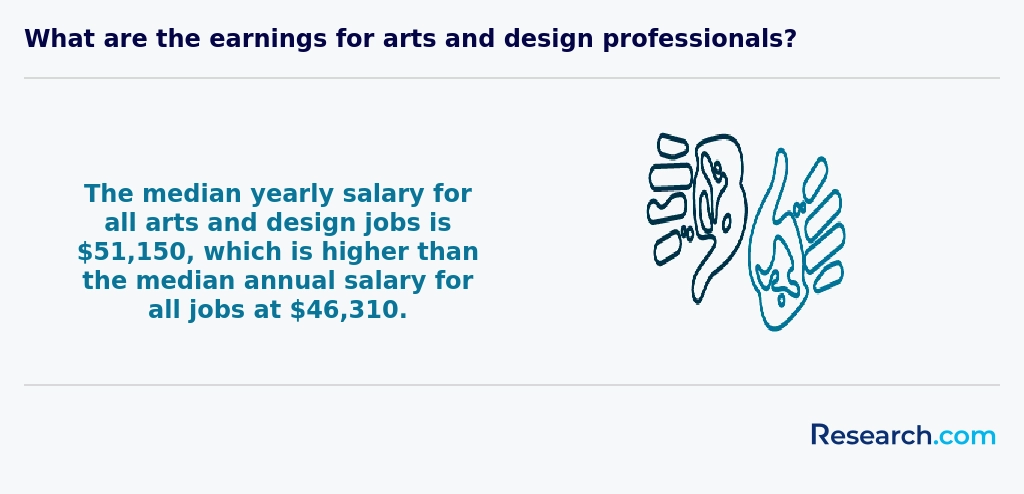
Below is our ranked list of the top five most affordable online Master’s in Fine Arts (MFA) degree programs in Missouri for 2024, based on tuition rates, program flexibility, and student outcomes: 1. University of Missouri–St. Louis (Online MFA in Fine Arts) • Annual Tuition: $8,750 • Highlights: Emphasis on digital media and portfolio development; asynchronous coursework; dedicated faculty mentorship. 2. Missouri State University (Online MFA in Creative Arts) • Annual Tuition: $9,100 • Highlights: Interdisciplinary studio practice, virtual critiques, and strong career services with networking events. 3. Lindenwood University (Online MFA in Visual Arts) • Annual Tuition: $9,500 • Highlights: Focus on graphic design and photography; small seminar sizes; optional capstone exhibition. 4. Kansas City Art Institute (Low-Residency Online MFA) • Annual Tuition: $10,200 • Highlights: Combines online coursework with two campus residencies; intensive workshops; access to Kansas City galleries. 5. Stephens College (Online MFA in Arts Administration and Practice) • Annual Tuition: $11,000 • Highlights: Blends fine arts creation with arts management; project-based learning; internship placements at local institutions. These programs offer Missouri residents and out-of-state learners affordable pathways to earn an accredited online MFA, balancing low tuition with robust curriculum and career support. For those exploring budget-friendly options beyond Missouri, check our Low Cost Fine Arts Degree Programs Ranking in the West.
Online fine arts degree programs in Missouri commonly include foundational studio courses such as drawing, painting, sculpture, and digital media. Graduates from institutions like the University of Missouri and Webster University often recall how these hands-on classes built their core technical skills and fueled their creative confidence. These courses are tailored to online delivery through video demonstrations and virtual studio critiques, helping students stay engaged despite the remote format.
Art history courses form a significant portion of the curriculum, covering movements from Renaissance to contemporary art. Students appreciate how understanding cultural and historical contexts deepens their artistic perspective, a key element emphasized by Missouri State University's online program. This academic base helps students critically analyze and connect with art on a broader scale.
Additionally, students take art theory and criticism classes that enhance their ability to articulate creative ideas clearly. Electives in photography, animation, or graphic design allow individual specialization, while professional development courses prepare learners for art entrepreneurship and portfolio building, essential for career success in Missouri's competitive creative industries.
Online fine arts specializations in Missouri cover a broad spectrum of artistic disciplines designed to meet diverse creative interests and career plans. Programs at institutions like Missouri State University and the University of Missouri offer concentrations including Visual Arts, Graphic Design, Photography, Film and Video Production, Art Education, and Creative Writing. Graduates report that these specializations provide a solid blend of technical skill development and creative exploration tailored to meet industry demands.
For instance, students focusing on Visual Arts refine both foundational and modern techniques, while those in Graphic Design often transition into advertising or multimedia sectors with strong digital competencies. Photography and Film specializations emphasize digital editing and storytelling, aligning well with Missouri's growing media industry. The Art Education track is popular among those seeking types of degrees for educators, integrating fine arts expertise with pedagogical training to prepare students effectively for teaching careers.
Offering these online options makes Missouri's MFAA degree concentration options accessible statewide, enabling learners to balance study with personal commitments. Many graduates express satisfaction with the flexibility and comprehensive curriculum that closely mirrors on-campus rigor.
Choosing the best affordable online fine arts degree Missouri programs involves evaluating accreditation and tuition as primary factors. Accredited institutions, especially those recognized by the Higher Learning Commission, offer reliable education and ensure credits transfer smoothly. Graduates from popular Missouri colleges often express satisfaction with programs that balance cost-typically between $9,000 and $12,000 annually for in-state students-and quality.
Curriculum depth is vital. Prospective students should seek programs offering diverse courses in mediums like painting, digital arts, and sculpture, alongside strong art history components. Many Missouri graduates emphasize how faculty with active professional art careers enhanced their skills through mentoring and networking, making their educational journey both inspiring and practical.
Flexibility and support are key to succeeding online. Missouri's online MFA students often highlight the value of virtual studio critiques and dedicated career counseling, which complement self-guided study. Career outcomes can improve with such support, crucial given the competitive national market for fine arts jobs. For those considering a career shift, exploring options like going back to college for a teaching degree may also align well with their aspirations.

Graduates with an online fine arts degree in Missouri commonly pursue diverse career paths spanning graphic design, illustration, art education, and gallery curation. Many find rewarding work creating visual content for advertising or digital media, leveraging skills honed through programs at popular institutions such as the University of Missouri-St. Louis or Missouri State University. Visual artists in Missouri earn a median annual salary near $54,000, reflecting a market that values creative expertise.
Students passionate about teaching often secure positions in K-12 schools or community programs, sometimes supplementing their credentials by earning additional certification required by the state. Art educators benefit from relatively stable incomes, with salaries ranging from $50,000 to $60,000 depending on experience and district. For those interested in leadership roles in education, exploring educational leadership job titles can provide further career advancement opportunities.
The job market also includes emerging fields tied to Missouri's urban arts hubs, like Kansas City and St. Louis, where graduates engage in advertising, publishing, and digital media. Leveraging an online fine arts degree in Missouri expands Missouri fine arts degree job opportunities by combining practical skill-building with flexible study schedules, enabling students to develop professional portfolios and network within vibrant local arts communities.
The job market for graduates with an online fine arts degree in Missouri reflects a stable yet competitive environment. According to recent data, employment growth for artists and related workers in the state aligns closely with the national average of 4%. Graduates from institutions like the University of Missouri and the Kansas City Art Institute report that combining traditional art training with software skills, such as Adobe Creative Suite, significantly enhances their employability. Particularly, metropolitan areas like St. Louis and Kansas City serve as vibrant cultural centers offering expanded career opportunities in digital design, gallery management, and multimedia production.
Missouri fine arts graduates often share positive experiences leveraging freelance work and networking within local arts communities. Many also pursue related paths given that graphic design roles pay slightly higher, with wages averaging about $52,200 annually. Prospective students considering the online fine arts career opportunities Missouri offers may also explore the top online teaching master's programs to complement their artistic expertise with educational credentials.
2027 Most Affordable Online Master's in Fine Arts Degree Programs Ranking in Missouri
Investing in your education is a significant decision that can shape your future, and the Research.com team understands the importance of making informed choices. To assist prospective students in Missouri, we have meticulously crafted the "2027 Most Affordable Online Master's in Fine Arts Degree Programs Ranking in Missouri." Our commitment to quality, credibility, and accuracy is reflected in the extensive research and analysis conducted to compile this ranking.
We utilized the following reputable data sources to ensure a comprehensive evaluation of these fine arts programs:
By exploring this ranking, readers will gain valuable insights into affordable and quality online Master's in Fine Arts programs in Missouri, enabling wiser educational investments. For more details on our methodology, please visit our Research.com methodology page.


Frequently Asked Questions About fine arts
Online fine arts degree students in Missouri can maximize their learning experience by actively engaging with digital resources and campus-connected opportunities. Missouri has several accredited institutions offering online programs that emphasize practical skills alongside theory, making use of virtual studios and critique sessions essential. Students should participate in virtual workshops and webinars offered by organizations such as the Missouri Arts Council, which supports statewide arts initiatives and networking.
Connecting with local galleries, museums, or artist collectives-even remotely-can enhance exposure to the regional art scene. According to the National Endowment for the Arts, Missouri ranks among the states with growing arts employment, encouraging students to build portfolios aligned with local markets. Time management and seeking mentorship from faculty with industry experience also contribute significantly to success in online fine arts studies.
The fine arts field is expanding into emerging niches that reflect both technological advances and changing cultural interests. In Missouri, online fine arts degree programs increasingly emphasize digital media arts, including animation and virtual reality, responding to a growing demand in entertainment and advertising sectors.
Another promising niche is art therapy, which combines psychology and creativity to support mental health. According to the Missouri Arts Council, art therapy is gaining more recognition in community health programs statewide.
Environmental art, focused on sustainability and ecological themes, is also becoming popular among Missouri artists pursuing advanced degrees online. This area reflects national trends toward conservation and social engagement through art.
These emerging fields provide diverse career paths for students aiming to innovate within the broader fine arts discipline.
Preparing for the job market after earning an online fine arts degree in Missouri requires a strategic approach. Graduates should build a strong portfolio showcasing diverse projects that highlight technical skills and creativity. Networking is vital; joining local organizations like the Missouri Arts Council can offer valuable connections and job leads.
Internships and freelance opportunities in cities such as St. Louis and Kansas City provide practical experience and help establish industry contacts. According to the U.S. Bureau of Labor Statistics, Missouri employs numerous graphic designers and artists, with competitive salaries near the national average.
Continuing education and attending regional art exhibitions also increase visibility among potential employers and clients.
Employers seeking fine arts degree graduates in Missouri prioritize a combination of creative and professional skills. Strong technical ability in various artistic mediums, such as painting, sculpture, or digital design, is essential. In addition, communication skills are highly valued, as graduates often collaborate with clients, galleries, and organizations.
Missouri arts employers also look for problem-solving skills and adaptability, reflecting the evolving nature of artistic careers. According to the Missouri Arts Council, over 40% of art-related jobs in the state require proficiency with digital tools. Time management and project organization further enhance a candidate's employability in this competitive field.
Finding internships in Missouri related to a fine arts degree involves leveraging both local resources and online platforms. Start by exploring partnerships between your online program and Missouri cultural institutions such as the Saint Louis Art Museum or the Nelson-Atkins Museum of Art in Kansas City. These venues often offer internship programs for emerging artists.
Utilize Missouri's state and local arts councils, like the Missouri Arts Council, which list internships and grant opportunities to aid fine arts students. Additionally, sites like Handshake and Indeed frequently post internships tailored to fine arts majors.
Networking with alumni from online degree programs and attending virtual or local art events can open doors to hands-on experiences and professional growth.
An online fine arts degree in Missouri can significantly enhance career mobility and advancement by providing flexible access to accredited programs across the state and beyond. Graduates often leverage their skills to enter diverse fields, including graphic design, museum curation, and digital media arts, which are growing sectors in Missouri's creative economy, according to the Missouri Economic Research and Information Center.
Employers in Missouri increasingly recognize online credentials, making it easier for degree holders to pursue promotions or shift into specialized roles. Additionally, the digital portfolio development encouraged in these programs helps students showcase their talents effectively to prospective employers.
Studying for a fine arts degree in Missouri offers strong preparation for interdisciplinary roles by combining traditional art skills with technology, communication, and business courses. Many Missouri institutions incorporate collaboration with departments like digital media, marketing, and education to equip students with diverse expertise. According to the National Center for Education Statistics, Missouri art programs increasingly emphasize cross-disciplinary projects, improving adaptability in fields such as design, advertising, and arts administration.
Online programs often include coursework in digital tools and project management, helping students apply creative skills in broader professional contexts. This approach enhances job prospects in a competitive market.
When choosing between a thesis and a non-thesis fine arts degree program in Missouri, consider your career goals and learning preferences. Thesis programs often require original research and a formal project, ideal for students aiming for academic or research positions. Non-thesis options focus more on practical skills and coursework, better suited for professionals seeking to enhance their practice without extensive research. Missouri universities typically offer both to accommodate diverse student needs.
The Council of Graduate Schools highlights that thesis degrees may take longer to complete due to research demands. Look for programs accredited by bodies like NASAD for quality assurance. Understanding these differences helps you select the path aligned with your professional ambitions.
Students in Missouri seeking to study fine arts abroad typically explore exchange programs or partnerships offered through their home institutions. Many Missouri colleges participate in study-abroad arrangements, allowing students to spend a semester or year at foreign universities with strong fine arts faculties.
Options often include programs in Europe, such as Italy or France, renowned for their art history and studio opportunities. The University of Missouri System reports that approximately 15% of its students engage in some form of international study, a growing trend for fine arts majors aiming to gain global perspectives.
Additionally, federal financial aid and Missouri state grants may support such international study experiences, reducing financial barriers.
While direct online fine arts degrees abroad are rare, combined programs and virtual exchanges can provide global exposure within Missouri's online offerings.
Part-time jobs that complement a fine arts degree in Missouri often involve roles in galleries, museums, and educational settings. Missouri has a vibrant arts community, with institutions like the Saint Louis Art Museum and the Nelson-Atkins Museum of Art in Kansas City offering opportunities as gallery assistants or educational program aides. These roles provide hands-on experience with art curation and public engagement.
Additionally, positions such as freelance graphic design or teaching art workshops in community centers help develop practical skills. According to the Missouri Arts Council, the state's creative sector employs over 60,000 people, creating diverse job prospects for fine arts students.
Online fine arts students in Missouri benefit from various networking opportunities despite studying remotely. Universities such as the University of Missouri offer virtual events, alumni networks, and artist forums that connect students with peers and professionals statewide. These platforms facilitate collaboration, critique sessions, and exposure to regional art communities.
Additionally, Missouri hosts numerous art festivals and organizations, including the Missouri Arts Council, which supports networking through grants and exhibitions. Students can also engage with local galleries and studios by attending workshops and online panels, enhancing their professional visibility.
According to the National Endowment for the Arts, Missouri continues to invest in creative economy initiatives, fostering connections that help online students advance their careers.
Alumni networks provide valuable support for online fine arts degree students in Missouri by connecting them with experienced professionals. These networks often offer mentorship opportunities, helping current students navigate the arts industry. Through workshops, exhibitions, and networking events, alumni can share insights and open doors to internships or job opportunities.
In Missouri, many universities maintain active alumni groups that foster collaboration and community among graduates. According to the Missouri Arts Council, over 65% of fine arts professionals in the state credit networking as key to their career progression. This data highlights the role alumni networks play in professional growth.
Moreover, online students benefit from these connections despite not attending campus in person. Virtual platforms enable alumni and students to engage regularly, expanding support beyond geographic constraints.
Customizing an online fine arts degree in Missouri involves selecting electives and concentrations that match your professional goals. Many universities offer flexible curricula allowing students to focus on areas like graphic design, studio art, or digital media.
Missouri schools accredited by the National Association of Schools of Art and Design (NASAD) often provide such options. According to data from the Missouri Department of Higher Education & Workforce Development, tailoring courses can improve job placement rates by aligning skills with industry needs.
Additionally, students can pursue internships or collaborative projects offered virtually, gaining real-world experience. Missouri's growing arts sector, particularly in Kansas City and St. Louis, supports careers spanning gallery management, art education, and multimedia production.
Online fine arts students in Missouri face several challenges common to arts education delivered remotely. One key issue is limited hands-on access to studios and specialized equipment, which are essential for disciplines like sculpture, ceramics, or printmaking. Missouri's public and private institutions often expect students to arrange local resources, adding complexity to their studies.
Additionally, building a community and networking remotely can be difficult. Fine arts thrive on collaboration and critique, which may feel less immediate in an online setting. According to the National Endowment for the Arts, in-person interaction significantly impacts artistic development, posing a hurdle for online learners.
Technical challenges also affect students; stable internet and quality video tools are necessary for virtual critiques and presentations. Finally, Missouri students may encounter limited local internship opportunities in fine arts when studying online, reducing practical experience vital for career growth.
With an online fine arts degree in Missouri, graduates can pursue several professional certifications to enhance their careers. One common path is obtaining teaching certification through the Missouri Department of Elementary and Secondary Education (DESE), allowing graduates to become certified art educators in public schools. This requires passing the Missouri Content Assessment for Art.
Additionally, certifications in museum studies or art conservation, while not required, can complement a fine arts degree and open opportunities in galleries or cultural institutions. Certifications such as the Certified Museum Professional (CMP) are recognized nationally.
While Missouri does not currently offer specialized statewide certifications exclusive to fine arts professionals outside education, pursuing national credentials helps establish credibility. The National Board for Professional Teaching Standards (NBPTS) offers an Art Education certification for experienced teachers seeking advanced distinction.
To write a winning application for an online fine arts program in Missouri, start by clearly showcasing your artistic achievements and experiences. Missouri institutions often value a strong portfolio, so select diverse pieces that reflect your skills and creativity. Include a well-crafted personal statement that explains your passion for fine arts and how the program aligns with your career goals.
Additionally, highlight any relevant education or professional experience. Many Missouri programs require letters of recommendation; choose individuals familiar with your artistic abilities. According to the Missouri Department of Higher Education, attention to detail in application materials significantly improves admission chances.
Proofread all documents carefully and adhere to submission guidelines strictly to present yourself as a committed, detail-oriented candidate.
Globally, a career in fine arts remains diverse and dynamic, offering opportunities beyond traditional studio work. In the U.S., including Missouri, fine arts professionals increasingly engage with digital media, education, and community projects. According to the National Endowment for the Arts, one in five adults participates in arts activities annually, reflecting strong demand for creative skills.
The U.S. Bureau of Labor Statistics projects a 2% growth in fine artists' employment from 2022 to 2032, slower than average but steady. Missouri's arts sector contributes over $2 billion annually to the state economy, supporting numerous jobs in galleries, museums, and design fields (Missouri Arts Council, 2023).
International exposure and online programs provide Missouri students a broader cultural perspective, essential for success in a globalized art market.
Gaining practical experience while studying for an online fine arts degree in Missouri is essential for skill development and career readiness. Many Missouri institutions encourage students to engage in local internships, apprenticeships, or volunteer work with galleries, theaters, and cultural organizations.
Students can also participate in virtual workshops and virtual exhibitions to showcase their work, expanding their portfolios. According to the Missouri Arts Council, about 70% of arts organizations in the state offer internship or apprenticeship opportunities annually.
Networking with local artists and joining Missouri-based fine arts associations can provide additional hands-on experiences and mentorships.
Choosing the right concentration within an online fine arts degree program in Missouri depends on your personal interests, career goals, and the skills you want to develop. Common concentrations include visual arts, creative writing, theatre, and digital media. Research job outlooks in Missouri, where arts-related occupations are expected to grow by 3% through 2030, according to the U.S. Bureau of Labor Statistics.
Consider program accreditation and whether schools offer specializations that align with local industry hubs, such as Kansas City's vibrant arts scene or St. Louis' theatre opportunities.
Evaluating faculty expertise and alumni success in Missouri can also guide your choice.
- 2027 Most Affordable Online Master's in Fine Arts Degree Programs Ranking in Georgia
- 2027 Most Affordable Online Master's in Fine Arts Degree Programs Ranking in Texas
- 2027 Most Affordable Online Master's in Fine Arts Degree Programs Ranking in Florida
- 2027 Most Affordable Online Master's in Fine Arts Degree Programs Ranking in Virginia
- School of Visual and Performing Arts https://www.ucmo.edu/college-of-arts-humanities-and-social-sciences/school-of-visual-and-performing-arts/
- Bachelor of Fine Arts in Art & Design (BFA) https://www.ualberta.ca/en/art-design/undergraduate-programs/bfa-art-and-design.html
- Careers in Fine Art https://www.artcenter.edu/academics/undergraduate-degrees/fine-art/careers-in-fine-art.html
- Standards & Guidelines » CAA Guidelines https://www.collegeart.org/standards-and-guidelines/guidelines/mfa
- Studio Art Degree https://www.mssu.edu/academics/arts-sciences/art/degree-studio-art.php
- Internships https://www.mfa.org/working-at-the-mfa/internships
- Challenges in Undergraduate Art Education - Arts Education Partnership https://www.aep-arts.org/challenges-in-undergraduate-art-education/
- How to Network as an Artist - AGI Fine Art Blog https://agifineart.com/advice/the-art-of-reputation-how-to-network-if-youre-an-emerging-artist/
- Alumni network - ESMA https://www.esma-artistique.com/en/outreach/alumni-network/
- Networking - Weaving Your Web as an Art Graduate - Visual Artists Association https://visual-artists.org/resources/networking-weaving-your-web-as-an-art-graduate/


