
2027 Most Affordable Online Master's in Fine Arts Degree Programs Ranking in Virginia

Co-Founder and Chief Data Scientist
Exploring affordable options for advancing your education in fine arts just got easier for students in Virginia. This article introduces the 2027 Most Affordable Online Master's in Fine Arts Degree Programs Ranking in Virginia, developed by the Research.com team of data scientists. It offers clear, data-driven insights to help you confidently choose a quality program that fits your budget and goals.
Whether you're looking to enhance your creative skills or open new career doors, earning a fine arts master's can be a rewarding journey. This guide supports your decision-making, making the path to your artistic future more accessible and inspiring.
Key benefits of getting online fine arts degree in Virginia
- Salary for fine arts degree graduates: Graduates can expect rewarding careers such as Art Directors earning around $125,920 annually or Museum Curators making about $70,870, offering strong financial potential in creative fields.
- Potential career paths: Many Virginia graduates, like those from the University of Virginia, pursue roles ranging from Art Historian positions with mean salaries of $76,120 to Senior Graphic Designers earning $64,700, showing diverse opportunities.
- Benefits of an online degree: Online programs from schools like Virginia Commonwealth University provide flexibility to balance work and study, often accelerating graduation and enabling faster entry into exciting creative careers.
- 2027 Most Affordable Online Master's in Fine Arts Degree Programs Ranking in Virginia
- What can I expect from online fine arts degree in Virginia?
- Where can I work with online fine arts degree in Virginia?
What can I expect from online fine arts degree in Virginia?
The average cost of an online fine arts degree in Virginia can vary widely depending on the institution, but many students find public universities offer competitive in-state tuition rates that make pursuing their passion more affordable. Graduates from programs at well-known schools often share how these savings eased their financial stress, allowing them to focus wholeheartedly on honing their craft. For example, a student attending a public university might pay significantly less per credit hour compared to private colleges, which is a crucial consideration when balancing education expenses with living costs.
Keep in mind that beyond tuition, studying online saves money on commuting and housing, which many graduates describe as freeing their budget and mind to explore creativity more deeply. Some programs, like those at respected Virginia colleges, blend traditional art education with modern techniques, making every dollar invested feel rewarding. Always check if your chosen school offers scholarships or state-specific grants through Virginia arts commissions, which can further lighten your financial load while connecting you to valuable local networks.
Where can I work with online fine arts degree in Virginia?
Graduates with online fine arts degrees from institutions like VCU and James Madison University often find rewarding careers in Virginia's rich arts ecosystem. Many step confidently into teaching roles across K-12 schools and colleges, where their creative skills inspire the next generation. Imagine guiding students in Richmond or Northern Virginia, shaping their artistic voices while enjoying steady demand for qualified art educators statewide.
Others dive into the visual arts scene, working as graphic designers or multimedia artists within booming marketing firms or tech startups in Charlottesville and Alexandria. The excitement of freelancing for local galleries or collaborating on innovative projects brings both flexibility and creative fulfillment. This path reflects a vibrant market where graduates thrive professionally and personally.
Graduates also flourish in museums and cultural institutions like the Virginia Museum of Fine Arts by gaining hands-on experience through internships or volunteer roles. Arts administration and production work in theaters such as the Signature Theatre offer dynamic, community-focused opportunities. These varied career paths in Virginia highlight a promising future fueled by passion and practical artistry.
Graduates with an online fine arts degree in Virginia can expect diverse earning opportunities depending on their chosen path. For instance, many who pursue roles as senior graphic designers see mean annual wages around $64,700, which is encouraging for those leveraging digital skills and creative portfolios. Graduates from well-regarded institutions like Virginia Commonwealth University often share how local creative industry networks helped boost their freelance income, supplementing their base pay.
Positions such as museum curators offer an appealing mean salary of approximately $70,870 annually, suitable for those passionate about preserving and interpreting art. Those aiming higher, like becoming art directors, can anticipate mean wages near $125,920, reflecting the advanced expertise and leadership skills demanded in this role-graduates from universities in Richmond frequently highlight the benefit of their internship experiences in metropolitan cultural hubs to gain such positions.
Art historians also have promising outlooks with mean annual earnings around $76,120, while fine arts professors earn upward of $100,840 yearly, making academia an inspiring and financially viable option for those dedicated to teaching. Investing in an online degree through Virginia's top programs thus opens doors to meaningful and rewarding career paths with strong earning potential.
- Online fine arts degrees in Virginia typically take two to three years to complete full-time, with part-time options available.
- Tuition for in-state students ranges from $12,000 to $25,000 per year, with some online programs offering lower costs than on-campus options.
- Entry-level salaries for fine arts graduates average around $39,000 annually, while mid-career professionals can earn between $55,000 and $65,000 per year.
- Key job markets include Richmond, Norfolk, and Alexandria, where arts organizations and galleries provide steady employment opportunities.
- Financial aid and scholarships for fine arts students are commonly available, along with online resources like virtual studios and critique sessions.
Completing an online fine arts degree in Virginia typically takes between two and four years, depending on your pace and program level. For many undergraduates at places like Virginia Commonwealth University or George Mason University, finishing a Bachelor of Fine Arts usually fits into a four-year plan. One graduate shared how taking courses part-time while working allowed them to balance life and school, extending their timeline but enriching their creative journey.
Graduate students pursuing a Master of Fine Arts often finish in about two to three years. Some Virginia universities offer flexible or accelerated options that let motivated artists complete their degree faster. You might find yourself diving deep into exhibitions or thesis projects, which naturally lengthen your studies but also prepare you for exciting career steps.
Remember, your journey is unique. Whether you take a full load or spread out classes, online programs in Virginia provide the freedom to shape your studies around your life, letting you grow as an artist at a pace that truly fits you.
Choosing between online and on-campus fine arts degrees in Virginia means deciding how you want to immerse yourself in your creative journey. On-campus programs at institutions like Virginia Commonwealth University offer vibrant studio environments where graduates recall late-night printmaking sessions and live critiques that sparked breakthrough ideas. The direct access to specialized equipment fuels hands-on learning that's hard to replicate elsewhere.
Conversely, online students value the flexibility to balance work, life, and studies-something graduates from universities offering hybrid options often emphasize. They describe setting up personal studios at home or renting local art spaces to practice skills. While online learners from Virginia Tech appreciate virtual critiques and digital exhibitions, they admit these interactions, though meaningful, can't fully replace spontaneous campus collaborations.
Financially, online programs often ease burdens by reducing costs like commuting or housing, a practical advantage many Virginia students find empowering. Still, both formats hold equal weight when accredited properly, ensuring your degree will open doors regardless of your learning style or location.
Navigating an online fine arts program and ensuring long-term success requires strategy and dedication. One effective approach is to set clear, achievable goals and establish a structured schedule that suits both your creative impulses and academic requirements. Engage actively with digital platforms by joining virtual study groups and participating in online art communities to expand your network and exchange feedback. Additionally, be proactive in seeking guidance from faculty and mentors who can provide personalized insights into industry trends and career strategies. For instance, exploring resources like the most affordable fine arts programs in virginia ranking can further empower you to make informed decisions regarding program selection and financial planning. Integrating these study tips alongside your coursework not only helps you stay motivated but also enhances your portfolio and professional presence in the competitive art landscape.
The average cost of an online fine arts degree in Virginia typically hovers around $44,910 for most students, though this figure can vary depending on residency and institution type. Graduates from well-regarded public universities often share how their in-state tuition helped them manage expenses effectively, making the dream of an affordable online MFA program in Virginia total expenses a realistic goal. These students appreciate the balance of quality education and financial accessibility that public colleges provide, especially when paired with financial aid or scholarships.
For out-of-state students, the total cost usually increases, reaching around $53,640 on average. Many out-of-state learners find value in exploring tuition reciprocity programs or investigating local scholarships to help bridge this gap. Private institutions, while sometimes more costly, offer flexible payment plans and assistantship opportunities that can reduce the strain. Stories from graduates at various Virginia schools highlight the importance of planning ahead for costs like materials and software licenses, which are essential to succeeding in online fine arts programs.
Understanding the broader range of options is key. Those searching for cost-effective online arts education often explore different pathways or even related fields, such as history, which can be found at some history degree schools in Virginia. By doing so, students discover tailored opportunities that align with both their artistic passion and financial circumstances.

When pursuing an online fine arts degree in Virginia, financial aid can be a genuine game-changer. Many graduates from institutions like Virginia Commonwealth University and James Madison University emphasize how crucial FAFSA completion was in unlocking Pell Grants and federal loans to help ease tuition costs. Even graduate students benefit through programs like Direct Unsubsidized Loans or Grad PLUS Loans, making advanced studies more attainable.
State-specific scholarships in Virginia, such as the Virginia Commonwealth Award, have removed financial barriers for many fine arts students by directly reducing their tuition. Coupled with institutional merit scholarships offered by these universities, students find tailored support that acknowledges their artistic talents.
- External arts organizations, including the National Endowment for the Arts, provide grants that celebrate creativity and help cover unique course expenses.
- Working students often share how employer tuition assistance has made balancing careers and education possible.
Understanding these options early, much like successful students do, creates peace of mind and fuels the passion to master the arts without the weight of overwhelming costs.
Online Fine Arts programs in Virginia offer robust support systems designed to help students thrive from enrollment through graduation. From dedicated academic advising to technical assistance, these resources ensure a seamless and engaging learning experience. Academic Advising and Mentorship Personalized advising pairs you with faculty mentors who guide course selection, portfolio development, and career planning. Regular check-ins and virtual office hours help you stay on track, refine artistic goals, and receive constructive feedback throughout your program. Technical and Library Services Most institutions provide 24/7 technical support for their learning management systems, ensuring you can access lectures, submit assignments, and participate in critiques without interruption. Comprehensive digital library collections grant remote access to art history journals, e-books, exhibition catalogs, and multimedia archives-essential tools for research and inspiration. Peer Collaboration and Community Virtual studios and discussion forums foster collaboration with classmates across Virginia and beyond. Organized critique sessions, group projects, and student exhibitions help build a supportive network that encourages creative exchange and professional growth. Career Services and Alumni Networks Career centers offer resume reviews, portfolio workshops, and internship placement assistance tailored to Fine Arts fields. Alumni networks connect current students with graduates working in galleries, design firms, museums, and advertising agencies, providing valuable industry insights and networking opportunities. For a state-by-state affordability comparison, see our Inexpensive Online Master’s in Fine Arts Degree Programs Ranking in Georgia. Wellness and Accessibility Understanding the importance of work-life balance, programs often include virtual counseling, stress-management workshops, and accessibility services for students with disabilities. These offerings ensure that every artist can focus on creative development in a supportive environment.
To enroll in an online fine arts degree program in Virginia, you'll typically need a bachelor's degree, ideally in fine arts or a related discipline. However, many programs, such as those at Virginia Commonwealth University, recognize that artistic talent often transcends formal study-so if you have a strong portfolio showcasing your creative journey, you might still qualify. Graduates from these programs often share that assembling a compelling digital portfolio was a pivotal moment; it's your chance to tell your story through images, videos, or digital work that captures your unique voice.
Alongside your portfolio, official transcripts are crucial. While some schools may not enforce a strict minimum GPA, aiming for a 3.0 or higher typically strengthens your application. A personal statement, reflecting your artistic goals and inspirations, also plays a significant role. George Mason University graduates often credit their statements for helping admissions understand their passion and purpose.
- Letters of recommendation from mentors familiar with your academics and artistic skill add a personal touch that can tip the scales in your favor.
- Though fewer programs require GRE scores, preparing in case it's requested can never hurt.
Online Fine Arts students in Virginia benefit from a comprehensive suite of support services that ensure a smooth transition to virtual learning and foster academic success. From day one, you can tap into personalized academic advising, 24/7 technical assistance, and dedicated career counseling tailored to the creative industries. These resources not only help you stay on track with coursework but also build a professional portfolio and connect with industry mentors. Key support offerings typically include:
- Academic Advising and Tutoring: One-on-one sessions with faculty advisors and peer tutors to refine your studio practice, critique portfolios, and plan your course sequence.
- Technical Support: Access to software tutorials, virtual lab environments, and hardware guidelines to ensure you meet platform requirements for digital media and studio courses.
- Career Services: Resume workshops, portfolio reviews, and networking events with local galleries, design firms, and arts organizations to launch your creative career.
- Library and Research Tools: Digital archives, scholarly journals, and interlibrary loan services that provide rich art history, theory, and contemporary practice resources.
- Community Engagement: Virtual critique groups, student clubs, and alumni panels that foster collaboration, inspiration, and peer feedback. By leveraging these support systems, online Fine Arts students in Virginia can stay motivated, overcome technical hurdles, and build meaningful professional connections. To explore similar resources for photographers seeking an online degree, see our guide to an affordable digital photography degree online.
When embarking on an online fine arts degree in Virginia, you'll immerse yourself in courses that build both creative confidence and technical skill. Graduates from well-known institutions like Virginia Commonwealth University often recall how foundational courses in drawing and painting challenged them to express emotion and precision simultaneously, whether sketching from life or experimenting with digital brushes.
Expect to explore sculpture and 3D design, where working with diverse materials teaches you to think spatially and innovatively-skills essential for real-world artistic projects. Art history classes open doors to understanding the cultural narratives behind masterpieces, helping you situate your own work within a broader artistic tradition.
Many students find digital arts and new media classes invigorating, as these courses blend technology with creativity-imagine creating animations or multimedia exhibitions that capture contemporary audiences. Critical theory courses push you to interpret and debate art's societal impact, fueling a deeper connection to your craft.
Online programs in Virginia often allow tailoring through electives like graphic design or photography, encouraging you to develop a unique artistic voice while balancing studies with life's demands.

When exploring an online fine arts degree in Virginia, you'll find a vibrant array of specializations designed to match your creative passions and professional goals. Many graduates from popular Virginia colleges share how focusing on visual arts - including painting, sculpture, and digital media - allowed them to build a versatile portfolio that opens doors in both traditional and emerging art fields. Others have thrived in graphic design programs, mastering digital tools crucial for careers in advertising and multimedia industries.
Photography is another exciting path, combining technical skills with storytelling, while creative writing programs nurture talents in fiction, poetry, and non-fiction, leading many to engage deeply with literary communities. Performing arts lovers appreciate options that sometimes blend online theory with occasional on-campus rehearsals, capturing the dynamic energy of theater and dance. These varied disciplines illustrate the flexibility and broad appeal of Virginia affordable online MFA concentration options, empowering students to balance artistry with real-world skills.
Notably, online fine arts programs in the state often include courses on business and art history, preparing students for diverse careers as independent artists or cultural professionals. If you're considering further education, you might also explore accredited online EdD programs to enhance educational or leadership roles connected to the arts.
Choosing the best online fine arts degree Virginia programs comes down to blending passion with practical considerations. Graduates from respected institutions like the University of Virginia or Virginia Commonwealth University often highlight how varied curricula helped them explore everything from graphic design to performing arts, encouraging both creative growth and professional versatility. These programs' strong accreditation and faculty expertise set students up for success by connecting them to real-world projects and internships.
Cost also plays a big role, especially if you're eyeing affordable Virginia online MFA programs. Many students find public universities offer reasonable tuition with in-state discounts, making their artistic dreams more achievable without overwhelming debt. Others benefit from scholarships and financial aid, which can be game changers in managing expenses.
Flexibility is another key factor - some graduates share how asynchronous classes allowed them to balance work and family while advancing their degrees. Investigate programs that fit your schedule and study habits to keep motivation high. Exploring these options will empower your journey. Also, if you consider educator pathways after your degree, understanding the Illinois teacher licensure process can offer insight into licensure requirements, especially if you plan to teach in or beyond Virginia.

Graduates of online fine arts degree programs in Virginia discover a range of exciting career paths that harness creativity and critical thinking. Many become professional artists, crafting unique portfolios that resonate with galleries and clients, a journey shared by alumni from popular institutions like Virginia Commonwealth University. Others find rewarding roles in graphic design, contributing to advertising and media companies in metropolitan areas such as Richmond and Virginia Beach. This field offers steady opportunities and leverages the artistic skills honed during coursework.
For those passionate about education, becoming an art educator is a fulfilling option. Graduates with master's degrees can earn licensure to teach K-12 art in Virginia schools or become college instructors, using their knowledge to inspire future artists. Some pursue roles in arts administration or museum curation, working in well-regarded cultural hubs like the Virginia Museum of Fine Arts, where they blend organizational talents with artistic insight.
Exploring fine arts degree jobs in Virginia also means considering institutions' flexibility. Many students balance studies with careers through online programs, reducing costs and commuting stresses. For practical pathways beyond traditional art careers, check out the best online trade schools for complementary skills and options.
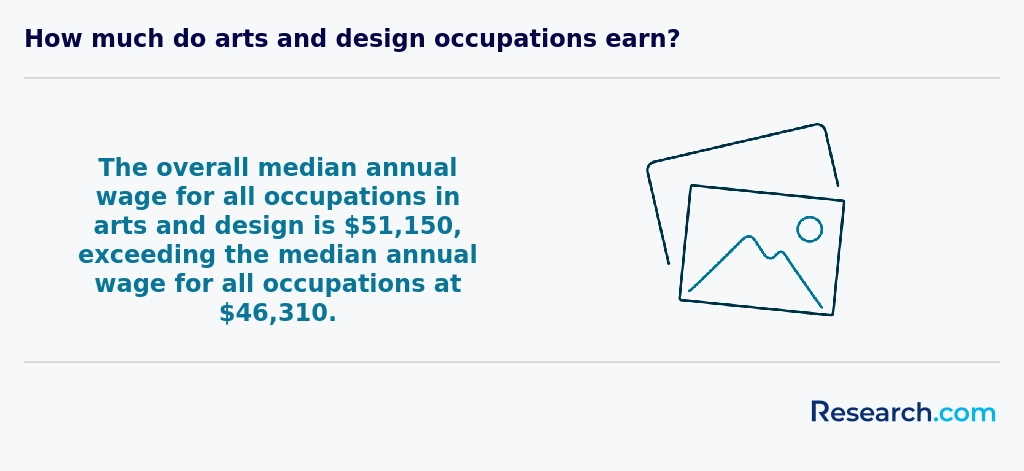
The job market for those pursuing online fine arts careers in Virginia is both vibrant and diverse, offering graduates multiple pathways to success. Many graduates from well-regarded universities and colleges in Virginia find rewarding roles as graphic designers in bustling urban centers like Richmond or Northern Virginia. Their digital design expertise opens doors with media companies and advertising agencies eager for fresh, creative talent. Others embrace roles as illustrators and animators, tapping into Virginia's growing tech and entertainment sectors, where innovation meets artistry.
Educators teaching art in K-12 schools or community programs also benefit from the state's strong support for the arts, helping to cultivate the next generation of creative minds. Freelance artists thrive by providing unique, custom artwork to local businesses, which remains a steady source of income for many. The stability of these opportunities, combined with salaries averaging around $50,000 to $65,000, encourages graduates to invest in their creative futures confidently.
Balancing education costs is key, and many students appreciate that online degrees reduce expenses like commuting and housing. Choosing Virginia institutions known for their strong fine arts programs often means access to valuable networks and grants through the Virginia Commission for the Arts. For those weighing options, exploring the top colleges for financial payoff can offer insightful guidance to maximize both education and career returns.
2027 Most Affordable Online Master's in Fine Arts Degree Programs Ranking in Virginia
Investing in your education is a significant decision that can shape your future, and the Research.com team understands the importance of making informed choices. To assist prospective students interested in Fine Arts, we have meticulously created the "2027 Most Affordable Online Master's in Fine Arts Degree Programs Ranking in Virginia." Our commitment to quality, credibility, and accuracy is demonstrated through thorough research and analysis conducted to compile this ranking.
We utilized the following reputable data sources to ensure a comprehensive evaluation of programs:
By exploring this ranking, readers will gain valuable insights into affordable, online Fine Arts master's programs in Virginia, helping them make confident and informed decisions about their educational investments. For more details on our methodology, please visit our Research.com methodology page.

Frequently Asked Questions About fine arts
Online fine arts degree students in Virginia can maximize their learning by actively engaging with virtual studio classes and utilizing digital portfolios to showcase their work. Many Virginia institutions incorporate synchronous sessions, fostering real-time feedback and collaboration, which enhances skill development. Students should also take advantage of local arts organizations and galleries for networking and practical experience outside the virtual classroom.
Research from the National Endowment for the Arts highlights that Virginia ranks among the top states for arts employment, underscoring potential career opportunities for graduates. Additionally, seeking mentorship and participating in online critique groups can deepen understanding and encourage creative growth.
The fine arts field is evolving rapidly, creating new opportunities for students pursuing online degrees in Virginia. Emerging niches include digital arts, animation, and virtual reality (VR) design, reflecting growing demand across entertainment and tech industries. According to the Virginia Department of Education, enrollment in digital arts programs increased by 15% in recent years, highlighting this trend.
Another notable area is sustainable art, where artists incorporate environmentally friendly materials and practices. This niche aligns with broader ecological awareness and market interest. Additionally, art therapy is gaining recognition as a valuable specialization, blending psychology and creative expression to support mental health.
These niches represent promising paths for graduates seeking innovative careers within the expanding fine arts landscape.
Graduates with an online fine arts degree in Virginia should focus on building a professional portfolio to showcase their skills to potential employers. Networking is essential; joining local arts organizations such as the Virginia Museum of Fine Arts or the Virginia Commission for the Arts can provide valuable connections.
Internships and freelance projects offer practical experience and help expand a professional network. According to the U.S. Bureau of Labor Statistics, arts-related occupations in Virginia are projected to grow by 5% through 2030.
Additionally, acquiring skills in digital media and marketing can improve job prospects in the competitive arts field. Continuous learning and attending local exhibitions are also recommended strategies.
Employers in Virginia highly value fine arts graduates who demonstrate strong creative problem-solving skills. The ability to conceptualize original ideas while adapting to client needs is crucial. According to the Virginia Employment Commission, communication skills rank among the top employer priorities for arts-related fields, highlighting the importance of clearly presenting and discussing artistic concepts.
Technical proficiency also remains essential. Familiarity with digital tools like Adobe Creative Suite and other design software can improve a graduate's employability. Additionally, collaboration skills are increasingly sought after, as many projects involve working with diverse teams.
In Virginia's growing arts sector, employers appreciate candidates with a solid portfolio and practical experience, such as internships or community projects. This real-world exposure helps graduates stand out.
Finding internships in Virginia relevant to a fine arts degree involves leveraging both educational and professional resources. Many Virginia universities with online fine arts programs offer career services that connect students with local galleries, museums, and creative agencies.
The Virginia Employment Commission provides listings for internships, including positions in art institutions statewide. According to the National Endowment for the Arts, Virginia has over 2,000 arts-related establishments employing approximately 20,000 people, offering numerous internship opportunities.
Networking through organizations such as the Virginia Museum of Fine Arts and local artist collectives also helps students gain practical experience. Online platforms like Handshake and LinkedIn are valuable for finding internships that match fine arts skills and interests.
In Virginia, earning an online fine arts degree can significantly impact career mobility and advancement. The state's growing creative economy, which contributed over $7 billion annually as reported by the Virginia Commission for the Arts, demands skilled professionals with formal education. An online degree provides flexibility, allowing students to balance work and study while gaining recognized credentials.
Graduates often find improved job prospects in fields like graphic design, animation, and art education. According to the U.S. Bureau of Labor Statistics, fine arts occupations in Virginia are expected to grow by 5% through 2031, indicating steady demand.
Moreover, advanced degrees can lead to higher salaries and leadership roles, enhancing long-term career growth within the state's competitive arts sector.
Studying for a fine arts degree in Virginia offers students a strong foundation for interdisciplinary roles by blending creative skills with critical thinking and technology. Online programs often include courses in digital media, art history, and design, equipping students to collaborate across fields such as marketing, education, and multimedia production.
Virginia's higher education institutions emphasize experiential learning, enabling students to apply artistic concepts in practical settings. According to the National Center for Education Statistics, Virginia awarded over 200 fine arts degrees in 2022, reflecting growing interest in versatile arts careers.
This approach prepares graduates to adapt their creativity in diverse professional environments beyond traditional art roles.
Choosing between a thesis and a non-thesis fine arts degree program in Virginia hinges on your career goals and learning preferences. Thesis programs require an original research project or creative work, ideal for students aiming at academic careers or advanced study. Non-thesis programs focus more on coursework and practical skills, suiting those seeking professional practice or immediate employment.
Virginia universities offering online fine arts degrees often follow this structure. For example, the University of Virginia emphasizes research in its thesis tracks, while George Mason University offers non-thesis options with applied studio work.
According to the National Center for Education Statistics, completing a thesis can extend program duration by 6 to 12 months, so consider your time commitment carefully.
In summary, weigh your professional aims, time availability, and learning style when deciding between these paths in fine arts education.
Students in Virginia interested in studying fine arts abroad have several online pathways available through U.S. institutions with international partnerships. Many Virginia universities offer online fine arts degrees that include options for study abroad or virtual collaborations with foreign art schools. According to the National Center for Education Statistics, approximately 12% of all U.S. fine arts students participate in study abroad programs, which can sometimes be integrated into online curricula.
Virginia's arts-focused institutions, such as Virginia Commonwealth University, often facilitate exchange programs or international residencies, which students can engage with while enrolled online. These options allow students to gain global perspectives without relocating permanently.
Additionally, U.S. Department of Education guidelines ensure that online fine arts credits earned through approved foreign partnerships remain transferable to Virginia schools, maintaining degree integrity and accreditation. This flexibility broadens the study options for Virginians seeking an international art education experience.
Students pursuing an online fine arts degree in Virginia can benefit from various part-time job opportunities that enhance their education. Positions such as gallery assistants or museum guides in cities like Richmond and Alexandria offer hands-on experience with art collections and exhibitions. According to the Virginia Employment Commission, arts-related jobs in the state have grown by 4% over recent years, reflecting increased cultural engagement.
Other popular roles include freelance graphic design, art tutoring, or assisting with community art programs, which help develop practical skills and professional networks. These jobs often provide flexible schedules suitable for students balancing coursework and work commitments.
Online fine arts students in Virginia benefit from various networking opportunities despite the distance learning format. Many Virginia universities offering online fine arts degrees provide virtual networking events, including exhibitions, guest lectures, and workshops that connect students with faculty and industry professionals.
Moreover, Virginia has a vibrant arts community with organizations like the Virginia Museum of Fine Arts and local artist groups that often welcome online students for virtual participation in events and collaborations. These activities help students build professional relationships and gain exposure.
Professional associations, such as the Virginia Art Education Association, also offer memberships and networking forums that online students can access. According to the National Center for Education Statistics, over 40% of fine arts students in Virginia engage in internships or community projects, enhancing their practical connections even while studying remotely.
Alumni networks play a significant role in supporting online fine arts degree students in Virginia by fostering professional connections and career opportunities. Graduates gain access to a community of experienced artists, educators, and industry professionals who can offer mentorship and guidance.
In Virginia, fine arts alumni networks often organize events, workshops, and exhibitions that provide valuable exposure and collaboration possibilities. These activities help students build a portfolio and enhance their visibility in the competitive arts market.
According to the Virginia Foundation for the Arts, over 60% of fine arts graduates find employment through networking, highlighting the practical benefits of strong alumni relations. Additionally, online students benefit from virtual networking platforms, which bridge geographic distances.
Such networks facilitate internships, job referrals, and access to exclusive grants, making them essential to career development in the fine arts field.
Customizing an online fine arts degree program in Virginia allows students to align their education with specific career goals. Many Virginia institutions offer elective courses or concentrations, such as digital media, studio art, or art education, enabling focused skill development. Students can often select interdisciplinary options, blending fine arts with business or technology to enhance career versatility. Additionally, practicum or portfolio projects tailored to individual interests provide practical experience. According to the Virginia Department of Education, programs accredited by the National Association of Schools of Art and Design (NASAD) ensure rigour and relevance. Flexibility in course scheduling further supports professional and creative growth.
Students pursuing online fine arts degrees in Virginia face unique challenges tied to the hands-on nature of the discipline. Many programs require practical art creation, which can be difficult to replicate remotely. Access to specialized studios and equipment remains limited outside campus settings, affecting skill development.
Virginia's online fine arts students often struggle with fewer opportunities for in-person critiques and networking, crucial for artistic growth and career connections. According to the National Endowment for the Arts, only 35% of fine arts students nationwide felt they had sufficient access to creative spaces online, an issue likely mirrored in Virginia.
Additionally, balancing time between coursework and professional practice can be demanding, especially where synchronous classes conflict with personal schedules. Technical issues with software or digital portfolios also present barriers, impacting submission and feedback processes.
An online fine arts degree in Virginia can open doors to various professional certifications that enhance career opportunities. Graduates often pursue certification in arts education, including the Virginia Department of Education's (VDOE) license for fine arts teachers. This credential allows teaching in public schools across the state.
Many professionals also seek certification from national organizations, such as the National Art Education Association (NAEA), which offers Certified Art Educator credentials. These certifications validate expertise and commitment to the arts profession.
Additionally, some fine arts graduates pursue credentials in museum studies, like the Certified Museum Professional (CMP) designation, to work in curation or administration. While specific data on fine arts certifications in Virginia is limited, these options align with national trends reported by the U.S. Bureau of Labor Statistics and the VDOE.
Applying to an online fine arts program in Virginia requires a clear and organized approach. Start by thoroughly researching the specific schools you want to apply to, focusing on their admission criteria and portfolio requirements. Virginia has several reputable universities offering online MFA options, so tailoring your application to each is essential.
Strong portfolios are key; select work that demonstrates both technical skill and creativity. Include an artist statement explaining your artistic vision and goals. Also, maintain a competitive GPA, as most programs prefer applicants with at least a 3.0 GPA. Letters of recommendation from art professionals or professors can enhance your application.
Additionally, highlight any relevant experience, such as exhibitions or community art projects. According to the National Endowment for the Arts, Virginia ranks high annually in arts funding, which may positively influence program resources and opportunities. Meeting deadlines and following up with admissions offices can improve your chances significantly.
Globally, a career in fine arts is viewed as both challenging and rewarding, combining creativity with practical skills. In the United States, including Virginia, fine arts professionals increasingly engage in diverse fields such as digital media, design, and cultural heritage. The U.S. Bureau of Labor Statistics projects a 4% growth in fine artists' employment nationwide from 2022 to 2032, reflecting steady demand.
Virginia supports this trend through numerous online degrees that prepare students for varied roles, from traditional painting to multimedia arts. Fine arts graduates often work internationally due to transferable skills in communication and visual storytelling, which are valued worldwide. Institutions like the National Endowment for the Arts regularly fund arts projects, signaling ongoing support for the sector.
Students pursuing an online fine arts degree in Virginia can gain practical experience through several avenues. Many programs encourage virtual internships with local galleries, museums, or arts organizations, providing real-world exposure. According to the Virginia Foundation for the Humanities, these partnerships help students build professional networks and portfolios relevant to their craft.
Additionally, students often participate in community art projects or virtual exhibitions hosted by Virginia universities. These opportunities allow students to showcase their work and collaborate remotely with peers and mentors.
Some schools also offer capstone projects or practicum courses requiring applied artistic work, which hones practical skills while earning academic credit. Students should consult their program advisors for specific experiential learning options available.
Choosing the right concentration within an online fine arts degree program in Virginia requires careful consideration of your personal interests and career goals. Popular concentrations include visual arts, creative writing, performing arts, and digital media. Each specialization offers unique skill sets suited to different industries.
It is important to research faculty expertise and available resources at Virginia's accredited institutions. According to the National Center for Education Statistics, fine arts enrollments in Virginia have grown steadily, indicating diverse program offerings.
Additionally, consider future employment trends in Virginia's arts sector, which values adaptability and interdisciplinary skills. Online programs often provide flexibility to explore multiple fields before deciding.
- 2027 Most Affordable Online Master's in Fine Arts Degree Programs Ranking in Georgia
- 2027 Most Affordable Online Master's in Fine Arts Degree Programs Ranking in Florida
- 2027 Most Affordable Online Master's in Fine Arts Degree Programs Ranking in Missouri
- 2027 Most Affordable Online Master's in Fine Arts Degree Programs Ranking in Texas
- Why We Need the Arts in Our Schools - VEA Website https://www.veanea.org/why-we-need-the-arts-in-our-schools/
- 2026 Most Affordable Online Art Degrees https://www.onlineu.com/most-affordable-colleges/art-design-degrees
- High-Impact Educational Practices in the Arts and… | SNAAP https://snaaparts.org/findings/databriefs/high-impact-educational-practices-in-the-arts-and-post-college-community-engagement
- An IDEAL Learning Experience for Both Students and a ... https://arts4learningva.org/an-ideal-learning-experience-for-both-students-and-a-new-college-graduate/
- Financial Aid | Online Art & Graphic Design https://www.sessions.edu/financial-aid/
- Art https://www.batten.edu/academics/majors/art
- Visual Arts, Bachelor of Fine Arts with a Concentration in ... https://catalog.vsu.edu/undergraduate/college-humanities-social-sciences/department-art-design/visual-arts-studio-concentration-bfa/
- Liberal Arts: Fine Arts Major - Programs & Training at ... https://www.virginiawestern.edu/academics/transfer-programs/fine-arts/
- Bachelor of Fine Arts in Art & Design (BFA) https://www.ualberta.ca/en/art-design/undergraduate-programs/bfa-art-and-design.html
- BA (Hons) Fine Art | Fine Art Courses Distance Learning https://www.oca.ac.uk/courses/ba-fine-art/


