2027 Most Popular Fine Arts Degree Programs Ranking in the Northeast

Co-Founder and Chief Data Scientist
Choosing the right fine arts degree program can shape your creative future, especially in the vibrant Northeast. This article introduces the 2027 Most Popular Fine Arts Degree Programs Ranking in the Northeast, crafted by the Research.com team of data scientists to guide you through today's top options.
By exploring this ranking, you'll gain valuable insights into programs that truly stand out, helping you make an informed decision. Pursuing a fine arts degree can unlock exciting opportunities, personal growth, and a rewarding career path.
Discover programs that inspire and support your artistic journey ahead.
Key benefits of getting fine arts degree in the Northeast
- Graduates with fine arts degrees in the Northeast can expect strong salary prospects, such as animators earning around $109,630 annually and illustrators making about $71,420 per year.
- A fine arts degree from a well-known Northeast school, like the Rhode Island School of Design, opens doors to diverse careers including graphic artist and art therapist, offering creative and rewarding job opportunities.
- Completing a fine arts degree online, for example through a program at the School of Visual Arts, allows flexible learning while maintaining strong career outcomes, helping graduates balance life and studies effectively.
- 2027 Most Popular Fine Arts Degree Programs Ranking in the Northeast
- What can I expect from fine arts degree in the Northeast?
- Where can I work with fine arts degree in the Northeast?
What can I expect from fine arts degree in the Northeast?
If you're thinking about chasing a fine arts degree in the Northeast, it's good to know that costs can vary quite a bit depending on where you go. Private schools, like those in New York City, often come with a hefty price tag-graduates often mention tuition fees hovering around $55,000 a year. Yeah, it's a big investment, but many find it worth every penny thanks to the access to world-class galleries, museums, and a buzzing art scene right at their doorstep.
On the flip side, public universities in the region offer more affordable options for in-state students, with average annual tuition sitting near $18,000. Graduates from these schools often share that the more manageable cost helps them focus on creativity without stressing too much about finances.
Many fine arts students also tap into scholarships and financial aid tailored to their talents, which can make a massive difference. The energy of places like Boston and Philadelphia offers a vibrant backdrop that often makes the costs feel like a worthwhile trade-off for the experience and connections you gain.
Where can I work with fine arts degree in the Northeast?
If you're wondering where a fine arts degree can take you in the Northeast, there's a ton of cool options. Graduates from places like RISD or Pratt Institute often find themselves working in art galleries or museums, where they're curating exhibits, designing displays, or even educating visitors. Imagine getting to craft an exhibition at the Museum of Fine Arts in Boston or the Philadelphia Museum of Art - it's a pretty exciting way to put your skills to use.
Others jump into teaching at colleges around the region, sharing their passion with students while staying close to the creative community. The Northeast's packed with universities hungry for fresh talent, so grads often land assistant or instructor roles that give them real hands-on experience.
And if you're more into the hustle of commercial art, the big cities like New York have ad agencies and media companies looking for people who can do graphic design, animation, or multimedia art. Some graduates even find joy working with nonprofits or public arts programs, helping communities connect through creative projects - it's fulfilling work that makes a difference.
If you're looking at fine arts degrees in the Northeast, expect a pretty varied income depending on what path you take. Graduates from popular schools like the Rhode Island School of Design or the Massachusetts College of Art often start out around $30,000 to $40,000 a year, especially if they're freelancing or working in galleries. But things can look up fast! For example, graphic artists in the region pull in about $64,700 yearly, which is solid for creative gigs.
Illustrators tend to do even better, making around $71,420, while animators-think of those working on cool digital projects in Boston or New York-earn an impressive $109,630 on average. So if you've got some digital skills, that's a great boost.
Many grads mix teaching with their art, pulling in about $70,740 as art educators, which helps smooth out the ups and downs of freelance life. The Northeast's creative scene is alive with opportunities; it's all about building your network and hustling your unique style.
- Tuition in the Northeast ranges from $12,000 to $20,000 per year at public colleges and $30,000 to $50,000 at private institutions for fine arts programs.
- Additional costs include art supplies, studio fees, and materials which should be factored into the total expenses.
- Median starting salaries for fine arts graduates in the region are between $45,000 and $55,000 annually.
- Experienced professionals in the fine arts field can earn between $60,000 and $80,000 per year.
- Job opportunities are concentrated in cities like New York, Boston, and Philadelphia with roles in graphic design, gallery management, art education, and digital media.
- Networking and internships are important for securing employment, supported by regional arts organizations and councils.
Finishing a fine arts degree in the Northeast usually takes about four years if you're going full-time at a popular school like RISD or Pratt Institute. Most students balance studio time with general education classes, so it feels like a creative grind mixed with some classic college vibe. Some grads share that while it's mostly a four-year journey, the hands-on projects and exhibitions often make it feel like a full-time passion outside the classroom too.
There are also accelerated options at a few colleges that let you wrap things up in around three years, but be ready to push yourself hard. Those grads often say it's intense but rewarding, especially if you've got some college credits under your belt.
And if you decide to go for a Master of Fine Arts after your bachelor's, expect an extra two to three years diving deep into your art and special projects. It's pretty normal to feel like the MFA is where your voice really starts to shine.
Prospective students often seek more than exceptional academics-they want an inspiring environment that nurtures creativity, collaboration, and personal growth. The campus culture within Fine Arts programs in the Northeast plays a vital role in shaping your overall educational journey. Engaging with a diverse community of fellow artists, you can participate in student-led exhibitions, collaborative projects, and hands-on workshops that extend learning beyond the classroom. Many institutions foster a vibrant atmosphere through on-campus galleries, live performances, and art fairs, all of which contribute to a dynamic learning environment. Additionally, students often take advantage of informal networking events and mentorship opportunities with renowned faculty and alumni, which can be instrumental in establishing professional connections early on. For instance, if you are considering regional options, exploring the top fine arts programs in massachusetts can give you insights into campuses celebrated not just for their academic rigor but also for their thriving artistic communities. This supportive culture is key to unlocking your creative potential and preparing you for success both during and after your academic career.
If you're thinking about an online versus an on-campus fine arts degree in the Northeast, the biggest difference is how you experience art itself. Imagine a student at a place like the Rhode Island School of Design getting hands-on time in studios, blending paint or sculpting clay, surrounded by buzzing galleries and classmates. That face-to-face vibe really fuels creativity and builds connections in the local art scene. On the flip side, online programs from universities in Boston or New York offer way more flexibility. Graduates often say they loved being able to juggle work or family while diving into art history and digital media from home. But they also mention missing out on the messy, tactile side-so some have to attend occasional workshops to get those real-world skills.
Costs can be friendlier online too, since there's no daily commute or dorm fees, though expect to pay for your own materials no matter what. Networking changes too: on-campus students thrive with local gallery visits and events, while online learners tap into wider, global art communities via virtual critiques and social forums. Both paths lead to solid degrees, but it really comes down to what fits your lifestyle and how you want to create.
When choosing a Fine Arts degree, it's not just about the classroom experience-the vibrant campus life and professional networking opportunities play an essential role in shaping your creative journey. In many Northeast institutions, you'll find an active community that offers studio spaces, portfolio nights, and collaborative projects, all designed to nurture your artistic growth and personal development. Students often participate in extracurricular art clubs, gallery events, and interdisciplinary workshops that not only bolster your academic experience but also expand your professional network. Engaging with peers and faculty beyond lectures provides real-time feedback and inspires innovative ideas that can propel your career forward. For instance, discovering the opportunities available at top fine arts programs in massachusetts may offer additional insight into how campus culture can enhance your creative skills while preparing you for the competitive art world. Embracing campus life through community projects, internships, and social events ensures a well-rounded education that extends far beyond traditional academic boundaries.
When you're thinking about the average cost of fine arts degree northeast students face, it's good to know that the total can vary quite a bit depending on where you study and whether you're in-state or out-of-state. On average, the median total cost for a fine arts degree in the region is around $56,932, with in-state students typically paying closer to $41,685. This number includes tuition, fees, room, and board, so it gives a pretty clear picture of what you might expect.
Graduates from well-known Northeastern schools often share stories about balancing the cost with their passion for art. For instance, attending a private art college might mean tuition well over $50,000 annually, but many students find the extensive facilities and connections worth it. Public universities like those in the SUNY system or University of Massachusetts tend to be friendlier on the wallet, especially if you live in the state. Still, those painting supplies, digital tools, and studio fees can add a few thousand dollars, so it's smart to budget extra for materials.
If you're curious about where to aim for, exploring the top fine arts programs in massachusetts can be a great start. Students tell us that finding scholarships and financial aid specifically tailored for fine arts makes a big difference in managing these expenses. Knowing the typical fine arts degree tuition fees northeast students encounter helps you plan realistically and chase your creative dreams without so much stress.

Experiencing campus life is a vital part of a Fine Arts education, as it not only enriches your academic journey but also lays the foundation for lasting professional connections. Engaging with diverse peers through clubs, workshops, exhibitions, and live events creates a vibrant network that can open doors to internships and job opportunities. Students benefit from interactive projects and community-based initiatives that foster collaboration beyond classroom walls, enhancing their skills and portfolio. For instance, many institutions offer dedicated networking events and mentorship programs that connect you with industry professionals, giving you firsthand insight into the evolving art scene. Additionally, exploring resources like the top fine arts programs in massachusetts can help you identify schools with an active, supportive community that champions creative growth. Cultivating these relationships on campus is instrumental in building a successful career in the arts, as alumni and peer networks often serve as key steppingstones in your professional journey.
If you're diving into a fine arts degree in the Northeast, you'll be happy to know there's a bunch of financial aid options ready to lighten the load. Federal Pell Grants and student loans are the classic go-tos-just fill out the FAFSA, and you could snag up to around $7,000 a year. Many grads from places like the Rhode Island School of Design swear by how those federal funds helped them cover their tuition without stressing out.
On top of that, state programs like New York's TAP and Massachusetts's MassGrant offer solid support if you're a local. Imagine studying in Boston or NYC and knowing your state is backing you with funds that don't need paying back-that's a huge relief.
Then there are merit scholarships, especially common at top art schools. These often depend on your portfolio or auditions, so if you've got talent, a school like RISD could give you a scholarship covering a big chunk of tuition, making your artistic dreams way more affordable.
Plus, don't forget about private scholarships from foundations and work-study programs. Many students find roles helping out in galleries or studios on campus, which not only bring in cash but also beef up resumes with real-world art experience. It all adds up to some pretty great ways to fund your education while staying close to your creative passion.
Navigating the application process can be overwhelming, but with careful planning, you can set yourself apart. Start by curating a tailored portfolio that not only showcases your technical skills but also tells a story about your creative journey. Consider scheduling campus visits or virtual tours to get a richer sense of the school’s culture and resources, and don’t hesitate to reach out to current students or alumni for insider advice. Be sure to mark important deadlines for portfolio submissions, standardized test scores (if required), and financial aid applications. Additionally, many institutions offer preparatory workshops or portfolio review sessions that can significantly enhance your application. For detailed comparisons and program insights, you might want to explore the offerings of top fine arts programs in massachusetts, which can help guide your decision-making process. With a well-organized action plan and timely submissions, you’ll be well on your way to launching a successful Fine Arts career.
Getting into a fine arts degree program in the Northeast usually means you'll need more than just a high school diploma. Most schools want to see your academic records, especially in subjects like art, history, and English. It's not just about good grades - many graduates from colleges like RISD or Pratt emphasize how showcasing creativity through a solid portfolio made all the difference. Imagine putting together your best sketches, paintings, or digital art to really catch the admissions team's eye.
Some programs may still ask for SAT or ACT scores, but many are going test-optional now because they care more about your artistic talent. Graduates often say this shift made applying less stressful and let their work speak for itself. You might also need letters of recommendation from your art teachers or mentors, plus a personal statement explaining why you're passionate about art.
Interviews or auditions pop up sometimes too, giving you the chance to personally connect with faculty and show your enthusiasm. It's a mix of academics, creativity, and personality - all tailored to the vibrant art scenes found around Northeast colleges.

A Master of Fine Arts (MFA) deepens your artistic practice, elevates your professional credentials, and often serves as a prerequisite for college-level teaching positions. Unlike undergraduate programs, an MFA emphasizes advanced conceptual development, critical theory, and studio practice-preparing graduates for leadership roles in galleries, universities, and creative industries. Pursuing an MFA can also expand your network through faculty mentorship, peer critiques, and residency opportunities, all of which bolster your portfolio and career prospects. Cost is a major consideration when choosing an MFA. Traditional on-campus programs may carry hefty tuition and living expenses, especially in major Northeast art centers. Fortunately, numerous accredited online MFAs deliver the same rigor and faculty expertise at a fraction of the cost. For students seeking a cost-effective path, exploring a cheap online master of fine arts degree can open doors without breaking the bank-allowing you to balance work, family, and creative practice on a flexible schedule. When evaluating affordable online MFAs, prioritize program accreditation, faculty credentials, and alumni success. Look for schools that offer virtual studio critiques, digital galleries, and remote residencies to ensure you receive hands-on feedback and exhibition opportunities. Compare curricula to confirm the availability of specialized tracks-such as digital media, sculpture, or interdisciplinary art-that align with your artistic goals. Finally, harness financial aid and assistantship opportunities to further offset costs. Many institutions extend graduate teaching assistantships or project grants to MFA candidates, reducing tuition while providing valuable teaching and research experience. By combining a strategic selection of an accredited online program, mindful budgeting, and assistantship support, you can achieve your MFA aspirations without sacrificing financial stability.
If you're diving into a fine arts degree in the Northeast, expect your schedule to be packed with hands-on studio classes. Graduates from places like RISD and Pratt often talk about how their days were split between drawing, painting, and getting messy with sculpture-think clay, metal, and even wood. These core studio courses really help you develop those artistic skills while experimenting with different materials.
Along with getting your hands dirty, you'll also study art history and theory. Students at schools like the School of Visual Arts spend time exploring everything from Renaissance masterpieces to today's cutting-edge art trends, which really helps when you want to see where your work fits in the bigger picture.
And many Northeast programs encourage mixing it up through interdisciplinary classes-digital media, graphic design, or even art education-so you can shape a path that suits your creative vibe. Plus, with local arts scenes buzzing in NYC or Boston, getting real-world experience through internships and workshops keeps things exciting and career-focused.
When you dive into a fine arts degree in the Northeast, you'll find a bunch of cool specializations that really let your creativity shine. Graduates from popular colleges here often talk about how studying studio art gave them hands-on experience with everything from oil painting to ceramics, while also digging into art history to deepen their understanding. If you're more into digital stuff, programs usually offer graphic design and digital media, which cover everything from branding to 3D animation - perfect for anyone looking to work in advertising or game design.
Photography is another favorite, blending artistic vision with the technical know-how needed for today's digital landscape. Plus, for those who want to share their passion, art education specializations prepare students to become inspiring teachers in schools or community centers. People pursuing fine arts programs Northeast specializations often appreciate how these choices reflect the vibrant cultural scene around them, from galleries to theaters.
And if budget is a concern, plenty of students check out options like a cheap online master of fine arts degree to keep costs manageable while still getting strong training.
Picking the best fine arts degree in the Northeast is all about finding a program that vibes with your creative style and goals. Think about what you really want to focus on-whether it's studio arts, digital media, or sculpture-because schools like the ones in Boston or New York offer very different experiences. Graduates from these areas often mention how the city's art scene opened up amazing internship and networking chances that really jump-started their careers.
Costs can vary a lot too, so it's smart to look at affordable fine arts colleges in the Northeast that still pack a punch in quality. Many students at public universities appreciate getting great education without breaking the bank, while others enjoy the bustling, inspiring environments of private schools. Plus, checking out if schools are accredited ensures you're getting legit training, which recent grads say made a huge difference.
Also, don't forget to explore career support like portfolio reviews and job fairs. Many find that programs with strong industry ties help them land gigs right after graduation. If you want to discover quicker paths to earning, consider exploring 6 month certificate programs that lead to high paying careers as a complement to your fine arts skills.
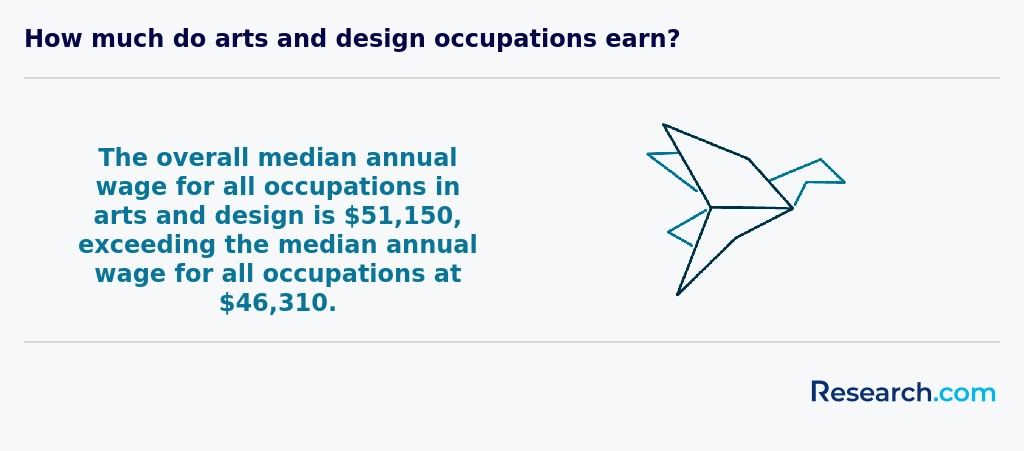
If you're eyeing a fine arts degree in the Northeast, you're in for a treat when it comes to career paths. Graduates from schools like the School of Visual Arts in NYC or RISD in Rhode Island often land roles not just as artists but also as graphic designers, illustrators, or art directors. The Northeast's buzzing creative scene means there's no shortage of openings where your art skills get to shine, from big city advertising agencies to startup media firms.
Many fine arts grads find exciting gigs at museums and galleries, whether in Boston or New York, working as curators or conservators. These roles are perfect if you love mixing art history with hands-on projects. Plus, the strong arts culture here means you can get involved with public art projects or cultural management, opening even more doors. Exploring job prospects for fine arts graduates in Northeast really shows how much the region supports diverse creative careers.
And for those focused on commercial media, places like Parsons graduates dive into digital content creation and multimedia work. Salaries can be quite rewarding, especially in metro areas. Don't forget, managing costs during your study is key, so many students look for scholarships or even check out which is the easiest phd course to keep options open while pursuing their arts dreams.
Graduates with fine arts degrees in the Northeast face a job market that's competitive but full of creative opportunities. Many find their footing in cities like New York or Boston, where advertising agencies, design firms, and media companies value artistic skills. For example, grads from well-known art schools benefit from local galleries and cultural institutions that often hire for roles like curation and restoration. The fine arts career opportunities in the Northeast might include teaching gigs at schools or community programs, which can be very rewarding.
Some graduates share how they balanced freelancing with part-time jobs in smaller towns, making the most of available arts-related roles while building portfolios. While salaries vary-a rookie fine artist might start lower than $54,000 nationally, others working in graphic design or media production can earn closer to $70,000. If finances are a concern, it helps to research options like the shortest masters degree online to boost job prospects.
2027 Most Popular Fine Arts Degree Programs Ranking in the Northeast
Investing in your education is a significant decision that can shape your future, and the Research.com team understands the importance of making informed choices. To assist prospective students, we have meticulously crafted the "2027 Most Popular Fine Arts Degree Programs Ranking in the Northeast." Our commitment to quality, credibility, and accuracy is reflected in the extensive research and analysis conducted to compile this ranking. We utilized the following reputable data sources to ensure a comprehensive evaluation of fine arts programs:
By exploring this ranking, readers will gain valuable insights into the most popular fine arts degree programs in the Northeast, helping them make informed decisions about their educational paths and future careers. For more details on our methodology, please visit our Research.com methodology page.


# 6 position
Pennsylvania State University-Main Campus
Bachelor of Fine Arts

# 7 position
Pennsylvania State University-Main Campus
Master of Fine Arts


# 19 position
University of Pittsburgh-Pittsburgh Campus
Doctor of Philosophy in History of Art and Architecture

Frequently Asked Questions About fine arts
Fine arts degree students in the Northeast can maximize their learning by engaging in both academic and practical opportunities. Many institutions in states like New York, Massachusetts, and Pennsylvania offer access to renowned museums, galleries, and theaters, providing invaluable real-world exposure. According to the National Center for Education Statistics, over 60% of fine arts programs in the region incorporate internships or cooperative education, which greatly enhance hands-on skills.
Networking through local art events and joining student art organizations also broadens students' professional connections. Additionally, leveraging technology and interdisciplinary courses allows learners to diversify their artistic approaches and stay competitive in a changing field.
Emerging niches within the fine arts field in the Northeast reflect the evolving nature of art influenced by technology and cultural shifts. Digital arts, including animation, virtual reality (VR), and augmented reality (AR), are rapidly gaining ground. According to the National Endowment for the Arts, enrollment in digital arts programs at Northeastern universities increased by 15% between 2018 and 2023.
Another growing area involves interdisciplinary studies combining fine arts with STEM fields, such as creative coding and interactive media. These programs often attract students interested in both artistic expression and technical skills.
Environmental and socially engaged art practices are also expanding, responding to regional concerns about sustainability and community activism.
Preparing for the job market after earning a fine arts degree in the Northeast requires strategic planning. Graduates should build a professional portfolio showcasing diverse work, as employers often prioritize tangible skills. According to the National Endowment for the Arts, Northeast states like New York and Massachusetts offer significant employment opportunities, particularly in galleries, museums, and design firms.
Networking is crucial; participating in local arts events, internships, and artist residencies can open doors. Additionally, understanding regional market demands, such as digital media or commercial art, enhances job prospects. Many institutions in the region also recommend developing skills in grant writing and art management to diversify career options.
Employers in the Northeast highly value fine arts graduates who demonstrate strong creativity and technical skills. According to the National Endowment for the Arts, practical experience with digital media and traditional techniques ranks among top requirements.
Critical thinking and problem-solving are essential, allowing graduates to adapt artistic concepts to client needs or project constraints. Also important are communication and collaboration skills, as many arts roles involve working within multidisciplinary teams.
The New England Foundation for the Arts highlights the growing demand for proficiency in art software such as Adobe Creative Suite. Portfolio quality remains a primary factor in hiring decisions, showcasing a graduate's range and professionalism.
Finding internships in the Northeast relevant to a fine arts degree involves leveraging regional resources and networks. Many institutions like the School of Visual Arts in New York City and the Massachusetts College of Art and Design maintain internship boards aimed at fine arts students.
Students should also explore partnerships between colleges and local galleries, museums, and cultural organizations. For example, the Boston Museum of Fine Arts frequently offers internship opportunities that help build professional experience.
Additionally, websites such as the National Art Education Association list internships specific to art students in the Northeast.
Networking through faculty, alumni, and local art events is crucial, as the fine arts field relies heavily on personal connections.
A fine arts degree in the Northeast can significantly influence career mobility and advancement for graduates. This region hosts a rich network of galleries, theaters, and creative agencies that actively seek skilled artists and designers. According to the National Endowment for the Arts, states like New York and Massachusetts exhibit higher-than-average employment rates in arts-related occupations.
Graduates with fine arts degrees often benefit from strong alumni connections and internships available through renowned institutions such as the Rhode Island School of Design and the School of Visual Arts in New York. These opportunities can open doors to leadership roles in creative sectors.
Moreover, the U.S. Bureau of Labor Statistics projects a 7% growth in arts and design jobs through 2031, particularly in urban Northeastern areas. This steady demand supports both career shifts and upward mobility within arts fields.
Studying for a fine arts degree in the Northeast offers unique interdisciplinary opportunities, reflecting the region's rich cultural and academic diversity. Many Northeastern institutions emphasize collaboration across departments such as digital media, theater, and graphic design. This approach aligns with data from the National Center for Education Statistics, showing that 65% of fine arts programs in the Northeast include cross-disciplinary coursework.
Students benefit from access to renowned museums, theaters, and tech hubs, facilitating practical experience beyond traditional studio work. These connections prepare graduates for careers blending visual arts with fields like marketing, technology, or education.
Interdisciplinary training enhances creativity and adaptability, skills essential in today's evolving job market.
When choosing between a thesis and a non-thesis fine arts degree program in the Northeast, students should consider their career goals and learning preferences. A thesis program emphasizes research and a formal written or creative project, ideal for those aiming for academia or advanced study. According to the National Center for Education Statistics, about 40% of fine arts graduate programs in the Northeast offer thesis options.
Non-thesis programs typically focus more on practical skills and coursework, suitable for students prioritizing studio work or direct entry into the art industry. Many Northeastern institutions tailor non-thesis tracks to contemporary art professions, highlighting portfolio development and exhibitions.
Consider faculty expertise, available resources, and program flexibility before deciding. The choice impacts time commitment; thesis programs may require extra semesters for completion.
Students in the Northeast seeking to study fine arts abroad have several solid options through US universities offering established exchange and study abroad programs. Institutions such as New York University and Boston University have partnerships with European art schools, allowing students to spend a semester or year overseas while earning credits toward their fine arts degrees.
According to the Institute of International Education, approximately 12% of US fine arts students participate in study abroad programs, with Europe and Asia being popular destinations. Many programs emphasize hands-on studio work combined with art history courses, providing immersive cultural experiences.
Financial aid and scholarships specifically for study abroad in fine arts are increasingly available through both home institutions and external organizations, improving accessibility for Northeast students.
Students pursuing fine arts degrees in the Northeast can benefit from part-time jobs that enhance both practical skills and professional networks. Opportunities such as gallery assistants, museum docents, and art supply store clerks offer hands-on experience with art materials and curatorial practices. These roles align closely with academic studies and deepen understanding of the art world.
Additionally, freelance design and illustration work can be pursued remotely or locally, leveraging digital skills common in fine arts curricula. According to the Bureau of Labor Statistics, the Northeast shows steady growth in creative occupations, suggesting expanding markets for freelance artists.
Internships at cultural institutions in cities like New York and Boston also provide part-time options that strengthen resumes and connect students with arts professionals.
Fine arts students in the Northeast have access to robust networking opportunities through regional art schools, galleries, and cultural institutions. Cities like New York, Boston, and Philadelphia host numerous events, exhibitions, and workshops where students can connect with established artists and industry professionals. According to the National Endowment for the Arts, the Northeast leads the country in arts funding, supporting many networking platforms.
Universities often collaborate with local museums and theaters, enabling students to engage in internships and live projects. Professional organizations such as the College Art Association also have active chapters in the region, offering conferences and mentorship programs. These resources significantly enhance career prospects.
Alumni networks offer significant benefits to fine arts degree students in the Northeast by providing valuable connections in a competitive field. Graduates can access mentorship opportunities from experienced artists and professionals who understand the regional art scene. According to the National Endowment for the Arts, networking through alumni increases job placement success by up to 20% in creative industries.
These networks often host workshops, exhibitions, and career fairs that expose students to real-world projects and employment leads. Northeastern institutions like the Rhode Island School of Design emphasize alumni engagement to support emerging artists in building portfolios and professional practices.
Moreover, alumni connections facilitate collaboration across galleries, studios, and creative firms, helping graduates establish their artistic careers locally. Such networks also provide insights into funding, residency programs, and grants available specifically for artists in the Northeast.
Customizing a fine arts degree program in the Northeast allows students to align their education with specific career goals. Many schools offer diverse specializations such as painting, sculpture, digital media, or art education. Students can often select elective courses, participate in internships, or engage in independent study projects tailored to their interests.
In addition, institutions in the Northeast frequently provide opportunities to collaborate with local galleries and museums, enhancing practical experience. According to the National Center for Education Statistics, over 60% of fine arts graduates in this region pursue careers related to their chosen specialization, highlighting the benefit of a tailored program.
Advisors at these institutions guide students in creating a personalized curriculum, balancing core requirements with professional development to support diverse career pathways in the fine arts sector.
Fine arts students in the Northeast often face high tuition costs, with many top schools charging upwards of $50,000 per year, according to the National Center for Education Statistics. This financial burden can lead to significant student debt. Additionally, limited access to affordable studio space in urban areas poses practical challenges for students needing room for projects and materials.
Another common issue is balancing intensive coursework with part-time jobs, as many students must work to support themselves. Competition for internships and gallery showings is also fierce due to the dense concentration of artists and institutions in the region. These factors combine to create a rigorous environment for aspiring fine artists.
Graduates with a fine arts degree in the Northeast can pursue several professional certifications to enhance career prospects. Common certifications include the National Art Education Association's (NAEA) teaching credential, essential for those aiming to teach art in K-12 public schools. Additionally, obtaining certification in arts administration, such as the Certified Arts Professional (CAP) offered by the Arts Management Network, can benefit those interested in managing galleries or cultural institutions.
Professional development in digital arts and design tools, through certifications like Adobe Certified Expert (ACE), is also valuable. According to the National Center for Education Statistics, over 30% of Northeast fine arts graduates enter education or arts management sectors.
Applying to fine arts programs in the Northeast requires a strategic approach focused on showcasing your creativity and technical skills. Most leading schools in this region, including institutions in New York and Massachusetts, emphasize a strong portfolio as a key part of the application. According to the National Association of Schools of Art and Design (NASAD), a well-curated portfolio can significantly boost acceptance chances.
In addition to your portfolio, many programs request a personal statement explaining your artistic vision and goals. Admissions committees look for clarity, originality, and passion in these essays. Academic transcripts are also important; a solid GPA especially in art-related courses reflects your commitment and preparedness. Letters of recommendation from art instructors or professionals add credibility to your application.
Lastly, consider participating in regional art competitions or exhibitions, as documented by the College Board, to strengthen your application with real-world experience. Meeting all deadlines and following submission guidelines carefully is essential for success in highly competitive Northeast programs.
The global perspective on fine arts careers reflects a dynamic and evolving landscape. In the United States, especially in the Northeast, fine arts graduates often pursue diverse paths that include roles in galleries, education, digital media, and public arts. According to the National Endowment for the Arts, about 2.5 million U.S. workers were employed in arts and design occupations in 2022.
Internationally, demand for creative professionals is growing, driven by cultural exchange and digital platforms. However, the Northeast offers unique opportunities due to its concentration of museums, cultural institutions, and art schools recognized worldwide. This region supports a vibrant arts economy, with cities like New York ranking as global art market leaders (Art Basel & UBS Global Art Market Report 2023).
Students considering fine arts degrees in the Northeast can benefit from strong institutional networks that connect local, national, and global art communities, fostering international career mobility.
Gaining practical experience during a fine arts degree in the Northeast is crucial for building both skills and professional networks. Many regional colleges encourage students to engage in internships at local galleries, museums, and art studios. For example, institutions in New York and Massachusetts often collaborate with cultural organizations, providing over 40% of fine arts students with internship opportunities, according to the National Endowment for the Arts.
Students can also participate in on-campus exhibitions and community art projects, allowing hands-on practice and public exposure. Additionally, cooperative education programs in some universities enable paid work terms in creative industries, further enhancing practical learning.
Choosing the right concentration within a fine arts degree program in the Northeast starts with understanding your artistic interests and career goals. Common concentrations include painting, sculpture, digital media, and photography. The National Endowment for the Arts reports that programs in this region often emphasize interdisciplinary work, allowing students to explore multiple mediums before specializing.
It is useful to research faculty expertise and available facilities, as top Northeast schools like the Rhode Island School of Design and Pratt Institute offer varied opportunities aligned with specific concentrations. Additionally, consider internship and gallery connections in cultural hubs such as New York City and Boston.
Employment data from the Bureau of Labor Statistics highlights that areas like graphic design and digital arts are growing faster than traditional disciplines, which may influence your choice. Visiting campuses and speaking with advisors can provide clarity on what concentration fits your creative and professional ambitions best.
- Studio Art Financial Aid Application https://www.mfa.org/programs/studio-art-classes/studio-art-scholarship-application
- Art-Fine Arts/Media Arts Concentrations, BA https://www.nec.edu/programs/bachelor-of-arts-fine-arts-media-arts
- Challenges in Undergraduate Art Education - Arts Education Partnership https://www.aep-arts.org/challenges-in-undergraduate-art-education/
- Arts & Communication Scholarships https://northeast.edu/costs-aid/scholarships/arts-communication
- Networking - Weaving Your Web as an Art Graduate - Visual Artists Association https://visual-artists.org/resources/networking-weaving-your-web-as-an-art-graduate/
- Certificate of Fine Arts | CFA Programs - New York Academy of Art https://nyaa.edu/continuing-studies/certificate-of-fine-arts/
- What Alumni Say https://www.cityandguildsartschool.ac.uk/ma-fine-art/student-and-alumni-case-studies/
- Careers in Fine Art https://www.artcenter.edu/academics/undergraduate-degrees/fine-art/careers-in-fine-art.html
- 14 art niche ideas and how to determine yours https://www.gelato.com/blog/art-niche-ideas
- Fine Arts https://www.wits.ac.za/course-finder/undergraduate/humanities/fine-arts/