
2027 Best Fine Arts Degree Programs Ranking in Massachusetts

Co-Founder and Chief Data Scientist
Exploring fine arts degree programs in Massachusetts can be exciting yet overwhelming. That's why the 2027 Best Fine Arts Degree Programs Ranking in Massachusetts, created by the Research.com team of data scientists, is here to guide you.
This article makes it easier to find programs that truly fit your goals and passions. Whether you want to nurture creativity or prepare for a rewarding career, understanding your options helps you make confident decisions.
Discover opportunities to grow your artistic skills and unlock new possibilities with a fine arts degree. Your journey starts here.
Key benefits of getting fine arts degree in Massachusetts
- Fine arts graduates in Massachusetts can earn competitive salaries, such as illustrators making around $71,420 annually and animators earning about $109,630 per year, reflecting strong financial potential.
- Career paths from Massachusetts colleges include roles like graphic artists, art therapists, and animators, offering creative and rewarding opportunities tailored to individual passions.
- Obtaining a fine arts degree online from a recognized Massachusetts university provides flexibility and access to expert guidance, making it easier to balance studies with personal commitments while gaining valuable skills.
- 2027 Best Fine Arts Degree Programs Ranking in Massachusetts
- What can I expect from fine arts degree in Massachusetts?
- Where can I work with fine arts degree in Massachusetts?
What can I expect from fine arts degree in Massachusetts?
When considering the cost of a fine arts degree in Massachusetts, students often find it varies between public and private institutions. For example, at well-known public universities, in-state tuition can range around $15,000 to $20,000 per year, while private colleges typically charge between $40,000 and $50,000 annually. Graduates from these programs often reflect on how the investment was worthwhile, citing access to exceptional faculty, modern studios, and vibrant local art scenes in cities like Boston and Cambridge.
Many students complement their tuition expenses with scholarships, grants, or part-time work in nearby galleries or creative studios, easing financial burdens. The rich network and hands-on experiences offered by institutions such as Massachusetts College of Art and Design prove invaluable despite costs, as graduates credit these opportunities with launching rewarding careers. The passion and dedication these students pour into building portfolios and professional connections often turn these expenses into a stepping stone toward fulfilling artistic ambitions.
Where can I work with fine arts degree in Massachusetts?
With a fine arts degree from Massachusetts schools like the School of the Museum of Fine Arts or Massachusetts College of Art and Design, graduates often step into dynamic roles across the state's vibrant creative sectors. Many find fulfilling careers in museums such as the Museum of Fine Arts Boston or the Isabella Stewart Gardner Museum, where they engage in curatorial work, conservation, or educational programming-blending artistic passion with practical skills.
Others thrive as art educators in K-12 schools or community centers throughout Massachusetts. Teaching art offers a rewarding way to inspire young minds while developing curriculum rooted in creativity, a path many alumni embrace with pride and purpose.
For those drawn to commercial creativity, Boston and Cambridge present rich opportunities in graphic design, multimedia, and advertising. Graduates often share stories of building portfolios that catch the eye of innovative firms looking for fresh artistic perspectives combined with digital expertise.
Many graduates also choose the freelance route, supported by local grants and strong arts organizations that sustain independent projects. This flexibility allows artists to pursue personal vision while contributing meaningfully to Massachusetts's thriving art community.
Graduates from fine arts programs at Massachusetts colleges often find rewarding career paths that reflect their creativity and dedication. For example, a graduate starting as a graphic artist in Boston can expect a mean annual wage of about $64,700, which helps support an exciting career in dynamic design studios or marketing firms.
Many illustrators who began their journeys at local institutions are delighted to earn around $71,420 annually, channeling their artistic talents into publishing, advertising, or digital media. If animation sparks your passion, know that animators report impressive salaries with a mean annual wage of $109,630, making it one of the most lucrative avenues for fine arts graduates in Massachusetts.
Fine arts graduates looking to merge creativity with care might consider art therapy, where the mean salary is about $75,660. This path offers both emotional fulfillment and financial stability.
Massachusetts' strong arts community and cultural support create a vibrant backdrop for these opportunities, allowing graduates from well-known art programs to thrive and grow in competitive, well-paying roles.
- Annual tuition for fine arts degrees in Massachusetts is $15,000 to $20,000 at public universities for in-state students and can exceed $40,000 at private colleges.
- Additional costs such as art supplies can be significant and are not included in tuition fees.
- Entry-level salaries for fine arts graduates in Massachusetts average around $35,000 per year.
- Experienced professionals with strong portfolios may earn over $60,000 annually within five to ten years.
- Projected job growth in arts occupations in Massachusetts is 3% to 5% over the next decade, similar to the national average.
- Many state institutions offer scholarships and financial aid for arts students, especially for in-state residents at public universities.
In Massachusetts, completing a fine arts degree typically takes about four years of full-time study, mirroring the national standard. Graduates from schools like Massachusetts College of Art and Design often share how this timeline gave them enough space to deeply explore their craft while balancing general education requirements. Choosing a Bachelor of Fine Arts means dedicating more hours in the studio, intensifying your skill set, whereas a Bachelor of Arts blends arts with broader academic subjects, which some find refreshing.
Many students find that staying enrolled full-time helps keep momentum strong, pushing them steadily toward graduation. However, life sometimes calls for part-time study or transferring credits from other institutions, which can extend this period. A friend who left a community college for MassArt finished full-time in four years but cherished the extra semester she took to perfect her final exhibition.
Understanding these timelines lets you plan both your artistic journey and budget wisely, especially since private art schools in Massachusetts can be a bigger financial commitment. Embrace the process-you're investing in your future as a creative professional.
As Massachusetts continues to lead in art education, Fine Arts programs are evolving to meet the demands of a rapidly changing creative landscape. In addition to a robust curriculum, students are now benefiting from emerging trends such as digital integration in traditional art forms, cross-disciplinary collaborations, and enhanced industry partnerships that prepare graduates for unconventional career paths. Faculty and industry experts are emphasizing the importance of technology-from digital media to interactive installations-which supports innovative learning and fosters entrepreneurial thinking. Students are encouraged to engage in community-based projects, internships, and study-abroad programs that enrich their educational experience and expand their professional network. Moreover, the state’s strong arts ecosystem offers plentiful avenues for initiative and collaboration, enabling graduates to adapt swiftly to new market trends and evolving job roles. For example, many prospective students are increasingly exploring options like most affordable fine arts programs in massachusetts, which blend rigorous academic training with real-world experience to launch successful careers in the world of art and design. Embracing these trends not only prepares students to thrive in competitive fields but also equips them with the critical skills needed to innovate and lead in a future where art continuously intersects with technology and culture.
Choosing between online and on-campus fine arts degrees in Massachusetts often comes down to how you want to engage with your creativity. On-campus programs at places like Massachusetts College of Art and Design immerse you in hands-on experiences-imagine having immediate access to printmaking presses, ceramics kilns, and studios buzzing with energy. Graduates often recall the inspiring moments of live critiques and collaborative projects that sharpened their skills and deepened their artistic voice.
Online programs offer a different kind of freedom, ideal for students balancing work or family. Many programs send kits with art supplies and host virtual classrooms, helping you create in your own space and on your own schedule. However, students sometimes miss the electrifying vibe of a shared studio or spontaneous conversations with peers nearby.
Financially, public on-campus fine arts programs in Massachusetts average around $14,000 yearly tuition for in-state students, while online options may reduce tuition but add shipping and tech fees. Both paths demand discipline and passion, but the choice hinges on whether you thrive in a tactile, social environment or prefer flexible, self-paced study tailored to your life.
A key element that prospective students often overlook is what life on campus is really like beyond the classroom. In addition to rich academic programs and hands-on studio experiences, many Fine Arts institutions in Massachusetts boast vibrant communities that nurture creativity and collaboration on and off campus. Student organizations, gallery exhibitions, interdisciplinary workshops, and networking events help mold artists both professionally and personally. These experiences provide opportunities to work with renowned local artists, participate in community-driven art projects, and even secure internships that enrich your academic journey. For instance, some campuses offer active clubs and collaborations with local cultural institutions that not only showcase your work but also significantly enhance your professional network. By immersing yourself fully in campus life, you gain insights that extend past lectures and studio sessions-helping you build lasting relationships and a robust portfolio. You can also explore most affordable fine arts programs in massachusetts to see how a supportive campus community pairs academic excellence with real-life engagement opportunities, ultimately paving the way for a successful artistic career.
The average cost of a fine arts degree in Massachusetts is roughly $68,108 in total, depending on whether you are in-state or out-of-state, though in-state students may expect a somewhat lower median total around $52,040. Graduates from institutions like the University of Massachusetts or the Massachusetts College of Art and Design often reflect on how these investments translate into rich creative experiences, access to dedicated studios, and mentorship from experienced faculty. While tuition is a considerable part of the expense, students frequently share that the true financial picture includes art supplies, studio fees, and living costs, which together shape the overall budget.
For many aspiring artists, the Massachusetts fine arts degree program expenses are balanced by the vibrant artistic community and career networking opportunities these schools offer. Alumni often recount how specialized programs and smaller class sizes helped them develop a unique vision and technical skills. Private schools and prestigious institutions near Boston may have higher fees, sometimes exceeding $55,000 annually, which supports more personalized instruction and extensive resources.
Understanding these costs is essential but so is exploring scholarships and financial aid targeted at fine arts students, which many Massachusetts schools actively provide. To find more details on budgeting for your education journey, consider researching the most affordable fine arts programs in massachusetts. Embracing these realities early allows you to plan effectively and pursue your passion with confidence.

The campus environment plays a pivotal role in shaping your journey as a Fine Arts student in Massachusetts. Beyond rigorous academics and hands-on training, schools foster vibrant communities that encourage creativity both inside and outside the classroom. From gallery shows and artist-run workshops to collaborative projects and clubs centered on various art forms, you'll discover numerous avenues to express yourself and build lasting relationships. Many institutions also host regular cultural events and networking sessions that feature established artists and industry professionals, providing insights that can help boost your career prospects. Moreover, engaging in these activities can be a cost-effective way to explore the creative landscape-consider checking out most affordable fine arts programs in massachusetts to find options that blend quality education with outstanding campus experiences. This blend of academic excellence and dynamic student life not only refines your craft but also prepares you for the diverse challenges of the professional art world.
When pursuing a fine arts degree in Massachusetts, financial aid can open doors that might otherwise feel out of reach. Many graduates from institutions like Massachusetts College of Art and Design have tapped into federal aid by completing the FAFSA, unlocking Pell Grants that can provide up to $7,395 annually, easing tuition costs significantly. These grants, combined with low-interest federal loans, make managing expenses more attainable for students passionate about their craft.
State-specific programs also play a vital role. Residents often benefit from the Mass Grant program, which helps cover tuition at public universities, while high-achieving students might earn the John and Abigail Adams Scholarship, which can offset fees at private fine arts schools. Many peers have shared how merit-based scholarships tied to artistic portfolios transformed their college experience by reducing financial stress.
Work-study opportunities allow you to balance school with part-time work, often on campus or within local arts communities, providing both income and valuable experience. Additionally, private scholarships from organizations like the Boston Foundation frequently support fine arts students, helping them pursue their dreams with more confidence and less worry about debt.
Embarking on a Fine Arts degree is an exciting journey that goes beyond mastering techniques and theory. To truly thrive, it's essential to develop a strategic approach that integrates academic rigor, creative exploration, and professional development. Start by setting clear short- and long-term goals, from building an impressive portfolio to connecting with industry professionals. Engage actively in class discussions, seek feedback from professors, and participate in collaborative projects which mirror real-world scenarios. Take advantage of campus resources such as workshops, artist residencies, and mentorship programs that can enhance both your technical skills and creative vision. Don’t hesitate to attend networking events and portfolio reviews to meet established artists and potential employers. Also, consider exploring financial and resource-friendly options that can lessen your educational expenses; many of the most affordable fine arts programs in massachusetts offer a balanced approach to cost and quality, helping you focus on your growth without overwhelming financial pressure. Finally, maintain a balance between your academic, creative, and personal life. Time management and self-care are key to staying energized and inspired. Embrace every learning opportunity and remember that the foundation you build during your studies will serve as a strong launchpad into a successful and fulfilling artistic career.
To embark on a fine arts degree journey in Massachusetts, you first need a high school diploma or GED, a foundational step embraced by schools like Massachusetts College of Art and Design. Graduates often describe the relief and pride of meeting this initial hurdle, knowing it opens the door to their creative futures.
Equally important is assembling a strong portfolio. Imagine showcasing your best works-drawings, paintings, or digital art-to demonstrate your unique artistic voice. This portfolio isn't just art; it's your story, your passion, exactly what admissions committees at places like Tufts University want to see.
While SAT or ACT scores are optional at many Massachusetts schools, submitting them can strengthen your application, especially for scholarships. Graduates often mention how letters of recommendation from art mentors illuminated their dedication and growth, boosting their acceptance chances.
Many students also find personal or artist statements useful to express their vision and commitment. Some institutions offer workshops to polish portfolios, helping applicants feel confident and ready to join competitive fine arts communities here in Massachusetts.
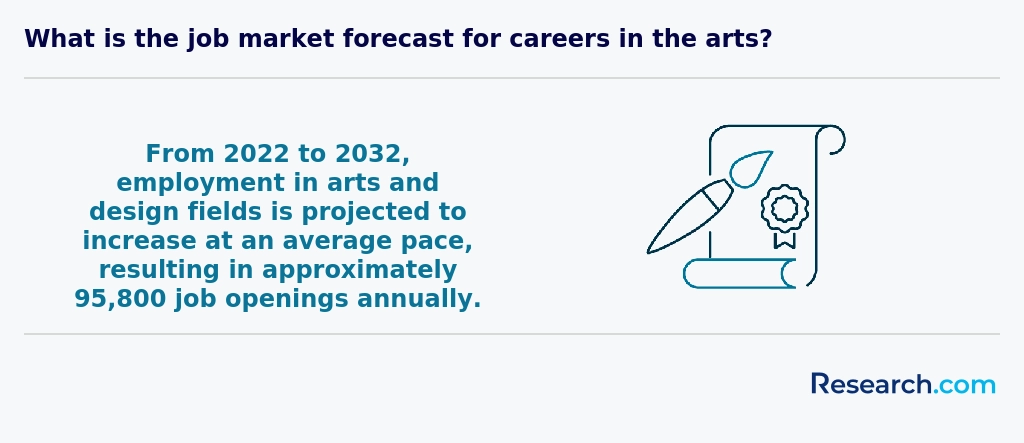
Building a standout portfolio is the cornerstone of any successful application to Fine Arts degree programs in Massachusetts. Start by selecting 12–20 pieces that showcase a balance of technical skill and creative experimentation-include drawing sketches, paintings, digital works, and mixed-media projects. High-resolution photographs or scans are essential for digital submissions; ensure each image is well-lit, sharply focused, and accompanied by concise metadata (title, medium, dimensions, and date). Organize your work in a logical sequence-beginning with foundational skills and progressing to your most innovative pieces-to guide reviewers through your artistic evolution. Begin assembling your application at least six months before deadlines. Research each school’s specific requirements, including portfolio platform (PDF, website, or slide deck), supplementary materials, and recommended file sizes. While drafting your personal statement, weave in anecdotes about your creative process and academic goals, and request letters of recommendation from art instructors or professional mentors who can attest to your dedication and growth. Order transcripts early, and double-check submission portals for formatting instructions. Keep a master checklist to track materials for each program to avoid last-minute surprises. Timelines vary by institution but generally fall between November and February for fall admission. Aim to finalize your portfolio by October to allow time for feedback from peers or workshops. Many applicants benefit from mock reviews hosted by local art centers or online critique groups. Incorporate revisions promptly, as slight improvements in image quality or project descriptions can significantly impact how your work is perceived. For students considering further academic growth beyond the undergraduate level, pairing your Fine Arts practice with graduate studies in creative writing can broaden your creative toolkit. Explore our curated list of low cost mfa in creative writing to find programs that blend literary craft with visual artistry, ensuring you’re prepared for a multidisciplinary career in the arts.
If you're diving into a fine arts degree in Massachusetts, expect a vibrant mix of courses designed to sharpen both your creative and technical skills. Graduates from well-known local schools often reflect fondly on foundational studios like drawing, painting, and sculpture-these hands-on classes become the heart of their artistic journey, helping them develop a unique style.
Massachusetts programs also embrace modern creativity through digital media and photography courses, preparing you for today's art world where technology plays a huge role. Imagine being in a studio at a Boston college, experimenting with digital tools alongside traditional mediums-this blend opens exciting career paths.
Many students recall how in-depth art history classes gave them a richer cultural context, making their own work resonate deeper. Specialized electives such as animation, ceramics, and graphic design let you customize your studies, reflecting your personal passion.
Finally, don't underestimate professional development courses focusing on portfolio building and exhibition skills-graduates say these prepare you to step confidently into creative industries. In Massachusetts, this practical approach makes all the difference.
Exploring fine arts specializations in Massachusetts reveals a vibrant spectrum of creative paths. Graduates from renowned schools like the Massachusetts College of Art and Design often highlight their journeys through traditional Painting and Drawing, mastering both classical and modern techniques. Sculpture students thrive by working hands-on with metal and clay, engaging deeply with tangible materials to create lasting art.
For those inclined toward innovation, Graphic Design and Animation blend artistic skill with digital technology, reflecting the dynamic art scenes at universities such as Boston University. Photography and Printmaking remain popular, offering a balance between technical mastery and creative expression that many find deeply fulfilling. Meanwhile, Ceramics students appreciate the tactile connection to their craft, benefiting from well-equipped studios that foster growth.
The interdisciplinary approach embraced by several Massachusetts institutions allows students to combine fine arts with emerging media or arts management, preparing them for diverse careers. If affordability is a concern, consider exploring options like the low cost mfa in creative writing to complement your artistic training within budget.
Many who pursue Massachusetts fine arts degree options find that these specializations not only refine their talents but also inspire confidence to innovate and contribute meaningfully to the creative world.
Choosing the best fine arts degree programs Massachusetts offers means focusing on what will enrich your creative journey and career. Graduates from well-known schools like the Massachusetts College of Art and Design frequently share how the NASAD-accredited programs helped them balance studio time with deep dives into art history, fueling both skill and inspiration.
Financial considerations shape many students' paths. Many find that affordable fine arts colleges in Massachusetts provide significant value - especially when you factor in extra costs like materials and supplies. Some students start by comparing tuition carefully but make sure to explore scholarship and financial aid options to make their dreams affordable.
Being immersed in Boston or Cambridge's bustling art community can transform your experience. Internships, gallery shows, and networking open doors, connecting classroom work to real-world opportunities that graduates credit for jumpstarting their careers. Access to such vibrant local scenes creates memorable, career-defining moments for aspiring artists.
When seeking guidance, you might explore unique options like a top online associate degree in 6 months accredited to supplement your education with flexible foundations that complement your fine arts studies.

Graduates of fine arts programs in Massachusetts often find themselves embracing diverse career paths that blend passion with practical skills. Many become professional visual artists, showcasing their work in vibrant art scenes found in Boston or Cambridge, where galleries and exhibitions are abundant. Others leverage their talents by stepping into education, teaching art in secondary schools or higher education institutions like those at well-known state universities, enriching younger minds with creativity and critical thinking. For those drawn to the organizational side of art, roles in arts administration or museum curation-at places such as the Museum of Fine Arts or Isabella Stewart Gardner Museum-offer rewarding opportunities to manage exhibitions and engage communities.
Beyond traditional roles, fine arts graduates are thriving in graphic design, digital media, animation, and advertising, especially in Massachusetts's growing tech sectors. Freelancing remains a popular choice within the supportive local arts community, although graduates need to plan carefully given the high cost of living. Many alumni from top schools recognize that combining art skills with business savvy or exploring masters programs that make the most money can open even more doors in this competitive landscape of fine arts career opportunities Massachusetts offers.
The job market for fine arts degree holders in Massachusetts offers both challenges and unique opportunities. Graduates often find themselves thriving in diverse roles such as graphic design, multimedia arts, or art education, especially in vibrant cultural hubs like Boston and Cambridge. Many from well-known local institutions channel their creativity into museums or galleries, creating impactful community connections. Understanding the competitive nature of this field is crucial, as freelancers and independent artists face financial unpredictability despite the rewarding creative freedom. Exploring fine arts job opportunities in Massachusetts means also developing digital skills and networking abilities to stand out.
Salary expectations for recent graduates tend to start modestly, with an average around $55,000 annually, but growth potential exists as experience accrues. Costs for studying fine arts should be carefully considered-private schools can be costly, whereas public colleges offer more affordable tuition. Many students find it helpful to explore financial aid and grants through local arts organizations to support their growth.
For those seeking guidance on navigating educational choices, check out this list of best colleges offering flexible fine arts programs that fit diverse needs and schedules.
Massachusetts fine arts degree career prospects require passion matched with practical skills; embracing this balance can unlock fulfilling pathways in a dynamic creative economy.
2027 Best Fine Arts Degree Programs Ranking in Massachusetts
Investing in your education is a significant decision that can shape your future, and the Research.com team understands the importance of making informed choices. To assist prospective students in Massachusetts, we have meticulously crafted the "2027 Best Fine Arts Degree Programs Ranking in Massachusetts." Our commitment to quality, credibility, and accuracy is reflected in the extensive research and analysis conducted to compile this ranking.
We utilized the following reputable data sources to ensure a comprehensive evaluation of fine arts programs:
By exploring this ranking, readers will gain valuable insights into the best fine arts degree programs available in Massachusetts, helping them make informed decisions about their educational paths. For more details on our methodology, please visit our Research.com methodology page.


Frequently Asked Questions About fine arts
Fine arts degree students in Massachusetts can enhance their learning by engaging deeply with local art communities. The state hosts numerous galleries, museums, and public art installations, providing diverse opportunities to study and exhibit work. Participating in internships or assistantships at institutions like the Museum of Fine Arts in Boston connects students with professionals and real-world practices.
Many Massachusetts colleges offer interdisciplinary courses combining traditional techniques with digital media, reflecting industry trends. Students should leverage these curricula to broaden skill sets.
According to the Massachusetts Department of Higher Education, collaborative projects and networking increase post-graduation employment by approximately 20% for fine arts majors.
Additionally, attending workshops, artist talks, and local exhibitions enriches artistic perspectives and professional growth.
The fine arts field in Massachusetts is expanding beyond traditional disciplines like painting and sculpture. Emerging niches include digital and multimedia arts, which combine technology with creative expression. These areas reflect growing job opportunities in animation, virtual reality, and interactive design. According to the National Endowment for the Arts, Massachusetts saw a 12% increase in employment within digital arts sectors from 2018 to 2023.
Another rising niche is socially engaged art, where artists collaborate with communities to address social issues. This practice aligns well with Massachusetts' strong nonprofit and educational sectors that support public art projects. Additionally, art therapy programs have gained prominence, offering fine arts graduates roles in mental health settings.
After completing a fine arts degree in Massachusetts, preparing for the job market involves several key steps. Many graduates benefit from building a professional portfolio that showcases their best work, which is essential when applying for galleries, design firms, or freelance opportunities. Networking through local art organizations, such as the Massachusetts Cultural Council, can provide valuable connections and potential job leads.
Internships and apprenticeships during or after your studies offer practical experience and improve employability. According to the U.S. Bureau of Labor Statistics, Massachusetts has a growing demand for artists and designers, with job growth projected at 14% through 2031, which is faster than average.
Additionally, graduates should consider developing digital skills, including proficiency with graphic software and online marketing, since many art jobs now require these capabilities.
Employers seeking graduates with fine arts degrees in Massachusetts prioritize a blend of creativity and practical skills. Strong technical abilities in various mediums, such as painting, sculpture, digital arts, and design software, are essential. According to the Massachusetts Cultural Council, adaptability and innovation rank highly, as artists must often work in diverse creative settings.
Communication skills also stand out, enabling artists to present and market their work effectively. Collaboration is crucial too, especially in team projects or interdisciplinary environments common in Boston's vibrant arts scene. A 2023 report by the Massachusetts Creative Economy Partnership highlights that 68% of employers value graduates capable of both independent and cooperative work.
Overall, employers seek fine arts graduates who combine artistic talent with strong technical knowledge, adaptability, and interpersonal skills to thrive within Massachusetts' competitive creative industries.
Finding internships in Massachusetts relevant to a fine arts degree involves strategic research and networking. Many colleges like the Massachusetts College of Art and Design (MassArt) offer internship programs connecting students with local galleries, museums, and studios. According to the National Association of Colleges and Employers, over 60% of fine arts internships in Massachusetts result in job offers or professional references.
Students should also explore Boston's vibrant arts community, which includes opportunities at institutions such as the Museum of Fine Arts and the Isabella Stewart Gardner Museum. Online platforms focused on arts internships, like the College Art Association's Career Center, provide listings specifically for Massachusetts. Reaching out via professional networks, including local artist collectives, enhances access to unpaid or paid internships tailored to fine arts students.
A fine arts degree in Massachusetts can positively impact career mobility by providing graduates with skills valued across multiple industries, including design, education, and entertainment. The state's robust arts scene, especially in Boston and Cambridge, offers numerous opportunities for networking and professional growth.
According to the Massachusetts Cultural Council, cultural industries contribute approximately $6 billion annually to the state economy, supporting over 90,000 jobs. Graduates with fine arts degrees often benefit from this demand, as local businesses seek creative professionals.
Moreover, fine arts education enhances critical thinking and problem-solving skills, which employers highly regard. This versatility facilitates advancement into leadership or specialized roles, particularly in creative agencies, galleries, and educational institutions throughout Massachusetts.
Studying for a fine arts degree in Massachusetts offers unique preparation for interdisciplinary roles by combining traditional art skills with emerging technologies and collaborative approaches. Many programs integrate coursework in digital media, design, and liberal arts, equipping students to work across fields such as marketing, education, and technology. According to the Massachusetts Department of Higher Education, over 60% of fine arts graduates pursue careers outside pure studio art, highlighting the program's versatility.
Institutions in Massachusetts often encourage partnerships with local museums, theaters, and tech startups, providing hands-on experience that blends creative and practical skills. This approach promotes adaptability in diverse professional environments, important in today's evolving job market.
When choosing between a thesis and a non-thesis fine arts degree program in Massachusetts, consider your career goals and learning preferences. Thesis programs typically require a significant research project or creative work, ideal for students aiming for academia, gallery exhibitions, or advanced graduate study.
Non-thesis options focus more on coursework and practical skills, which suits those seeking immediate professional practice or employment in creative industries. According to the Massachusetts Department of Higher Education, many fine arts programs in the state offer both tracks, allowing flexibility.
Additionally, thesis programs often demand a longer time commitment and critical writing skills, while non-thesis programs may finish sooner.
Students based in Massachusetts who pursue fine arts degrees have various opportunities to study abroad through exchange programs and partnerships facilitated by their home institutions. Many Massachusetts colleges, such as Massachusetts College of Art and Design and Emerson College, offer study abroad options in countries with rich artistic traditions like Italy, France, and Spain.
These programs typically last one semester to a full academic year and allow students to earn credits transferable to their Massachusetts degree. According to the Institute of International Education's latest Open Doors report, Massachusetts ranks among the top U.S. states for student participation in study abroad, with fine arts representing a significant portion of these enrollments.
Students interested in fine arts abroad can take advantage of specialized workshops, internships, and collaborations with local artists, enhancing their artistic perspectives beyond traditional classroom settings. Institutions often provide scholarships specifically for study abroad, helping offset costs.
Students pursuing fine arts degrees in Massachusetts can benefit from various part-time job opportunities that complement their education. Positions such as art teaching assistants or gallery attendants allow students to gain practical experience while developing professional networks. According to the Massachusetts Cultural Council, the state supports over 3,000 arts organizations, offering ample openings for roles like event staff or museum docents.
Freelance graphic design and commissioned artwork are also viable options, enabling students to build portfolios and client relationships. Additionally, jobs at local theaters support skills in set design and production, closely related to fine arts training. These opportunities provide both income and relevant experience.
Fine arts students in Massachusetts benefit from a wide range of networking opportunities that support their educational and professional growth. Many institutions, such as the School of the Museum of Fine Arts at Tufts University and Massachusetts College of Art and Design, offer access to local galleries, artist talks, and collaborative workshops.
The Boston area hosts numerous art fairs and festivals, like ArtWeek Boston, attracting industry professionals and alumni, creating valuable connections. According to Mass Cultural Council, over 70% of artists in Massachusetts find career opportunities through networking.
Additionally, fine arts students can engage with professional organizations such as the New England Foundation for the Arts, which provides grants and networking events tailored to emerging artists.
Alumni networks play a crucial role for fine arts degree students in Massachusetts, providing valuable connections in a competitive field. Many Massachusetts art schools report that strong alumni ties help graduates find internships, job opportunities, and exhibition chances. According to the Massachusetts Cultural Council, 65% of artists statewide gain career advancement through professional networks, including alumni associations.
These networks often offer mentorship programs where experienced artists guide new graduates on portfolio development and navigating the art market. Alumni events foster community and inspire collaboration. For students, engaging with alumni can lead to gallery introductions and project partnerships, key factors for early career success in fine arts.
In Massachusetts, fine arts degree programs often offer flexibility to help students tailor their education to career goals. Many institutions provide customizable coursework with options to focus on specific disciplines like painting, sculpture, digital media, or art history. Students can select electives or minors that complement their artistic interests or practical skills.
Internship opportunities with local galleries, theaters, and museums are common, allowing students to gain real-world experience that aligns with professional objectives. Additionally, some schools collaborate with Boston's vibrant arts community, supporting networking and specialized workshops.
According to the Massachusetts Department of Higher Education, around 45% of fine arts students engage in interdisciplinary studies or customized tracks, enhancing their career readiness.
Fine arts students in Massachusetts often face several challenges related to funding their education. According to the Massachusetts Department of Higher Education, the average tuition for public institutions reached over $14,000 per year in 2023, creating financial strain for many aspiring artists. Limited access to specialized studio space and equipment is another common issue, as many colleges have high demand but constrained resources.
The competitive nature of the job market also weighs heavily. Fine arts graduates frequently encounter difficulties finding stable employment in the state, where creative industries are growing but still limited compared to tech or healthcare sectors.
Finally, balancing rigorous academic expectations with the need for professional networking can be tough, especially in culturally rich but costly urban centers like Boston.
With a fine arts degree in Massachusetts, graduates can pursue several professional certifications to enhance their careers. One common path is obtaining teaching certification through the Massachusetts Department of Elementary and Secondary Education, allowing graduates to teach art in public K-12 schools. The state requires a license in visual arts education, which includes passing the Massachusetts Tests for Educator Licensure (MTEL).
Additionally, fine arts graduates may seek certification in museum studies or art curation, often offered by professional associations rather than the state. Some pursue graphic design or digital media certifications to broaden opportunities in commercial art fields. These credentials can boost employment potential in the competitive Massachusetts art job market.
To write a winning application for a fine arts program in Massachusetts, start by carefully researching each school's specific requirements. Many programs, such as those at the Massachusetts College of Art and Design, emphasize a strong portfolio showing technical skill and creativity. Applicants should submit a well-organized portfolio featuring diverse work, including sketches, finished pieces, and digital media when applicable.
Academic records matter too; maintain a solid GPA because Massachusetts fine arts programs often combine creative work with rigorous theory classes. Include clear, concise artist statements explaining your vision and process, which helps admissions committees understand your unique perspective.
Letters of recommendation from art instructors or mentors can significantly strengthen your application by highlighting your dedication and growth potential. According to the National Association of Schools of Art and Design, Massachusetts hosts several top-ranked fine arts programs, making competition strong. Early application is advised to meet deadlines and secure financial aid.
Globally, careers in fine arts are often viewed through the lens of creativity, cultural expression, and economic contribution. In the United States, including Massachusetts, the fine arts sector supports over 2.5 million jobs according to the National Endowment for the Arts, showing its significant role in employment.
Massachusetts, known for its rich artistic heritage, offers fine arts graduates opportunities to engage in both traditional and digital media fields. Institutions like the Massachusetts College of Art and Design highlight the state's commitment to professional artistic development.
Internationally, fine arts careers are valued for fostering cultural dialogue and innovation. This is especially relevant today as technology and globalization expand artistic collaboration beyond borders.
Students in Massachusetts benefit from a supportive local arts ecosystem, where the creative economy contributes more than $7 billion annually, encouraging diverse career paths in fine arts.
Students pursuing a fine arts degree in Massachusetts can gain practical experience through various hands-on opportunities embedded in their programs. Many institutions encourage internships with local galleries, theaters, and museums, allowing students to apply their skills in real-world settings. For example, the Massachusetts Cultural Council supports internship programs that connect students with arts organizations across the state. Additionally, collaborative projects and exhibitions organized by universities enable students to showcase their work publicly.
Community-based art initiatives and studio residencies also offer valuable experience, fostering professional networks. According to the National Endowment for the Arts, Massachusetts ranks among the top states for arts employment, highlighting a supportive environment for emerging artists.
Choosing the right concentration within a fine arts degree program in Massachusetts requires understanding your artistic interests and career goals. Popular concentrations include painting, sculpture, photography, and digital media. Massachusetts is home to notable schools like the Massachusetts College of Art and Design, which offers diverse specializations and resources.
Consider programs that provide hands-on studio experience along with theoretical studies. According to the National Center for Education Statistics, nearly 30% of fine arts graduates in Massachusetts go into visual arts careers, highlighting the importance of practical skills. Visiting campuses or speaking with faculty can help you gauge the fit of each concentration.
Look for concentrations aligned with your preferred medium and future job market trends within the state's creative economy, which is steadily growing according to the Massachusetts Cultural Council.
- 2027 Best Fine Arts Degree Programs Ranking in Rhode Island
- 2027 Best Fine Arts Degree Programs Ranking in Connecticut
- 2027 Best Fine Arts Degree Programs Ranking in Virginia
- 2027 Best Fine Arts Degree Programs Ranking in Ohio
- 2027 Best Fine Arts Degree Programs Ranking in West Virginia
- 2027 Best Fine Arts Degree Programs Ranking in North Carolina
- 2027 Best Fine Arts Degree Programs Ranking in South Carolina
- 2027 Best Fine Arts Degree Programs Ranking in Tennessee
- 2027 Best Fine Arts Degree Programs Ranking in Michigan
- 2027 Best Fine Arts Degree Programs Ranking in Georgia
- Careers in Fine Art https://www.artcenter.edu/academics/undergraduate-degrees/fine-art/careers-in-fine-art.html
- Certificate of Fine Arts | CFA Programs - New York Academy of Art https://nyaa.edu/continuing-studies/certificate-of-fine-arts/
- Fine Arts https://en.uap.edu.pl/admission/programmes/fine-arts/
- Jobs & Opportunities | NEFA https://www.nefa.org/jobs-opportunities
- Fine Arts Pathway https://www.northshore.edu/academics/programs/lat/fine-arts-focus.html
- Art Internships: Your Complete Guide | Sotheby's Institute of Art https://sothebysinstitute.com/articles/art-internships-your-complete-guide/
- Is a thesis always mandatory in a master's degree program? - EFMU: The Euler-Franeker Memorial University and Institute https://euler.euclid.int/is-a-thesis-always-mandatory-in-masters-degree-program/
- Massachusetts College of Art and Design Financial Information https://collegeiq.com/colleges/massachusetts-college-of-art-and-design/financials
- What is Fine Arts? Meaning, Scope & Careers Explained https://jgu.edu.in/opjgublog/what-is-fine-arts/
- Alumni network - ESMA https://www.esma-artistique.com/en/outreach/alumni-network/


