
2027 Most Affordable Fine Arts Degree Programs Ranking in Massachusetts

Co-Founder and Chief Data Scientist
Choosing the right fine arts degree program in Massachusetts can feel overwhelming. That's why this article offers a clear and helpful guide for 2027.
The 2027 Most Affordable Fine Arts Degree Programs Ranking in Massachusetts was carefully created by the Research.com team of data scientists. It's designed to help you explore quality programs without breaking the bank.
By reading this ranking, you'll find programs that balance cost and value, making your educational journey both rewarding and affordable. Pursuing a fine arts degree opens doors to creativity, growth, and meaningful career paths.
Key benefits of getting fine arts degree in Massachusetts
- Salary benefits: Graduates with a fine arts degree in Massachusetts can earn competitive salaries, such as $71,420 annually for illustrators and up to $109,630 for animators, providing strong financial potential in creative fields.
- Career paths: A fine arts graduate from a well-known Massachusetts university often pursues diverse roles in animation, graphic design, or art therapy, showcasing the versatility and demand for creative skills.
- Online degree advantages: Earning a fine arts degree online from a local university allows flexibility and access to unique resources, helping graduates balance life and study while building a solid artistic portfolio.
- 2027 Most Affordable Fine Arts Degree Programs Ranking in Massachusetts
- What can I expect from fine arts degree in Massachusetts?
- Where can I work with fine arts degree in Massachusetts?
What can I expect from fine arts degree in Massachusetts?
When considering the cost of pursuing a fine arts degree in Massachusetts, many students find that public institutions like the Massachusetts College of Art and Design (MassArt) offer a more accessible path. Graduates often reflect on how the average annual tuition for in-state students hovered around $16,000 in recent years, a figure that helped make their artistic ambitions more attainable without overwhelming financial stress.
Private colleges offering fine arts degrees, in contrast, may charge upwards of $50,000 annually, which can feel daunting but sometimes comes with extensive scholarship opportunities. Students who attended MassArt often share how financial aid and scholarships specifically tailored for art supplies and exhibition expenses helped them focus more on their creative process and less on balancing budgets.
Choosing a program with reasonable tuition in Massachusetts also means access to valuable hands-on learning experiences. Graduates treasure the balance of quality education with a supportive community, helping them grow as artists while managing costs responsibly.
Where can I work with fine arts degree in Massachusetts?
Graduates from Massachusetts College of Art and Design often find themselves drawn to teaching, where their fine arts degrees become the foundation for certification and rewarding careers in schools across the state. Their passion for art transitions into inspiring the next generation, whether in a lively high school classroom or as teaching assistants at local colleges.
Many alumni share stories of working at renowned institutions like the Museum of Fine Arts in Boston, where their roles range from curators to exhibit designers. The chance to shape how art is presented and preserved fills them with pride and deep satisfaction.
Others embrace the dynamic commercial side of Massachusetts' thriving graphic design and multimedia sectors, often centered in Greater Boston. These paths allow graduates to blend creativity with technology, fueling exciting careers in advertising and publishing.
Freelancing or launching art-related businesses is also common, supported by vibrant local festivals and artistic communities. Graduates appreciate the freedom and connection these opportunities provide, enriching both their work and lives.
Graduates from fine arts programs at well-known Massachusetts institutions like the School of the Museum of Fine Arts or the Massachusetts College of Art and Design often find their salaries reflecting the state's vibrant creative economy. Typical entry-level jobs, such as graphic artists, have a mean annual wage near $64,700, presenting a solid starting point for many. Illustrators from these programs can expect a mean annual salary around $71,420, revealing the value placed on specialized skills in visual storytelling.
More technically focused graduates, such as animators working in Boston's growing tech and media sectors, enjoy even higher earnings, with a mean annual wage of $109,630. This can inspire confidence for those invested in mastering digital art and animation.
Fine arts graduates who move into educational roles often earn about $70,740 annually as art teachers in K-12 settings, which suits those passionate about sharing creativity while maintaining financial stability. These pathways illustrate not only how passion can meet profession in Massachusetts but also how strategic specialization and networking enhance long-term earning potential.
- Massachusetts offers fine arts programs at both public and private institutions, with in-state tuition at public universities averaging $15,000 to $20,000 per year.
- Private colleges often charge tuition exceeding $40,000 annually for fine arts degrees.
- Financial aid and state grants are available but tend to be competitive for fine arts students.
- Entry-level salaries for fine arts graduates in Massachusetts range from $35,000 to $40,000 per year.
- Experienced professionals in fields like graphic design and multimedia art can earn $55,000 or more annually.
- The state's cultural sector, including museums and galleries, provides varied job and internship opportunities, especially in Boston and nearby areas.
Completing a fine arts degree in Massachusetts typically takes around four years for a Bachelor of Fine Arts (BFA) when studying full-time. Graduates from institutions like the Massachusetts College of Art and Design often reflect on how this timeframe allowed them to deeply explore their creativity while balancing core coursework and specialized studio practice. This steady pace supports building a strong foundation in both technical skills and personal artistic vision.
For those pursuing a Master of Fine Arts (MFA), the journey usually spans two to three years. Graduate students frequently describe this period as intensely focused-an opportunity to refine advanced techniques and immerse themselves in professional practice within a supportive academic community.
Part-time study, transfer credits, or participation in summer classes can alter these timelines, reflecting each student's unique path. Many find joy in crafting their educational experience around work or internships, which brings a gratifying balance of life and art. This flexibility, common at Massachusetts colleges, helps students remain engaged and motivated throughout their degree.
Massachusetts offers a vibrant, enriching campus life that goes beyond the classroom, setting the stage for creative collaboration and personal growth. Fine Arts students benefit not only from innovative programs but also from a thriving community where galleries, student-run exhibitions, and art clubs create a dynamic environment. Campuses host regular workshops, portfolio reviews, and guest lectures from renowned artists, providing valuable networking opportunities and real-world insights. In many ways, the campus culture mirrors a bustling art scene, where students balance rigorous coursework with creative expression and support from peers and mentors. Whether you choose an on-campus program or explore options like an affordable online fine arts school in massachusetts, you'll find that engaging with a passionate artist community enriches your educational experience and sharpens your creative skills. This holistic approach not only nurtures your artistic talent but also builds lasting relationships that often pave the way for professional opportunities after graduation.
Choosing between online and on-campus fine arts degrees in Massachusetts often comes down to how you prefer to learn and create. Graduates from Massachusetts College of Art and Design often reflect fondly on their time surrounded by studios, kilns, and professional equipment-tools that bring their sculptures and paintings to life through tactile experience and immediate feedback. This hands-on environment fosters collaboration and sparks inspiration in ways that virtual platforms can rarely replicate.
Meanwhile, alumni from programs offering online fine arts courses appreciate the freedom to balance work and study, especially when focusing on digital arts or graphic design. Although they miss the physical studios, they find opportunities to develop strong self-discipline while accessing a broad range of digital tools. Some mention how savings on commuting and housing costs make pursuing their passion more feasible, echoing experiences similar to those at accessible online institutions like Western Governors University.
Ultimately, Massachusetts students in fine arts treasure either path for its unique blend of challenges and rewards, shaped by their own goals and creative processes.
Cambridge, MA, combines a vibrant arts scene with some of the state’s most budget-friendly Fine Arts offerings. Home to world-class galleries, public art installations, and innovative studio spaces, Cambridge attracts both emerging and seasoned artists. Whether you’re pursuing traditional painting, digital media, or interdisciplinary practices, the city’s institutions provide rigorous curricula, mentorship from practicing artists, and easy access to internships at nearby museums and tech startups. Living costs in Cambridge can be higher than in other Massachusetts cities, but many programs offset this through generous scholarships and work‐study opportunities. To compare tuition, program length, and student resources, explore the full list of local options here: Affordable Fine Arts Degree Programs Ranking in Cambridge, MA. Key highlights:
- Collaborative partnerships with the MIT List Visual Arts Center and Harvard Art Museums
- Access to state-of-the-art digital fabrication labs and traditional print studios
- Robust student organizations hosting peer critiques, pop-up shows, and community workshops By choosing a Cambridge program, you immerse yourself in a dynamic creative ecosystem while keeping your investment manageable.
The average cost of obtaining a fine arts degree in Massachusetts reflects the state's rich artistic environment balanced with notable financial considerations. Graduates from institutions like the Massachusetts College of Art and Design often recall the manageable in-state tuition fees hovering around $52,000 total, which makes pursuing a fine arts degree here a more accessible goal than many assume. This median in-state total cost aligns with the experiences of those who appreciated the quality education without overwhelming debt, especially when compared to private school counterparts.
For students attending private fine arts schools or universities that incorporate fine arts programs, the expenses can climb considerably. Many find that the full cost-including tuition, supplies, and living expenses-can approach or exceed $68,000. The reality of these fees is felt deeply by students who invest not only in tuition but also in materials and studio space, which are essential to their craft. These graduates often emphasize the value of budgeting wisely and exploring financial aid options, a common theme among those who succeeded in managing the cost effectively.
Prospective students searching for affordable fine arts programs Massachusetts tuition fees show that community colleges and technical schools provide viable, budget-friendly alternatives. Many have shared how starting at these institutions allowed them to build foundational skills at a fraction of the cost, before transferring to more expensive art colleges.
For those looking for an affordable online fine arts school in massachusetts, options also exist that balance cost and quality. This flexibility supports students who want to minimize living and material expenses while pursuing their passion.

Beyond academic coursework, successful Fine Arts students in Massachusetts benefit greatly from robust support systems, mentorship opportunities, and professional development programs. Many top institutions offer dedicated career services, portfolio review sessions, internship placement programs, and alumni networking events designed to help you launch a successful career. Participating in workshops, attending guest lectures by industry experts, and getting involved in local art communities further enrich your educational journey. For students who prefer flexible study options, finding an affordable online fine arts school in massachusetts can open doors to virtual mentorships and digital portfolio showcases, which are increasingly important in today’s competitive art market. Make sure to explore the extracurricular resources available at your chosen school; they often provide real-world insights, personalized guidance, and valuable industry connections that can propel your artistic career forward.
Many fine arts students in Massachusetts find that financial aid is essential to make their education affordable and to focus on developing their creative talents without overwhelming stress. For instance, students at the Massachusetts College of Art and Design often rely on merit scholarships awarded for artistic achievement, which can sometimes cover a substantial portion of tuition, allowing them to pursue their passion with greater peace of mind.
Federal aid through FAFSA is another cornerstone, especially Pell Grants, which provide need-based support and mean less reliance on loans. Graduates often share how these grants helped them manage living expenses while dedicating time to their craft. The state's MassGrant program is a crucial resource for many, offering need-based awards specifically for Massachusetts residents attending public institutions-a real lifeline for those balancing family income limits and tuition costs.
Work-study opportunities also play a vital role, giving students at colleges like MassArt the chance to earn income and gain hands-on experience in arts-related settings, easing financial burdens and building resumes simultaneously. Additionally, specialized scholarships from arts foundations offer a welcomed boost, rewarding community involvement and unique artistic focus.
Beyond academics and rigorous curricula, one of the most enriching aspects of obtaining a Fine Arts degree in Massachusetts is the vibrant student life and strong campus community. Students not only advance their technical skills in studios and classrooms but also immerse themselves in a creative, supportive environment through art clubs, exhibitions, workshops, and collaborative projects. Campuses in Massachusetts often host hands-on events, guest lectures, and networking mixers that provide a real-world taste of the professional art world, helping students build meaningful relationships with peers, faculty, and industry professionals. For those who prioritize flexibility without sacrificing community engagement, discovering an affordable online fine arts school in massachusetts can be a game-changer. These online platforms often facilitate virtual art communities, live critiques, and digital workshops that keep you connected, regardless of your physical location. The chance to engage in both on-campus and online communities not only broadens your creative horizons but also equips you with a multifaceted network to support your artistic and professional growth.
Enrolling in a fine arts degree program in Massachusetts usually starts with holding a high school diploma or its equivalent, a common but essential step that aligns with many U.S. institutions. Graduates often recall how meeting this baseline opened the door to deeper creative exploration. Beyond academics, the portfolio stands out as a pivotal requirement, especially at schools like Massachusetts College of Art and Design. Students there describe the process of curating personal work-from sketches to digital media-as not only challenging but also deeply rewarding, revealing their evolving artistic voice.
Many programs ask for a statement of purpose, helping admissions committees understand your artistic intentions and goals, a moment that graduates find both introspective and motivating. While standardized tests like the SAT have grown less central, some schools may still request them, though this is rare in the Massachusetts fine arts scene. Transfer students might face additional prerequisites, such as foundational art courses, which alumni credit for strengthening their skills before more intense studio work begins.
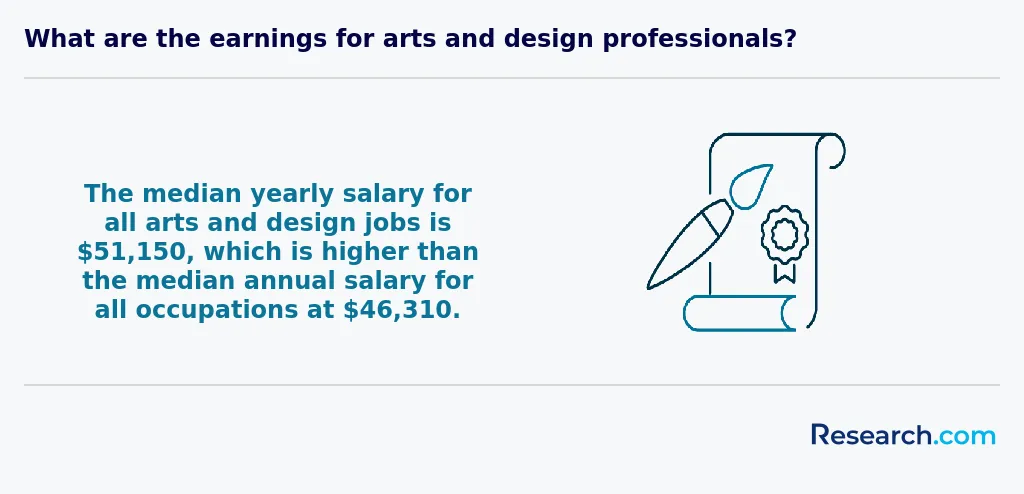
When evaluating the affordability of a Fine Arts degree in Massachusetts, it’s essential to look beyond sticker price and analyze long-term returns. On average, Fine Arts graduates carry around $27,000 in student loan debt, yet early-career salaries often start at $40,000–$50,000. By comparing this to the mean annual wage of $64,500 for graphic artists or $111,130 for animators, you can estimate a payback period of roughly 5–7 years for most programs. Factoring in living expenses, part-time work and financial aid-such as the MASSGrant Plus-can shorten this timeline considerably, making an affordable degree a realistic investment. Specializations with higher earning potential, like animation, can further improve ROI. For students interested in branching into motion graphics or game design without breaking the bank, exploring top online animation degrees can reveal programs that blend flexibility with competitive tuition. These online options often reduce costs by 20–30% compared to on-campus counterparts, while still equipping you with industry-standard software skills and portfolio pieces that attract employers. Ultimately, a comprehensive ROI analysis should include average tuition outlays, projected entry-level earnings in your chosen specialization, and debt-repayment schedules. By mapping these factors against your career goals-whether you aspire to curate exhibitions, teach art, or direct animations-you can choose the most cost-effective pathway to creative success in Massachusetts.
A fine arts degree in Massachusetts usually encompasses a diverse mix of courses that cultivate both technical mastery and creative insight. Graduates from well-known programs such as those at Massachusetts College of Art and Design often reflect on how foundational classes in drawing and painting helped them build confidence in various mediums, allowing them to express deeply personal ideas with skill and nuance.
Hands-on sculpture classes introduce students to working with materials like clay and metal, fostering a tactile connection to their art that studio time alone can't replicate. Complementing these are art history courses, which provide a rich understanding of cultural movements and artistic influences-knowledge graduates cite as essential when situating their own work within a broader creative dialogue.
Digital media courses respond to the evolving landscape of art, equipping students with modern tools that many find empowering for expanding their practice. Printmaking and photography also play key roles, with students eagerly recalling the rewarding challenge of translating concepts into tangible forms.
At institutions throughout Massachusetts, students appreciate the added value of critique sessions and conceptual art classes that encourage them to think deeply and articulate the meaning behind their work. These experiences create a vibrant learning environment that blends tradition with innovation, perfectly suited for aspiring artists navigating today's dynamic creative world.
Massachusetts offers a wealth of fine arts degree specializations that reflect the state's dynamic artistic communities and academic rigor. Graduates from renowned institutions, such as those in Boston and the surrounding areas, often recall how painting and drawing courses challenged them to blend technique with personal expression, nurturing their creative voices. Sculpture and photography also remain prominent choices, providing hands-on experiences that engage both classical craftsmanship and modern technologies.
Students focusing on graphic design find themselves immersed in visual storytelling, honing skills applicable to advertising and branding, which are vital in today's competitive markets. Printmaking and art history enrich the curriculum as well, offering pathways that combine creative practice with critical thinking-an approach especially valued across Massachusetts colleges that emphasize a holistic art major concentration options in Massachusetts.
For those intrigued by innovation, many programs also encourage exploration of new media arts and animation, helping students build portfolios aligned with growing industries. Exploring top online animation degrees is one way students navigate this emerging field while maintaining local art traditions.
Choosing the best fine arts degree in Massachusetts involves weighing academic quality alongside practical considerations like cost and program focus. Graduates from institutions such as Massachusetts College of Art and Design often share how the reputation and strong alumni connections helped them secure creative industry roles. These experiences highlight the value of a program's accreditation and faculty expertise, especially when instructors are seasoned artists offering hands-on mentorship.
Cost plays a crucial role, especially for those exploring the best affordable fine arts degree programs Massachusetts offers. Some students have found relief through merit-based scholarships and financial aid that make prestigious programs more accessible. A practical approach includes exploring resources and facilities-those expansive studios and tech labs students rave about, which foster growth and portfolio development.
Location also shapes opportunity. Students near Boston or Cambridge enjoy vibrant art scenes that enrich networking and career paths. For a detailed comparison of costs, one can consult the Affordable Fine Arts Degree Programs Ranking in Cambridge, MA, which helps in identifying top fine arts colleges cost Massachusetts-wise, allowing informed, personal choices for a fulfilling creative education.
Graduates from fine arts programs in Massachusetts find a spectrum of opportunities that reflect the state's vibrant cultural landscape. Many step into roles as professional artists, honing skills in painting, sculpture, or digital arts nurtured at respected institutions like the School of the Museum of Fine Arts at Tufts or Massachusetts College of Art and Design. These graduates often feel a deep satisfaction working in creative roles where their talents are valued and their work contributes to Boston's bustling galleries and public art projects, illustrating fine arts career opportunities in Massachusetts.
Others channel their passion into education, becoming certified art teachers for K-12 schools across the state. This path offers not only stable incomes but meaningful engagement with young creatives, as seen among alumni who credit their development to hands-on experiences during their studies. Fine arts degree job prospects also extend to theater and film production, with graduates collaborating on set and costume designs supported by local theaters and media projects, enriching the artistic community.
Beyond these, careers in art therapy, graphic design, curation, and commercial arts allow graduates to apply their creative skills in diverse ways. For those weighing how to start quickly, institutions like UMass and private colleges offer options to pursue a fast track bachelor degree online, helping students enter these exciting fields efficiently.
The job market for fine arts degree holders in Massachusetts offers a dynamic yet challenging landscape. Graduates from well-regarded institutions such as the Massachusetts College of Art and Design often find opportunities in Boston's thriving gallery scene or in educational roles at local schools, blending their passion for creativity with a community focus. Those navigating art career opportunities in Massachusetts frequently emphasize the importance of building strong portfolios and connecting with local arts networks, which can open doors to freelance commissions or multimedia design roles.
Many graduates appreciate the state's dedication to the arts, where cultural institutions and theaters create an active environment for employment, even as competition remains high. Financial considerations are also vital; with tuition often exceeding $40,000 at private colleges, understanding local market wages-a median of about $60,000 annually-helps students align their career ambitions with realistic outcomes. For those curious about educational paths, exploring which associate degree is easiest can provide helpful insights into cost and time investments related to fine arts studies in Massachusetts.
2027 Most Affordable Fine Arts Degree Programs Ranking in Massachusetts
Investing in your education is a significant decision that can shape your future, and the Research.com team understands the importance of making informed choices. To assist prospective students in Massachusetts, we have meticulously crafted the "2027 Most Affordable Fine Arts Degree Programs Ranking in Massachusetts." Our commitment to quality, credibility, and accuracy is reflected in the extensive research and analysis conducted to compile this ranking.
We utilized the following reputable data sources to ensure a comprehensive evaluation of fine arts degree programs:
By exploring this ranking, readers will gain valuable insights into the most affordable fine arts degree options in Massachusetts, empowering them to make well-informed educational decisions. For more details on our methodology, please visit our Research.com methodology page.


Frequently Asked Questions About fine arts
Fine arts degree students in Massachusetts can maximize their learning experience by engaging fully with both academic and practical opportunities. Many Massachusetts institutions, such as Massachusetts College of Art and Design, offer extensive studio practice combined with courses in art history and theory. Students should take advantage of internships and collaborations available in Boston's vibrant arts scene, which hosts over 56 art galleries and museums, according to the Boston Arts Commission.
Participating in exhibitions and attending local arts events enhances real-world experience and networking. Additionally, students benefit from interdisciplinary projects and elective workshops to broaden their skills. Utilizing campus resources like career services and alumni networks also plays a key role in professional development.
The fine arts field in Massachusetts is evolving with several emerging niches gaining attention among students and professionals. One prominent area is digital media arts, where artists blend traditional techniques with new technologies like virtual reality and animation. According to the Massachusetts Cultural Council, demand for digital artists has increased by 15% over the past five years.
Another niche is environmental art, which focuses on sustainability and ecological themes, reflecting the state's strong emphasis on green initiatives. Additionally, interdisciplinary collaboration, combining fine arts with fields such as technology and social activism, is becoming popular in Massachusetts' educational programs.
Graduates with fine arts degrees in Massachusetts should begin preparing for the job market early. Building a strong portfolio showcasing diverse skills is essential, as employers prioritize demonstrable work. Participating in internships or cooperative programs offered by schools can provide valuable real-world experience and local industry connections.
Networking plays a critical role in Massachusetts' arts community, with cities like Boston and Cambridge hosting frequent exhibitions, workshops, and artist collectives. According to the Massachusetts Cultural Council, the state supported over 6,700 artists and cultural workers in 2022, highlighting the competitive yet vibrant local market.
Additionally, graduates should consider continuing education in digital arts or arts administration to broaden career opportunities beyond traditional studio work.
Employers in Massachusetts highly value fine arts graduates who demonstrate strong creative and technical skills. Proficiency in diverse art mediums, including digital design and traditional techniques, is essential. Additionally, effective communication and collaboration abilities stand out, as many projects require teamwork and client interaction.
Critical thinking and problem-solving skills are frequently sought, enabling graduates to approach artistic challenges innovatively. Familiarity with industry-standard software like Adobe Creative Suite is also important, given the state's growing digital arts sector. According to the Massachusetts Cultural Council, fine arts professionals with a blend of creativity and technical expertise experience increased job opportunities.
Time management and project organization skills further enhance employability, as meeting deadlines is crucial in both academic and professional settings. These competencies reflect broader trends in the US art and design job market, making Massachusetts fine arts graduates competitive candidates nationwide.
Finding internships relevant to a fine arts degree in Massachusetts involves leveraging several key resources. Many universities with strong fine arts programs, such as Massachusetts College of Art and Design (MassArt), maintain internship listings and partnerships with galleries, studios, and cultural institutions.
Students should explore local arts organizations and museums in Boston and Cambridge, which often offer structured internship programs. According to the Massachusetts Cultural Council, the state supports numerous arts initiatives, increasing internship opportunities within nonprofit arts organizations.
Online platforms like Handshake and internships.com also feature fine arts internships specific to Massachusetts. Networking at art exhibitions, workshops, and university career fairs is crucial for discovering unadvertised opportunities.
Securing an internship strengthens practical skills, expands professional connections, and enhances employability in the Massachusetts arts sector.
A fine arts degree in Massachusetts can significantly enhance career mobility and advancement, especially in the state's vibrant cultural and creative sectors. According to the Massachusetts Cultural Council, the arts contribute over $6 billion annually to the state economy, supporting more than 80,000 jobs. Graduates with fine arts degrees often find opportunities in galleries, design firms, education, and media industries, where both creative skill and formal training are valued.
The degree provides critical skills such as visual communication, project management, and critical thinking, which employers across the state increasingly seek. Data from the Massachusetts Department of Higher Education shows that fine arts graduates have a 10% higher employment rate within five years of graduation compared to those without a degree.
Moreover, networking opportunities through Massachusetts' numerous arts organizations and events can aid in career advancement. The state's emphasis on innovation and cultural development also supports entrepreneurial endeavors, allowing fine arts graduates to create new businesses or expand freelance careers.
Studying for a fine arts degree in Massachusetts offers students a unique chance to develop skills suited for interdisciplinary roles. Many institutions in the state encourage collaboration between departments such as technology, design, and humanities, fostering versatile creative thinking. According to the National Association of Schools of Art and Design (NASAD), Massachusetts ranks high in integrating digital media with traditional art forms, which prepares graduates for diverse career paths.
Programs often include courses in project management, digital tools, and critical theory, enhancing adaptability. Massachusetts' vibrant arts community enhances networking opportunities, crucial for interdisciplinary work. This holistic education balances artistic practice with practical skills, enabling graduates to succeed beyond conventional studio roles.
Choosing between a thesis and a non-thesis fine arts degree program in Massachusetts depends largely on your career goals and learning preferences. Thesis programs typically require a substantial research project or creative work, offering experience in critical analysis and professional presentation. This path suits students aiming for academic careers or specialized roles in galleries, museums, or advanced study.
Non-thesis programs usually focus on practical skills and coursework, ideal for those seeking to enter the workforce quickly as practicing artists or educators. According to the National Center for Education Statistics (NCES), Massachusetts colleges award over 200 fine arts degrees annually, with many institutions offering both options.
Consider how much independent research or project work you are prepared to undertake. Also, evaluating faculty expertise and available resources at Massachusetts institutions can guide your decision effectively.
Students based in Massachusetts who wish to study fine arts abroad have several options through their home institutions. Many Massachusetts colleges with fine arts programs, such as the School of the Museum of Fine Arts at Tufts University and Massachusetts College of Art and Design, offer established study abroad partnerships. These programs typically provide opportunities to study in countries renowned for art history and practice, including Italy, France, and Spain.
According to the Institute of International Education, about 12% of U.S. art students participate in study abroad programs, with Massachusetts institutions actively encouraging these experiences to enhance artistic development. Financial aid and scholarships may be available specifically for study abroad to support students interested in gaining international exposure.
Candidates should consult their home institution's study abroad office to explore accredited fine arts programs overseas that align with Massachusetts degree requirements, ensuring credits transfer smoothly. This approach allows students to immerse themselves in diverse artistic traditions while progressing toward their degree.
In Massachusetts, part-time job opportunities that complement fine arts degree education often include working as gallery assistants, museum attendants, or art instructors. These roles provide practical experience and valuable networking within the local arts community.
Many fine arts students find positions at institutions like the Museum of Fine Arts Boston or the Institute of Contemporary Art, offering exposure to professional environments and exhibitions. According to the Massachusetts Executive Office of Labor and Workforce Development, the arts, design, and entertainment sector has seen steady growth, creating more entry-level opportunities for students.
Additionally, freelance work such as commissioned artwork or teaching private art classes can build portfolios and generate income while studying. Local art fairs and community centers in Massachusetts frequently seek part-time collaborators, making the state a supportive environment for fine arts students.
Fine arts students in Massachusetts benefit from many networking opportunities due to the state's vibrant cultural and educational environment. Institutions like the Massachusetts College of Art and Design (MassArt) offer events, galleries, and workshops that connect students with local artists and industry professionals. According to the National Endowment for the Arts, Massachusetts ranks among the top states for per capita employment in arts and design jobs, enhancing networking potential.
Additionally, fine arts students can engage with active communities through organizations such as the Boston Artists' Resource and regional art fairs. These connections often lead to internships, exhibitions, and collaborative projects that support career development.
Alumni networks play a crucial role for fine arts degree students in Massachusetts by offering valuable opportunities for professional growth and connection. Graduates from Massachusetts institutions like Massachusetts College of Art and Design often benefit from these networks that connect students with established artists, galleries, and industry professionals.
According to the National Association of Colleges and Employers, 85% of jobs are filled through networking, making alumni connections vital for fine arts students seeking internships and exhibitions. These networks facilitate mentorships, portfolio reviews, and collaborative projects, which are essential in the competitive creative field.
Massachusetts alumni groups also organize workshops and events in cities such as Boston and Worcester, creating local avenues for exposure and career advancement. This support system often leads to stronger employment outcomes, helping fine arts graduates navigate the evolving arts industry more effectively.
In Massachusetts, fine arts degree programs often allow students to tailor their studies through elective courses, concentrations, or minors. Many institutions offer specializations like digital media, painting, sculpture, or art history, which align with various career paths in galleries, design, or education.
Internships and cooperative education experiences also provide practical opportunities to gain skills relevant to students' goals. According to the Massachusetts Department of Higher Education, about 60% of fine arts students engage in internships before graduation, enhancing career readiness.
Advisors typically help students select courses and extracurricular activities that best fit their ambitions, making customization accessible and strategic.
Fine arts students in Massachusetts often face financial challenges, as programs can be costly with limited funding options. According to the Massachusetts Department of Higher Education, art-related degrees have one of the highest per-credit costs, which may deter some prospective students.
Another common challenge is access to adequate studio space and equipment. Many institutions experience high demand for specialized facilities, causing students to compete for limited resources, which can affect the quality of their work.
Additionally, fine arts students frequently encounter difficulties balancing creative practice with academic requirements, including managing time for projects alongside theoretical coursework. According to data from the National Endowment for the Arts, students also report limited internship positions in local galleries and arts organizations, narrowing professional exposure opportunities.
Graduates with a fine arts degree in Massachusetts can pursue various professional certifications to enhance their career prospects. One common path is obtaining a teaching license, allowing graduates to teach art in public and private schools. The Massachusetts Department of Elementary and Secondary Education offers a Preliminary or Initial License in Visual Arts for certified art educators.
Additionally, fine arts graduates often pursue certifications in art therapy, which requires credentials like the Art Therapy Credentials Board Certification (ATC). The Massachusetts Mental Health Counselors Association provides state-specific guidance.
For those interested in museum work, certification from the American Alliance of Museums can improve job opportunities. Professional development in digital design or graphic arts also benefits from certifications through organizations like Adobe or local institutions in Massachusetts.
Writing a winning application for a fine arts program in Massachusetts requires careful preparation and attention to detail. First, research each school's specific admission requirements, as many demand a strong portfolio showcasing your best visual or performance work. For example, the Massachusetts College of Art and Design emphasizes creativity and technical skill in its portfolio review (MassArt Admissions).
Next, craft a clear and compelling personal statement that explains your artistic journey, goals, and why Massachusetts is your preferred location. Admissions committees often seek candidates who show commitment and originality.
Additionally, consider obtaining strong letters of recommendation from art instructors or professionals familiar with your work. According to the National Association of Schools of Art and Design, portfolios supplemented with endorsements significantly improve chances of acceptance nationwide, applicable to Massachusetts programs as well.
Finally, maintain good academic standing; many fine arts programs expect minimum GPA standards, often around 3.0 or higher, to ensure academic readiness alongside artistic talent.
The global perspective on a fine arts career highlights both opportunities and challenges for graduates, including those studying in Massachusetts. Fine arts professionals often work internationally, collaborating in diverse cultural settings that enrich their creative output. According to the National Endowment for the Arts, Massachusetts supports vibrant arts communities, enhancing career prospects locally and beyond.
Globally, fine arts careers are valued not only for cultural contributions but also for driving innovation in commercial industries such as design and media. However, employment in traditional fine arts roles can be competitive and may require supplementary skills in technology or business.
Students should recognize that fine arts degrees from Massachusetts institutions, such as the School of the Museum of Fine Arts at Tufts University, benefit from strong networks and resources that boost global mobility and recognition.
Gaining practical experience while pursuing a fine arts degree in Massachusetts is essential for career development. Many colleges offer internships or cooperative education programs connecting students with museums, galleries, and design firms across the state. For instance, Massachusetts College of Art and Design facilitates placements in Boston's vibrant arts scene.
Students can also participate in on-campus exhibitions, workshops, and artist residencies that build real-world skills. According to the Massachusetts Cultural Council, over 25% of fine arts students engage in community art projects or public art programs during their studies, which enhances portfolios and professional networks.
Volunteering within local art organizations offers additional opportunities to gain hands-on experience while studying.
Choosing the right concentration within a fine arts degree program in Massachusetts begins with understanding your personal interests and strengths. Common concentrations include painting, sculpture, graphic design, and photography. Massachusetts hosts renowned art institutions such as the Massachusetts College of Art and Design, which reported a 90% graduate employment rate within a year, indicating strong program outcomes.
Research the faculty expertise and resources each school offers in different concentrations, as facilities and mentorship impact skill development. Also, consider career goals and local industry demand. For example, Boston's vibrant arts scene offers opportunities in digital media and gallery management, which might influence your choice.
Lastly, review curriculum details and portfolio requirements to ensure alignment with your creative vision and professional aspirations.
- 2027 Most Affordable Fine Arts Degree Programs Ranking in Connecticut
- 2027 Most Affordable Fine Arts Degree Programs Ranking in New Hampshire
- 2027 Most Affordable Fine Arts Degree Programs Ranking in Vermont
- 2027 Most Affordable Fine Arts Degree Programs Ranking in New Jersey
- 2027 Most Affordable Fine Arts Degree Programs Ranking in Maine
- 2027 Most Affordable Fine Arts Degree Programs Ranking in Pennsylvania
- 2027 Most Affordable Fine Arts Degree Programs Ranking in Ohio
- 2027 Most Affordable Fine Arts Degree Programs Ranking in Kentucky
- 2027 Most Affordable Fine Arts Degree Programs Ranking in North Carolina
- 2027 Most Affordable Fine Arts Degree Programs Ranking in Tennessee
- Boston Art Schools https://colleges.cometoboston.com/boston-art-schools
- Complete guide to studying Fine Arts - TAI Arts https://taiarts.com/en/blog/guide-to-studying-fine-arts/
- Careers in Fine Art https://www.artcenter.edu/academics/undergraduate-degrees/fine-art/careers-in-fine-art.html
- Networking - Weaving Your Web as an Art Graduate - Visual Artists Association https://visual-artists.org/resources/networking-weaving-your-web-as-an-art-graduate/
- Departments & Programs https://mcla.edu/academics/academic-departments/
- Massachusetts College of Art and Design Financial Information https://collegeiq.com/colleges/massachusetts-college-of-art-and-design/financials
- Know more about thesis vs non- thesis: what is the difference? https://studyfans.com/en/blogs/816
- How to Network as an Artist - AGI Fine Art Blog https://agifineart.com/advice/the-art-of-reputation-how-to-network-if-youre-an-emerging-artist/
- Create a Niche Market for Your Art in a Sea of Artists https://lorimcnee.com/create-a-niche-market-for-your-art-in-a-sea-of-artists/
- Artistic Experiences for Local Schools | Accelerate https://accelerateumass.org/impact-stories/artistic-experiences-local-schools


