2027 Columbia Southern University BS in Business Administration: Planning Study While Using Employer Reimbursement
Audited and Verified:
Our Editorial and Data Verification Process
Research.com uses government datasets, official education statistics and primary institutional information to support its career and degree guides. Our review process checks factual accuracy, occupational definitions, source dates and the requirements associated with the credentials discussed.
How This Article Was Fact-Checked
Our editorial team verifies salary estimates, employment projections, education requirements and program information against original data providers and official organizations. Salary figures are checked against the relevant occupational definitions and reporting periods. Information about licensure, accreditation and required in-person training is reviewed separately.
Fact-checked and verified on:

Co-Founder and Chief Data Scientist
Employer tuition reimbursement can make a business administration degree more affordable, but it may not pay a tuition bill when that bill is due. If you work full time and are considering Columbia Southern University's BS in Business Administration, the important decision is how to match courses with your employer's approval rules, payment schedule, and annual benefit limit.
This guide explains the program questions to verify, shows how to build a workable study-and-payment plan, and helps you decide whether the degree fits your next career move.
Key Things You Should Know
- Get your employer's written approval before enrolling: reimbursement may depend on job relevance, grades, documentation, and continued employment.
- Plan for the gap between CSU's payment deadline and your employer's reimbursement date; an annual benefit cap does not eliminate upfront costs.
- Use CSU's degree audit to identify remaining required credits before choosing a pace. Accepted transfer credits do not necessarily satisfy business-core requirements.
What is Columbia Southern University's BS in Business Administration?
Columbia Southern University (CSU) offers a Bachelor of Science in Business Administration, or BSBA. It is an undergraduate business degree intended to develop broad knowledge of organizational functions rather than qualify graduates for a single licensed occupation. For an employee using education benefits, its value depends on whether the remaining courses build skills relevant to a specific role or advancement requirement.
Compare the degree with the work you want to do next. An employee moving toward operations coordination may value budgeting, management, and process-focused coursework; someone seeking a specialized accounting role should check whether a general BSBA provides enough accounting preparation. If your aim is advancement without leaving your job, business administration programs for advancement while working offer a useful comparison point. A BSBA is not an MBA, a professional certification, or a substitute for managerial experience.
Is Columbia Southern University's business administration degree accredited?
Check CSU's institutional accreditation in the accreditor's directory and confirm that it covers the university and your intended enrollment period. Then check separately whether any business-specific accreditation applies to the BSBA. Institutional accreditation and accreditation by a business-program accreditor, such as AACSB, ACBSP, or IACBE, have different scopes; one does not establish the other.
Accreditation matters for employer policies, transfer decisions, and some graduate-school applications, but it does not guarantee that another institution will accept particular courses. If your employer requires an accredited school, ask benefits staff exactly which accreditation standard the policy uses. When comparing institutions, online business degree rankings for US college applicants can help generate alternatives, but verify each school's accreditation directly rather than relying on a list.
How can employer tuition reimbursement help pay for the CSU BSBA?
Tuition reimbursement generally means the employee pays an eligible education expense and the employer repays some or all of it after specified conditions are met. It differs from direct billing, in which an employer or benefits provider pays the school. The distinction determines whether you need savings, a payment plan, or another funding source before classes begin.
Request the written policy and make a course-by-course plan with benefits staff. The following sequence protects against the most consequential surprises:
- Confirm that CSU, the BSBA, and your proposed courses qualify, and obtain any required approval before registration.
- Identify the benefit-year dates, reimbursement cap, eligible tuition and fees, minimum grade, submission deadline, and required receipts or transcripts.
- Ask when payment arrives, whether a school payment plan is allowed, and how aid or scholarships affect the reimbursable amount.
- Check any required service period or repayment obligation after leaving the employer, including what happens after an involuntary separation.
- Register only for a course load whose payment deadlines and study hours you can manage if reimbursement is delayed or denied.
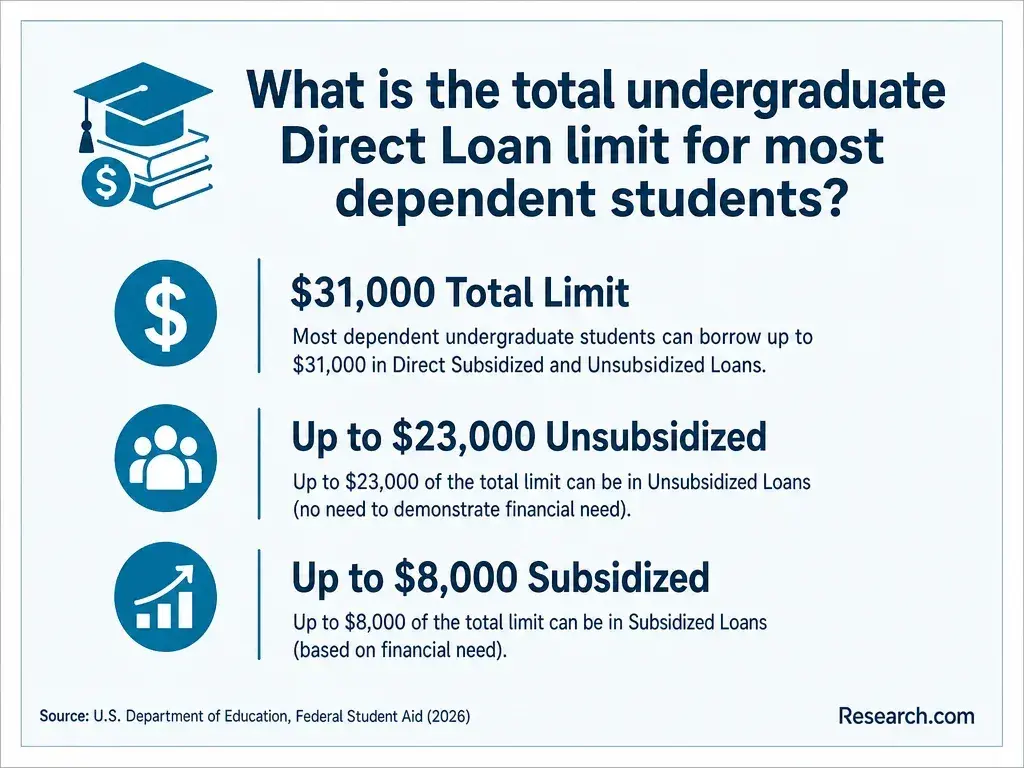
Employer educational assistance can have federal tax advantages when the arrangement meets applicable rules, but the treatment of a particular payment depends on the plan and tax law. Ask payroll how assistance will be reported rather than assuming every reimbursement is tax-free. Federal aid is a separate question: compare eligibility and borrowing needs before using a loan merely to bridge a short payment delay. If aid eligibility is central to your plan, affordable accredited business administration programs accepting FAFSA provide additional schools to investigate.
Review CSU's catalog for your enrollment term and request a degree audit showing general education, business-core, elective, and any concentration requirements. Business administration study commonly addresses accounting, economics, finance, marketing, management, and quantitative decision-making, but the catalog - not a general description - determines which CSU courses you must complete.
Use that audit to coordinate academic sequencing with reimbursement. A prerequisite may need to be completed before a later business course, while an employer may approve only courses tied to your present job or a documented advancement plan.
Ask an adviser which required courses are offered when you expect to take them; ask benefits staff whether that sequence remains eligible. If your goal is specifically HR work, compare human resources degree pathways before treating BSBA electives as equivalent to an HR-focused degree. An elective is not automatically an official concentration or professional credential.
CSU presents the BSBA as an online study option. Before relying on that flexibility, confirm the delivery and assessment rules for the courses in your planned sequence: assignment deadlines, any live sessions, group work, exam requirements, technology needs, and whether any activity requires attendance at a specified place or time.
Online does not necessarily mean self-paced. A workable schedule must leave time for coursework after shifts, travel, or caregiving - and for the possibility that a difficult accounting or quantitative course takes more time than expected. Compare CSU's actual course calendar with American fast-paced business bachelor's degrees only if faster completion would improve your financial plan. Finishing sooner is not a saving if the heavier course load jeopardizes grades required for reimbursement.
Ask CSU admissions for the requirements that apply to your applicant status and start term, including acceptable prior education records and official transcript procedures. If you previously attended college, request a formal transfer evaluation as well as admission information. Being admitted, receiving transfer credit, and satisfying a particular BSBA requirement are separate decisions.
A returning student should send transcripts early enough to see how prior general education and business courses apply before asking an employer to approve a term. If earlier coursework came from another field, do not assume it is unusable - or that accepted credits replace accounting, economics, or other required business courses. The business administration admissions preparation guide can help you organize questions, but CSU's admissions office and degree audit control the individual determination.
Your completion time depends on credits applied to the degree, remaining course requirements, course availability, and the pace you can sustain while working. Request CSU's current tuition and fee schedule and a degree audit before calculating a total; an advertised price per credit is not a reliable completion estimate by itself.
The table separates costs from cash-flow questions. Fill it in using CSU's written charges and your employer's policy so that reimbursement does not obscure expenses you must still cover.
| Item | Amount to verify | Why it affects your plan |
| Remaining tuition | Required CSU credits multiplied by the applicable tuition rate | Transfer credit reduces cost only when it applies to degree requirements. |
| Fees and course materials | Required fees, books, software, and assessment costs | Employer policies may exclude some charges. |
| Employer benefit | Approved expenses, cap, and benefit-year dates | Costs above the cap remain your responsibility. |
| Upfront payment | Amount due before reimbursement arrives | This determines your immediate cash need, even if later reimbursement is expected. |
For each planned term, compare the bill due with cash available at that date; then subtract only reimbursement your employer has approved under its policy. Include any loan interest or payment-plan charges if you need bridge financing. Annual caps can make a slower schedule less expensive out of pocket, but added terms may delay completion. For broader price comparisons, examine economical business administration degrees with quicker study routes using the same remaining-credit and fee assumptions for every school.
The most relevant outcome for an employee seeking reimbursement may be advancement within a familiar organization, not an immediate change of profession. Depending on prior experience and openings, BSBA coursework can support applications for operations, administrative, sales-support, HR-support, or project-coordination roles. Hiring managers will still assess demonstrated responsibilities, technical skills, and results.
Match your intended role to a skill gap before choosing electives or requesting employer approval. For project coordination, for example, evidence of scheduling, stakeholder communication, and budget tracking may matter more than a broad claim of leadership ability. If project work is your clear destination, compare the BSBA with online project management programs for smaller budgets. A specialized route may fit better, but neither degree alone establishes eligibility for a project-management certification or guarantees a project manager position.
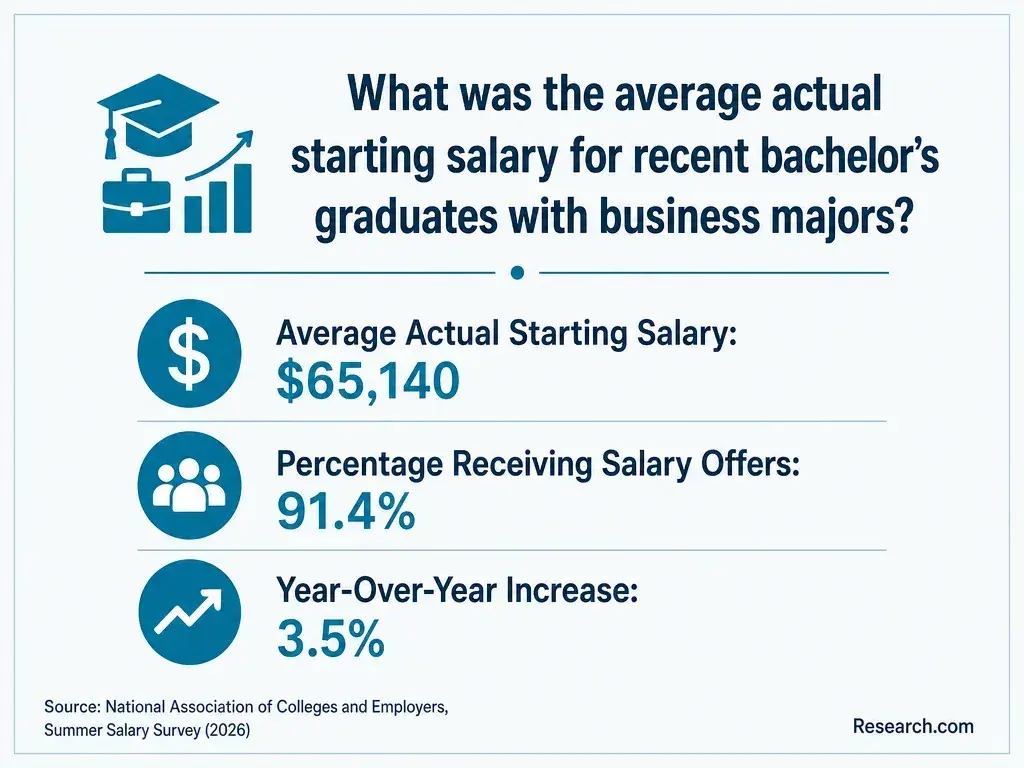
There is no single salary or growth rate for BSBA graduates: labor statistics describe occupations, not the earnings produced by a particular degree. As one possible longer-term pathway, the U.S. Bureau of Labor Statistics reports a May 2025 median annual wage of $102,320 for project management specialists and projects 7% employment growth from 2025 to 2035. That occupation-wide median includes experienced workers; it is not a starting salary or a CSU graduate outcome.
For a realistic pay comparison, examine openings at your employer and in your local market, including their experience requirements and salary ranges. If you would need to move into a specialist function, the transfer-friendly undergraduate project management schools are worth comparing against CSU only after you know how many of your credits each would apply. A higher occupational median cannot justify extra borrowing without a plausible route into the work.
How should you evaluate Columbia Southern University's BSBA before enrolling?
Make the decision with three documents side by side: CSU's written degree audit, its current tuition and academic policies, and your employer's education-benefit policy. Together, they should answer what remains to graduate, when bills are due, and which completed courses your employer will reimburse. An adviser's preliminary estimate or a supervisor's verbal support is not a substitute for the applicable written decision.
Test two schedules: a conservative pace you can fund and complete alongside work, and a faster pace if your benefit and time budget permit it. For each, check required-course availability, expected payment gaps, likely out-of-pocket expenses, and the consequences of a delayed or unsuccessful course. If CSU's remaining-credit total is high or its schedule does not fit, compare low-cost online business administration pathways on the same basis. Choose the route that meets a defined career or employer requirement at a manageable total cost - not simply the one with the lowest advertised tuition.
Other Things You Should Know About Business Administration
The written benefit agreement controls. Ask benefits staff whether employment on the payment date is required and how voluntary departure, layoff, and any repayment clause are handled.
Possibly, if its policy permits that school and course. Separately confirm with CSU whether the course would apply to your BSBA before enrolling elsewhere.
Only with appropriate workplace permission. Follow confidentiality, privacy, and intellectual-property rules; a fictional or properly anonymized case may be safer than sharing internal records.
That depends on your employment agreement, workplace policies, and how the project uses company resources or information. Clarify ownership and permission before using a work-based project in class or a portfolio.
- Frequently asked questions about educational assistance programs | Internal Revenue Service https://www.irs.gov/newsroom/frequently-asked-questions-about-educational-assistance-programs
- How Students Pay for College: 7 Ways to Consider | The Link | Columbia Southern University https://www.columbiasouthern.edu/blog/blog-articles/2026/june/how-students-pay-for-college
- What Is Tuition Reimbursement? How It Works for Grad School | University of Kansas https://admissions.ku.edu/blog/what-is-tuition-reimbursement
- Reference Guide to Required Supporting Documents | uci.edu https://www.accounting.uci.edu/ap/supporting-docs/index.php
- Employer Tuition Reimbursement: What Working Adults Need to Know | Winston-Salem State University https://ramsonline.wssu.edu/blog/employer-education-benefits/
- and Ask For - Employer Tuition Reimbursement Benefits | Harvard Extension School https://extension.harvard.edu/blog/how-to-use-and-ask-for-employer-tuition-reimbursement-benefits/